
Written here
Tropic of Capricorn
The Brooklyn book was written in the Paris studio — Capricorn is the major work of the Villa Seurat tenancy, drafted in the top-floor flat between 1936 and 1938.
Henry Miller's studio flat from 1934 to 1939 — the headquarters of the Villa Seurat circle, and the address where Tropic of Cancer was delivered to the door the day he moved in.
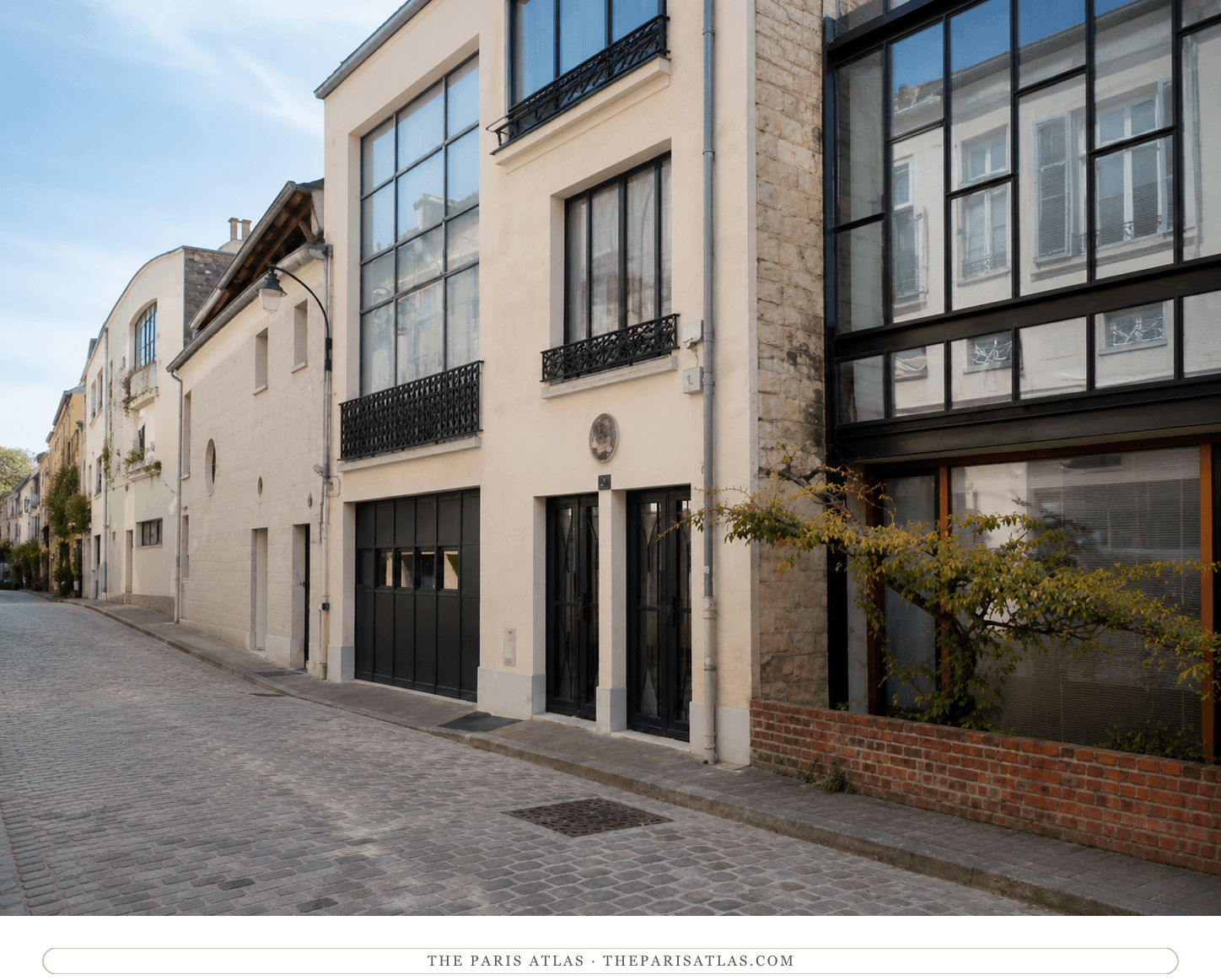
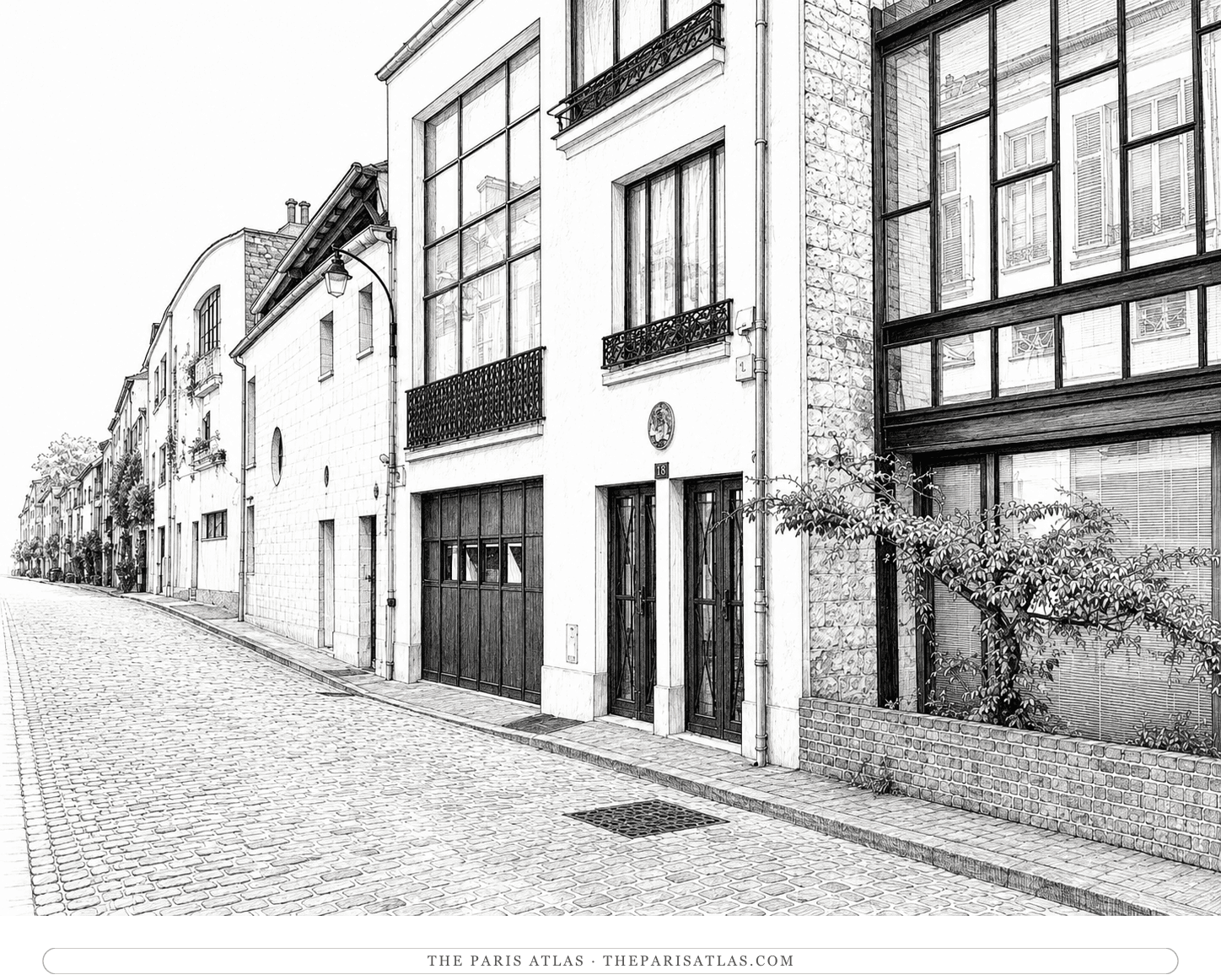
The Villa Seurat is not a villa but a street — a short private cul-de-sac off the rue de la Tombe-Issoire, built between 1924 and 1928 as a colony of artists' studio-houses, much of it designed by the modernist architect André Lurçat (No. 7bis, the sculptor Chana Orloff's house, is by Auguste Perret). The painters came first — Jean Lurçat, Marcel Gromaire, Édouard Goerg — and the neighbors over the years included Chaïm Soutine and Antonin Artaud. Into this enclave, in 1931, the philosopher-poet Michael Fraenkel began putting up a penniless Brooklyn writer named Henry Miller. The flat at No. 18 is where Tropic of Cancer begins — its opening pages are set there, with the address lightly disguised as the 'Villa Borghese' and Fraenkel appearing as Boris, the roommate prophesying the end of the world.
The address's great day came on 1 September 1934: the day Tropic of Cancer was finally published, and the day Miller — for the first time in his Paris years — got a home of his own, moving into the top-floor studio at No. 18 as its tenant. The first copies of the book were delivered to his door. The rent was paid by Anaïs Nin, with her husband Hugh Guiler's money — part of the patronage that had also financed the book's printing — and the studio became Miller's headquarters for the rest of the decade: the room where Black Spring was seen through the press and Tropic of Capricorn was written.
What made the address a movement was the traffic through it. Alfred Perlès was the constant; Nin came and went; and in August 1937 a young Lawrence Durrell, who had written Miller a fan letter from Corfu, arrived in person. Out of that season came the circle's collected mischief: The Booster, a country-club newsletter the group cheerfully hijacked into an avant-garde magazine (later renamed Delta), and the Villa Seurat Series at Obelisk Press, which in 1938 published Durrell's The Black Book, Miller's Max and the White Phagocytes, and Nin's Winter of Artifice. In June 1939 Miller closed the studio and left for Durrell's Greece; the war arrived shortly after, and the Villa Seurat decade was over.
The cul-de-sac rises as an artists' colony — studio-houses largely by André Lurçat, with Chana Orloff's house by Auguste Perret.
Michael Fraenkel begins hosting Henry Miller at No. 18 — the flat becomes the 'Villa Borghese' of Tropic of Cancer's opening pages.
On 1 September, Tropic of Cancer publishes and Miller moves into the top-floor studio as tenant — Anaïs Nin paying the rent.
Miller writes Tropic of Capricorn in the studio; the flat runs as the circle's headquarters.
Lawrence Durrell arrives from Corfu in August; The Booster is hijacked into the circle's magazine, and the Villa Seurat Series follows at Obelisk Press.
Miller closes the studio in June and sails for Greece; the war ends the Villa Seurat decade.
Written here
The Brooklyn book was written in the Paris studio — Capricorn is the major work of the Villa Seurat tenancy, drafted in the top-floor flat between 1936 and 1938.

Written here
Miller's side of the correspondence was written from the studio at No. 18, where he lived for the whole span of the exchange — twenty of his twenty-two letters date from 1935 to 1938.
Lived here · 1934–1939
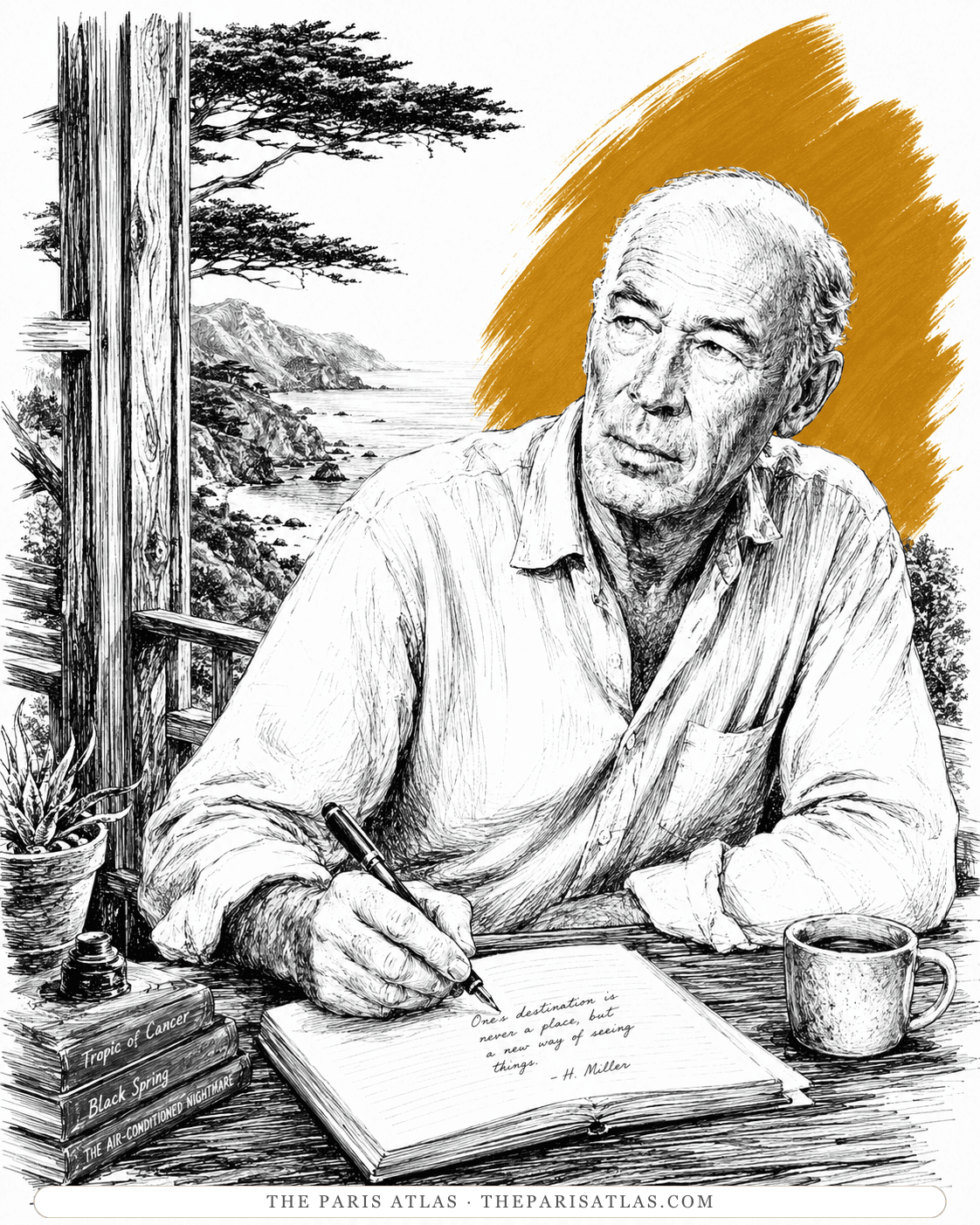
Miller moved into the top-floor studio on 1 September 1934 — the day Tropic of Cancer published, with the first copies delivered to his new door — and ran the Villa Seurat circle from it until he left for Greece in June 1939. He had stayed at No. 18 earlier as Michael Fraenkel's guest, from 1931; the flat opens Tropic of Cancer as the 'Villa Borghese.'
Lived here · 1931
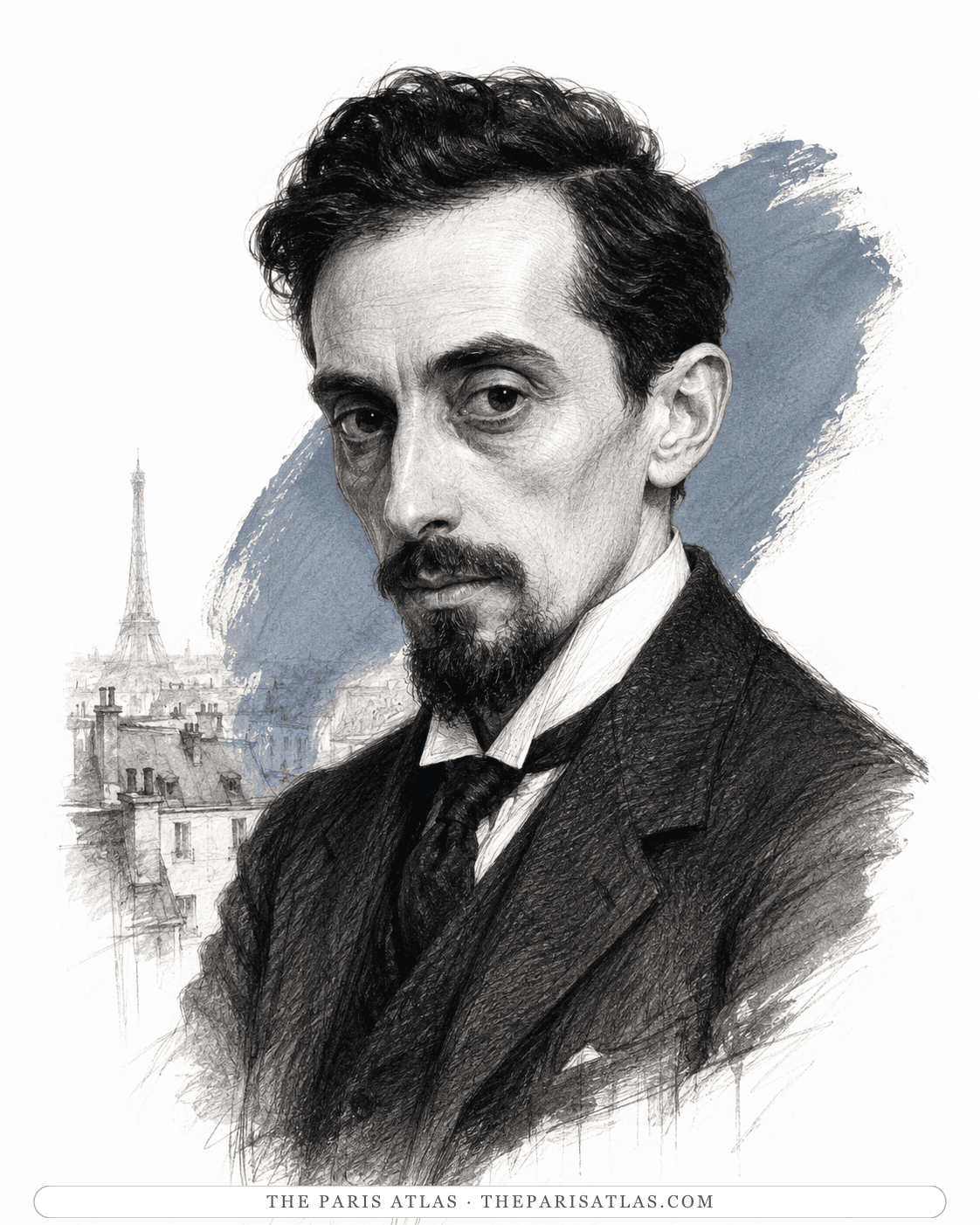
His apartment by 1931, when a broke Henry Miller moved in for about a month — the flat that opens Tropic of Cancer as the 'Villa Borghese.' Miller returned as tenant of the top-floor studio in 1934.
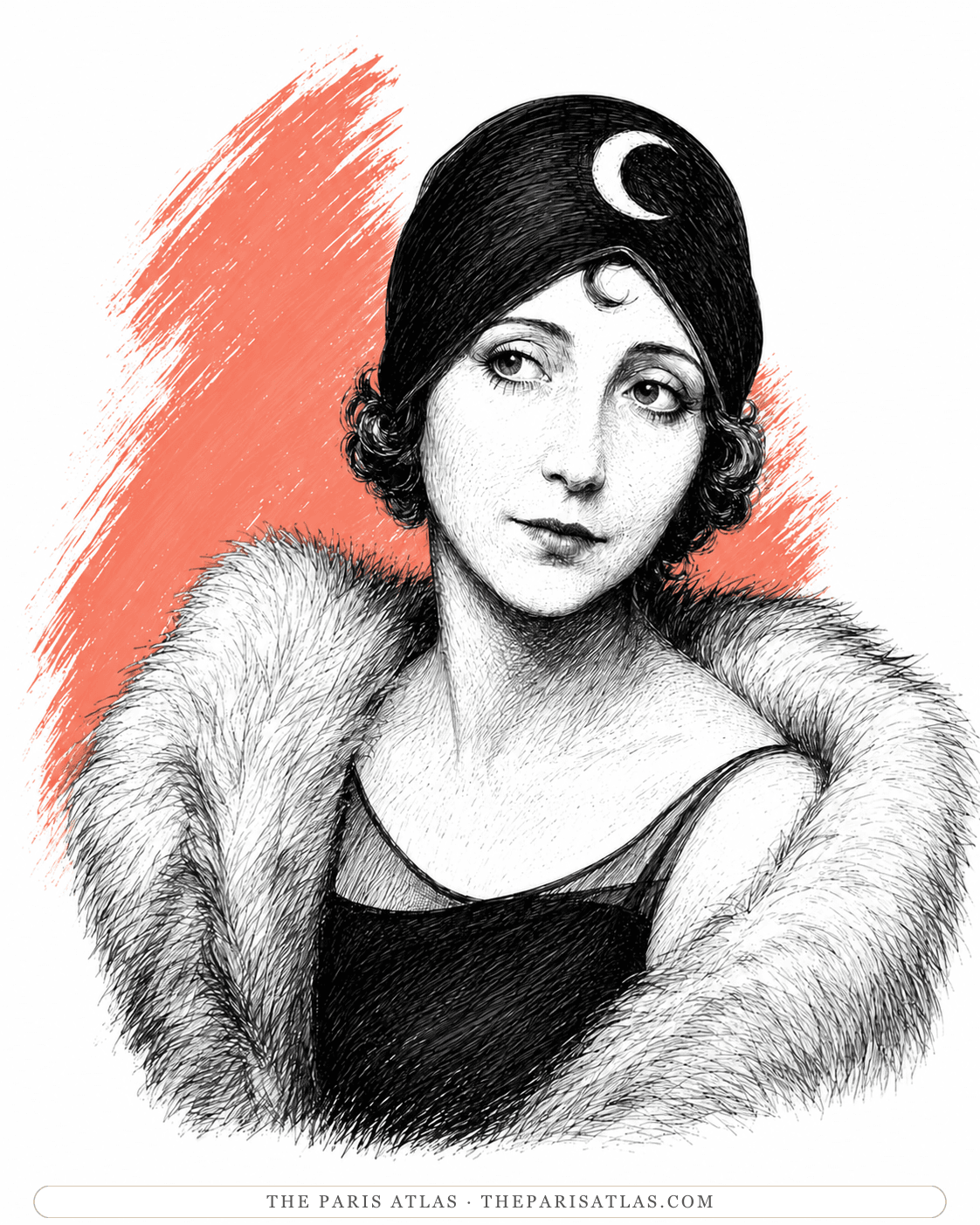
Frequented by · 1934–1939
Nin was the studio's patron as much as its visitor — she paid Miller's rent at No. 18, as she had financed Tropic of Cancer's printing, and her Winter of Artifice appeared in the flat's own imprint, the Villa Seurat Series, in 1939.
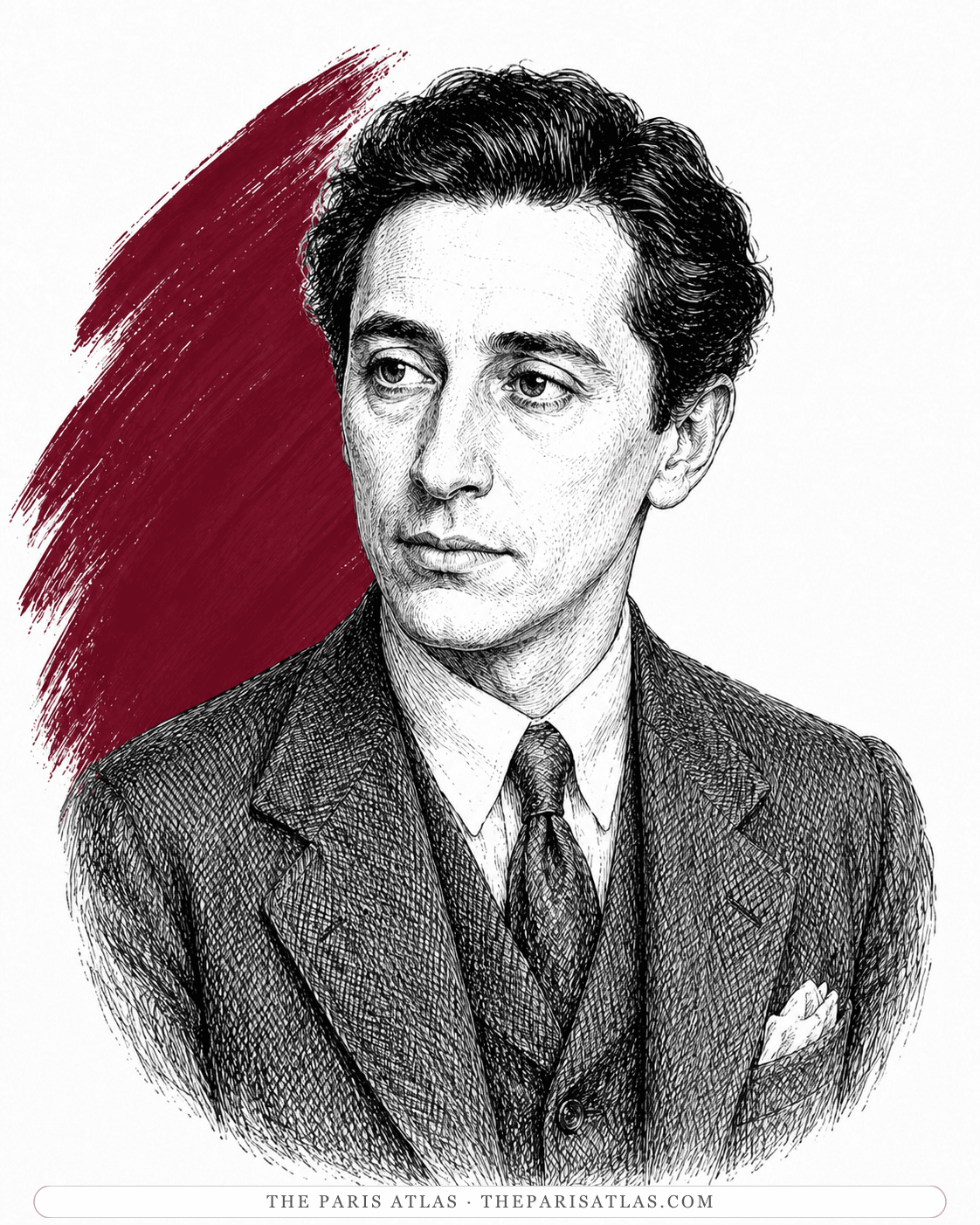
Frequented by · 1934–1939
The circle's constant — the Clichy flatmate followed Miller to the Villa Seurat years and co-edited the group's hijacked magazine, The Booster, with Miller and Durrell from 1937.
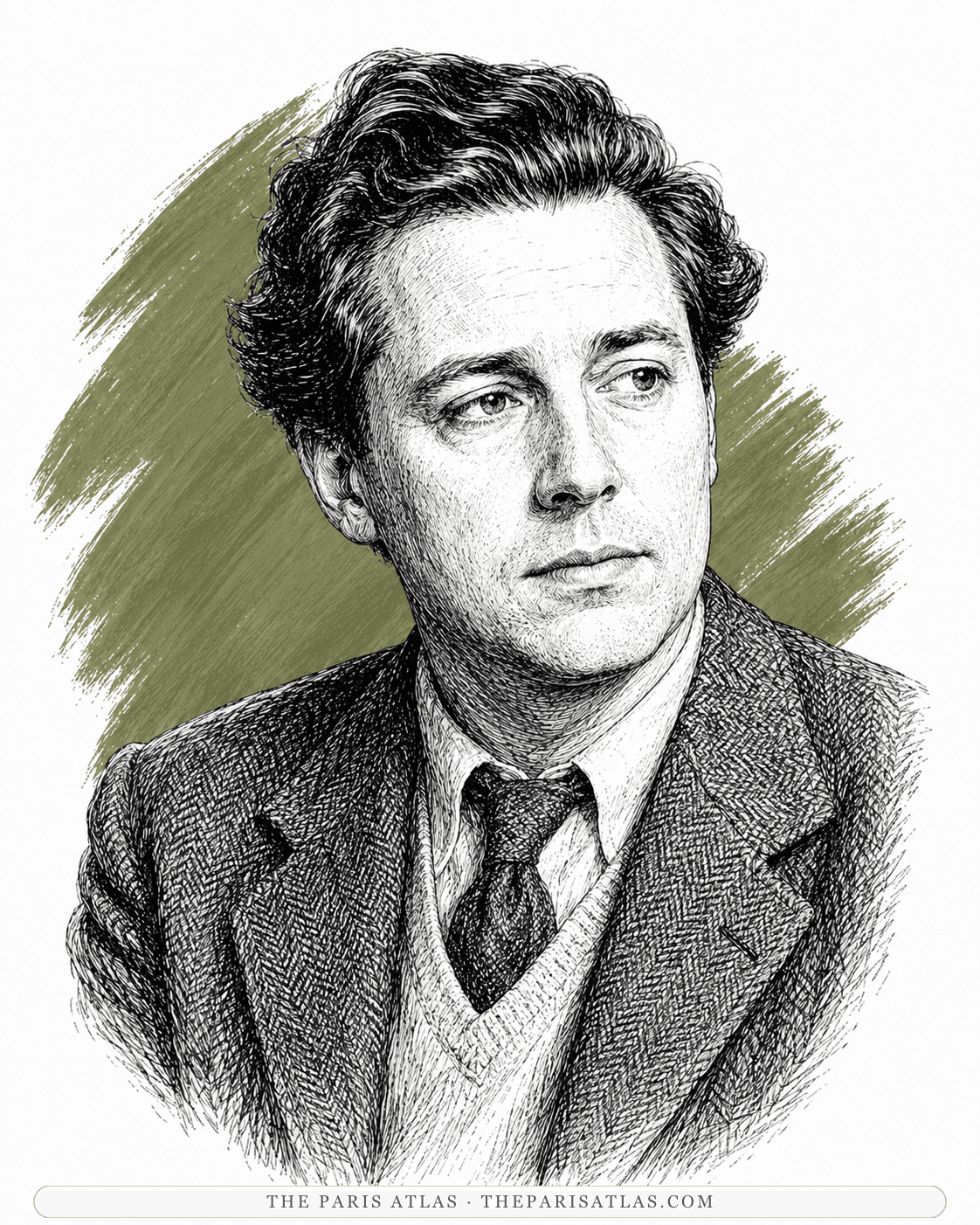
Frequented by · 1937–1939
Durrell arrived from Corfu in August 1937 to meet the man he'd been writing fan letters to — and stayed to co-found the circle's projects: The Booster, and the Villa Seurat Series that published his Black Book in 1938.
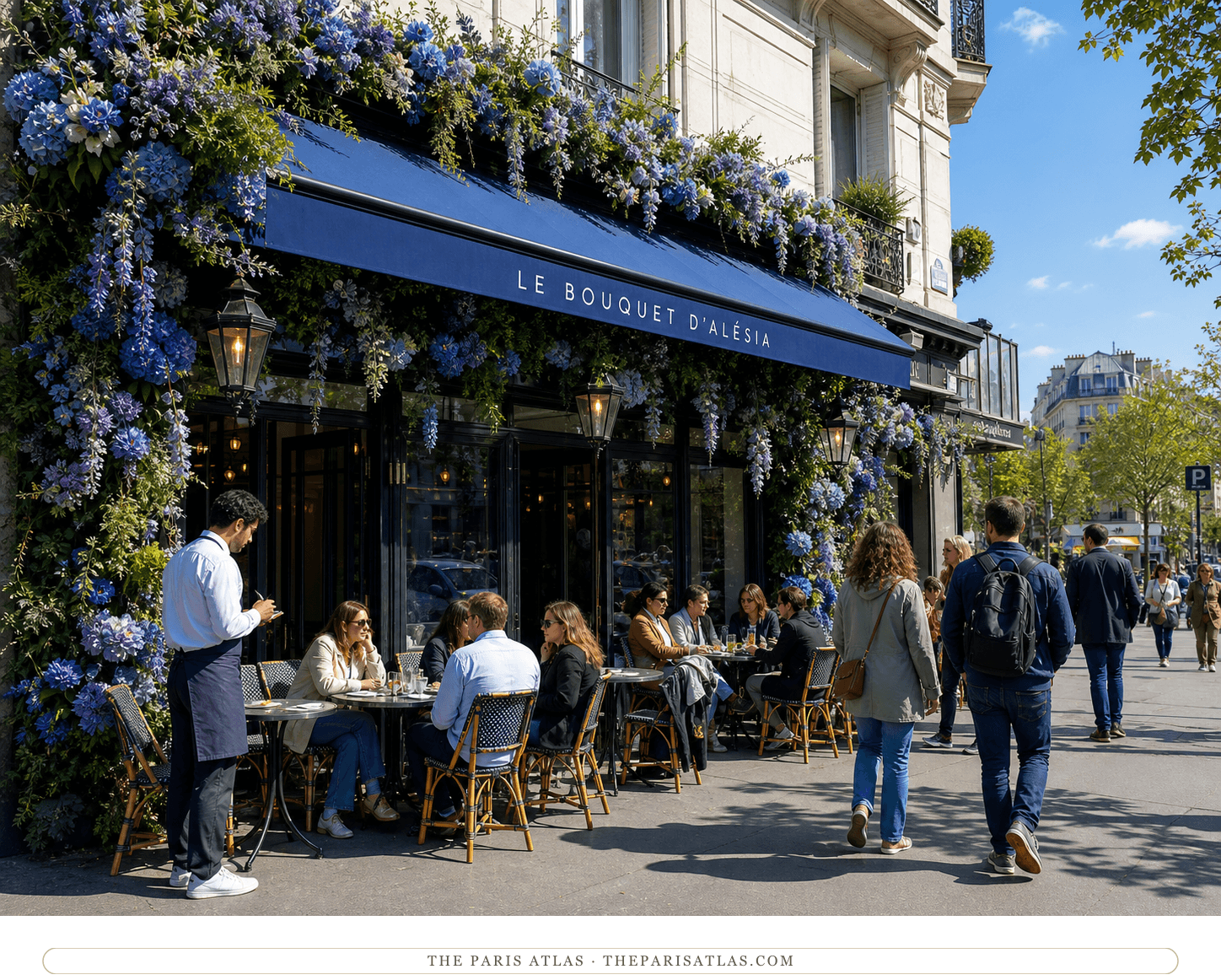
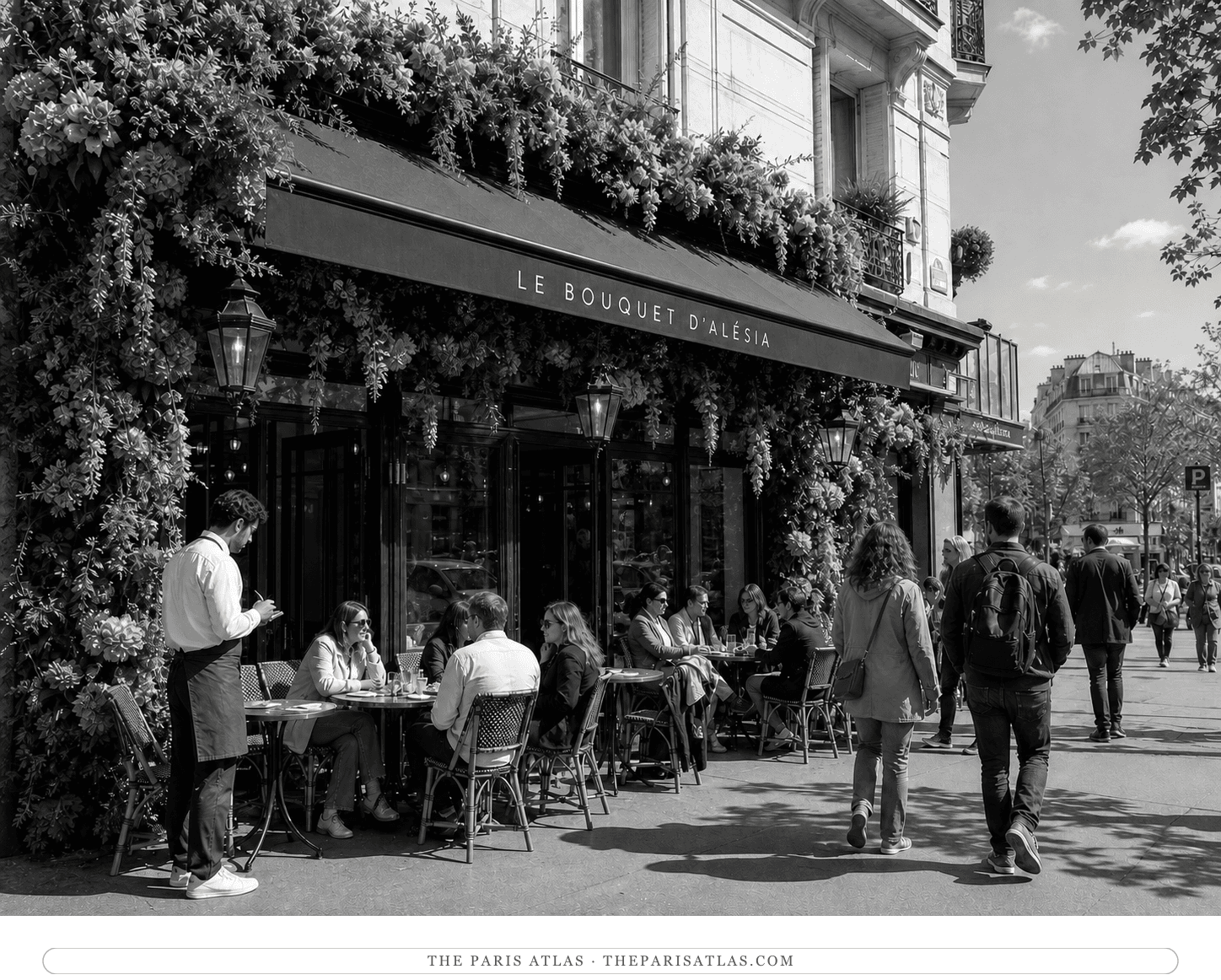
A corner café-brasserie in the 14th, and one of the few Paris addresses Henry Miller names himself. In a manuscript dated 17 March 1937 he places himself here, examining a section of the café's marble counter with the painter David Edgar.
Visit the place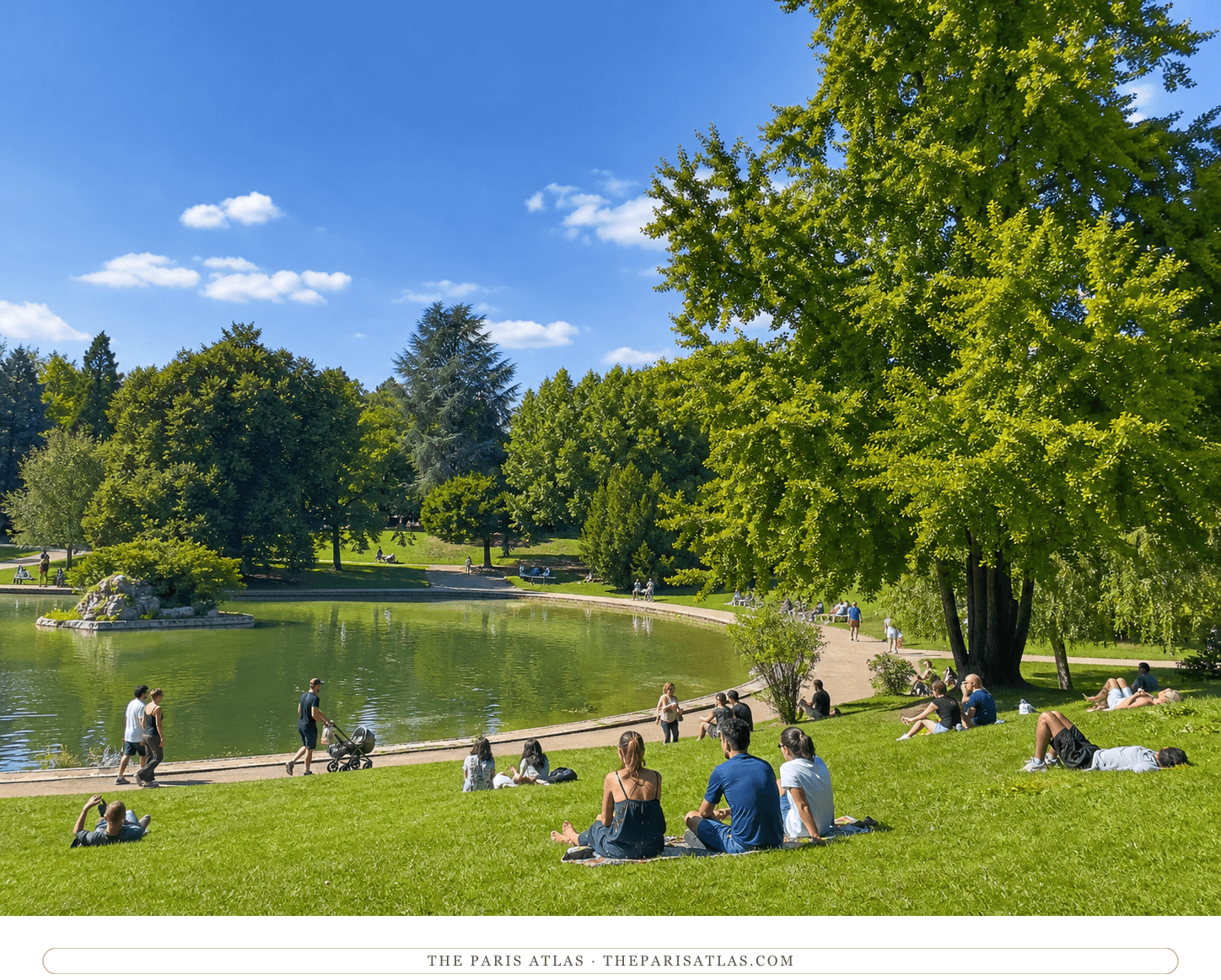
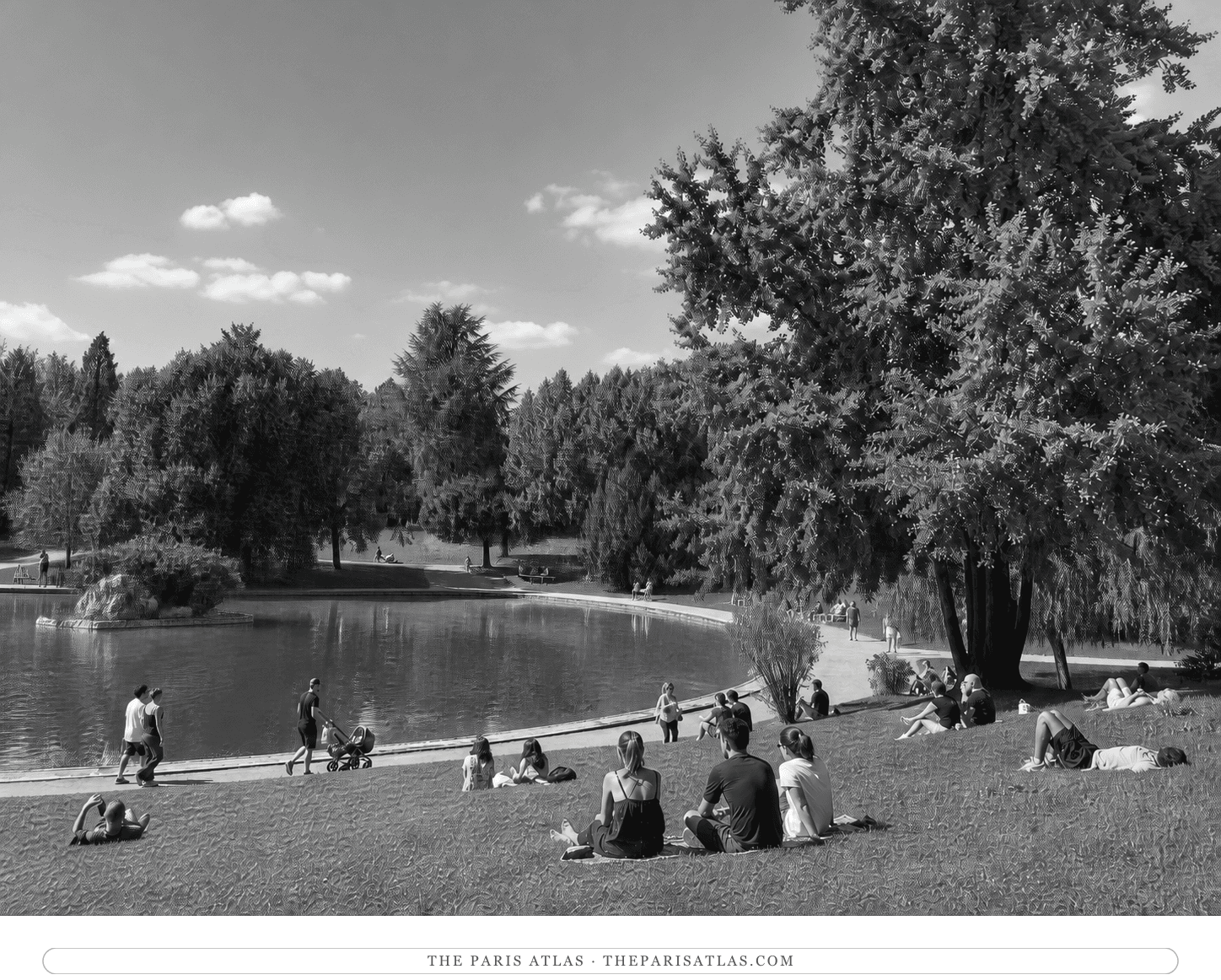
One of the four big parks Napoleon III and Haussmann gave Paris, laid out between 1867 and 1878 on the site of the old Montrouge quarries in the 14th arrondissement. It has a lake, a waterfall, a ginkgo and a giant sequoia, and it is the park Agnès Varda used for the long central sequence of Cléo from 5 to 7.
Visit the place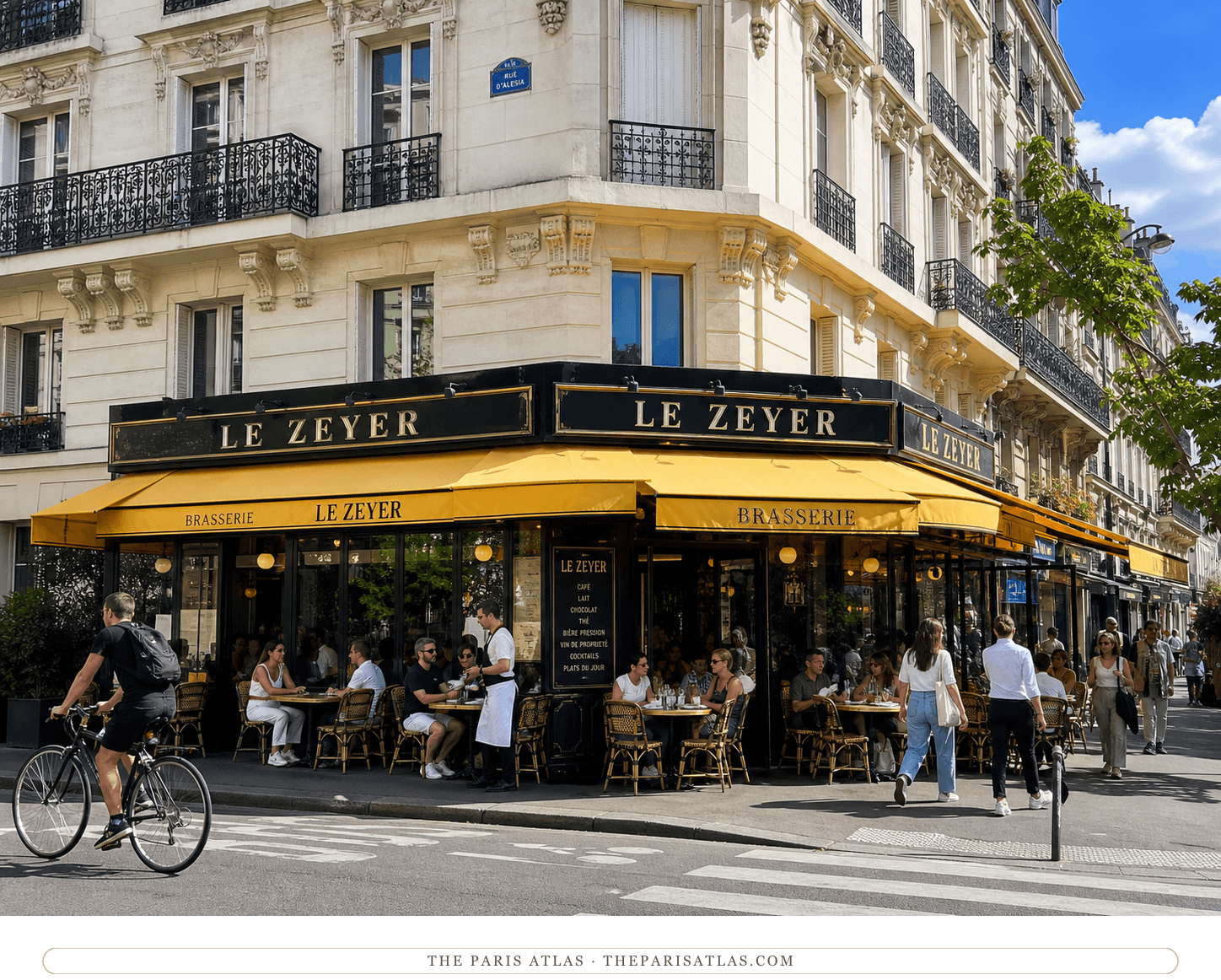
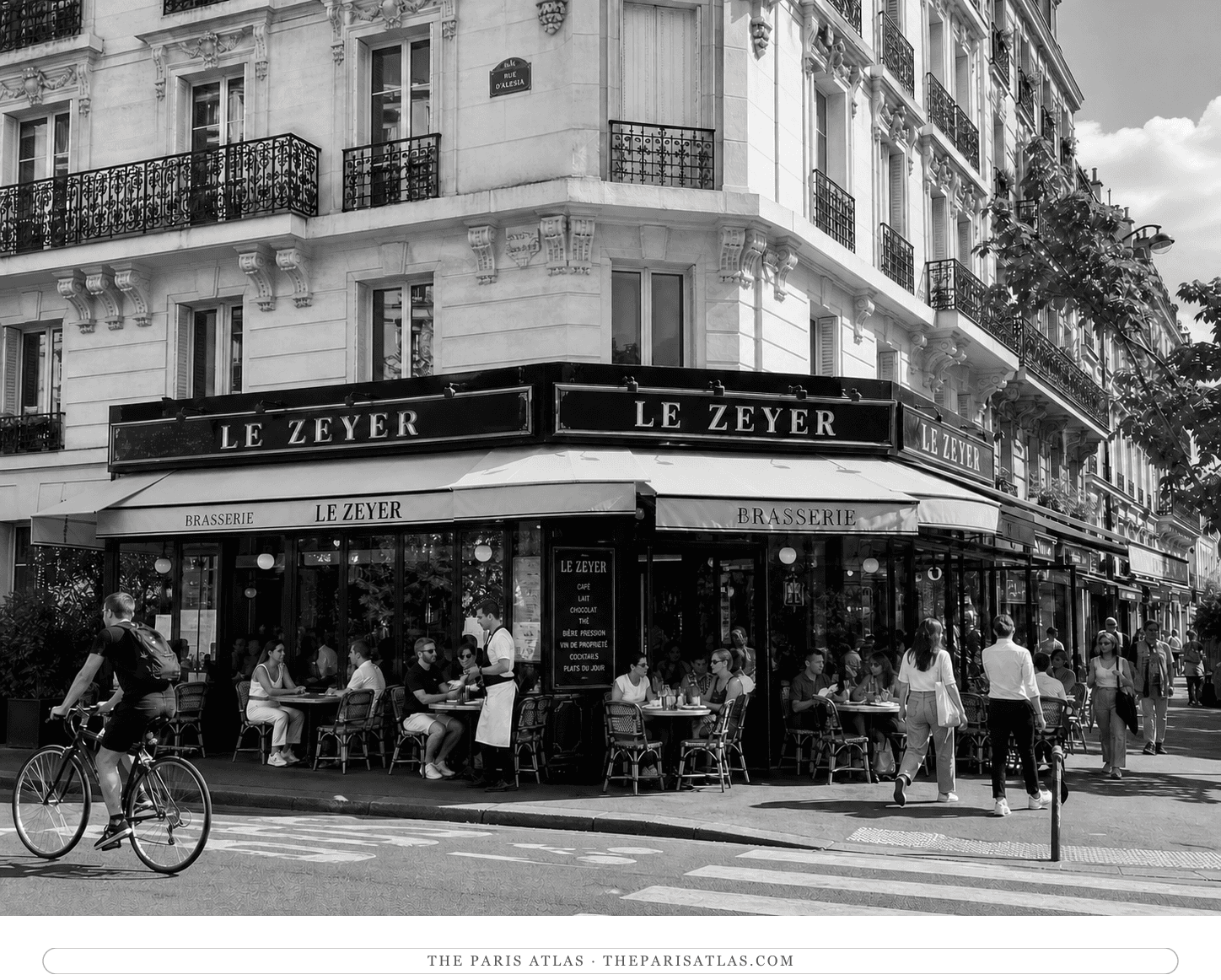
A corner café-brasserie in Alésia where Henry Miller met regularly with Alfred Perlès and Michael Fraenkel during the years that fed into Tropic of Cancer. Still trading on the same corner.
Visit the place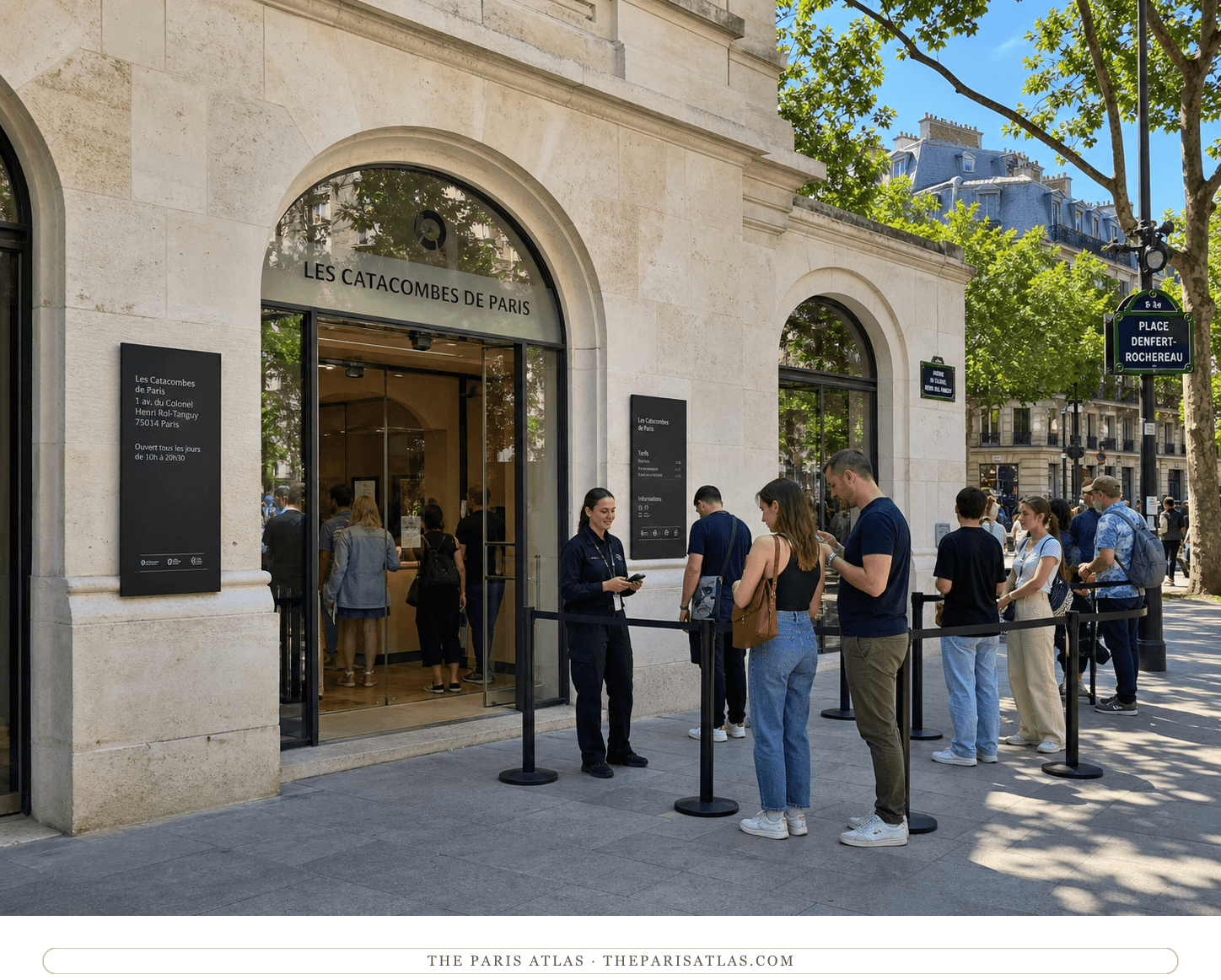
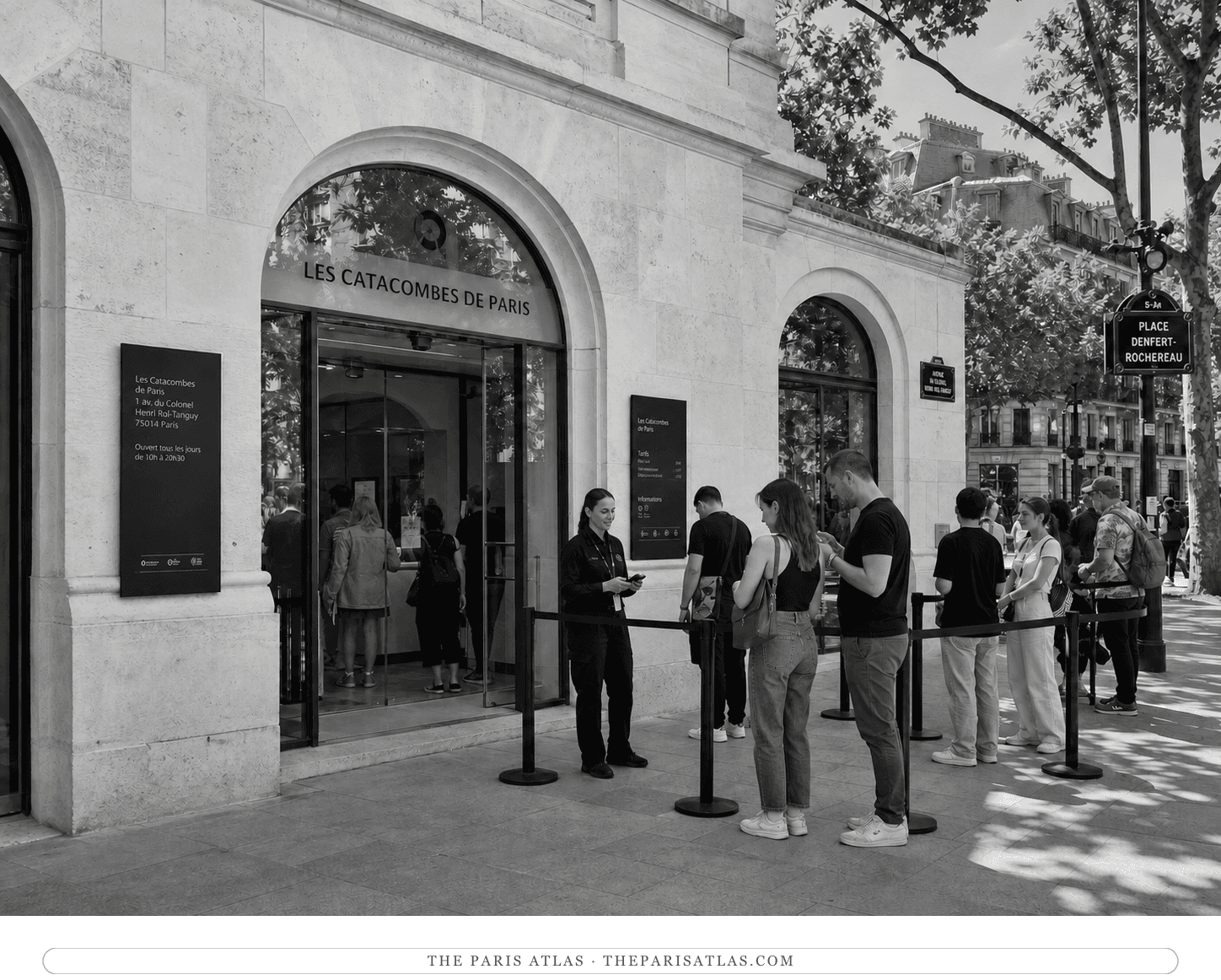
The Catacombs are a municipal ossuary in a disused limestone quarry twenty metres under the 14th arrondissement, holding the remains of several million Parisians moved out of the city's overflowing graveyards from 1786 onward. The visit is a 1.5 km one-way walk, 131 steps down and 112 up, at a constant 14°C. Open Tuesday to Sunday, 9.45 a.m.–8.30 p.m., last admission 7.30 p.m.; full rate €31.
Visit the placeThe sources below include histories, archival materials, scholarly research, and official records that informed this page. They document 18 Villa Seurat, the people connected to it, and its place in Paris.


Biographical evidence used to verify chronology, relationships, and historical context connected to 18 Villa Seurat.
First-person evidence and historical context used in preparing the 18 Villa Seurat page.
Web source consulted for documented facts and historical context presented on the 18 Villa Seurat page.
Primary text included as part of the documented record for 18 Villa Seurat.

Map data used to verify addresses, geographic coordinates, and the placement associated with 18 Villa Seurat.
These references provide the documented foundation for this page's history and context. Claim-level citations remain attached to the specific claims they support.
 Explore more resources
Newsletter
The cafés, studios, and walk-up flats where the work was made — one story from the map in every letter.