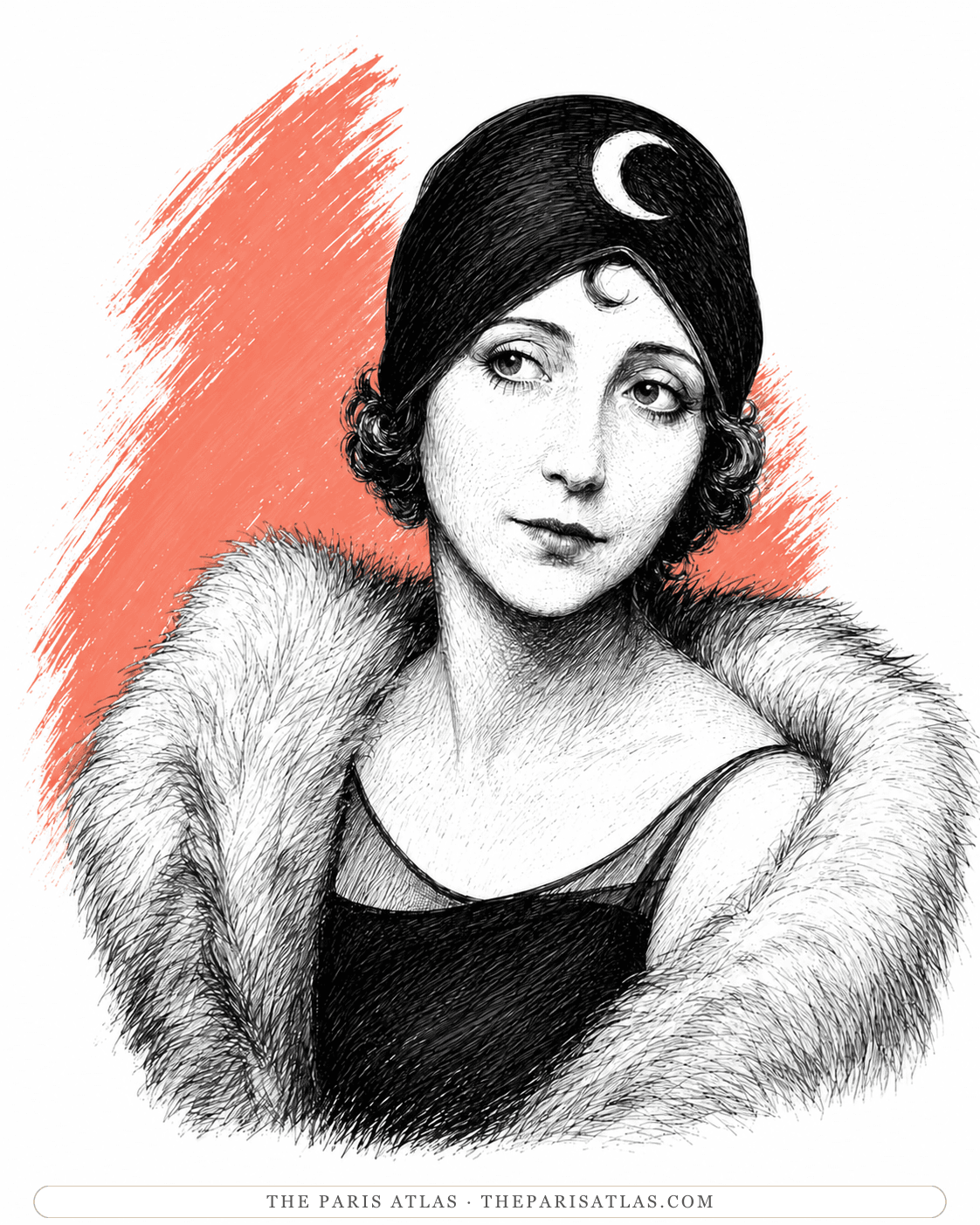
Henry Miller and Anaïs Nin
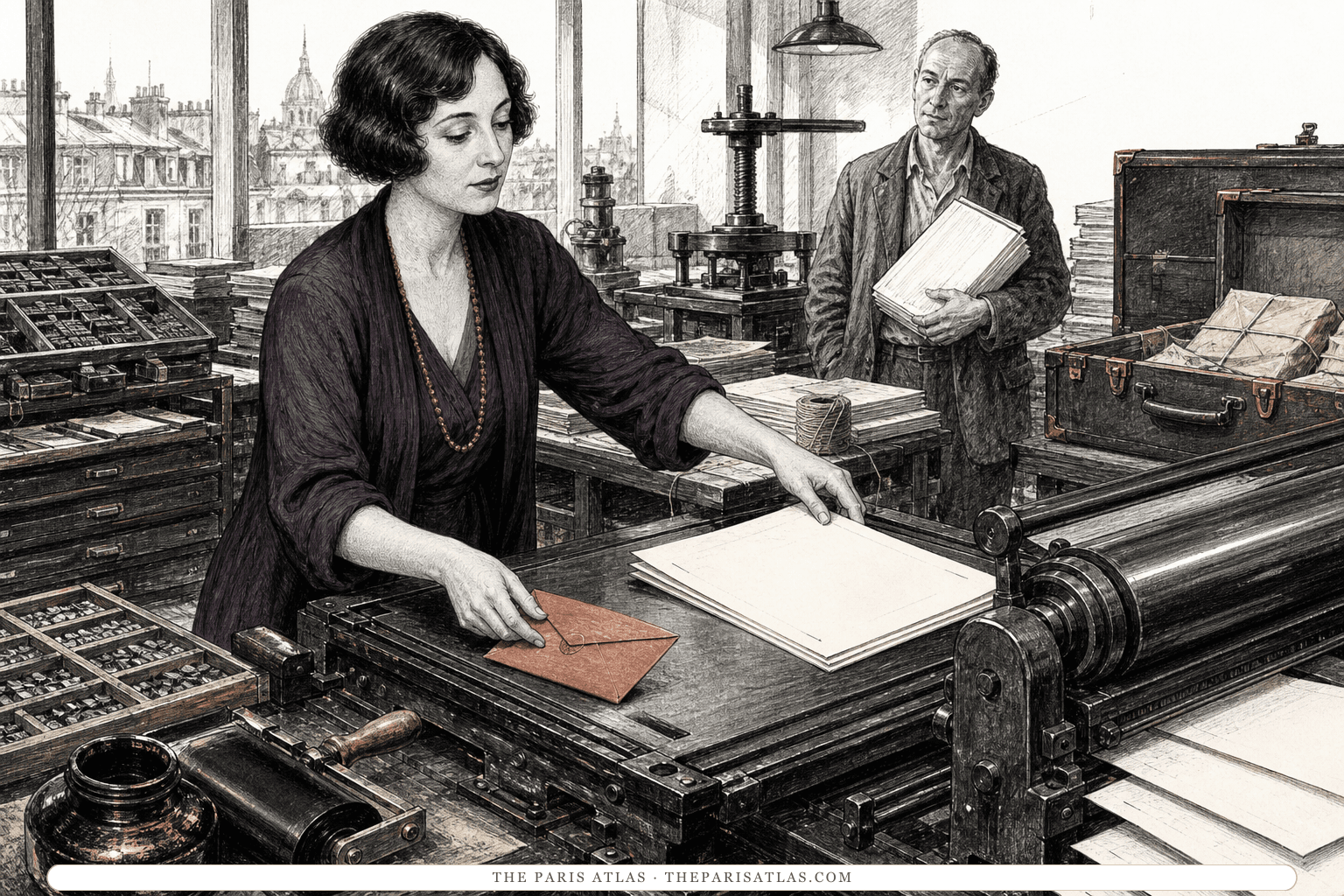
Nin paid for Tropic of Cancer with six hundred dollars borrowed from her psychoanalyst, then wrote its preface. The affair is the part everyone knows. The money is the part that got the book printed.

by Anaïs Nin
Three novellas from the Villa Seurat's last season — including the father story the diary had been rehearsing for twenty-five years.
Nin's second fiction: linked novellas circling the material the diary knew best — above all 'Winter of Artifice' itself, the account of a daughter's reunion with the enchanting, faithless father after twenty years, and the disenchantment that finally frees her. Published by Obelisk Press in 1939, weeks before the Paris that made it ceased to exist.
The book closed the Villa Seurat era in more ways than one: it appeared in Jack Kahane's Obelisk 'Villa Seurat Series' — the imprint-within-an-imprint that Nin's guarantee had underwritten — in 1939, on the very lip of the war that would scatter the circle and kill Kahane within the month. The first edition's three novellas drew directly on the diary's deepest veins: the father reunion, the double portrait of a woman between two men, and the analytic chamber of 'The Voice.'[1]
Nin revised the book repeatedly across later editions — cutting, retitling, republishing on her own press in 1942 with engravings by her husband under his artist name Ian Hugo — so 'Winter of Artifice' names a small family of texts as much as a single book; collectors argue the variants, readers meet the core either way. The father novella remains the essential item: the diary's founding wound worked, at last, into finished art.[1]
The title novella is the heart: a daughter — the diary's own figure at one remove — reunites with the father who abandoned the family two decades before. He is a concert pianist, an enchanter, a mirror; the reunion begins as mutual seduction-by-admiration and proceeds, scene by scene, to the discovery of what he actually is — vanity arranged as a man — and to the quiet, surgical break that lets her leave lighter than she came.[1]
Around it orbit the companion pieces: 'Djuna' (in the 1939 edition) with its woman held between a Miller-like writer and his absent wife, and 'The Voice,' set in the confessional of an analyst's office, where the healer proves as lost as the patients. Dream and case history run through all three — fiction pitched exactly at the border the diary lived on.[1]
In the revised collection's The Voice, Djuna sees pedestrians moving toward the city's discarded remnants rather than toward a meaningful destination. The passage quoted by Emma Sterry turns ordinary movement into a current carrying people away. Djuna's stillness resists that surrender, but it also leaves her frightened by separation and unable to accompany anyone. Isolation consequently has two values at once: it protects an inward life and threatens the possibility of attachment. The street makes that conflict visible without resolving whether standing apart is a refuge or another form of loss.
Lilith's frog episode in that revised text tests the promise that desire can transform its object. As Sterry explains, The Voice sends the frog and makes its transformation depend on Lilith preserving her inward vision of him. The arrangement places the burden of producing a miracle on the person awaiting it. When the promised change fails, the fairy-tale pattern exposes the distance between an assurance and its fulfillment. Lilith's disappointed belief is therefore more than a failed enchantment: it reveals how a promise can ask someone else to sustain the illusion that makes it persuasive.
The abandonment that started the diary in 1914 becomes controlled, finished art — the novella as exorcism.
Published weeks before the war ended the whole world that produced it — the circle's closing document.
'The Voice' turns the analyst's office into a stage a decade before the culture caught up with the setting.
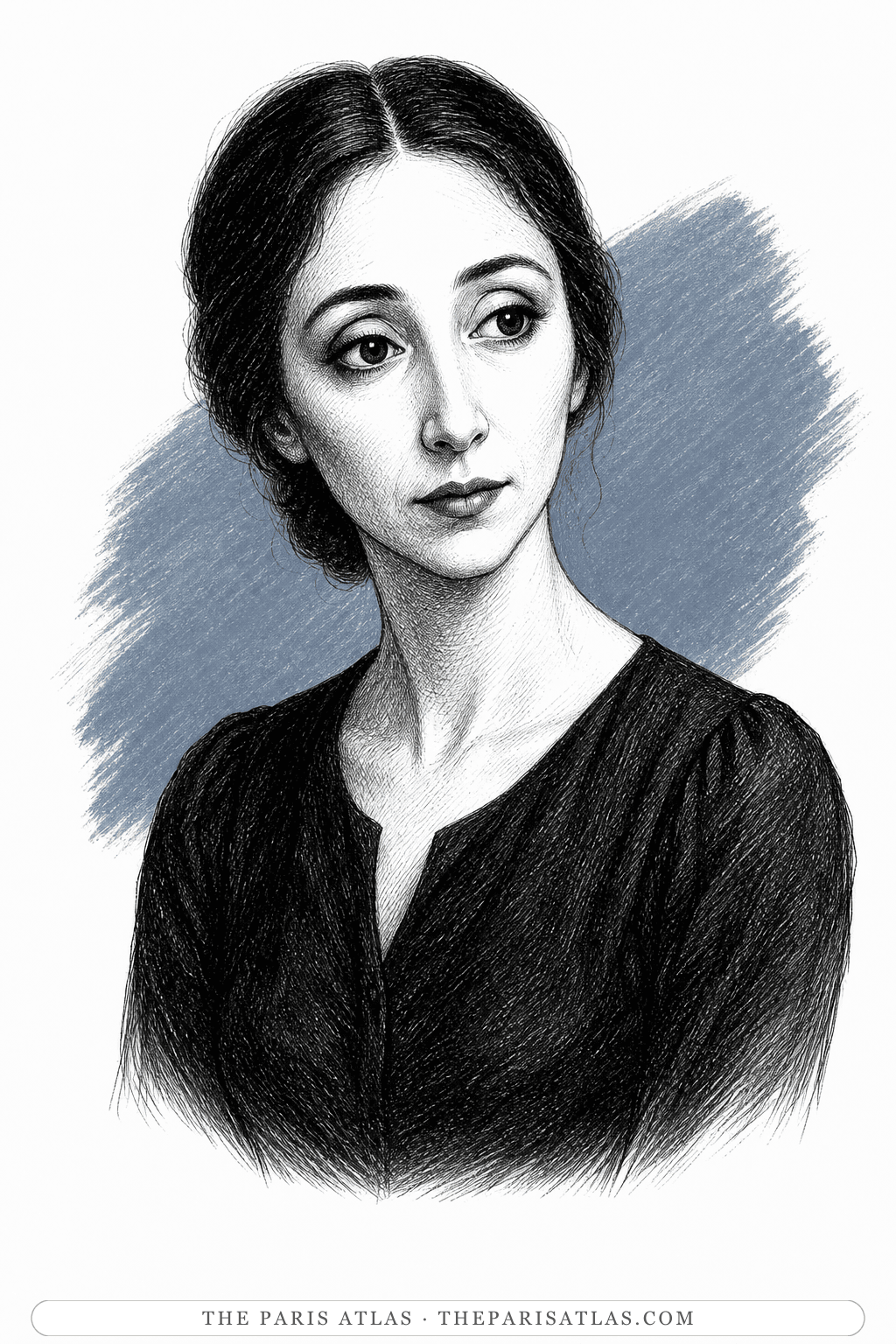
The woman at the center of the title novella. She has waited twenty years for the father who walked out when she was a child, and the book is the few months in which she finally gets him back. She is never named.
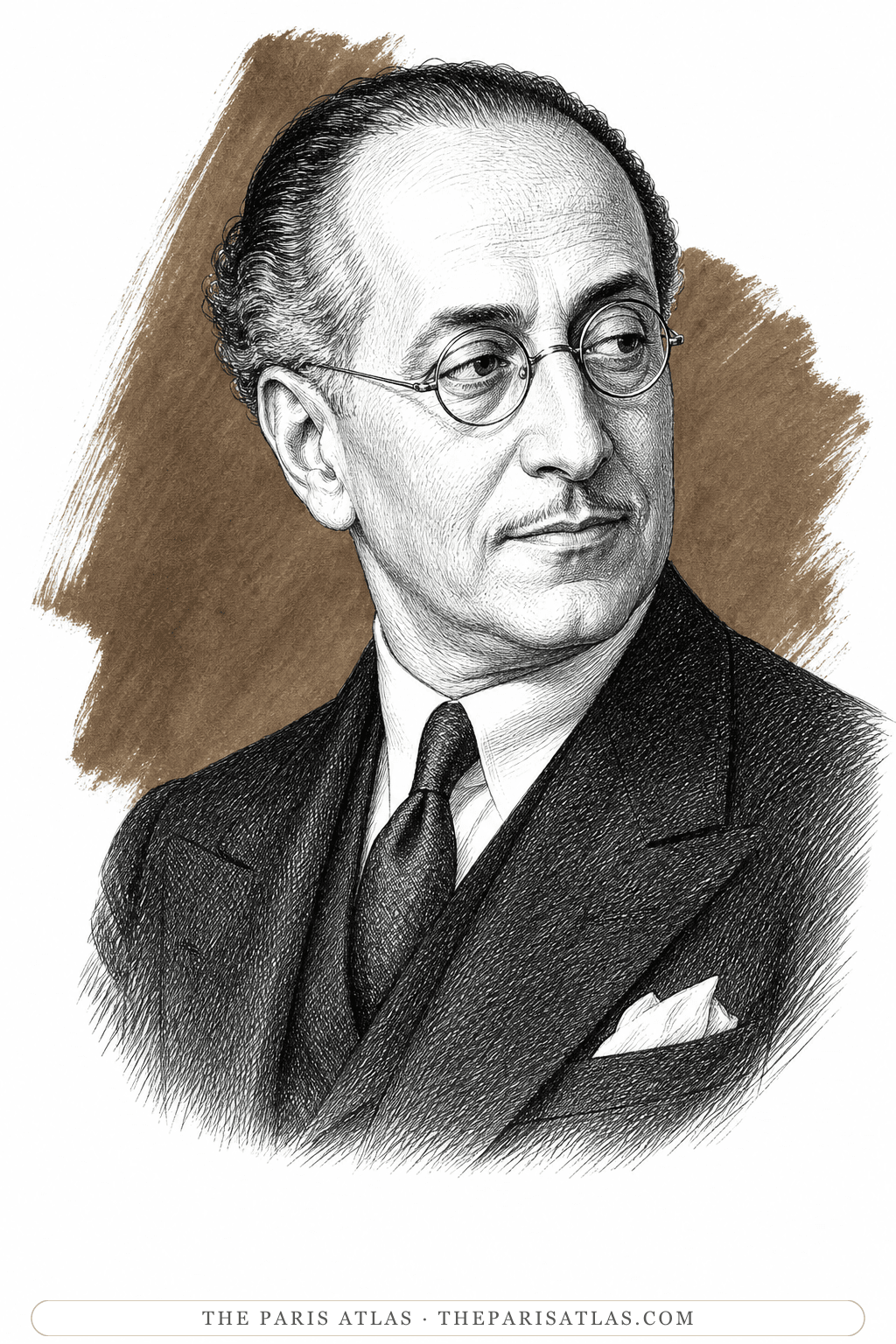
A concert pianist who walked out on his wife and three children and comes back twenty years later to court his grown daughter's admiration. Vain, charming, terrified of germs, and unable to tell her the truth about anything.
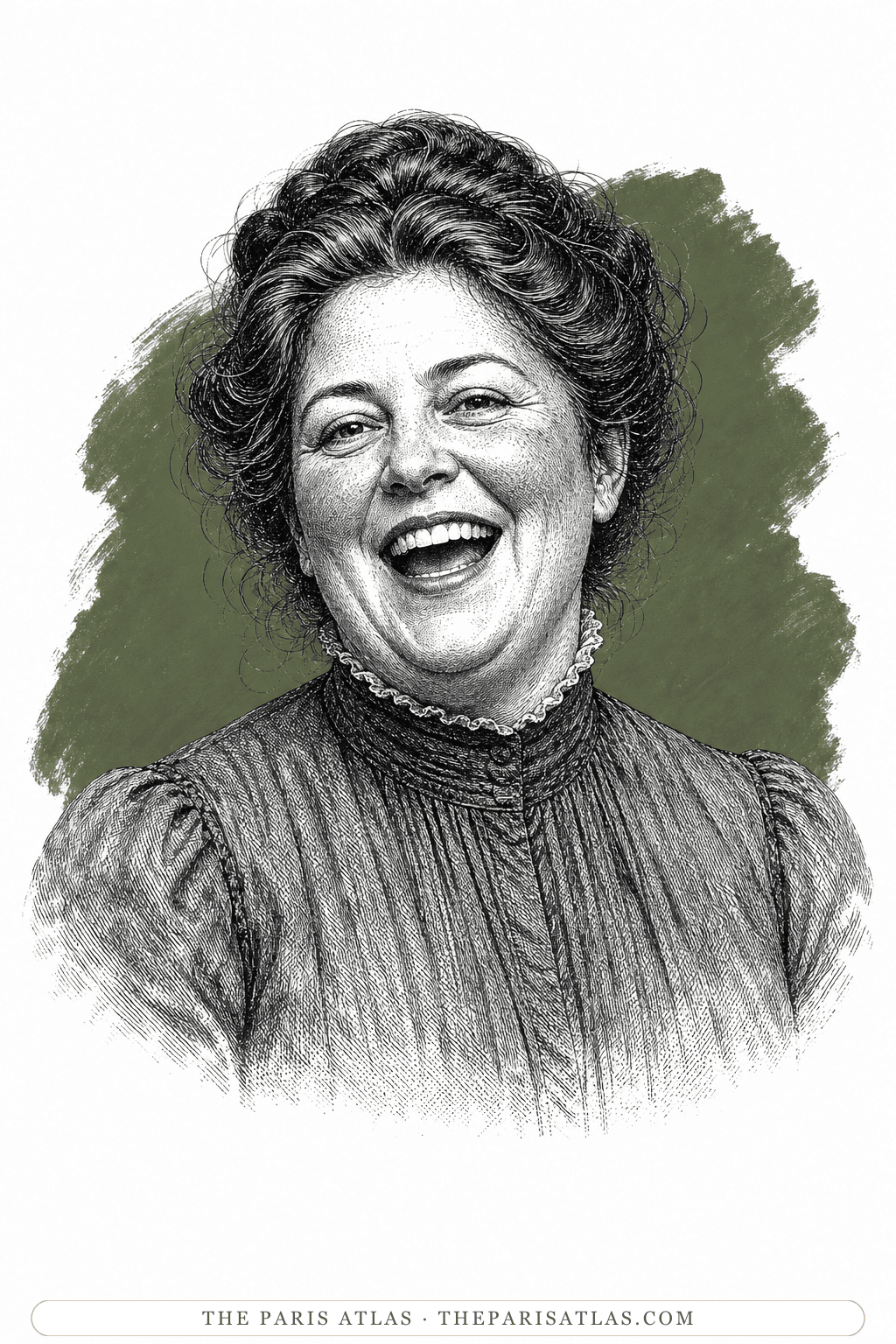
The wife left behind in the title novella, and the parent who actually raised the children. A singer with a loud laugh who took three children to New York with no money and sang in a church for pennies. She is never named either.
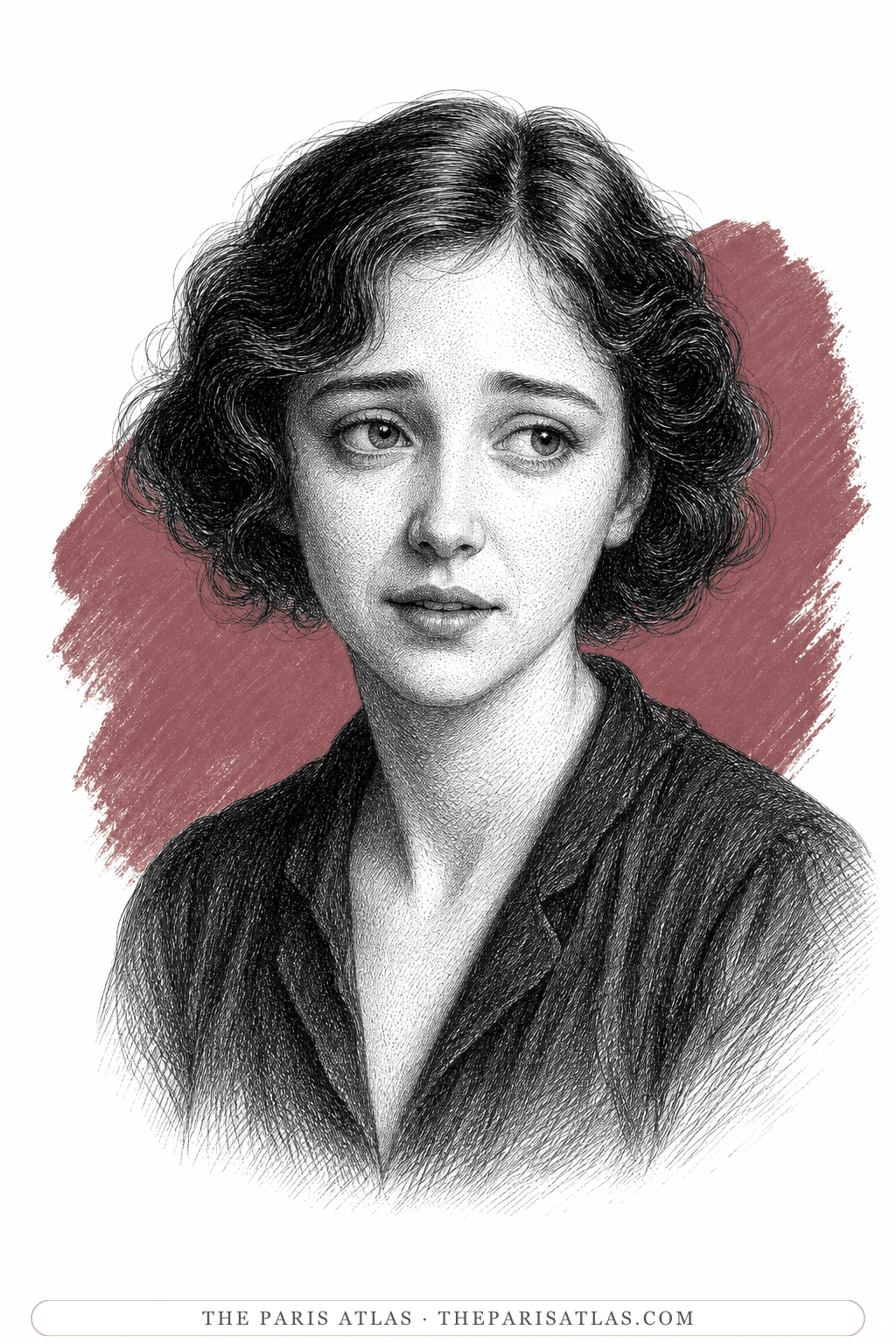
A film actress who cannot recognise herself on screen and is jealous of the woman she sees there. She is in love with a married man, and she treats every small refusal from him as proof that the love has failed.
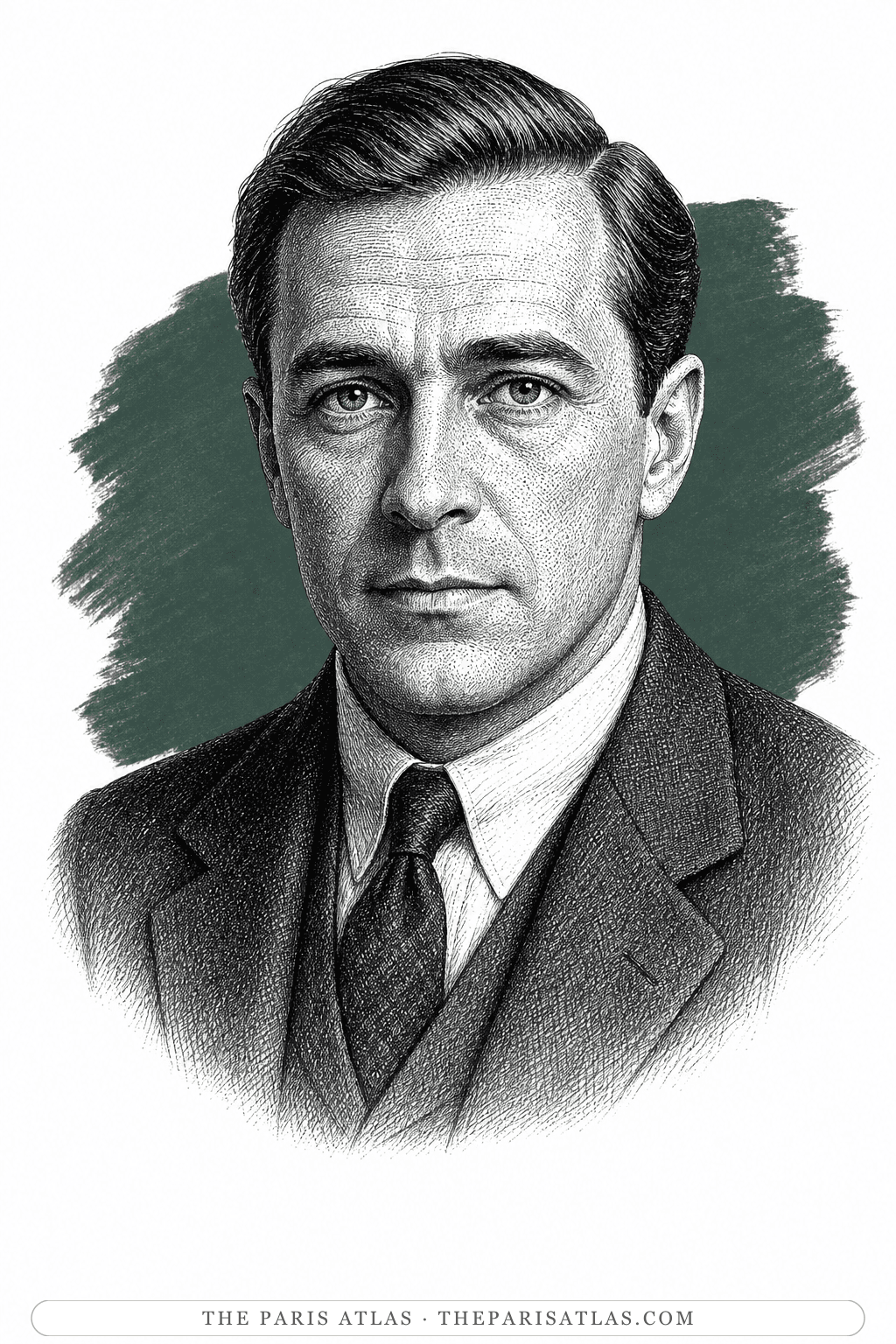
A married man in love with Stella, who will not leave his wife and children and does not think that this diminishes anything. He wants to dream with her. She wants to live with him, and cannot forgive him for the difference.
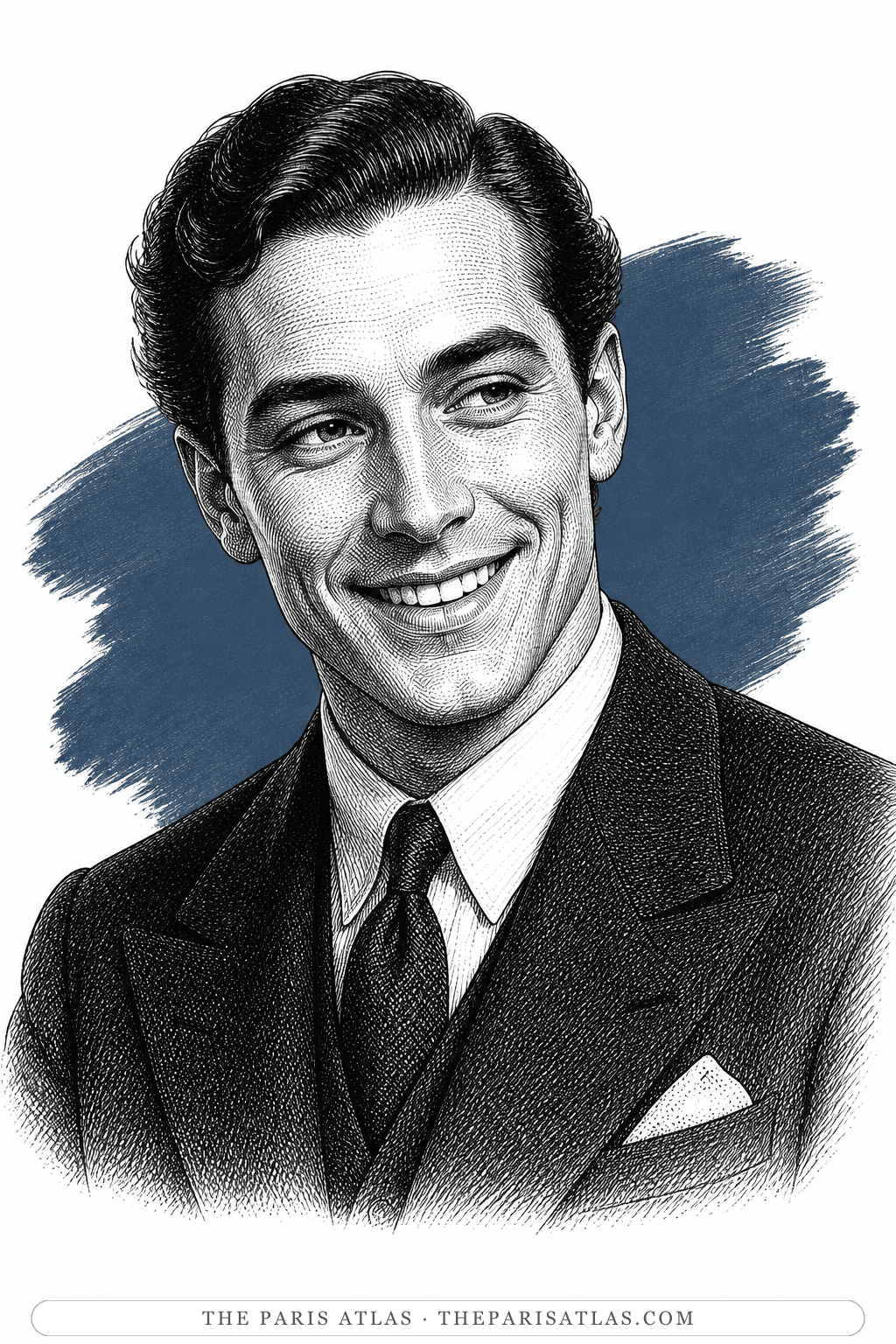
Stella's second lover in the first novella: a handsome man who brings her joy and asks nothing, until she waits in his flat one evening and finds the rest of his life laid out on a dressing table.
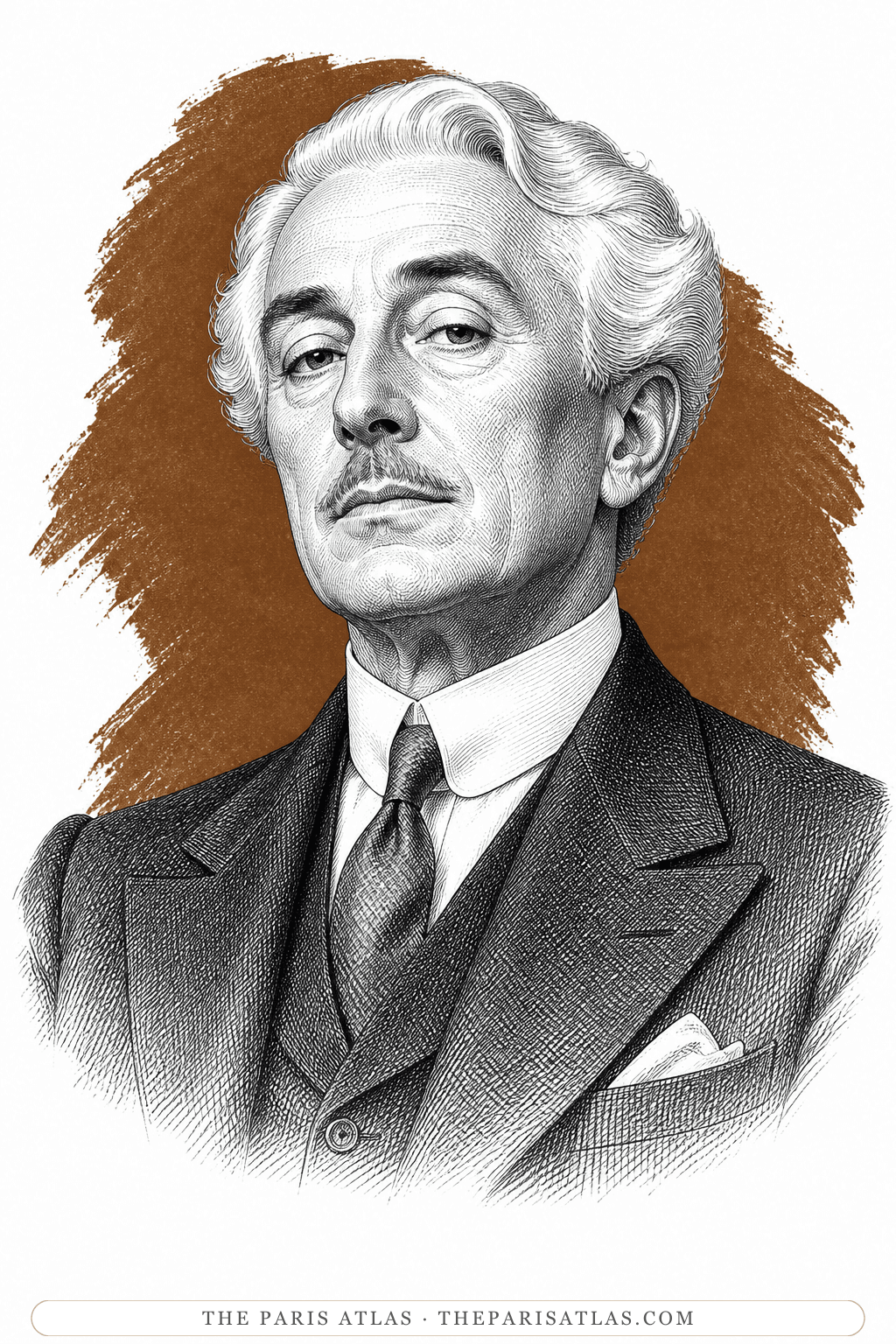
A famous stage actor in Warsaw, white-haired and still playing the lover, whose second wife finally divorces him. He is the reason his daughter cannot believe in love, and he never once works that out.
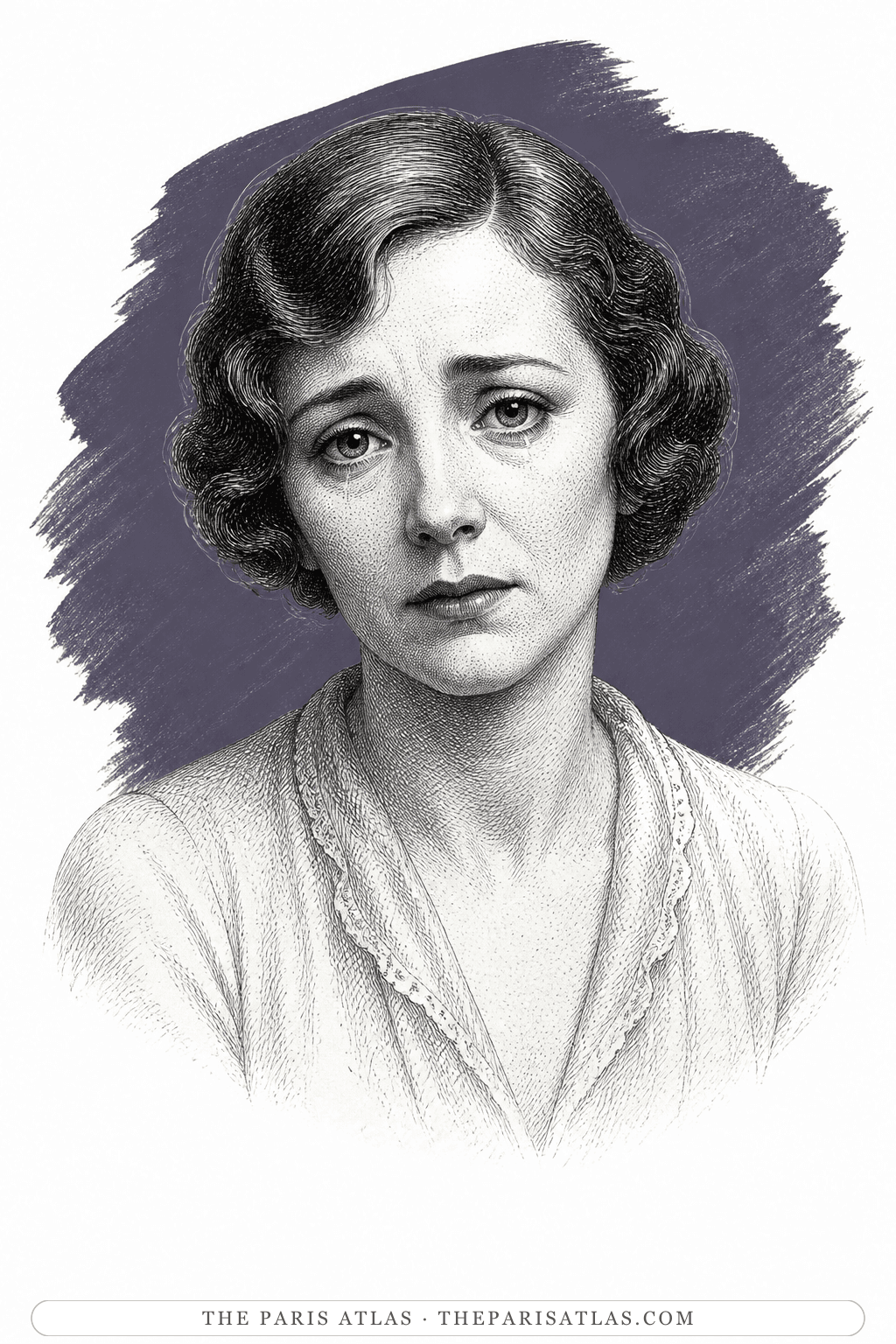
The second wife of Stella's father, who forgave him for ten years and then stopped. Her account of the marriage is the clearest and least sentimental speech in the book.
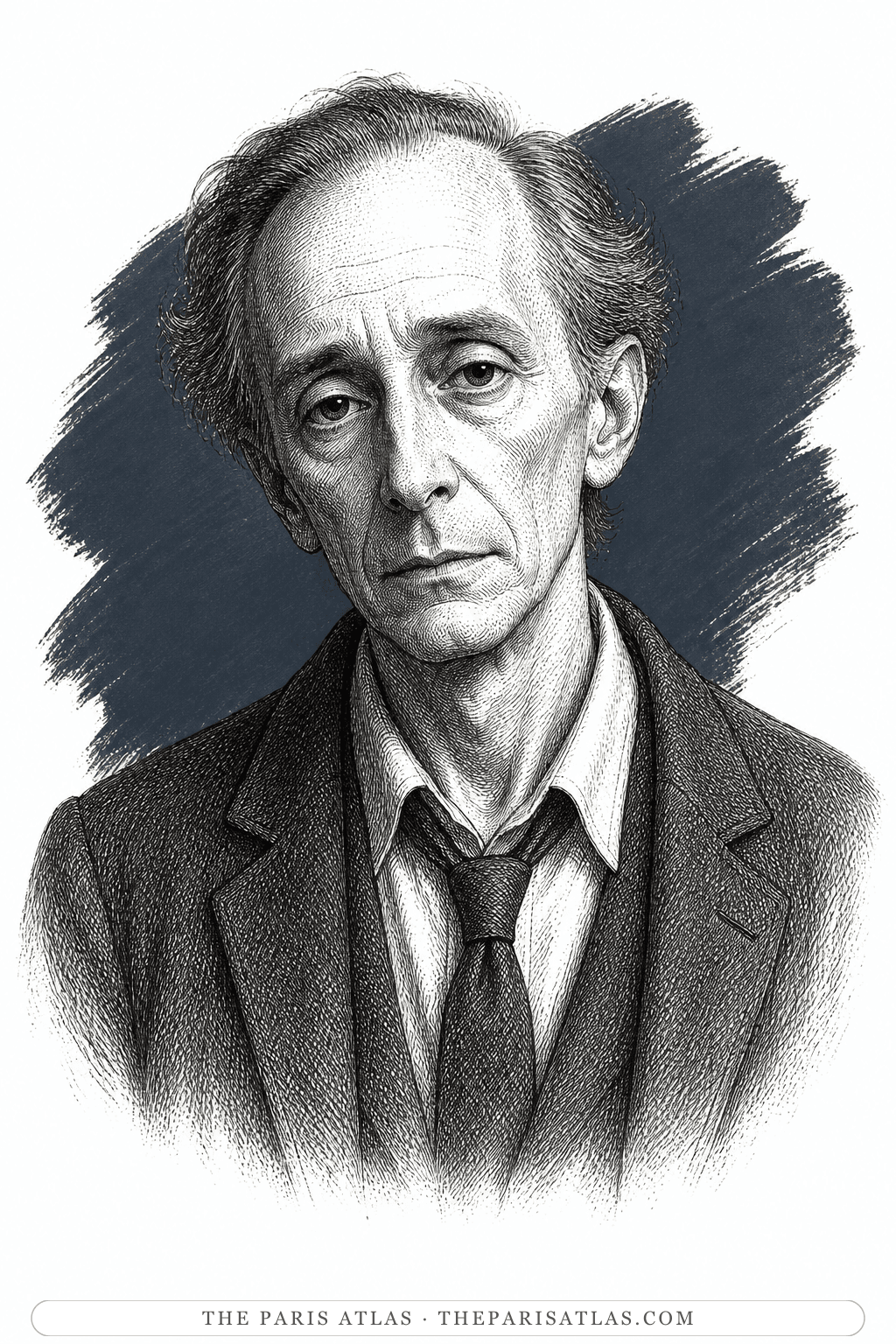
A psychoanalyst who sees patients in a room high up in a New York hotel. He is called the Voice because that is all his patients get: he sits behind them with his face against the light. The third novella is about what listening has done to him.
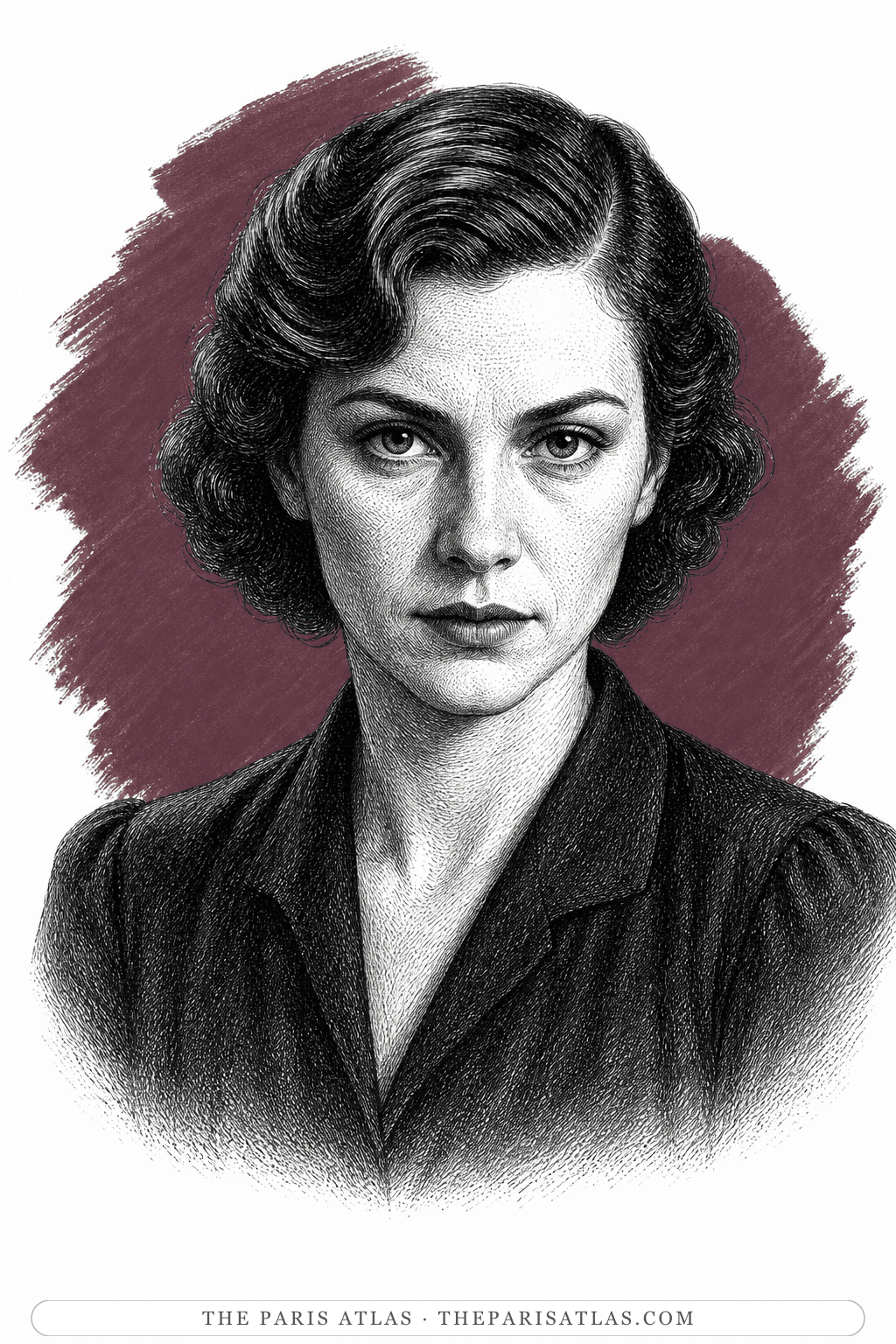
A patient of the analyst in the third novella who arrives determined to catch him out and ends by falling in love with him. She has spent her life being leaned on and cannot let herself lean on anyone.
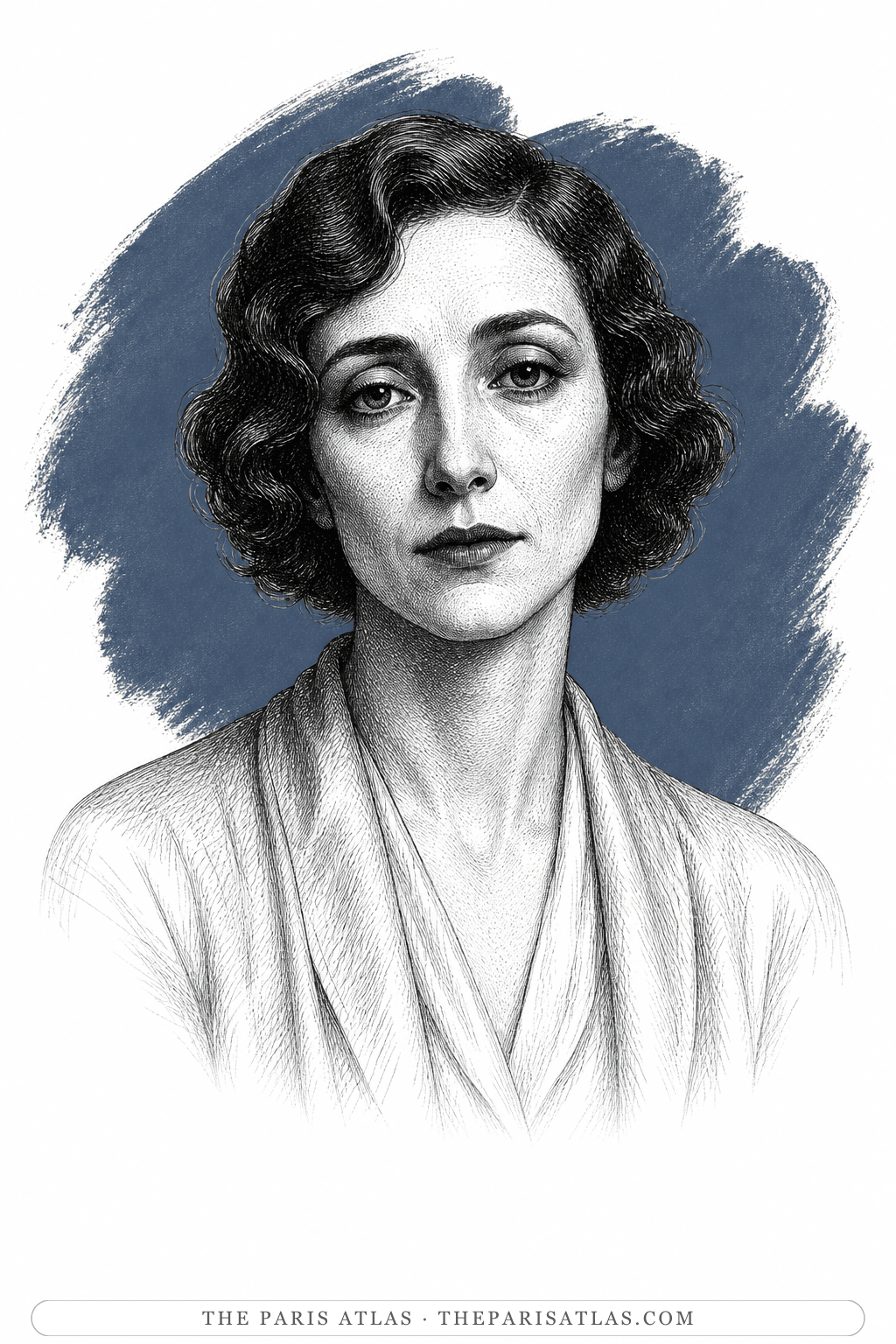
The woman whose thoughts open and close the third novella. She lives in the same hotel as the analyst, absorbs everyone else's confessions through the walls, and is the only person in the book who can tell Lilith the truth.
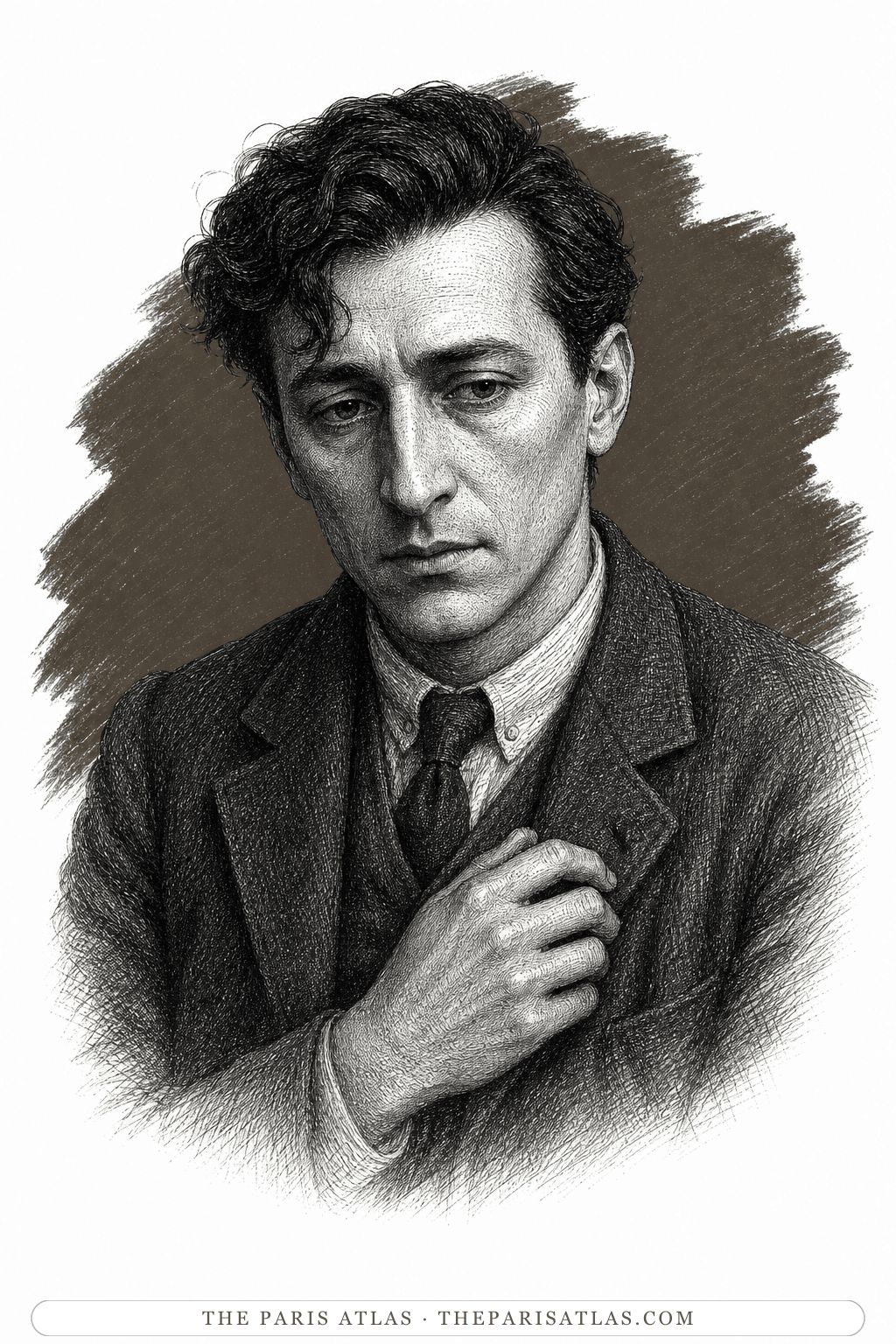
A cellist who comes to the analyst about a hand he can no longer use and says nothing about the leg he drags. He has spent his life offering people the smaller injury.
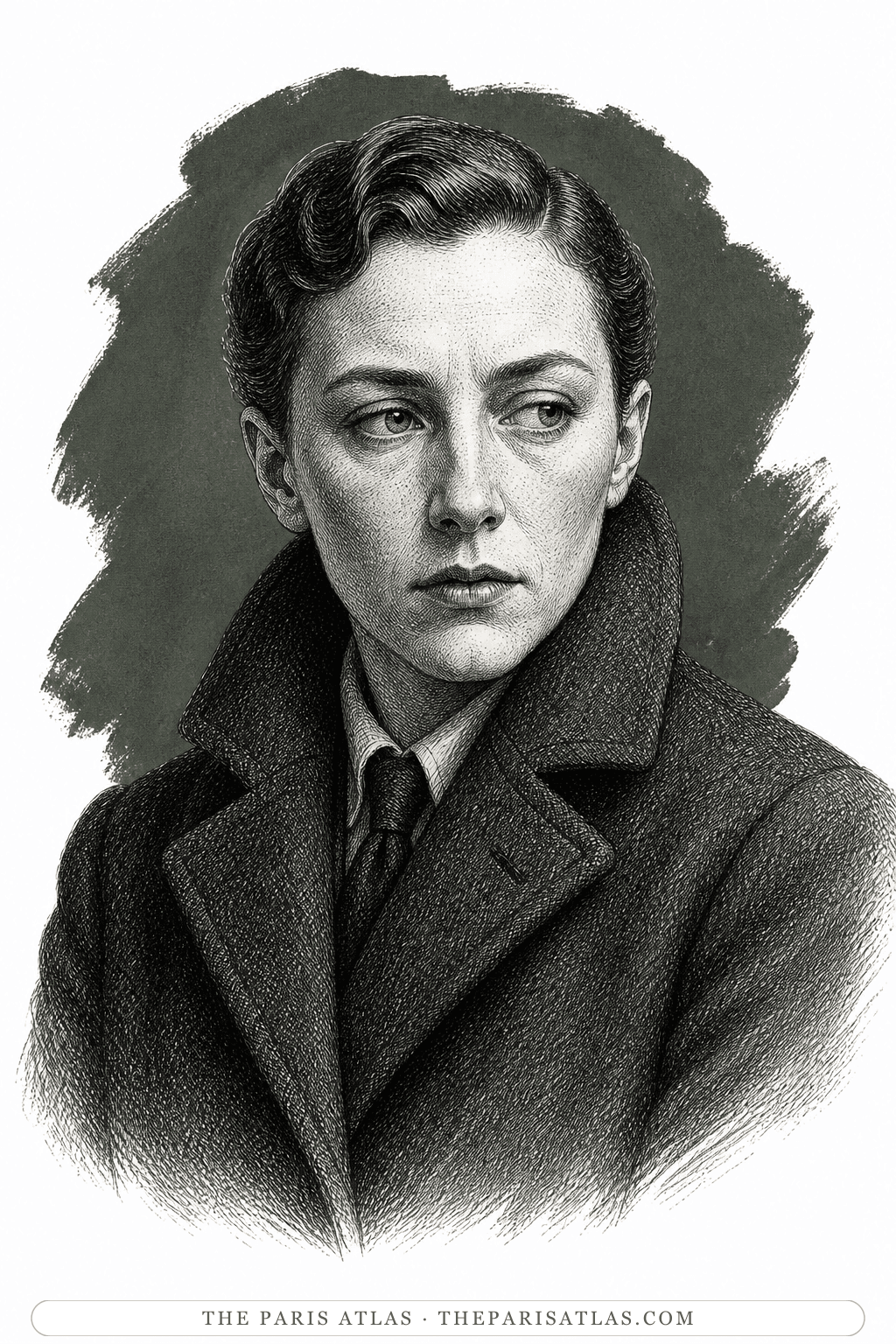
A violinist who comes to the analyst convinced she is a criminal and a man, and who cannot make either claim stick. Her two sessions are the funniest and saddest pages in the book.
Nin paid for Tropic of Cancer with six hundred dollars borrowed from her psychoanalyst, then wrote its preface. The affair is the part everyone knows. The money is the part that got the book printed.
1939
Obelisk Press publishes it in the Villa Seurat Series weeks before the war scatters the circle and kills its publisher, Jack Kahane.
1942
Nin recasts the book and hand-prints a version on her own press, with engravings by her husband under his artist name Ian Hugo.
2016
Swallow Press reissues the book with an introduction by Laura Frost and engravings by Ian Hugo.

The rehearsal space: the father's return plays out in the 1933 entries first.
Read our take

Obelisk's other 1939 book — the imprint's last season, split between Miller's roar and Nin's chamber music.
Read our takeAnaïs Nin. Obelisk Press published it in Paris in 1939.
Nin's second work of fiction: linked novellas circling the material the diary knew best, above all the title story of a daughter's reunion with the enchanting, faithless father she had not seen in twenty years.
A daughter reunites with the father who abandoned the family two decades before — a concert pianist and enchanter — and moves from mutual seduction-by-admiration to the disenchantment that finally frees her.
Yes. Nin cut and recast it across later editions, including a 1942 version she hand-printed on her own press with engravings by her husband, so the title names a small family of texts.
It closed the Villa Seurat era, appearing in Obelisk's Villa Seurat Series weeks before the war scattered the circle.
Explore authors with a similar voice, perspective, and influence.

The entangled careers of the Villa Seurat: she financed and prefaced his scandal, he detonated her prose — and each wrote the other into the century's record.
View author
The doctor of the Paris slums who wrote the century's blackest, funniest novel — and changed the sound of French prose.
View author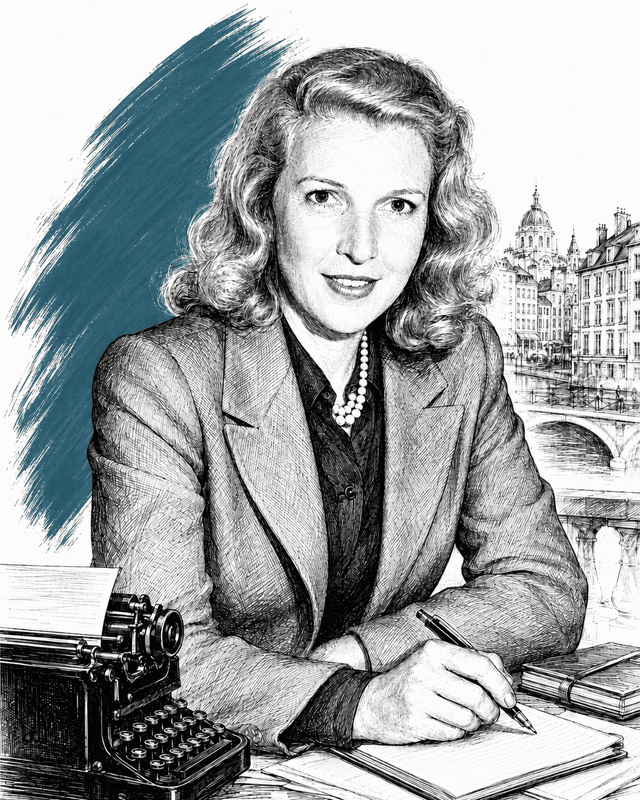
War correspondent who covered the Spanish Civil War, D-Day, and conflicts across five more decades; Hemingway's third wife, 1940–1945.
View authorThe sources below include the primary text, editions, scholarship, archival materials, and other records that informed this page. They document Winter of Artifice, its publication, and its place in literary history.


Biographical evidence used to verify chronology, relationships, and historical context connected to Winter of Artifice.
First-person evidence and historical context used in preparing the Winter of Artifice page.

The UCLA finding aid documents Nin's manuscripts, diaries and correspondence surrounding the book's successive forms.
Deirdre Bair's biography supplies independent context for the Villa Seurat period and Nin's hand-printed revision.
Documents the dated edition or contemporary reception included in the timeline.
Printed pp. 259, 261 and 266: edition-specific quotations from The Voice in the Peter Owen 1991 Winter of Artifice; cited passages, not a complete-volume reading.
The primary text is the baseline reference for every book page. Additional references document publication history, interpretation, and historical context where that evidence is available.
 Explore more resources