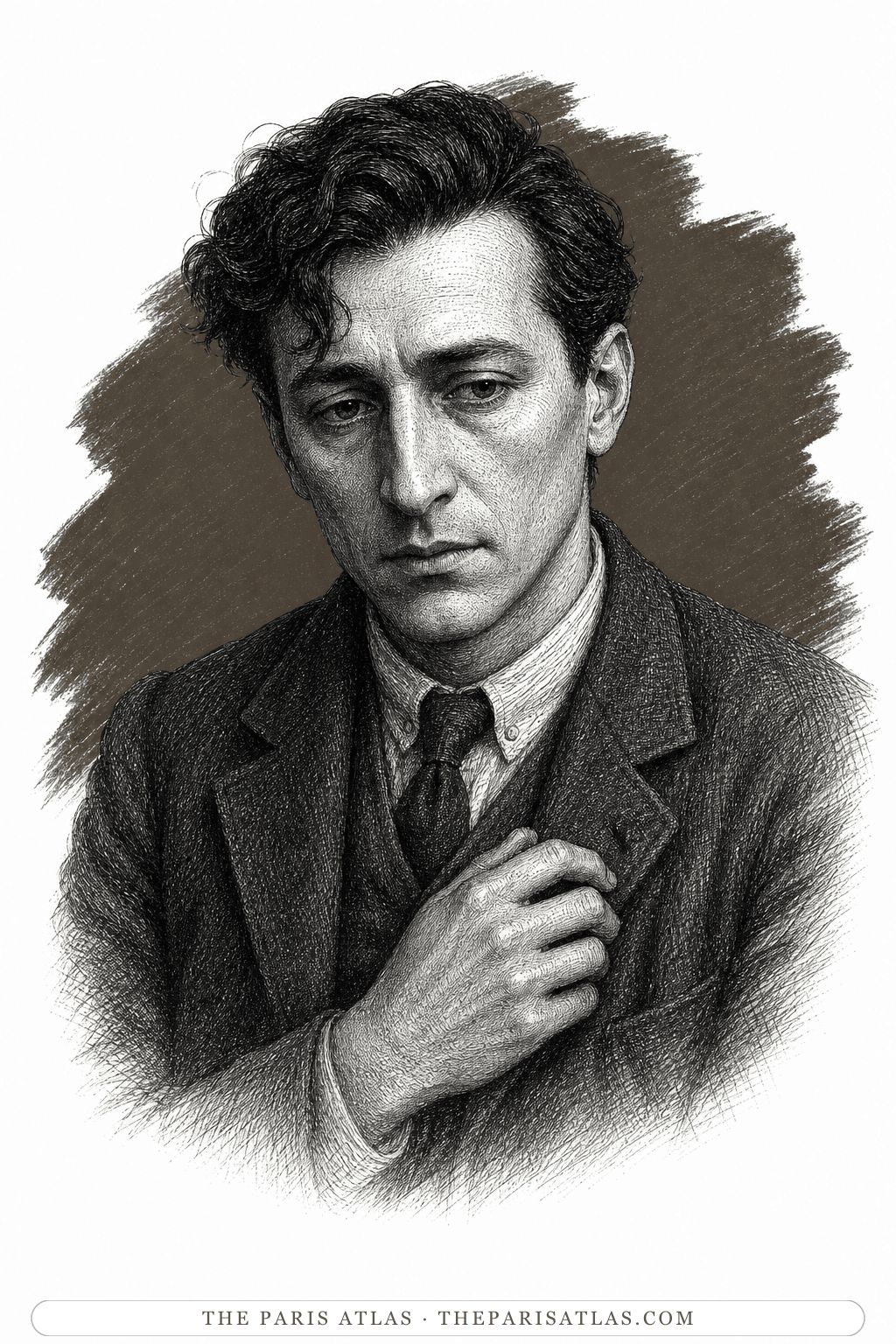
Mischa
A cellist who comes to the analyst about a hand he can no longer use and says nothing about the leg he drags. He has spent his life offering people the smaller injury.
To play again — it is the only thing he says he wants, and the story is about what the wish is standing in front of.
The book

At a glance
- A patient of the analyst, in "The Voice"
- Cello. He was a child prodigy and can no longer play
- The hand. Never the leg
- A Cossack horsewoman with a bass laugh, and a father who hunted
Who they are in the book
Spoiler-freeMischa is one of the three patients given a case history in "The Voice", the last of the three novellas in Winter of Artifice, the 1939 book by the French-born American writer Anaïs Nin. He is a cellist and was a child prodigy. His hand is now stiff and he cannot play.
He arrives limping and talks about the hand. He goes on talking about the hand — how it feels, whether it is worse than yesterday — and about his mother, a Cossack woman who rode horseback and had a bass laugh and a forest of black hair he used to hide his face in. His father hunted, and came home in leather covered in blood with the dogs still barking outside.
The section is short and it is the clearest piece of work in the book. Nin lets the reader arrive at the buried scene at the same speed the patient does, and then has the analyst ask about the thing that has not been mentioned once.
This profile is drawn from the Swallow Press edition of 1948, read in the Internet Archive's scan of the book.
How Mischa Is Portrayed
- Talking about the handHe comes in limping and mute about the leg, holds the stiffened hand out to be looked at, and returns to it session after session, comparing today's stiffness with yesterday's.
- His mother's hairShe wore it down at home, a forest of black hair he hid his face in. His goodnight kiss never landed anywhere else: absolute blackness, hair in his mouth and against his eyelashes, a smell that made him dizzy. He thought she looked like a Medusa and that her eyes never blinked.
- Where he found her voiceIn the cello. After concerts she used to take him between her strong horsewoman's knees and caress him because he had played well.
- The night he struck his fatherAt eight he knocked at her door, opened it, and saw a bloodstain on her white nightgown. He cried out, ran for a riding whip, and hit his father, who was in the hall taking off his leather coat with the killed animals lying beside him and a bloodstain on his own sleeve.
- The legNin describes it as a dead thing lying across the whole body, unburied, with everything else — music, colours, women — hung around it like votive offerings. He was left out of games and could not ride, and he trembled when he had to cross a room.
- How his mother kissed himWith compassion rather than pride. He noticed that when she kissed other people her nostrils quivered, and that when she kissed him something in her closed, answering the part of him that was dead.
- Writing on the wallAs a small boy he was caught weighing his sex in his hand, beaten with a whip and locked in the room. When he had stopped crying he dipped a finger in his own tears and wrote "evil boy" on the wall, and then grew frightened that the words would never dry and the whole city would find out.
If you like Winter of Artifice


If you like Anaïs Nin
Explore authors with a similar voice, perspective, and influence.
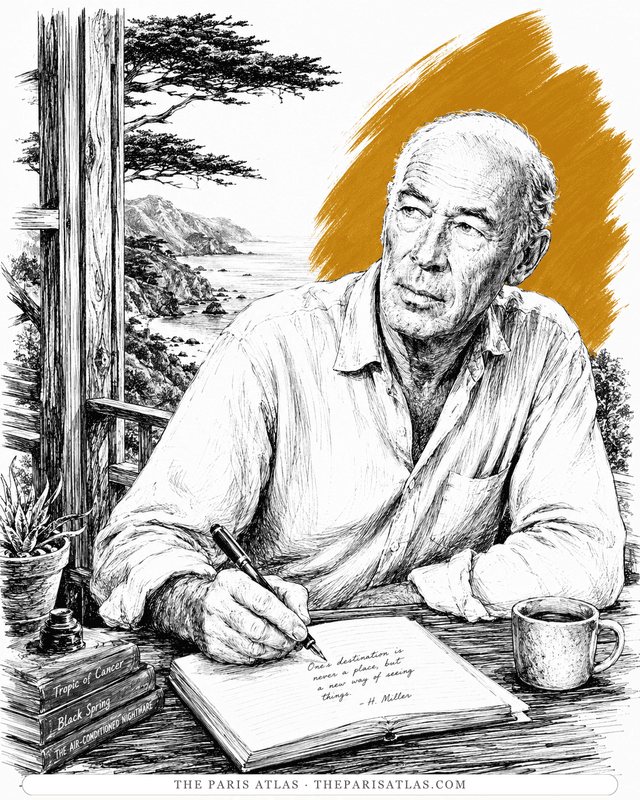
Henry Miller
The entangled careers of the Villa Seurat: she financed and prefaced his scandal, he detonated her prose — and each wrote the other into the century's record.
View author
Louis-Ferdinand Céline
The doctor of the Paris slums who wrote the century's blackest, funniest novel — and changed the sound of French prose.
View author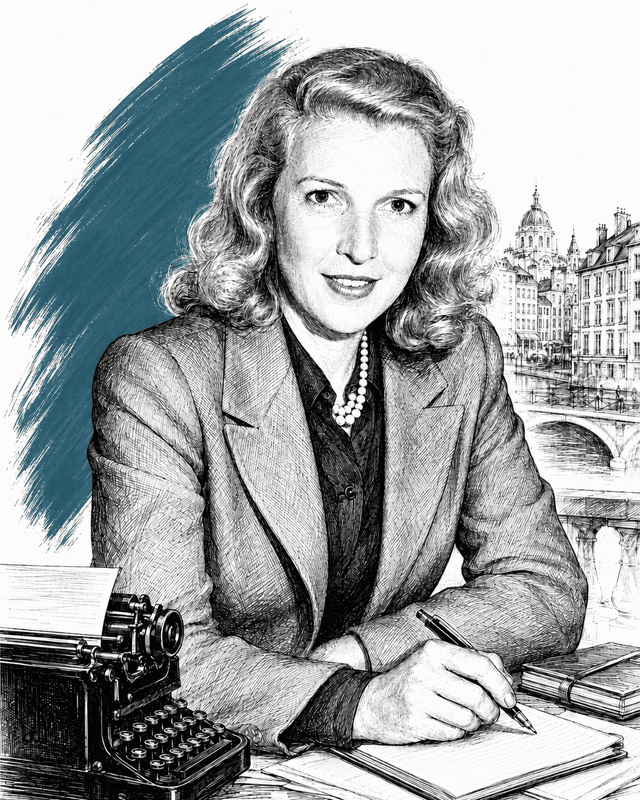
Martha Gellhorn
War correspondent who covered the Spanish Civil War, D-Day, and conflicts across five more decades; Hemingway's third wife, 1940–1945.
View author