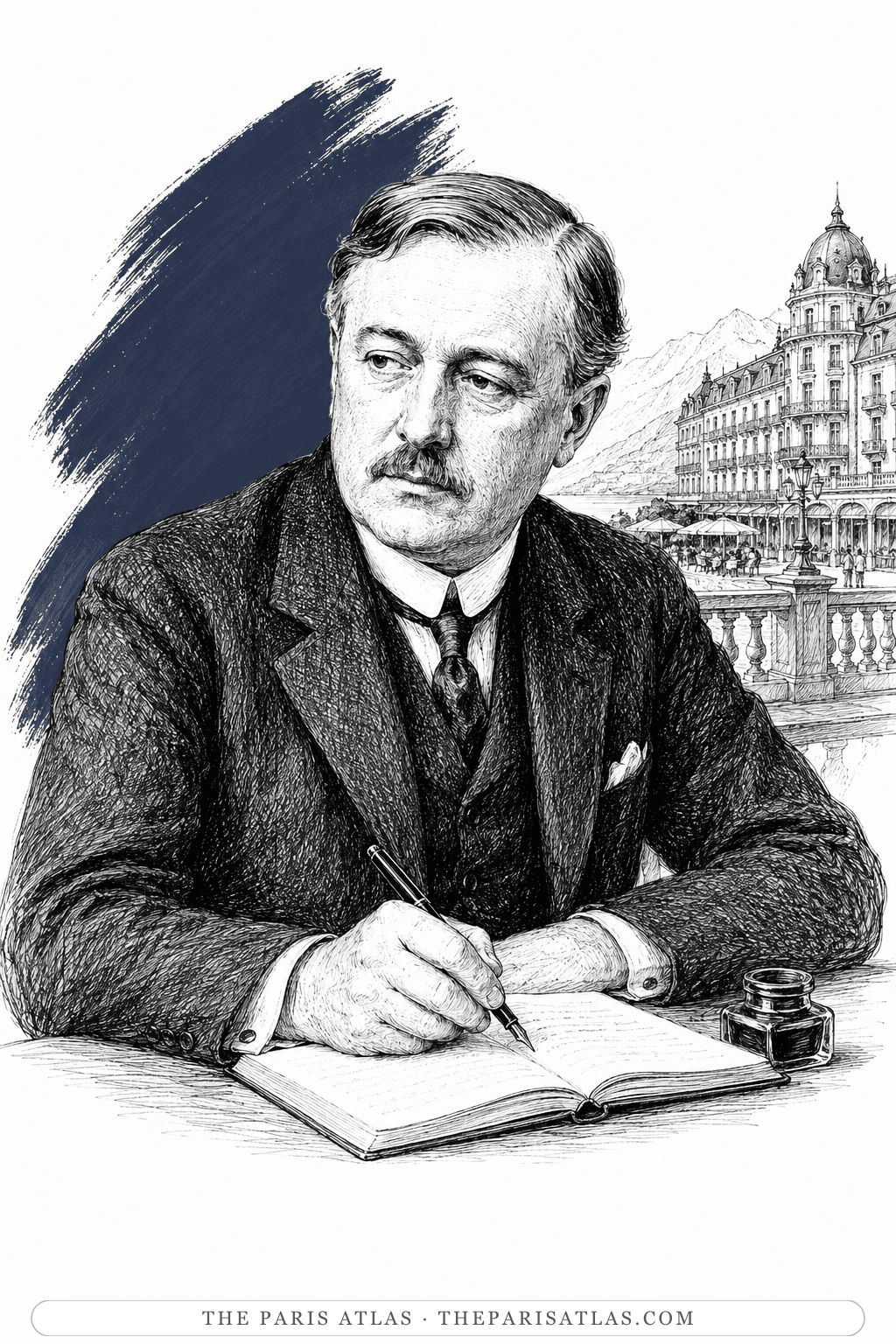

The Good Soldier
Ford's other novel here, from 1915: two couples, a German spa, and a narrator who understood none of it. Much shorter, and the better place to start with him.
Read our take
The first of the four Parade's End novels — an English government statistician, the wife he refuses to divorce, and the war that arrives between the two halves of the book.
Christopher Tietjens is a young English civil servant, the son of a Yorkshire landowner, working out population figures for a government department. His wife, Sylvia, has run off to Brittany with another man and now writes asking to come back; he decides to take her, because he believes no gentleman puts a woman through a divorce. The first half of the book covers a single weekend in Kent and Sussex before the First World War, where he meets Valentine Wannop, a suffragette and Latinist who once worked as a maid. The second half jumps several years forward: Tietjens has served in France, been near a shell burst in the dark, and lost part of his memory, and London is busy repeating things about him that are not true. This is volume one of four, and it stops rather than finishes.
Ford Madox Ford was nearly fifty when he began it, and had already written the novel most people know him by. Born Ford Hermann Hueffer in Surrey in 1873, he collaborated on novels with Joseph Conrad, founded The English Review in 1908, and published The Good Soldier in 1915. That same year, at forty-one, he took a commission in the Welch Regiment and went to France. At the Somme in July 1916 a shell explosion concussed him; by the Ford Madox Ford Society's account of his life he lost his memory for three weeks and forgot his own name for a few days. He stayed in France until he was invalided home in 1917, and changed his name to Ford Madox Ford in 1919. All of that sits behind this book, and one scene of it is transposed almost directly.
He began it at Cap Ferrat in 1922, worked on it travelling north through France, and finished it in Paris. In January 1924 he launched the transatlantic review from Bill Bird's printing office on the quai d'Anjou: twelve monthly issues that printed James Joyce, Gertrude Stein, Jean Rhys and the earliest Ernest Hemingway, who also worked for him as a subeditor and guest-edited the August number. The first instalment of this novel closed the magazine's first issue. Gerald Duckworth and Company, the London house that published the magazine, published the book itself in April 1924, and Thomas Seltzer brought it out in New York the same year.
Three more novels followed — No More Parades in 1925, A Man Could Stand Up— in 1926 and Last Post in 1928 — and the four together are called Parade's End. Later readers have made large claims for the sequence: Anthony Burgess called it the finest novel about the First World War, and William Carlos Williams the English prose masterpiece of its time. Whether it is four books or three is still argued: Graham Greene left Last Post out of the edition he oversaw in the early 1960s, citing a letter in which Ford said he had always meant the series to end with the third volume, though Ford went on in the same letter to say he was ready to be guided otherwise. In 2012 the novels were adapted as a five-part television serial written by Tom Stoppard, with Benedict Cumberbatch as Christopher Tietjens and Rebecca Hall as Sylvia, which is how a good many readers now arrive at the first volume.
Part One is a weekend in June, before the war. Christopher Tietjens, twenty-six, works for the newly created Imperial Department of Statistics; he is travelling down to Rye for golf with his friend Vincent Macmaster, a poor Scot from Leith who is correcting the proofs of his first book and building a career one drawing-room at a time. That morning Tietjens has had a letter from his wife, Sylvia, who left him four months earlier to go abroad with a man called Perowne and is now bored and wants to return. He will take her back and will not divorce her. On the golf course the next day two suffragettes run through the links after trying to speak to a Cabinet Minister, and when a crowd of men gives chase Tietjens throws his bag of clubs between the pursuing policeman's legs so the women can get away. One of them is Valentine Wannop, daughter of a dead professor and a novelist mother; she left school at seventeen and spent nine months as a maid at five shillings a week.
The centrepiece is a breakfast at a Sussex rectory. The wealthy clergyman who gives it, Mr Duchemin, is mad and has fits on Saturdays; he recites obscene Latin down the length of the table while Macmaster talks him quietly out of it, and his young wife falls in love with the man who handled it. Tietjens spends the afternoon at the Wannops' cottage, mends the harness of a horse that would have killed Valentine's mother, and then drives the two suffragettes twenty miles by night to a safe house. On the way back the dog-cart is lost in fog for hours, and at dawn, at the mouth of a neighbour's drive, a car comes out of the mist and hits the horse.
Part Two moves to London, three years or so into the war. Tietjens has been out to France as a liaison officer with the French artillery; something exploded near him in the dark and three weeks of his life are gone. He is doing dull duty in a hut among dust heaps, reading the Encyclopædia Britannica straight through to put his memory back, and helping Valentine's mother with her newspaper articles. Sylvia is living with him again and cannot make him quarrel. Meanwhile a version of him is circulating in clubs and drawing-rooms — that he keeps two households, that he has had a child by Valentine Wannop, that he is a French agent — and it has already cost him his bank, his club, a death in his family, and probably his place in the department. Most of the second half is a single afternoon in which he answers all of it, item by item, to people who mostly will not believe him.
The book ends on the night before Tietjens goes back to France. His brother Mark settles money on the Wannops that their father had always meant them to have, and asks Valentine to look after Christopher. Vincent Macmaster is knighted for a piece of statistical work that was actually Tietjens' and cannot bring himself to say so; Tietjens lets him keep it, and then finds he cannot look his oldest friend in the face. In St James's Park that afternoon Tietjens asks Valentine to be his mistress that night and she says yes. What happens instead is that her brother comes home drunk from a party and the two of them spend the small hours walking him back across Kensington, and on her own doorstep, with the brother snoring inside, they call it off. "We're the sort that . . . do not!" he says, and she agrees. He gets home at half past three, alone, and catches a lorry to Holborn in the morning. Nothing is resolved: he is not divorced, they are not lovers, and he is going out again. Three more novels follow.
The immaculate carriage makes social authority look like a natural extension of comfortable travel. Ford then unsettles that shared appearance by distinguishing the men's positions within it. Macmaster must cultivate the dress, connections and literary distinction that Tietjens can afford to treat carelessly. At the station, even their freedom to catch a departing train depends on who they are. Meanwhile, Macmaster's thoughts expose how little the composed surface tells him about his friend's distress. The scene establishes two unequal kinds of visibility: class identity is readily recognized, while intimate suffering remains difficult to read.
When Valentine disappears into the fog, Tietjens's difficulty is not simply that he cannot see her. He wants to ask whether she is safe, but believes that showing concern would violate the role of unshakable manliness they have already established between them. Ford lets us hear the care that this performance conceals. When Tietjens finally calls out, he recognizes the supposed rule as a convention they might escape. Their closeness develops through such small failures of self-command, not through effortless understanding. The mist makes his cultivated distance harder to maintain just when physical separation makes reassurance necessary.
The fighting happens offstage. What you get instead is a golf course, a rectory breakfast, a bank manager, a club committee and a marriage, with the war arriving through all of them. It is a book about a governing class losing its grip while its manners hold perfectly steady.
One of the most difficult women in English fiction of the period, written without apology and without punishment. She is beautiful, rich, Roman Catholic, unfaithful, and married to a man who refuses to blame her for any of it, which is the thing she cannot forgive.
He published this novel in the same year, and partly in the same magazine, as the earliest Ernest Hemingway. The Victorian world he grew up in and the Paris of 1924 meet in one working writer, and this is the book he was making while he did it.
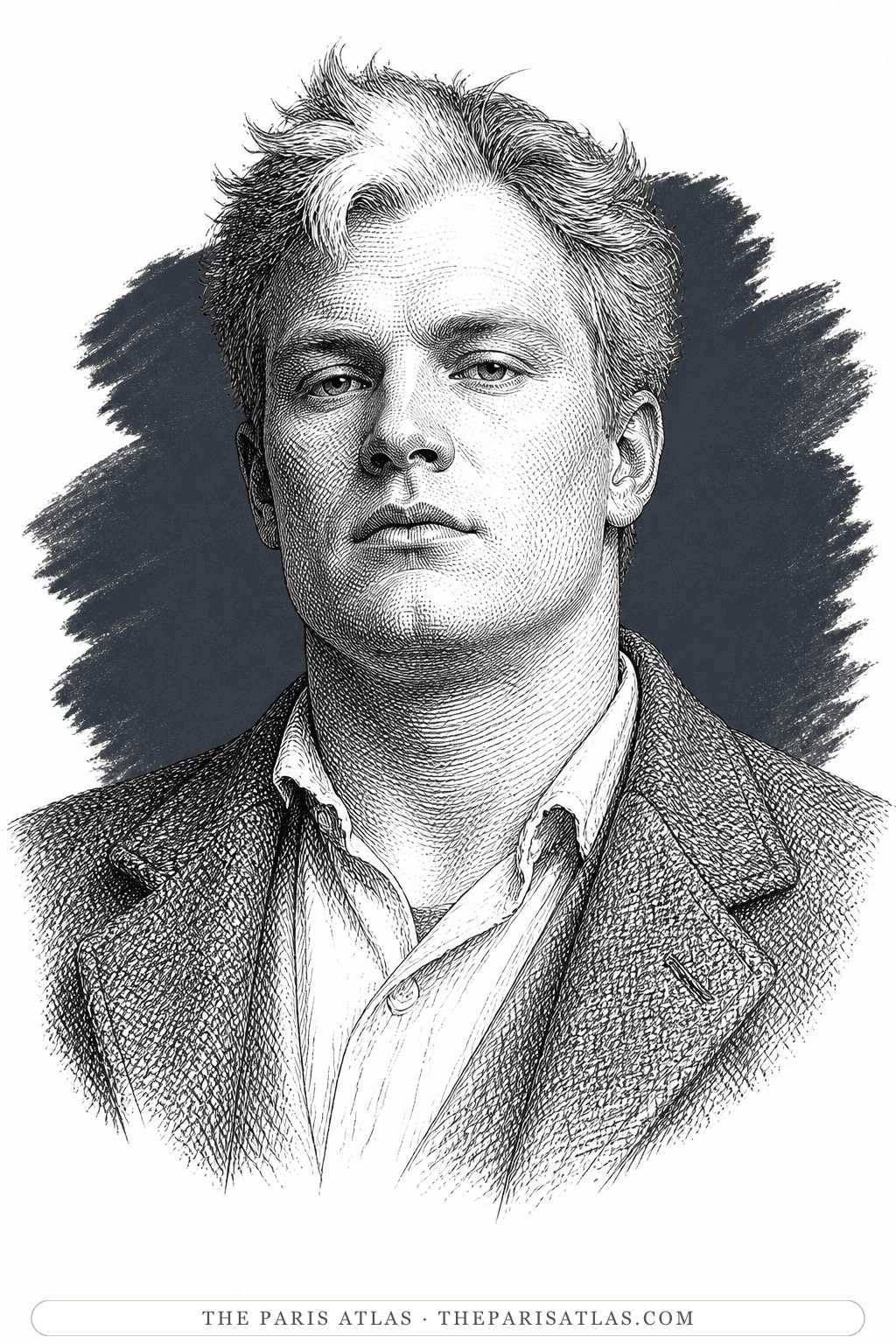
The central figure — a young English civil servant of good Yorkshire family who will not divorce the wife who left him, and will not discuss it with anybody.
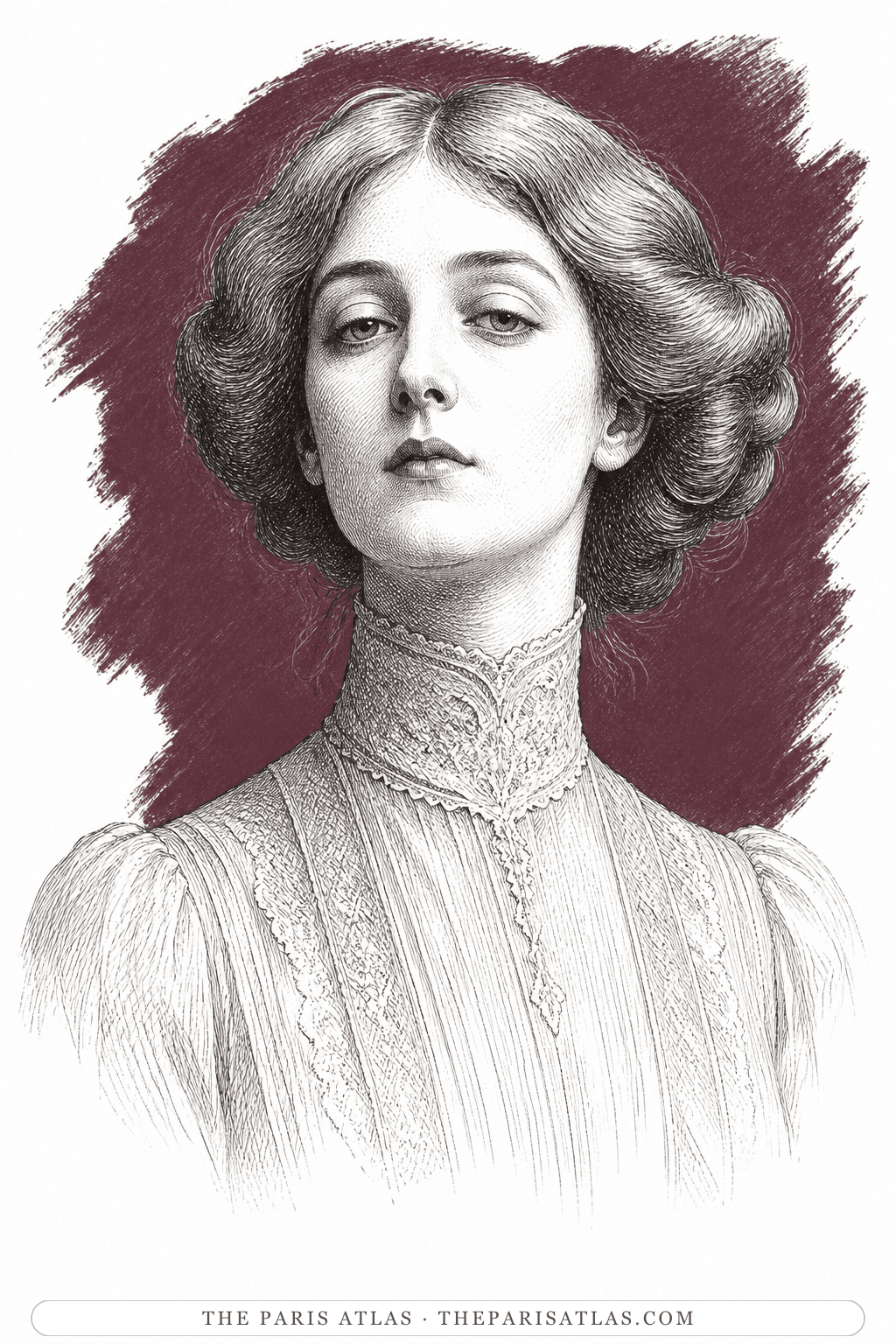
Christopher Tietjens' wife — beautiful, rich, Roman Catholic, and unable to get a rise out of the man she is married to.
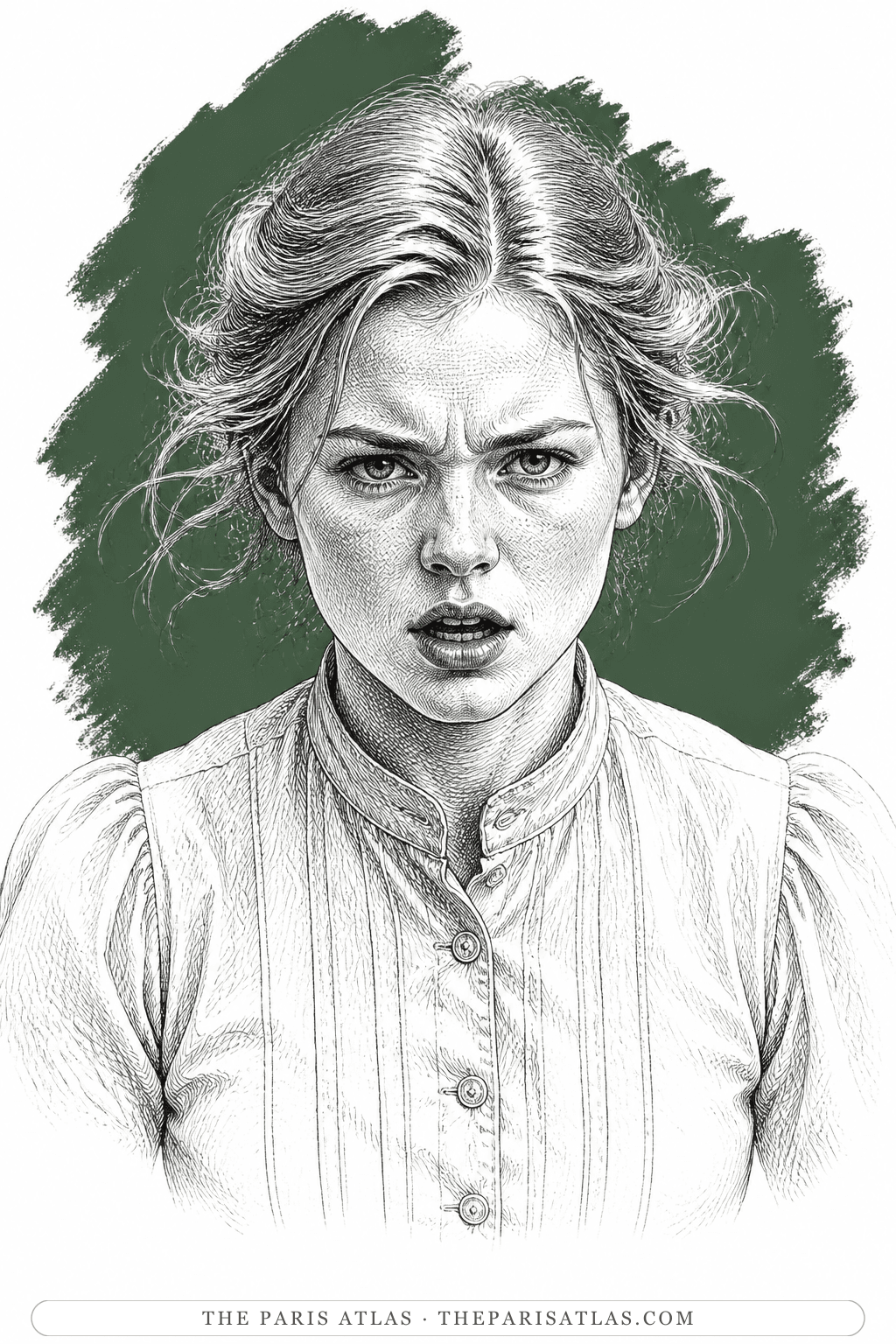
A suffragette and a Latinist, daughter of a dead professor and a working novelist, who meets Christopher Tietjens on a golf course and changes the shape of his life.
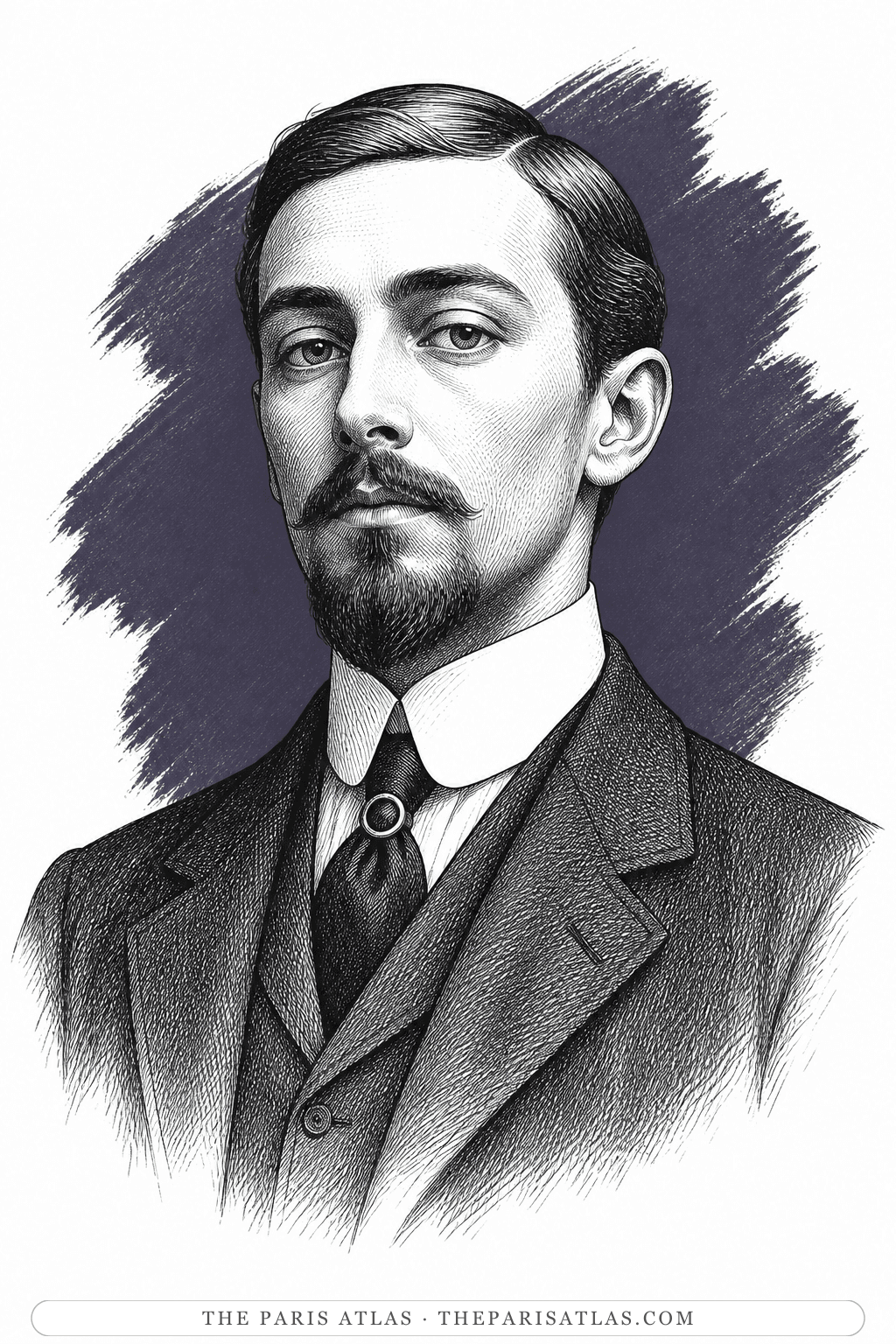
Tietjens' oldest friend — a poor Scot from Leith, a critic of the Pre-Raphaelites, and a man with a career plan he has never once deviated from.
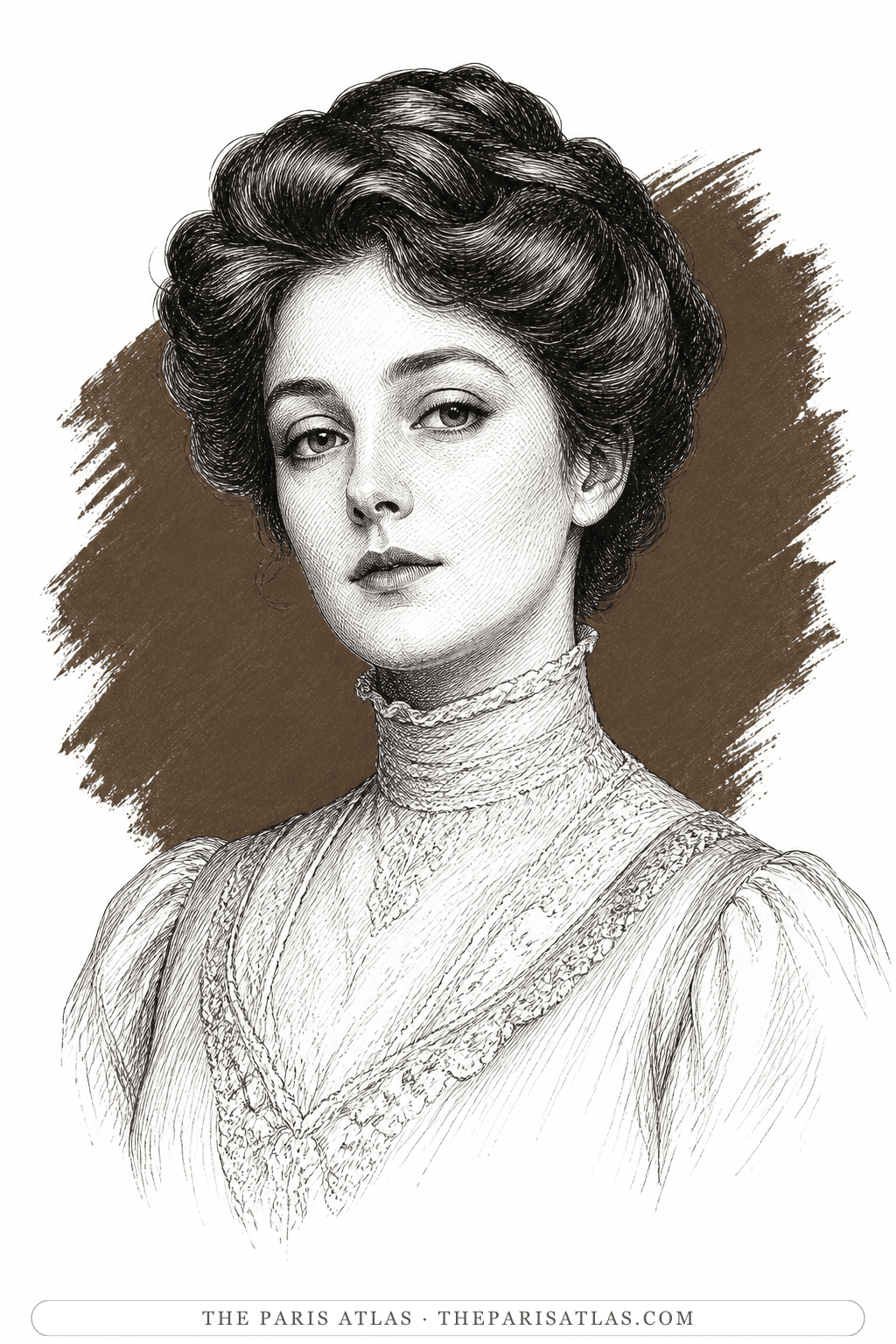
The young wife of a rich and violently mad clergyman, running the most talked-about breakfast table in Sussex.
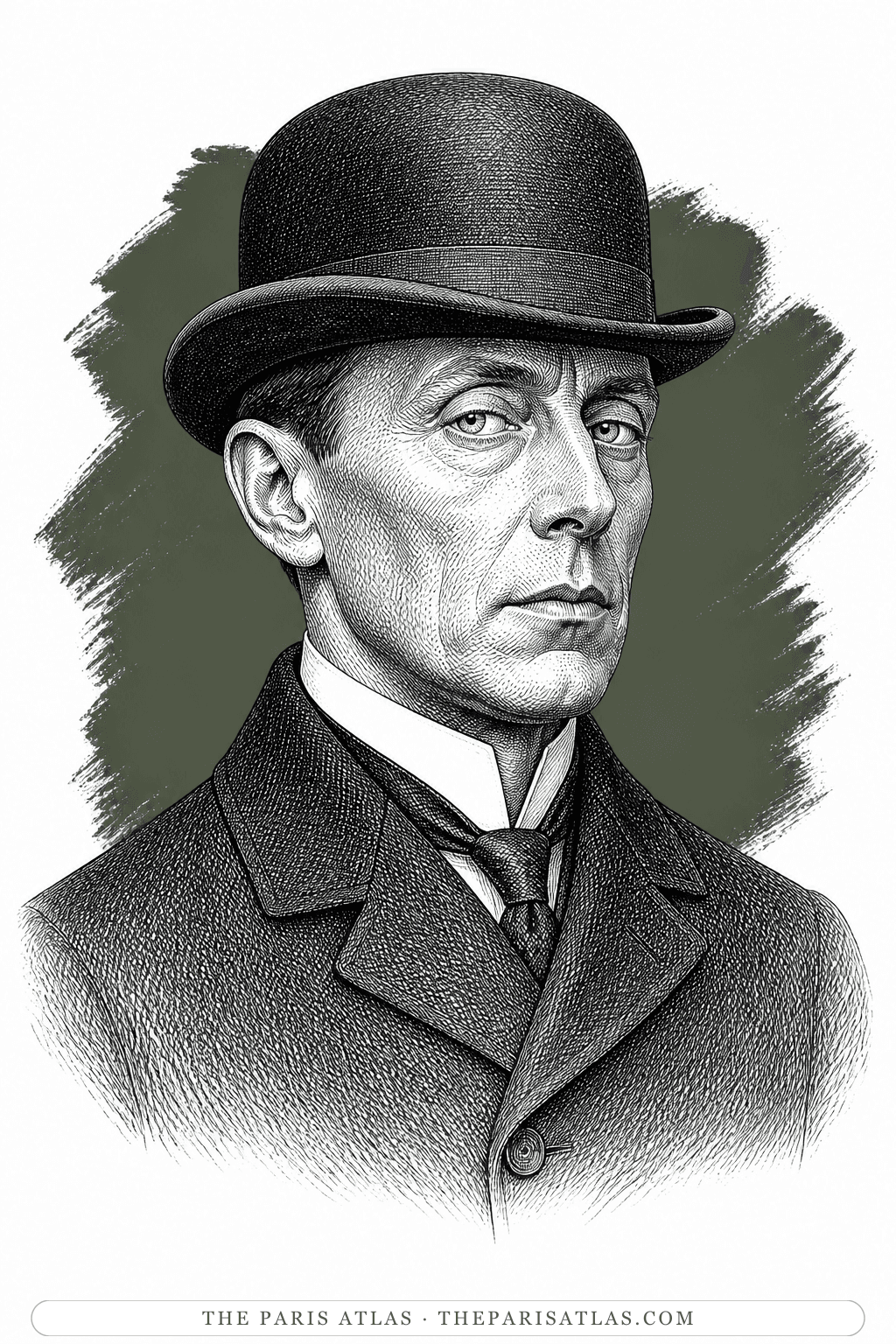
Christopher's much older brother — head of the family, head of a government department, and a man who has never explained himself to anyone.
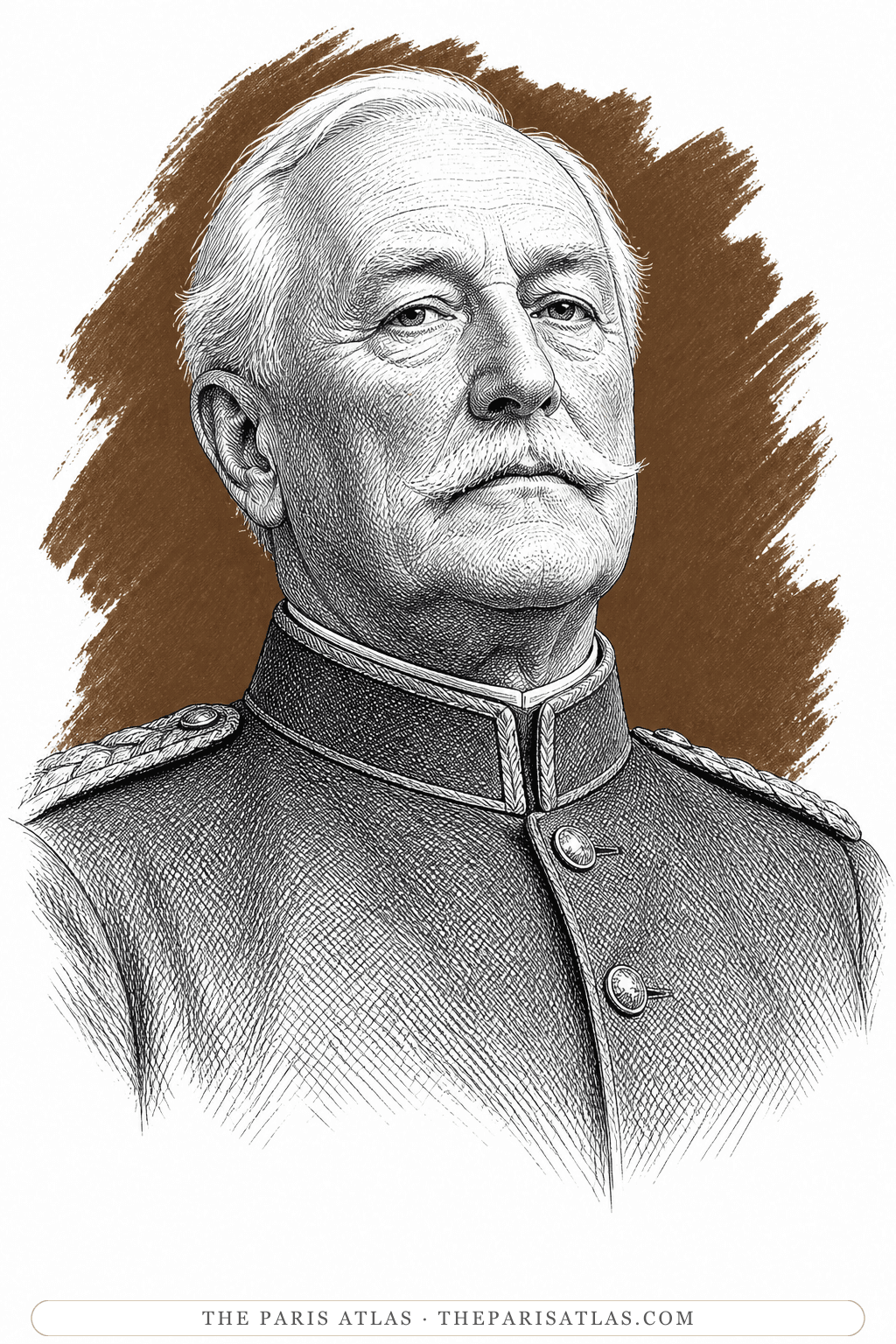
A general of division and Tietjens' father's oldest friend — fond of him, lame, and convinced the whole business could be fixed by a decent lie.
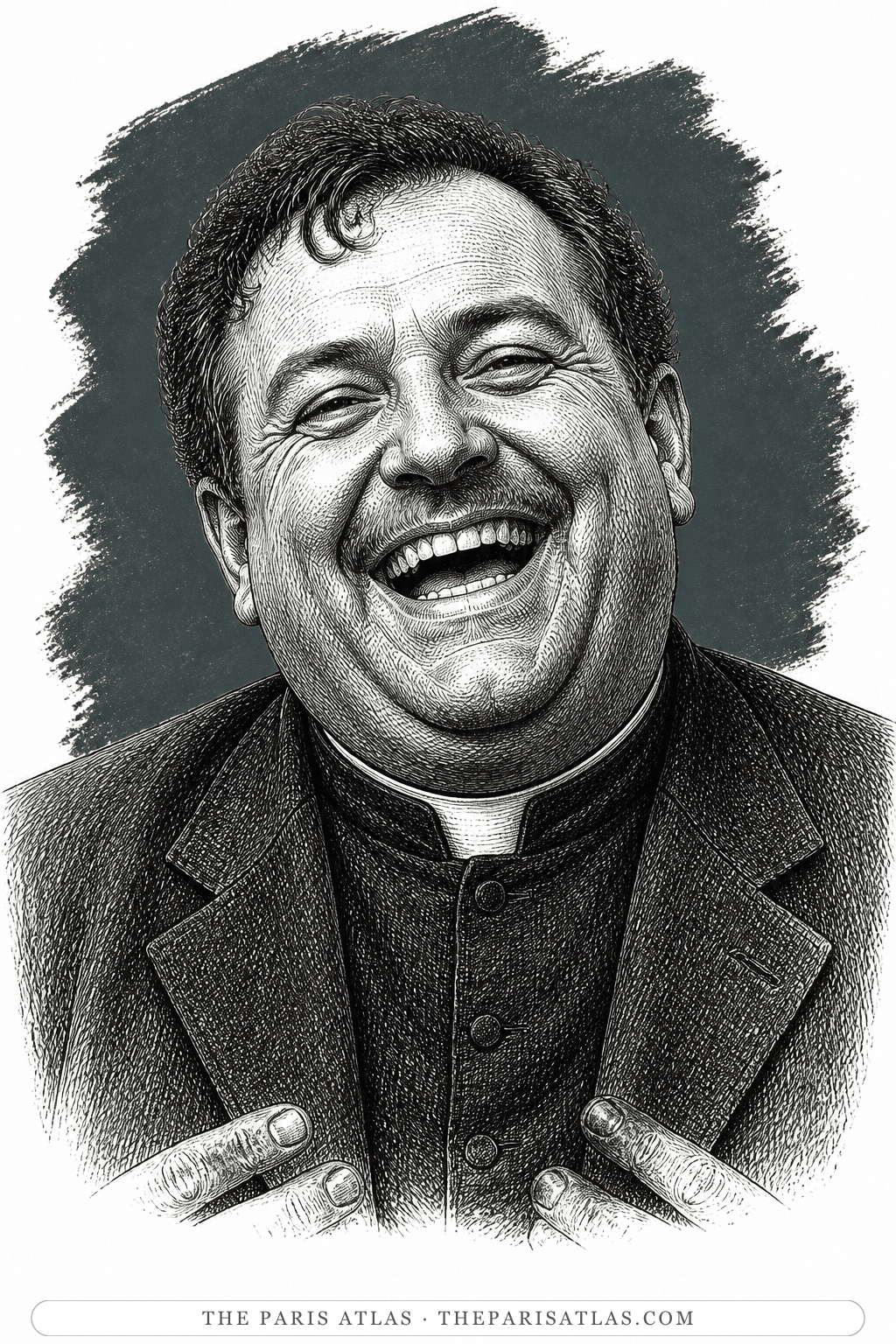
An Irish priest from the Liverpool slums, on holiday at a German spa, who has known Sylvia Tietjens since she was nine and is not fooled by her.
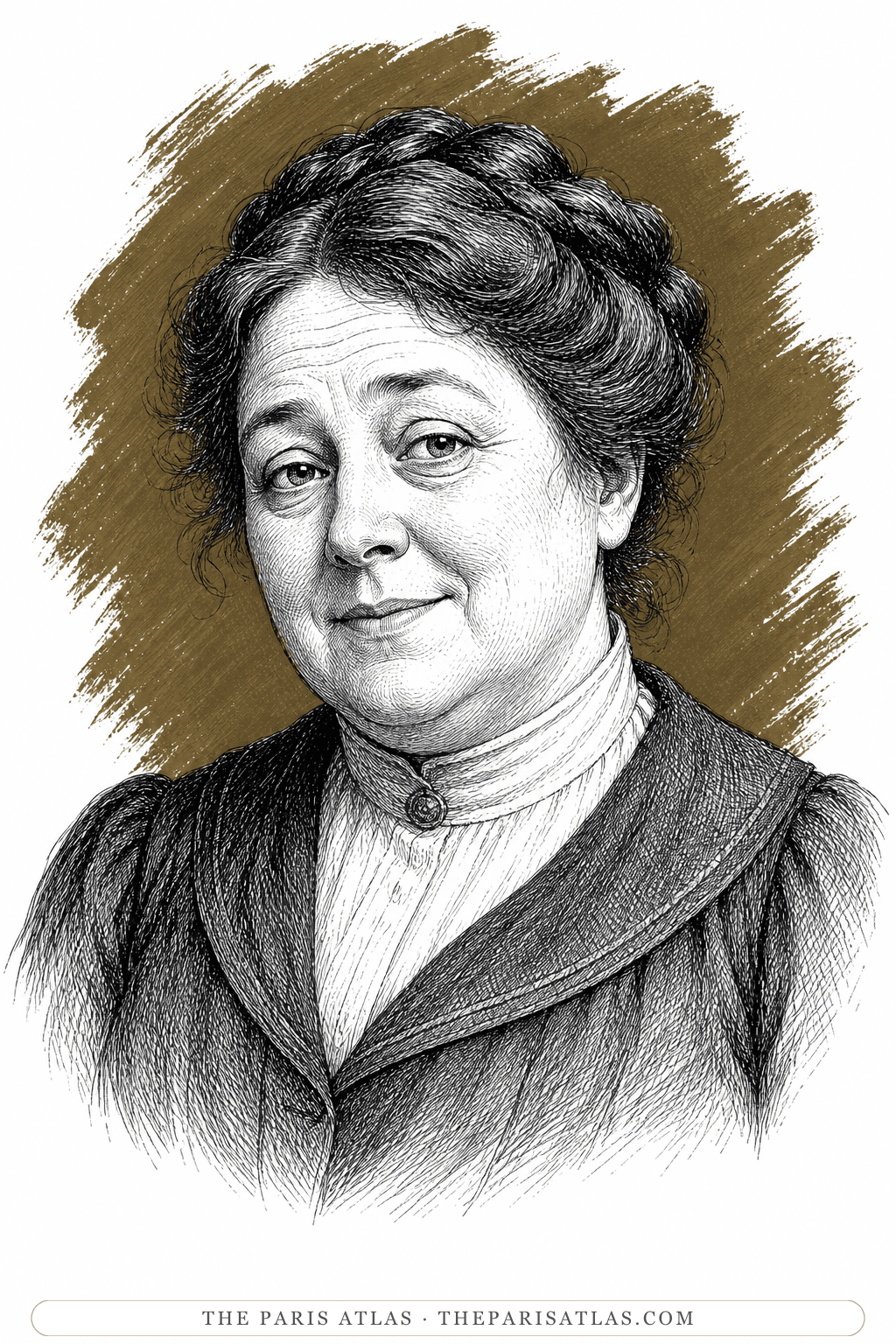
Valentine's mother — a novelist and jobbing journalist who writes eight hours a day to keep the house, and whom Tietjens' father once rescued with a bottle of champagne.
1908
Ford founds The English Review in London, backed in part by his friend Arthur Marwood, the Yorkshire mathematician he later drew on for Christopher Tietjens.
1915
Ford publishes The Good Soldier and, at forty-one, takes a commission in the Welch Regiment.
1916
At the Somme in July a shell explosion concusses him; he loses his memory for three weeks and his own name for a few days.
1922
He begins the novel at Cap Ferrat and works on it travelling north through France, finishing it in Paris.
1924
The first instalment closes the first issue of the transatlantic review, Ford's Paris magazine, in January; Duckworth publishes the book in London in April and Thomas Seltzer in New York the same year.
1925–1928
No More Parades, A Man Could Stand Up— and Last Post complete the sequence known as Parade's End.
2012
The four novels are adapted as a five-part television serial written by Tom Stoppard, with Benedict Cumberbatch as Christopher Tietjens.


Ford's other novel here, from 1915: two couples, a German spa, and a narrator who understood none of it. Much shorter, and the better place to start with him.
Read our take
Ernest Hemingway's 1926 novel about the same damaged generation, seen from the expatriate cafés of Paris. Hemingway worked for Ford in 1924 and put him in the book as the character Braddocks.
Read our take
Hemingway's memoir of those Paris years contains a famously unkind portrait of Ford. Read this first and judge it for yourself.
Read our take
Henri Barbusse's 1916 novel of a French infantry squad — the front line that Ford's characters only talk about, written by a private in the middle of it.
Read our take
The other side of the same subject: an officer, a love affair and a war, told plainly and in order, which is the opposite of Ford's method.
Read our takeFord Madox Ford, the English novelist and editor (1873–1939), who also wrote The Good Soldier and ran the Paris magazine the transatlantic review. It was published in 1924.
Yes. It is the first of four novels collected as Parade's End. The others are No More Parades (1925), A Man Could Stand Up— (1926) and Last Post (1928). This volume can be read on its own, but it ends without resolving its central situation.
An English government statistician, Christopher Tietjens, who refuses to divorce the wife who left him, and who meets a young suffragette, Valentine Wannop, on a weekend in Sussex before the First World War. The second half of the book picks the three of them up during the war, after Tietjens has come back from France with part of his memory missing.
It is the first half of a sentence, and the book completes it three times, in three different mouths. Some people do a thing and some people do not; the thing, in the end, is sleeping with someone you are not married to.
Yes, more so than most novels of its decade. Ford jumps backwards and forwards in time without warning, explains events long after showing them, and leaves a great deal of the dialogue unfinished. It repays patience and rereading.
It is based on all four novels. The 2012 BBC and HBO serial, written by Tom Stoppard and starring Benedict Cumberbatch and Rebecca Hall, runs to five episodes and covers the whole sequence; this book supplies roughly its opening.
Explore authors with a similar voice, perspective, and influence.
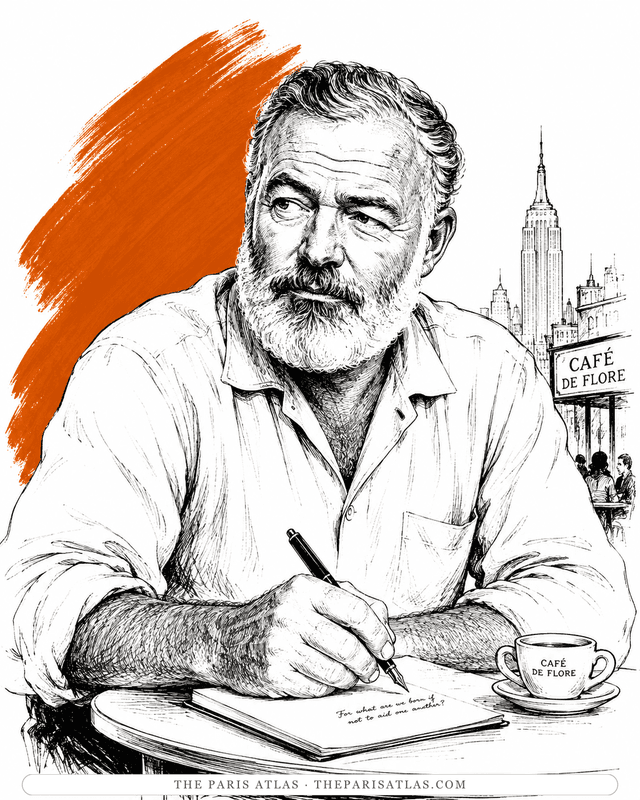
Ford published Hemingway's earliest Paris work and let him subedit the transatlantic review; Hemingway put him in The Sun Also Rises as Braddocks and settled accounts again in A Moveable Feast.
View author
Fellow witness and friend — Huddleston's memoir catches Ford live: the studio parties, the bal musette, Conrad reminiscences on the Closerie terrace.
View author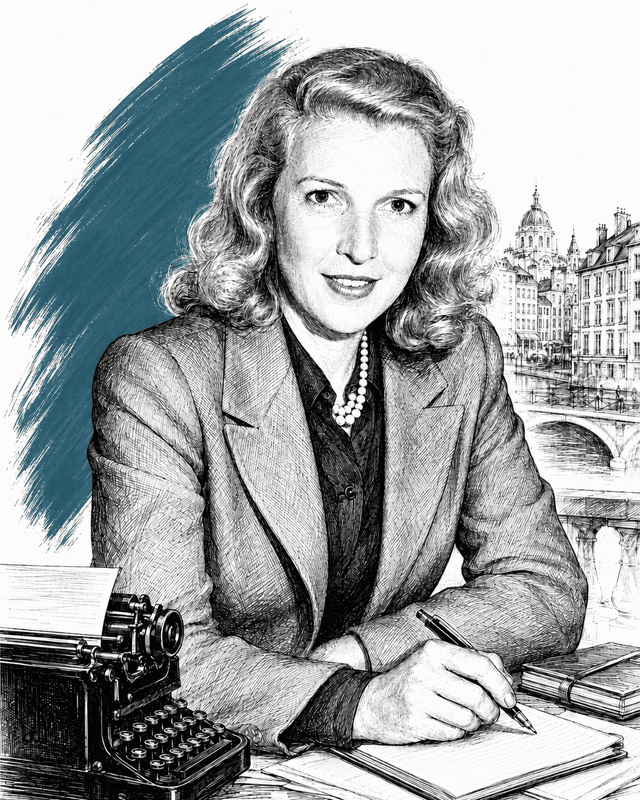
War correspondent who covered the Spanish Civil War, D-Day, and conflicts across five more decades; Hemingway's third wife, 1940–1945.
View authorThe sources below include the primary text, editions, scholarship, archival materials, and other records that informed this page. They document Some Do Not…, its publication, and its place in literary history.


The primary text represented by this page, used for descriptions of the work’s contents and for any quoted passages shown here.
Used to place Some Do Not… within Ford Madox Ford's published work and verify its bibliographic context.
Used for independent biographical, archival, or historical context surrounding Ford Madox Ford's career and the period in which Some Do Not… appeared.
Used to cross-check authorship, chronology, and the work's place in Ford Madox Ford's wider catalogue.
Used to verify Ford Madox Ford's bibliography and place Some Do Not… within the broader chronology of Ford Madox Ford's career.
Primary text for the close readings of class performance in the railway carriage and expressed concern during the fog-bound drive.
The primary text is the baseline reference for every book page. Additional references document publication history, interpretation, and historical context where that evidence is available.
 Explore more resources