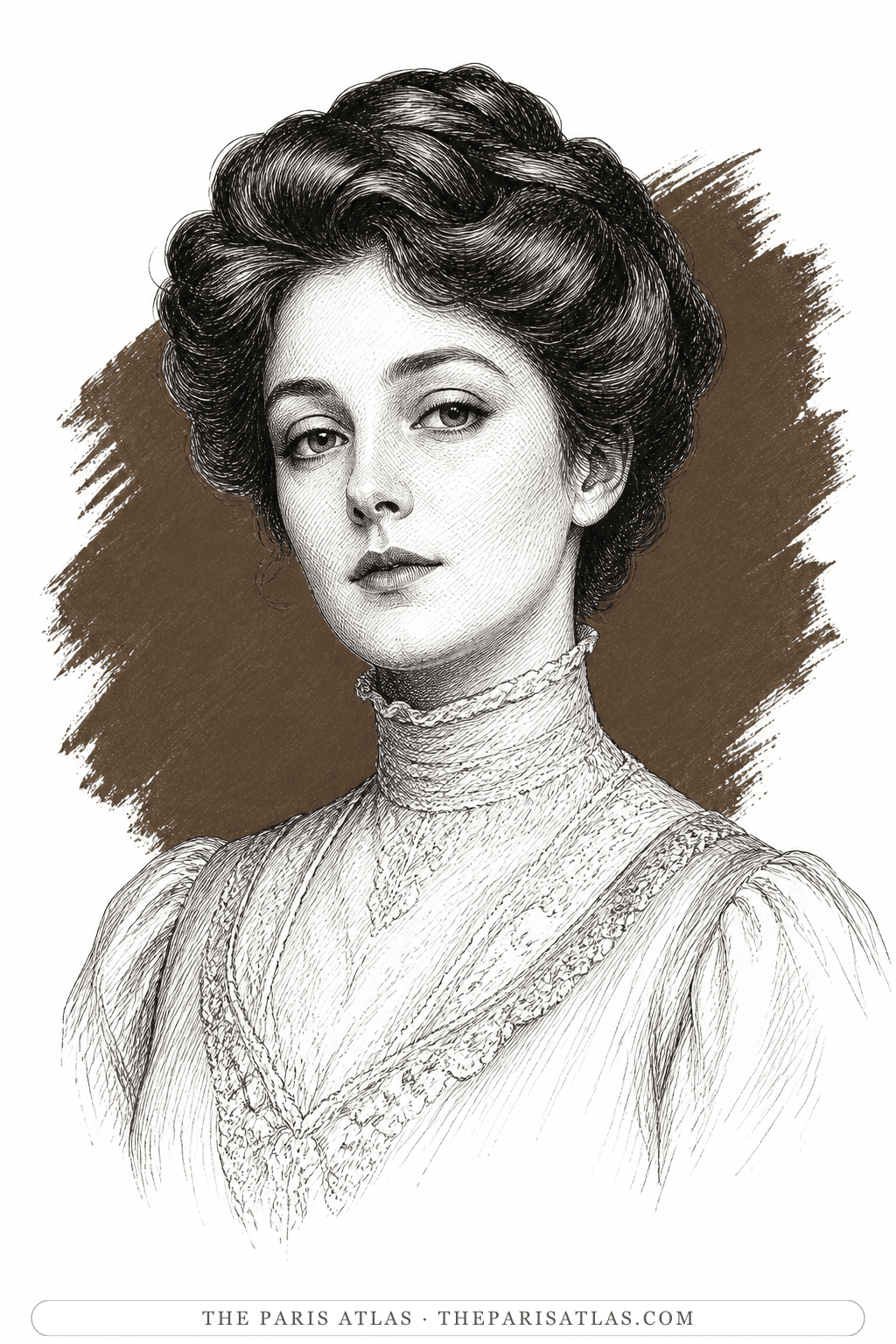
Edith Ethel Duchemin
The young wife of a rich and violently mad clergyman, running the most talked-about breakfast table in Sussex.
A house of her own with distinguished people in it, and a man she chose. She was married off young to a rich lunatic and, given the chance, rebuilds the same position on terms she sets herself.
The book

At a glance
- Wife of the Reverend Mr Duchemin, under thirty; later Lady Macmaster
- Midlothian, and "very poor bodies," by her own account
- The rectory near Rye in Part One, and her own drawing-room in London in Part Two
- A Saturday breakfast famous enough that people come from London for it
- A rich clergyman, a Ruskin disciple, and subject to violent fits
Who they are in the book
Spoiler-freeEdith Ethel Duchemin was born poor in Midlothian, sent to expensive schools at fourteen by somebody else's money, and married at a young age to the Reverend Mr Duchemin, a wealthy clergyman and former disciple of John Ruskin. She says of it, later and only once, that he bought her. Her husband has fits on Saturdays in which he shouts obscenities in Latin at his own breakfast table, and she has kept him out of an asylum for years by managing the room around him: the flowers, the seating, the fish sent down from London overnight, the ex-prizefighter dressed as a groom who stands behind his chair.
Vincent Macmaster arrives at one of these breakfasts, sees what is happening, and puts a stop to the fit without anybody appearing to notice. She falls in love with him in the course of a morning, and the rest of her story is what she does with that.
How Edith Ethel Duchemin Is Portrayed
- The room she runsSilver urns, a screen of delphiniums, a ham, a game pie, four Turner watercolours and fish that left London by special messenger at dawn. Tietjens tells her it is not ostentation; it is the tradition her husband inherited from Ruskin.
- How she speaksIn a deep, carrying, unhurried voice, in complete sentences, about the roses in the garden as though describing something in a painting. It is the first thing everybody notices and the thing that leaves last.
- What the marriage isShe has heard her husband's worst Latin story recited at her, wrist held, more times than she can count. She could have him certified any day and does not. Mrs Wannop, who is not sentimental, calls it self-sacrifice.
- Two voicesIn private a coarser one appears. Raging up and down her own candlelit room, she calls the man she loves an oaf and a dirty little Port of Leith fish-handler, in front of a young woman she has summoned in the middle of the night to hear it.
- The debtHer late husband's money could clear the several thousand pounds Vincent Macmaster owes Tietjens. Tietjens twice refuses to let the debt be settled out of it, on the grounds that it would be dishonourable money. She takes that as an insult and never forgives it.
She and Macmaster become lovers almost immediately, and she marries him the day after her husband's funeral, keeping it secret for months.
Once established she turns on the two people who know: she tells Valentine that seven people in five weeks have said she has had Tietjens' child, disinvites her from the party at which the marriage is made public, announces that if the Tietjens marriage breaks it is Sylvia the house will support, and calls Valentine a harlot on the way out. Valentine's private conclusion is that the venom is jealousy, and that Edith Ethel was in love with Tietjens once herself.
If you like Some Do Not…


If you like Ford Madox Ford
Explore authors with a similar voice, perspective, and influence.
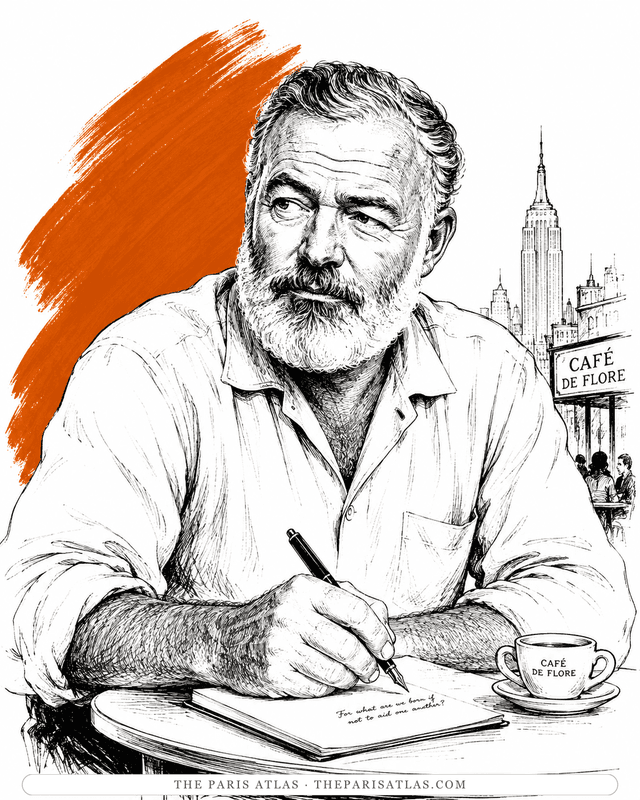
Ernest Hemingway
Ford published Hemingway's earliest Paris work and let him subedit the transatlantic review; Hemingway put him in The Sun Also Rises as Braddocks and settled accounts again in A Moveable Feast.
View author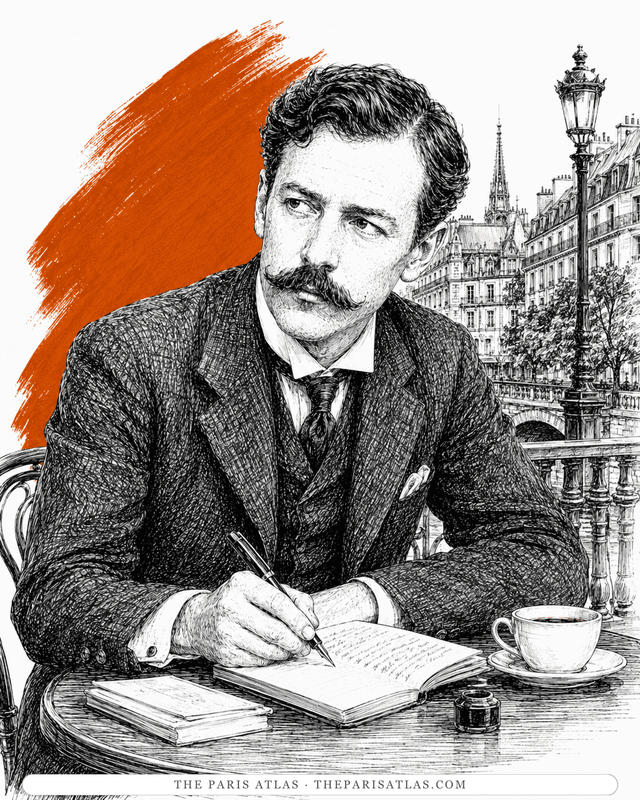
Sisley Huddleston
Fellow witness and friend — Huddleston's memoir catches Ford live: the studio parties, the bal musette, Conrad reminiscences on the Closerie terrace.
View author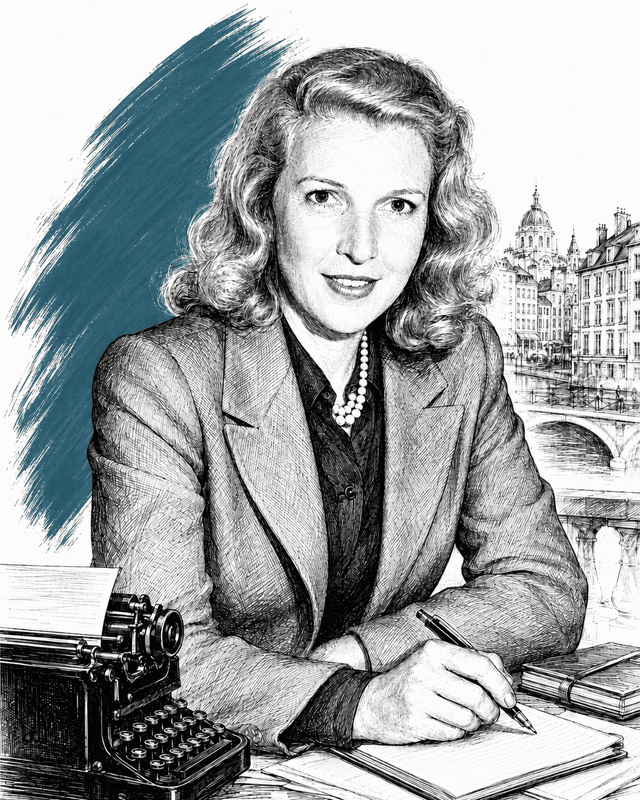
Martha Gellhorn
War correspondent who covered the Spanish Civil War, D-Day, and conflicts across five more decades; Hemingway's third wife, 1940–1945.
View author