The Paris AtlasCharting the artists, works, and places worth returning to.

Ford Madox Ford

Novelist, editor, and one-man literary infrastructure — author of The Good Soldier, publisher of the young Hemingway, and host of the era's bal musette parties.

2 books on our shelves

In images

Details

Lived
1873–1939
Born
17 December 1873
Birthplace
Merton, Surrey, England
Died
26 June 1939 · aged 65
Place of death
Deauville, France
Nationality
English
Married
Elsie Martindale · 1894–1939
Children
Christina, Katharine, Julia
Roles
AuthorEditor
Also known as
Ford Hermann Hueffer · Ford Hermann Hueffer

About Ford Madox Ford

Ford Madox Ford was born Ford Hermann Hueffer in 1873, into the heart of Victorian art — his grandfather was the painter Ford Madox Brown, and the pre-Raphaelites were family furniture. He collaborated on novels with Joseph Conrad, founded The English Review in 1908 and filled its first issues with Hardy, James, Conrad, and an unknown D. H. Lawrence, and in 1915 published The Good Soldier, the book he called his best and posterity has agreed with. He served in the war — gassed and shell-shocked at the Somme in his forties — and took his new name in 1919.

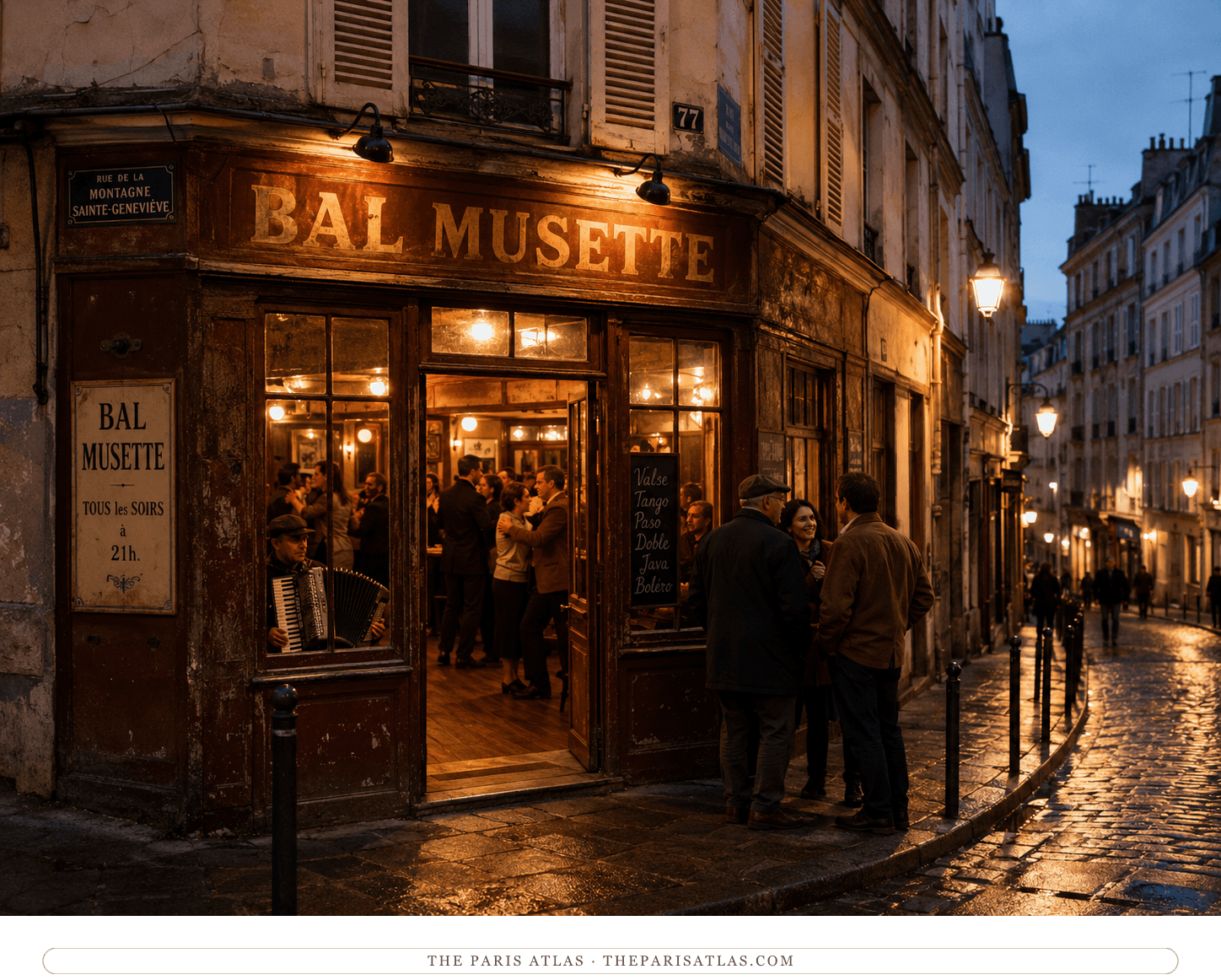
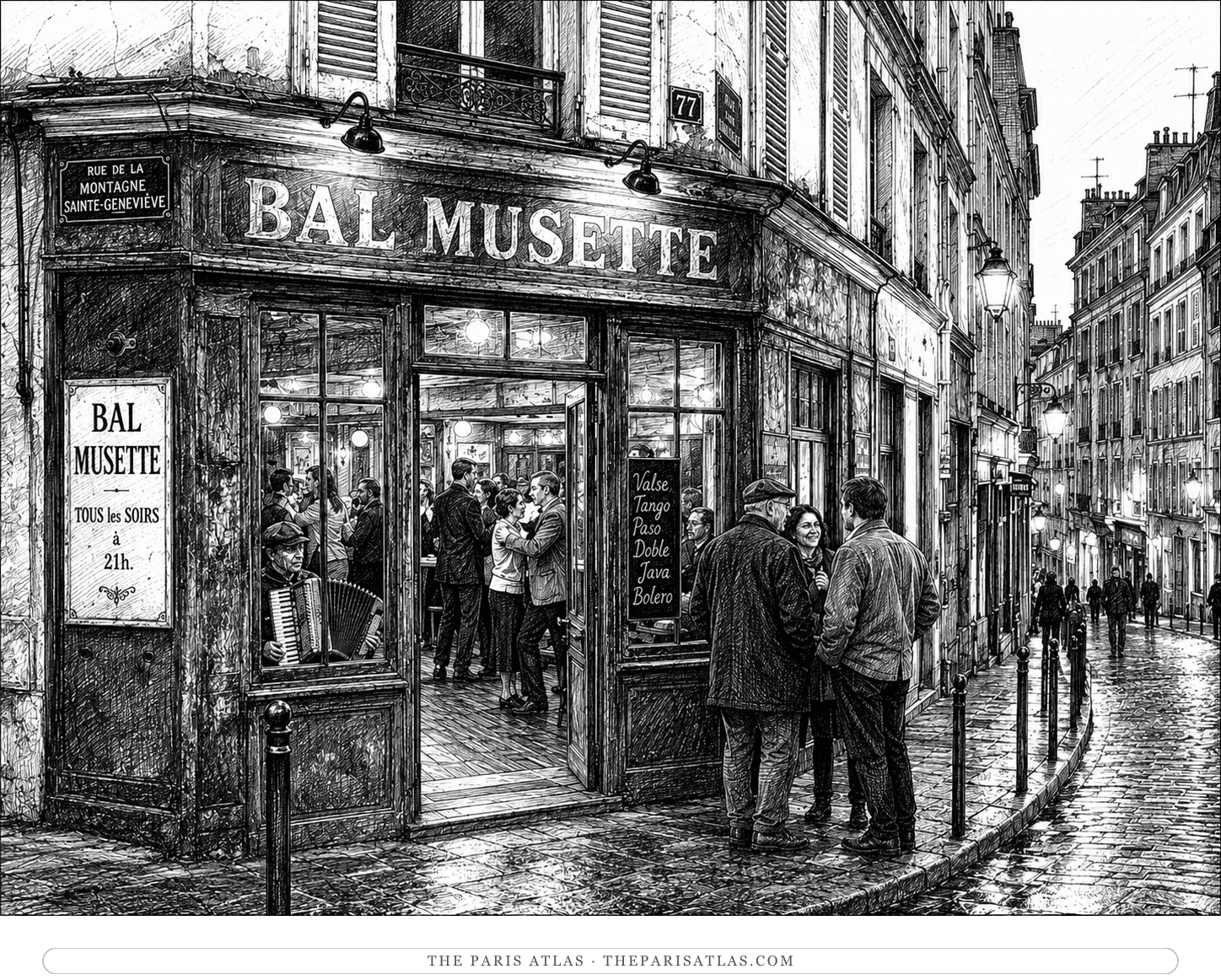
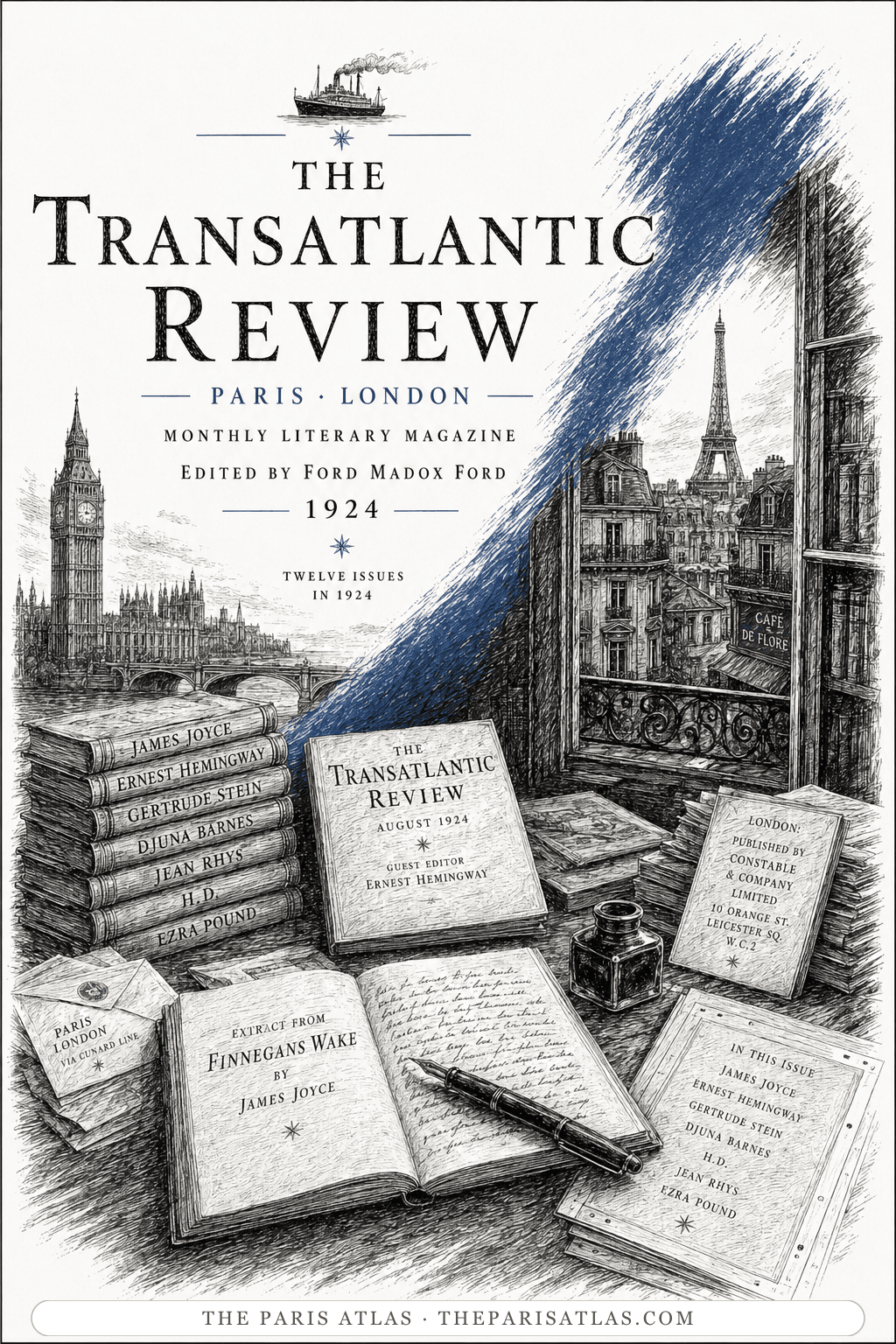
Paris made him the era's great enabler for a second time. In 1924, from Bill Bird's printing office at 29 quai d'Anjou, he launched the transatlantic review: twelve issues that published Joyce's Work in Progress, Gertrude Stein, and the earliest Hemingway — who also subedited the magazine. His parties migrated from his studio to a bal musette behind the Panthéon, where the quarter's writers danced among the regulars; Hemingway borrowed the scene, and Ford himself, for The Sun Also Rises, where he appears thinly veiled as Braddocks.

The younger generation he published repaid him unevenly in print — A Moveable Feast's portrait has sharp elbows — but the record stands: Parade's End (1924–28) joined The Good Soldier in the permanent shelf, and few careers connect Victorian letters to the Paris moderns so directly. He kept writing, and kept discovering writers, until his death at Deauville in 1939.

Life events

  1. 1873

    Born Ford Hermann Hueffer at Merton, Surrey — grandson of the painter Ford Madox Brown, raised among Pre-Raphaelites.

  2. 1901

    The collaborations with Joseph Conrad begin — two novels, and a decade of arguing about how prose should work.

  3. 1908

    Founds The English Review — publishes Hardy, James, and Conrad, and pulls D. H. Lawrence out of the unsolicited pile.

  4. 1915

    The Good Soldier — 'the finest French novel in the English language' — and, at forty-one, a commission in the Welch Regiment.

  5. 1916

    Blown into the air at the Somme; the shell shock and the war became the decade's material.

  6. 1919

    Ford Hermann Hueffer becomes Ford Madox Ford.

  7. 1922

    Moves to Paris, and into the middle of the young century.

  8. 1924

    Founds the transatlantic review: Joyce, Stein, and the young Hemingway — who subedits, takes the checks, and repaid it all with a chapter.

    Bernard J. Poli, Ford Madox Ford and the Transatlantic Review (1967); Ernest Hemingway, A Moveable Feast (1964)

  9. 1924–1928

    Parade's End, the war tetralogy — the other permanent shelf beside The Good Soldier.

  10. 1930s

    The last act: memoirs, criticism, and discovering the young at Olivet College, Michigan — generous to the end.

  11. 1939

    Dies at Deauville, 26 June.

Featured in these books

Cover of A Moveable Feast by Ernest Hemingway

A Moveable Feast

by Ernest Hemingway

How Ford appears in its pages: Editor of the transatlantic review, encountered over an evening at the Closerie des Lilas spent 'cutting' the wrong man.

The full portrait — Ford Madox Ford in A Moveable Feast

Editor of the transatlantic review, encountered over an evening at the Closerie des Lilas spent 'cutting' the wrong man.

Who they are in the book

Spoiler-free

Ford arrives at the Closerie des Lilas like weather — large, wheezing, and impossible to ignore. He is the editor of the transatlantic review, a genuine link to the Victorian greats, and the employer who has the narrator reading manuscripts for him. The book's comic centerpiece has Ford loftily explaining the English art of 'cutting' — refusing to acknowledge — a bounder who has just passed their table.

What Ford wants is to be a gentleman among gentlemen while running the era's most important little magazine, and the memoir finds the gap between the two ambitions endlessly funny. The portrait has sharp elbows — Hemingway holds his breath against the man's nearness even while cashing his checks — but the debt is on the record: Ford serialized him early, when it counted.

How the book draws them

  • The bulkUpright, heavy, and well tailored — the book compares him to a barrel stood on end in good clothes, breathing hard through a stained mustache.
  • Up closeThe narrator spends the chapter maneuvering to stay upwind; proximity to Ford is one of its running jokes.
  • The grand mannerInstruction delivered from a great height, backed by a memory the book treats as majestic and unreliable in equal measure.
  • The taxonomyA complete classification of who may count as a gentleman, delivered with total confidence: a gentleman always cuts a cad, could never have known a bounder, and Ezra — being American — is disqualified at the border. The narrator's own eligibility is left carefully unresolved.
  • The arrivalHe descends on the café table uninvited and settles in like an institution — the quiet evening at the Lilas reorganizes itself around him, and stays reorganized.
  • The soiréesHe extends an invitation to his weekly literary evenings, held at a bal musette on the rue du Cardinal Lemoine — a dance hall the narrator knows rather better than Ford does, having lived above it.

At a glance

In the book
'Ford' — editor of the transatlantic review
Where he appears
'Ford Madox Ford and the Devil's Disciple,' at the Closerie des Lilas
The real person
Ford Madox Ford (born Ford Hermann Hueffer) · 1873–1939 · Merton, Surrey, England
Their ending, and the commentary — spoilers aheadHow the book leaves them, and what the record says. Open when you're ready.

The chapter's punchline: the man Ford ostentatiously cuts as the bounder Hilaire Belloc turns out, on inquiry, to be Aleister Crowley — the occultist styled 'the wickedest man in the world.' Ford has cut the wrong notorious Englishman, and the anecdote quietly makes the case that his grand manner and his accuracy were rarely in the same room.

Ford died at Deauville in 1939, having spent his last years teaching and still discovering writers. The younger generation he published repaid him unevenly in print — this chapter is Exhibit A — but Parade's End and The Good Soldier outlasted every cut, and modern readers of the memoir generally note that Hemingway owed Ford considerably more than the portrait admits.
More people from A Moveable Feast

People they knew

Documented connections — every one carries its source.

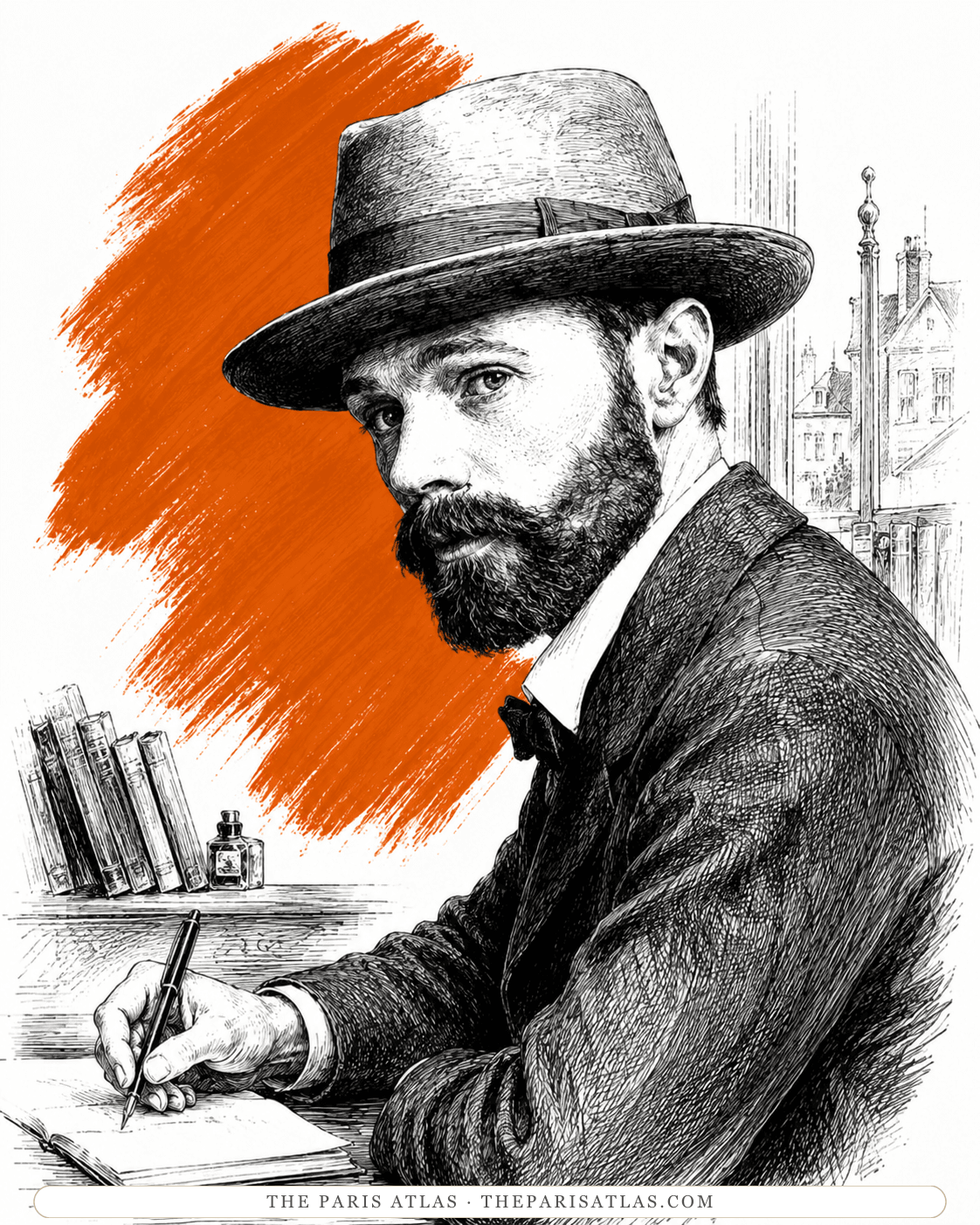
Illustrated portrait of D. H. Lawrence

D. H. Lawrence

  • Author
  • Poet
  • Critic
  • +2

Mentored · 1909

Jessie Chambers sent Lawrence's poems to Ford — then publishing as Ford Madox Hueffer — at The English Review, which printed them in November 1909 under the collective title "A Still Afternoon". Ford went on publishing him, walked him around literary London, and recommended The White Peacock to Heinemann, who published it in 1911.

The English Review: An Introduction; The Lawrence Circle

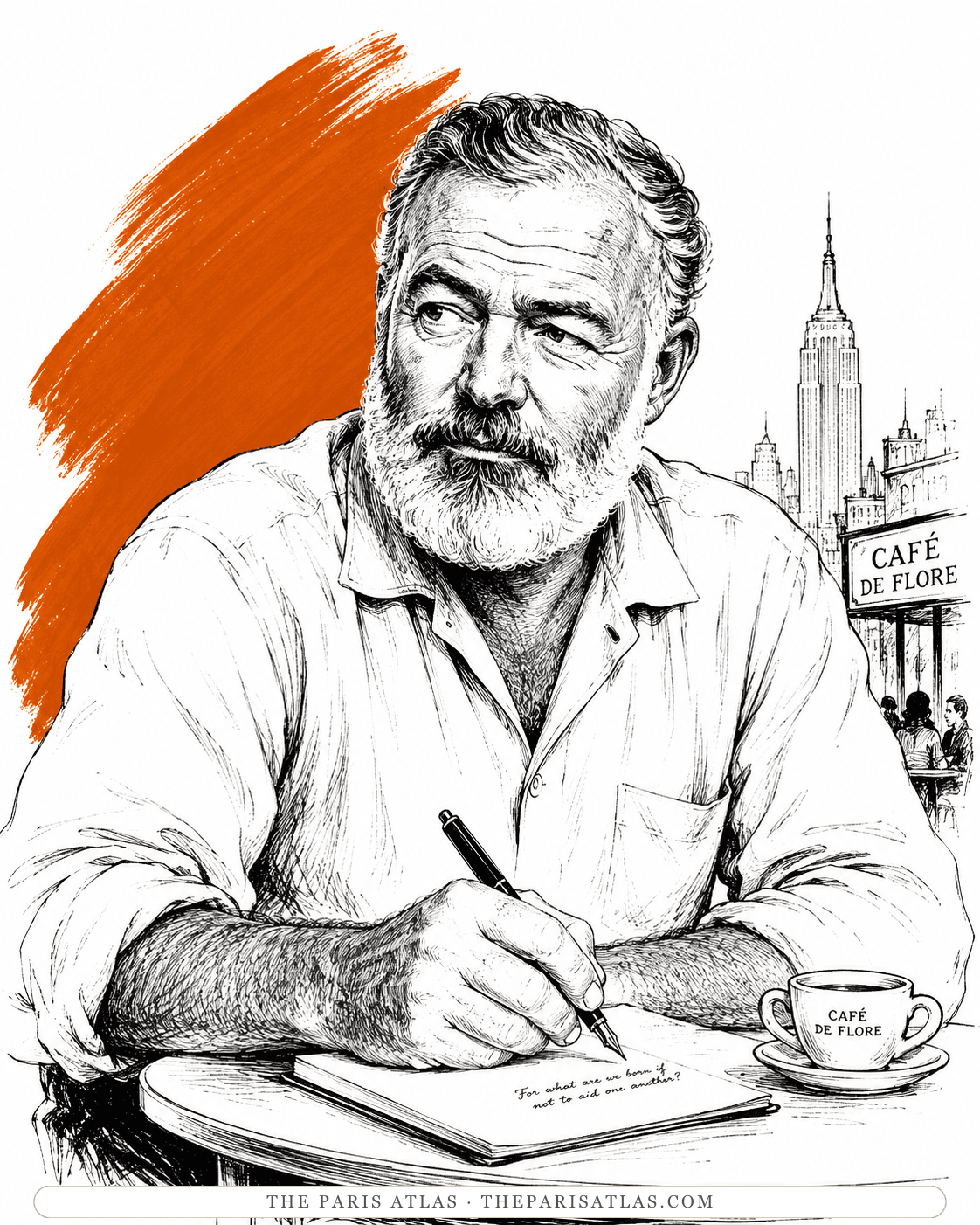
Illustrated portrait of Ernest Hemingway

Ernest Hemingway

  • Author
  • Journalist

Met · 1924

Thrown together by the transatlantic review in 1924 — Ford published and employed the young subeditor, who repaid the debt with the memoir's cruelest portrait and a walk-on for Ford in The Sun Also Rises as Braddocks.

Ernest Hemingway, A Moveable Feast (1964), 'Ford Madox Ford and the Devil's Disciple'; Carlos Baker, Ernest Hemingway: A Life Story (1969)

Movements

The artistic and literary currents this life ran through.

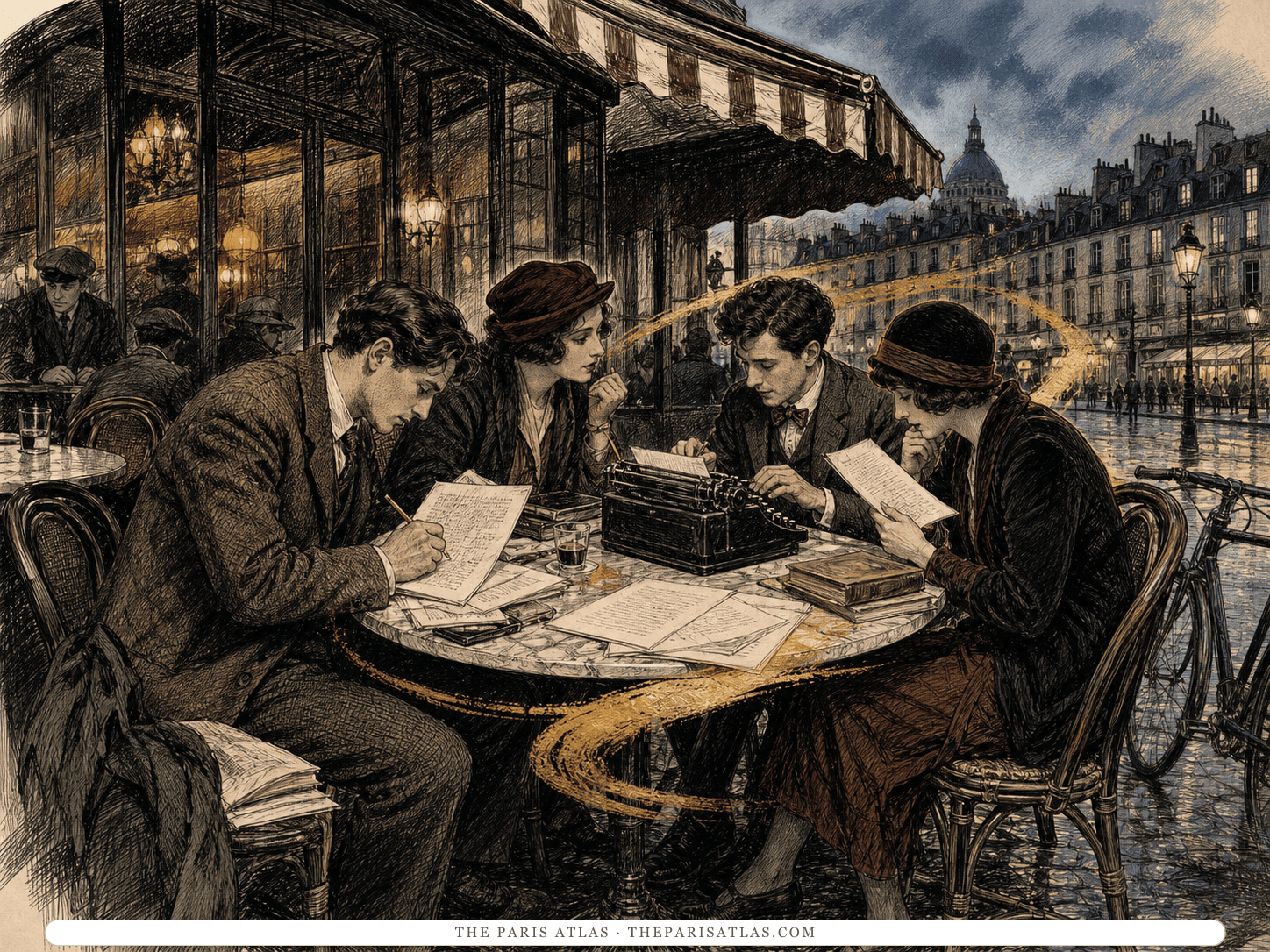
Pen-and-ink illustration of four young writers revising manuscripts around a typewriter at a Paris café in the 1920s

Literary generation · c. 1921–1929

The Lost Generation

The English tradition's ambassador to the young moderns: his transatlantic review published Stein, Joyce, and the subediting Hemingway — the movement in magazine form, before the world had its name for it.

Bernard J. Poli, Ford Madox Ford and the Transatlantic Review (1967); Ernest Hemingway, A Moveable Feast (1964), 'Ford Madox Ford and the Devil's Disciple'

Start here

Cover of The Good Soldier by Ford Madox Ford

The Good Soldier

The 1915 masterpiece — 'the saddest story I have ever heard,' told by the century's most famously unreliable narrator. Halfway through you'll want to start over; that's the design working.

Books by Ford Madox Ford

Cover of The Good Soldier by Ford Madox Ford

Modernist fiction

'This is the saddest story I have ever heard' — told, perfectly, by the one man in it who understands it least.

4.6
Cover of Some Do Not… by Ford Madox Ford

Modernist fiction

The first of the four Parade's End novels — an English government statistician, the wife he refuses to divorce, and the war that arrives between the two halves of the book.

4.5

Popular reading paths

Recommended starting order

Our editors' path for a first-time reader.

  1. 1.The Good Soldier
  2. 2.Some Do Not…

Publication order

Watch the writer develop, book by book.

  1. 1.The Good Soldier
  2. 2.Some Do Not…

Most popular first

Lead with the books readers loved most.

  1. 1.The Good Soldier
  2. 2.Some Do Not…

Ford Madox Ford’s Places

The cataloged places connected to Ford Madox Ford — through the books, and through the documented record.

Places you can enter today appear first, followed by addresses to see from outside and sites that have vanished.

Organizations

Founded · 1924

The Transatlantic Review

Twelve monthly issues from the Quai d'Anjou, bankrolled by John Quinn after Pound matched the editor to the money.

Bernard J. Poli, Ford Madox Ford and the Transatlantic Review (1967)

Questions about Ford Madox Ford

Who was Ford Madox Ford?

An English novelist and editor (1873–1939), author of The Good Soldier and founder of the transatlantic review. He was a one-man piece of literary infrastructure, publishing and connecting writers on both sides of the Channel.

What is Ford Madox Ford best known for?

His 1915 novel The Good Soldier, and his editing — first of the English Review, then of the Paris-based transatlantic review, which brought established modernists together with younger writers.

What was the transatlantic review?

A literary magazine Ford ran from Paris in 1924 — twelve monthly issues from the Quai d'Anjou, bankrolled by the collector John Quinn. It published Gertrude Stein and James Joyce and employed the young Hemingway as a subeditor.

How is Ford connected to Hemingway?

Ford published and employed Hemingway at the transatlantic review in 1924. Hemingway repaid the debt with a cruel portrait in A Moveable Feast and a walk-on for Ford, as the character Braddocks, in The Sun Also Rises.

Did Ford Madox Ford live in Paris?

Yes, in the mid-1920s. He hosted weekly parties — moving them from his studio to a bal musette behind the Panthéon, where writers and artists danced among the quarter's regulars.

Sourced claims

Every connection the graph holds for Ford, with the evidence behind it.

Hosted gatherings at · 1924–1925

Bal Musette

Ford Madox Ford moves his weekly parties from his studio to a bal musette behind the Panthéon — writers and artists dancing among the quarter's regulars, per Huddleston's eyewitness account.

Sisley Huddleston, Paris Salons, Cafés, Studios (1928)

Founded · 1924

The Transatlantic Review

Twelve monthly issues from the Quai d'Anjou, bankrolled by John Quinn after Pound matched the editor to the money.

Bernard J. Poli, Ford Madox Ford and the Transatlantic Review (1967)

Associated with · 1924–1926

The Lost Generation

The English tradition's ambassador to the young moderns: his transatlantic review published Stein, Joyce, and the subediting Hemingway — the movement in magazine form, before the world had its name for it.

Bernard J. Poli, Ford Madox Ford and the Transatlantic Review (1967); Ernest Hemingway, A Moveable Feast (1964), 'Ford Madox Ford and the Devil's Disciple'

Mentored · 1909

D. H. Lawrence

Jessie Chambers sent Lawrence's poems to Ford — then publishing as Ford Madox Hueffer — at The English Review, which printed them in November 1909 under the collective title "A Still Afternoon". Ford went on publishing him, walked him around literary London, and recommended The White Peacock to Heinemann, who published it in 1911.

The English Review: An Introduction; The Lawrence Circle

Met · 1924

Ernest Hemingway

Thrown together by the transatlantic review in 1924 — Ford published and employed the young subeditor, who repaid the debt with the memoir's cruelest portrait and a walk-on for Ford in The Sun Also Rises as Braddocks.

Ernest Hemingway, A Moveable Feast (1964), 'Ford Madox Ford and the Devil's Disciple'; Carlos Baker, Ernest Hemingway: A Life Story (1969)

Browse all authors