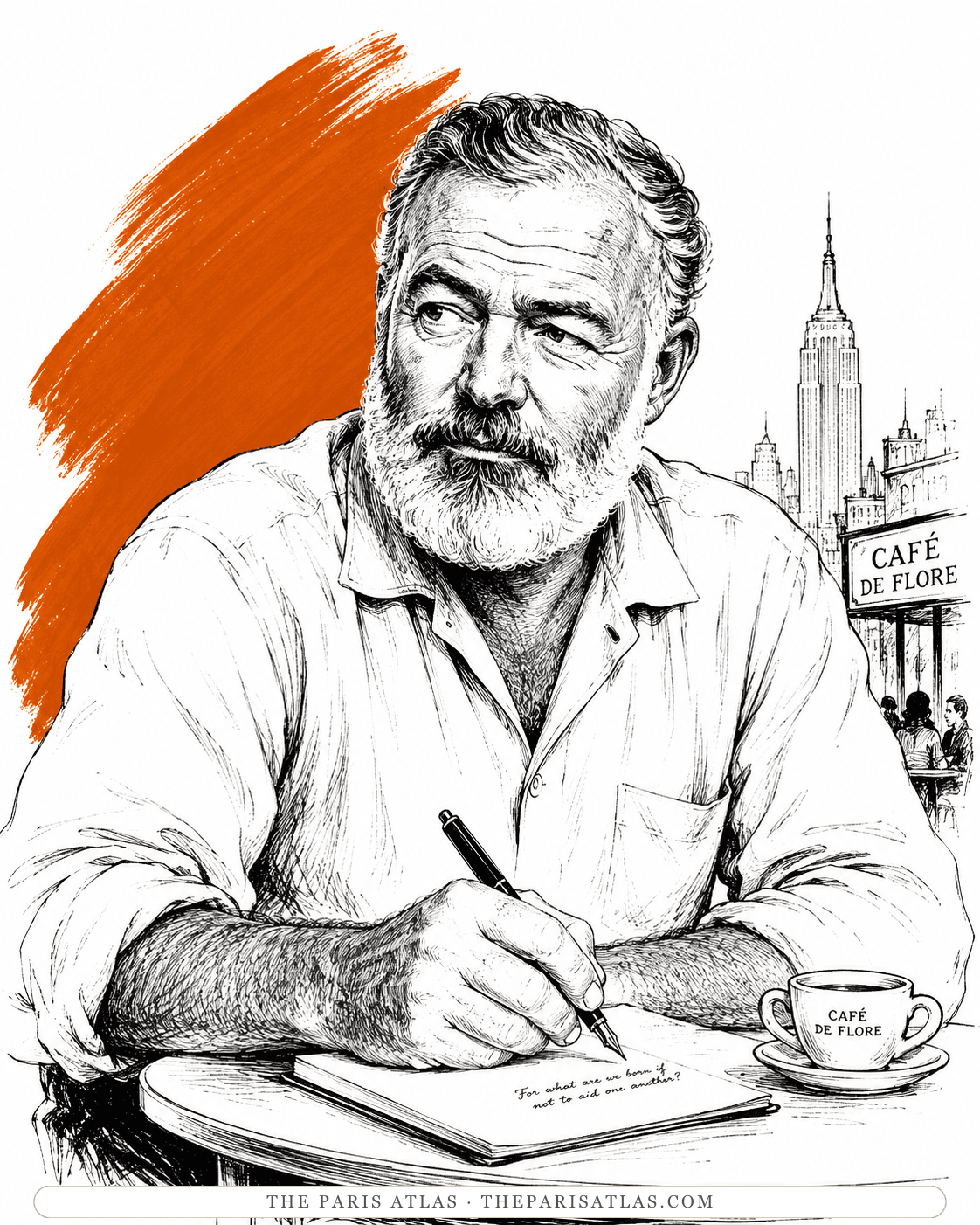
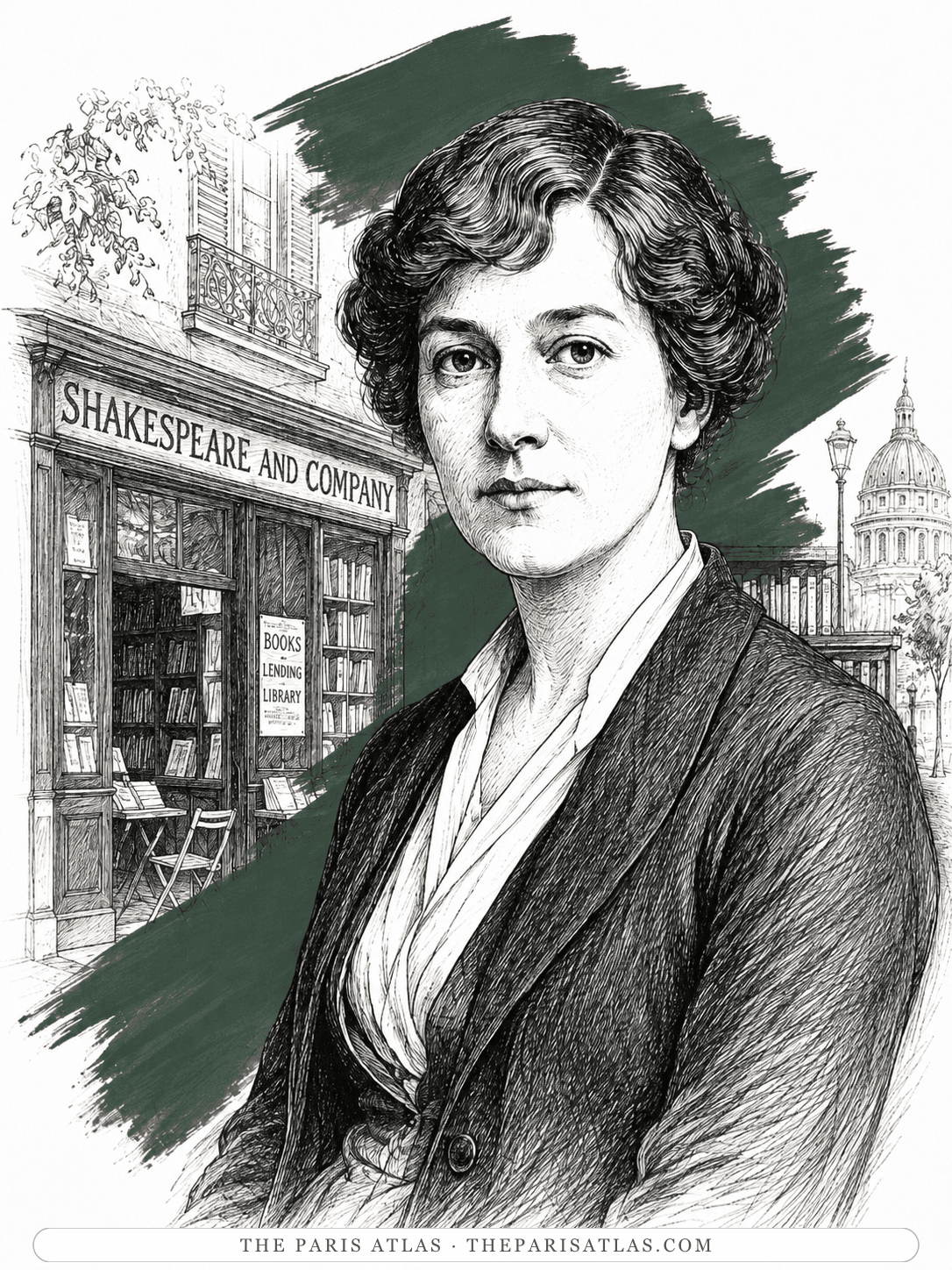
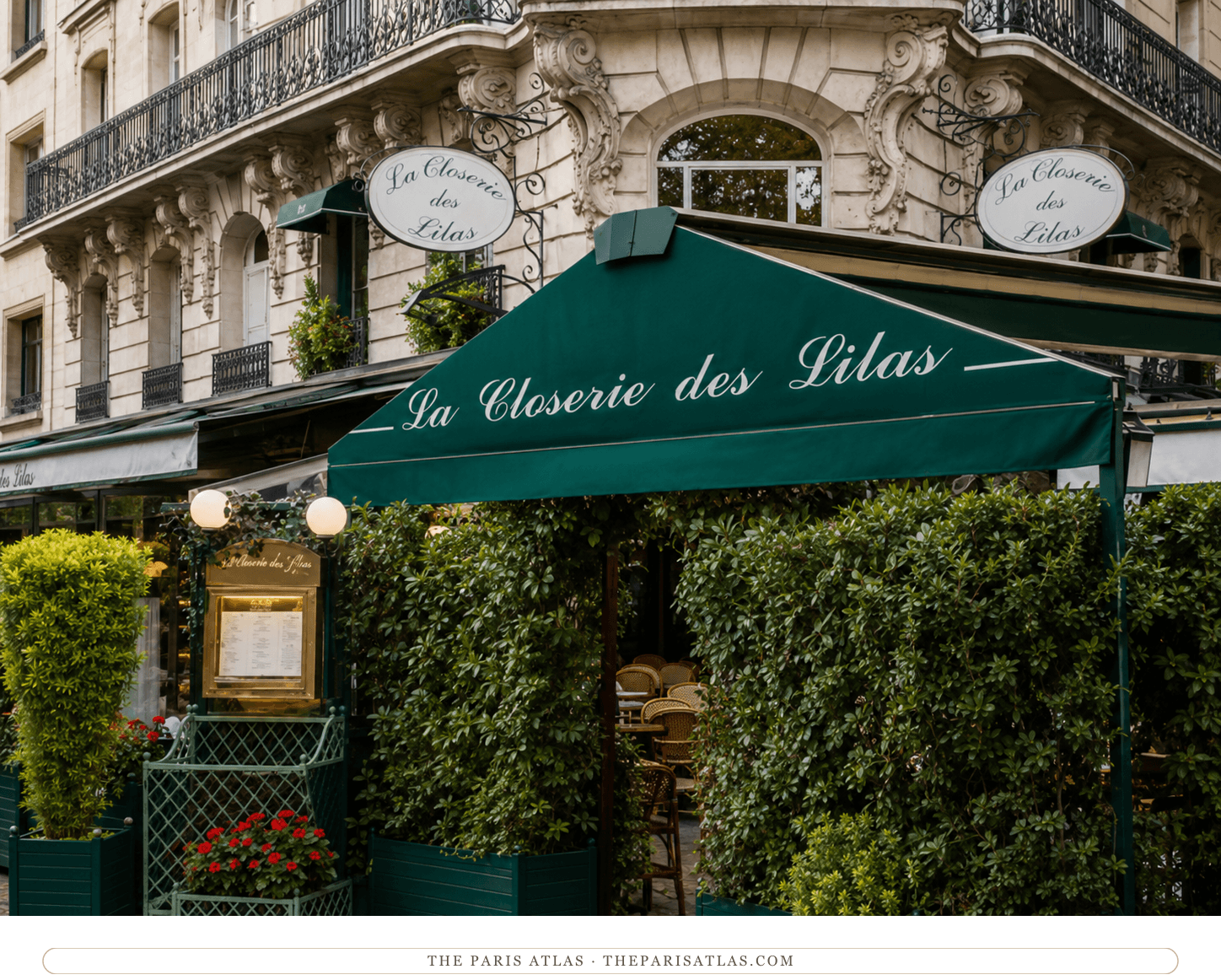
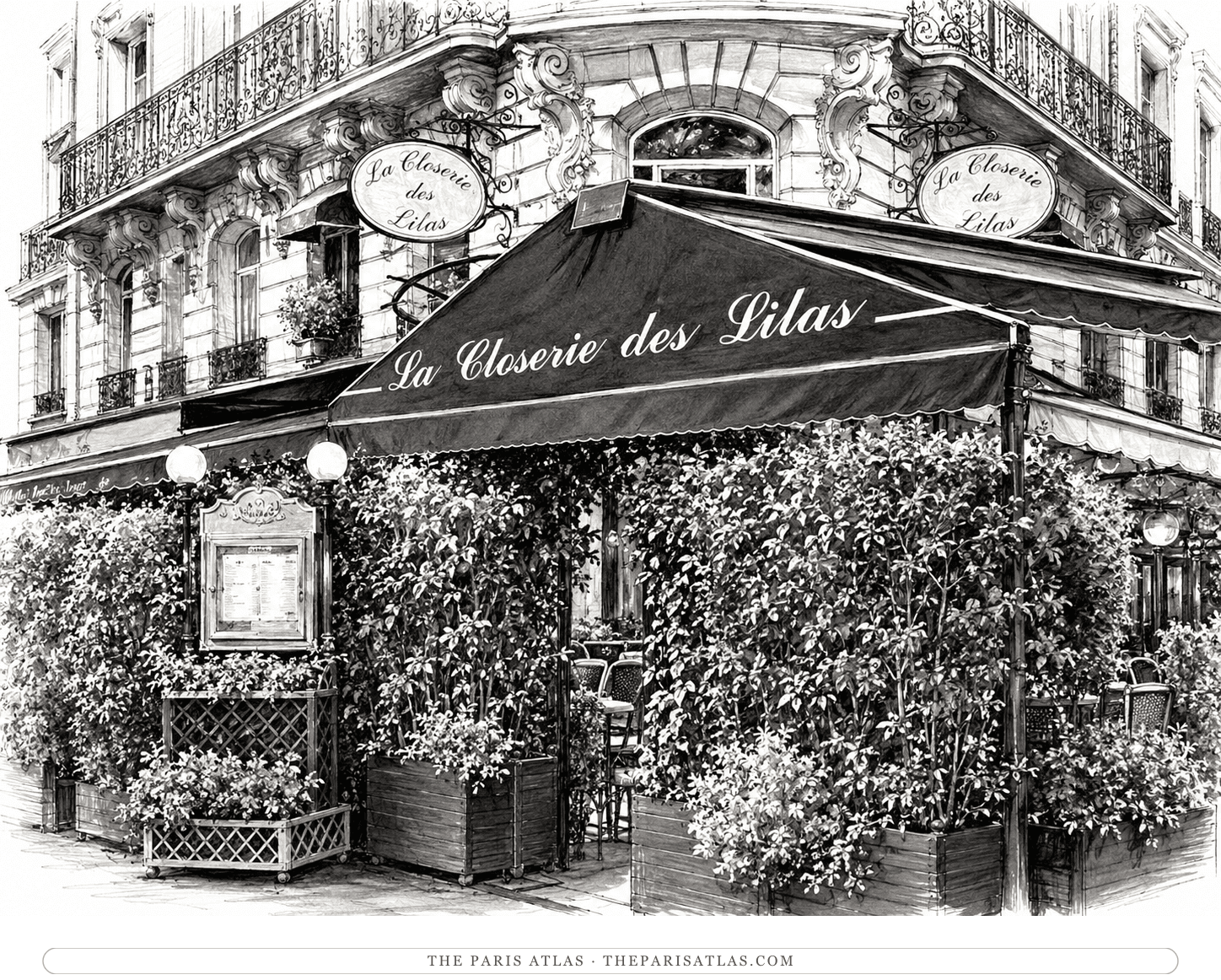
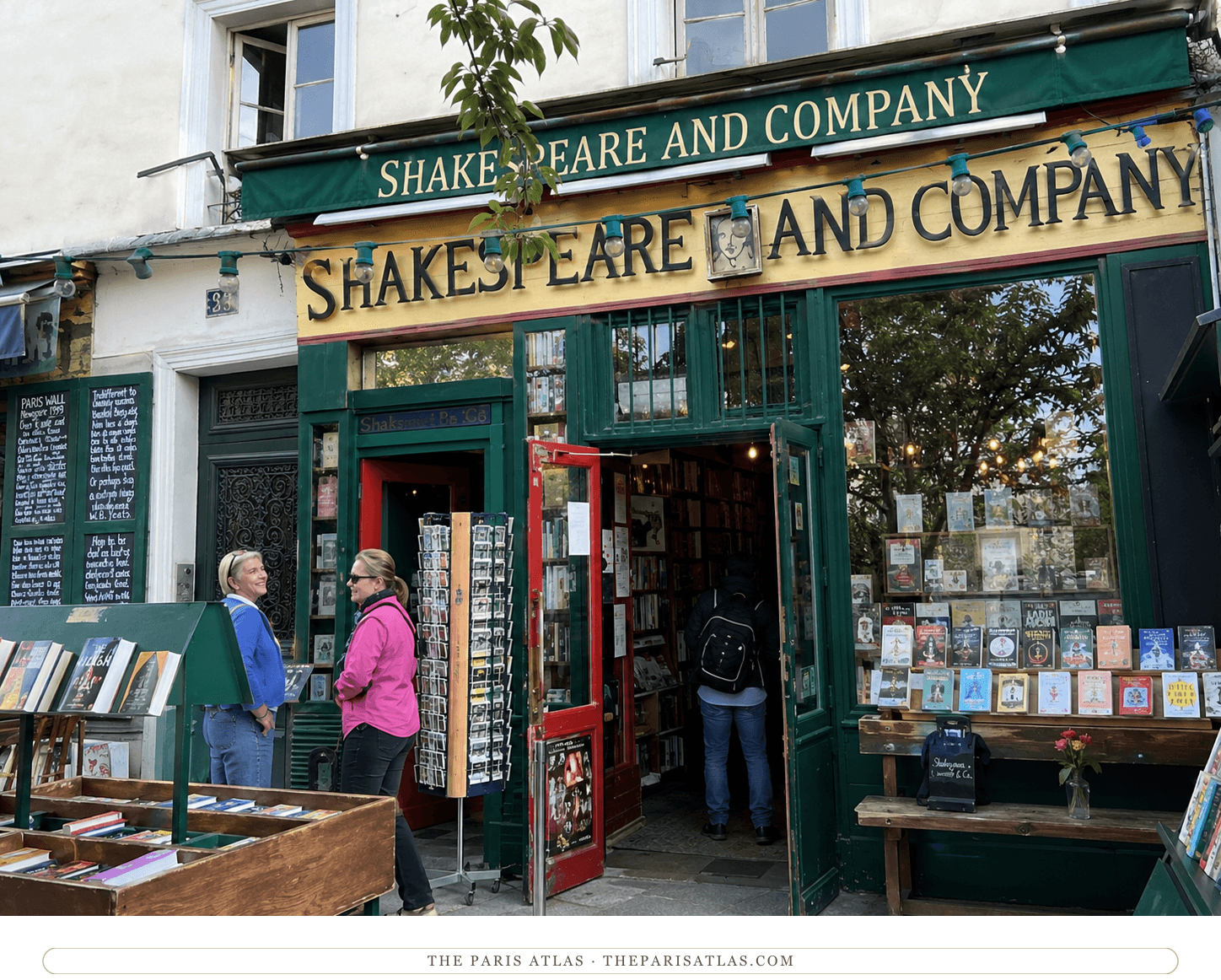
Sisley Huddleston (born 1883) spent the great years of literary Paris as the city's best-connected English journalist — Paris correspondent of The Times of London through the twenties, after covering the 1919 Peace Conference. Where the expatriate memoirists knew their own café tables, Huddleston knew everyone's: he sat with Paul Fort's poets at the Closerie des Lilas, championed Sylvia Beach's Shakespeare and Company in print, contributed to Ford Madox Ford's transatlantic review, and presided over the press association whose lunches a young Toronto Star stringer named Ernest Hemingway attended.[1]
He turned that access into a shelf of books interpreting France for English readers — France and the French (1925), Paris Salons, Cafés, Studios (1928), Back to Montparnasse (1931), In My Time (1938). The 1928 memoir is his monument: a quarter-by-quarter, café-by-café eyewitness record of both literary Parises, the French and the foreign, written before anyone knew how the story ended. He watched Hemingway hunt for 'a simple realistic style' — and affectionately parodied the result within two years of The Sun Also Rises.[2]
Huddleston settled in Normandy in the thirties and stayed in France through the Occupation, taking French citizenship during the war; his sympathetic writing about Pétain's regime clouded his final years, and he was briefly detained at the Liberation. He died in France in 1952. The arguments about the later choices belong elsewhere; the value of the record is not in dispute — no one else wrote down so much of the Paris these pages map, from the next chair, while the chairs were still warm.[3]



 View source