
Depicted in its pages
Paris Salons, Cafés, Studios
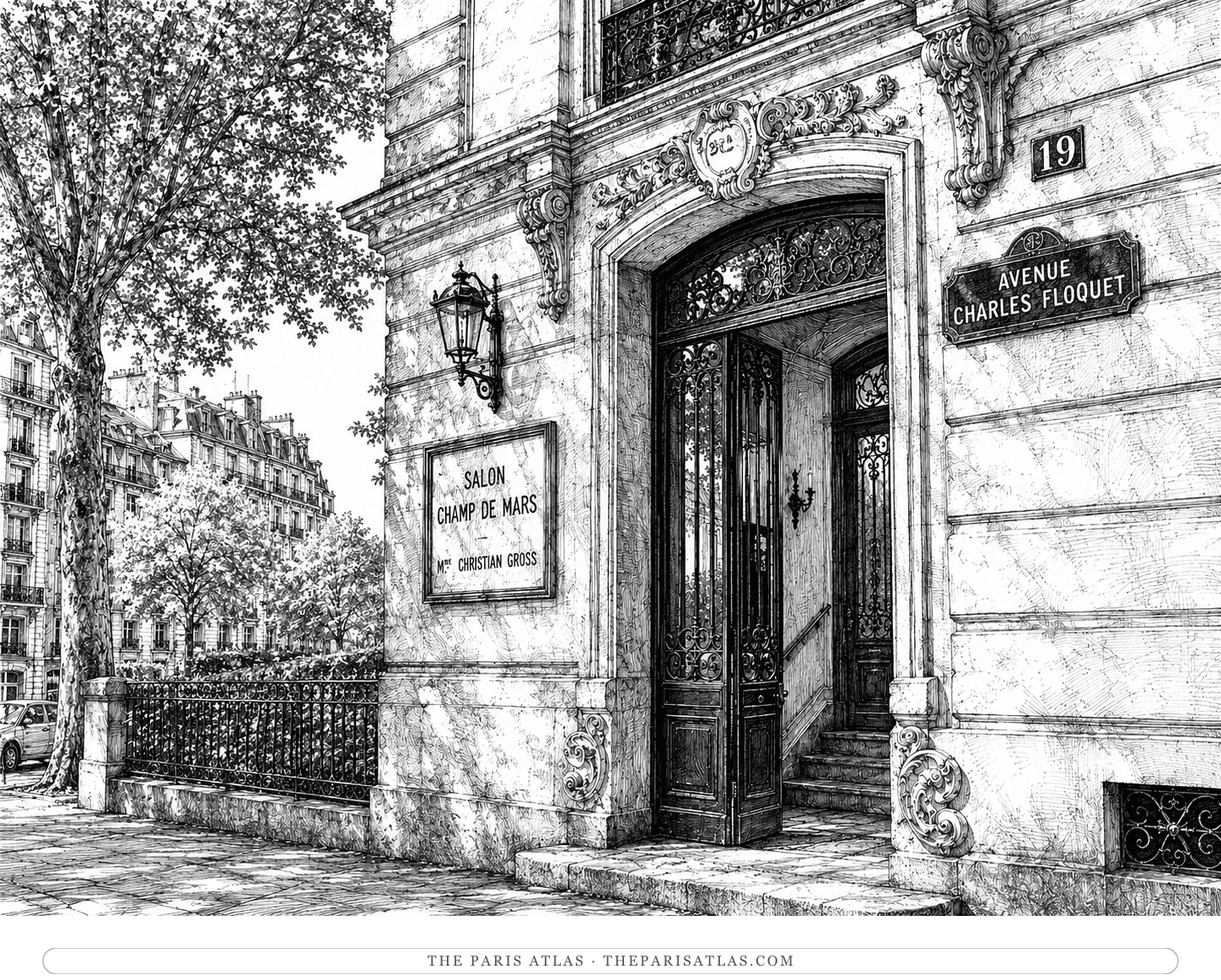
Mrs. Christian Gross's drawing room by the Champ de Mars, where Pound the composer debuted his Villon songs to an invited and astonished audience.
The drawing room by the Champ de Mars where Ezra Pound the composer made his debut — the Villon songs, heard by invitation before anyone believed he'd really done it.
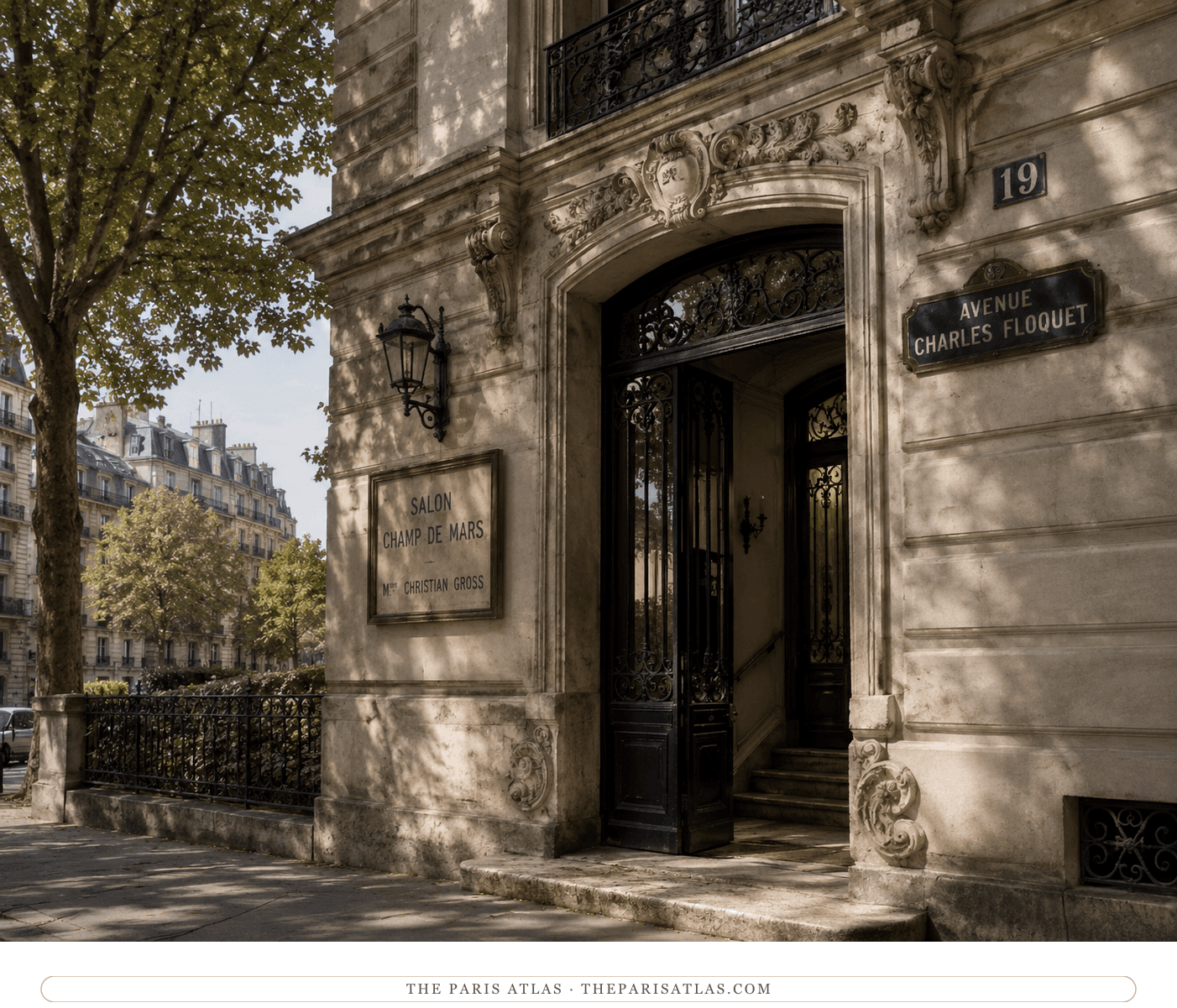
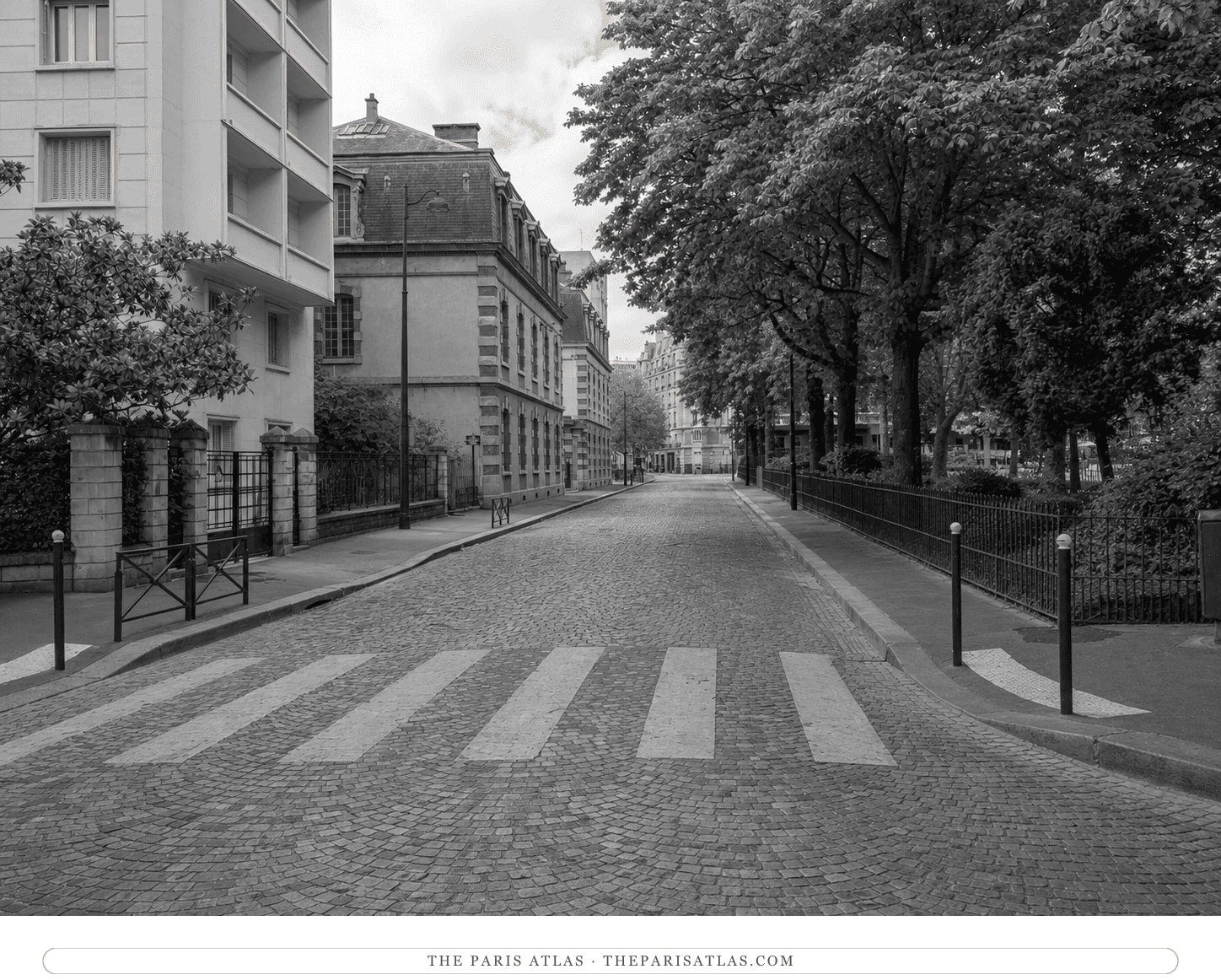
The avenues flanking the Champ de Mars were the Right Bank's answer to the Left Bank salon — apartments with drawing rooms large enough for a recital and hostesses adventurous enough to fill them with the avant-garde. It was to one of these, the home of Mrs. Christian Gross on the Avenue Charles Floquet, that invitations went out for one of the era's odder evenings: the poet Ezra Pound, presenting himself as a composer.
Huddleston, who had been astonished by the announcement that Pound had 'turned musician,' went along to hear the Quatre Chansons du Testament — François Villon's poems in Pound's settings, the seed of the opera Le Testament de Villon that would later be performed with hired halls and early instruments. The drawing-room audience got the first hearing; whatever they expected of a poet's music, Pound's researches into troubadour song were serious, and the work has been revived by early-music ensembles ever since.
The salon itself, like most private rooms of the era, kept no records — no number survives in the memoir, and the map pin marks the avenue rather than a door. It stands here for the whole species: the invitation-only rooms where the era's experiments were auditioned before they faced the public.
Astonished we were when Pound suddenly announced that he had turned musician. He had set to music some of the songs from the Testament of François Villon, one of the earliest and most poignant of French poets. We were bidden to the home of Mrs. Christian Gross in the Avenue Charles Floquet, to hear ‘Quatre Chansons du Testament, Paroles de Villon, Musique d’Ezra Pound.’
Pound announces he has turned musician; invitations go out to the Avenue Charles Floquet.
The Villon opera reaches a hired hall, with Olga Rudge among the performers.
Huddleston preserves the salon evening in print.
The avenue keeps its apartments and its privacy.
Depicted in its pages
Mrs. Christian Gross's drawing room by the Champ de Mars, where Pound the composer debuted his Villon songs to an invited and astonished audience.
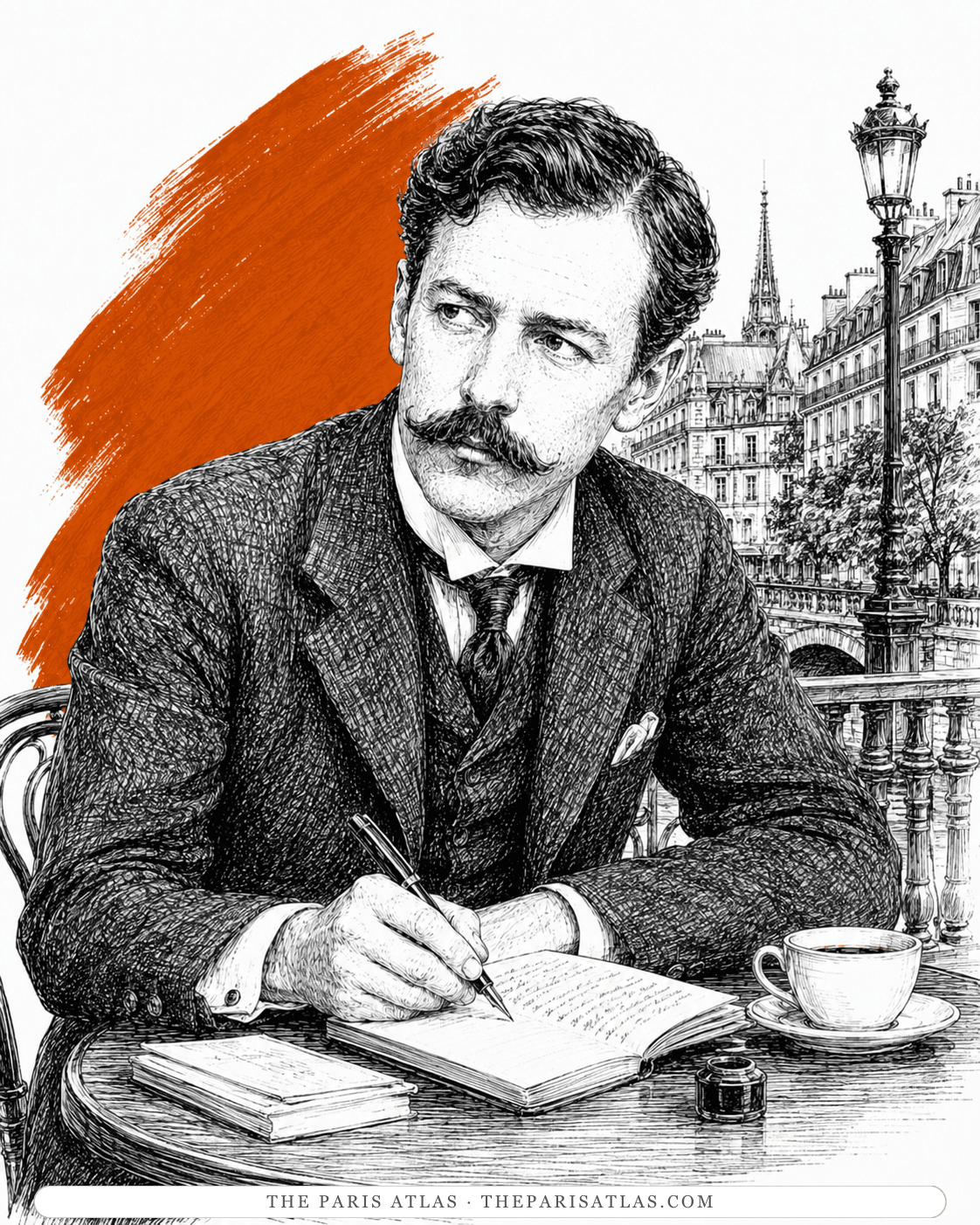
Sisley Huddleston wrote about The Salon on the Avenue Charles Floquet in Paris Salons, Cafés, Studios.
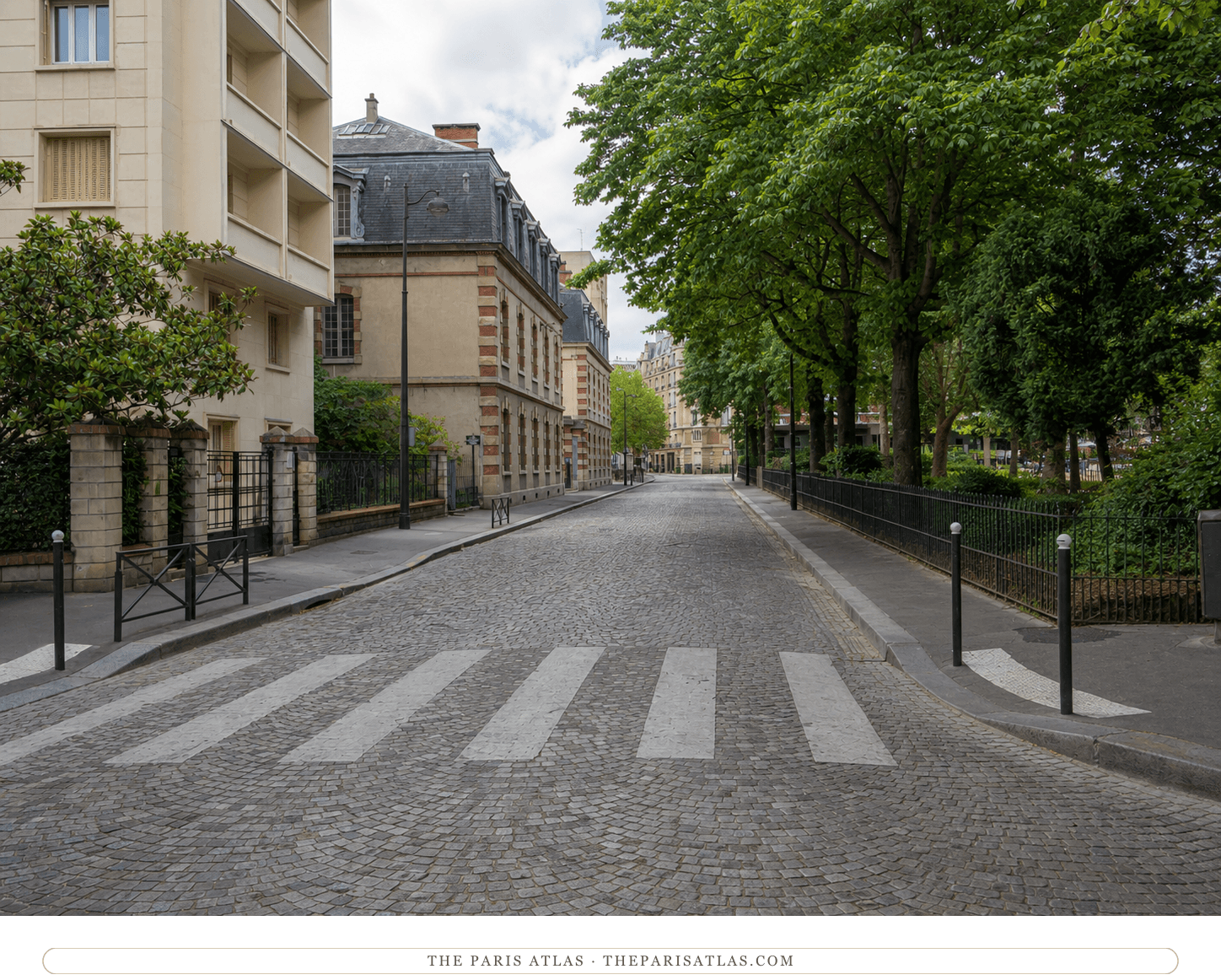
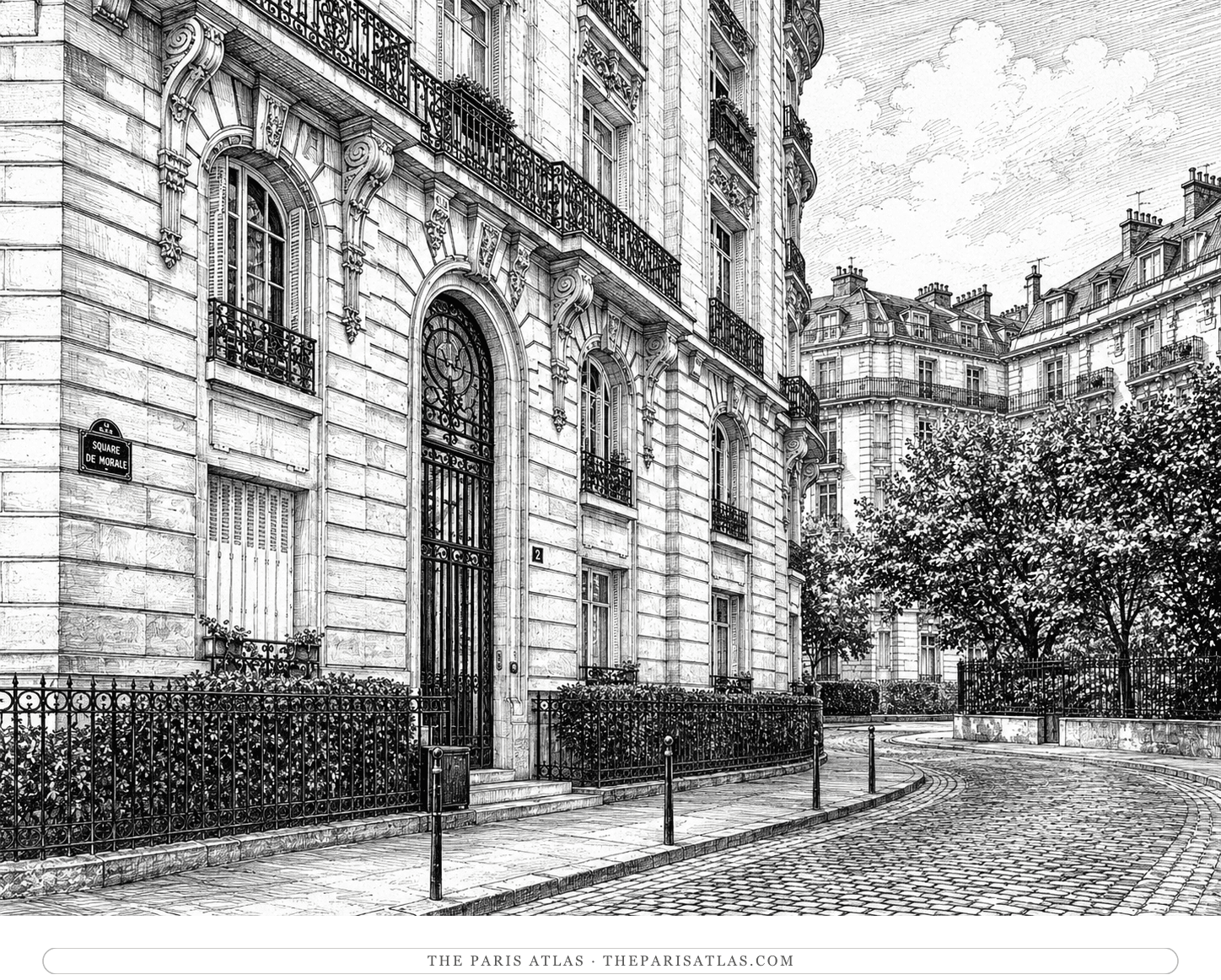
A seventh-floor walk-up near the Champ-de-Mars where Richard Osborn gave the almost penniless Henry Miller a room through the winter of 1930–31 — the hungriest stretch of his first Paris year.
Visit the place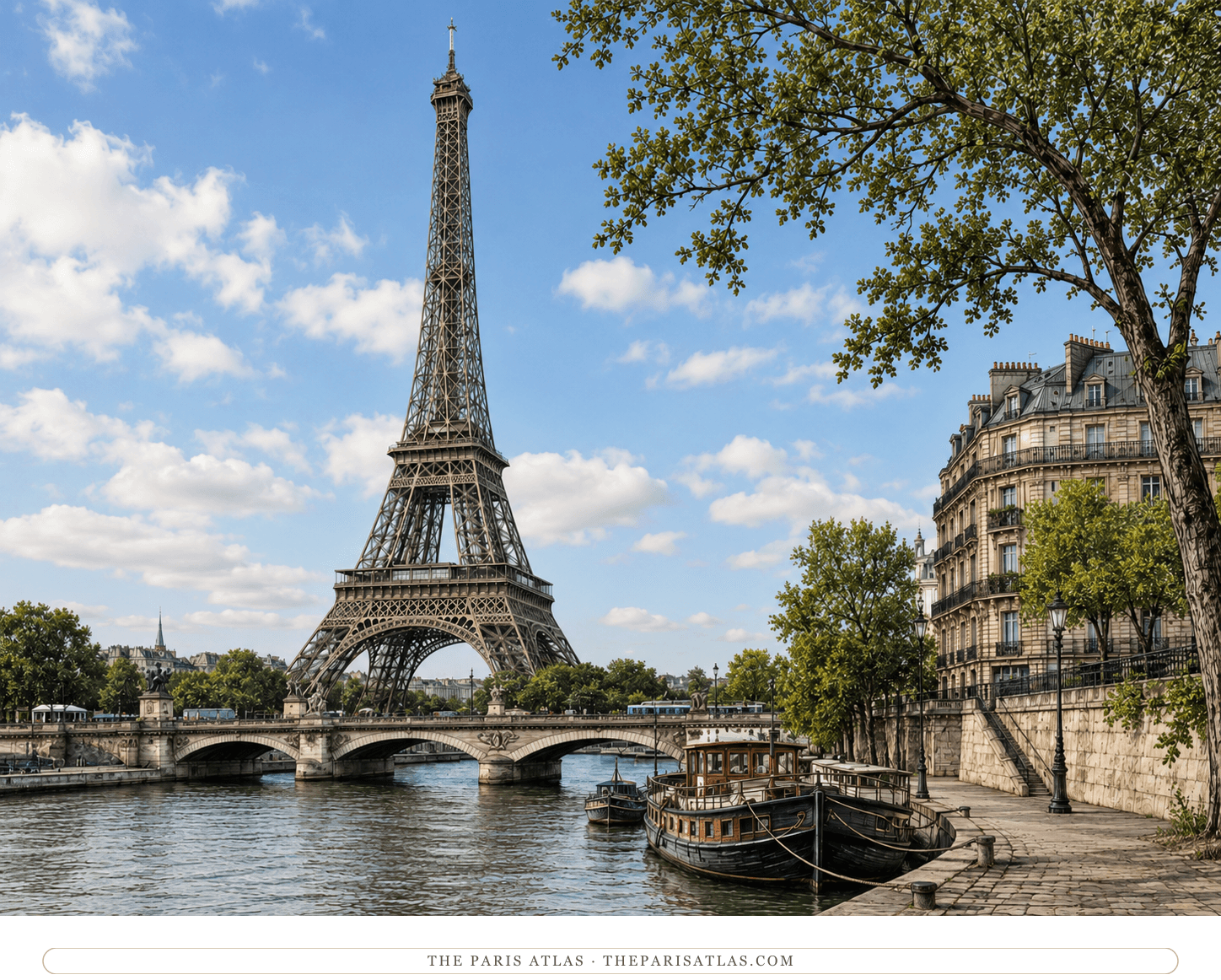
The tower at the era's edge of vision — and in the twenties and thirties, a champagne advertisement three hundred meters tall, fizzing in lights over everyone's night walks.
Visit the place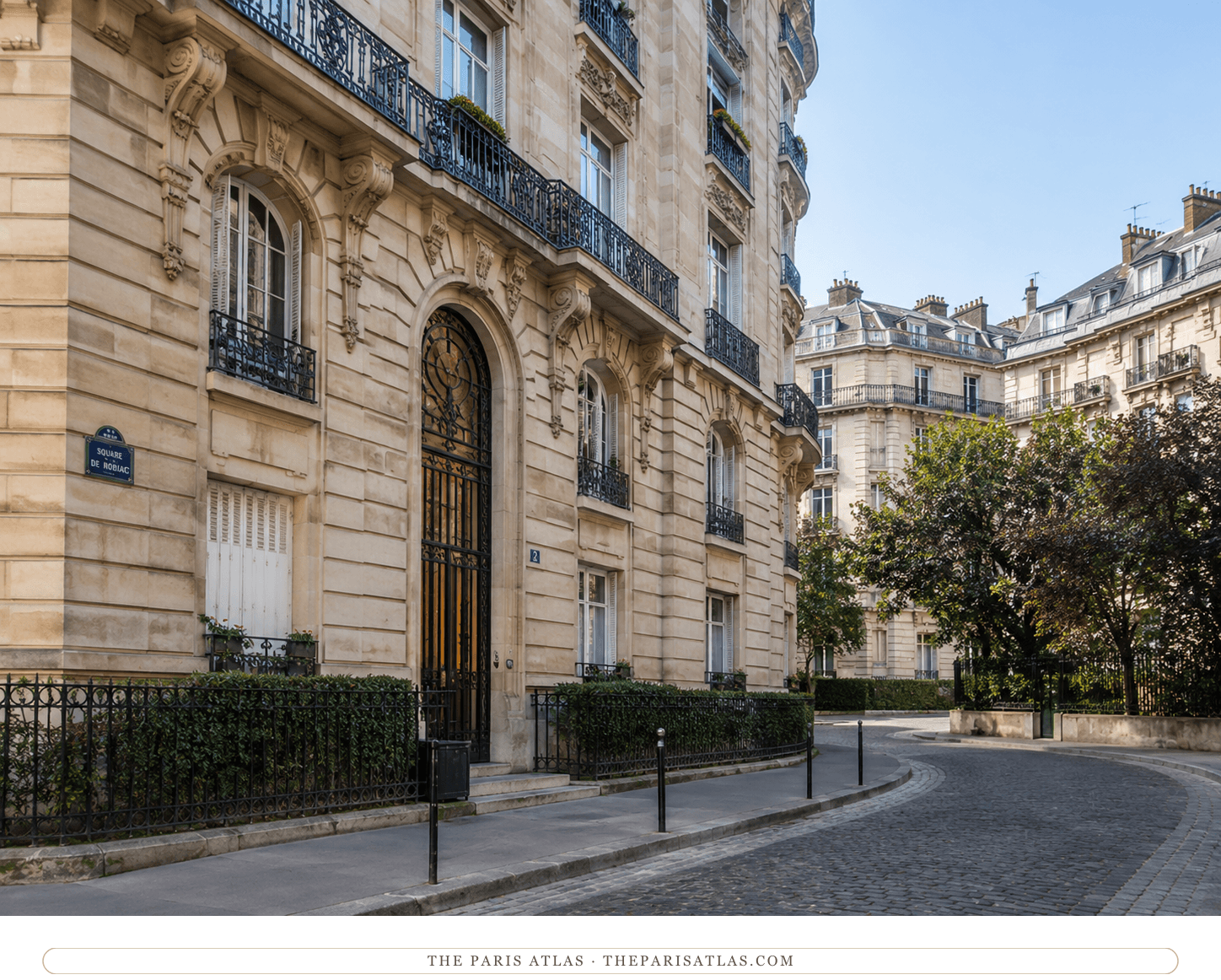
James Joyce's longest Paris address — the family flat in a quiet cul-de-sac off the rue de Grenelle, with the cool quiet study where Work in Progress cost twelve hundred hours a chapter.
Visit the place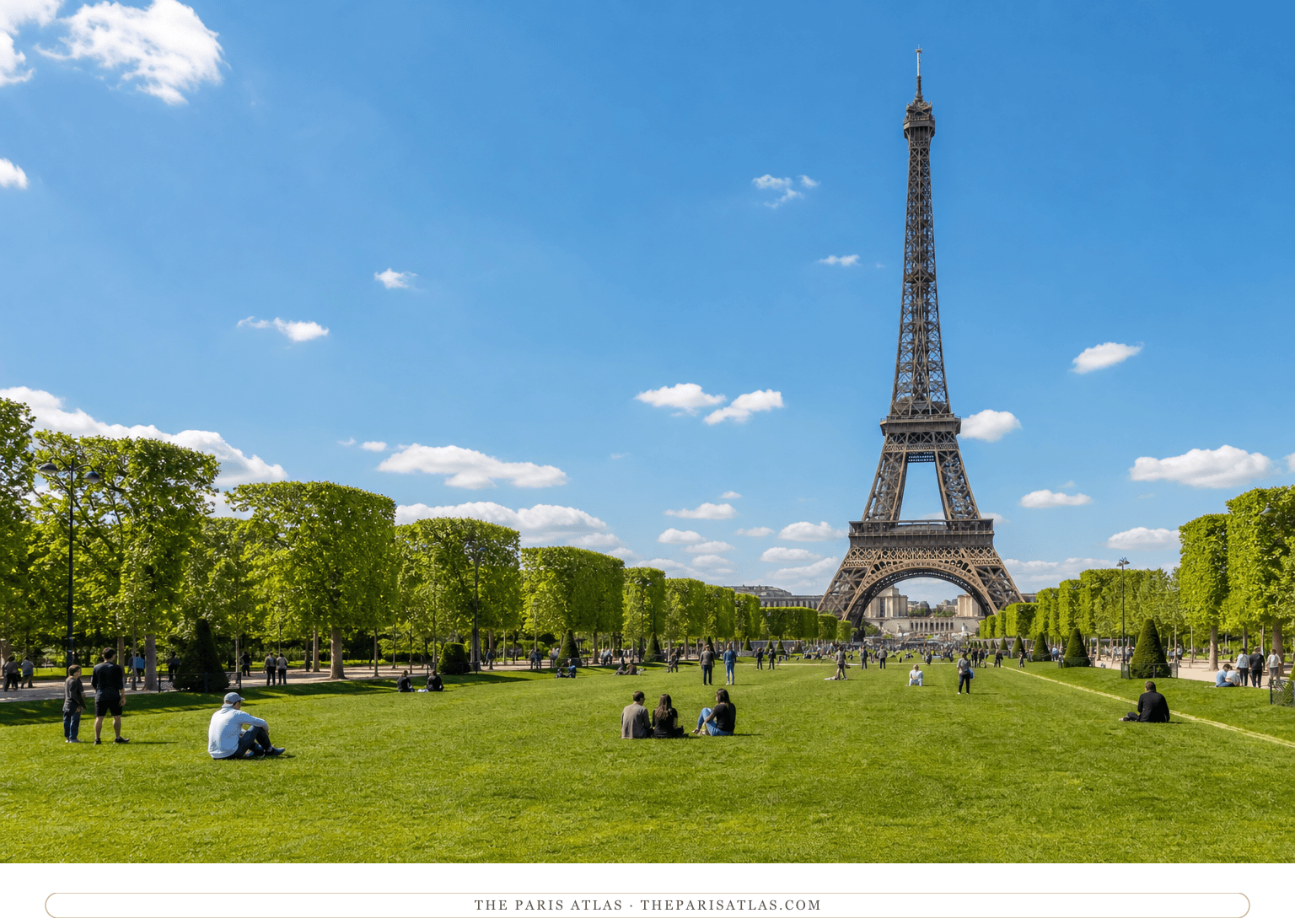
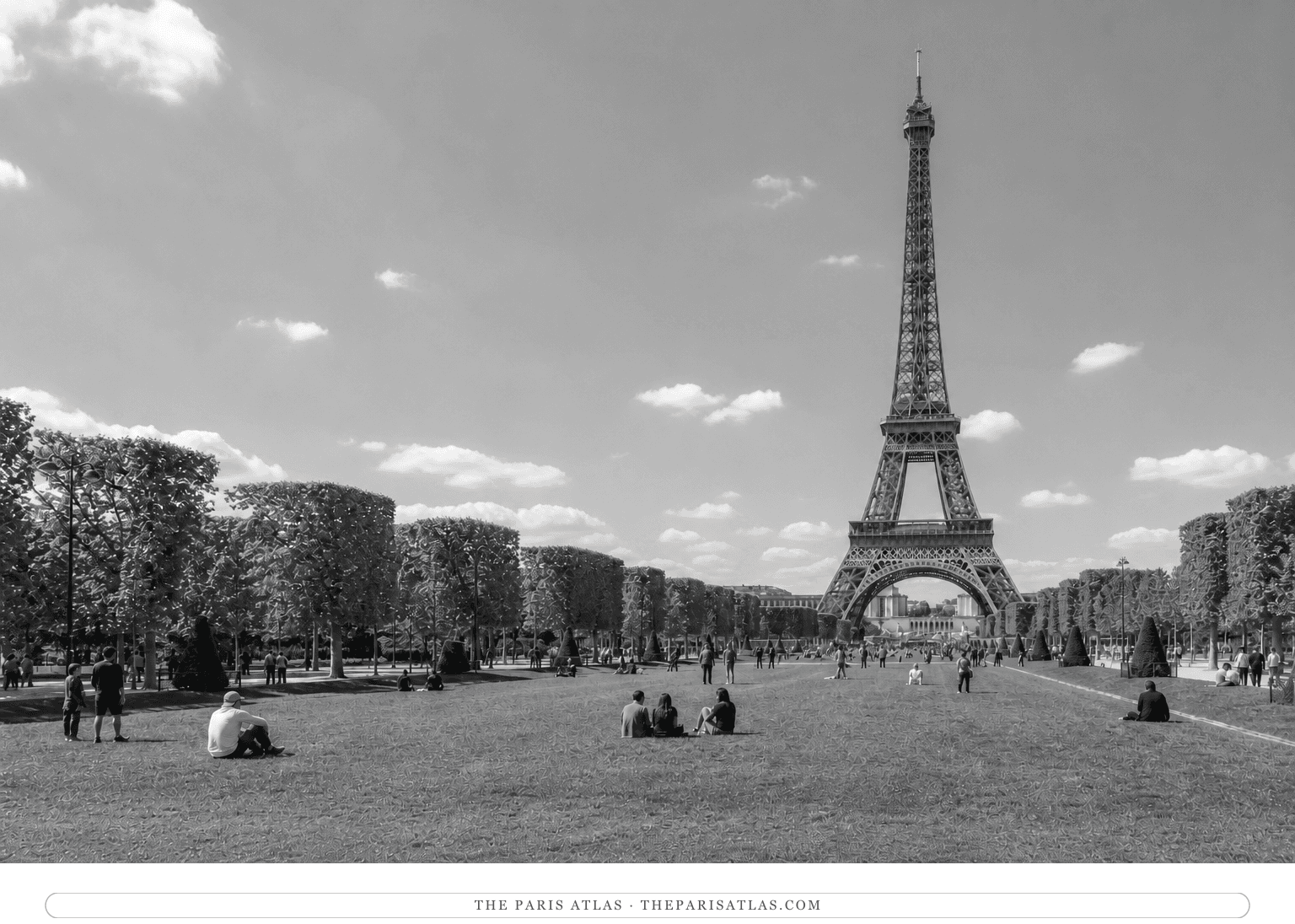
The great park below the Eiffel Tower, and the site of the 1889 Exposition Universelle — where Claude Debussy heard Javanese gamelan for the first time and never entirely got over it.
Visit the placeThe sources below include histories, archival materials, scholarly research, and official records that informed this page. They document The Salon on the Avenue Charles Floquet, the people connected to it, and its place in Paris.


First-person evidence and historical context used in preparing the The Salon on the Avenue Charles Floquet page.

Map data used to verify addresses, geographic coordinates, and the placement associated with The Salon on the Avenue Charles Floquet.
Archival evidence used to document the historical record connected to The Salon on the Avenue Charles Floquet.
Archival evidence used to document the historical record connected to The Salon on the Avenue Charles Floquet.
These references provide the documented foundation for this page's history and context. Claim-level citations remain attached to the specific claims they support.
 Explore more resources
Newsletter
The cafés, studios, and walk-up flats where the work was made — one story from the map in every letter.