The Paris AtlasCharting the artists, works, and places worth returning to.

Apartment · Grenelle (15th), near the Champ-de-Mars · 15e arrondissement

2 rue Auguste-Bartholdi

The buildingStill standing
Getting inOutside only
What's there nowSomeone else

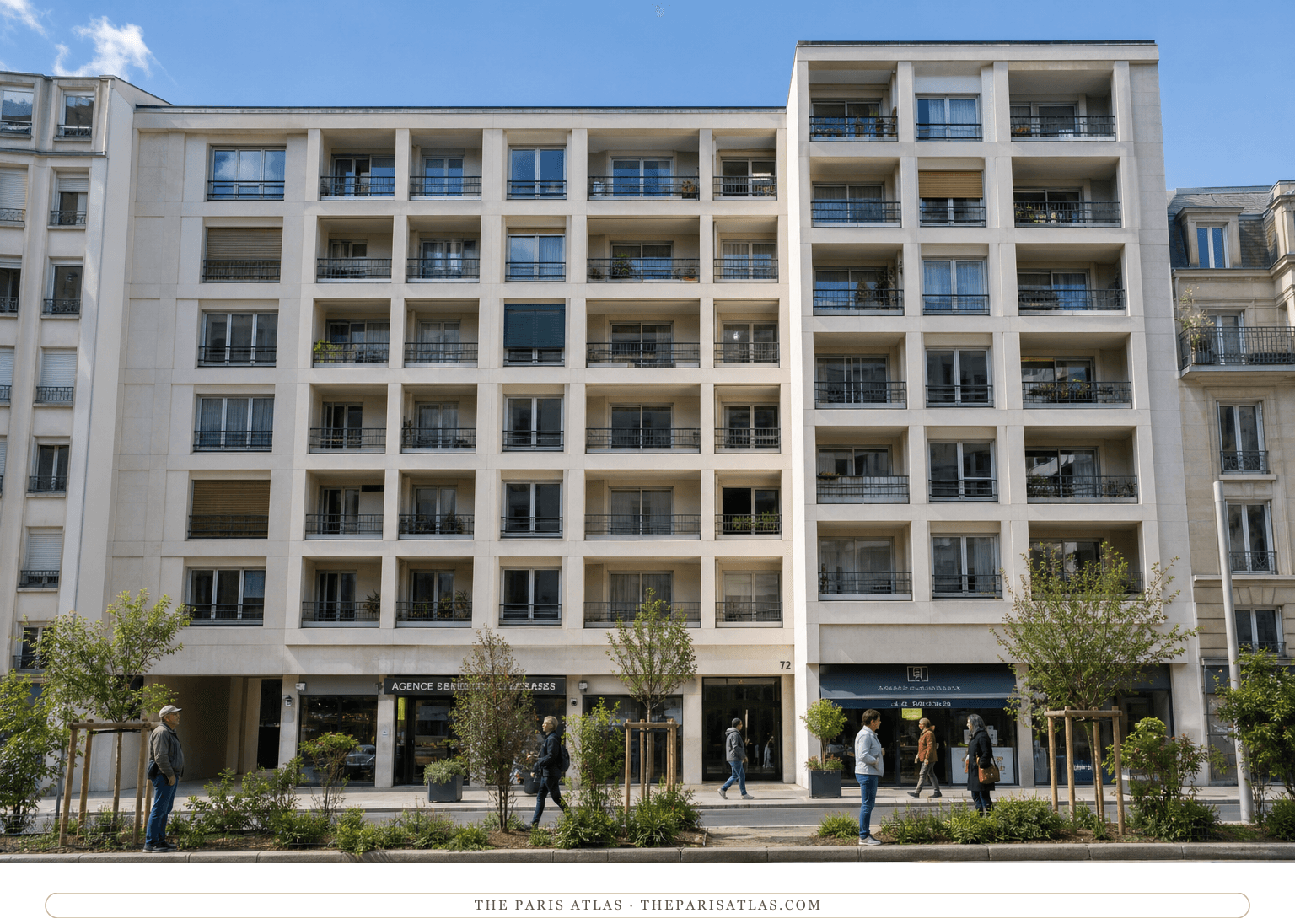
A private address, now occupied by a school. Exterior only, and the interior is not a literary site.

A seventh-floor walk-up near the Champ-de-Mars where Richard Osborn gave the almost penniless Henry Miller a room through the winter of 1930–31 — the hungriest stretch of his first Paris year.

Address
2 rue Auguste-Bartholdi, 75015 Paris
Years
Miller sheltered here through the winter of 1930–31

The place, briefly

Henry Miller reached Paris in 1930 with almost nothing and spent his first winter close to destitute. What kept him going was other people's rooms, and the most important of them was this one.

Richard Osborn, an American working at a bank in Paris, had a seventh-floor walk-up at 2 rue Auguste-Bartholdi in the fifteenth, near the Champ-de-Mars. He took Miller in for roughly November 1930 to March 1931, gave him a room and left him money for food each morning.

The account is blunt about what the winter was: Miller came close to starving in that flat. That is the material behind the writing — Tropic of Cancer is a book about hunger and dependence written by someone who had recently experienced both, at this address.

Osborn is barely remembered and the fifteenth arrondissement is nowhere near the Montparnasse of the legend, which is precisely why the address is worth having. The famous version of Miller's Paris is cafés and talk; this is the part where an acquaintance with a salary kept him alive.

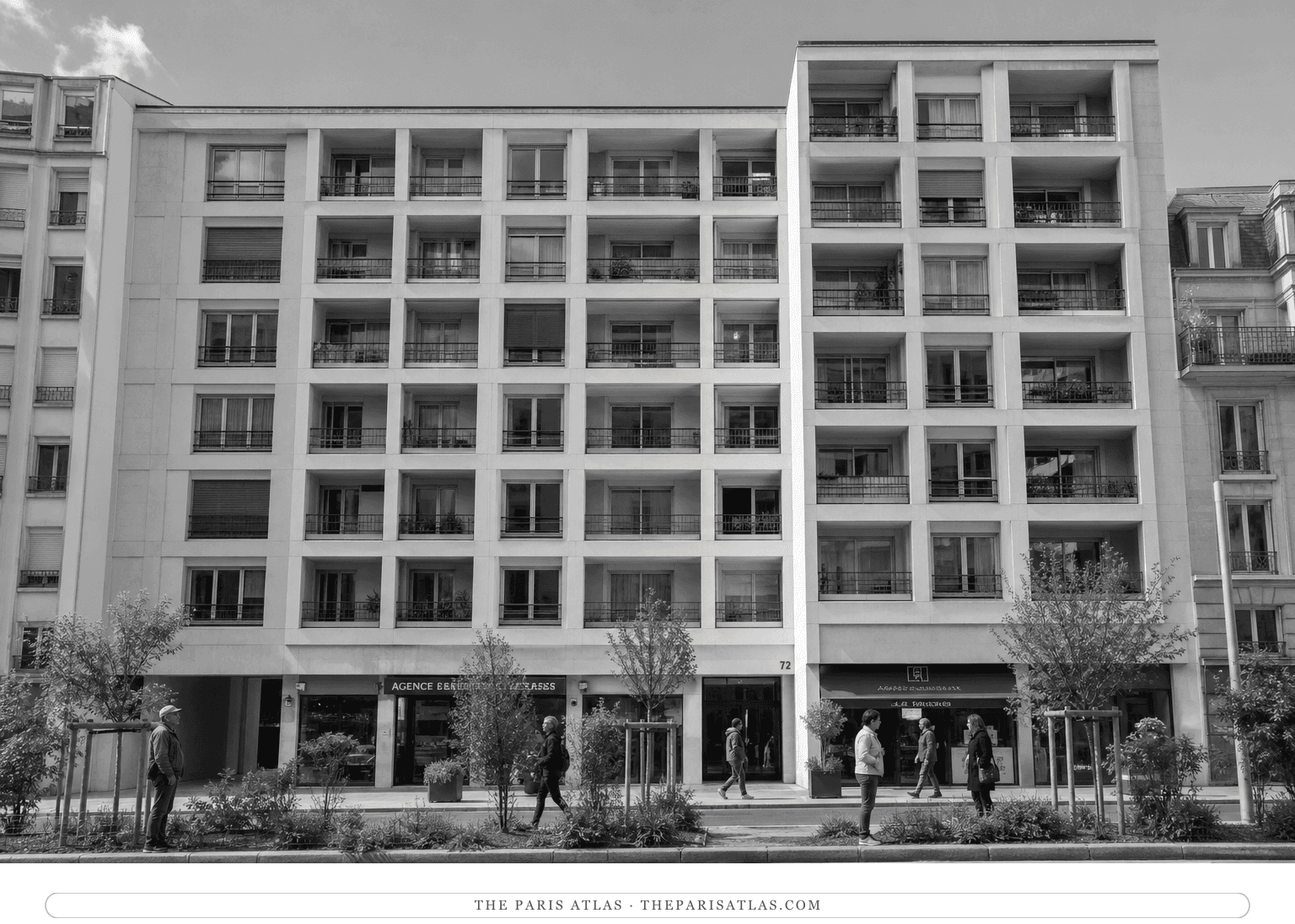
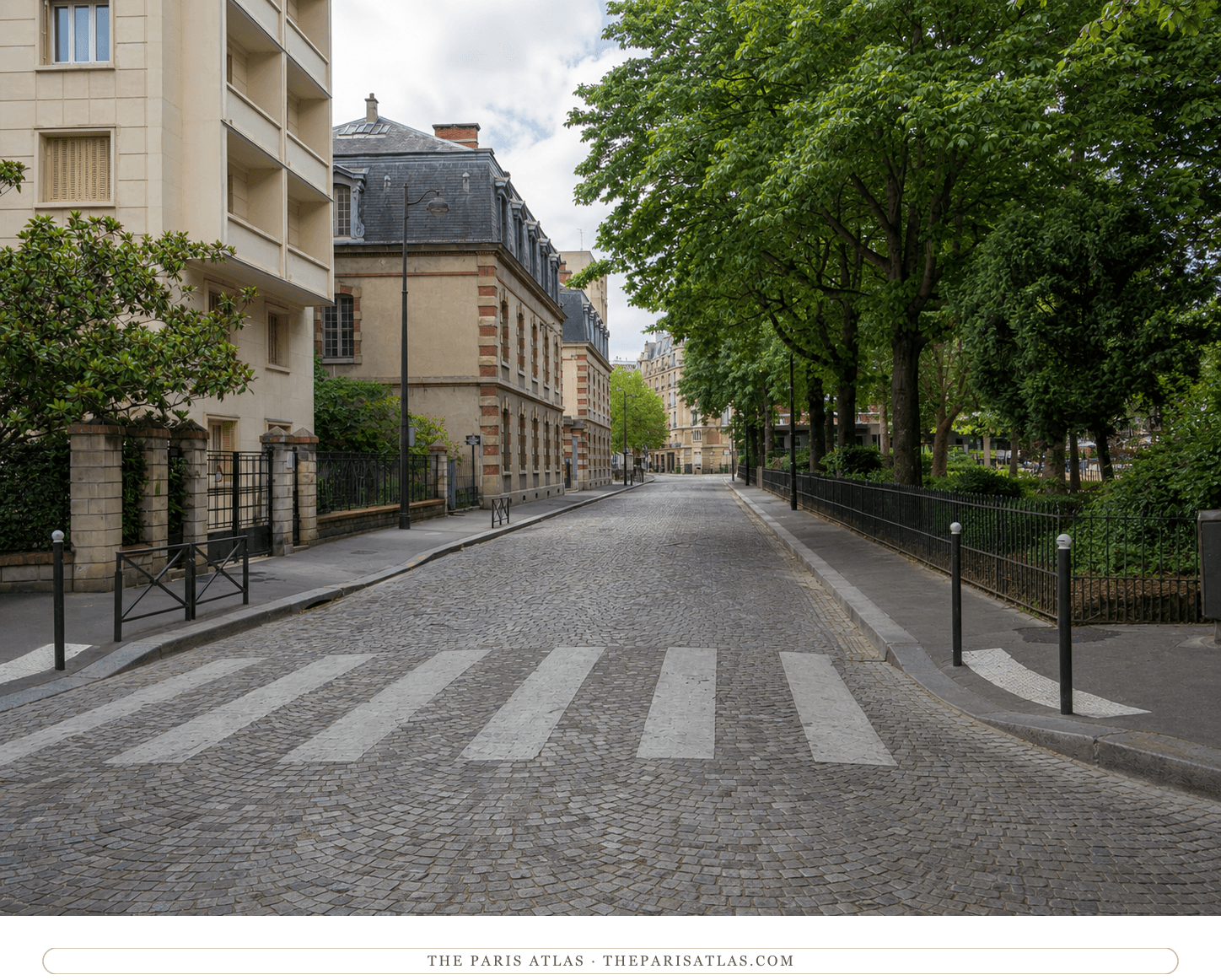
The building is private and now occupied by the École Koenig. The address certainly survives; how much of the 1930 fabric does is not documented, and this record does not claim more than that. There is nothing to see beyond the street.

Key facts

Whose flat
Richard Osborn, an American working at a Paris bank
When
Roughly November 1930 to March 1931
What Osborn did
Gave Miller a room and left him money for food each morning
What the winter was
The stretch in which Miller came close to starving
Where
A seventh-floor walk-up in the 15th, near the Champ-de-Mars — far from Montparnasse
Today
Occupied by the École Koenig; exterior only
How much is original
The address survives; the extent of surviving 1930 fabric is not documented

Timeline

  1. 1930

    Miller arrives in Paris with almost nothing.

  2. November 1930 – March 1931

    Richard Osborn shelters him in the seventh-floor flat at 2 rue Auguste-Bartholdi.

  3. 1934

    Tropic of Cancer is published in Paris.

On the map

Questions before you go

Who was Richard Osborn?

An American working at a bank in Paris who took the nearly penniless Henry Miller into his seventh-floor flat for the winter of 1930–31, gave him a room and left him money for food each morning. He is barely remembered, and Miller's first Paris winter probably depended on him.

What happened at 2 rue Auguste-Bartholdi?

Miller sheltered there through the winter of 1930–31 and came close to starving. It is the material behind Tropic of Cancer — a book about hunger and dependence, written by someone who had recently lived both at this address.

Is there anything to see?

No. It is a private building in the 15th, now occupied by the École Koenig, with nothing marking it. The address survives, though there is no documentation establishing how much of the 1930 building does. It is worth knowing about rather than visiting — and worth noting how far it is from the Montparnasse cafés Miller is usually pictured in.

Writers who knew this place

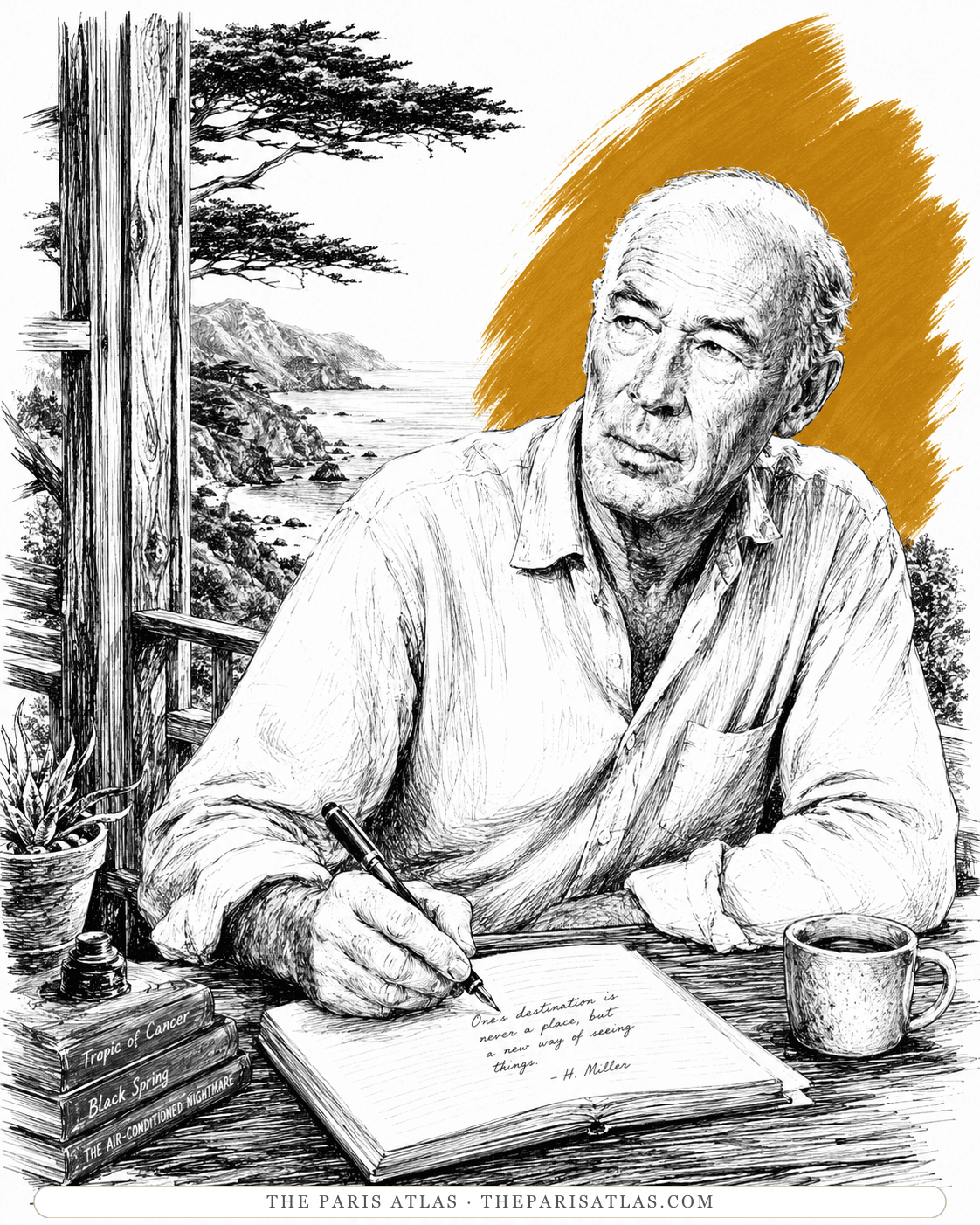
Illustrated portrait of Henry Miller

Henry Miller

American · The Brooklyn dropout who arrived in Paris broke at thirty-eight and wrote the exuberant, banned books that ended American censorship.

Lived here · 1930–1931

Richard Osborn, an American working at a Paris bank, sheltered the nearly penniless Miller in his seventh-floor flat from about November 1930 to March 1931, giving him a room and money for food. Miller came close to starving that winter.
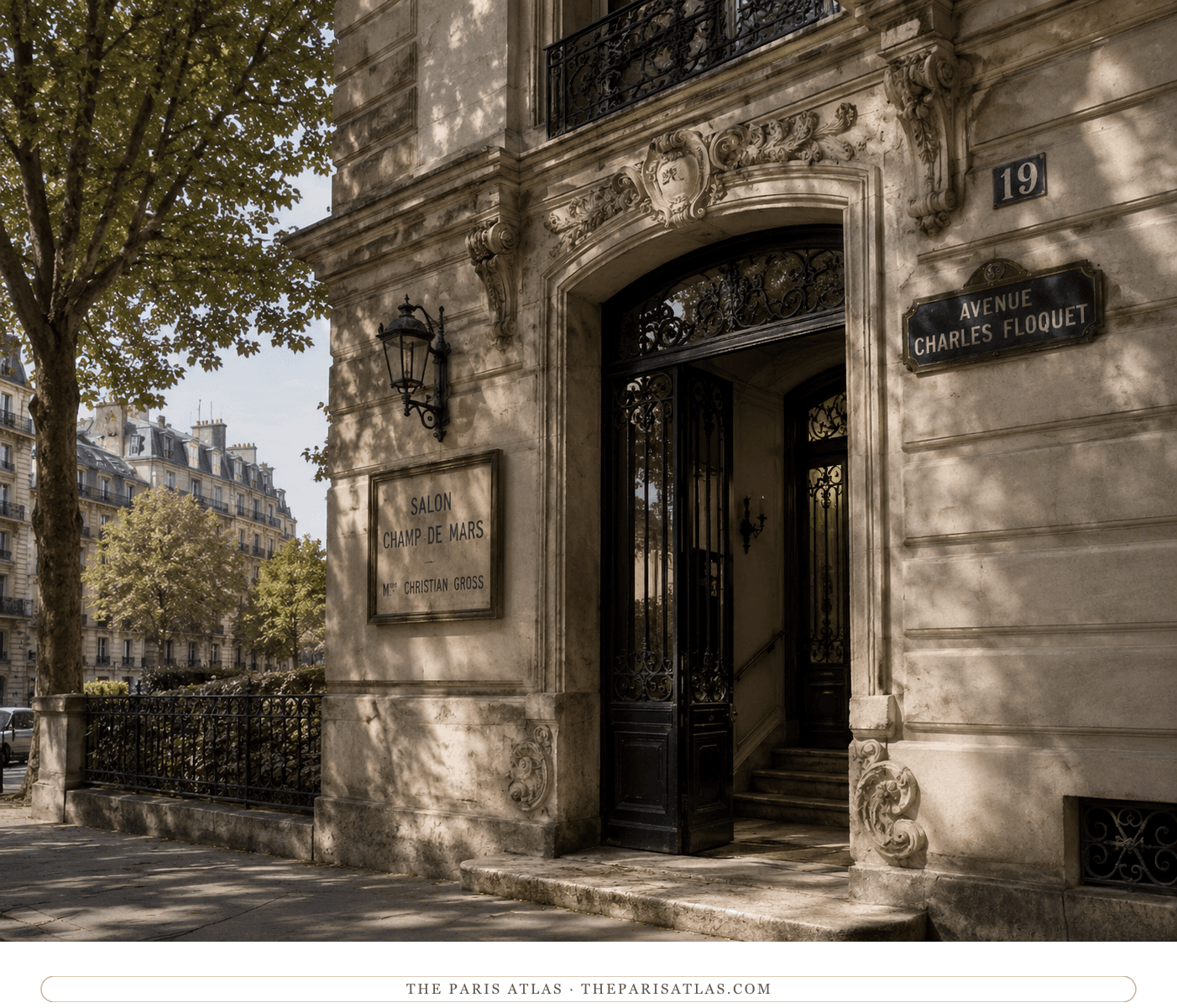
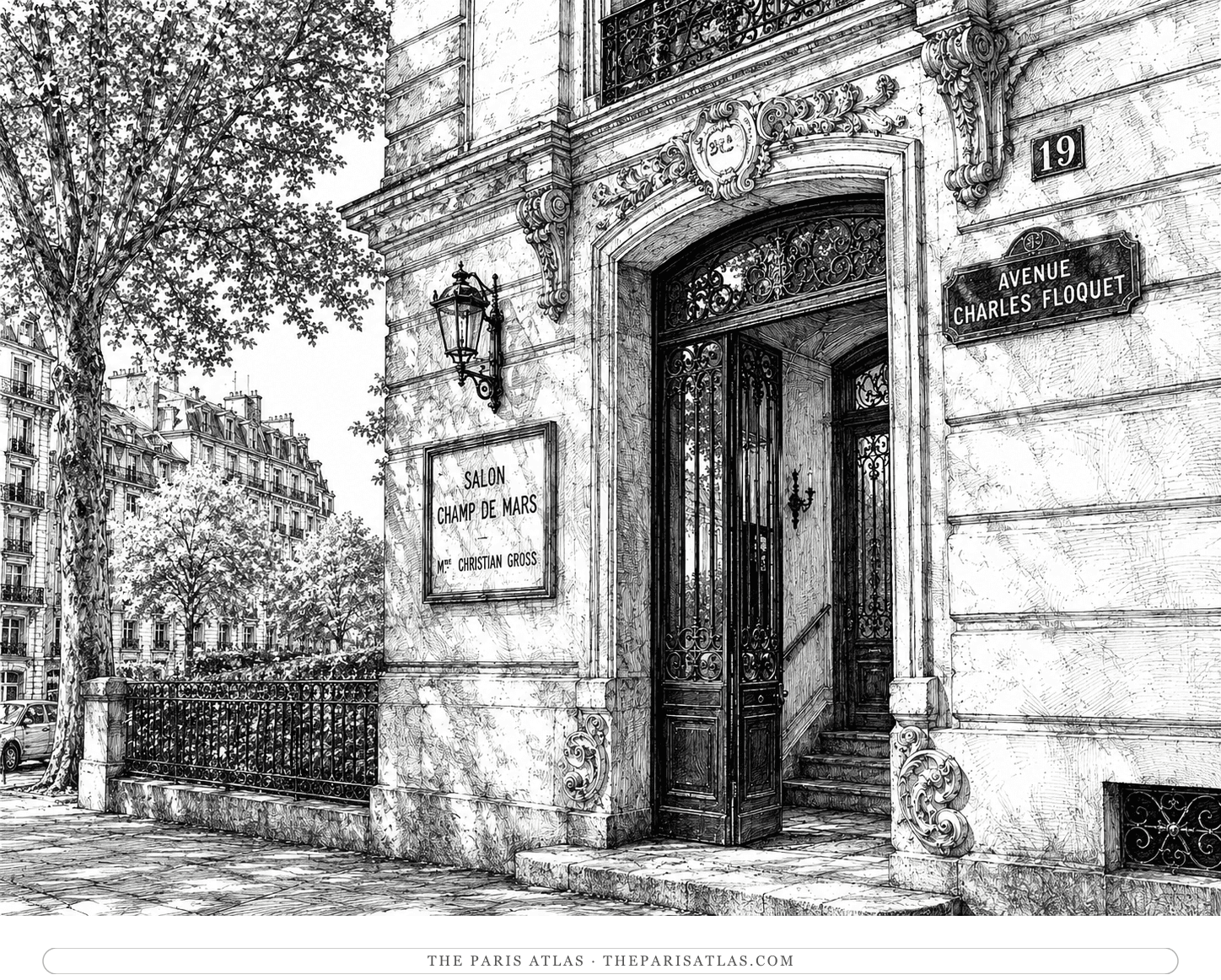
Henry Miller: Born To Be Wild; Miller in Paris — Aller Retour Paris

Within walking distance

The Friday Letter

Paris, one address at a time.

The cafés, studios, and walk-up flats where the work was made — one story from the map in every letter.

One email a week. No spam, no selling your address. Unsubscribe anytime.