
The Paris AtlasCharting the artists, works, and places worth returning to.

Restaurant · Grenelle (15th) · 15e arrondissement

72 rue Fondary

The buildingDemolished
Getting inOutside only
What's there nowNothing survives

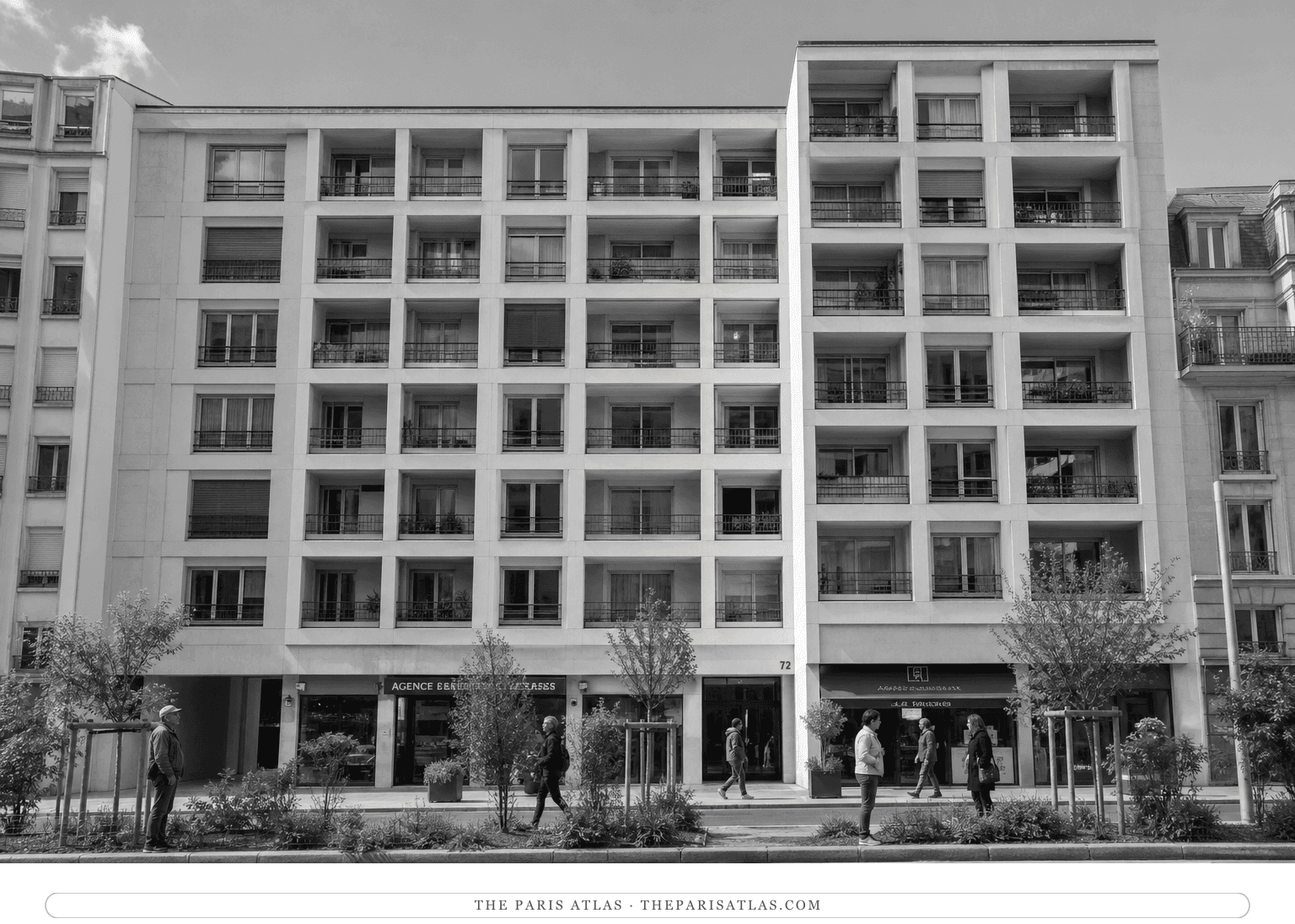
The Auberge de la Ferme is long gone and the building that stood here went with it; the present residential block dates from 1978. The address is the record, not the fabric.

The address of the Auberge de la Ferme, the small restaurant where George Orwell took his second Paris kitchen job in 1929 — the chaotic, filthy kitchen that fills the second half of Down and Out in Paris and London under the invented name "Auberge de Jehan Cottard". Identified by archival research in 2021.

Address
72 rue Fondary, 75015 Paris
Years
Orwell worked here in 1929
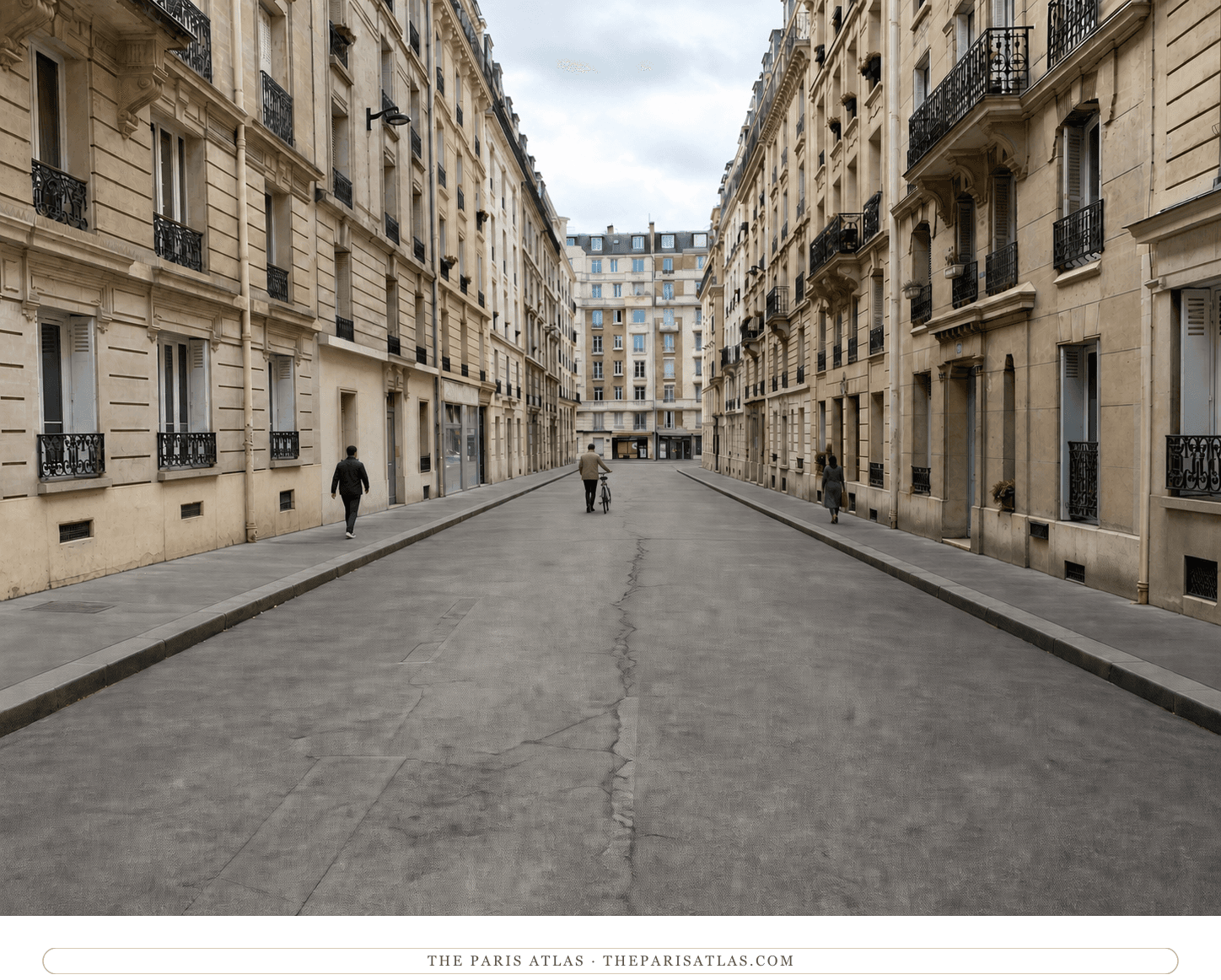
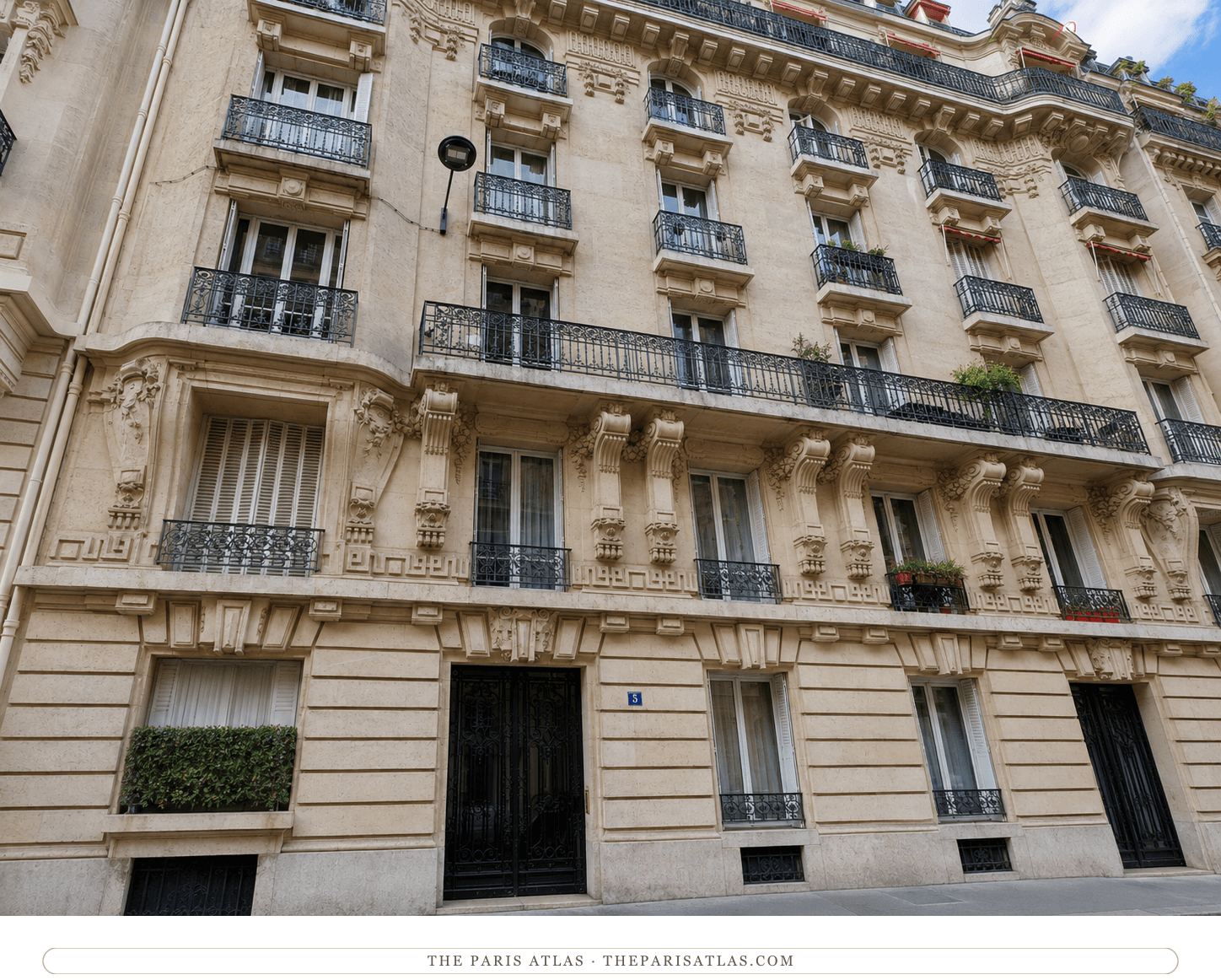
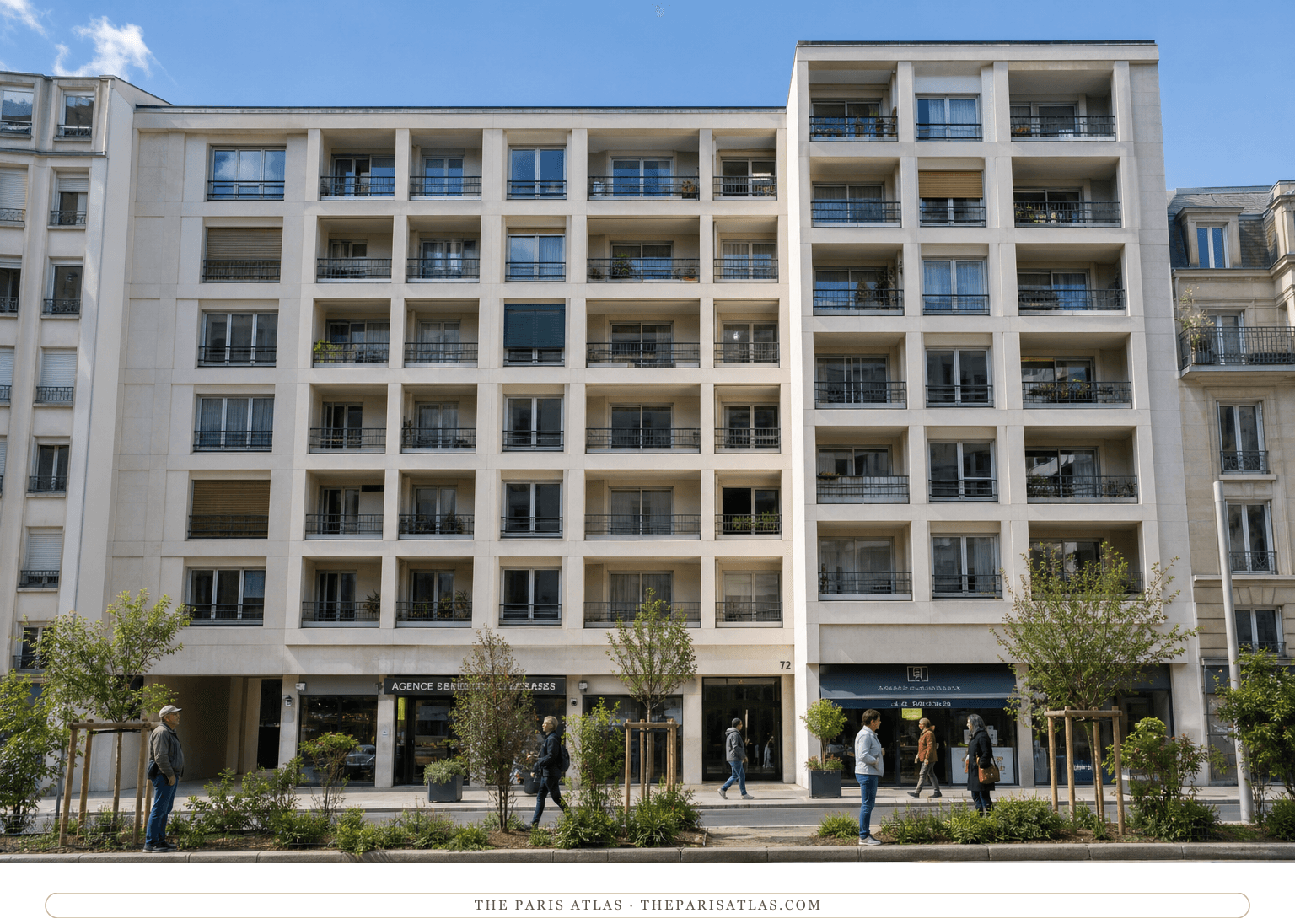
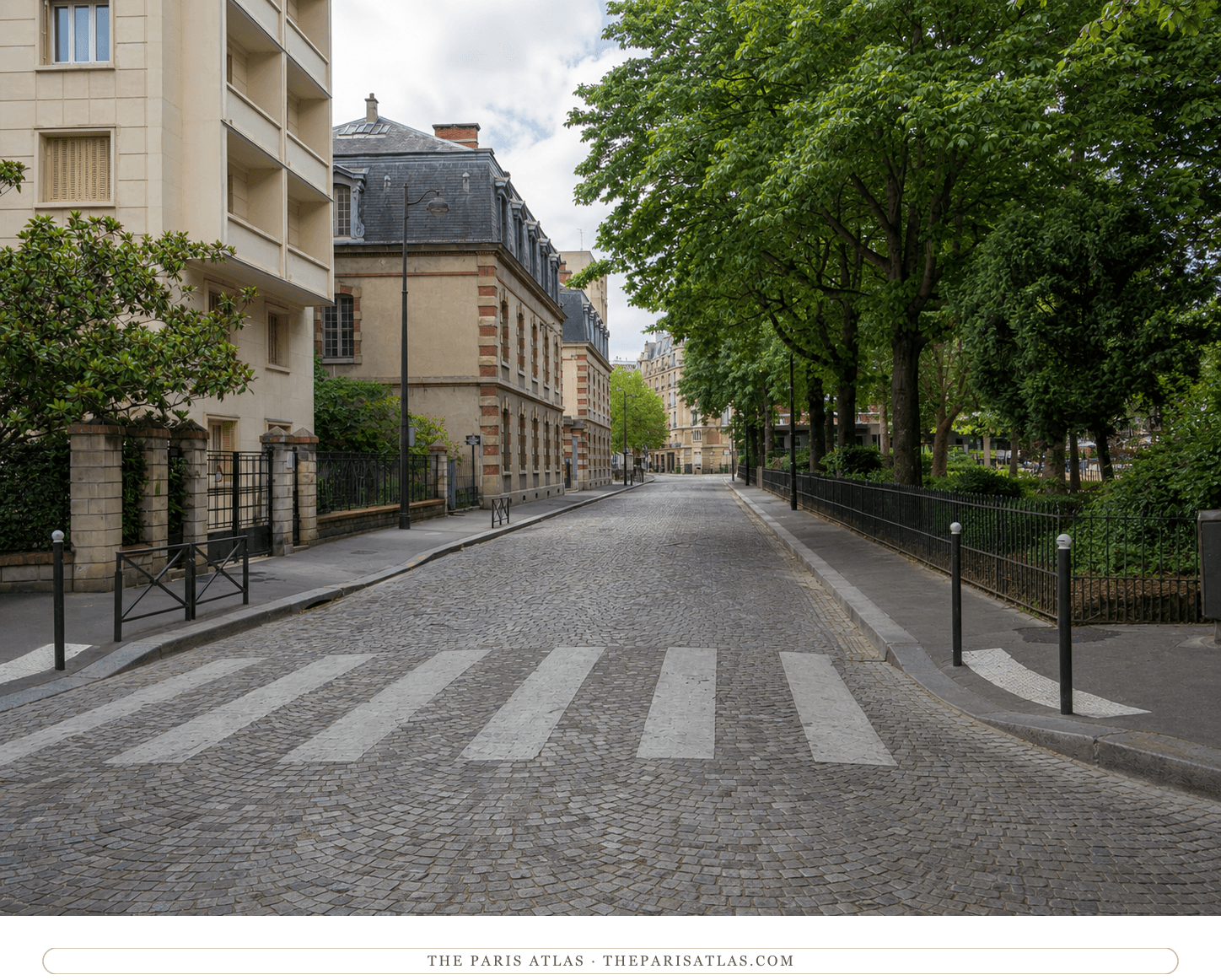
IllustrationBright color view of residents outside the replacement block at number 72

A close contemporary site view; nothing of the 1929 restaurant survives.

Editorial illustration

The place, briefly

The long central stretch of Down and Out in Paris and London is set in a restaurant George Orwell calls the Auberge de Jehan Cottard: a new place, opened on borrowed money, with a kitchen the size of a cupboard, no proper drainage, and a proprietor improvising his way past every health rule in Paris. It is the book's most sustained piece of reporting and its funniest and worst material at once.[1]

The name is invented and so is the street Orwell gives it. He places the restaurant on the rue du Commerce. It was not there.

Four years of archival work by the researcher Duncan Roberts, carried out between 2017 and 2021, identified the real establishment as the Auberge de la Ferme, at 72 rue Fondary in the fifteenth arrondissement — a few streets from the address Orwell published.[2]

There is a detail worth putting beside that. Orwell also disguised the hospital he was treated in, calling it the "Hôpital X" and placing it in the fifteenth arrondissement, when Hôpital Cochin is in the fourteenth. The fifteenth is where this restaurant actually was. Whether he moved the hospital deliberately or simply carried the wrong arrondissement over from the kitchen he had been working in, the effect is the same: the published geography of Down and Out is shifted about a mile from the real one, and consistently.[3]

Nothing survives to see. The building that held the auberge is gone, and the block standing at the address today was put up in 1978. What is left is the street, the number, and the knowledge that a great deal of the book happened at it.

Key facts

What it was
The Auberge de la Ferme, a small restaurant
In the book
The "Auberge de Jehan Cottard", where Orwell worked as a plongeur
Where Orwell said it was
Rue du Commerce — which was wrong
Where it actually was
72 rue Fondary, 15th arrondissement
Identified by
Duncan Roberts, from four years of archival research, 2017–2021
Standing today
No — a residential block built in 1978
The replacement building on the demolished Auberge de la Ferme site.Editorial illustration
A close contemporary site view; nothing of the 1929 restaurant survives.Editorial illustration
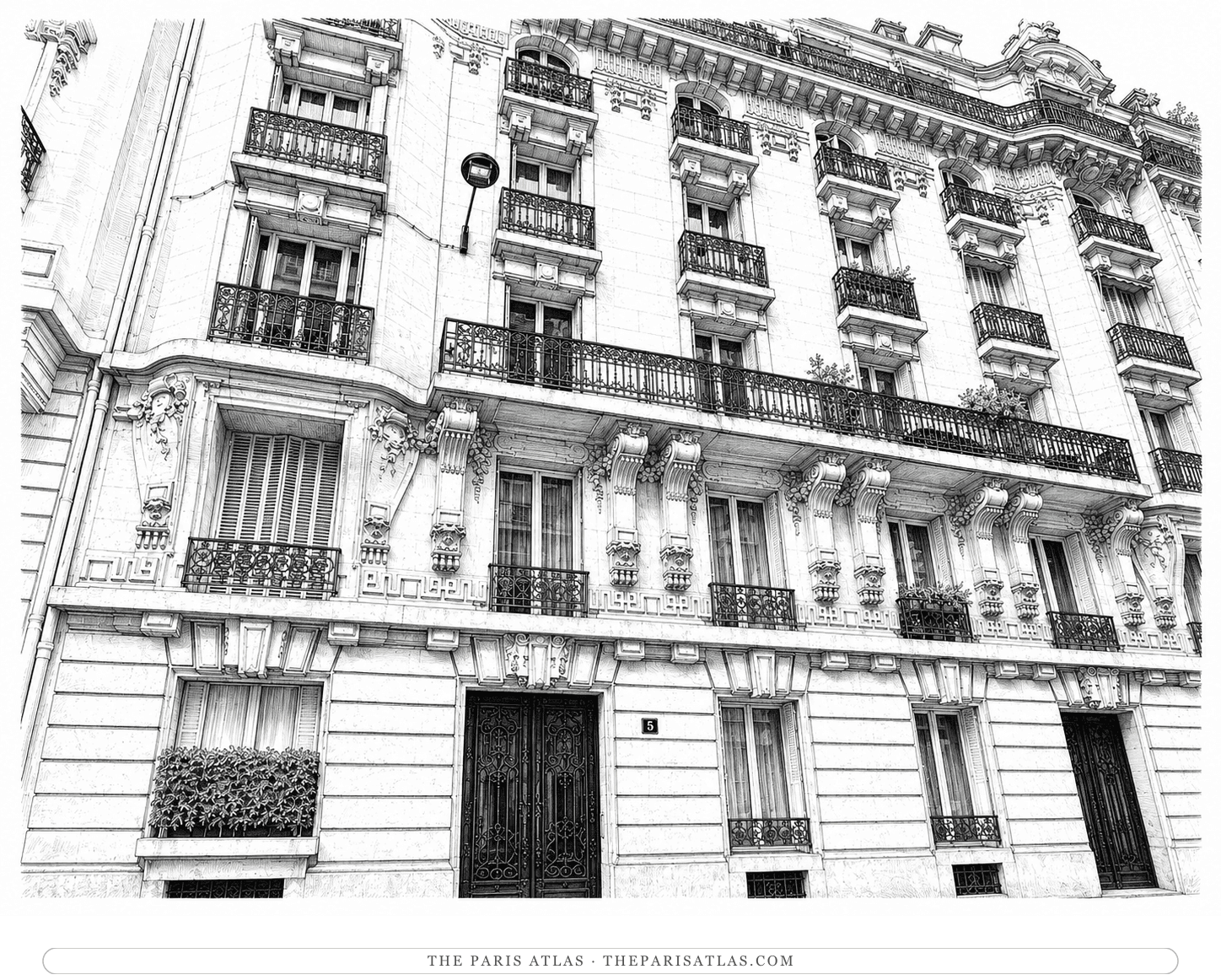
Historically informed reconstruction of the demolished restaurant Orwell disguised in his book.Artistic reconstruction
The façade, awning, people and colors are interpretive; Orwell is not depicted.Artistic reconstruction
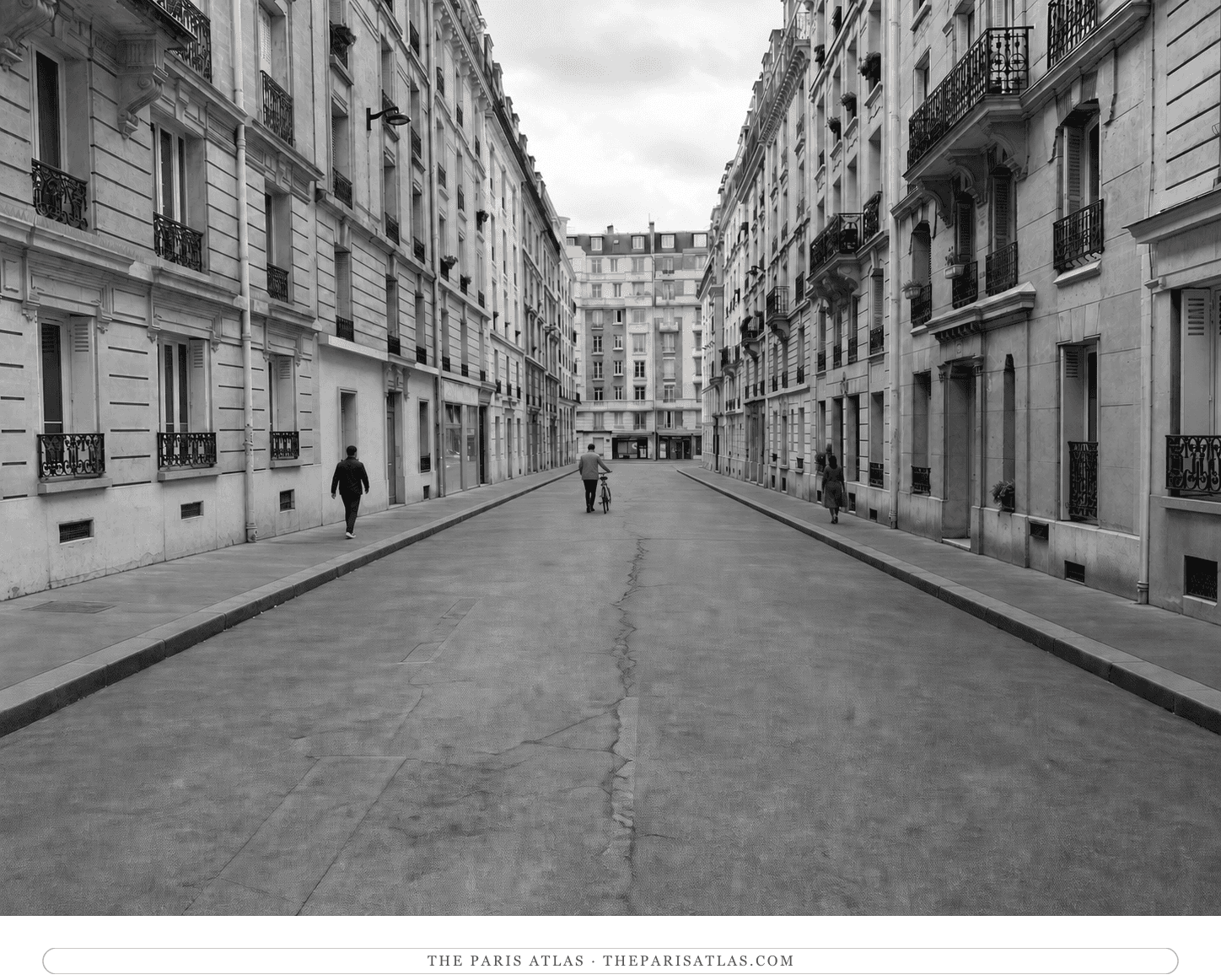
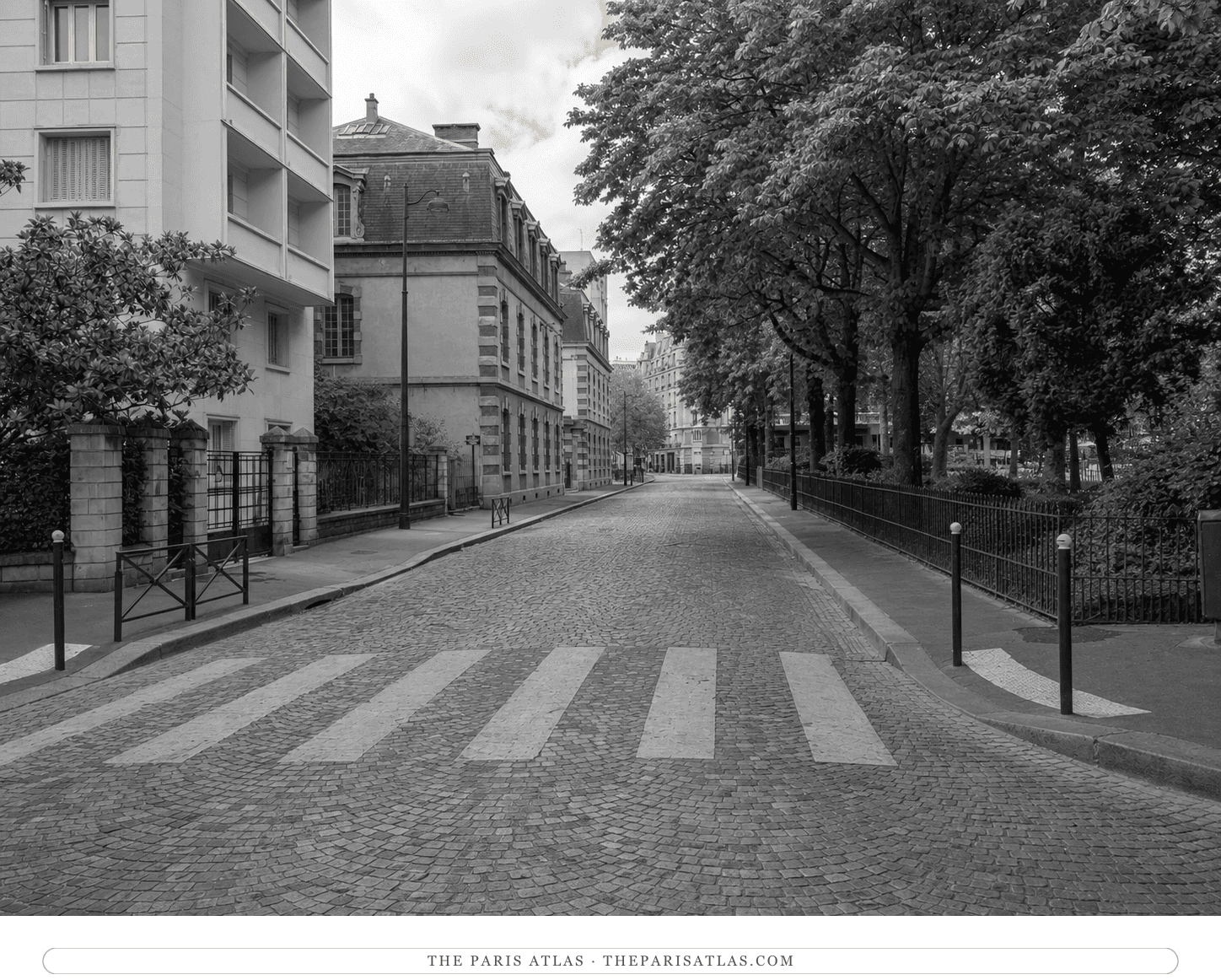
The surviving street places the later residential block within its present neighborhood.Editorial illustration
A plausible lively dining room populated entirely by invented guests and staff.Artistic reconstruction
The improvised kitchen conveys the documented conditions without claiming an exact surviving plan or depicting Orwell.Artistic reconstruction

Timeline

  1. 1929

    Orwell works as a plongeur at the Auberge de la Ferme, 72 rue Fondary.

  2. 1933

    Down and Out in Paris and London is published, relocating the restaurant to the rue du Commerce and renaming it the Auberge de Jehan Cottard.

  3. 1978

    The present residential block is built on the site.

  4. 2021

    Duncan Roberts's archival research identifies the Auberge de la Ferme at this address.

On the map

Questions before you go

What was the Auberge de Jehan Cottard really called?

The Auberge de la Ferme. Orwell invented the name "Auberge de Jehan Cottard" for Down and Out in Paris and London and also moved it, placing it on the rue du Commerce. Archival research by Duncan Roberts, completed in 2021, identified the real restaurant at 72 rue Fondary in the fifteenth arrondissement.

Can you visit 72 rue Fondary?

You can stand at the address, but there is nothing of the restaurant left. The building that housed it is gone and the residential block there now was built in 1978. It is a site for the record rather than a visit.

Why did Orwell change the address?

He disguised most of the Paris book's real places — the restaurant, the hospital, the hotel he washed dishes in. It is worth noticing that he put the "Hôpital X" in the fifteenth arrondissement when the hospital was in the fourteenth, and that the fifteenth is where this restaurant actually stood. The published geography is shifted, and consistently so.

Writers who knew this place

Illustrated portrait of George Orwell

George Orwell

British · English novelist, essayist and journalist, born Eric Arthur Blair, who wrote Animal Farm and Nineteen Eighty-Four. He was an imperial policeman in Burma, a plongeur in Paris kitchens off the rue Mouffetard, and a militiaman shot through the neck in Spain before any of it.

Worked here · 1929

Orwell's second Paris kitchen job, as a plongeur at the Auberge de la Ferme — the restaurant he renamed the "Auberge de Jehan Cottard" and relocated to the rue du Commerce in Down and Out in Paris and London. Identified at this address by Duncan Roberts's archival research, 2017-2021.
— Qui donc était « Boris » ? (2024); George Orwell, Down and Out in Paris and London (1933)

Within walking distance

References

References

The sources below include histories, archival materials, scholarly research, and official records that informed this page. They document 72 rue Fondary, the people connected to it, and its place in Paris.

  1. 1↑Down and Out in Paris and London

    Memoir
    Victor Gollancz, 1933
    Used for

    The restaurant chapters themselves, under the invented name.

  2. 2↑Ce que vécut vraiment George Orwell à Paris

    Periodical
    Mediapart, 2024
    Used for

    Contemporary reporting or criticism used to document the historical reception and context of 72 rue Fondary.

    View source
  1. 3↑Qui donc était « Boris » ?

    Periodical
    En attendant Nadeau, 2024
    Used for

    Duncan Roberts's 2017–2021 archival research identifying the Auberge de la Ferme on the rue Fondary, and correcting Orwell's rue du Commerce.

    View source
  2. 4OpenStreetMap

    Map data
    Used for

    Map data used to verify addresses, geographic coordinates, and the placement associated with 72 rue Fondary.

    View source
i
Why these sources are here

These references provide the documented foundation for this page's history and context. Claim-level citations remain attached to the specific claims they support.

Explore more resources

Newsletter

Paris, one address at a time.

The cafés, studios, and walk-up flats where the work was made — one story from the map in every letter.

Unsubscribe anytime.