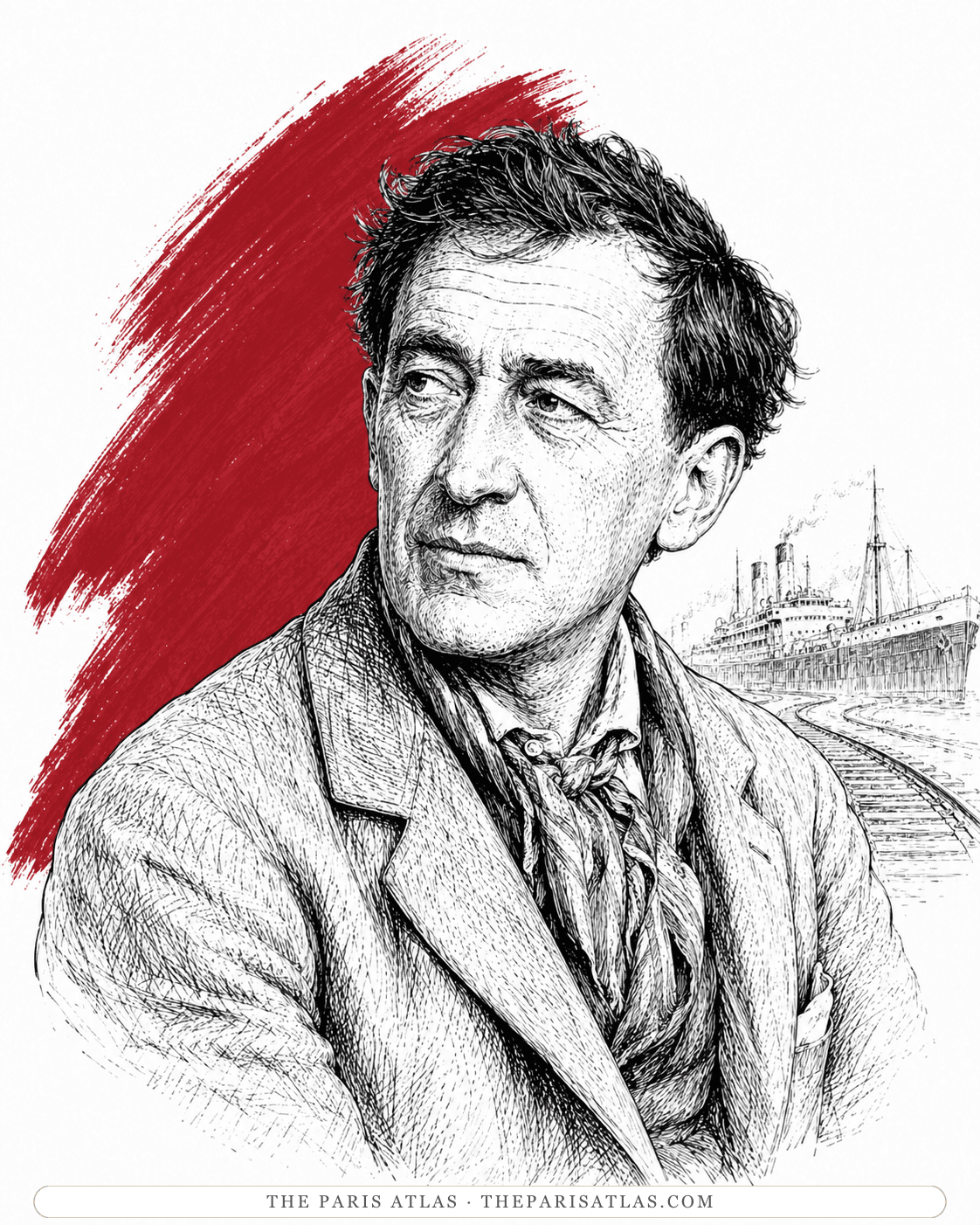
Blaise Cendrars
Lived here · 1959–1961
The chronology prepared with Claude Leroy records the move to 5 rue José-Maria-de-Heredia on 25 August 1959 and Cendrars's death at home on 21 January 1961.
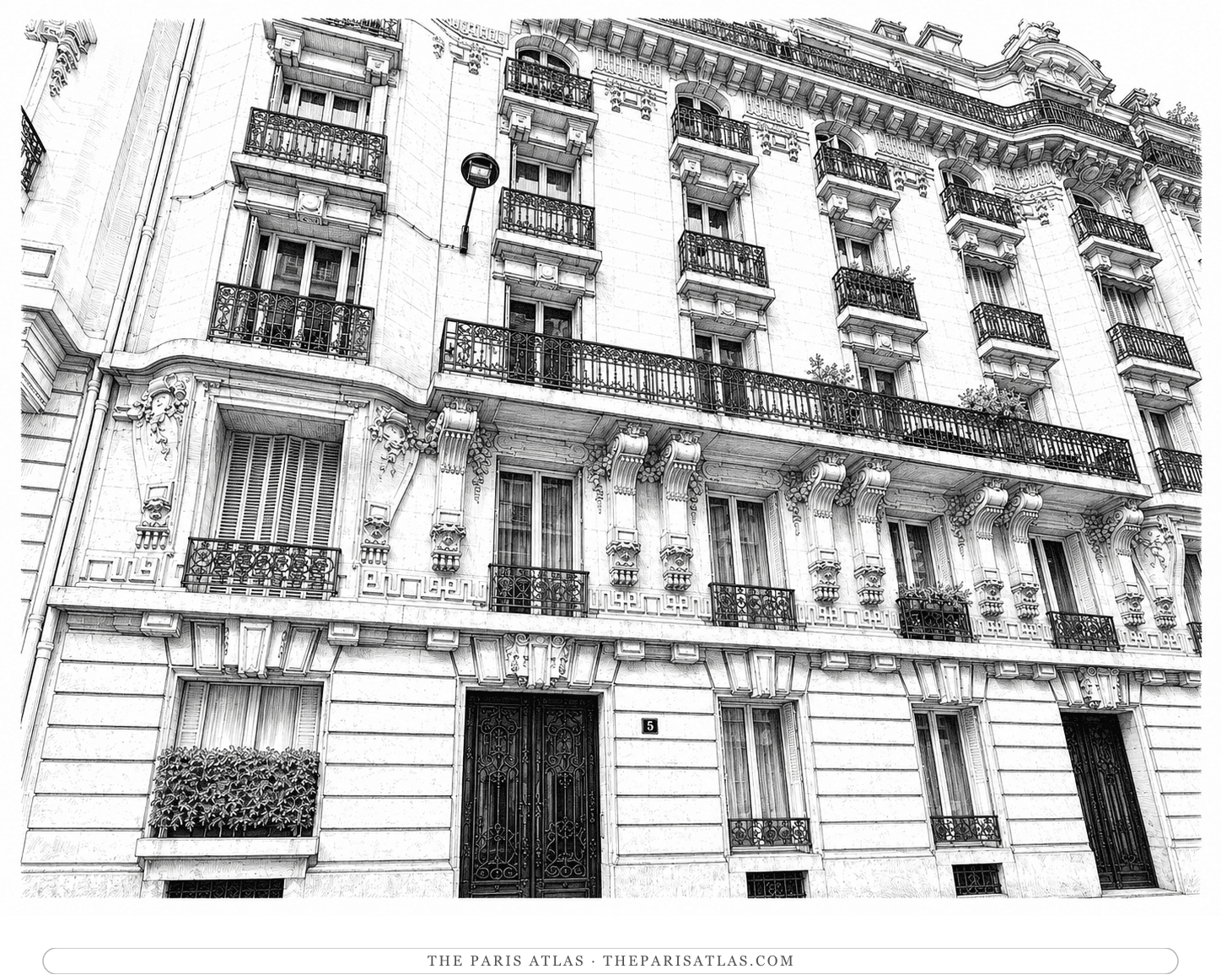
Blaise Cendrars's final home — the ground-floor apartment in the 7th arrondissement he moved to in August 1959 and where he died on 21 January 1961.
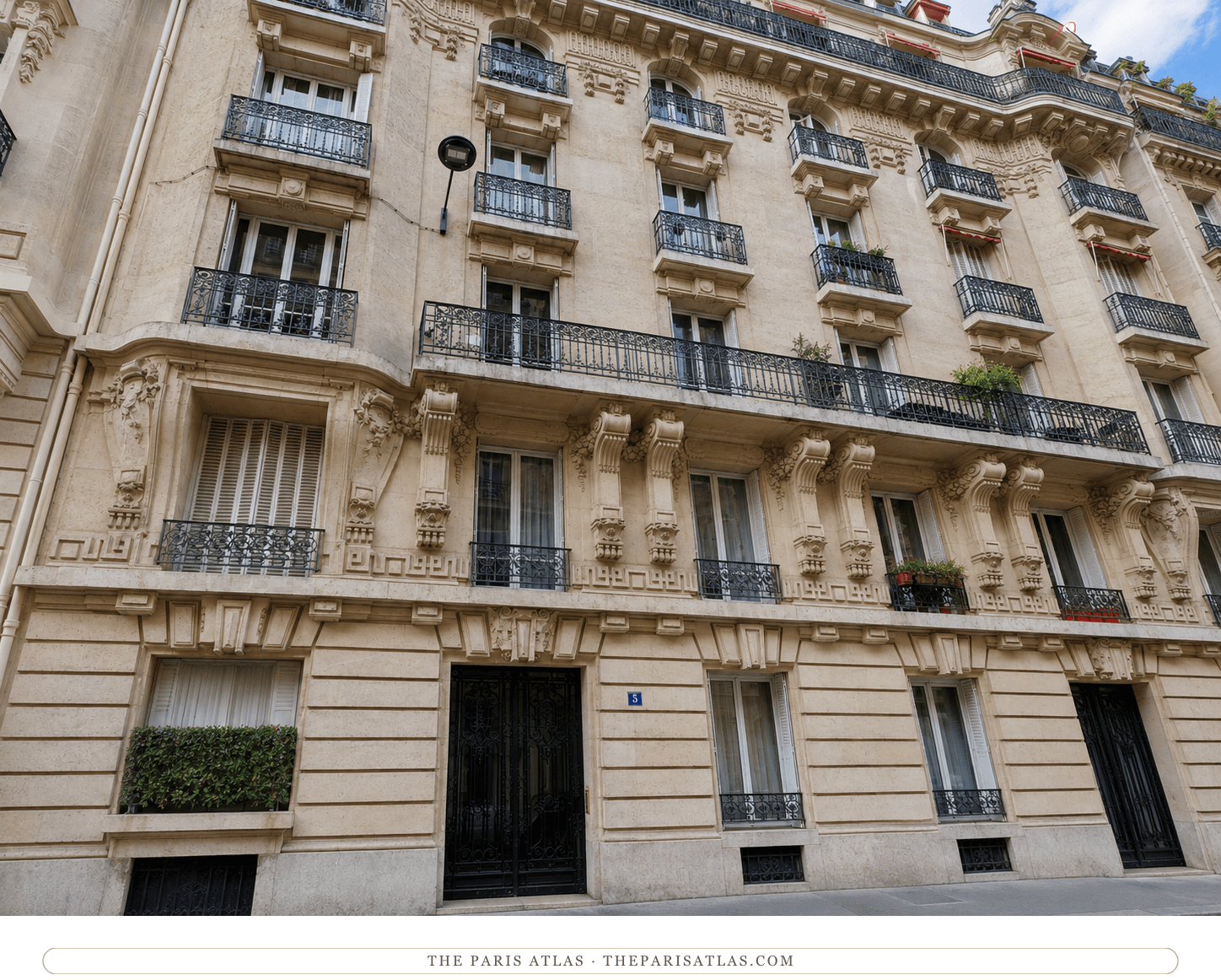
On 25 August 1959, Blaise Cendrars and his wife, the actress Raymone Duchâteau, moved from 23 rue Jean-Dolent into a ground-floor apartment at 5 rue José-Maria-de-Heredia, near the École Militaire in the 7th arrondissement. It would be Cendrars's last home. By then his world had become dramatically smaller: a second stroke in the summer of 1958 had left him severely disabled and brought his literary writing effectively to an end. The chronology prepared with the Cendrars scholar Claude Leroy describes him at the time of the move as grabataire — bedridden or largely confined by illness.[1]
There is an unusually intimate surviving record of this period. Among Cendrars's papers in the Swiss Literary Archives is his Mémento 1959, a small notebook containing everyday entries about money, royalty payments, correspondence, appointments with his masseur and the move to rue José-Maria-de-Heredia. The archive describes Cendrars's handwriting near the end of his life as hesitant and distorted, and when the notebook was catalogued, strands of tobacco were found between its pages.[2]
It is a striking survival from a writer whose books had been filled with trains, ships, foreign cities and constant movement: in his final year, his notes record the much smaller geography of illness and domestic life.
The address has an accidental literary resonance of its own. Rue José-Maria-de-Heredia was opened in 1909 and named for José-Maria de Heredia, the Cuban-born French poet and author of Les Trophées. Cendrars therefore spent his final months on a street already carrying another poet's name. There is no evidence that this influenced his decision to live there.[3]
Cendrars was no longer producing major new literary work here, but his reputation was catching up with him. On 17 January 1961, he received the Grand Prix littéraire de la Ville de Paris. It was the great official literary recognition of his career, arriving extraordinarily late: Cendrars died at this apartment four days later, on 21 January 1961, aged seventy-three.[4]
It was an unusually quiet ending for a writer who had built his identity around movement. Cendrars had turned Russia, New York, the Trans-Siberian Railway, Brazil, ocean crossings and wartime France into literature. His last Paris address was instead a ground-floor apartment on a short residential street near the École Militaire. The great traveler had finally stopped traveling.
Blaise Cendrars died murmuring: 'Build'
Blaise Cendrars est mort en murmurant : 'Construire'
Period newspapers reported that shortly before his death Cendrars murmured a final word: Construire — build. The story is preserved among the contemporary press clippings in the Blaise Cendrars archive. What survives is the contemporary reporting, not a bedside account.[4]
Cendrars suffers a second stroke in the summer and ceases literary writing.
On 7 January, André Malraux presents Cendrars with the insignia of Commander of the Légion d'honneur at his previous home on rue Jean-Dolent.
On 1 May, Cendrars converts to Catholicism and marries Raymone religiously at the Église Saint-Dominique in the 14th arrondissement.
On 25 August, Cendrars and Raymone move into the ground-floor apartment at 5 rue José-Maria-de-Heredia.
On 17 January, he receives the Grand Prix littéraire de la Ville de Paris.
Cendrars dies at home on 21 January.
Lived here · 1959–1961
The chronology prepared with Claude Leroy records the move to 5 rue José-Maria-de-Heredia on 25 August 1959 and Cendrars's death at home on 21 January 1961.
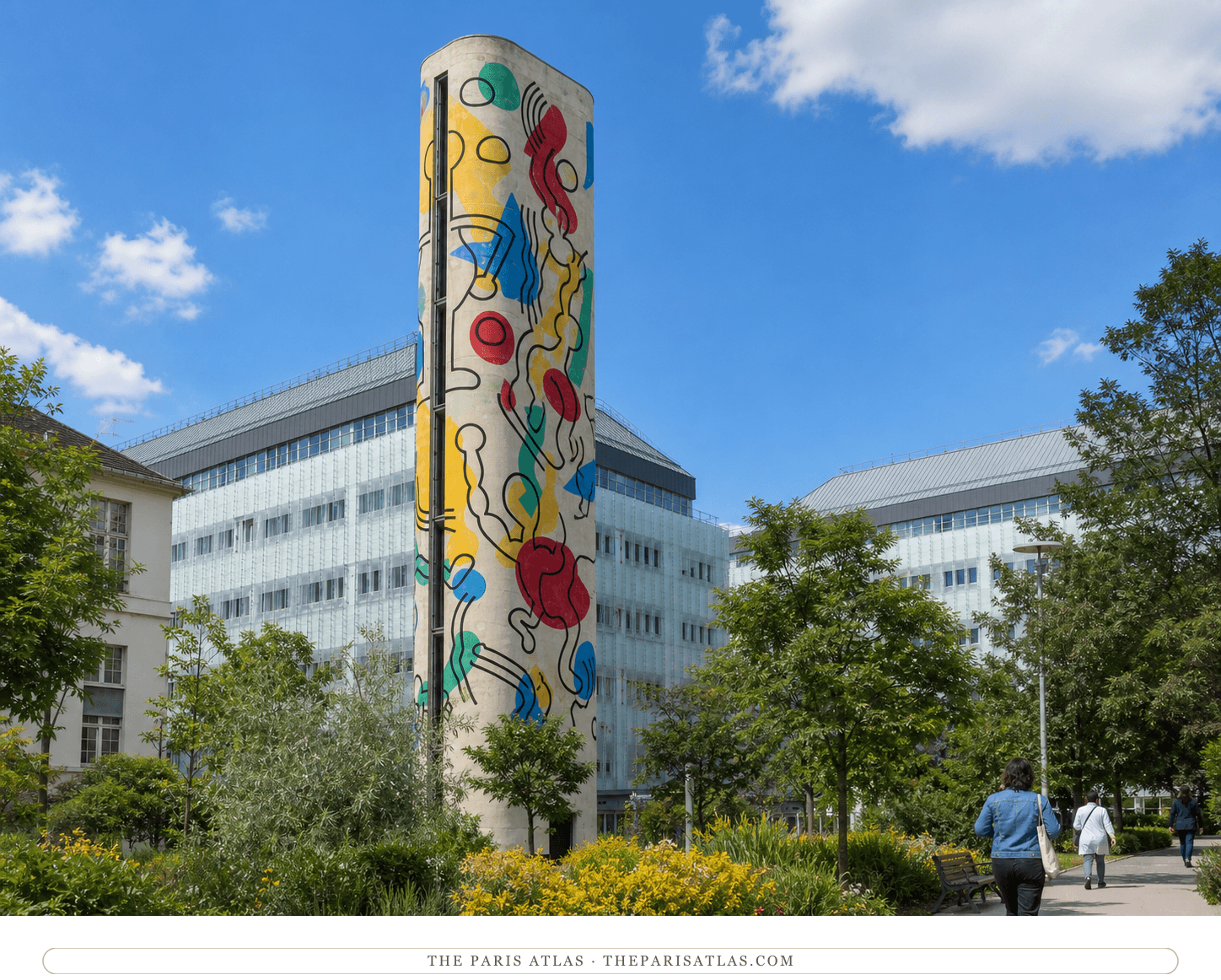
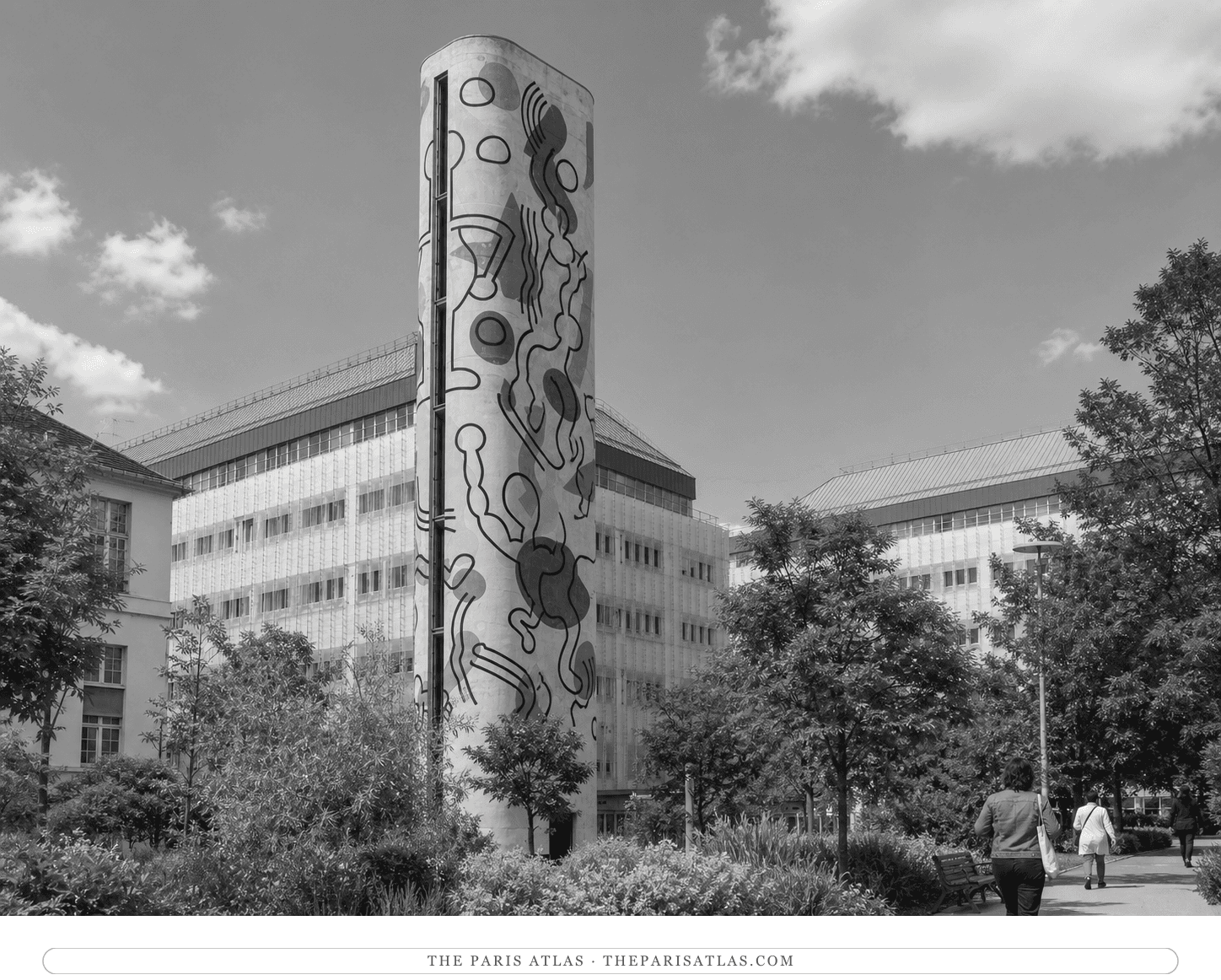
The 27-metre fire-stair tower Keith Haring painted freehand for the children of Hôpital Necker in April and May 1987 — his permanent Paris work, restored after a six-year conservation campaign.
Visit the place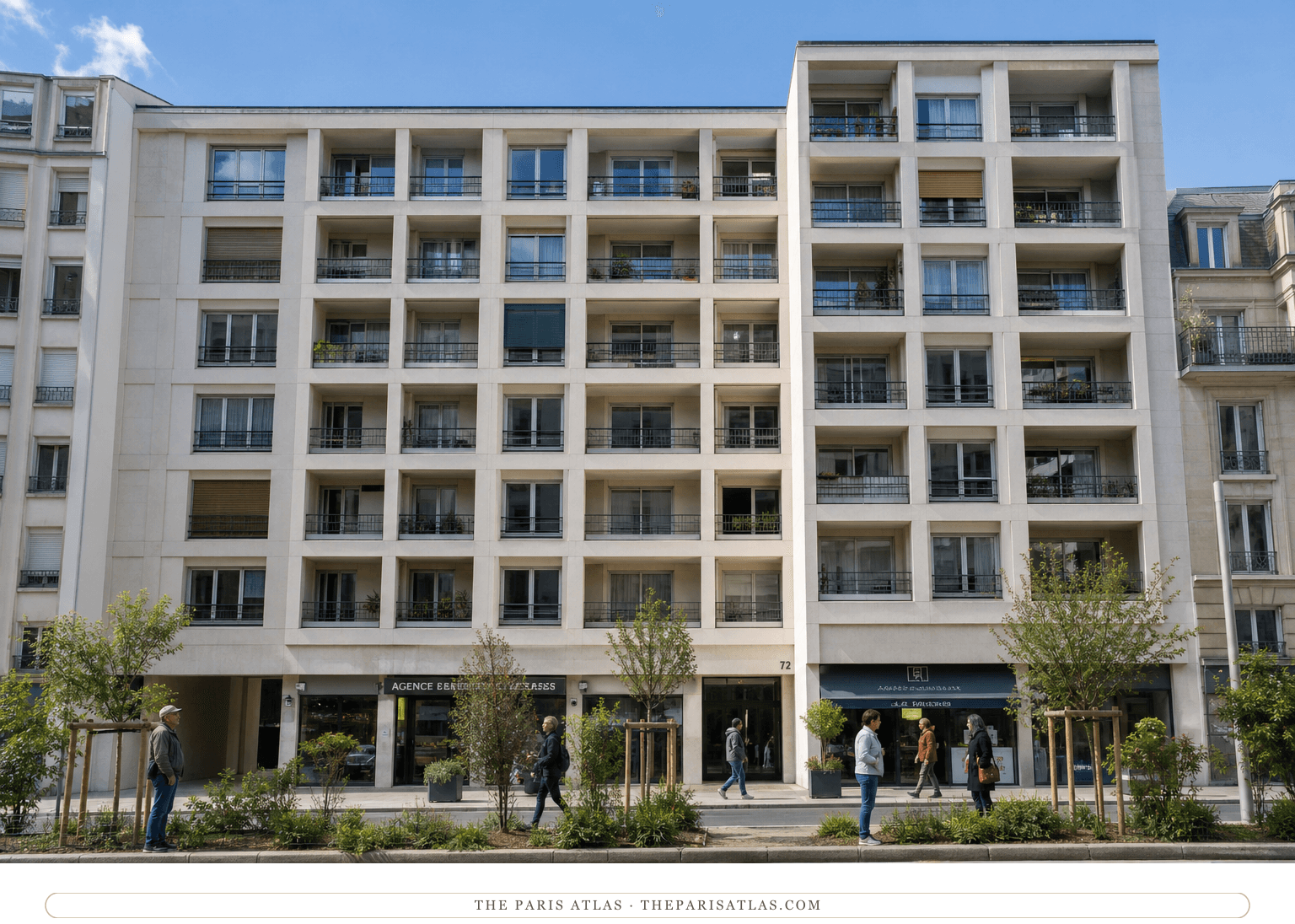
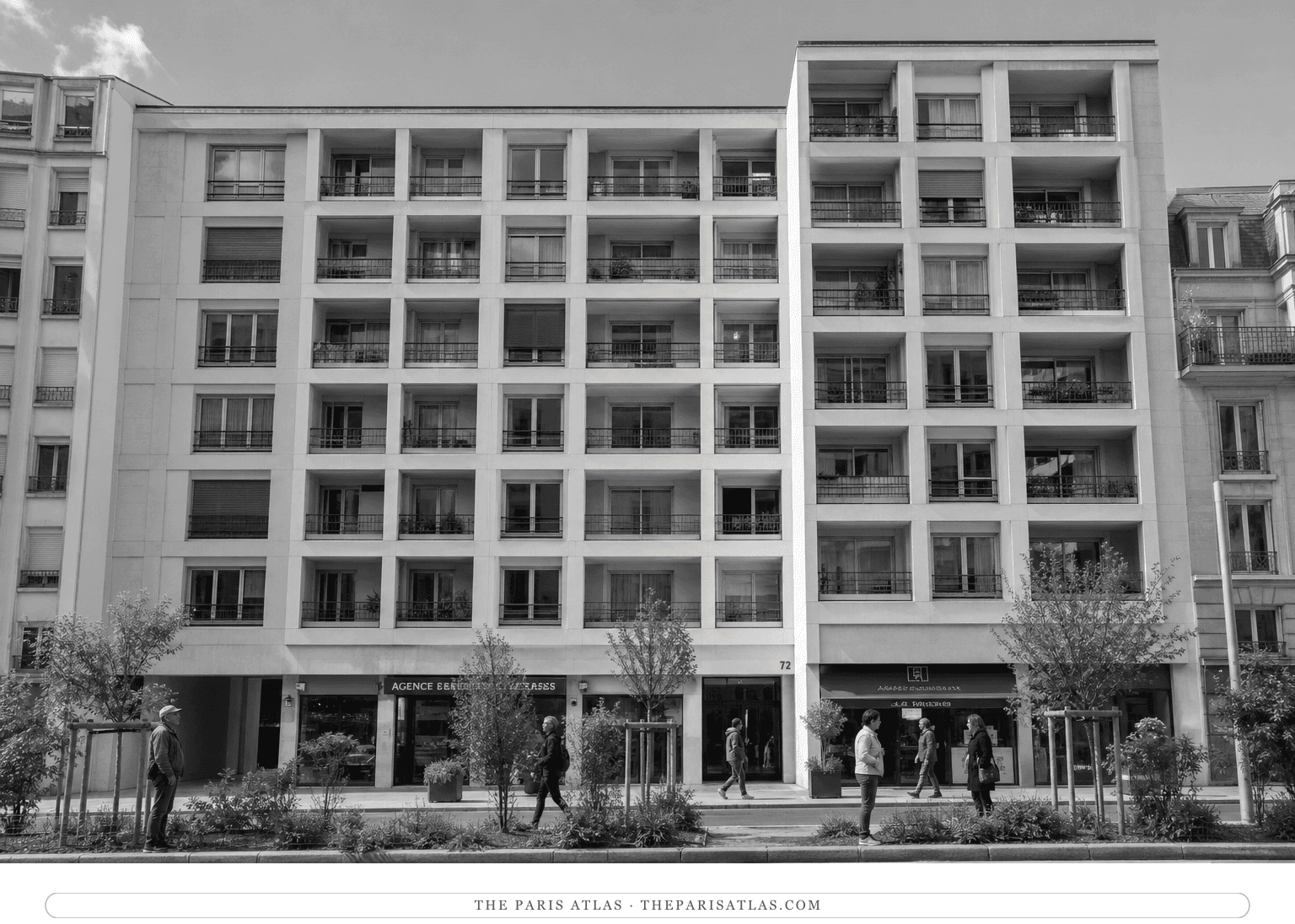
The address of the Auberge de la Ferme, the small restaurant where George Orwell took his second Paris kitchen job in 1929 — the chaotic, filthy kitchen that fills the second half of Down and Out in Paris and London under the invented name "Auberge de Jehan Cottard". Identified by archival research in 2021.
Visit the place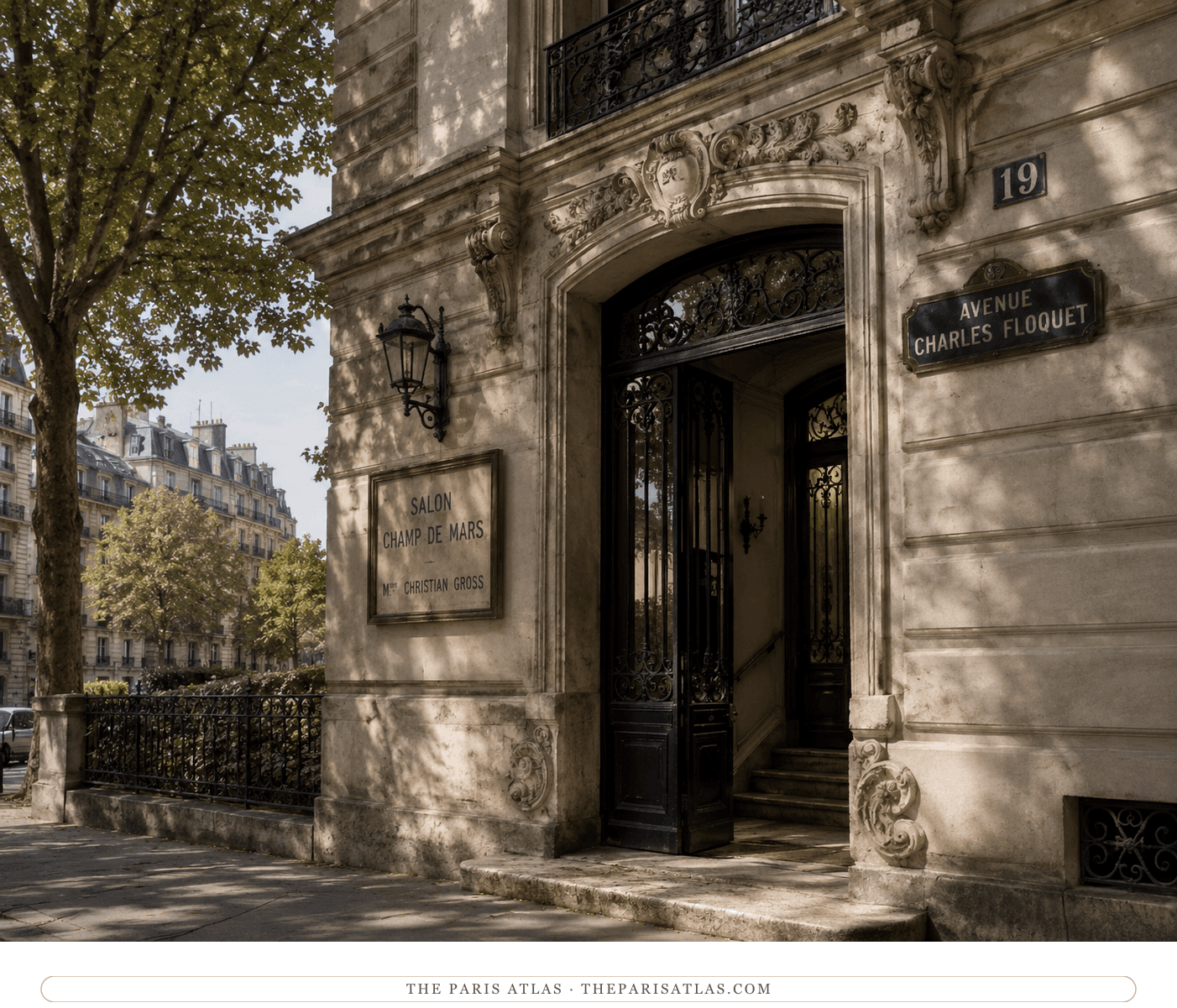
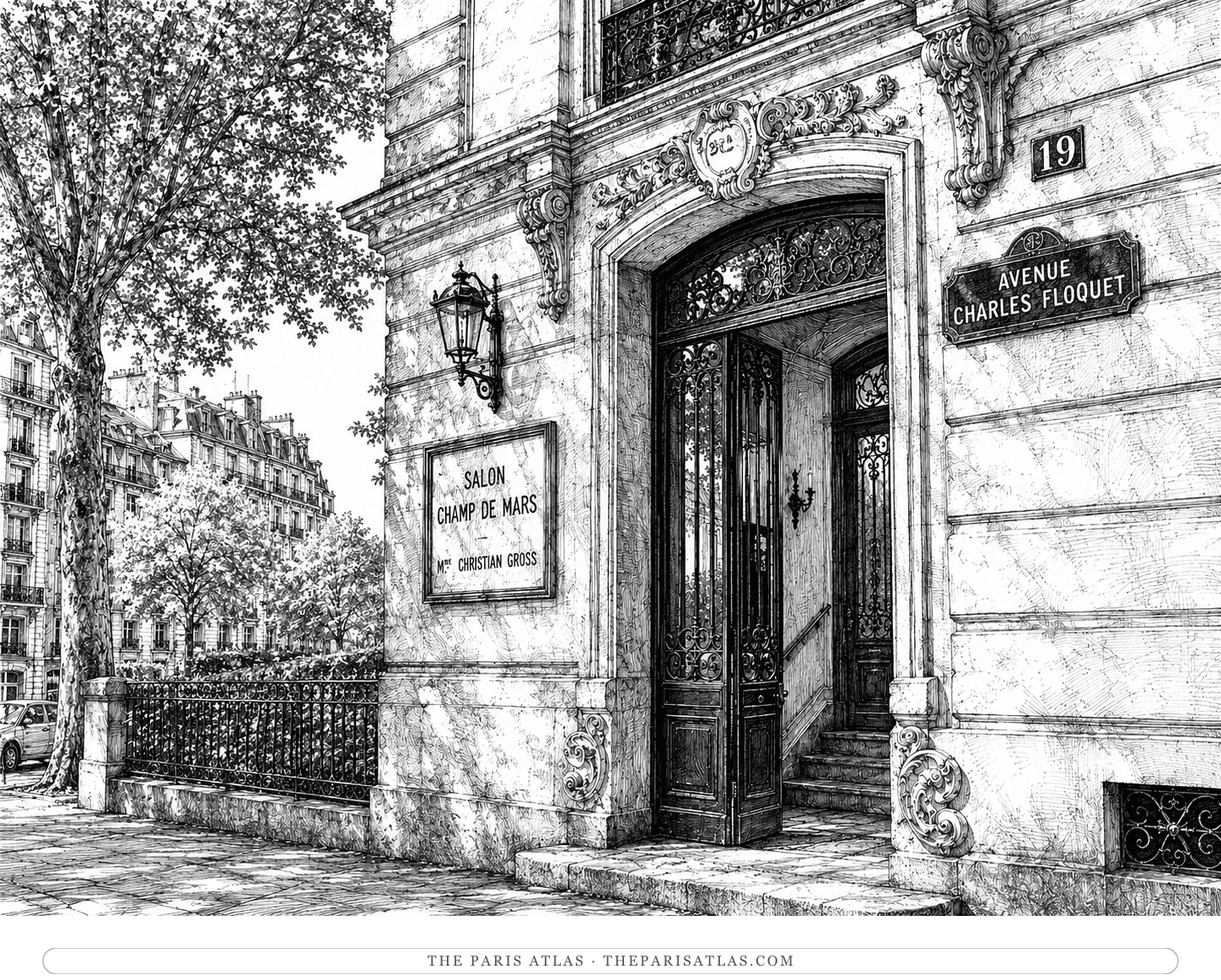
The drawing room by the Champ de Mars where Ezra Pound the composer made his debut — the Villon songs, heard by invitation before anyone believed he'd really done it.
Visit the place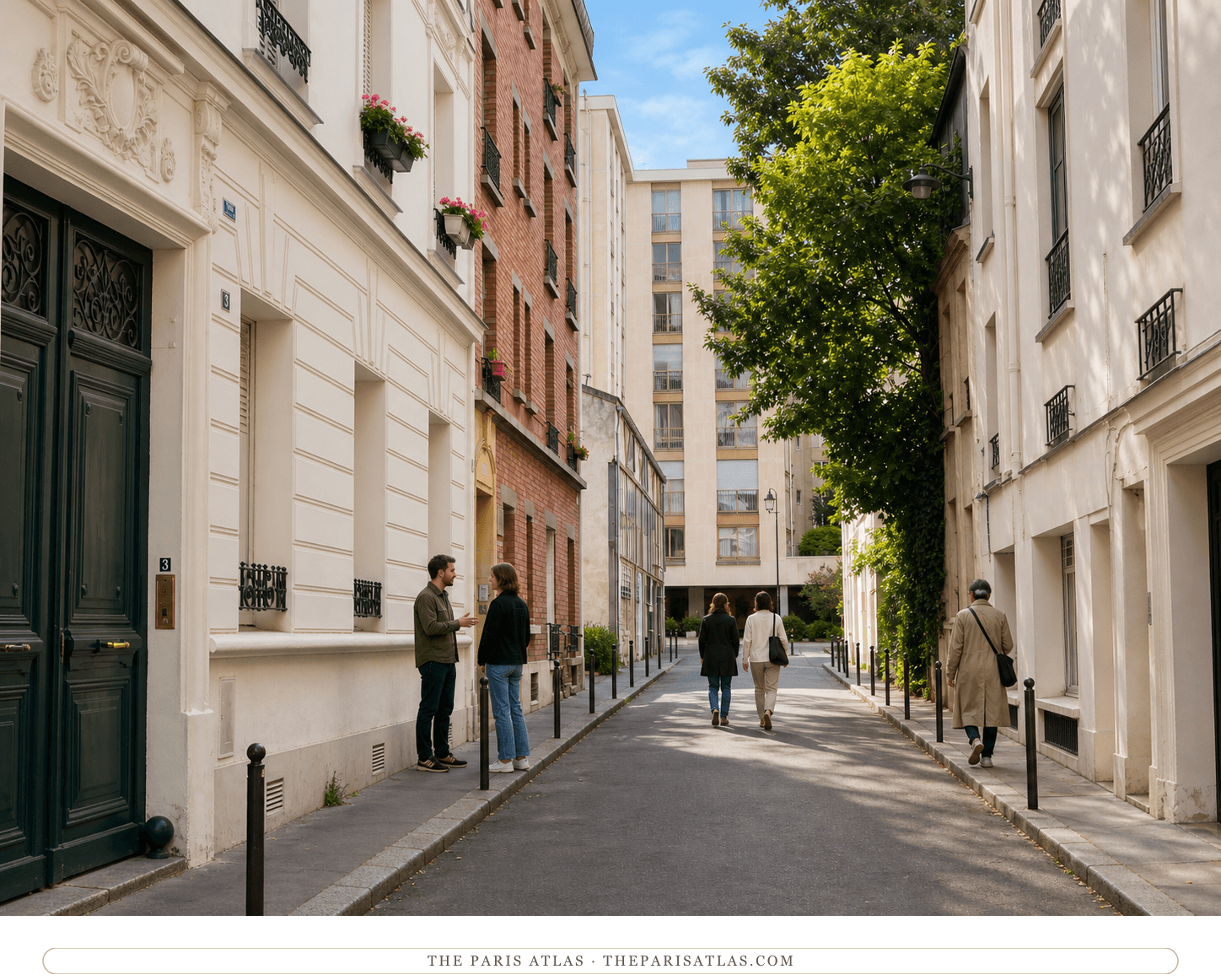
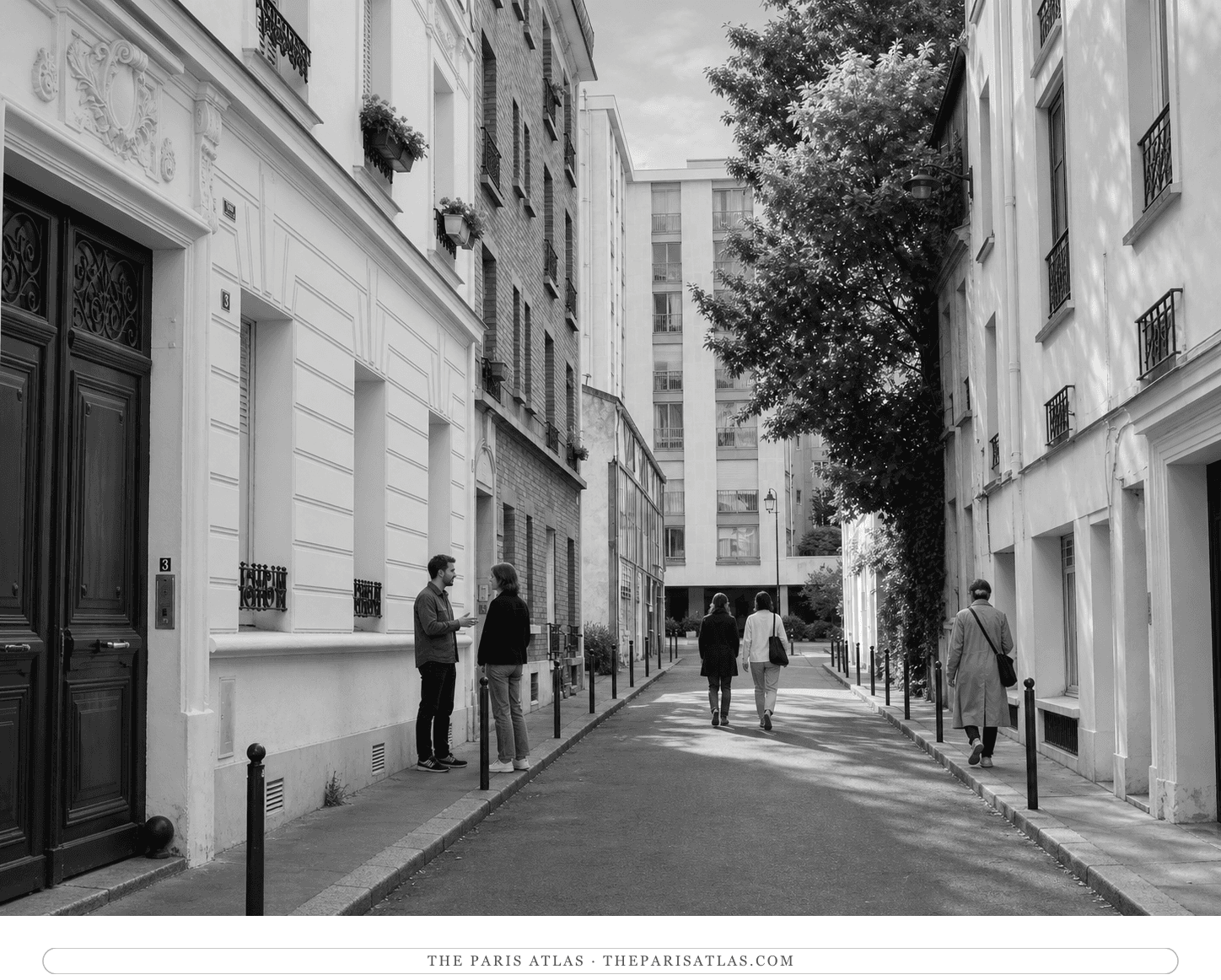
A narrow lane of nineteenth-century artists' studios in Vaugirard, worked in by Paul Gauguin and later by Amedeo Modigliani and Chaïm Soutine — cheap, cold and almost unchanged.
Visit the placeThe sources below include histories, archival materials, scholarly research, and official records that informed this page. They document 5 Rue José-Maria-de-Heredia, the people connected to it, and its place in Paris.


Web source consulted for documented facts and historical context presented on the 5 Rue José-Maria-de-Heredia page.

Archival evidence used to document the historical record connected to 5 Rue José-Maria-de-Heredia.
The city's own street register: the voie was opened in 1909 and named for the poet José-Maria de Heredia (1842-1905).
Archival evidence used to document the historical record connected to 5 Rue José-Maria-de-Heredia.
Map data used to verify addresses, geographic coordinates, and the placement associated with 5 Rue José-Maria-de-Heredia.
These references provide the documented foundation for this page's history and context. Claim-level citations remain attached to the specific claims they support.
 Explore more resources
Newsletter
The cafés, studios, and walk-up flats where the work was made — one story from the map in every letter.