

Discussed in
The Road to Wigan Pier
Orwell refers readers back to his earlier account of destitution instead of repeating it, distinguishing that subject from the employed and unemployed industrial workers examined here.

Orwell's first book: seventeen-hour days in a Paris hotel kitchen, then a month on the road in England.
George Orwell's first published book, and the first thing Eric Blair signed with that name. The Paris half follows him through a slum quarter in the fifth arrondissement, where his money runs out and he takes work as a plongeur — the dishwasher and drudge of a French kitchen — first in a grand hotel near the Place de la Concorde, then in a new restaurant in the rue du Commerce. The London half is a month of waiting for a promised job, spent moving between casual wards, lodging houses and the Embankment. It is reporting before it is argument: what being poor costs in food, sleep, clothes and hours, written by someone doing the work.
Victor Gollancz published the book in London on 9 January 1933. It was Eric Blair's first full-length published work and the first to carry the pseudonym George Orwell; Harper & Brothers brought out the first American edition on 30 June the same year. The pseudonym was adopted shortly before publication, and the book is where the writing voice people recognise as Orwell's first appears in full — the physical detail set down before any conclusion is drawn from it.
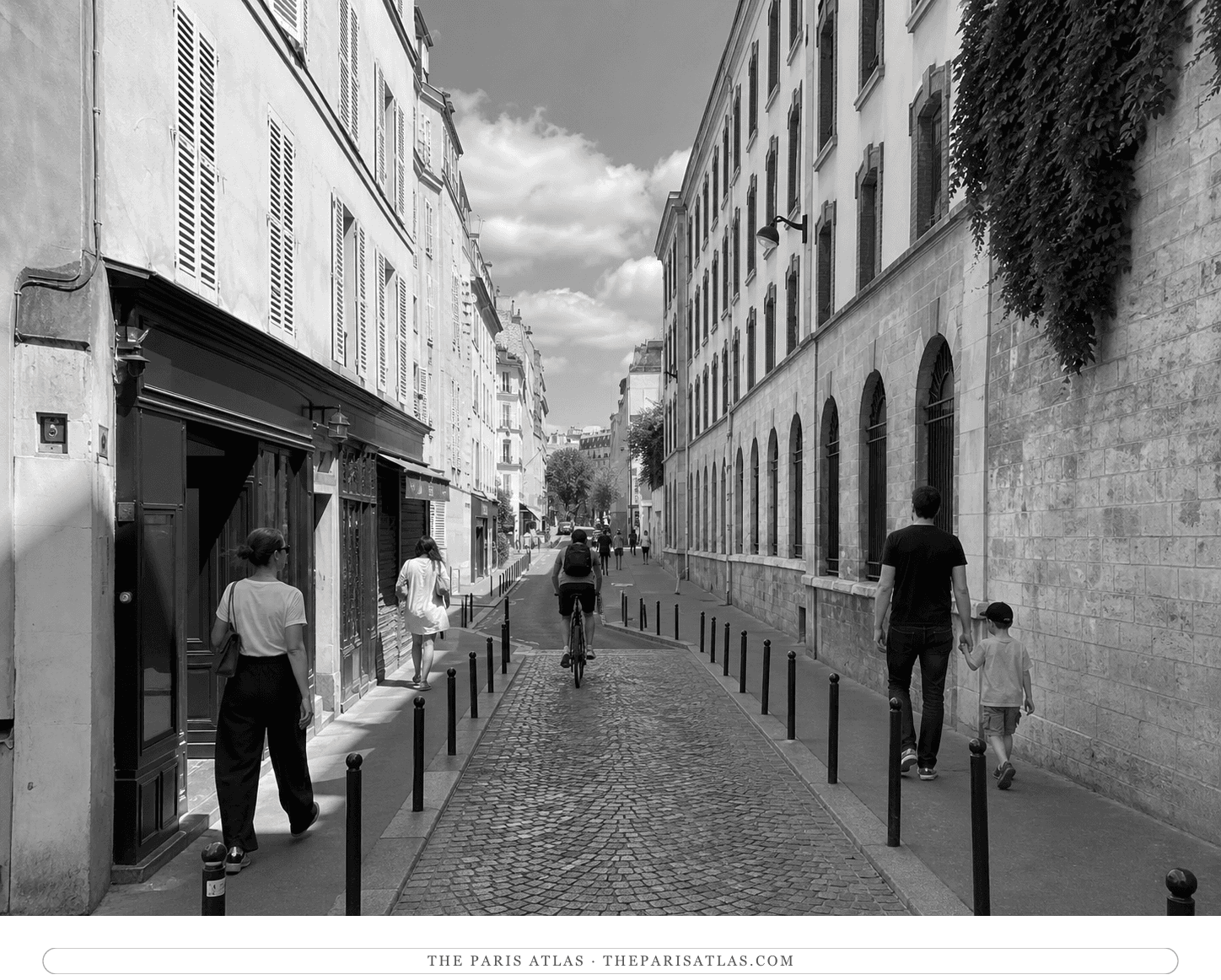
The Paris geography is real but renamed. The book opens in the rue du Coq d'Or, which does not exist: Orwell lodged at 6 rue du Pot de Fer, off the rue Mouffetard in the fifth arrondissement, two minutes from the Place de la Contrescarpe in the Latin Quarter. Not every address is disguised. The wretched second restaurant, the Auberge de Jehan Cottard, is placed in the rue du Commerce by the text itself, and Boris and the narrator go down there repeatedly by Métro.
The grand hotel is a different matter. Orwell calls it the Hôtel X and places it near the Place de la Concorde, and which hotel he meant has never been settled. Sonia Orwell said it was the Crillon. Peter Stansky and William Abrahams argued for the Hôtel Lotti. The book itself supports neither and names no one, which is consistent with a writer describing a former employer's kitchens in print.
Chapters I to XXIII are Paris. The narrator has lived in the Coq d'Or quarter for about a year and a half on thirty-six francs a week from English lessons when the lessons stop and the last of his money is stolen. He pawns his clothes, learns the arithmetic of six francs a day, and goes looking for work with Boris, a Russian ex-waiter he had met in a hospital ward, laid up with arthritis in one leg and still talking about Napoleon and the Second Siberian Rifles. Weeks of hunger and refusals end with a job as a plongeur at the hotel Orwell calls the Hôtel X, near the Place de la Concorde: seventeen-hour days in the cafeterie, a hierarchy running from the manager down to the dishwashers, and a dining-room whose splendour depends on filth a few feet away behind a door. Boris then talks him into leaving for the Auberge de Jehan Cottard in the rue du Commerce, a new restaurant that is worse in every respect. After ten days he finds a spare quarter of an hour and writes to his friend B. in London, asking for any job that allows more than five hours' sleep.
Chapters XXIV to XXXVIII are England. He crosses third class via Dunkirk and Tilbury, expecting to start work at once, and finds the job — looking after a man he describes as a tame imbecile — postponed by a month. He has a few pounds, then eight shillings, and spends the month on the road: lodging houses in Pennyfields and the Waterloo Road, casual wards known as spikes, and long walks between them because a tramp who stays put is arrested. He falls in with Paddy Jaques, an Irish tramp he meets peeling potatoes, and through Paddy with Bozo, a screever — a pavement artist — who works the Embankment near Waterloo Bridge and was, when they found him, copying a portrait of Winston Churchill out of a penny notebook in chalk.
The book breaks off its narrative twice to argue. Chapter XXII asks what a plongeur's life is actually for, and concludes that the work is largely unnecessary — that big hotels and smart restaurants manufacture drudgery to sell an idea of luxury, and that the arrangement survives because comfortable people are afraid of what the poor would do with leisure. The London chapters make the parallel case about the casual wards, whose rules keep men walking twelve miles a day to no purpose. Then it ends quietly. B. lends a final two pounds, the job starts and turns out worse than expected but better than the spike, Paddy leaves for Portsmouth and is never seen again, and Bozo is in Wandsworth serving fourteen days for begging. Orwell closes by refusing to claim much: he has seen the fringe of poverty, he says, and can point to one or two things he has learned by being hard up — that he will never again think all tramps are drunken scoundrels, nor expect a beggar to be grateful for a penny, nor be surprised if men out of work lack energy. That is a beginning.
The double door in chapter XII separates two versions of the same hotel. On one side are flowers, polished surfaces and ceremonious service; on the other, workers struggle through dirt, noise and exhaustion. The waiter's abrupt change of posture as he crosses the threshold makes luxury look like a performance sustained by concealment. His deference to a guest follows directly after his abuse of an apprentice. By moving the reader between those spaces, the narrator shows that the hotel's apparent refinement does not remove brutality: it determines who must absorb it out of sight.
Bozo's knowledge of stars unsettles the narrator's assumption that destitution consumes every other interest. Looking upward becomes a form of attention that cannot simply be purchased, and Bozo insists on retaining intellectual independence. Yet the chapter places that insistence beside the practical restrictions on his art: rain destroys his work, supplies cost money, and police intervention limits what he draws. His freedom is therefore a contested personal claim, not evidence that poverty is harmless. The portrait allows skill, curiosity and precarious circumstances to coexist without reducing him to either a victim or an uplifting example.
Poverty is what I am writing about, and I had my first contact with poverty in this slum.
Poverty frees them from ordinary standards of behaviour, just as money frees people from work.
It is altogether curious, your first contact with poverty.
Discussed in
Orwell refers readers back to his earlier account of destitution instead of repeating it, distinguishing that subject from the employed and unemployed industrial workers examined here.
Everything the famous essays do is already working here: the concrete detail set down first, the argument allowed to follow from it. He wrote this before he had any reputation to protect.
The Hôtel X chapters remain one of the best accounts of how a luxury hotel actually runs — the seventeen-hour day, the cafeterie, the hierarchy, and the door between the dining-room and everything the dining-room does not see.
Chapter XXII stops the story to ask why the job exists at all. "A plongeur is a slave, and a wasted slave, doing stupid and largely unnecessary work." Ninety years on, the argument is still uncomfortable.
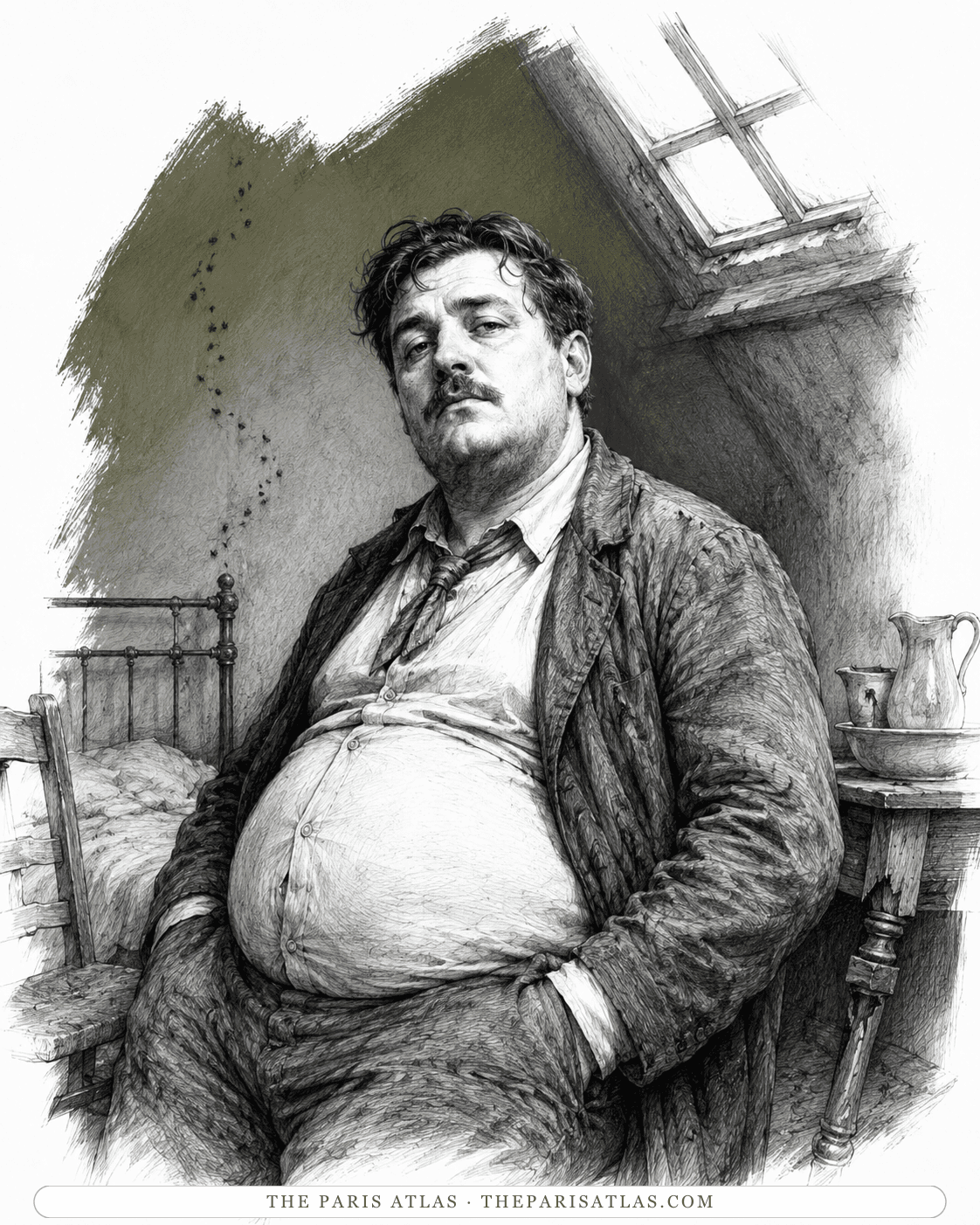
The Russian ex-waiter the narrator met in a hospital ward, laid up with arthritis in one leg. He knows how Paris hiring works, talks constantly about Napoleon and the regiment he served in, and is the reason the narrator ends up at the Auberge de Jehan Cottard.
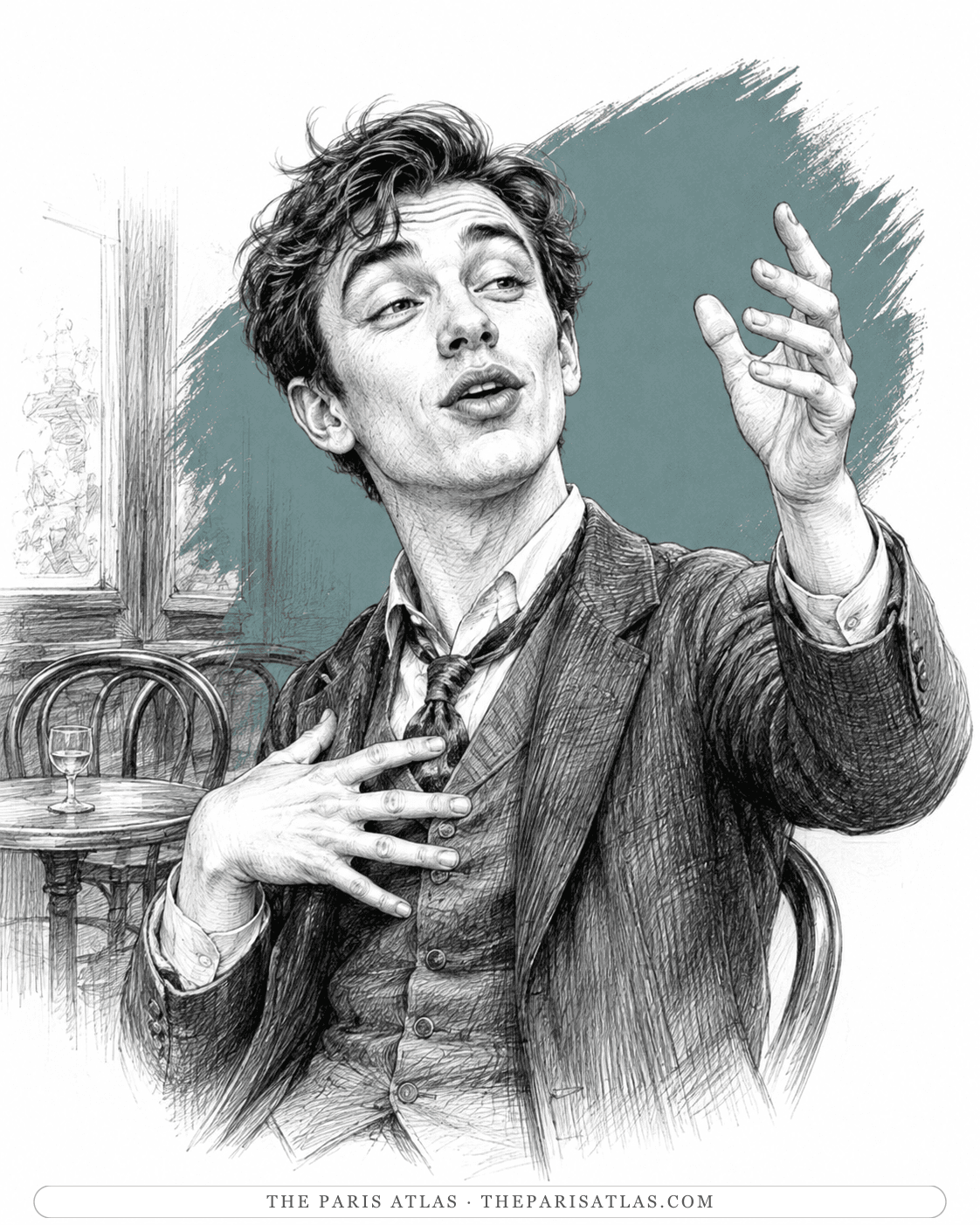
A young man of family and education who ran away from home and lives in the quarter on occasional remittances. He drinks in the bistro under the hotel and talks, mostly about himself. Two chapters are given over to monologues of his, taken down at length.
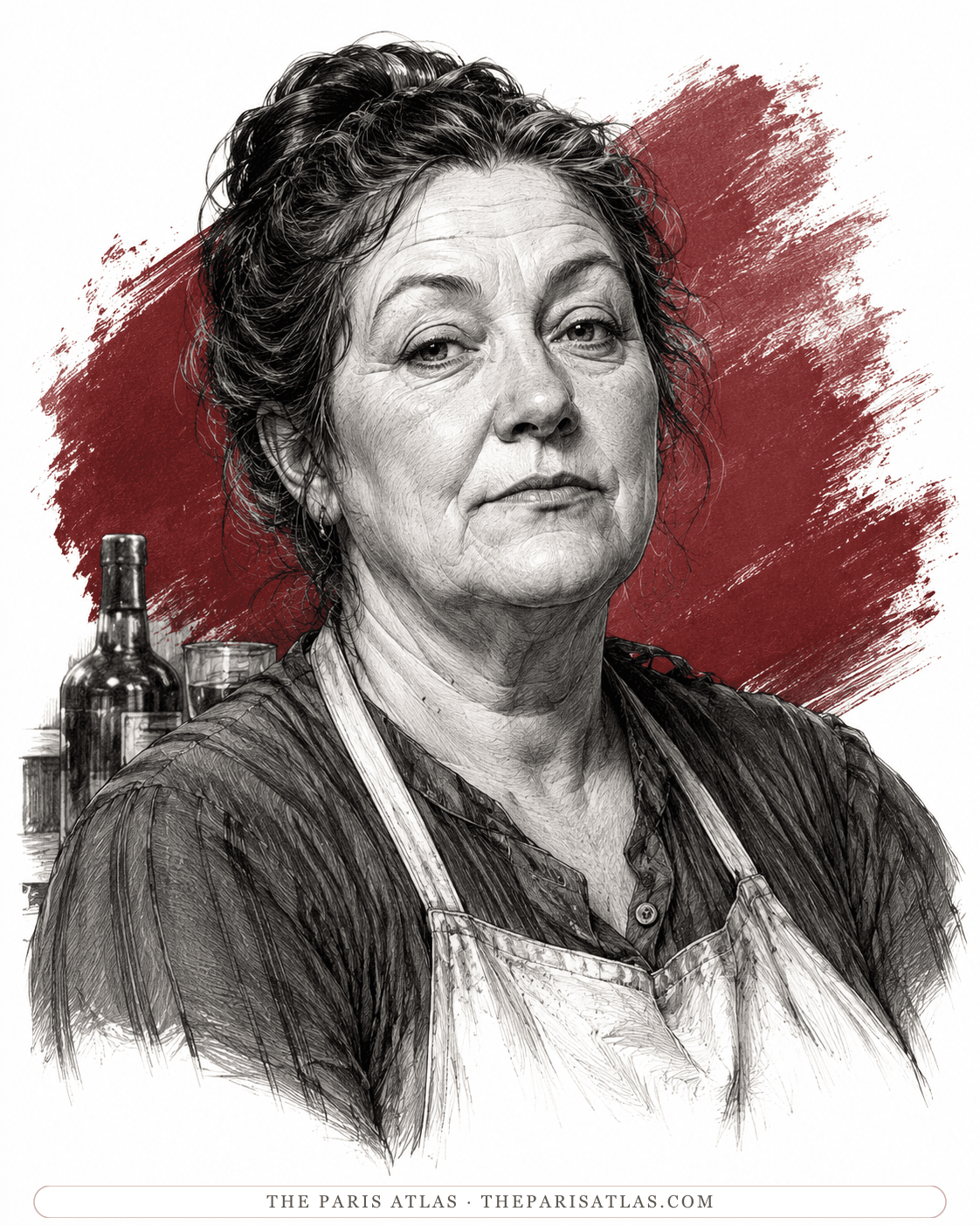
The patronne of the Hôtel des Trois Moineaux, where the narrator lodges, and of the bistro in its cellar. She sets the rent, judges the lodgers, pours the wine on Saturday nights, and takes a drunk stonemason's wages off him before he can spend them.
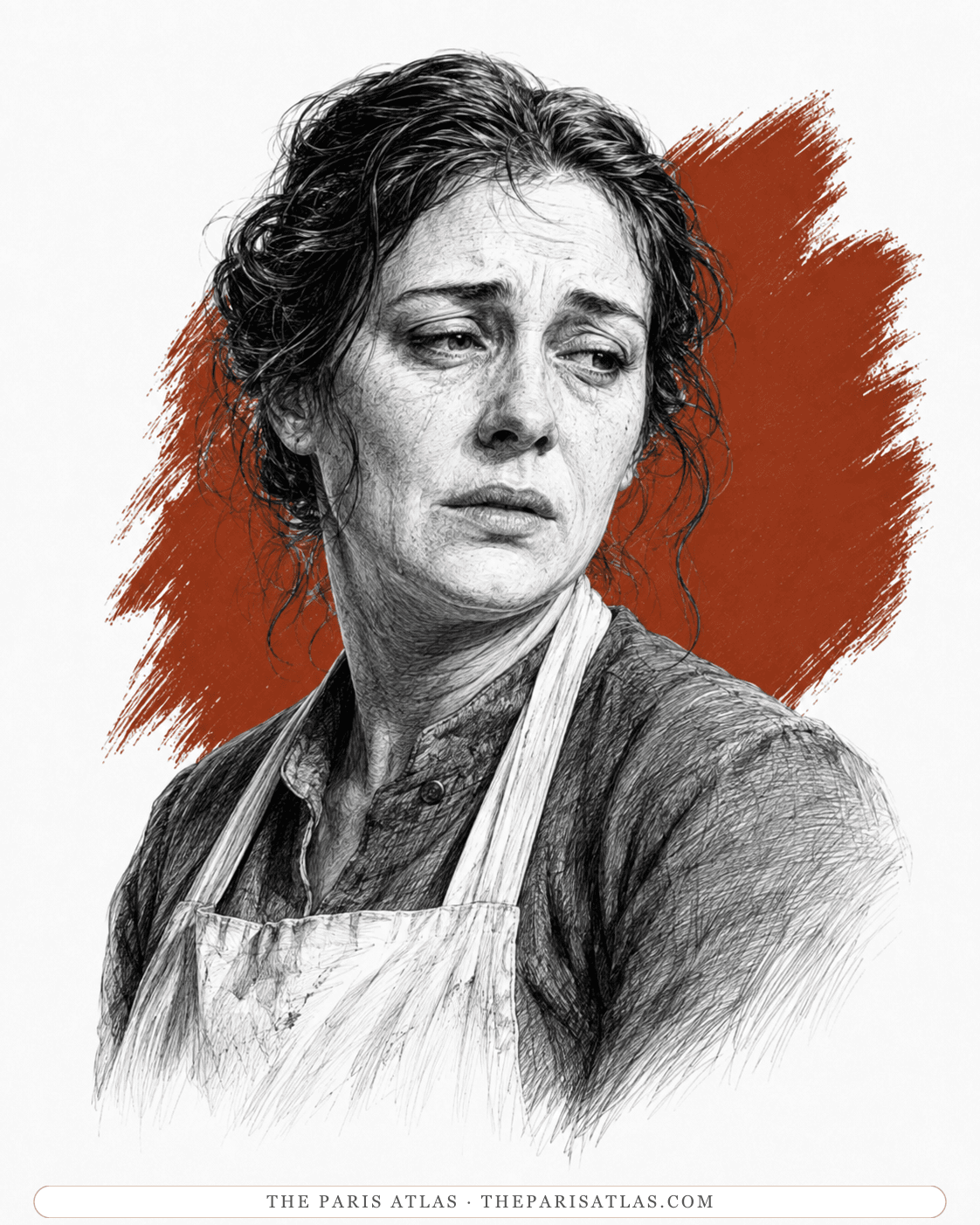
The Baltic Russian woman who runs the kitchen at the Auberge de Jehan Cottard, the underfunded Paris restaurant where the narrator washes dishes. She works from eight in the morning to midnight, and the book never gives her a name.
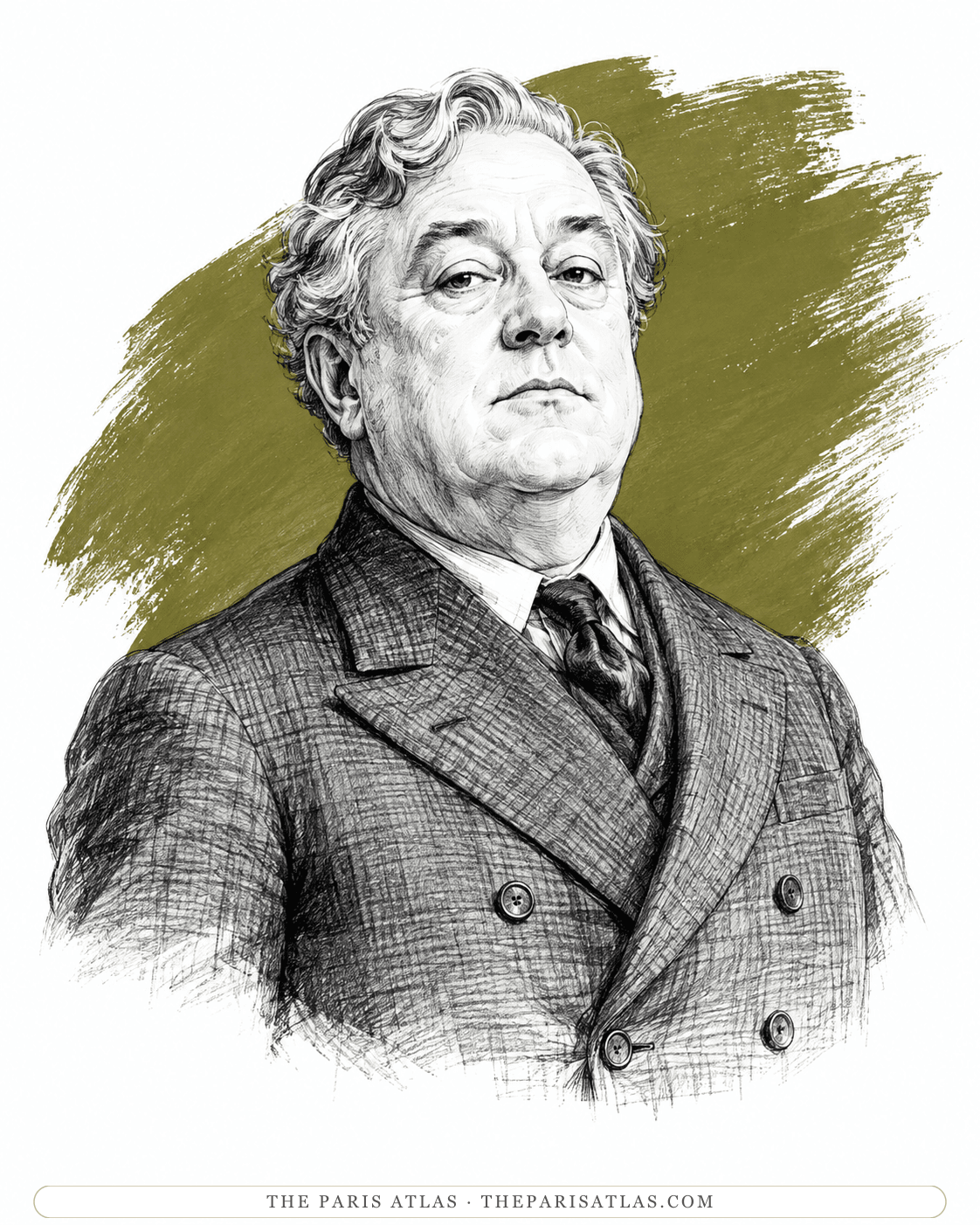
The owner of the Auberge de Jehan Cottard: an ex-colonel of the Russian Army in a double-breasted flannel suit, who opened a restaurant with no money, no saucepans, and a printed leaflet claiming Charlemagne had eaten on the site.
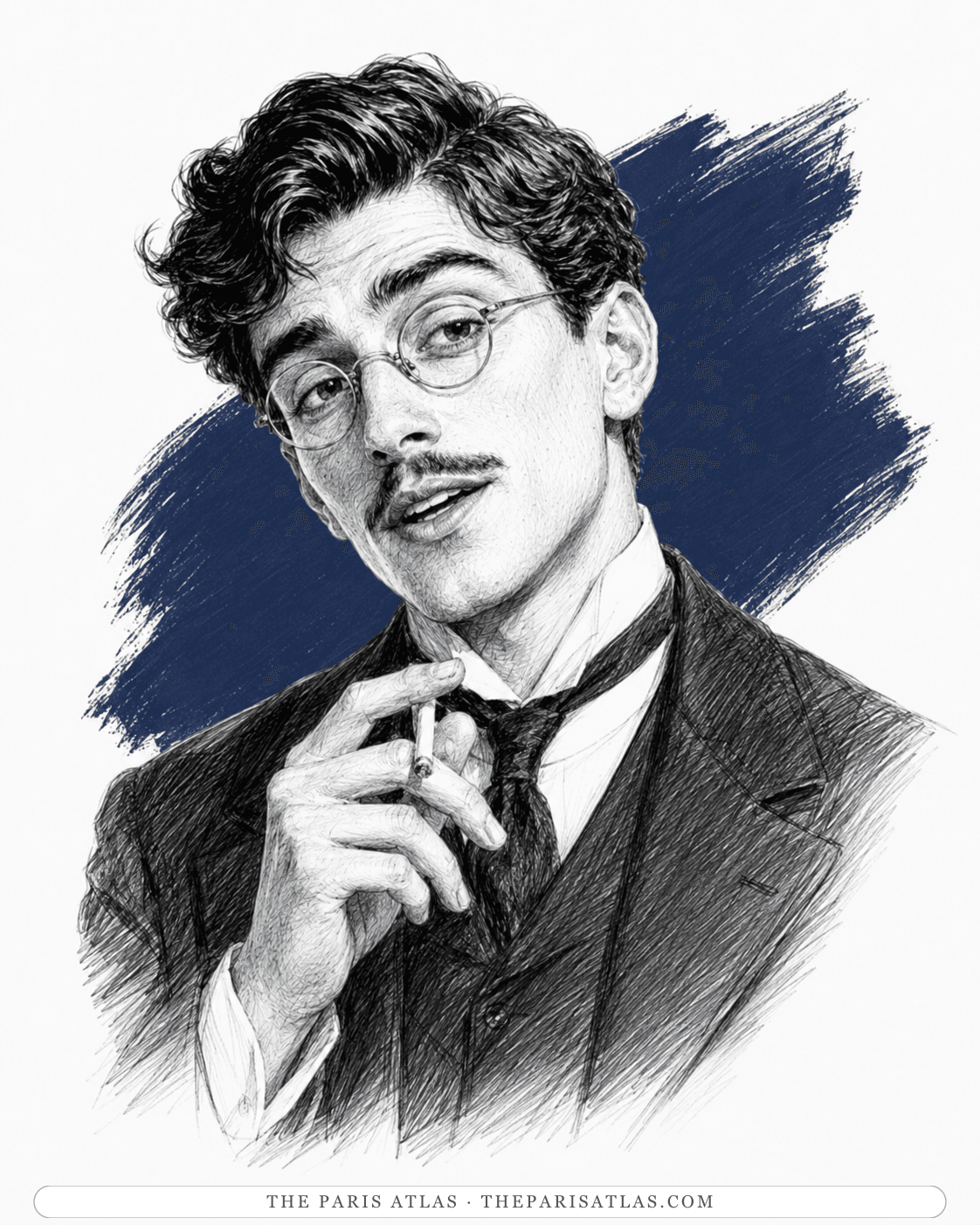
The second waiter at the Auberge de Jehan Cottard: a Magyar, a former medical student, a Communist who said he could prove by figures that working was wrong, and the one member of the staff who never did any. Not the Monsieur Jules of Chapter I, who is a different man.

A miser of the narrator's Paris quarter who lived on damaged vegetables while holding half a million francs, and lost six thousand of them to a cocaine-smuggling scheme. He died before Orwell arrived, and the whole story reaches the book secondhand.

An Irish tramp the narrator meets peeling potatoes in a casual ward — "a melancholy pale man who seemed clean and decent" — and walks with for most of the London half.
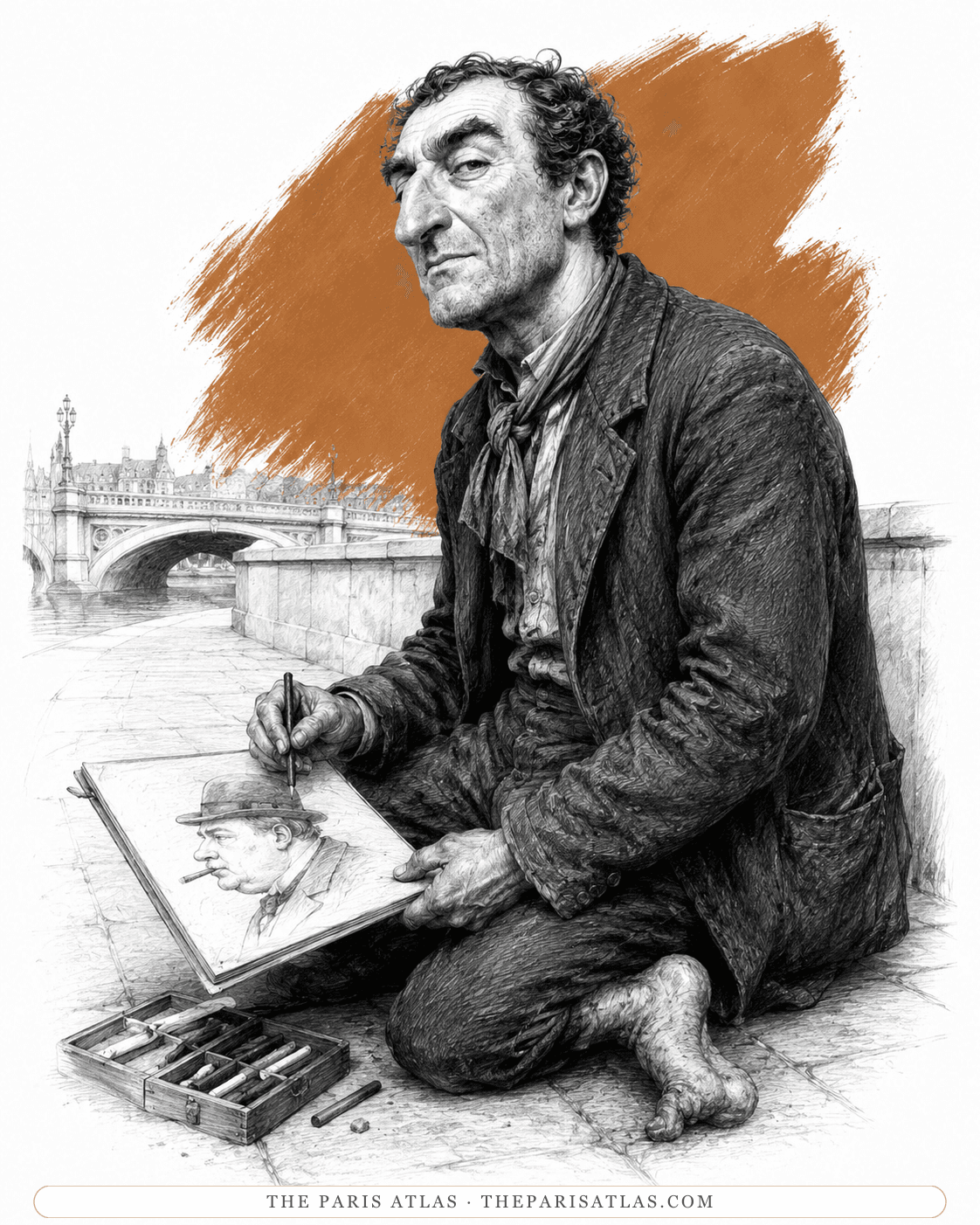
A screever, or pavement artist, who works the Embankment near Waterloo Bridge with a box of chalks. The last news the book has of him is fourteen days in Wandsworth for begging.
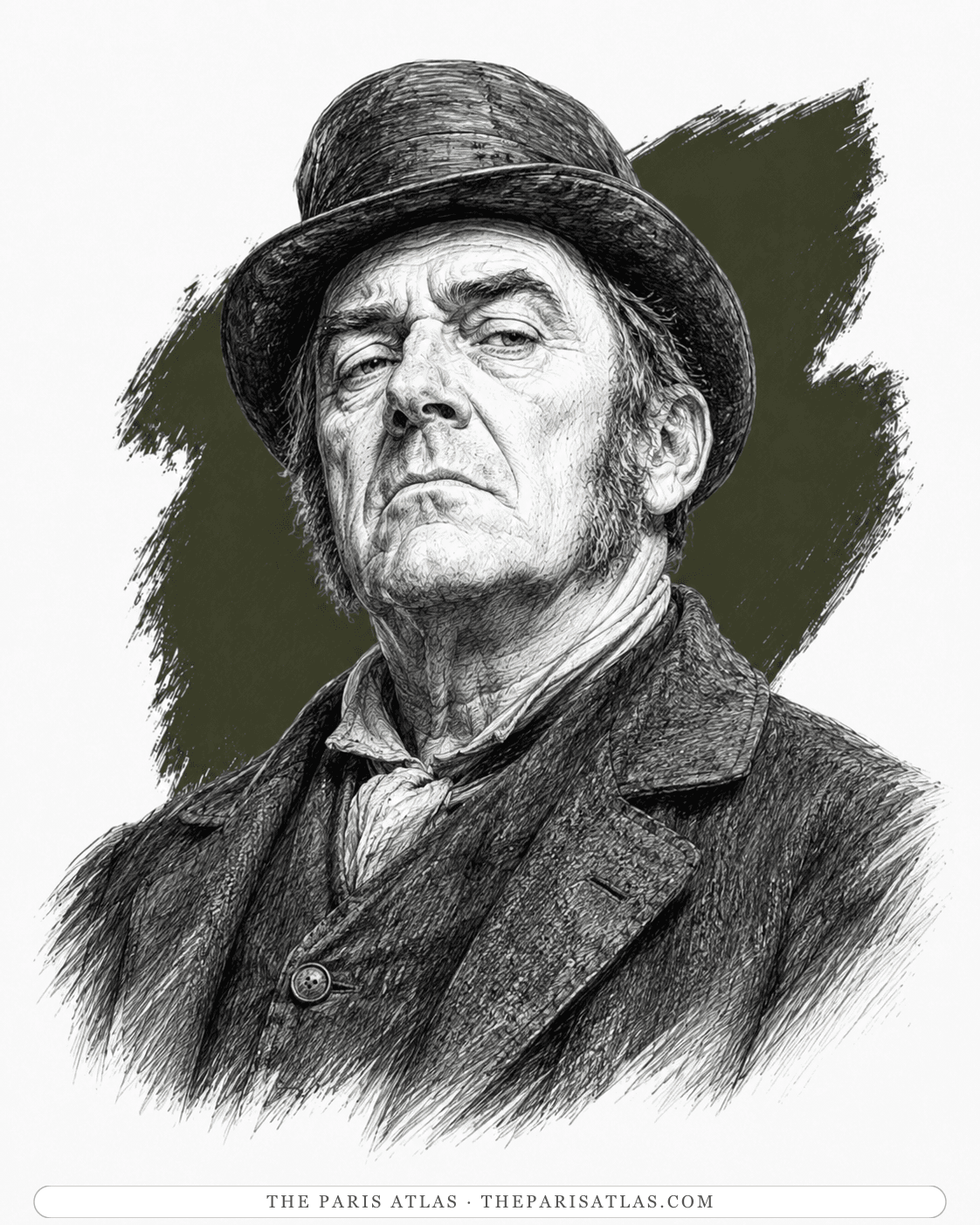
The workhouse official who runs the casual ward at Lower Binfield in Kent. Tramps on the road call him a tyrant. He decides the narrator is a gentleman, and spends the weekend quietly making an exception of him.
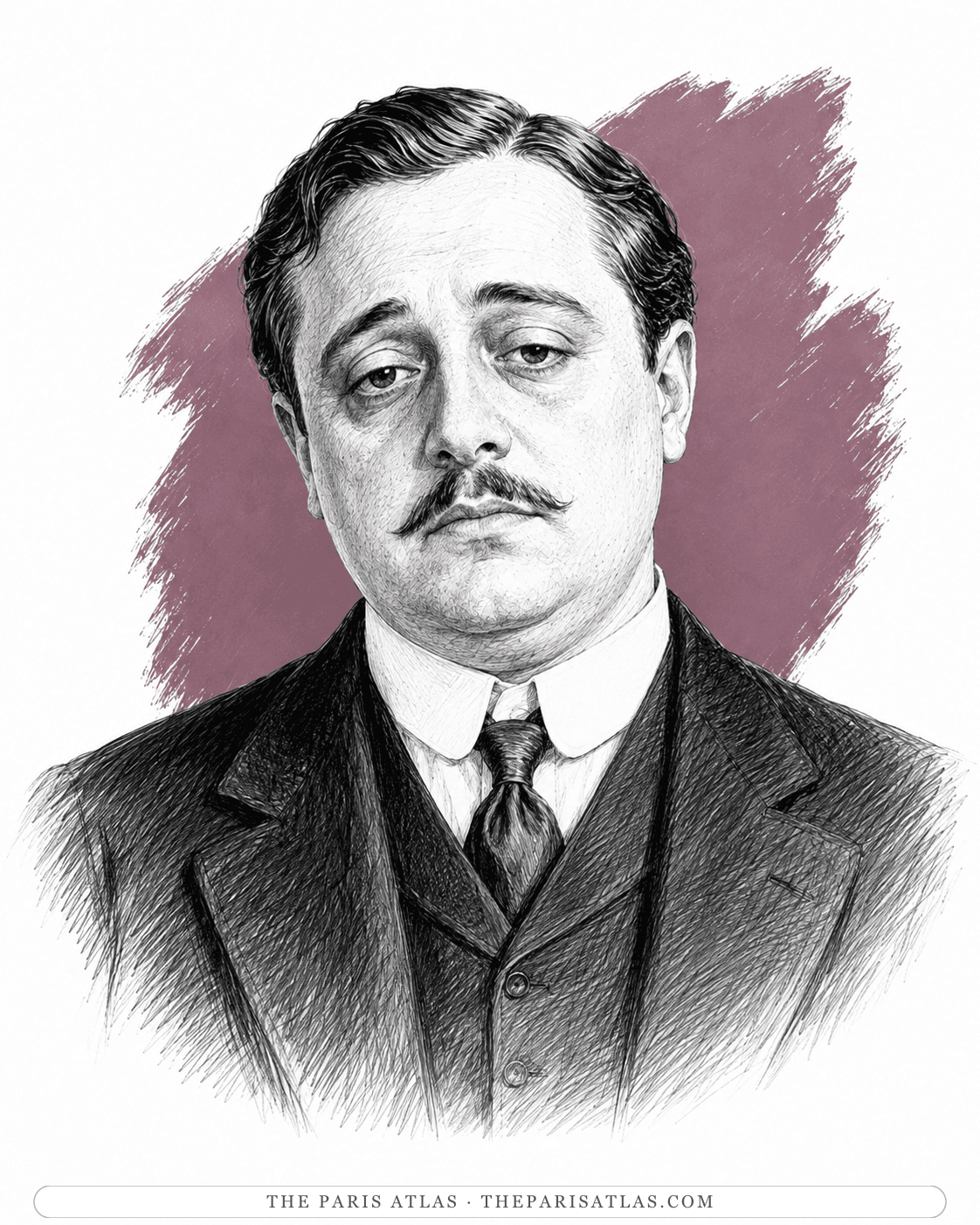
The assistant manager at the Hôtel X. He hires the narrator at the service door, sets what he does all day, and can sack a dishwasher or fine a waiter.
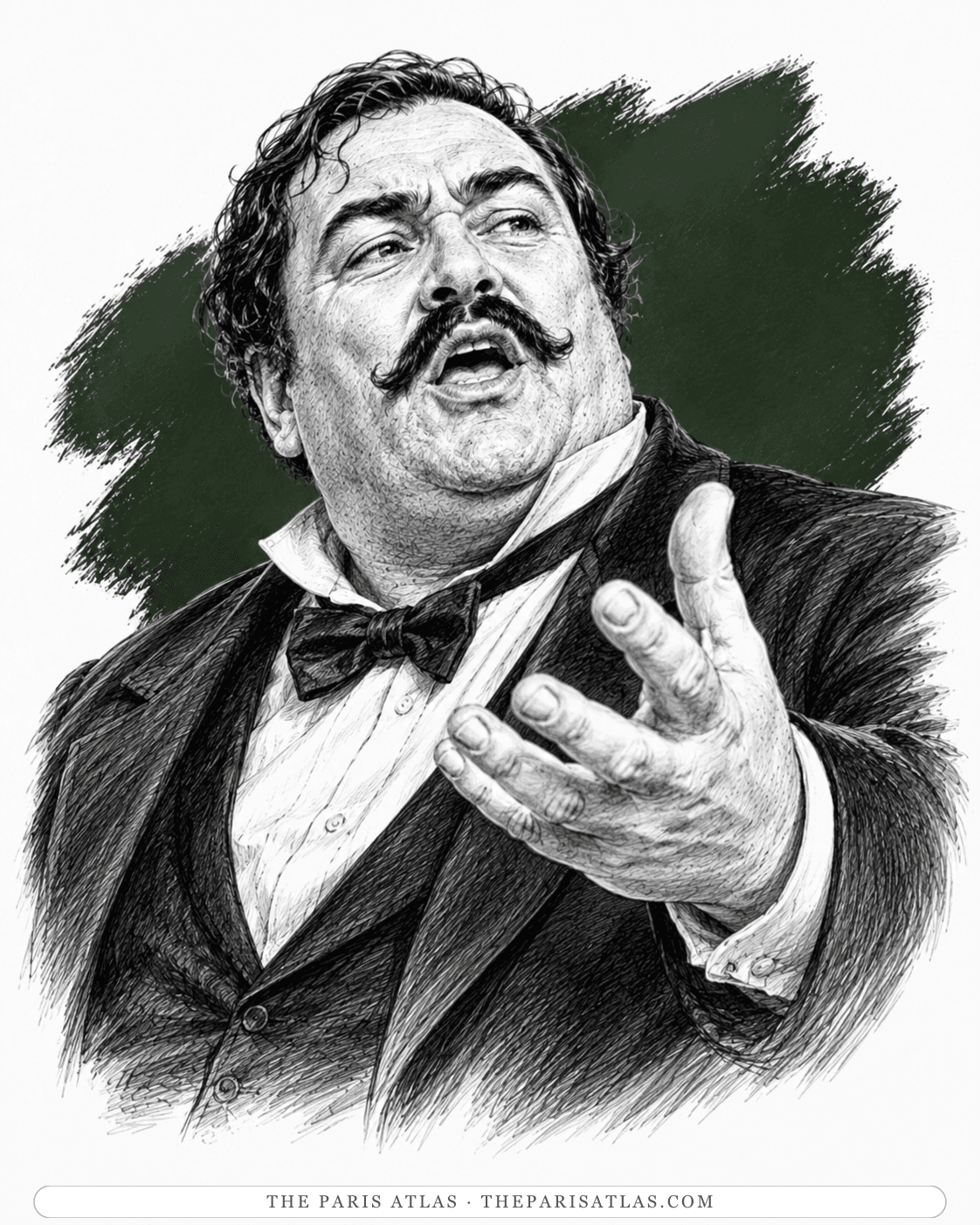
The Italian in charge of the cafeterie at the Hôtel X. Fourteen years underground, and the reason the breakfast orders go out at all.
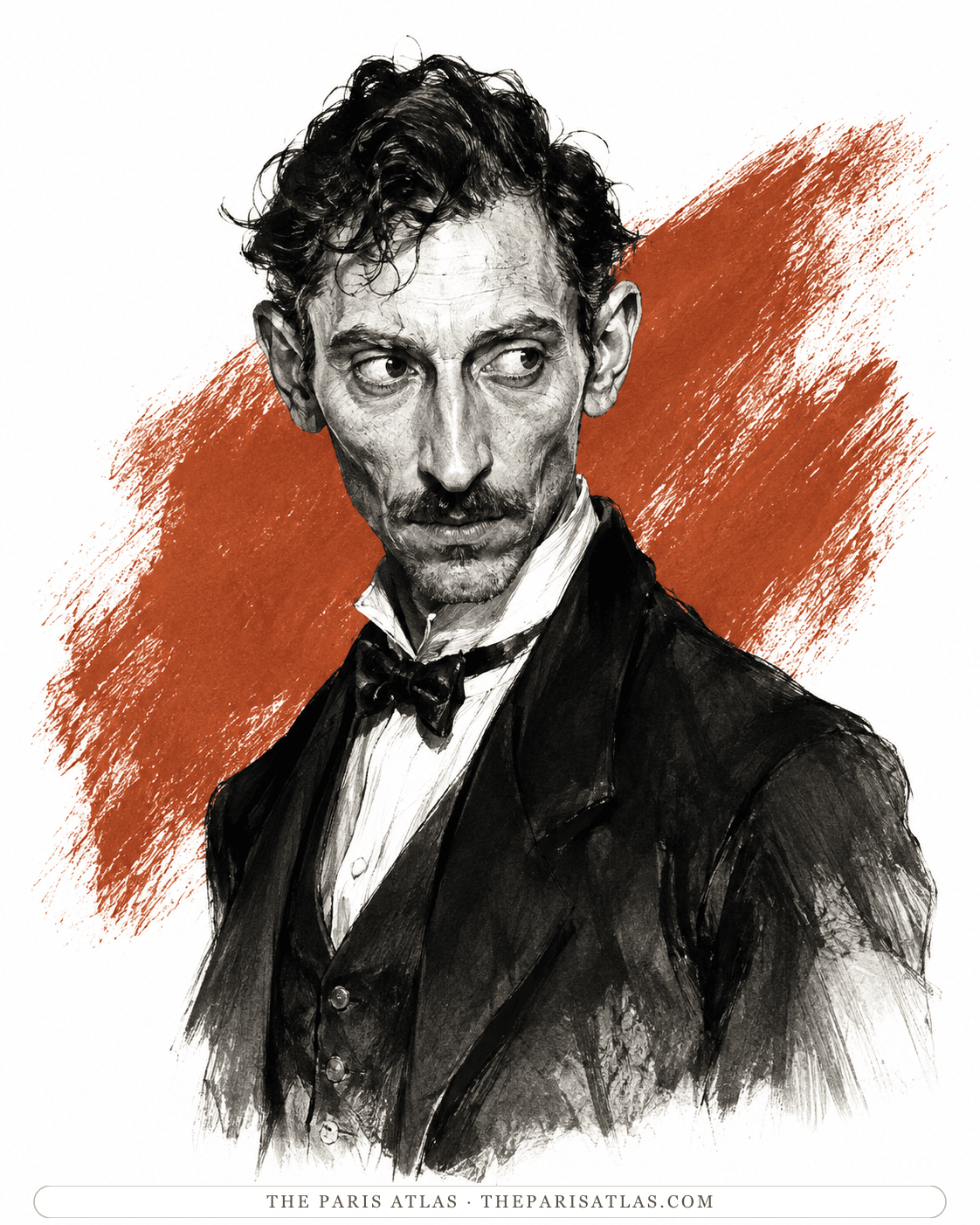
A waiter at the Hôtel X, accused to his face of being an Italian spy. He does not deny it, and answers with a razor.
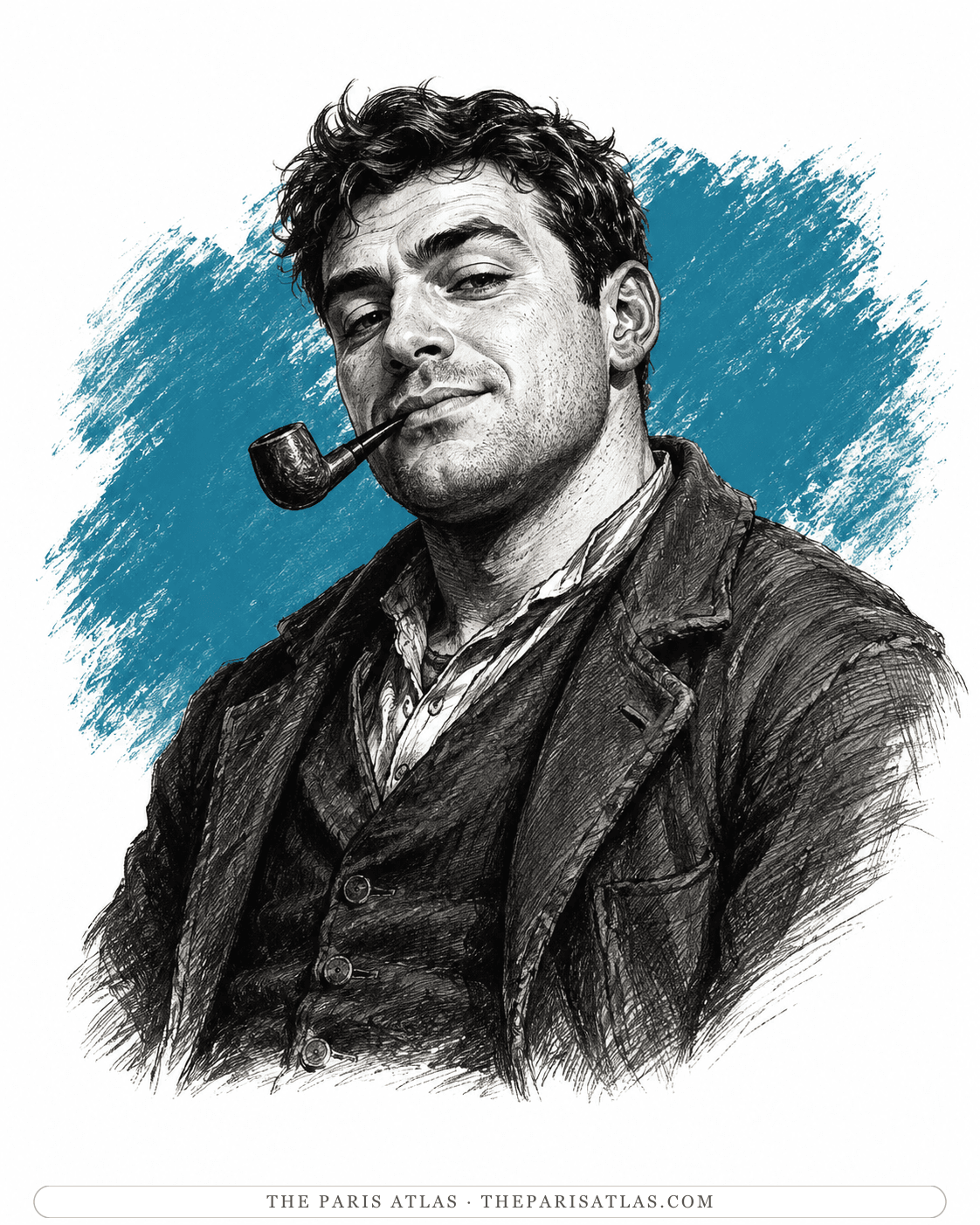
A day labourer hired to cover a sick man at the Hôtel X. He works flat out until noon, then gets himself sacked on purpose, because the wages are already earned.

The fourth man in the basement cafeterie of the Hôtel X, known to the staff only by that nickname. He is not the same person as Jules, the waiter later in the book who is also described as a Magyar.

A sewer worker lodging in the narrator's hotel who has stopped speaking, except for the purposes of work, for days at a time.
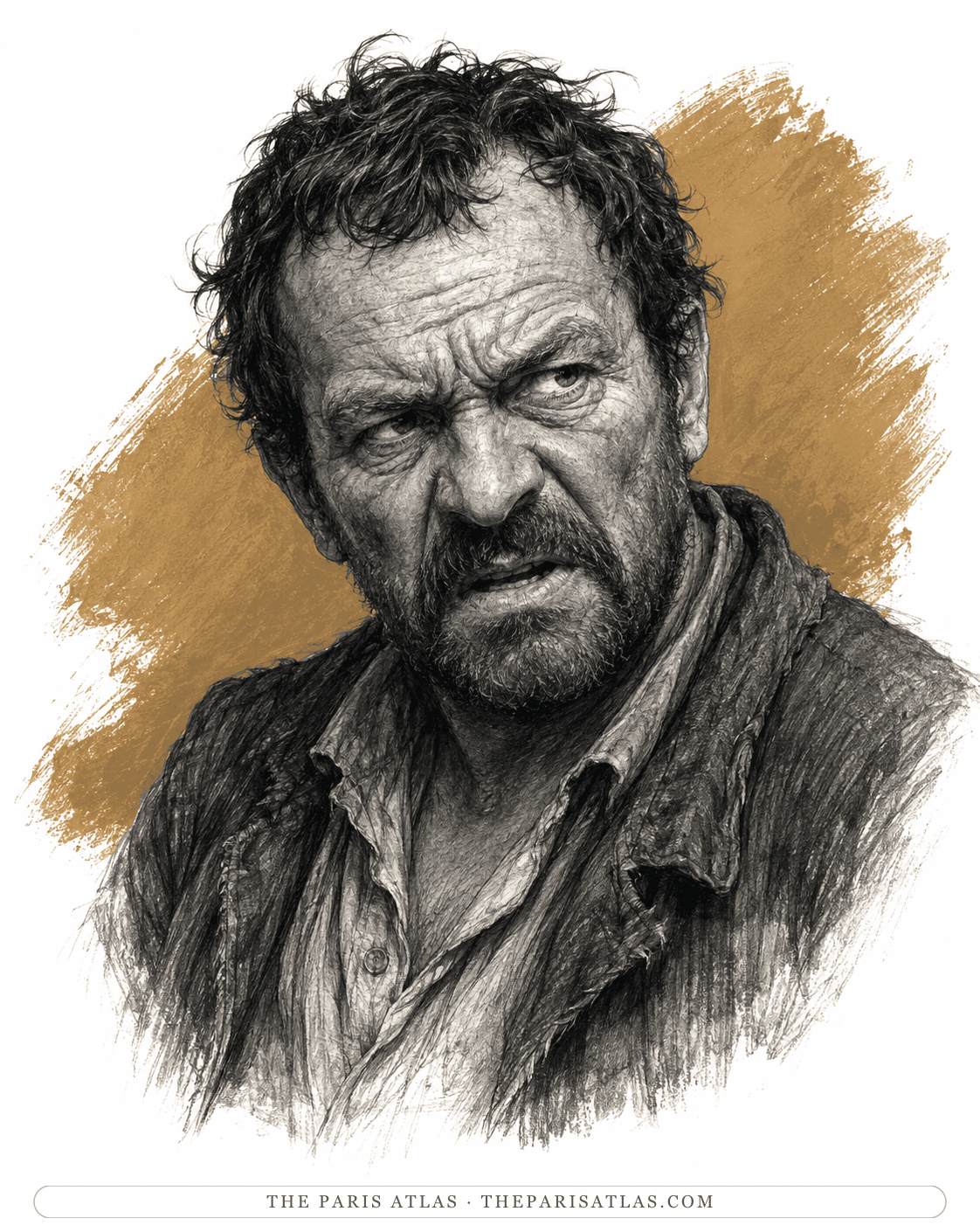
A stonemason from the Limousin who works steadily all week and drinks himself into a paroxysm on Saturdays. A Communist sober, a patriot drunk.
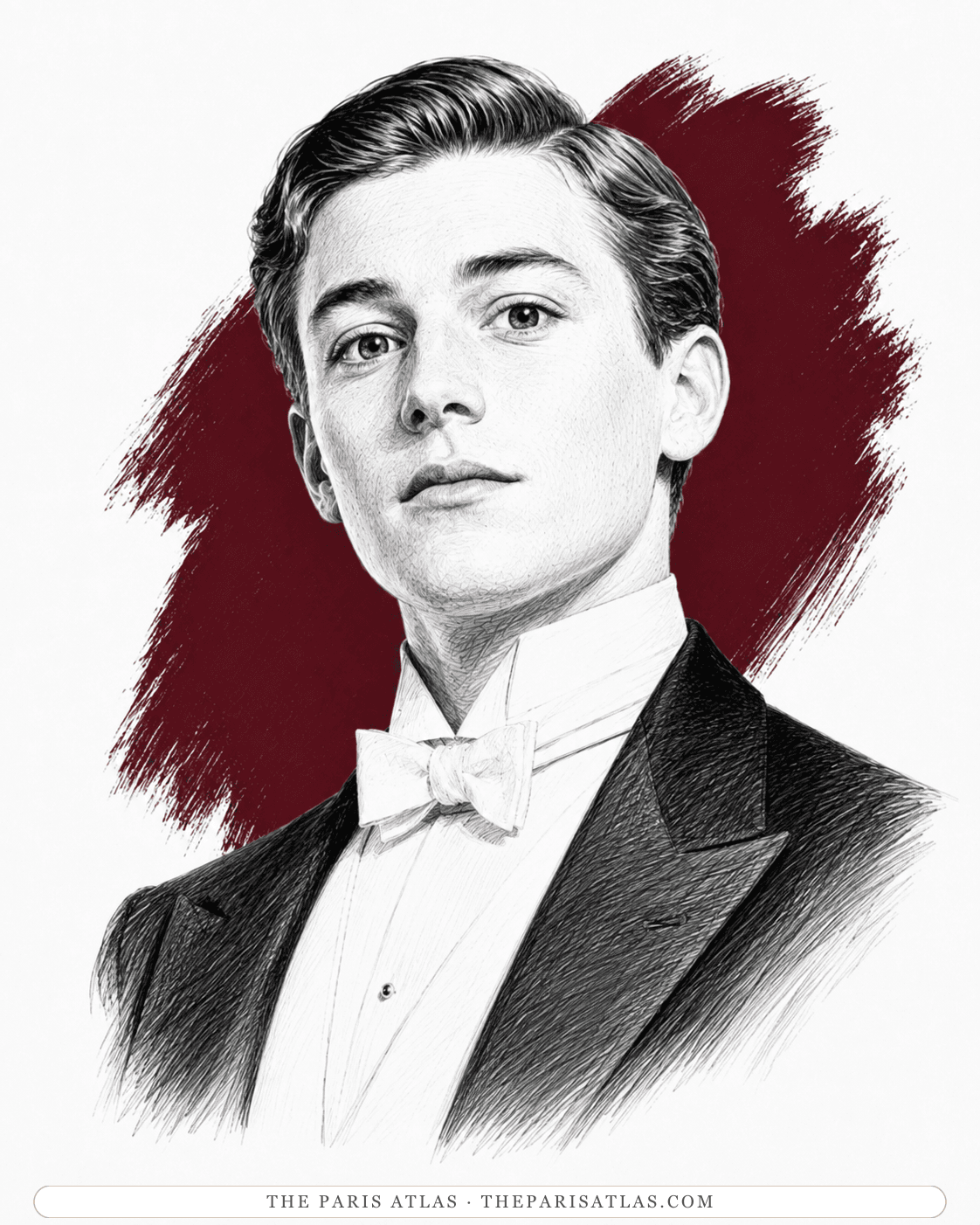
The fourth-floor waiter at the Hôtel X. Twenty-four, looks eighteen, and has been earning his own living since he was twelve.
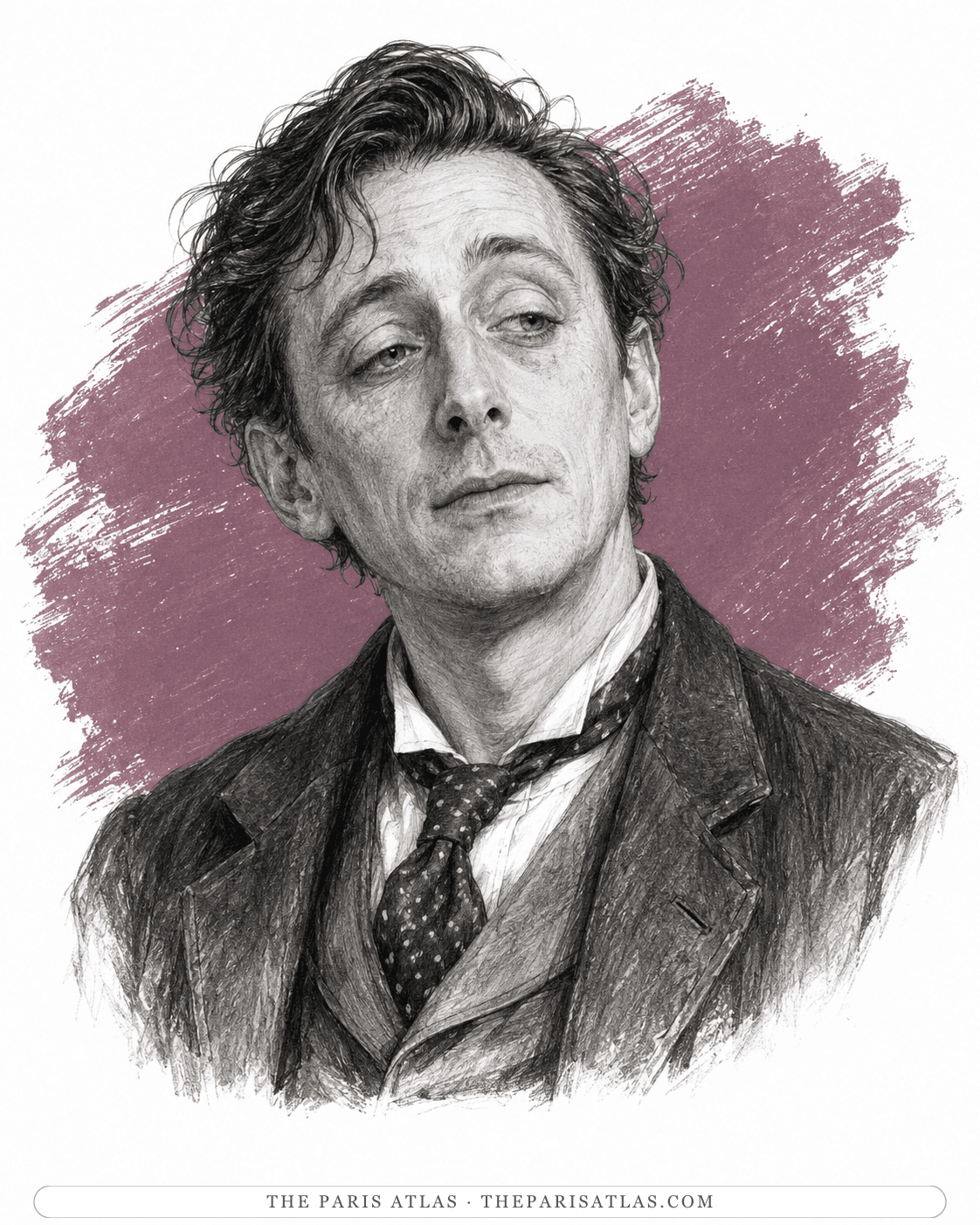
An Englishman in the narrator's Paris quarter who drinks four litres of wine a day and talks about antique furniture.

An old, ragged couple in the narrator's hotel who sold postcards on the Boulevard St Michel in sealed packets, as pornography. The photographs inside were of chateaux on the Loire, and the buyers never complained.
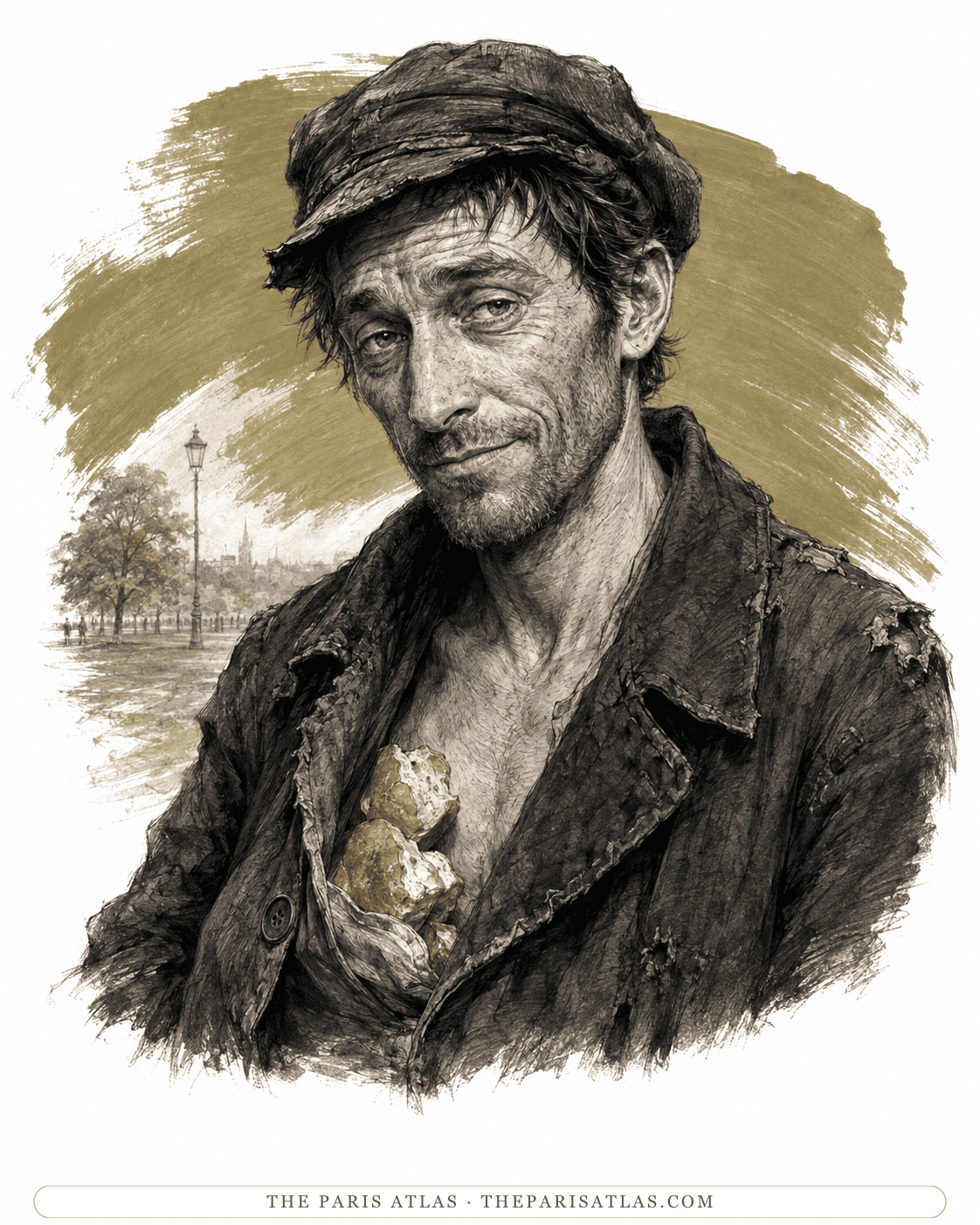
A tramp the narrator meets at a camp in Kent in the London half of the book: strong, cheerful, openly opposed to work, and living entirely by begging bread from shopkeepers.
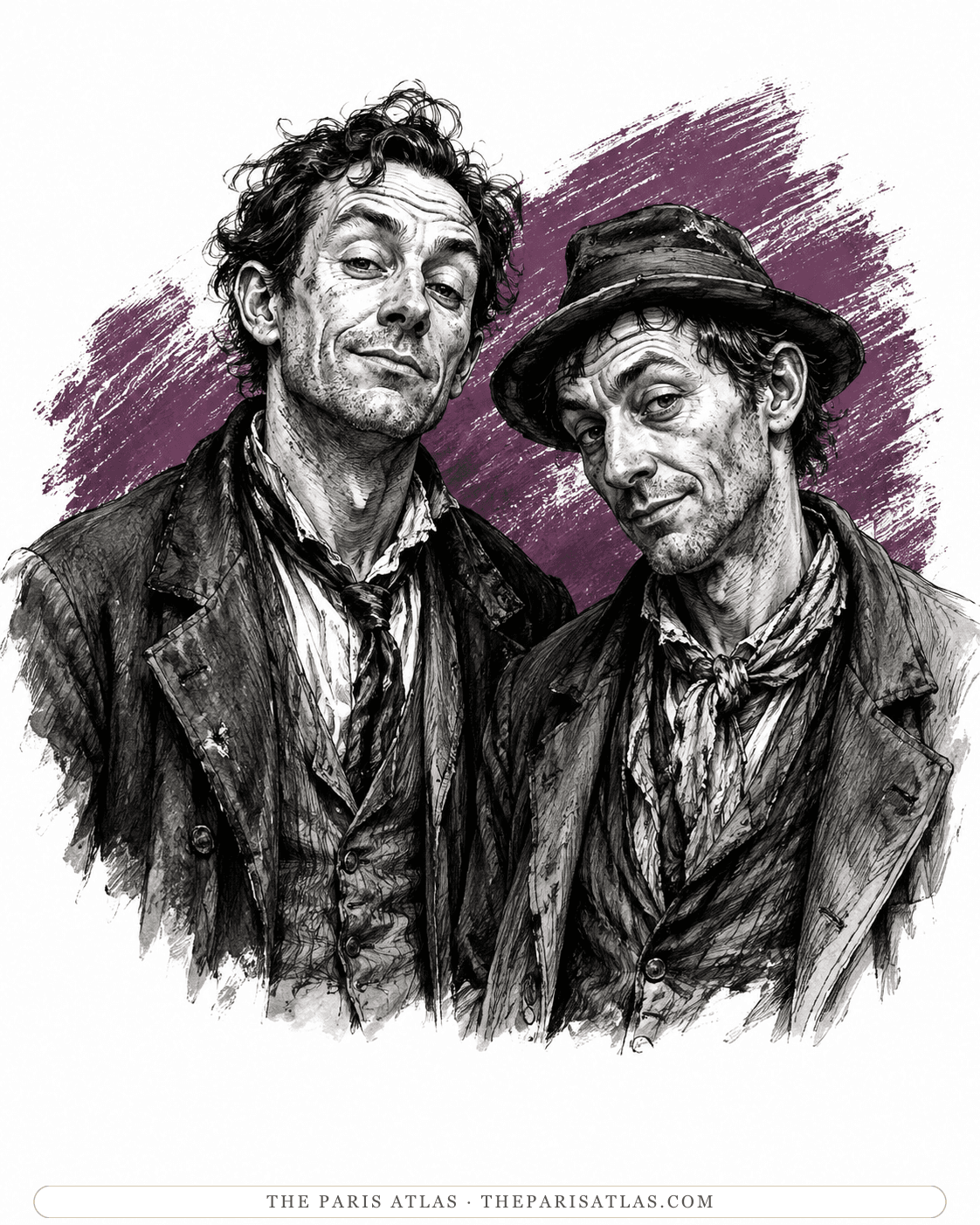
Two young ex-fishermen from Norfolk, met in a Kent casual ward. They sing everywhere they land, and they will ruin a pair of boots for the price of the replacements.
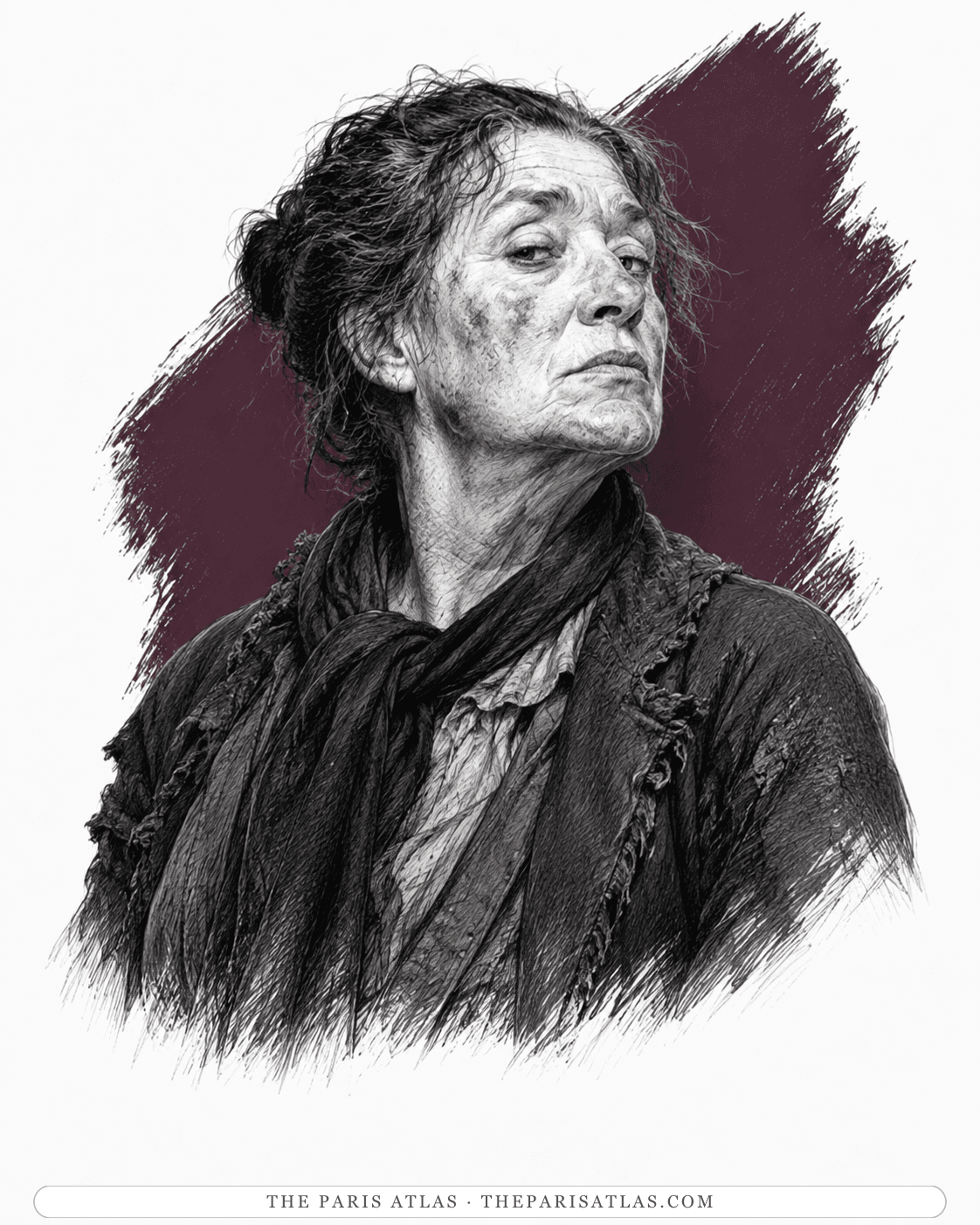
The only woman among the several dozen tramps waiting on the green at Lower Binfield, and the first woman tramp the narrator had seen. She kept apart from the men, and said so when one of them tried to talk to her.
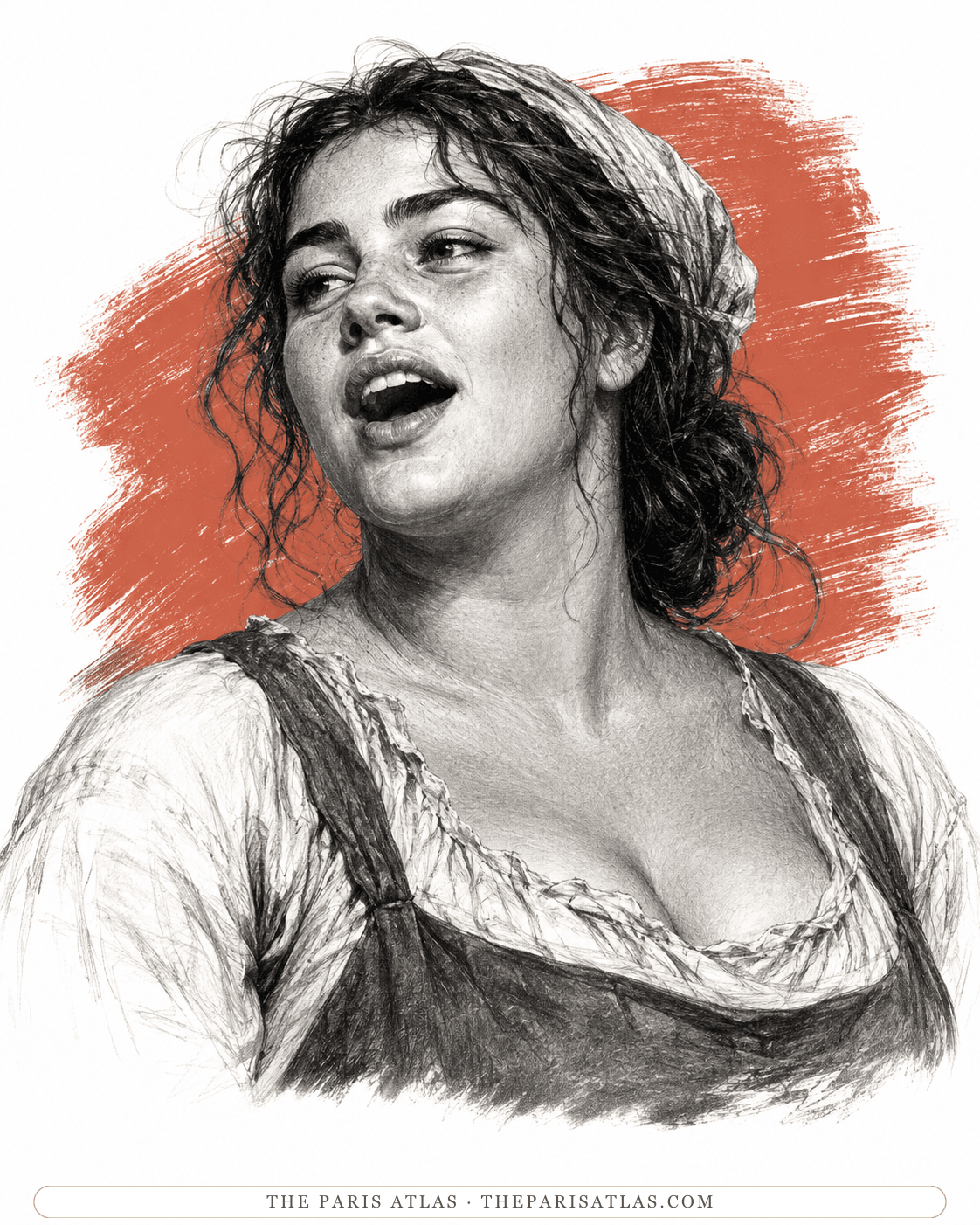
A peasant girl who worked fourteen hours a day in a glass factory and sang at the Saturday drinking nights in the bistro below the narrator's hotel.

A thin, dark Corsican girl, Azaya's friend, who danced at the same Saturday nights in the bistro below the narrator's hotel.

The keeper of the hotel opposite the narrator's, whose shouted quarrel with a third-floor lodger about squashing bugs on the wallpaper opens the book.
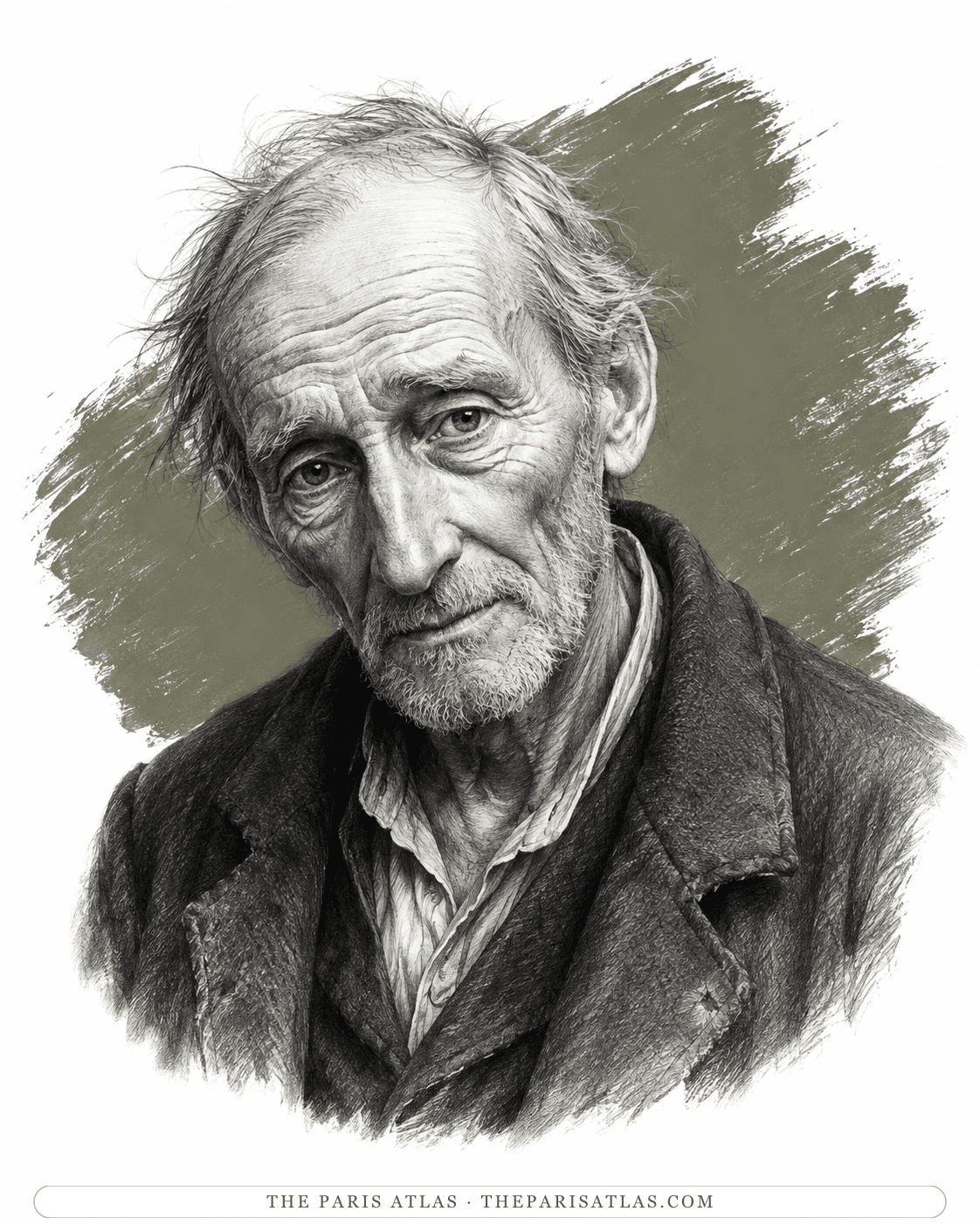
A rag merchant in the Coq d'Or quarter who copied his own signature from a slip of paper he carried in his pocket.
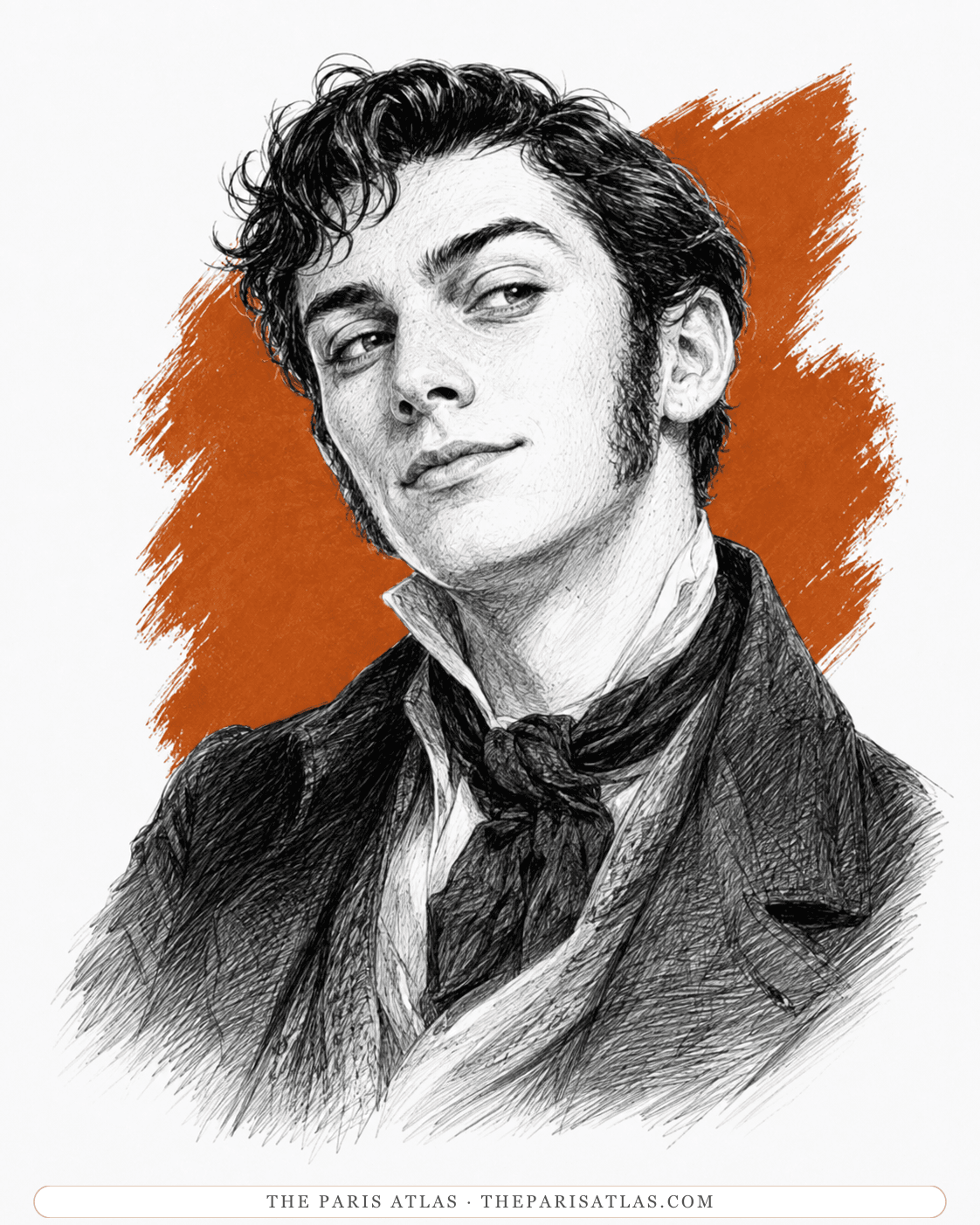
A lodger at the narrator's hotel who called himself a compositor, cut duplicate keys during his six nights there, and robbed a dozen rooms on the last one. The theft left the narrator with forty-seven francs, and the poverty the book describes begins from there.
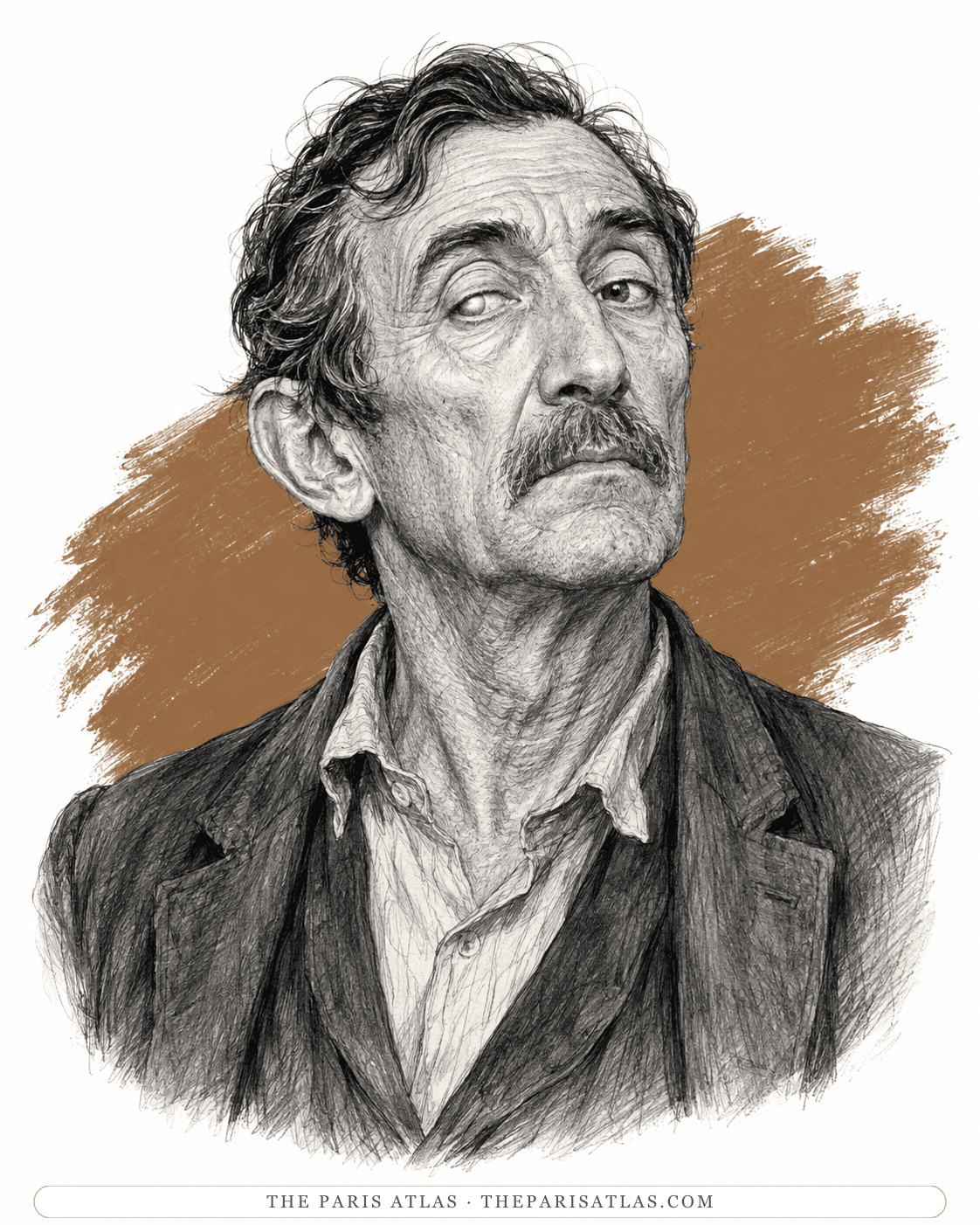
A Roumanian lodger in the Coq d'Or quarter who had a glass eye and would not admit it. A different man from Jules the Magyar, the waiter at the Auberge de Jehan Cottard later in the book.
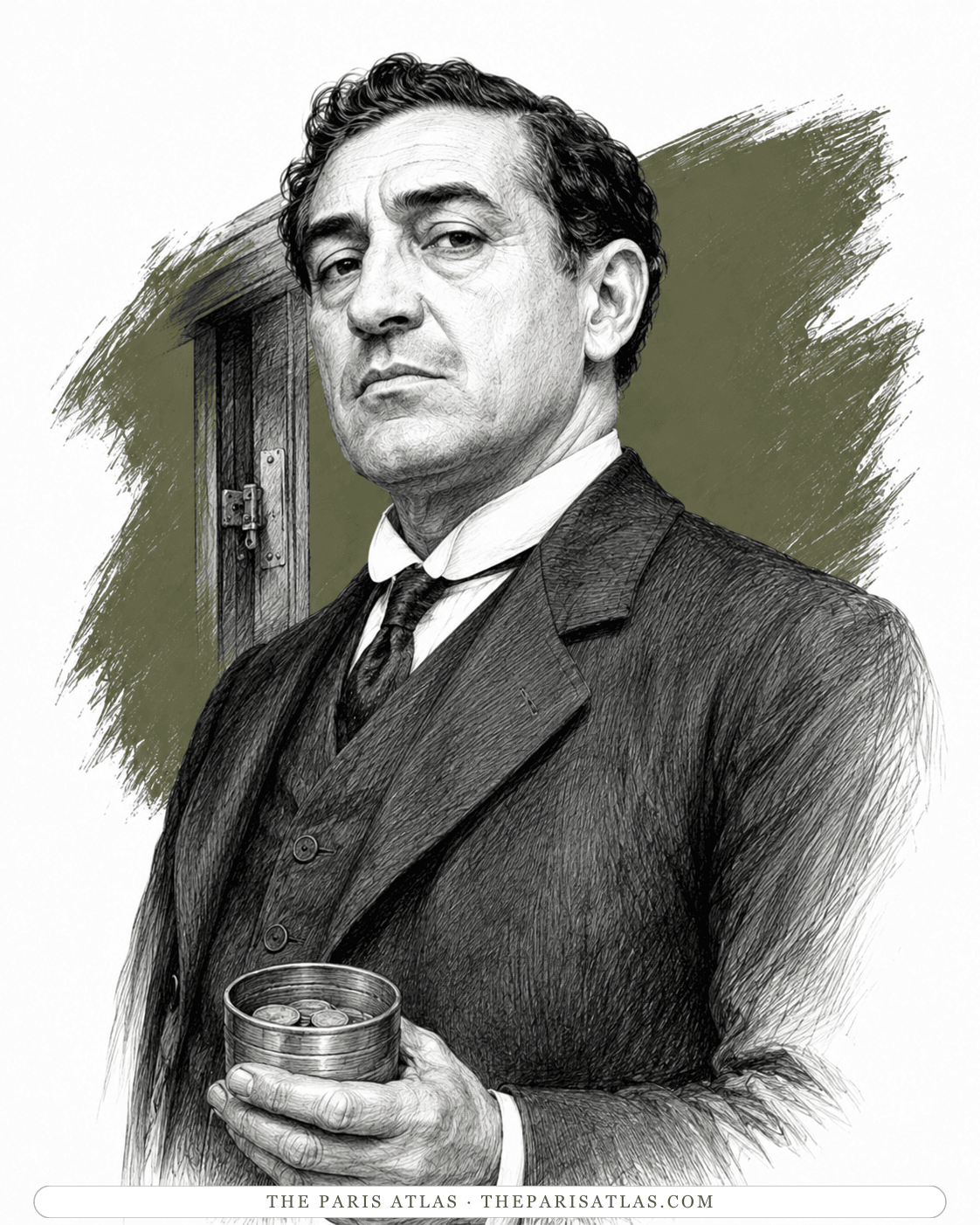
The man in the little office beside the service entrance of the Hôtel X. He checked the staff in, searched them for stolen food on the way out, paid their wages by hand, and cheated the narrator of a hundred and fourteen francs in six weeks.
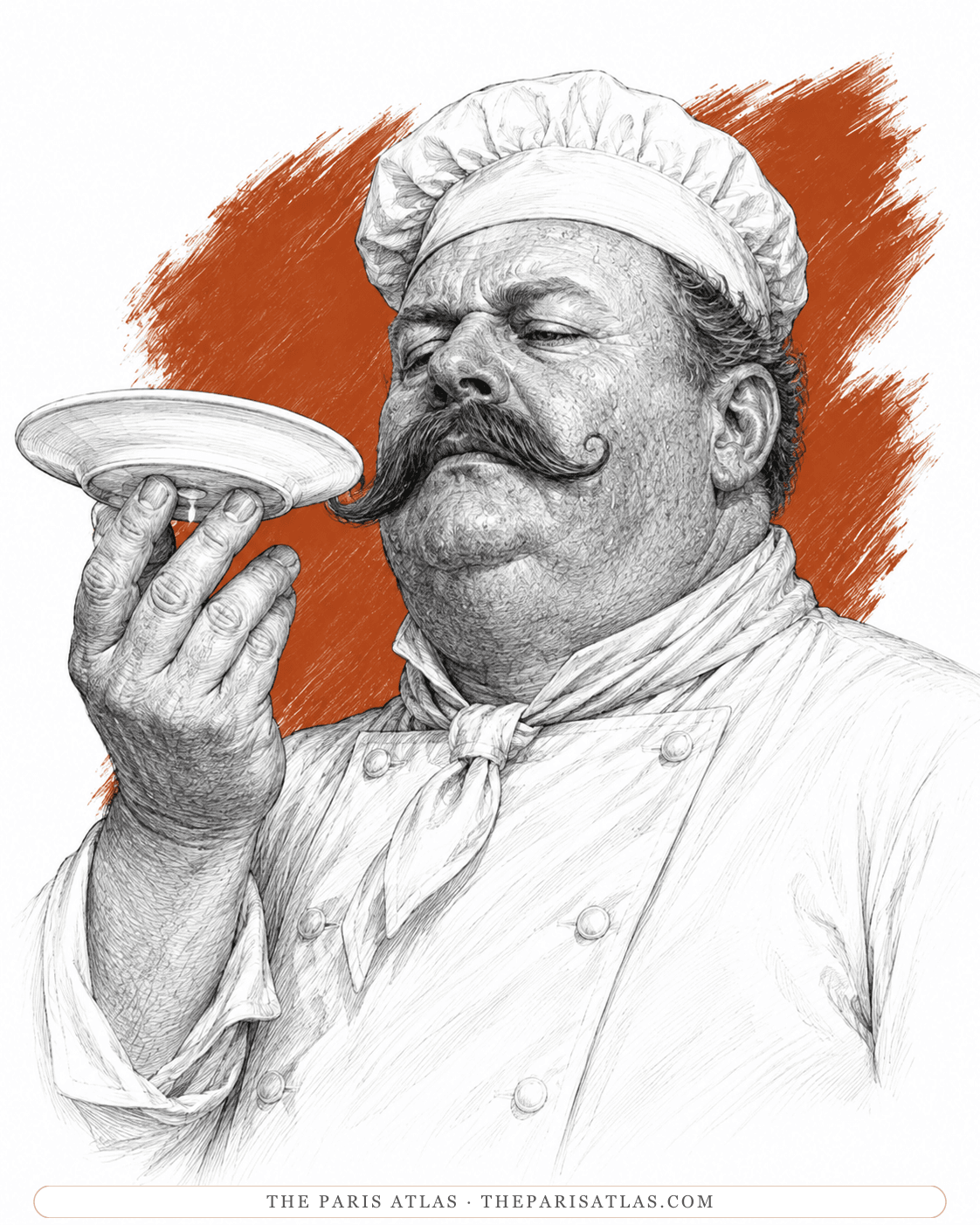
The head cook of the grand hotel: a scarlet-faced man with big moustaches who stood in the middle of the kitchen calling out several hundred dishes a day from memory. Orwell calls him an insufferable bully and an artist in the same sentence. Not the cook at the Auberge de Jehan Cottard later in the book, who is a Baltic Russian woman.
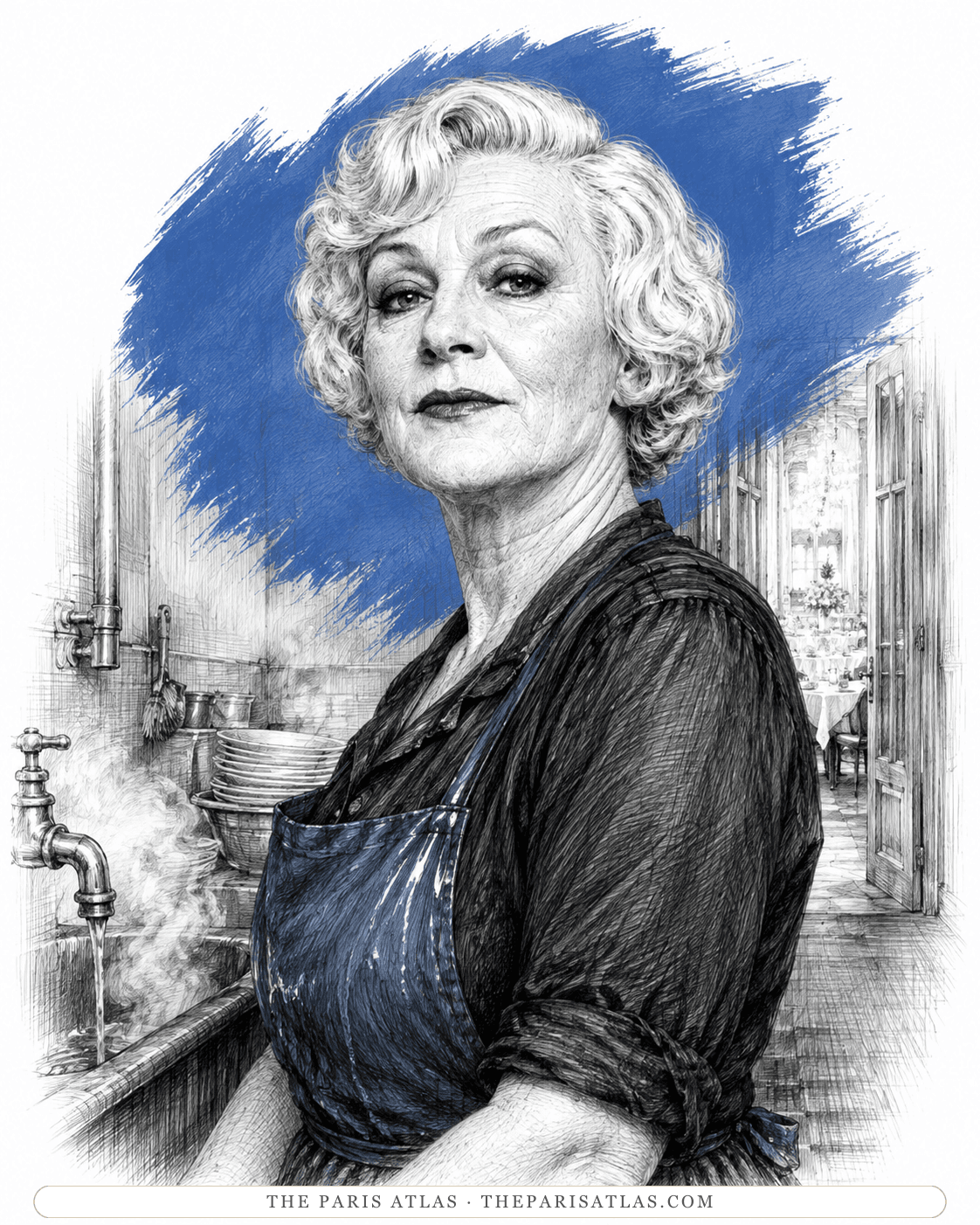
The woman the narrator replaced one day a week at the Hôtel X. She stood at the sink of the dining-room scullery thirteen hours a day, six days a week, the year round, and was quite sixty. The book never gives her a name.
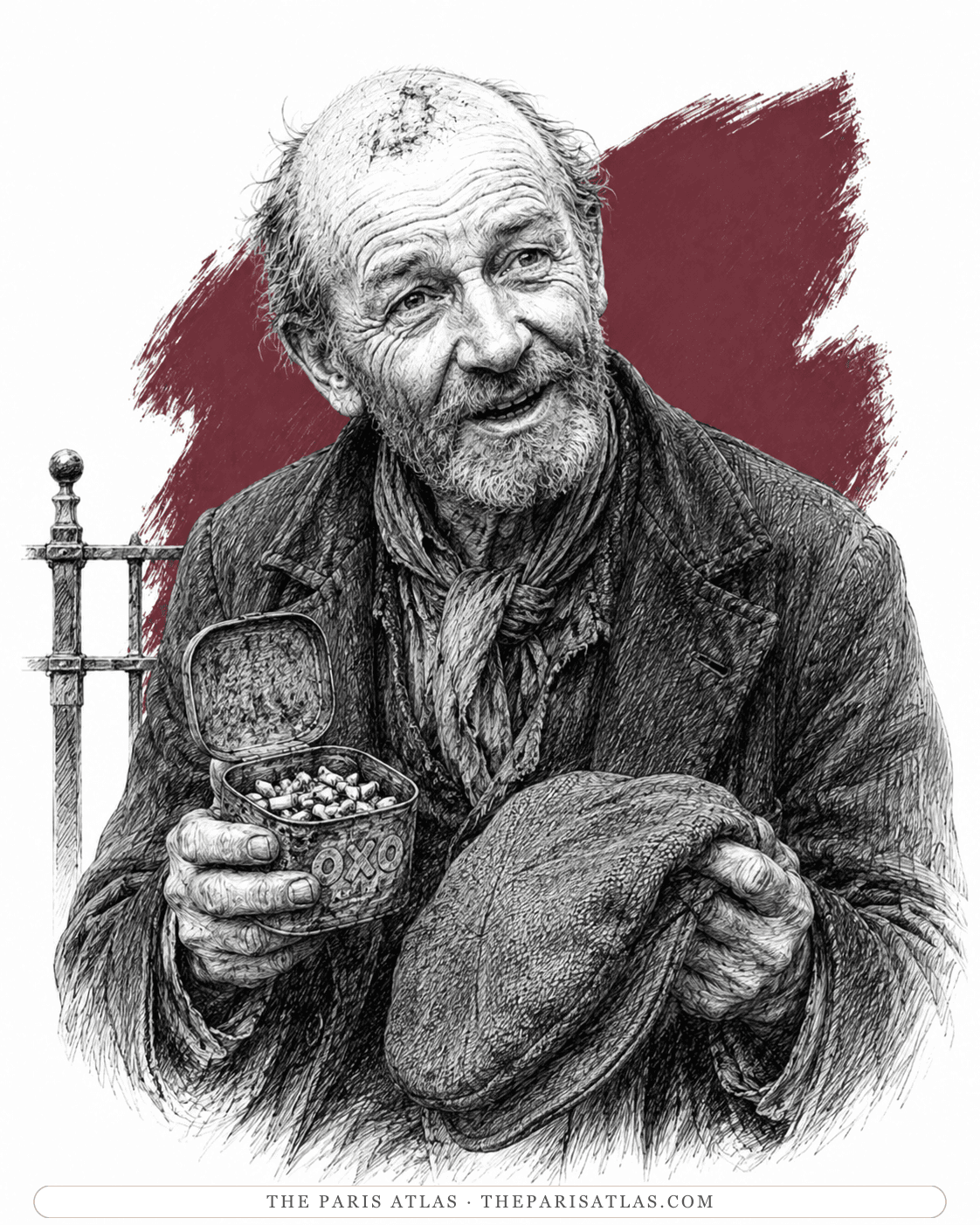
The old tramp leaning against the pigpens in Romton market-place who teaches the narrator the vocabulary of the road, takes him to a free tea, and walks him to the gate of his first casual ward.
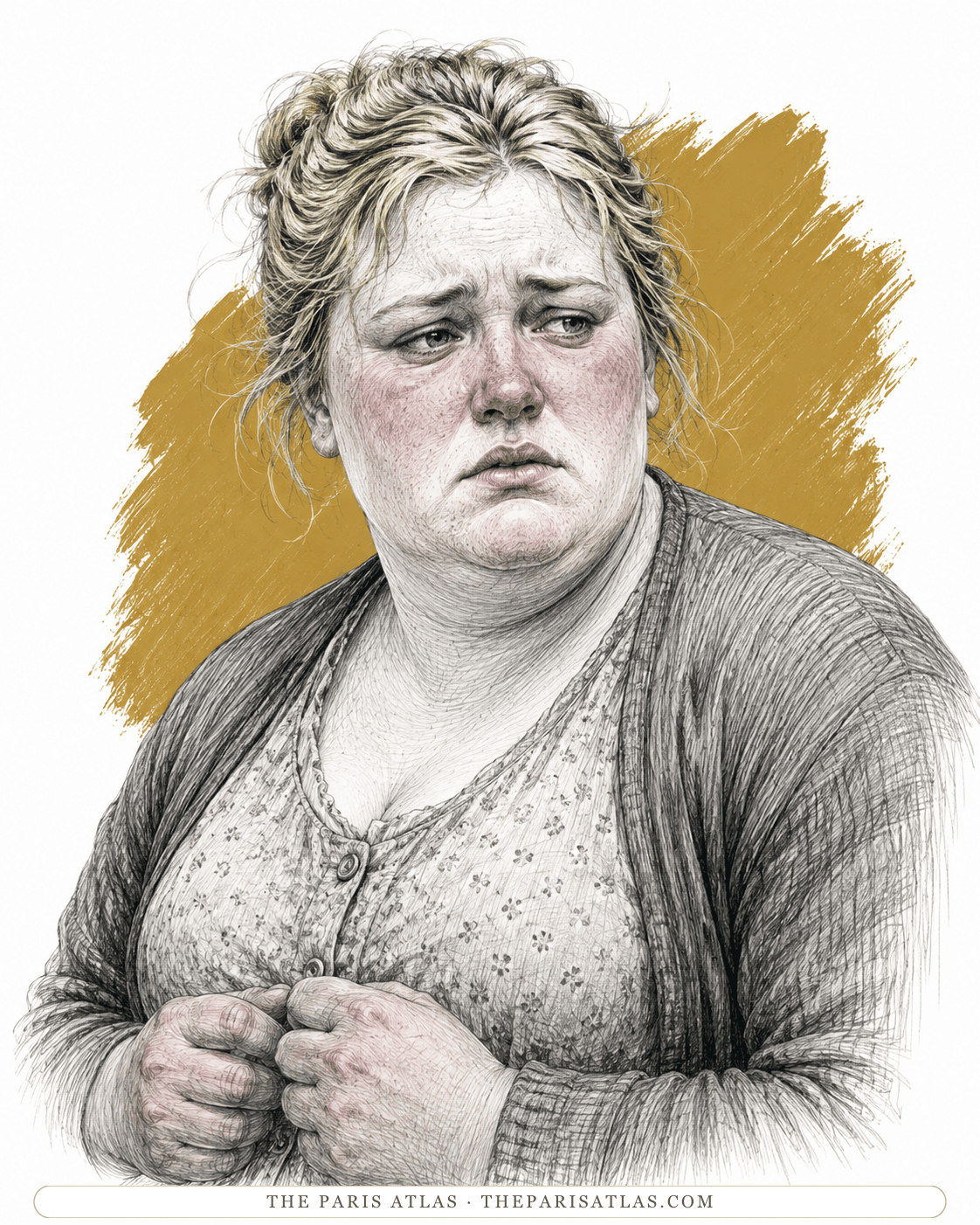
The girl Charlie was living with when his money ran out, and the one who had to carry out his scheme: padded with a borrowed cushion, she claimed the free meals given to pregnant women at a government maternity hospital. Not the Yvonne who wrote Boris a letter refusing him two hundred francs. The book gives the name to two women.
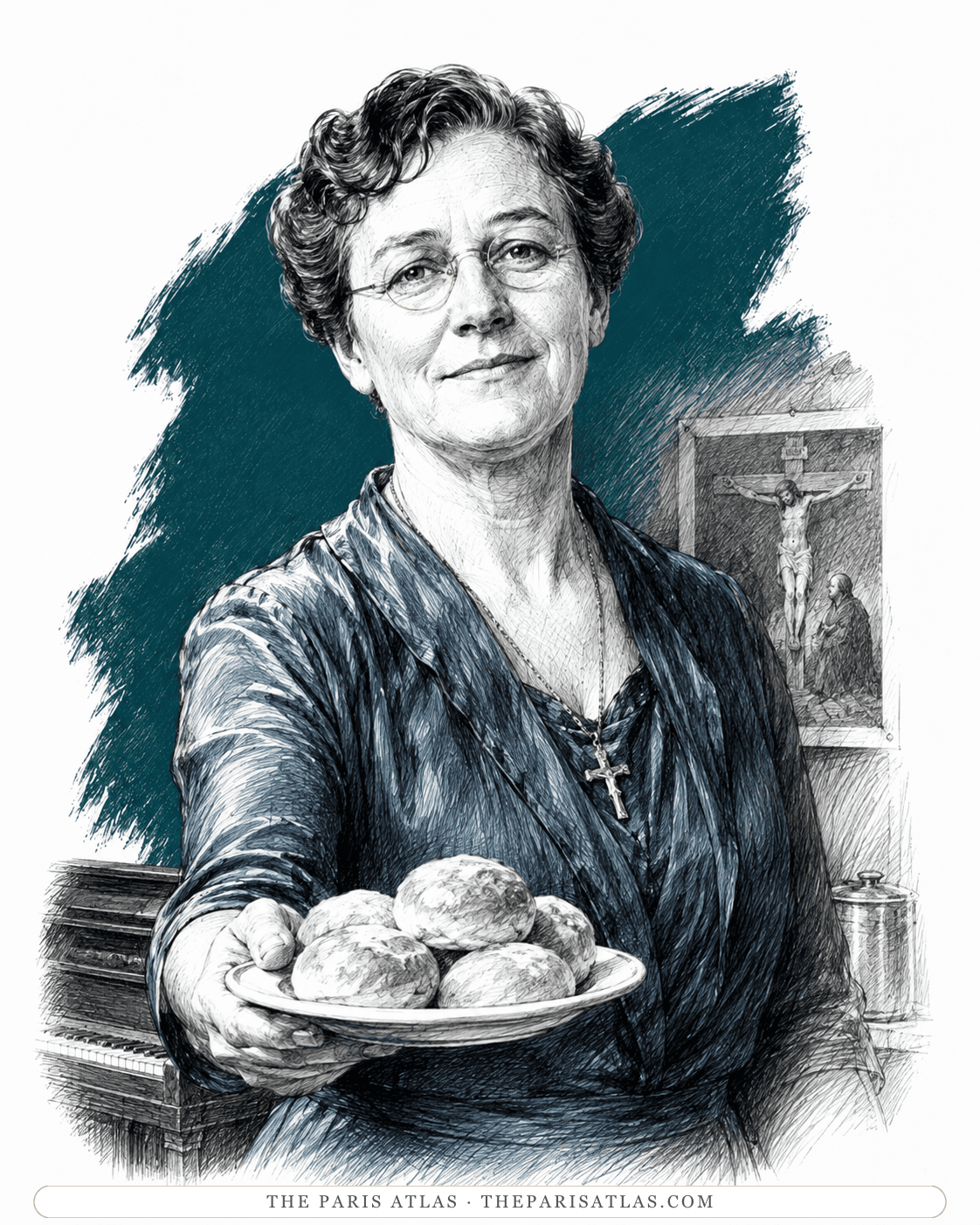
The woman in a blue silk dress, gold spectacles and a crucifix who gave free tea and buns to twenty-five tramps in a tin-roofed shed at Romton, then kept them for half an hour of prayers.
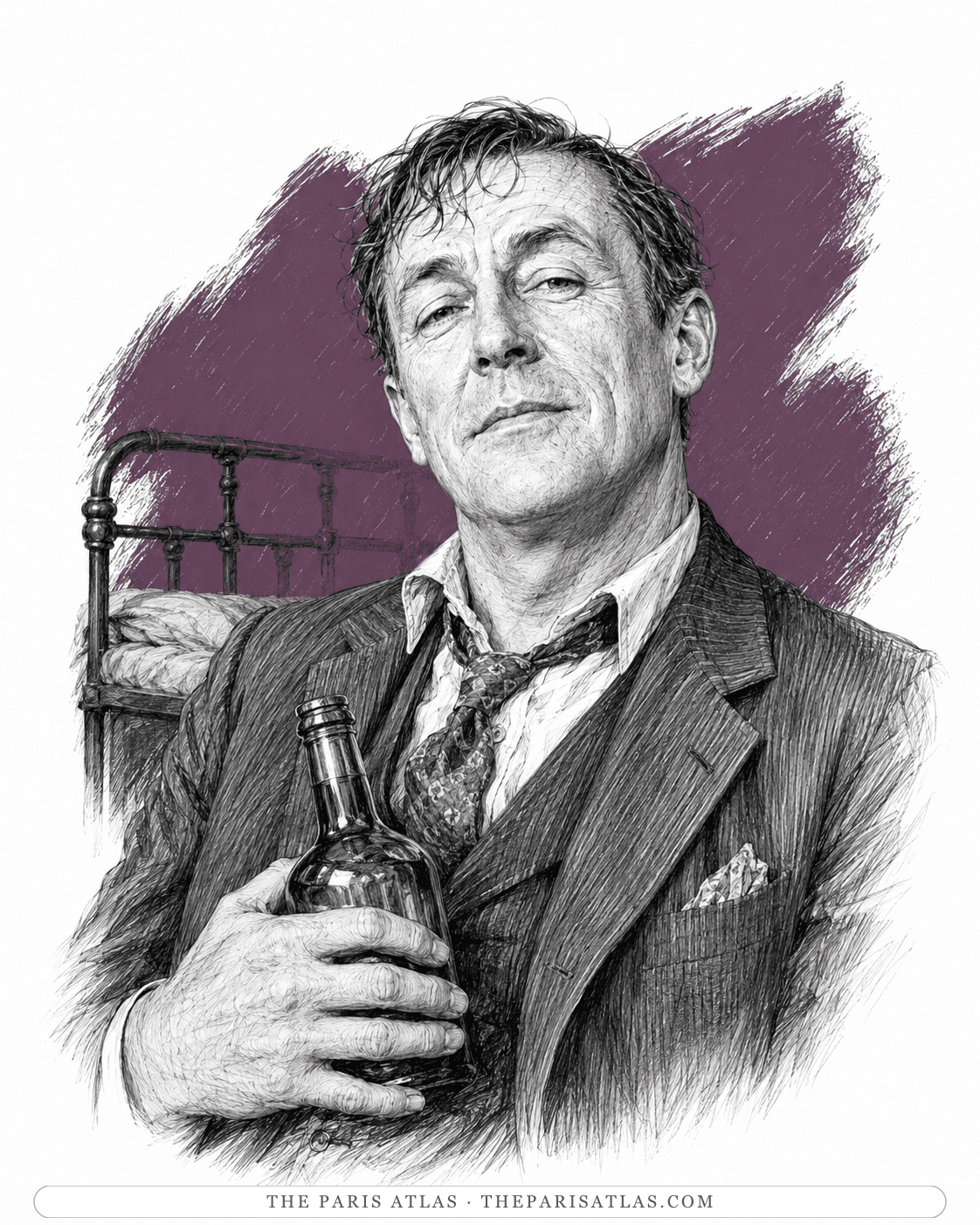
The drunk, educated man who leaned over the narrator's bed in a lodging-house off the Strand to announce that he was an old Etonian, sang the Eton boating song until the room shouted him down, and slept in his boots with a bottle of cherry brandy in his arms.
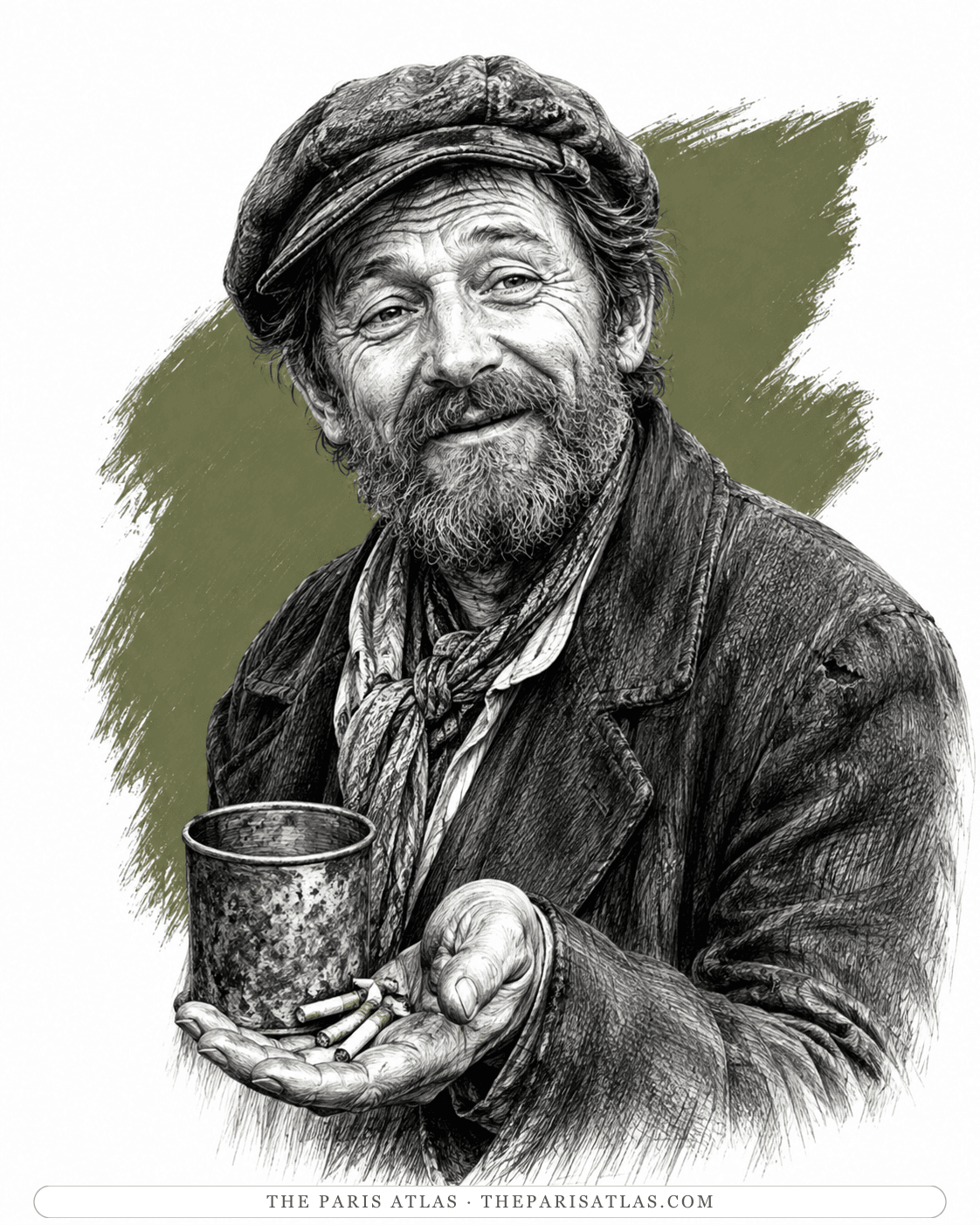
A little hairy Glasgow tramp locked up with the narrator for a Sunday at Lower Binfield, who lost his tin of cigarette ends in the search, was given a smoke, and ran up the road the next morning to pay it back.

A tramp in a collar and tie, six months on the road for want of a set of tools, who carried a Walter Scott novel in his pocket and told the narrator that tramps were scum.
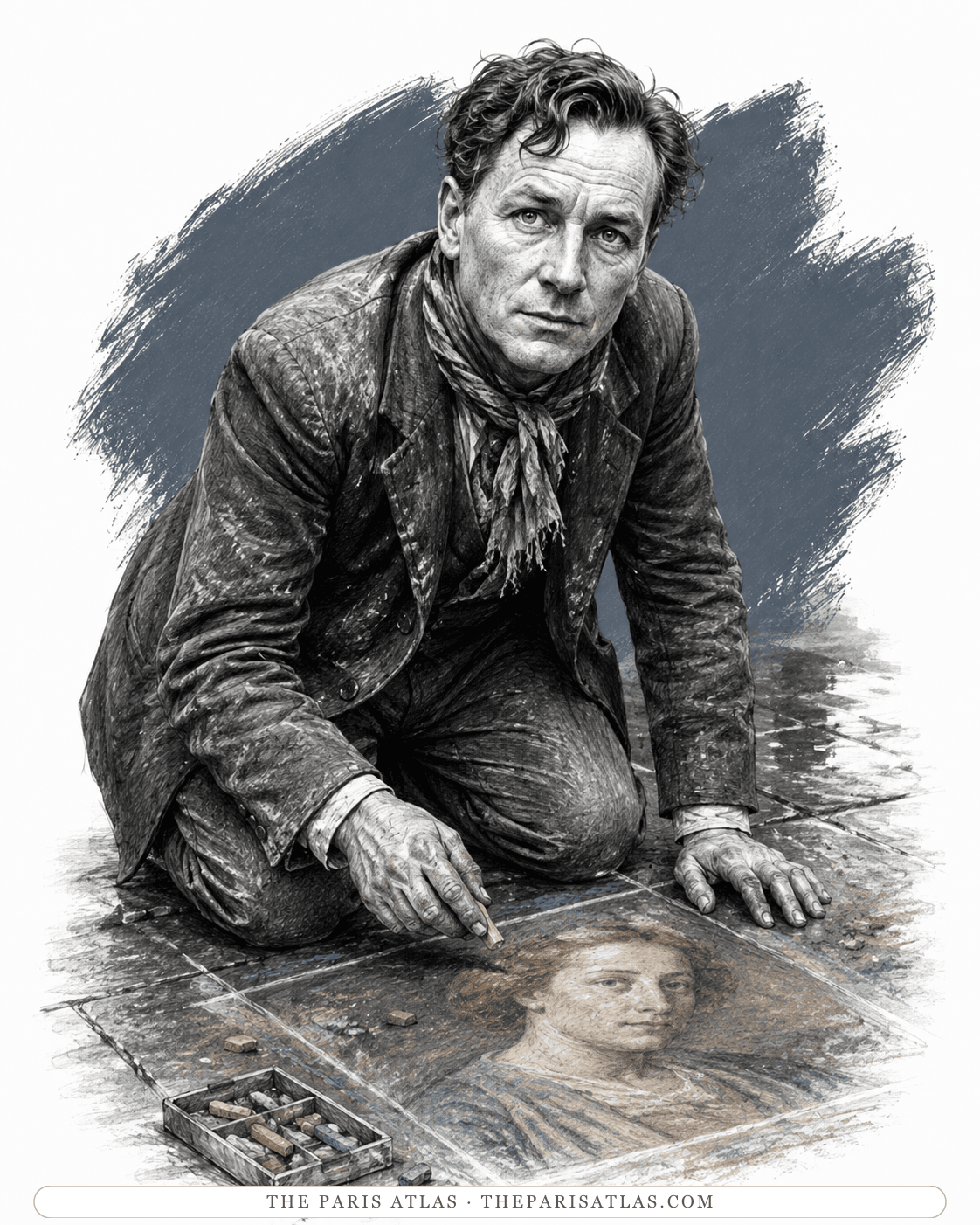
A pavement artist Bozo introduced to the narrator: a trained painter who had submitted to the Paris Salon, took up chalk on an impulse one starving night in the Strand, and now copies Old Masters on stone for a pound a week.
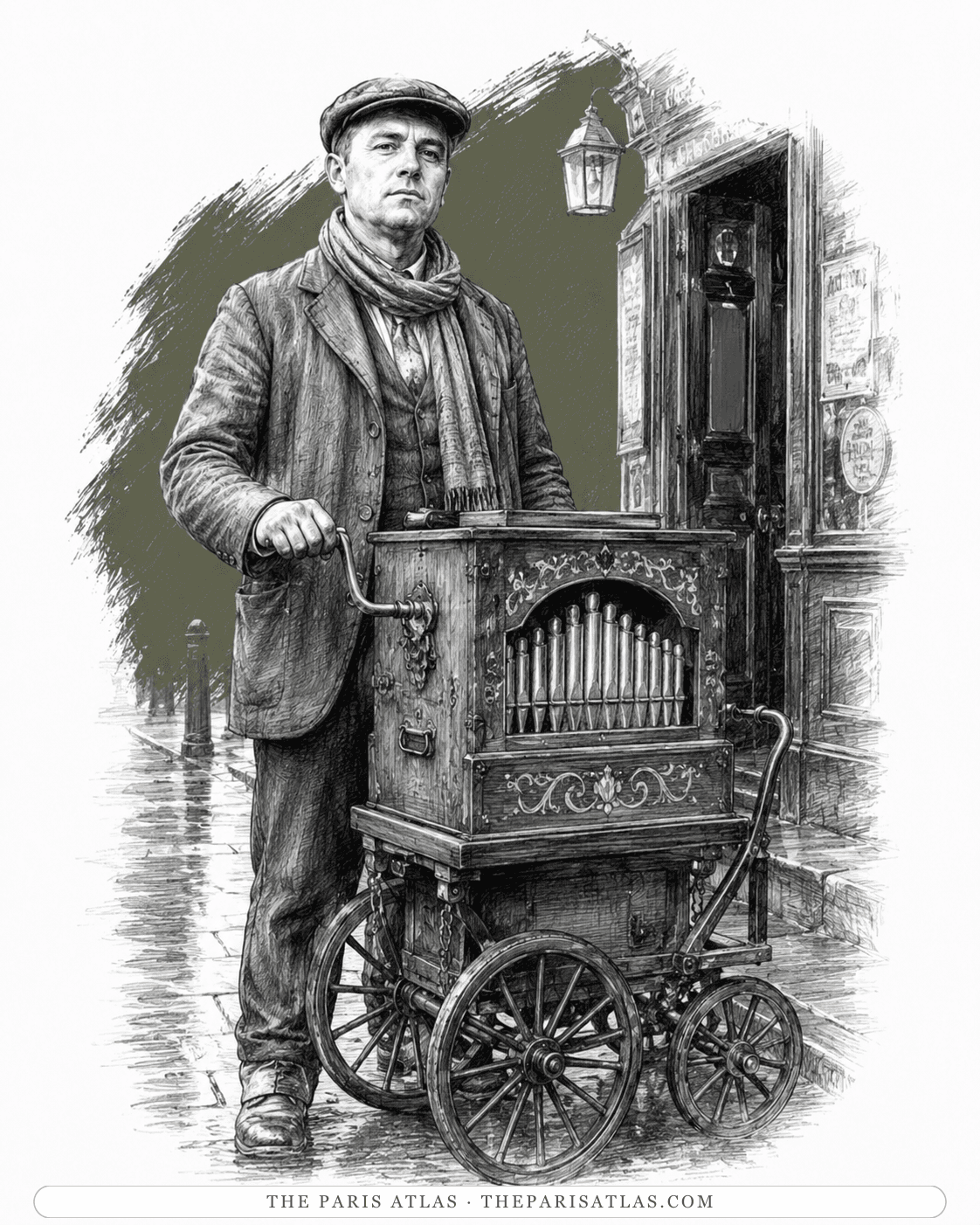
An organ-grinder who worked the cheap pubs and coffee-shops round Whitechapel with a mate who had a wooden leg, and always played a second tune once the hat had come round.
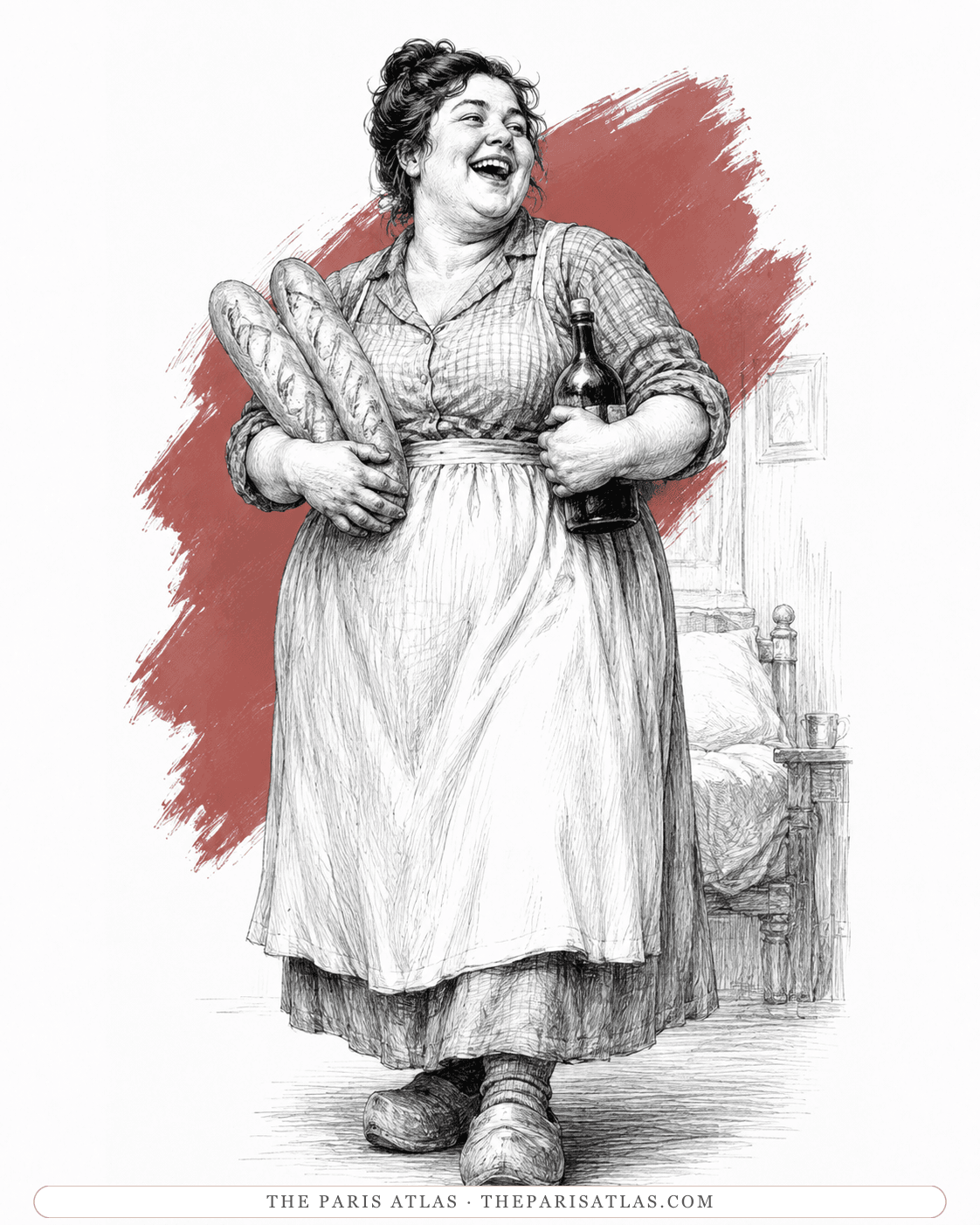
The peasant girl at Valenti's hotel who found him starving on the fifth day, noticed the deposit still owing on an empty oil can in the corner, and came back with bread and wine.
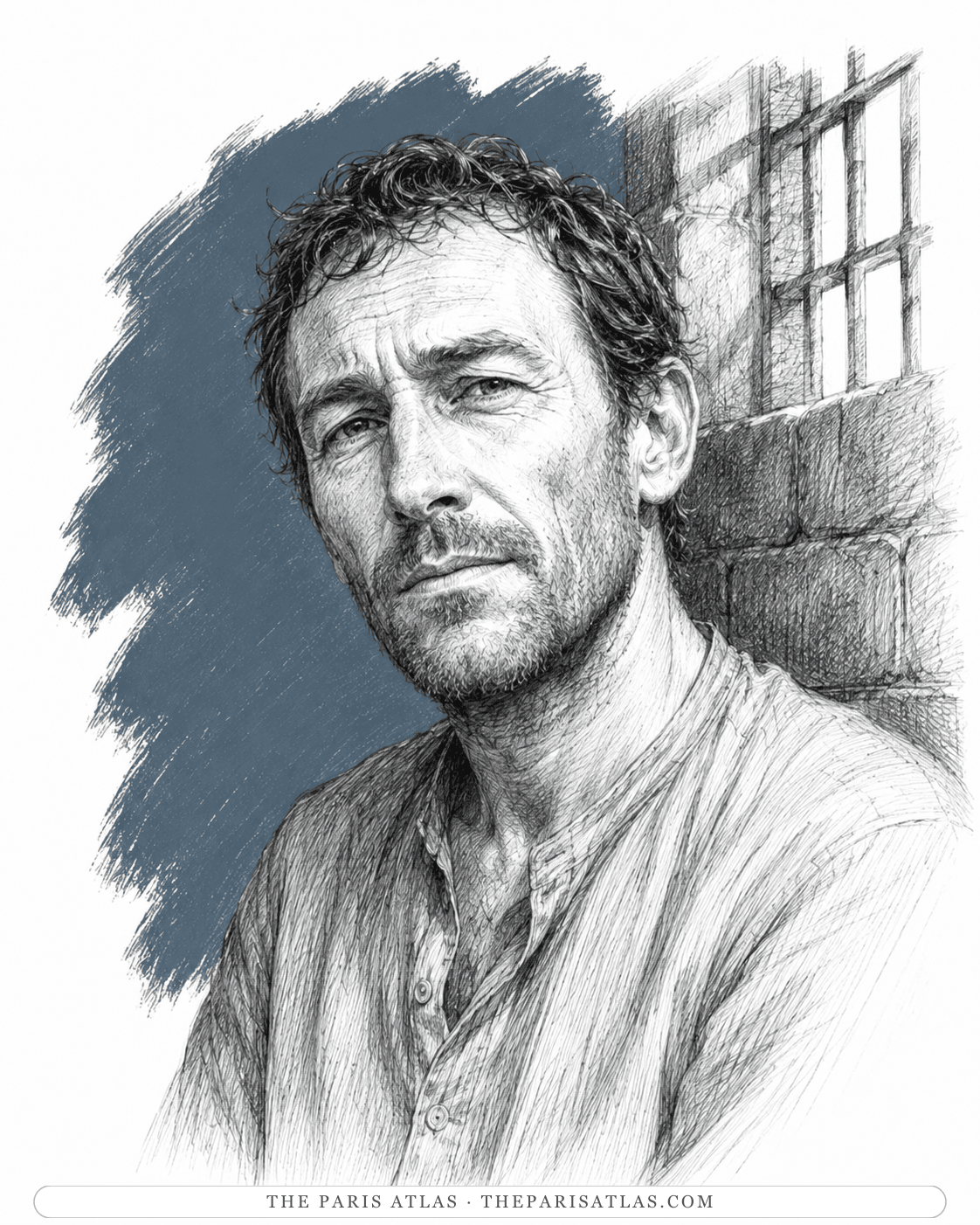
The tramp the narrator was locked in with for his first night in a casual ward: a fitter three years out of work, whose wife left him when the job did.
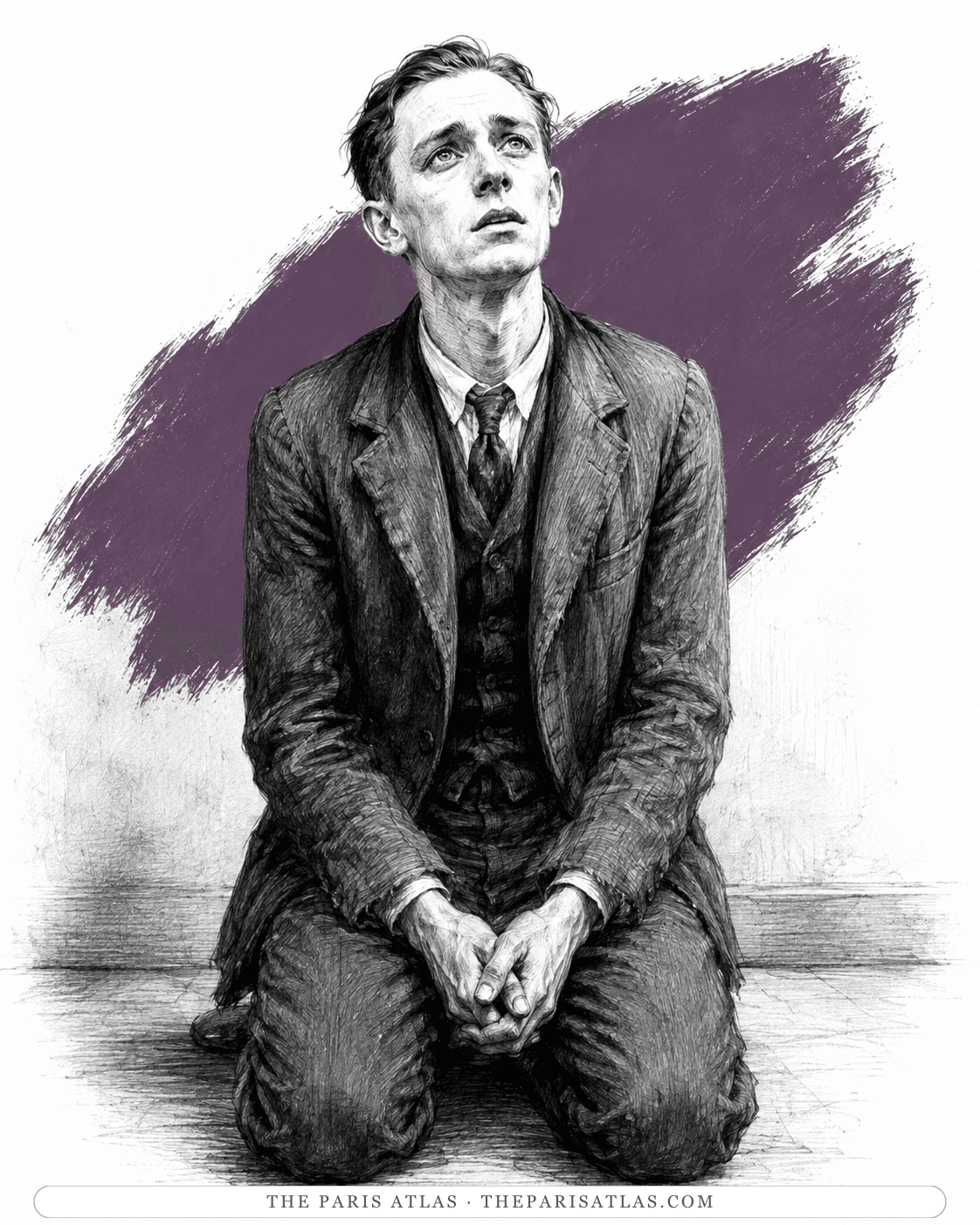
A tall, pale young man boasting to a table of out-of-work clerks in a Salvation Army shelter that he needed nobody's help to get a job. The narrator found him an hour later alone in the reading room, on his knees.
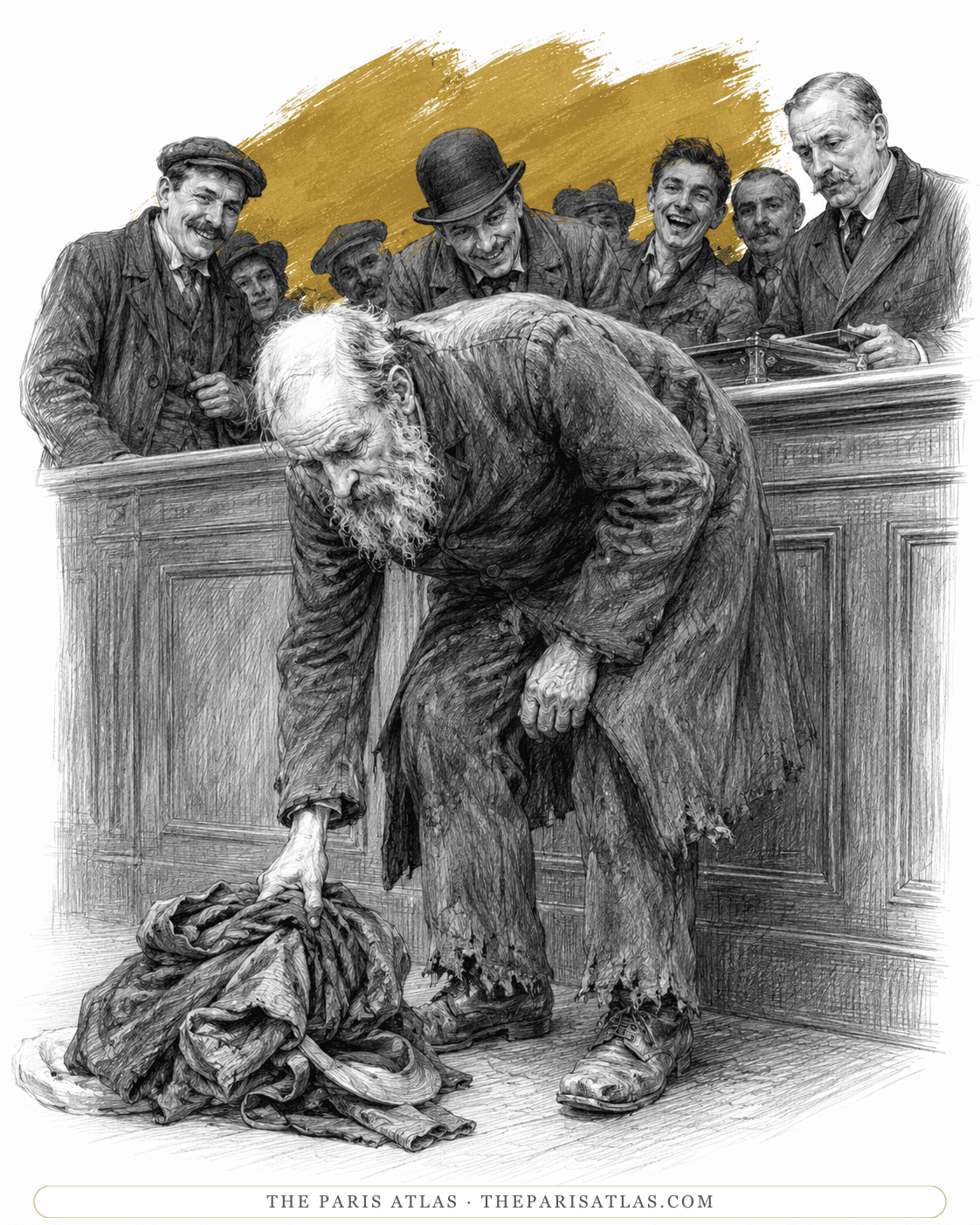
The old bearded man ahead of the narrator in a Paris pawnshop, whose bundle the clerk shot back across the counter without a word. It fell open on the floor showing four pairs of woollen pants, the room laughed, and he gathered them up and shambled out muttering. Orwell thinks of him again the next time he goes in.
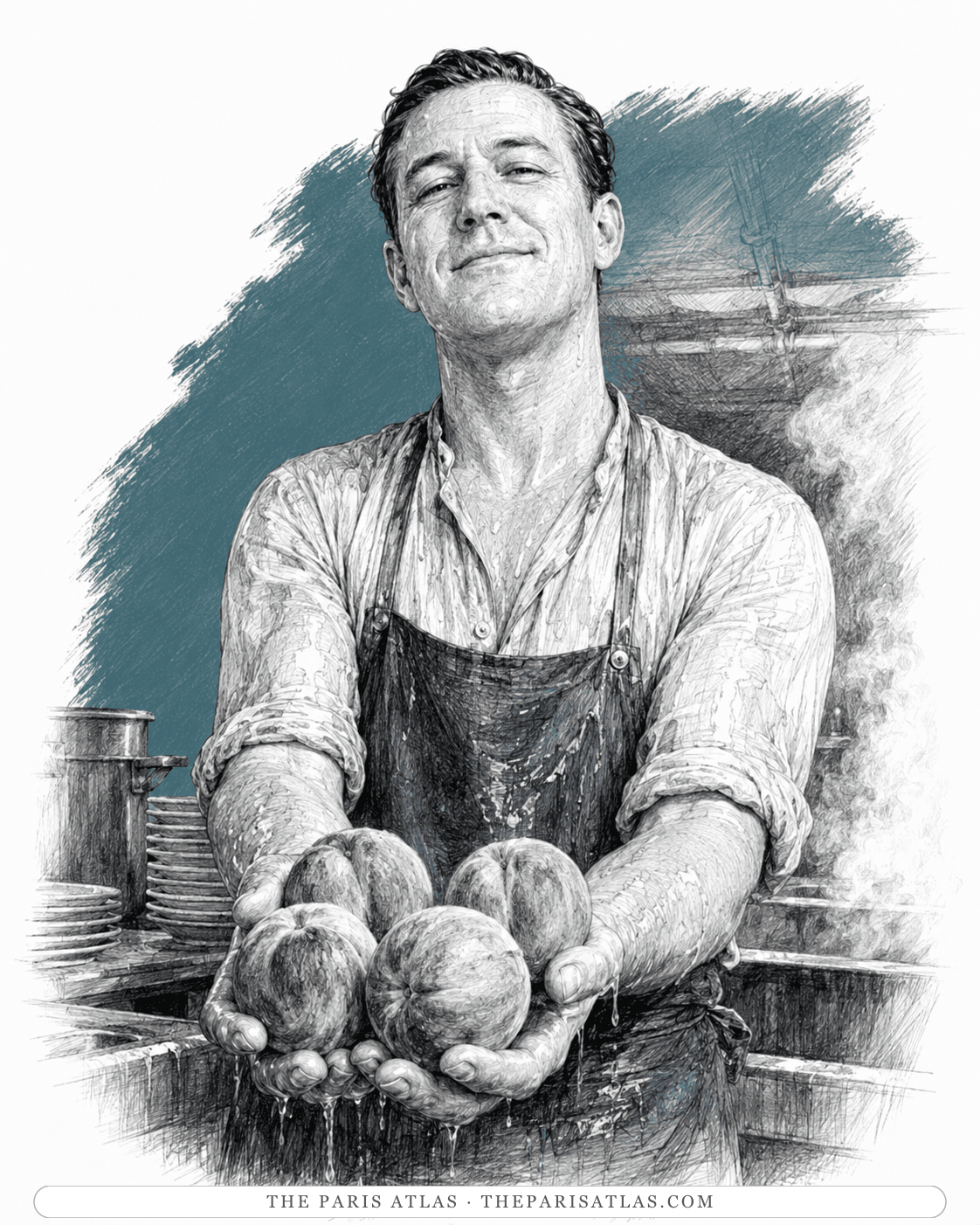
A kitchen dishwasher at the Hôtel X known through the basement as a débrouillard, the man who gets it done somehow. An English lord asked for peaches late at night when there were none in the hotel and the shops were shut. He went out, came back in ten minutes with four, stolen from a neighbouring restaurant, and the lord paid twenty francs each.
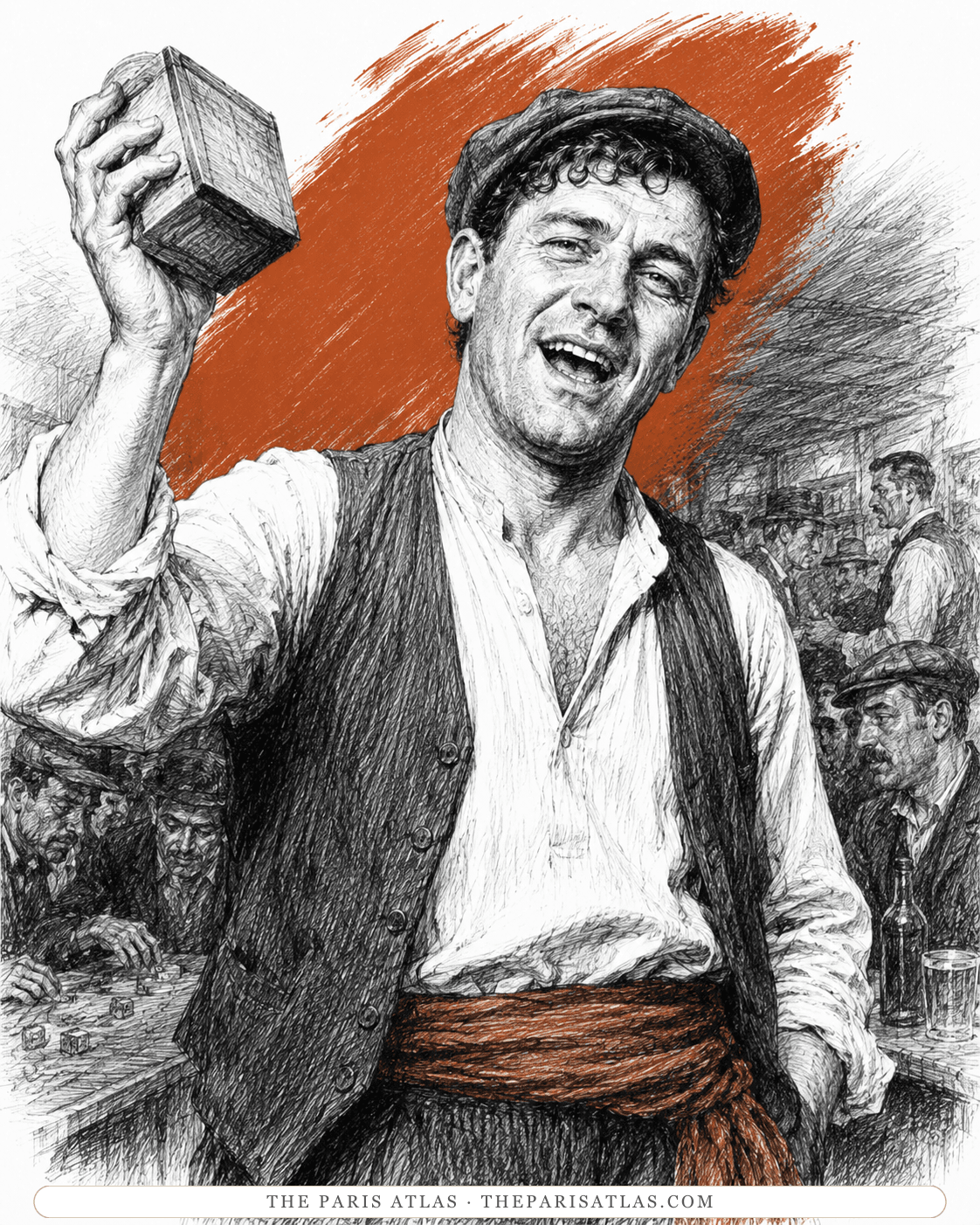
A Spaniard at the Saturday drinking nights in the bistro below the narrator's hotel, who pulled the girls to the bar and shook the dice-box against their bellies for luck. When the singing went flat after one in the morning he crossed to the Arab bistro down the street, where the card games ran until daylight.
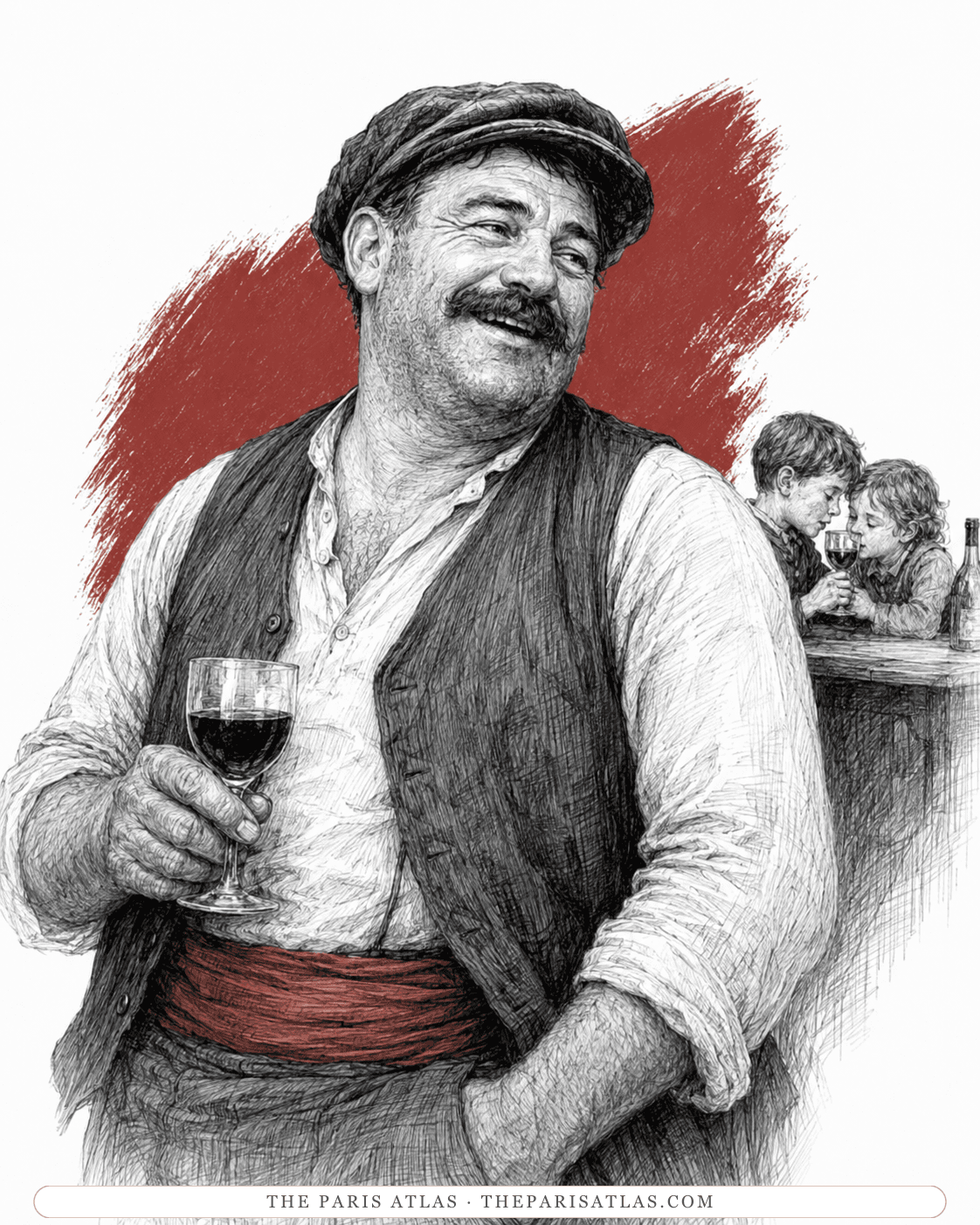
A bricklayer in the same bistro. Two of his children sat in a corner sharing a glass of sirop while the singing went on. By the small hours he was drunk on the floor, barking and pretending to be a dog, and the others had tired of him and kicked at him as they went past.
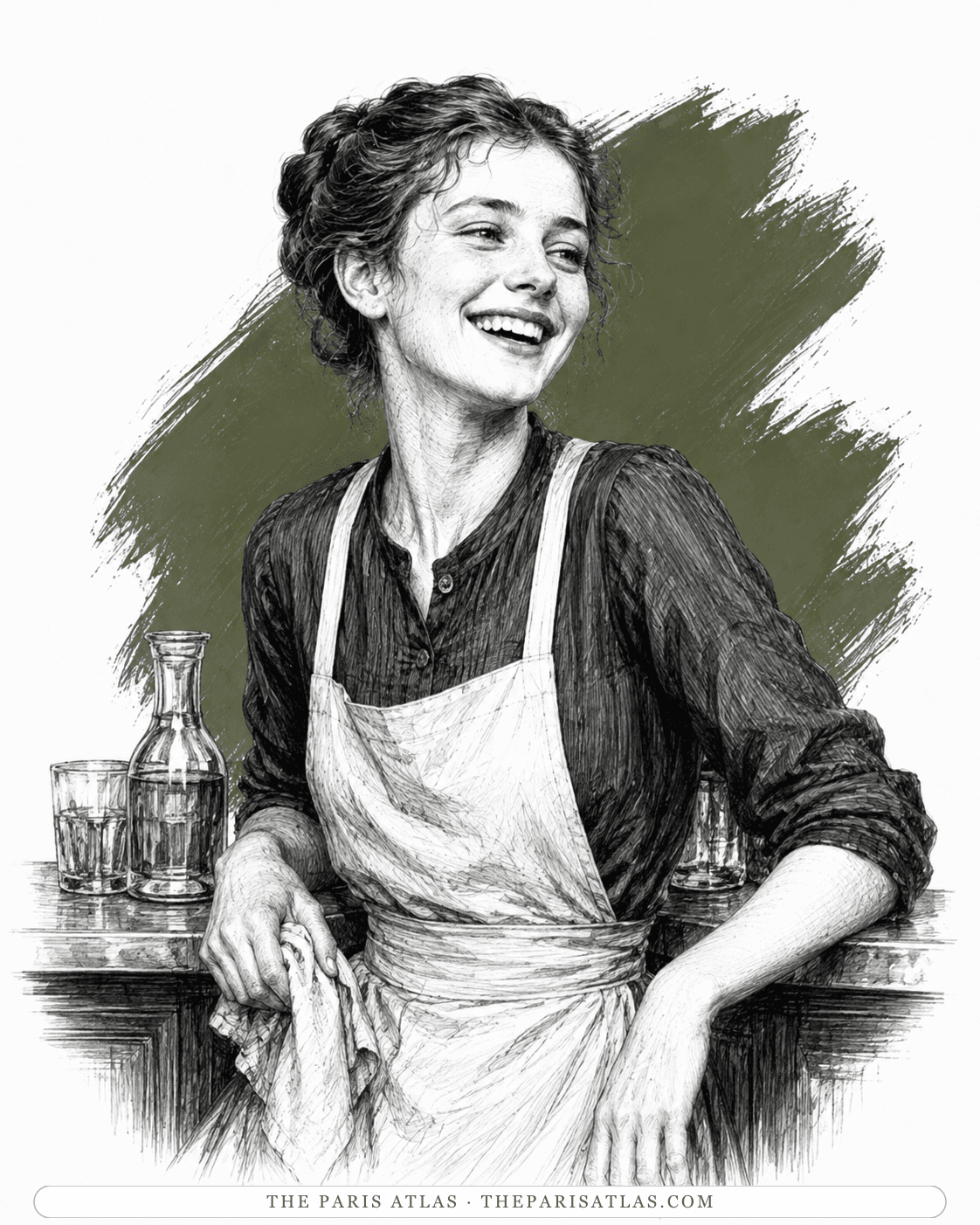
A girl in a bistro near the narrator's hotel who worked from seven in the morning until midnight for a whole year, sitting down only for meals. Asked to a dance, she laughed and said she had not been farther than the street corner in months. She was consumptive, and died about the time Orwell left Paris. He puts her in the book as the answer to his own self-pity about a seventeen-hour day.
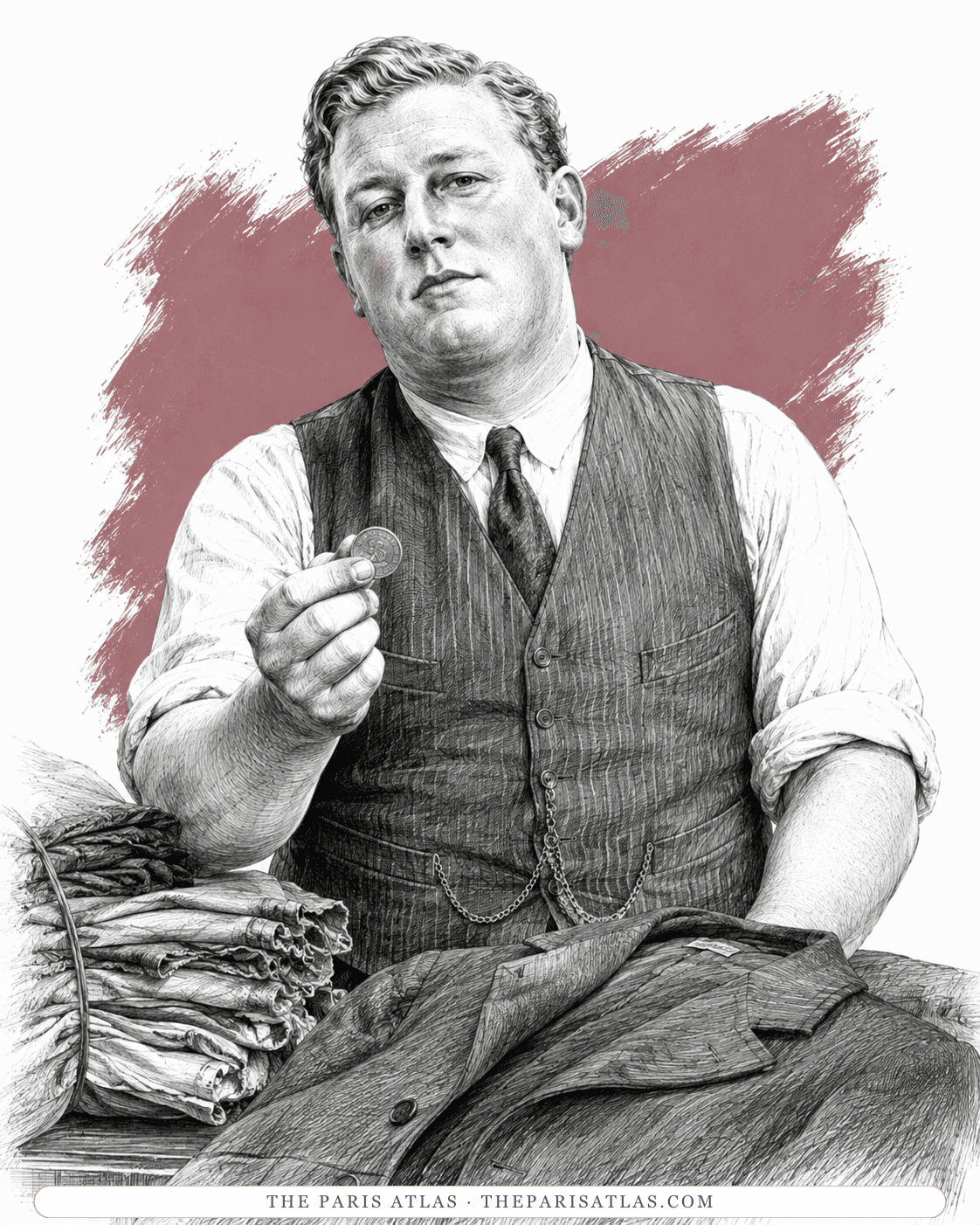
The fourth rag-shop owner the narrator tried in Lambeth, a large blond young man very pink all over, like a slice of ham. He felt a good suit between finger and thumb, called it poor stuff, and traded it for a bundle of dirty rags and one shilling. As Orwell opened his mouth to argue he reached out as though to take the shilling back, and the argument ended there.
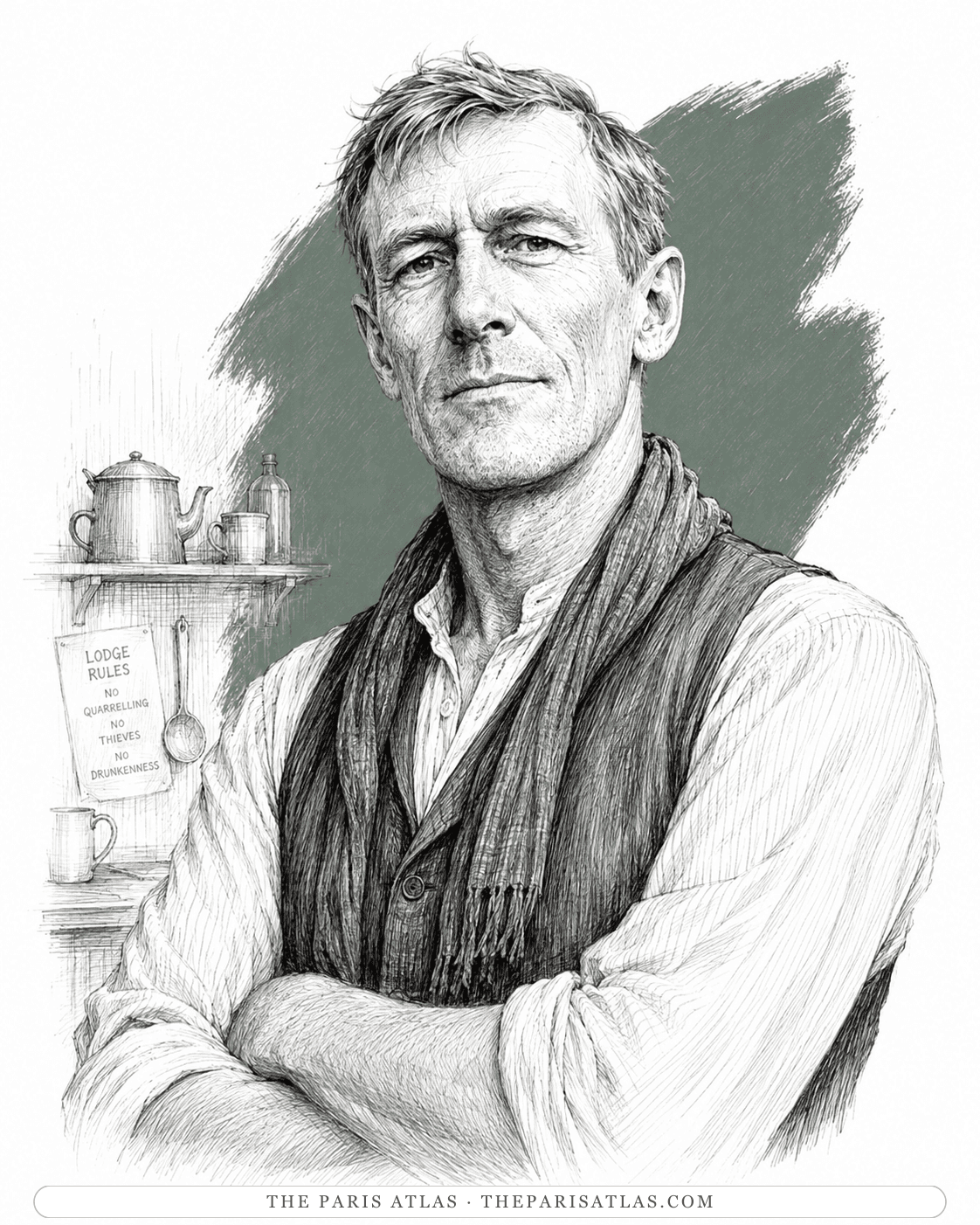
A Norman-looking stevedore in the Pennyfields lodging-house, senior enough to be called head of the house: arbiter of disputes and unpaid chucker-out. He explained to the narrator that the ugliest quarrel of the week, between an old-age pensioner and another stevedore, had been about a shilling's worth of bread and margarine.
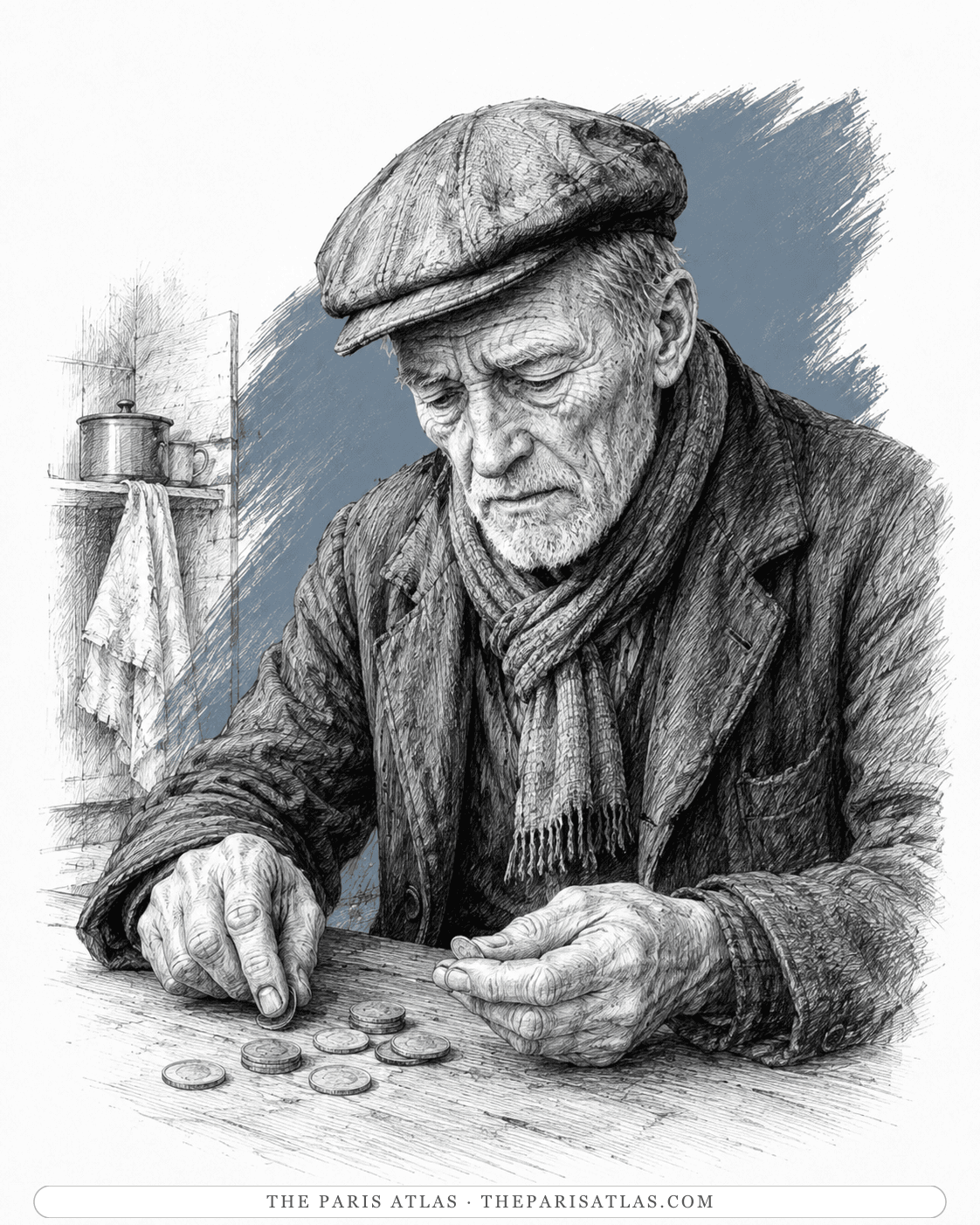
One of two or three men in the Pennyfields lodging-house living on the ten-shilling old-age pension and nothing else. He costed it out for the narrator: ninepence a night for the bed, threepence for a shave on Saturday, three halfpence a week towards a sixpenny haircut, and about four and fourpence left for food and tobacco. He could imagine no other expenses.
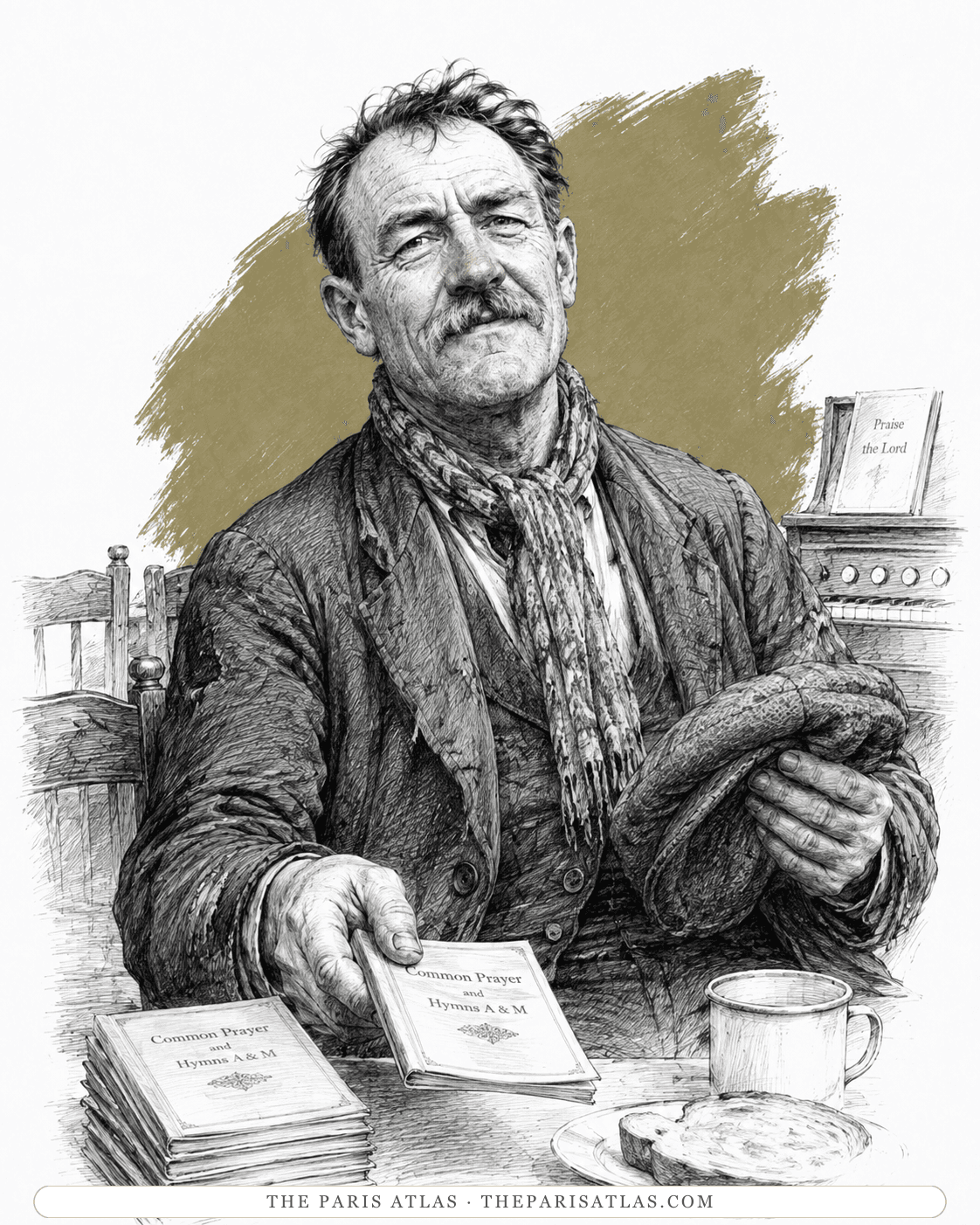
A tramp at the free tea in Romton who could say "the dear Lord Jesus" with less shame than anyone Orwell had met, a knack he thought the man had picked up in prison. He pulled the harmonium into place, then dealt out the prayerbooks behind the lady's back like a hand of cards, and was the only man in the room to speak the responses above a whisper.
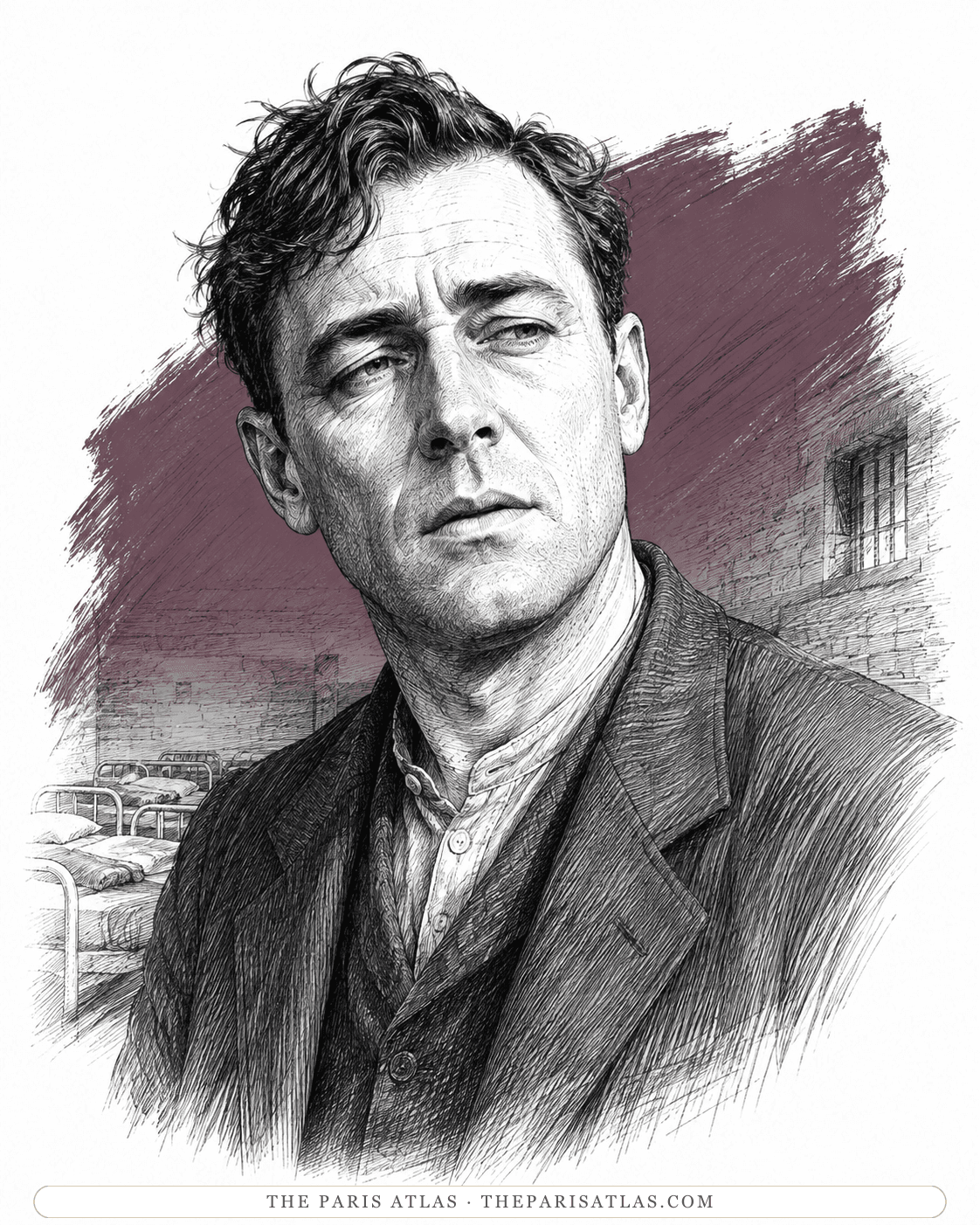
A man in the Salvation Army shelter with some nervous trouble, shellshock perhaps, who called out "Pip!" at unpredictable intervals through the night, loud and startling as a small motor horn. He slept there regularly and must have kept ten or twenty people awake every night. The other lodgers had named him after the noise.
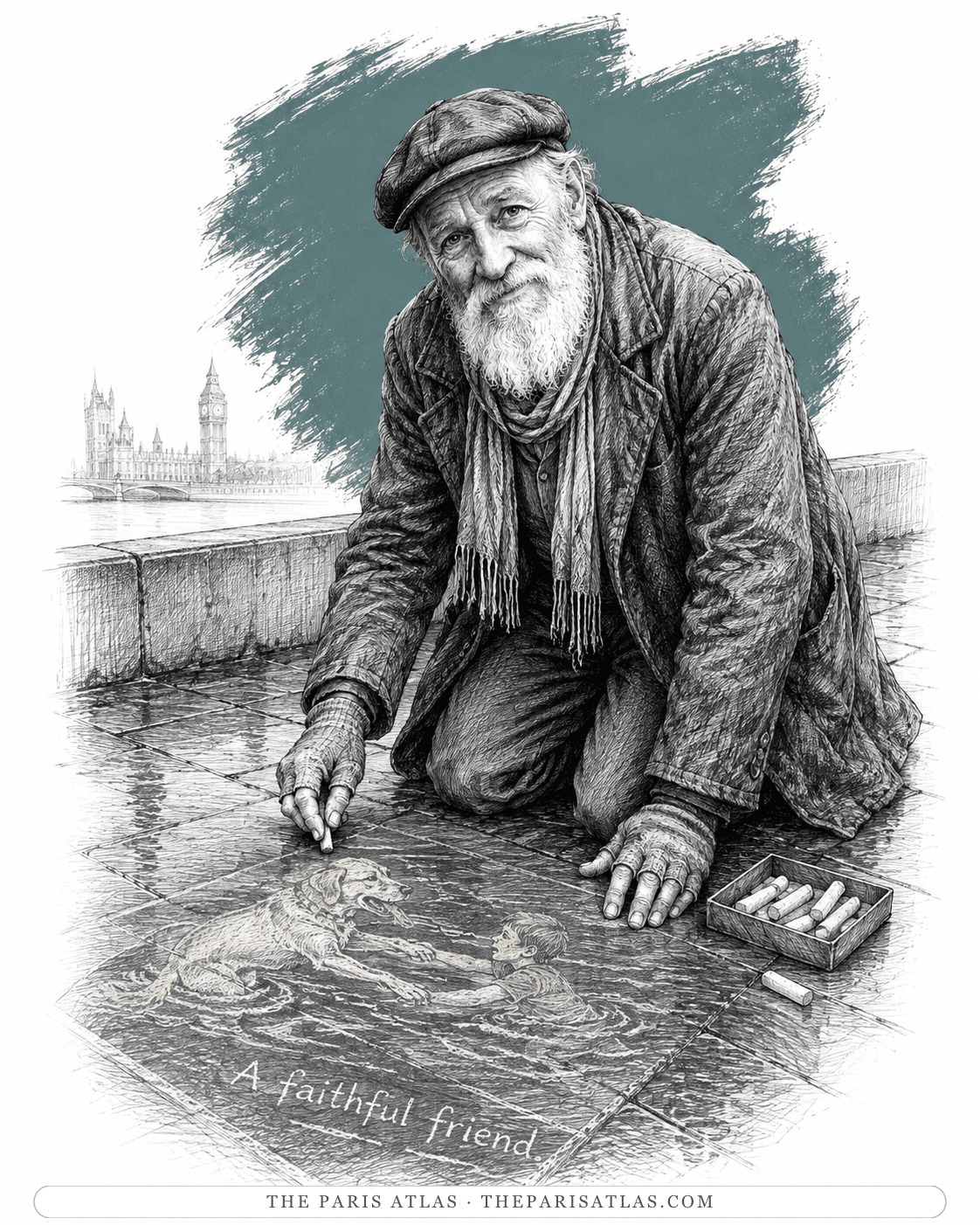
An old pavement artist fifty yards along the Embankment from Bozo's pitch, who had drawn the same picture every day for ten years: a dog pulling a child out of the water, captioned "A faithful friend". Bozo, who prided himself on a fresh cartoon daily, held him in complete contempt.
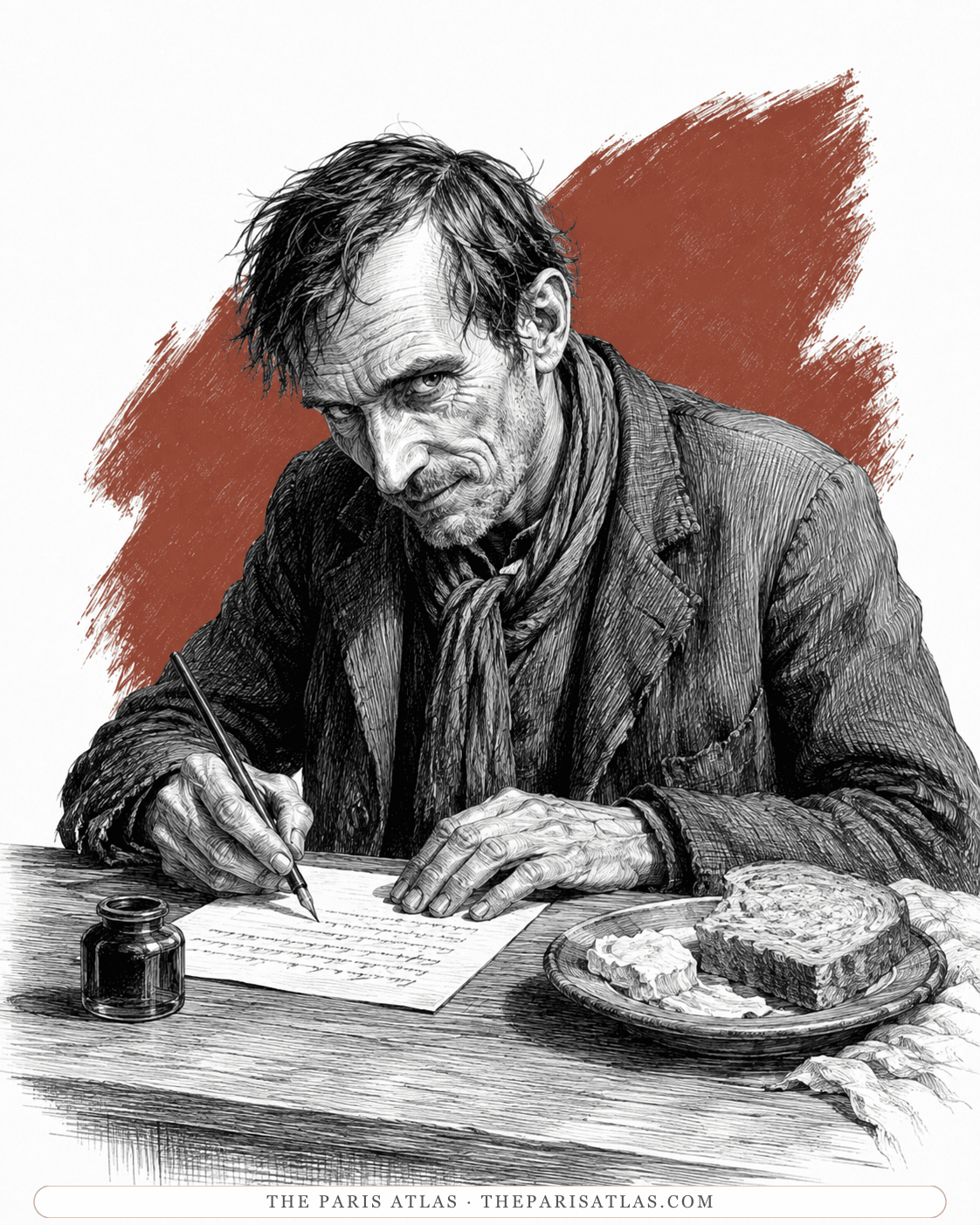
A lodger at Bozo's Lambeth lodging-house who wrote appeals for money towards his wife's funeral, and when one took effect ate the proceeds in single enormous meals of bread and margarine. Orwell talked to him and concluded that, like most swindlers, he believed a good part of his own story.
Read in manuscript by · 1932-02
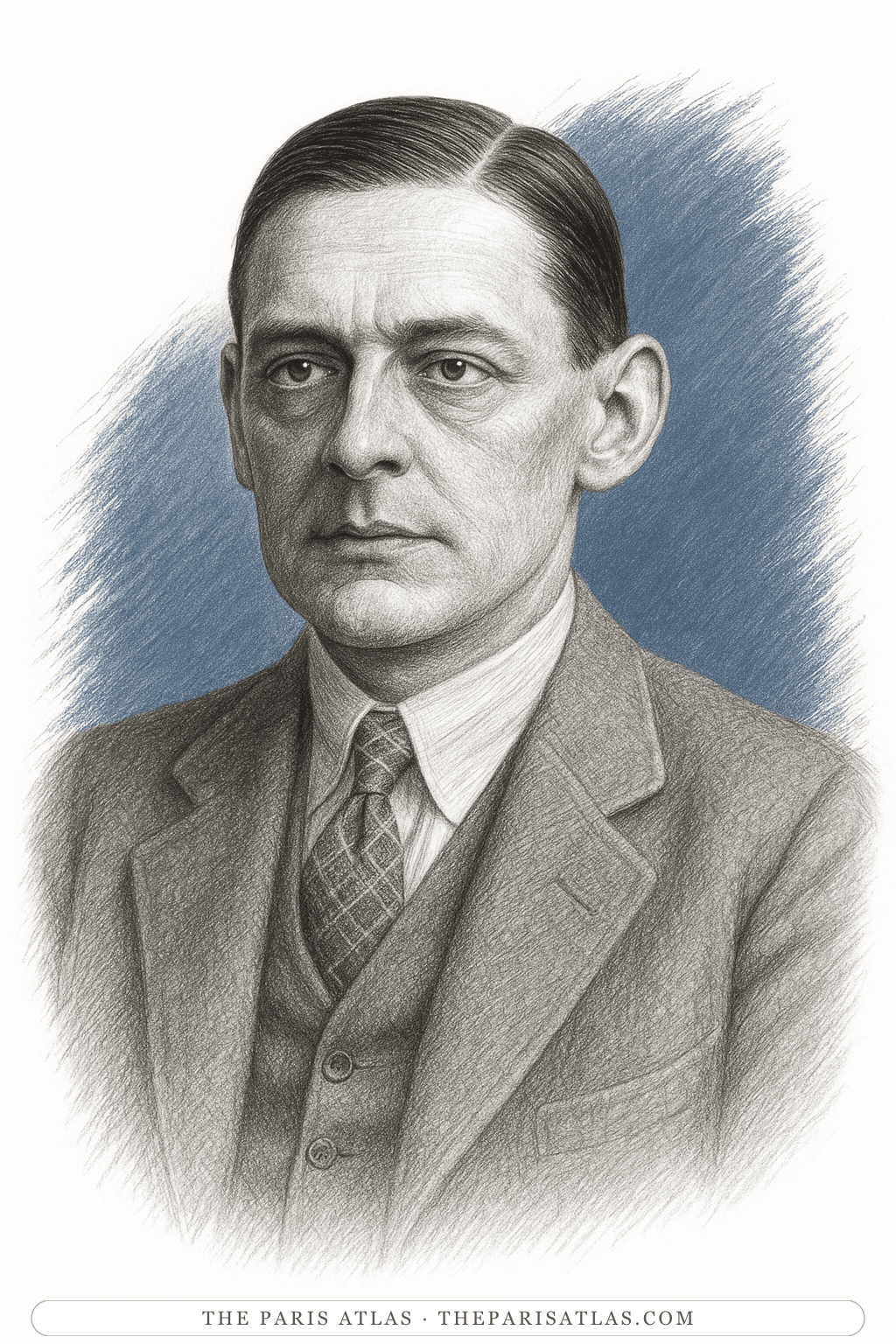
Eliot read the manuscript for Faber and Faber and returned it on 19 February 1932, writing to Eric Blair that it was of very great interest but too short, and too loosely constructed, because the French and English halves had very little connecting them. Victor Gollancz published the book in January 1933, under the name George Orwell.
1928
Eric Blair takes a room at 6 rue du Pot de Fer, off the rue Mouffetard — the street the book renames the rue du Coq d'Or.
1928–1929
He lives in the quarter for about a year and a half on English lessons, then loses his money and takes work as a plongeur, first at the hotel he calls the Hôtel X and afterwards at the Auberge de Jehan Cottard.
9 January 1933
Victor Gollancz publishes the book in London, the first Eric Blair signs as George Orwell.
30 June 1933
Harper & Brothers publishes the first American edition.


The same city, the same years, the same empty pockets, and the opposite temperament — Miller treats destitution as a party.
Read our take
Published the year before, and the other great book about the bottom of this Paris. Céline wrote it as a novel; Orwell reported his.
Read our take
Hemingway's hunger in the same city, remembered thirty years later as romance. Orwell's was current when he wrote it.
Read our takeThe other book of reportage on being poor. This one happened to him; four years later he went north on purpose to look at it.
Read our takeOn 9 January 1933, by Victor Gollancz in London. Harper & Brothers published the first American edition on 30 June 1933.
It is drawn from George Orwell's own months washing dishes in Paris and tramping in England, and he presents it as his own experience. He also changed names and details: the street he calls the rue du Coq d'Or is the rue du Pot de Fer, where he lodged at number 6.
He adopted the pseudonym shortly before publication, and this book was the first to carry it. It was also his first full-length published work.
A plongeur is the dishwasher and general drudge of a French restaurant kitchen. Orwell worked as one in a large hotel he calls the Hôtel X and then at the Auberge de Jehan Cottard in the rue du Commerce, on shifts that ran to seventeen hours.
It is disputed, and Orwell never names it. The book places it near the Place de la Concorde. Sonia Orwell said it was the Crillon, while Peter Stansky and William Abrahams argued for the Hôtel Lotti.
In thirty-eight chapters, split in two. Paris runs from chapter I to XXIII and London from XXIV to XXXVIII, the break falling on the Channel crossing.
Explore authors with a similar voice, perspective, and influence.

The Brooklyn dropout who arrived in Paris broke at thirty-eight and wrote the exuberant, banned books that ended American censorship.
View author
The doctor of the Paris slums who wrote the century's blackest, funniest novel — and changed the sound of French prose.
View author
French writer and philosopher whose novels, memoirs, and social analysis examined freedom, gender, responsibility, aging, and the material conditions that shape a life.
View author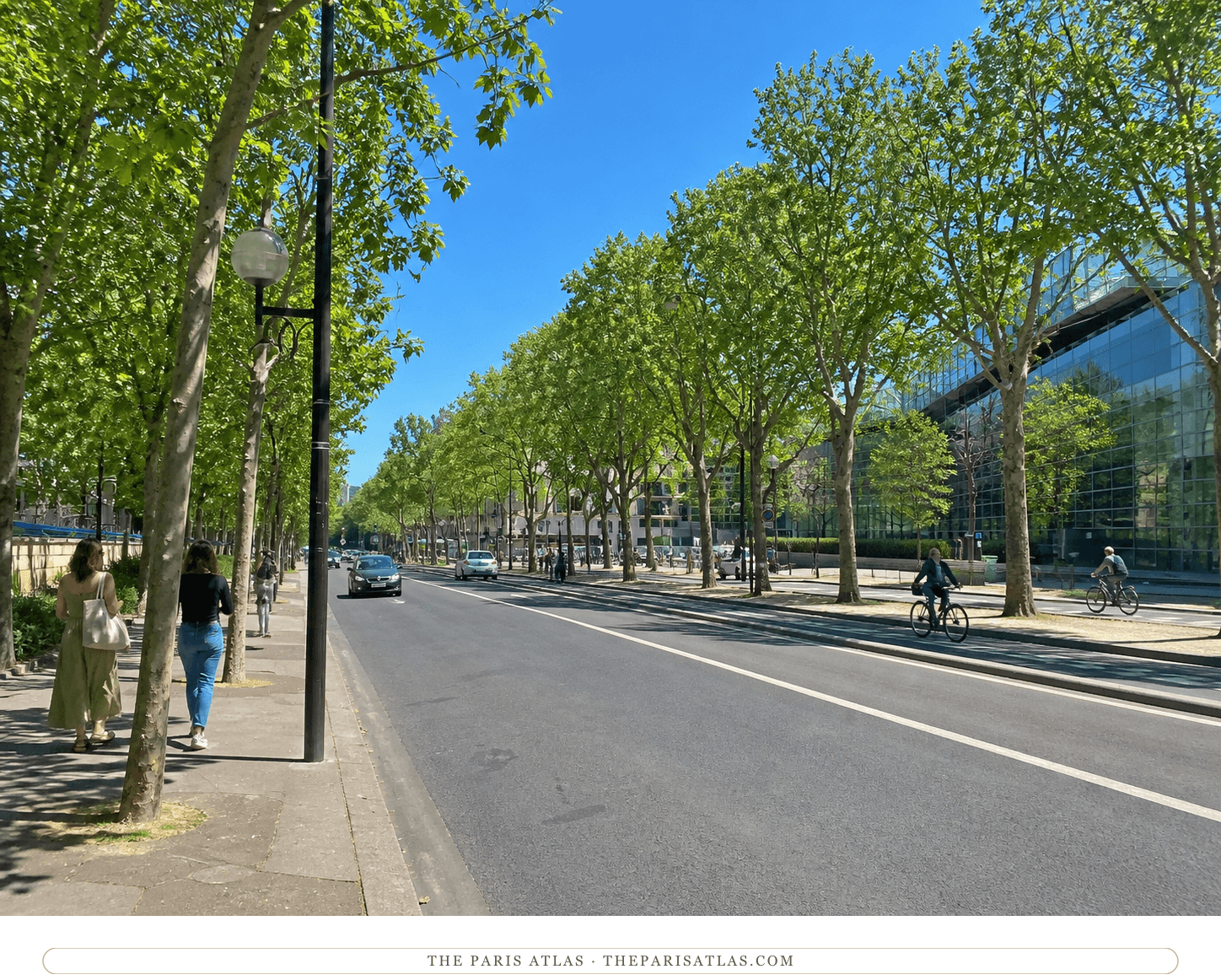
In the story
The pawnshop the overcoats are taken to, and found shut until four in the afternoon.
Visit the place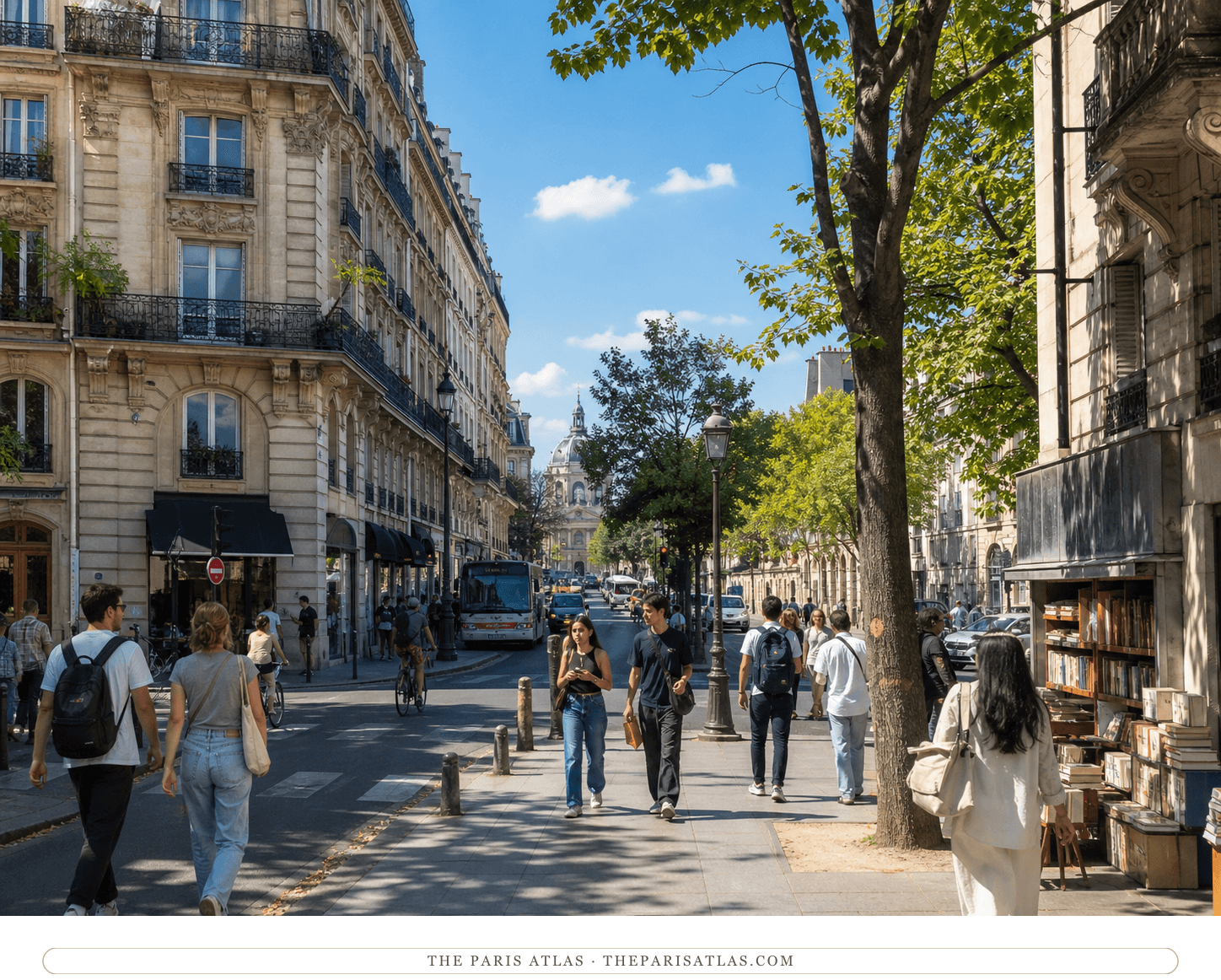
In the story
Where the Rougiers, a couple lodging in Orwell's hotel, sold sealed packets as pornographic postcards that in fact held photographs of châteaux of the Loire — "the buyers did not discover this till too late, and of course never complained".
Visit the place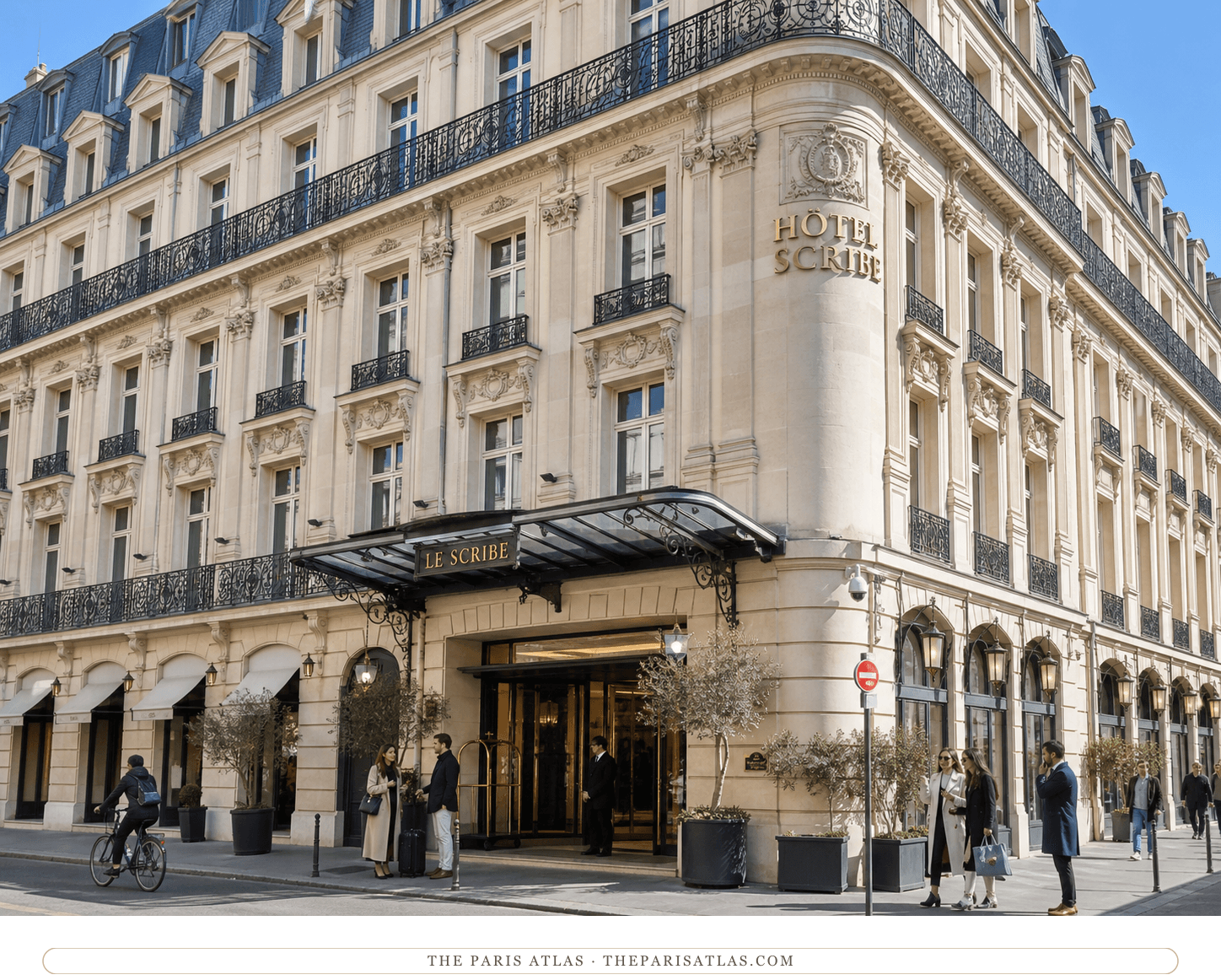
In the story
Boris's best job before illness — waiting tables here for a hundred francs a day in tips — and the pavement the two of them wait on when they try to get it back.
Visit the place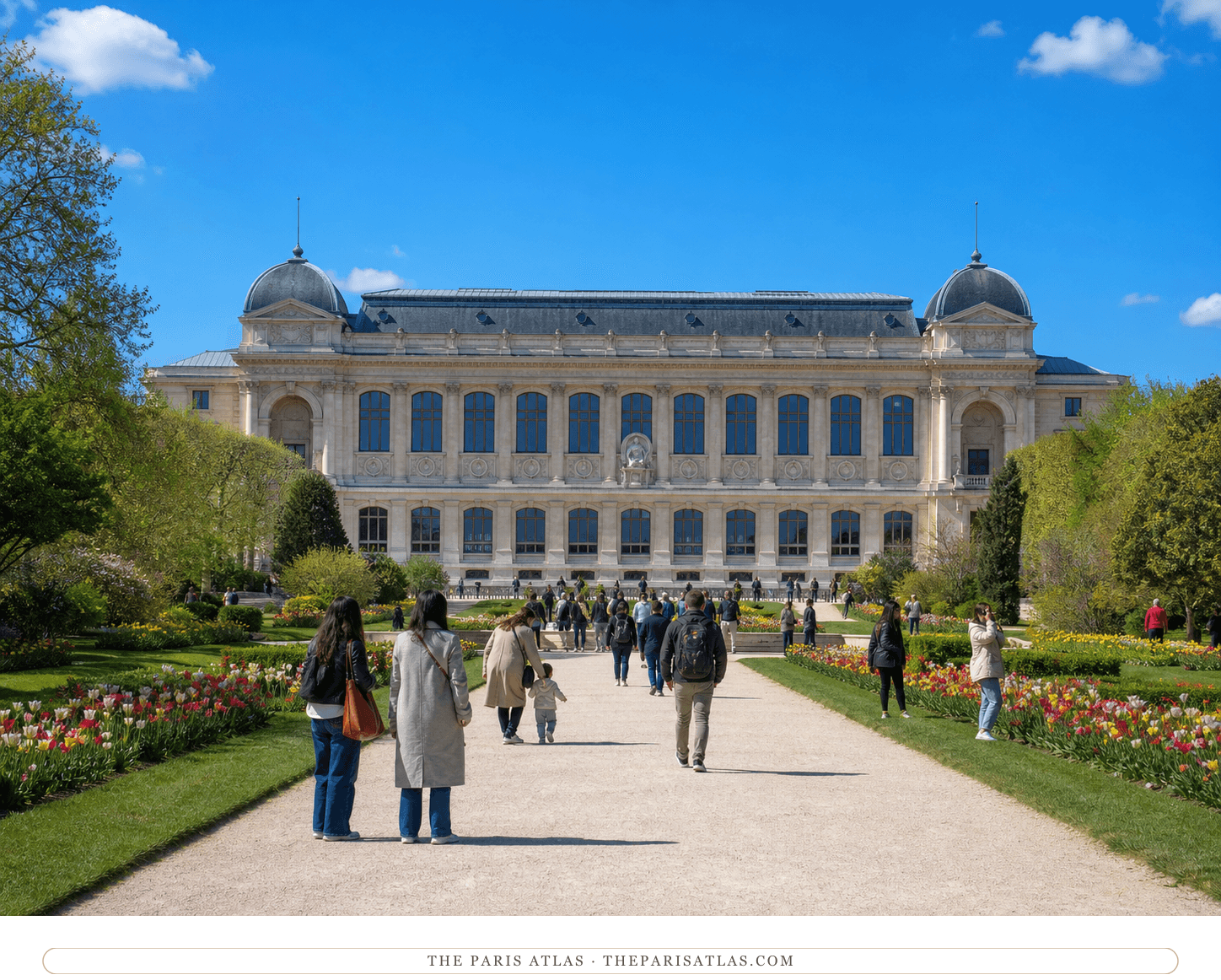
In the story
The day Orwell and Boris run out of money entirely: bread rubbed with garlic, stones thrown at the tame pigeons, and dinner menus written on the backs of envelopes because they were too hungry to think about anything else.
Visit the place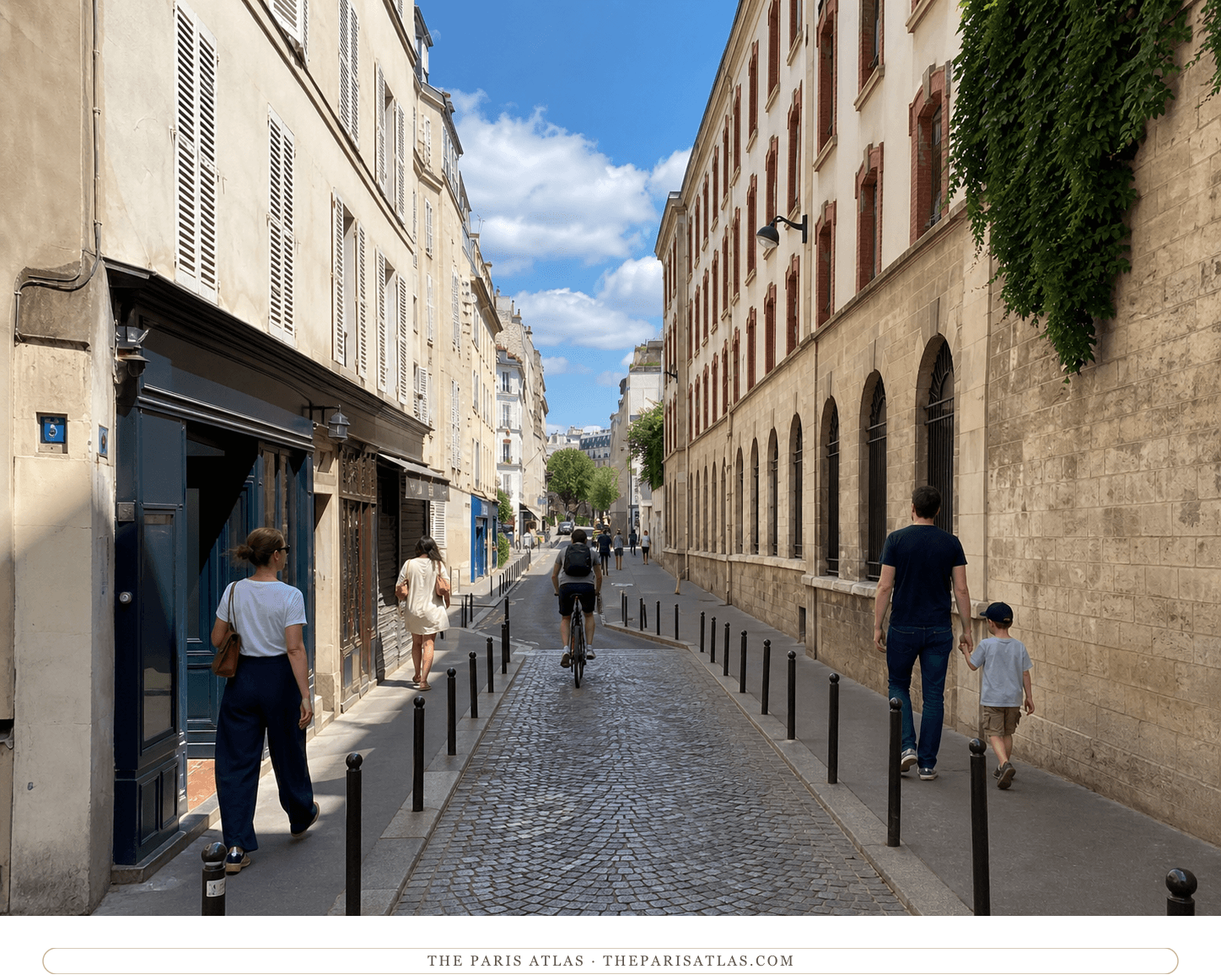
In the story
Where the narrator, twelve kilometres walked and sixty hours without food, sees a five-sou piece glittering on the cobbles — the turn that buys a pound of potatoes.
Visit the place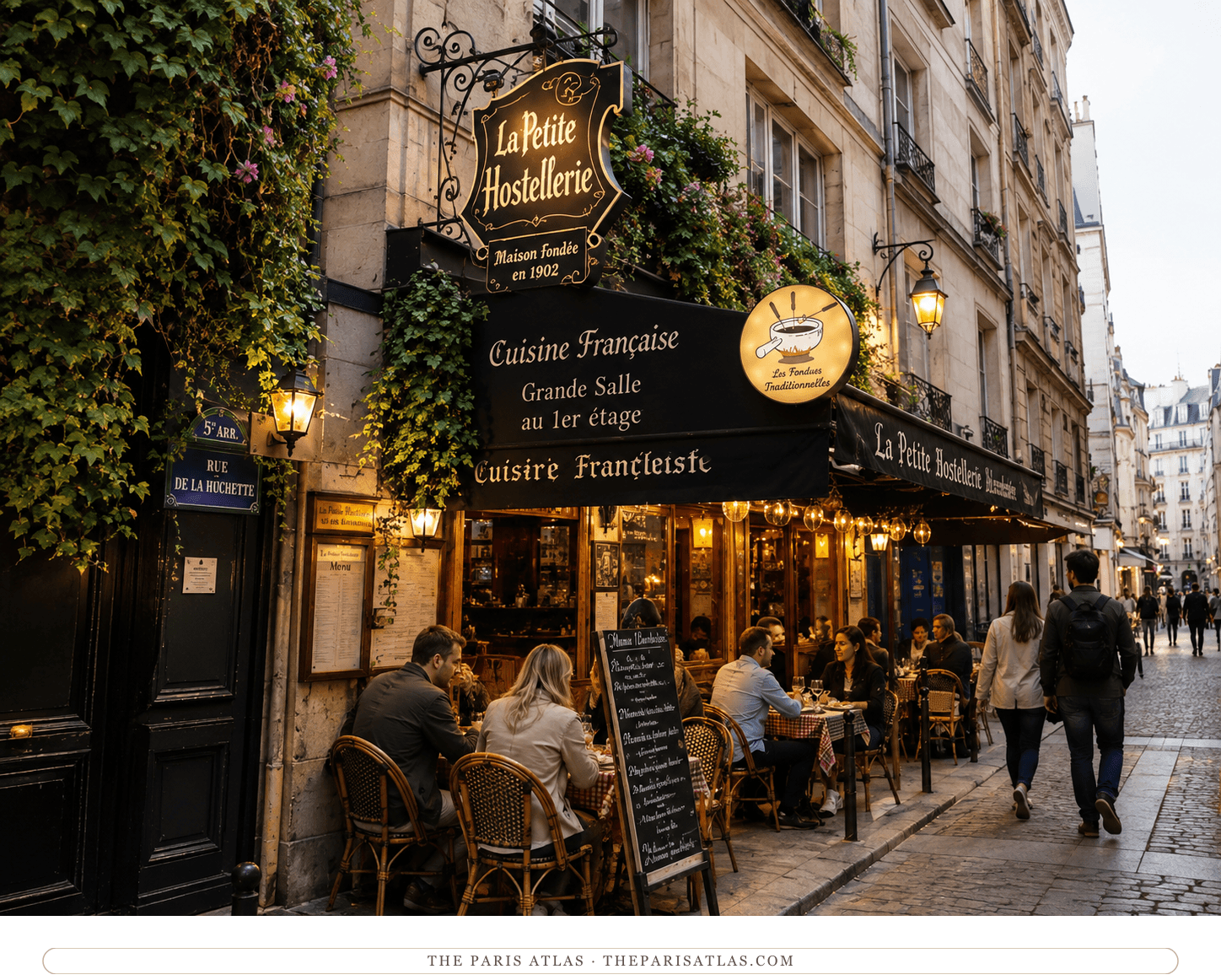
In the story
Chapters I to XXIII are set in the slum quarter Orwell calls the Coq d'Or, which is the rue du Pot de Fer off the rue Mouffetard, in the fifth arrondissement. He gives the street an invented name and keeps the quarter.
Visit the place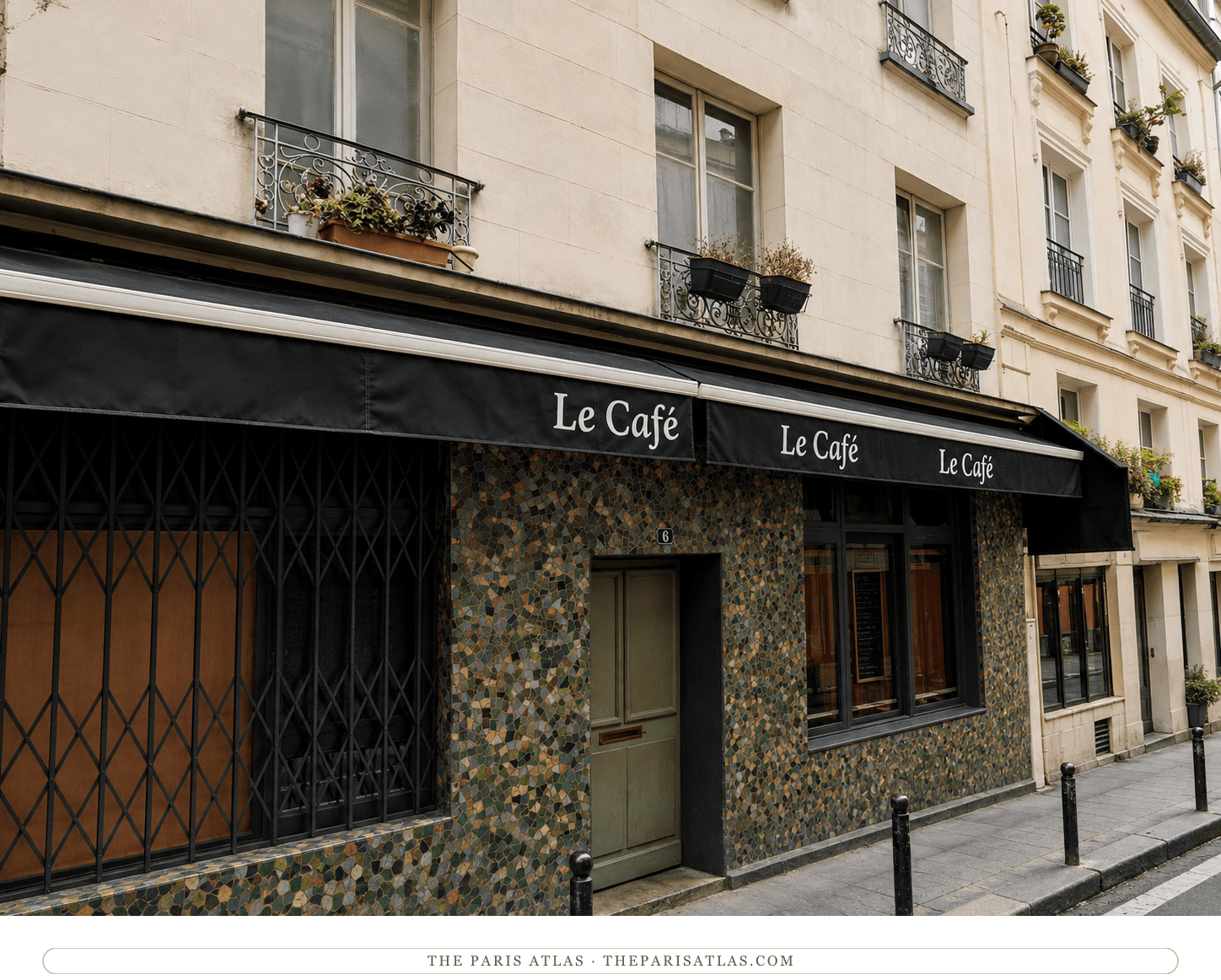
In the story
The lodging house of the Paris chapters is the Hôtel des Bons Amis at 6 rue du Pot de Fer, where Orwell lived from 1928 to 1929. He renames the street the rue du Coq d'Or and the hotel the Hôtel des Trois Moineaux, and the book opens on it.
Visit the place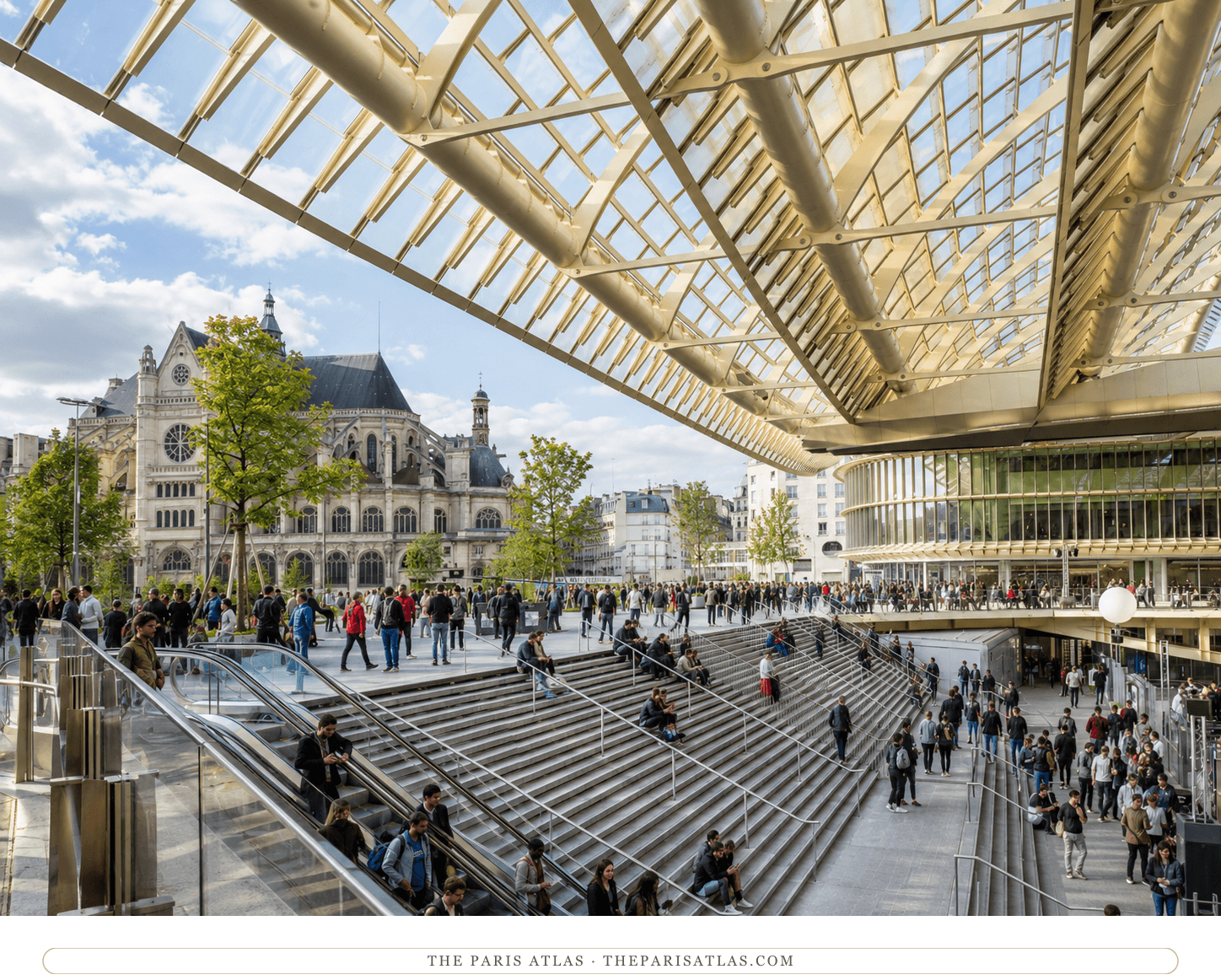
In the story
Boris, Orwell's Russian friend and former officer of the Second Siberian Rifles, worked as a porter at Les Halles on his way down from the army to the kitchens — one stop in the descent the book traces through Paris's food trade.
Visit the placeThe sources below include the primary text, editions, scholarship, archival materials, and other records that informed this page. They document Down and Out in Paris and London, its publication, and its place in literary history.


The primary text represented by this page, used for descriptions of the work’s contents and for any quoted passages shown here.
Project Gutenberg Australia transcription credited to Dragan R. Laban and N. Overton, first posted November 2001 and updated September 2015. Complete chapters XI–XIII and XXX were read, with adjacent XIV/XXXI context. The new paragraphs focus on XII's dining-room threshold and XXX's portrait of Bozo. This is a reading of the narrated scenes, not independent identification of Hôtel X, confirmation of every autobiographical detail, or a collation of the 1933 edition.
First-person evidence and historical context used in preparing the Down and Out in Paris and London page.
Web source consulted for documented facts and historical context presented on the Down and Out in Paris and London page.
Web source consulted for documented facts and historical context presented on the Down and Out in Paris and London page.
Biographical evidence used to verify chronology, relationships, and historical context connected to Down and Out in Paris and London.
Web source consulted for documented facts and historical context presented on the Down and Out in Paris and London page.
The primary text is the baseline reference for every book page. Additional references document publication history, interpretation, and historical context where that evidence is available.
 Explore more resources