

Down and Out in Paris and London
The hop-picking and the nights in Trafalgar Square come from the same 1931 tramping that produced the London half of the earlier book. Dorothy's experience is Orwell's, handed to someone else.
Read our take
Orwell's second novel: a rector's daughter loses her memory, wakes up on a London street, and finds out what England does with a penniless woman.
George Orwell's second novel, and the most formally experimental book he published. Dorothy Hare is twenty-eight, the only child of the Rector of St Athelstan's in Knype Hill, Suffolk, and she runs the parish her father cannot be bothered to run: the visiting, the Girl Guides, the accounts, the butcher's bill nobody can pay. She works a seventeen-hour day, keeps a memo list, and pricks her arm with a pin when her mind wanders during prayer. Then she loses her memory. Eight days later she comes to on a shabby street in south London, wearing clothes that are not hers, with no idea who she is, and falls in with three strangers walking to Kent for the hop harvest. The book follows her through five settings that have almost nothing to do with one another: the Suffolk parish, the road and the hopfields, a night on the pavement in Trafalgar Square, a private girls' school in a London suburb that is a swindle from the prospectus down, and finally home. One chapter is written as a play.
Victor Gollancz published the book in London on 11 March 1935, after alterations made late in the day for fear of libel. George Orwell had written it at his parents' house in Southwold, Suffolk, starting in mid-January 1934 while he was recovering from pneumonia and finishing on 3 October. Harper & Brothers brought out the first American edition on 17 August 1936, printed from the British sheets.[1]
Three of the five settings are places Orwell had been. He picked hops in Kent in the late summer of 1931, lived in a hoppers' hut like the other pickers, and typed up a diary of the whole trip on 10 October that year. The same diary records him arriving in Trafalgar Square on 26 August 1931, which he describes as one of the recognised rendezvous of down and out people in London, camping by the north wall and getting no sleep between the cold and the police. Two of the men he met there, Ginger and Deafie, keep their names in the novel, and the stage direction that opens the Trafalgar Square chapter puts Dorothy on a bench near the north parapet. The material overlaps with the English half of Down and Out in Paris and London, which Orwell was drafting in the same period.[1]
The Trafalgar Square chapter is the strange one. Chapter 3, part 1 is not narrated at all. It is set out as a script, with speech prefixes, stage directions in square brackets, and Big Ben striking the hours over a dozen homeless Londoners who talk across one another all night. The technique comes from the Nighttown episode of James Joyce's Ulysses, which Orwell had read in early 1933 and which left him, he told his friend Brenda Salkeld, with an inferiority complex. Nothing else in his published work looks like it.[1]
Orwell's own verdict on the book is well known and worth quoting accurately, because it is more particular than its reputation suggests. He called the novel "tripe" in a letter to Salkeld, and then added the exception: "except for chap 3, part 1, which I am pleased with". That is the play chapter. Writing to the American novelist Henry Miller in August 1936 he called the book "bollocks" while allowing that he had made some useful experiments in it, and in September 1946 he told George Woodcock that it "was written simply as an exercise and I oughtn't to have published it, but I was desperate for money". He left instructions that it was not to be reprinted after his death, while consenting to cheap editions of any book that might bring in a few pounds for his heirs.[1]
Chapter 1 is a single day in Knype Hill, a Suffolk town of two thousand people. Dorothy Hare gets up at half past five, lights a fire that will not light, takes a cold bath, reads her memo list, and bicycles up the hill to Holy Communion, where the only other communicant is old Miss Mayfill. Her father, the Reverend Charles Hare, has been Rector since 1908 and has reduced the congregation from six hundred to under two hundred. He has no money because he loses it in shares, and he will not discuss the twenty-one pounds seven and ninepence owing to Cargill the butcher. Proggett the sexton reports again that the church bells are splintering through the belfry floor. In the High Street the sugar-beet manufacturer Mr Blifil-Gordon is campaigning in a by-election, Mr Warburton pinches Dorothy's elbow in front of the shops, and Mrs Semprill, the town's leading scandalmonger, whispers a story about a girl from the choir. That evening Dorothy goes to Warburton's house on the strength of an invitation to meet a novelist who turns out not to exist. He holds her down in her chair, strokes her arm, and later kisses her at the front gate while she struggles. Mrs Semprill's window overlooks the gate. Dorothy walks home, sits down at midnight to make a pair of jackboots out of glue and brown paper for the school play, and the chapter ends with her still pasting strips of paper into place.[1]
Chapter 2 opens eight days later, on 29 August, in the New Kent Road. Dorothy is looking at a street without knowing what a street is. Words come back to her one at a time, then her body, then her face in a jeweller's mirror. Her clothes are not the ones she was wearing and her gold cross is gone. A tobacconist's poster reads "Rector's Daughter. Now believed in Paris" and means nothing to her. Three young people on their way to the Kent hopfields see the half-crown in her pocket and take her with them. She gives her name as Ellen. The promised job turns out to have been invented. They beg and steal their way south for three days, two of the four desert them, and Dorothy and Nobby are eventually taken on at Cairns's farm at twopence a bushel. Hop-picking is ten or twelve hours a day, the bine thorns open her hands, and the work makes her, in Orwell's word, happy. She earns about ten shillings a week and does not think about who she is. A copy of Pippin's Weekly with her own photograph on the front page passes through her hands and she is too tired to read it.[1]
Chapter 3 is Trafalgar Square, and it is written as a play. Big Ben strikes ten, and then eleven, and then the small hours, while a dozen people cluster round a bench near the north parapet: Charlie singing hymns, Ginger brewing tea, Mrs McElligot remembering Michael, Mrs Bendigo on her husband, Deafie singing one line over and over, and Mr Tallboys, an unfrocked clergyman, reciting the Benedicite backwards. Nobody can sleep. They pile themselves on the bench in a heap for warmth, are moved on by the police, wrap themselves in newspaper posters given away in charity at three in the morning, and queue outside Wilkins's cafe from twenty to five for a cup of tea between three of them. Dorothy does this for nine days and ten nights, until she is arrested for begging with two other women. The chapter's last line is the Black Maria arriving at Old Street Police Court.[1]
Chapter 4 is the school. Dorothy's cousin Sir Thomas Hare, a baronet who has never met her and wants the newspapers to stop printing his surname, has her found by his butler and parked in an empty house, and his solicitor finds her a job. Ringwood House Academy for Girls, Brough Road, Southbridge, has twenty-one pupils and one teacher, and Mrs Creevy runs it for the fees. On the first morning Dorothy discovers that the girls know almost nothing: two of them can say whether the earth goes round the sun, none can name the king before George V. She throws out the handwriting drills and the 1888 history textbook, spends two pounds three shillings of her own four pounds ten on secondhand Shakespeares and an atlas, and starts them on Macbeth and a plasticine map of Europe. For a few weeks the class comes alive. Then the girls ask their parents what a word in Macbeth means, six parents arrive to sit in a ring around Dorothy while a commercial traveller explains that they do not send their children to school to have ideas put into their heads, and Mrs Creevy sets out her own position at length: the fees come first and everything else comes afterwards. The map is scraped off the board, the Shakespeares are impounded, and two hours a day go back to handwriting.[1]
Two things happen to Dorothy in the second half of the book, and only one of them is an event. The first is that her memory comes back, on the night Nobby is arrested for stealing apples: something bursts in her brain, she digs the old newspaper out of the straw, and reads Mrs Semprill's account of her own elopement with an elderly bachelor named Warburton. She writes home for two pounds and her clothes. Her father, who never believed the amnesia and whose first reaction to her disappearance was rage about his breakfast, writes instead to his rich cousin, and delays the letter to Dorothy so long that she is already in the street when it arrives.
The second thing has no scene at all. Walking back from a village post office where there is no letter for her, Dorothy notices, in passing, that she has not prayed since she left home and no longer has any impulse to. Orwell gives it four sentences and moves on. What is gone is not a mood but the whole structure: God, immortal life, Heaven and Hell. She does not reason her way out of it and cannot reason her way back, and she goes on attending church every Sunday for the rest of the book without believing a word of it.
Mrs Creevy sacks her without notice on the first day of the holidays, having sweetened her for weeks with marmalade and talk of next term so that she would not start stealing pupils; a teacher called Miss Allcock has offered to bring three children with her from another school. Dorothy is five yards from the gate with her handbag when a telegraph boy arrives with a telegram from Warburton, dictated in full including the words "note of exclamation". Mrs Semprill has lost a libel action brought by the bank manager and been ordered to pay a hundred and fifty pounds; she has left Knype Hill overnight, and a woman proved a liar in open court is no longer believed about anybody. Dorothy is reinstated by the same mechanism that ruined her.
On the train home Warburton lays out what her life will be if she does not marry: ten years as her father's unpaid curate, then his death and the debts, then a nursery governess or another girls' school, and a slow public withering that everyone but she can see. Then he asks her to marry him. She is nearly hypnotised into saying yes, and the spell breaks the moment he actually pulls her against him. She sees afterwards that he had been enjoying himself and did not much mind either way. She goes home. Her father asks her to bring her typewriter down and type his sermon. The parish is exactly as she left it, only dirtier and further behind.
The last pages are Dorothy in the conservatory with the glue-pot, making armour for a pageant in aid of the organ fund, trying to think her way through a world she now believes has no purpose in it, and failing. She kneels down and prays anyway, and it is useless. Then she smells the glue heating, jumps up, and goes back to work. The questions leave her mind entirely, and the book ends with her pasting strips of brown paper on a breastplate in the dark, too busy to light the lamp. Orwell states the moral in his own voice and says that Dorothy cannot yet formulate it: that there is no solution, and that faith and no faith come to much the same thing provided one is doing work that is customary, useful, and acceptable.
In the hopfields, Dorothy's absorption is real without proving that the work is fair. Repeated bodily actions and shared singing create a sense of belonging, while the measuring basket and pay calculations expose how easily that effort can be discounted. Orwell moves between felt experience and the arithmetic of exploitation. The passage therefore resists treating rural labor as a cure: her pleasure occupies the same hours as injury, exhaustion and wages that scarcely sustain her.
The closing glue-pot interrupts questions it cannot answer. Dorothy resumes a familiar task before reaching a new belief; the narrator supplies an explanation she cannot yet formulate herself. That separation matters. Practical usefulness offers a way to continue, but it also returns her to the unpaid routine that structured the opening. The final concentration can be read as resilience and confinement at once: work fills the space left by faith without showing that Dorothy's circumstances have become just.
Faith vanishes, but the need for faith remains the same as before.
It is a mysterious thing, the loss of faith—as mysterious as faith itself.
Life, if the grave really ends it, is monstrous and dreadful.
A realist novel about a Suffolk parish stops dead in the middle and becomes a play. Whatever you think of the result, there is nothing else like it in his work, and he said it was the only part of the book he was pleased with.
Orwell taught in two private schools before he wrote this, and the account of Ringwood House is specific enough to be useful: the three lists of parents by how promptly they pay, the handwriting drills that exist to be shown to fathers, the history textbook of 1888. He estimated ten thousand such schools in England, fewer than a thousand of them inspected.
Dorothy's belief does not collapse in an argument or a dark night. She notices its absence in passing, on a country road, while thinking about a train fare, and records it the way you would notice a flower in a ditch. The rest of the book is about what a person does afterwards.
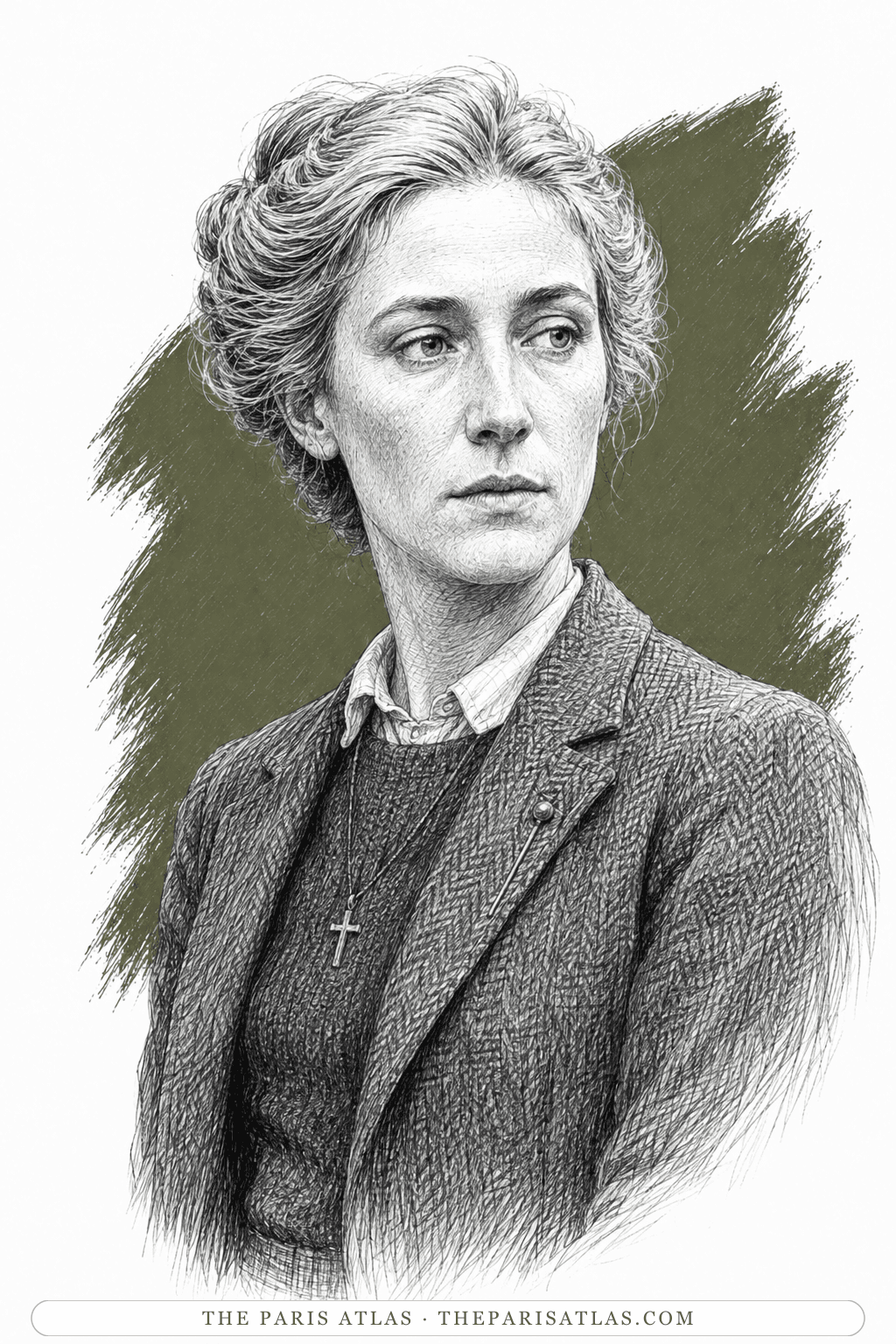
The clergyman's daughter of the title. Twenty-eight, the only child of the Rector of St Athelstan's in Knype Hill, and effectively the unpaid curate of his parish. She keeps a memo list, takes cold baths on principle, and carries a pin in her lapel to punish herself with when her attention wanders at prayer.
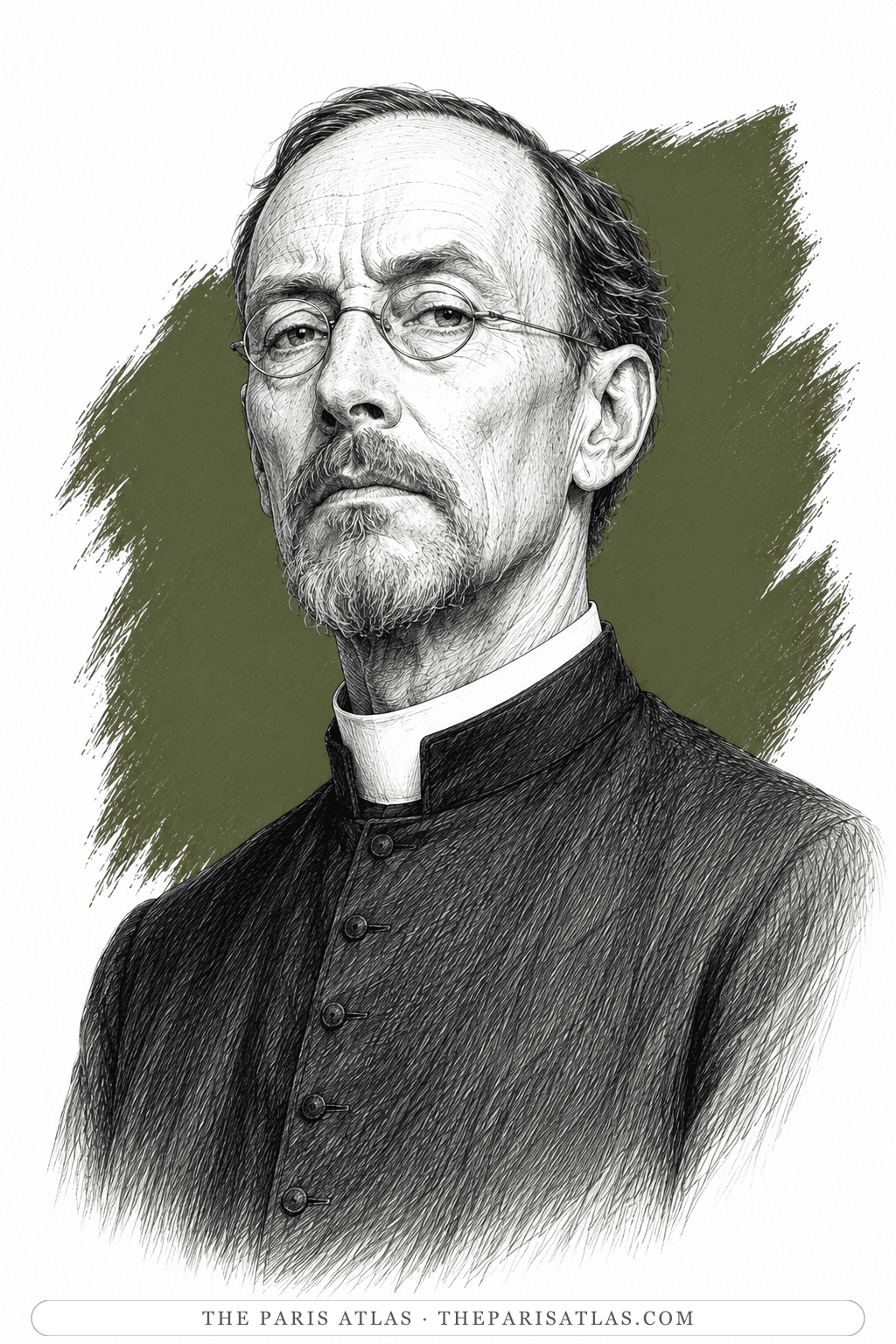
Rector of St Athelstan's, Knype Hill, and Dorothy's father. Scrupulous inside the church and entirely absent outside it. He loses money in shares he does not understand, ignores the bills, and has reduced his congregation from six hundred to under two hundred.
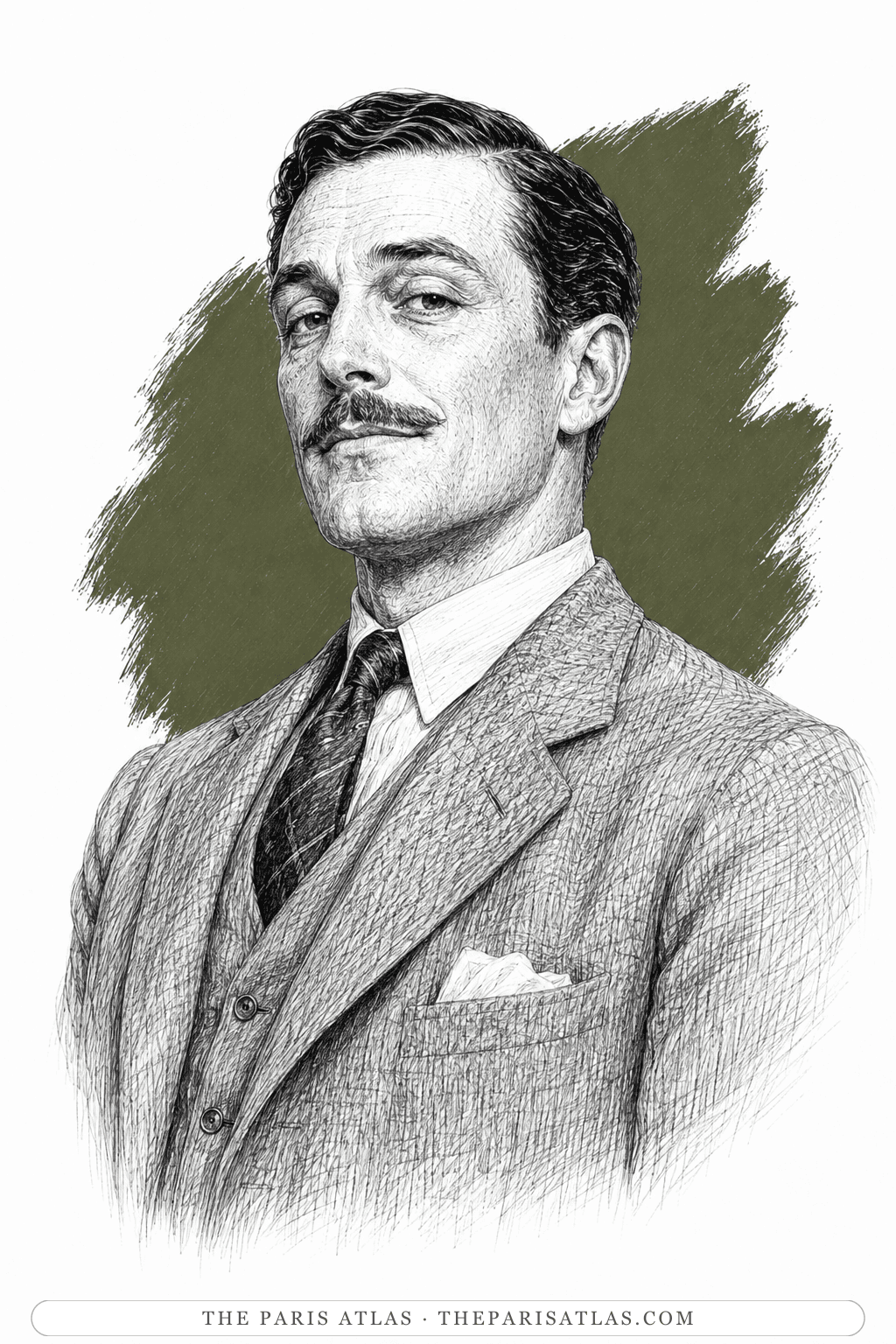
Knype Hill's resident scandal: a bald, genial man of independent means who calls himself a painter, lives openly with a housekeeper, and has three children he refers to as the bastards. He is Dorothy's only real friend in the town, and he assaults her repeatedly.
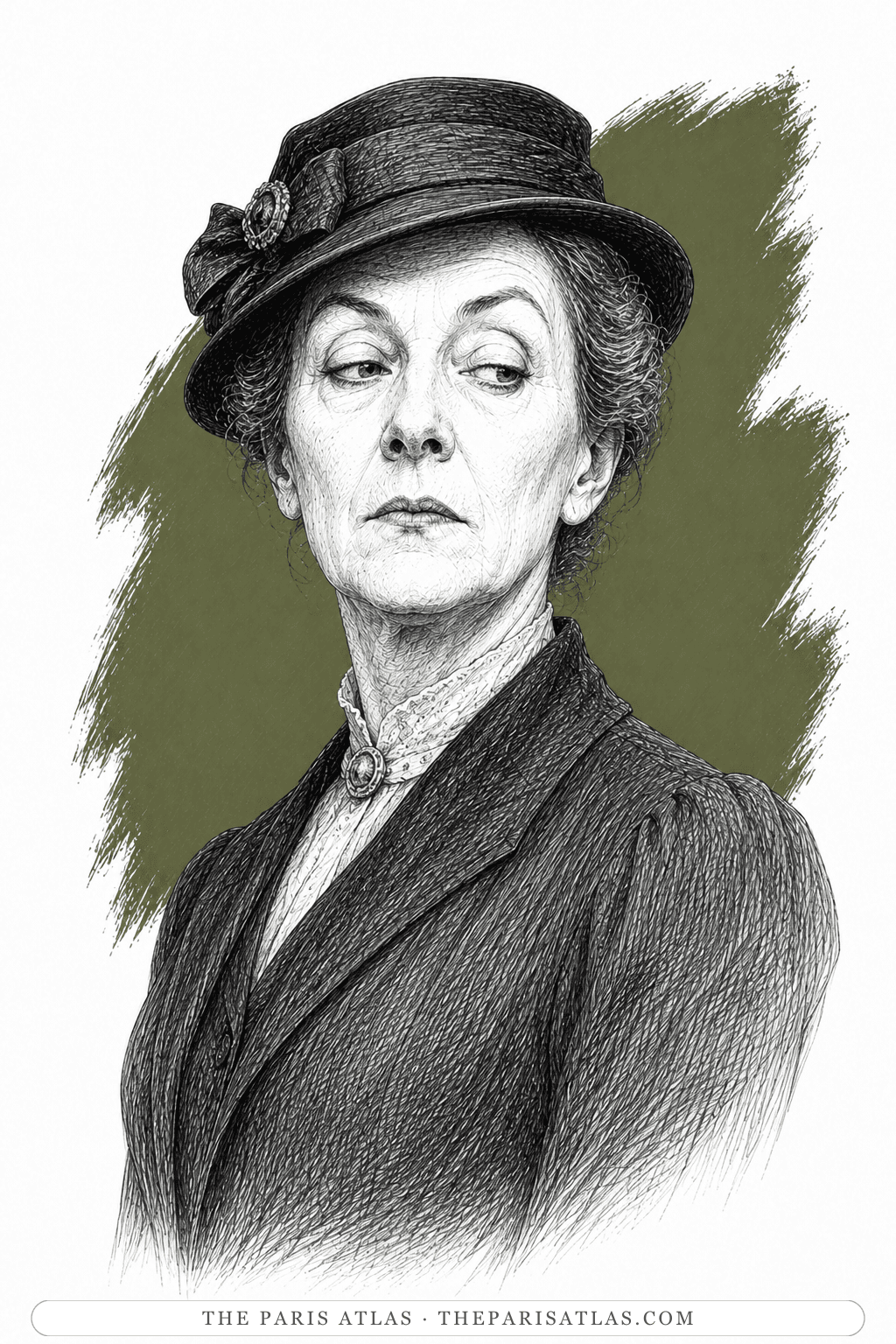
Owner and principal of Ringwood House Academy for Girls, Southbridge, where Dorothy teaches. She does not teach herself, sorts the twenty-one pupils into good, medium and bad payers, and states her educational philosophy in one sentence: it is the fees she is after.
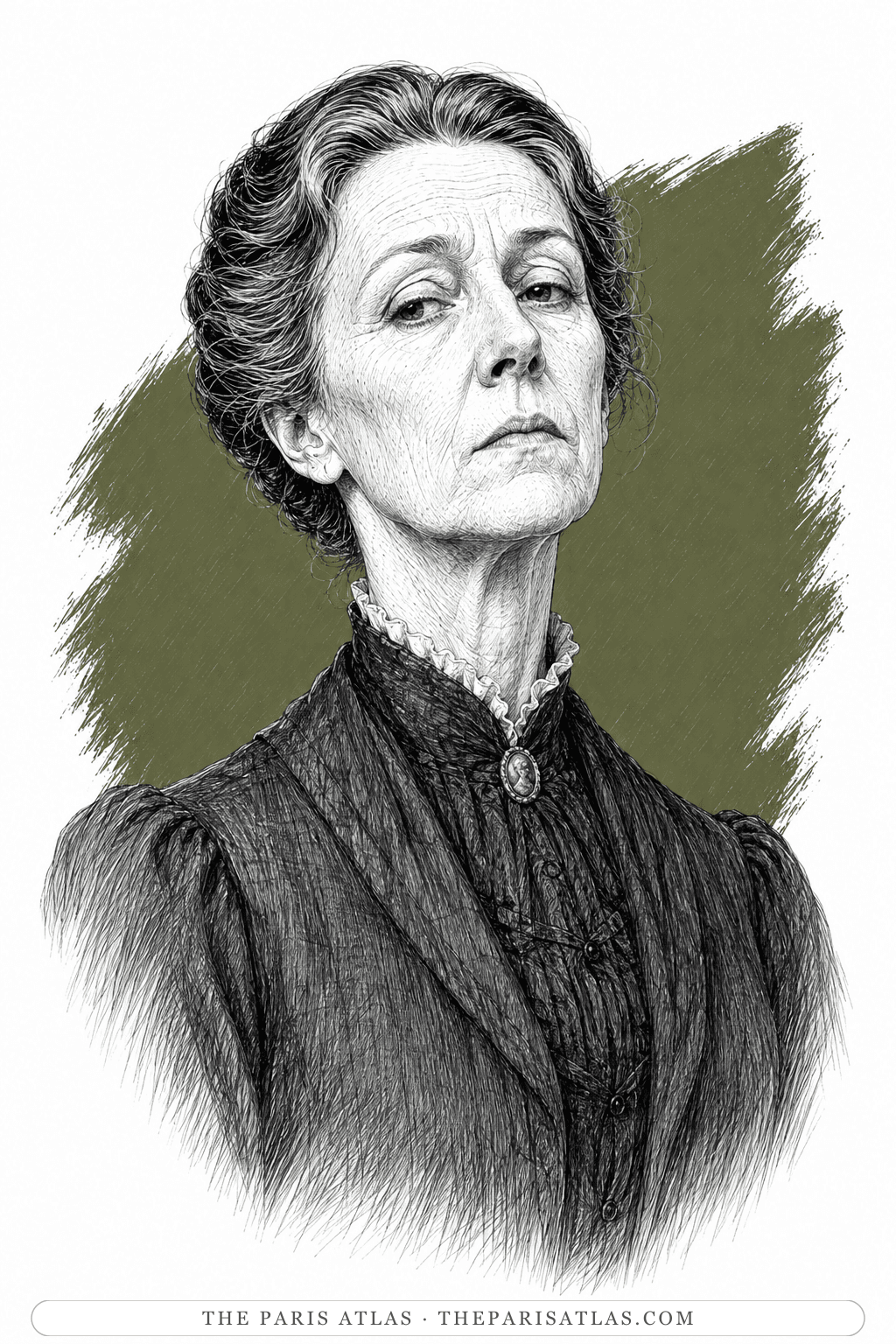
Knype Hill's leading scandalmonger, and Mr Warburton's next-door neighbour. Everything that happens to Dorothy in the last four chapters of the book follows from what Mrs Semprill saw, or says she saw, from an upstairs window.
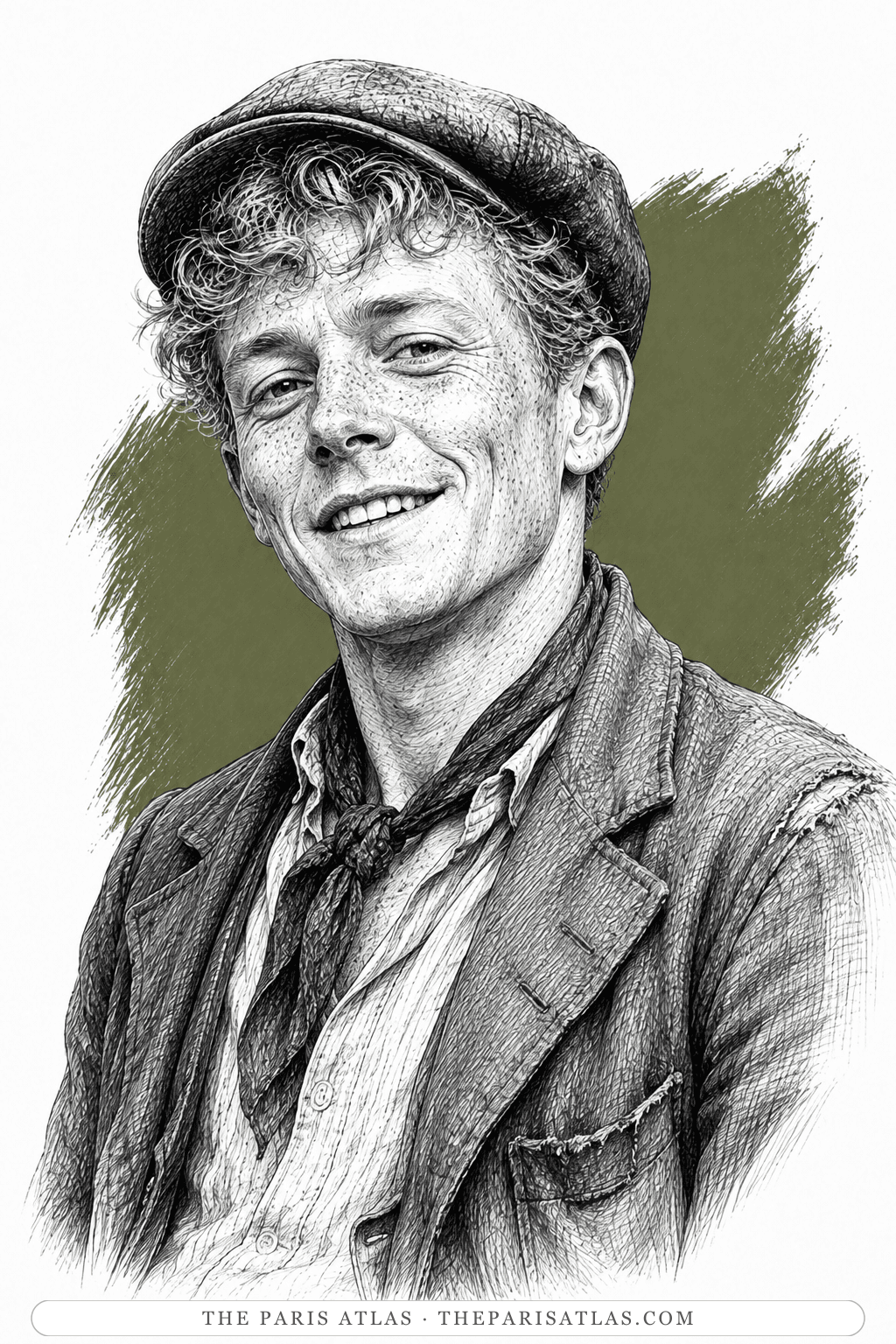
The tramp who picks Dorothy up in the New Kent Road and takes her hop-picking. Twenty-six, orange-haired, a burglar with four convictions, and the most cheerful person in the book. He lies to her within a minute of meeting her and looks after her for six weeks.
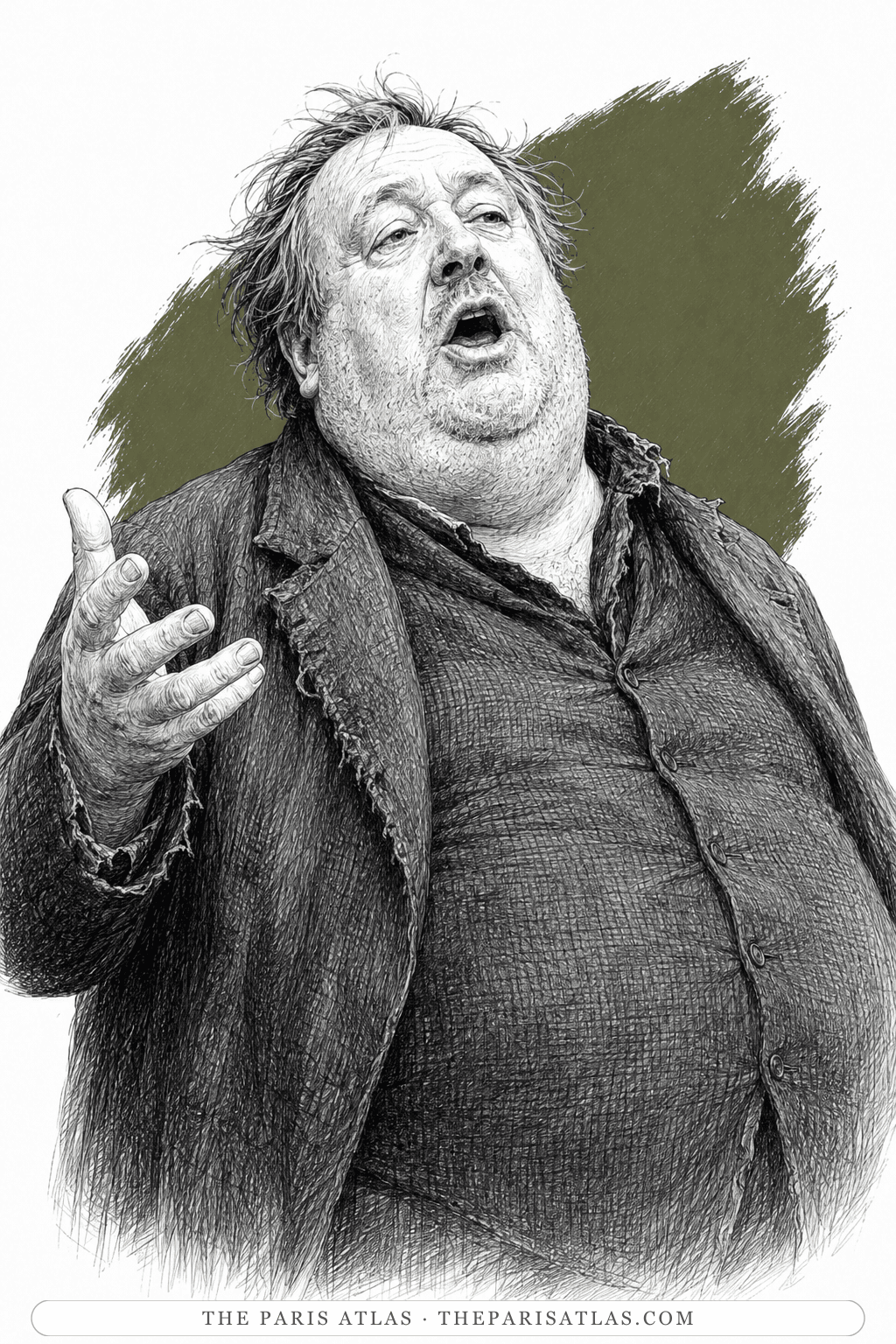
An unfrocked clergyman on the benches of Trafalgar Square, and the loudest voice in the chapter Orwell wrote as a play. He spends the night reciting the liturgy backwards and remembering his rectory.
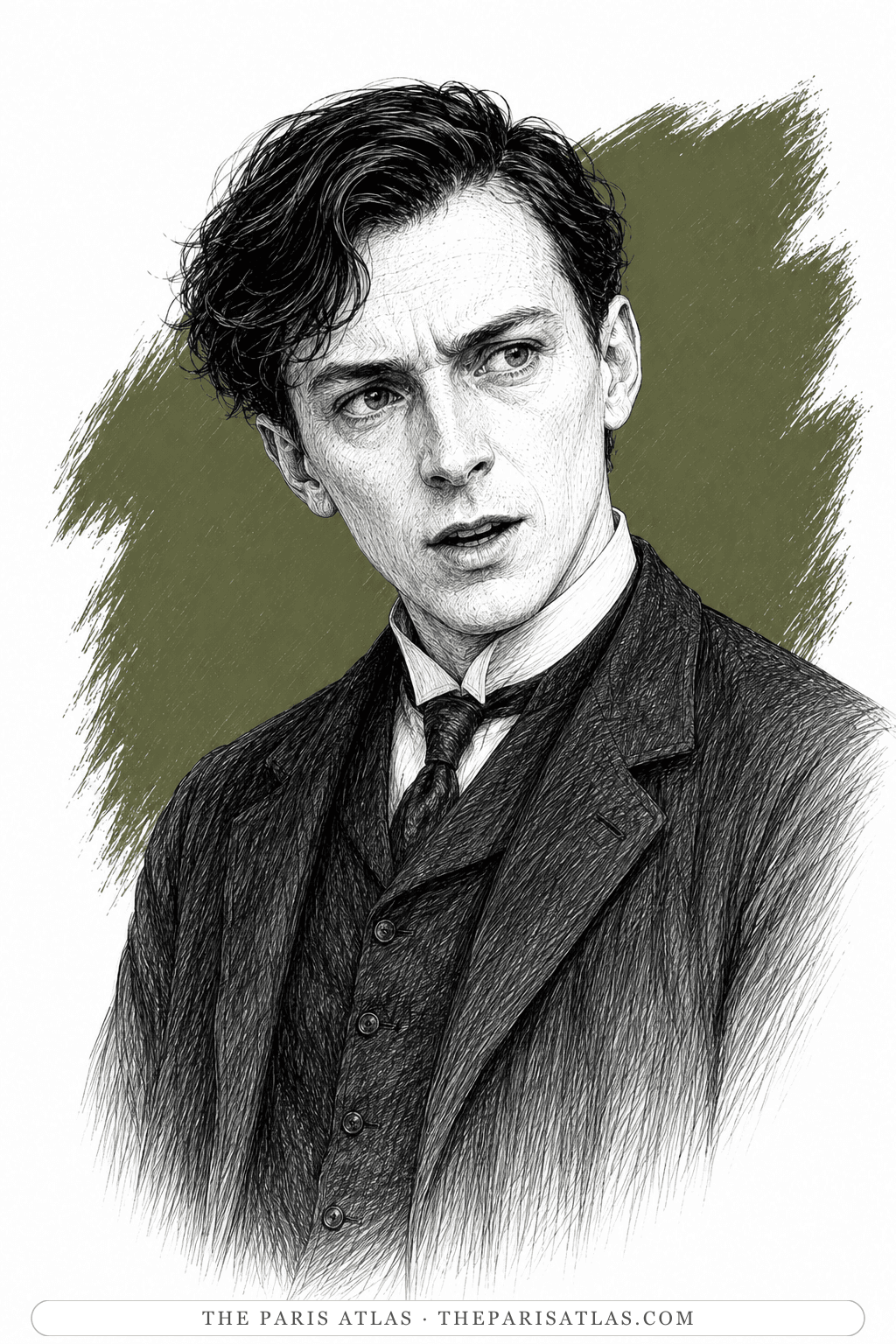
The Church schoolmaster and organist at Knype Hill, twenty-seven and permanently at war. He produces the school plays Dorothy makes the costumes for, and writes a letter to the Church Times most weeks.
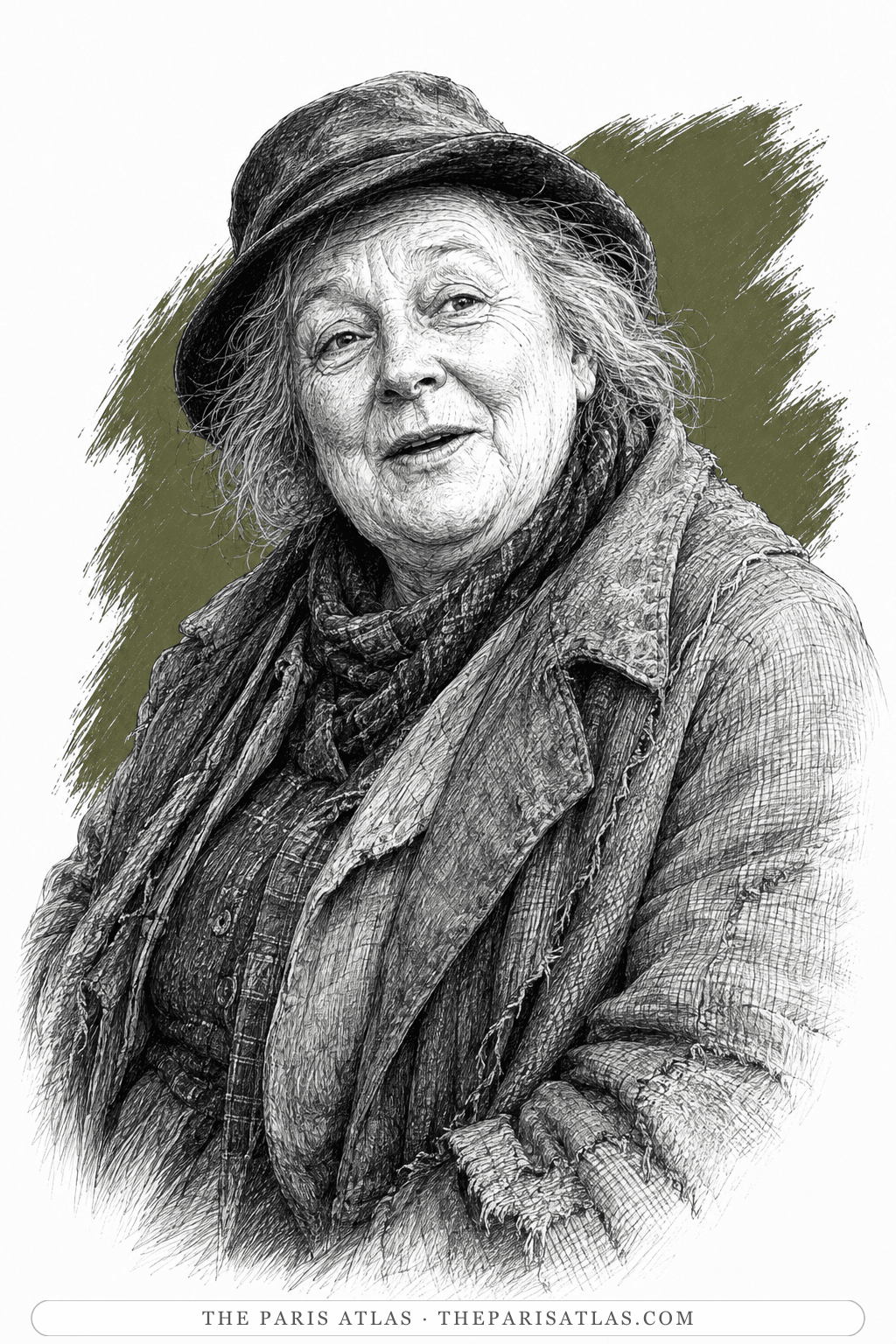
An old Irishwoman Dorothy meets on a village green in Kent and again in Trafalgar Square. She knows which farms are hiring, where the churches open for the winter, and how to keep warm on a bench.
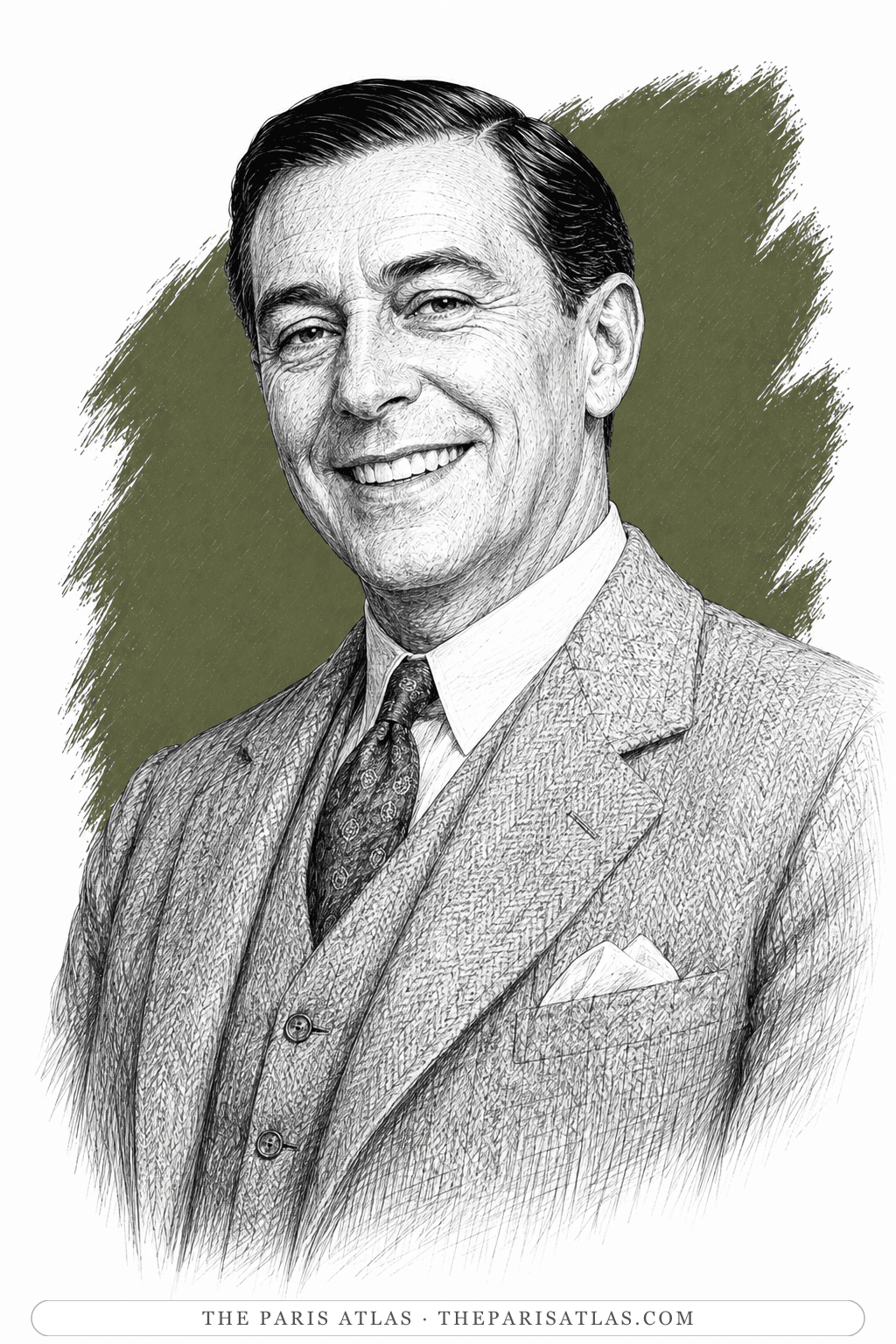
Proprietor of the sugar-beet refinery that employs more than half of Knype Hill, and the Conservative candidate in the by-election running through chapter 1. He smiles at Dorothy for the first time in years on the morning of the campaign.
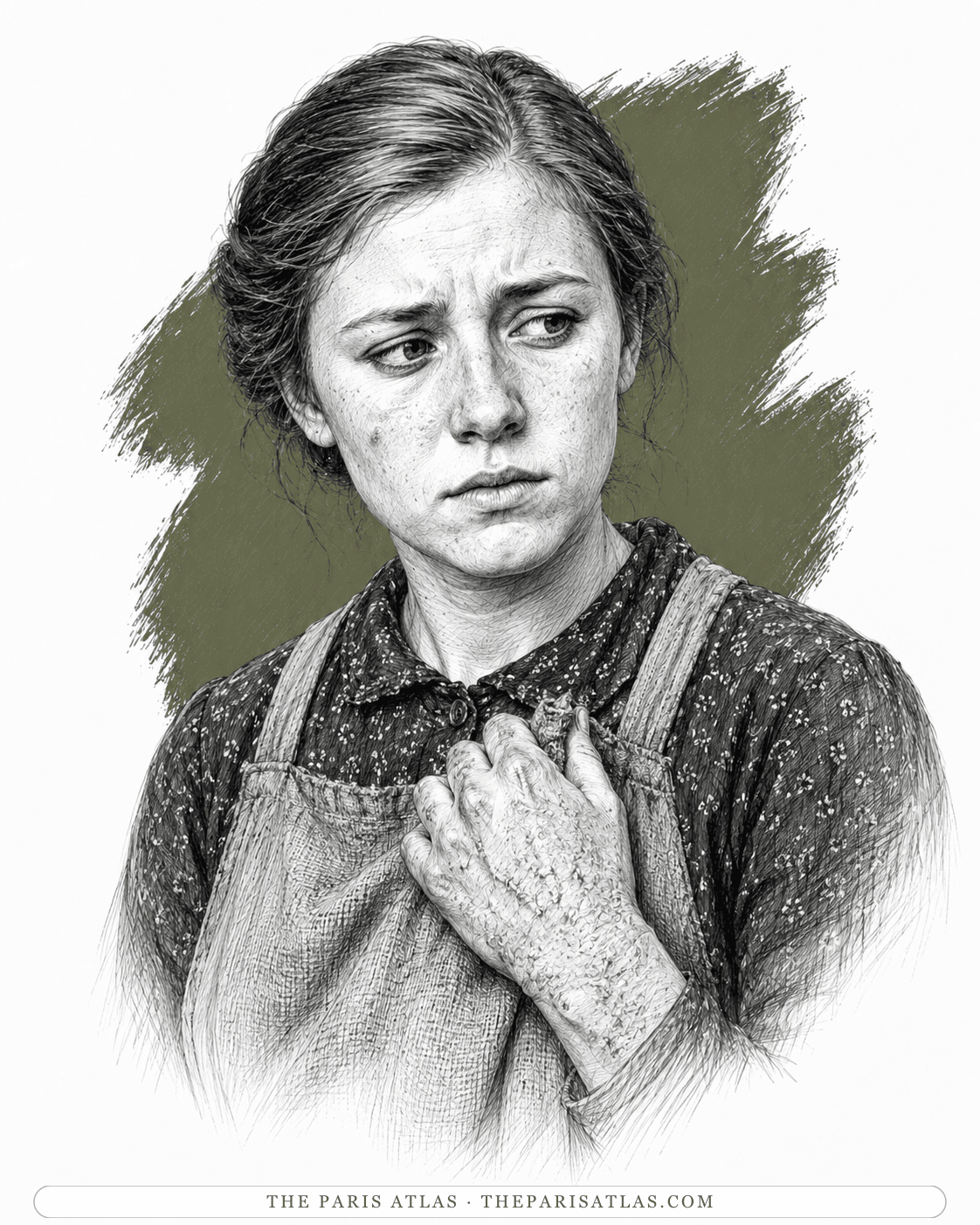
The Rectory's maid of all work, and the only other servant in the house. Dorothy borrows her first name when she needs one on the road, which is the largest thing Ellen does in the book without knowing it.
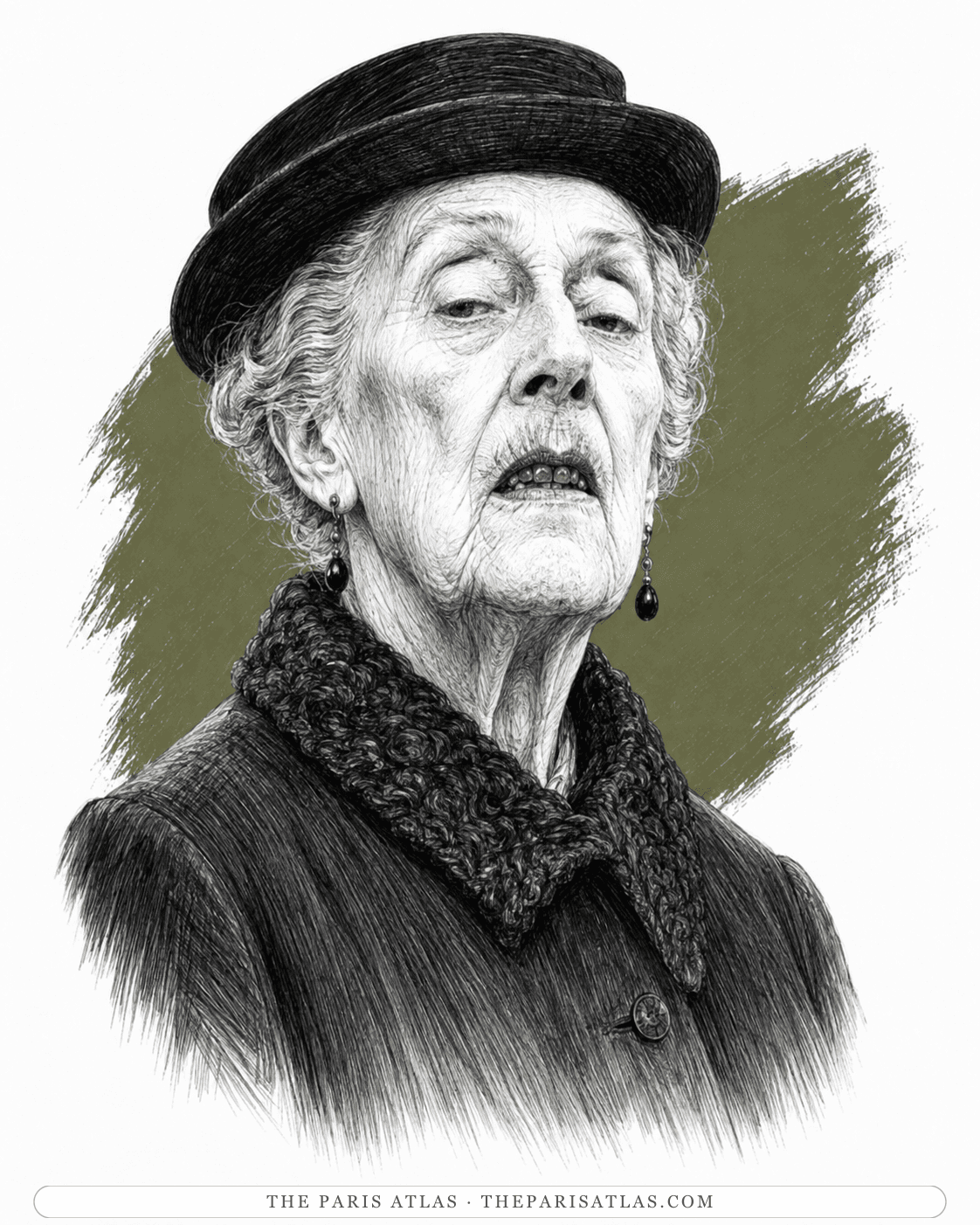
The Grange's ancient owner, and the only communicant besides Dorothy at the seven o'clock service. She has never been known to put more than sixpence in the collection bag, and her contribution to the jumble sale is two handleless chamber-pots.
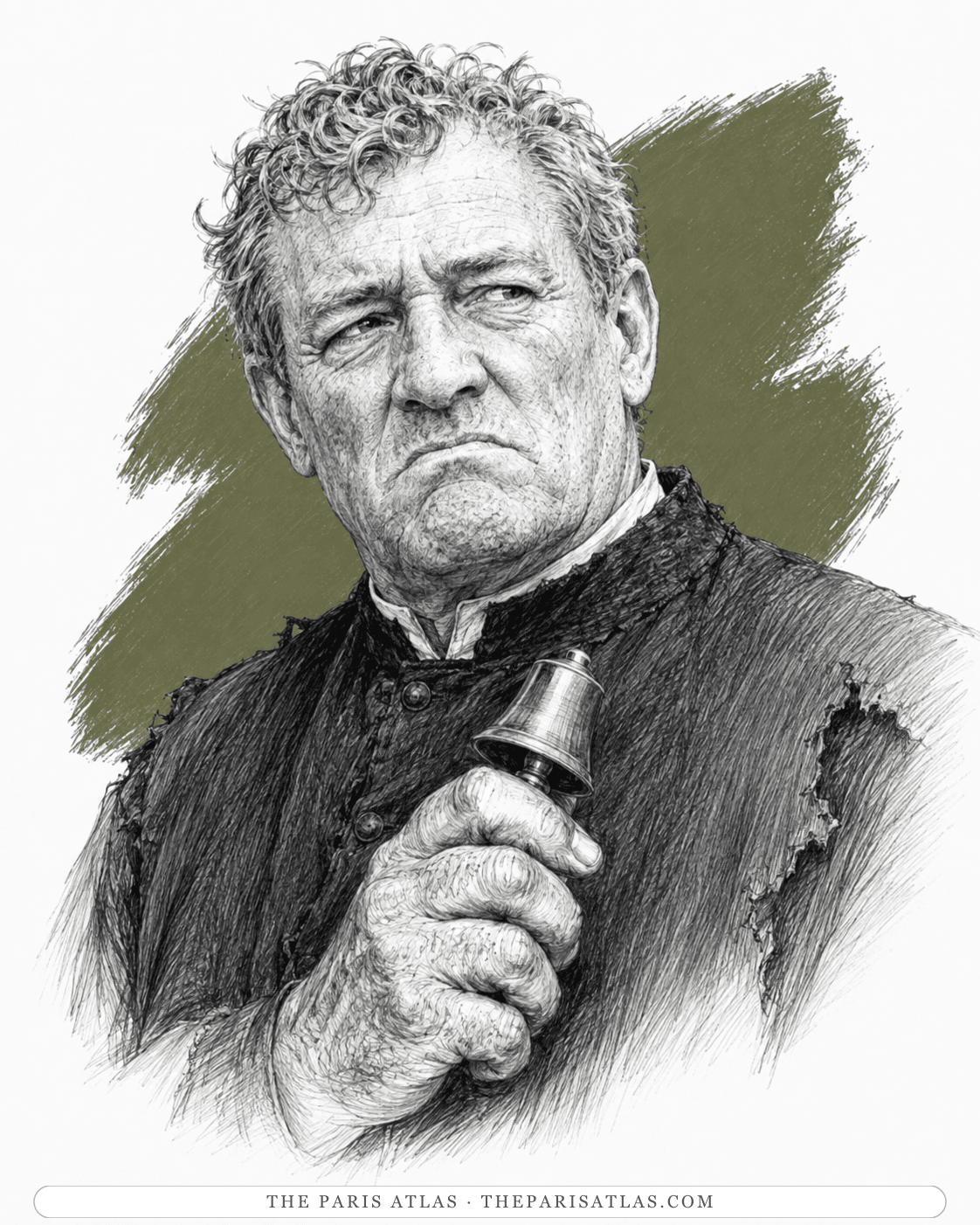
The sexton at St Athelstan's, forty, red-faced and permanently on the verge of swearing. He has decided that the Church of Christ means the actual walls, roof and tower of the building, and reports on the state of the belfry about once a fortnight.
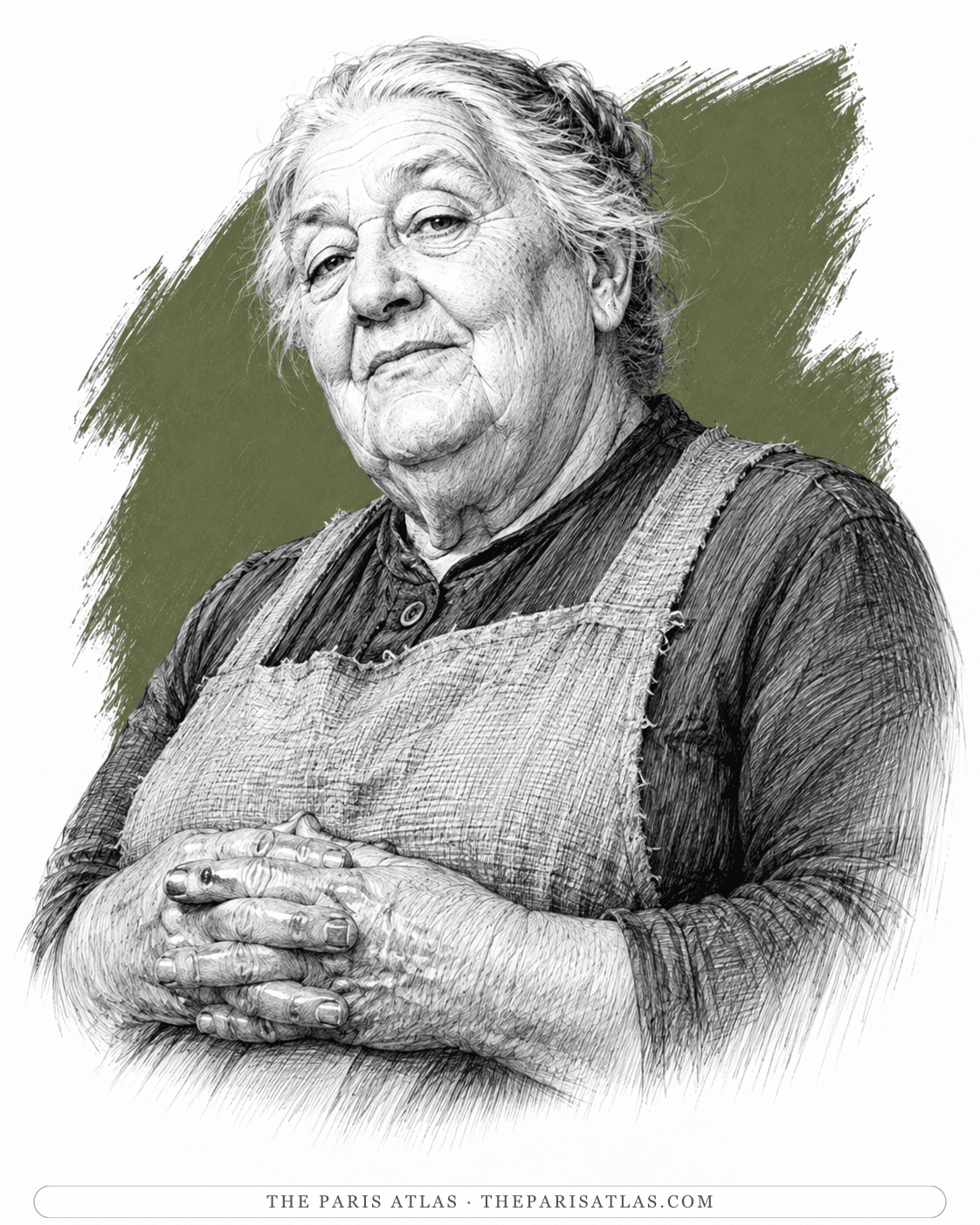
One of the few genuinely pious people on Dorothy's visiting list, and one of the most exhausting. She has two subjects, the miseries of her rheumatism and the joys of Heaven, and she is ready for a little prayer at any hour of the night or day.
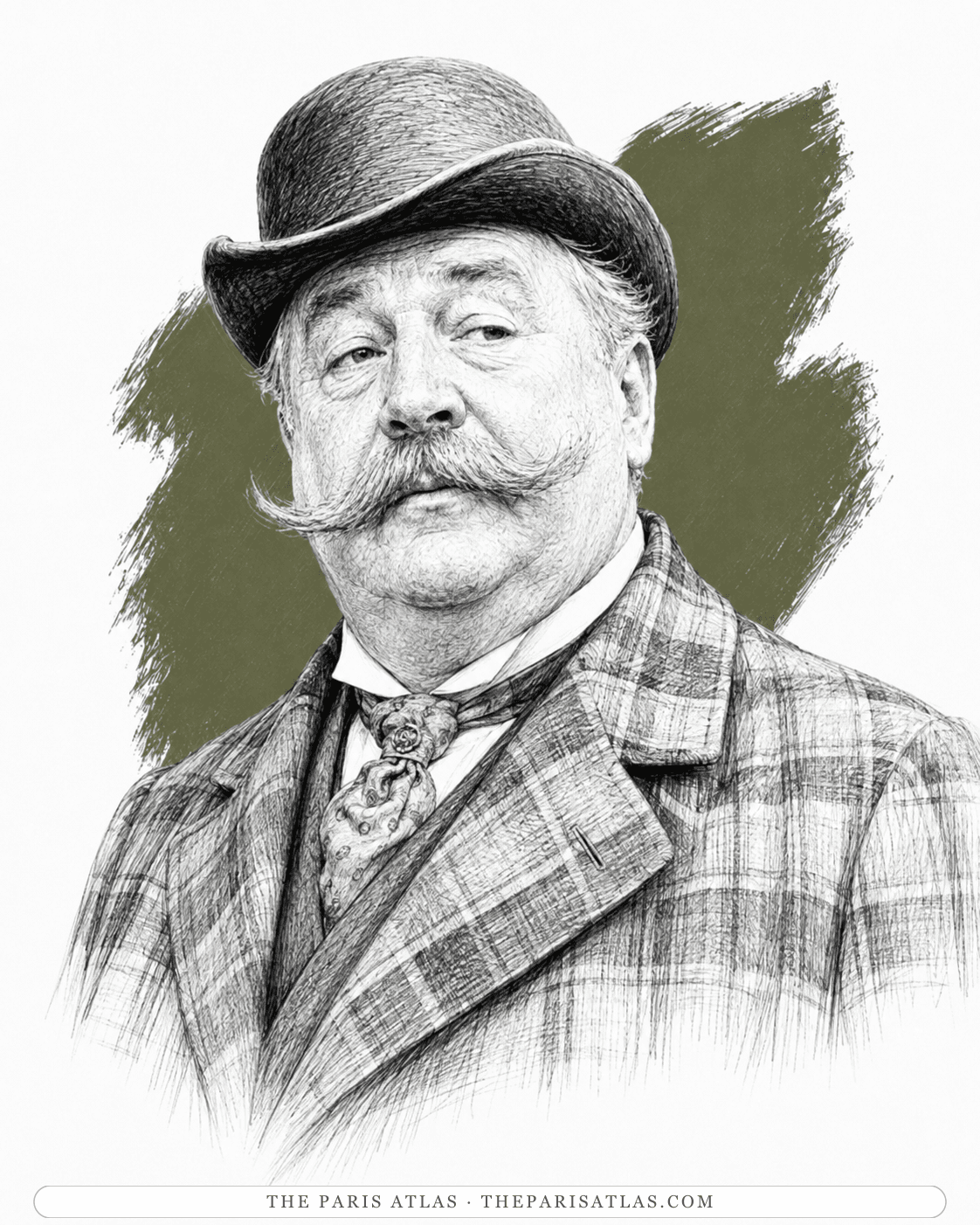
Dorothy's cousin, a widowed baronet of about sixty-five who has never met her and cannot remember whether she is his cousin or his niece. He has her tracked down and locked in his empty London house, chiefly because she shares his surname and the newspapers keep printing it.
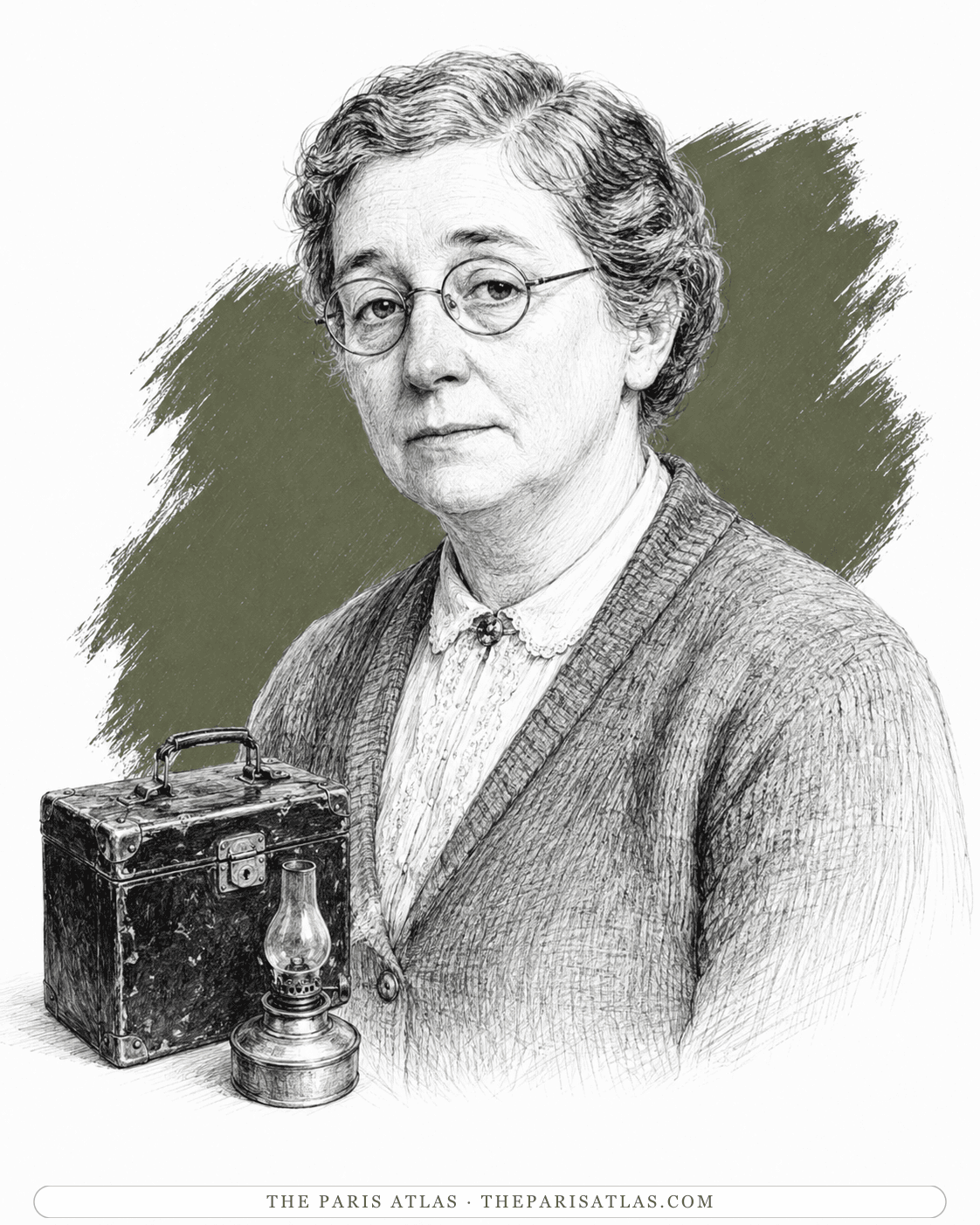
Geography mistress at another Southbridge school, met by chance in the public library, and the only friend Dorothy makes in eight months. Twenty years of slave-driving have brought her four pounds a week, a bed-sitting room, and the photographs of one trip to the Tyrol in 1913.
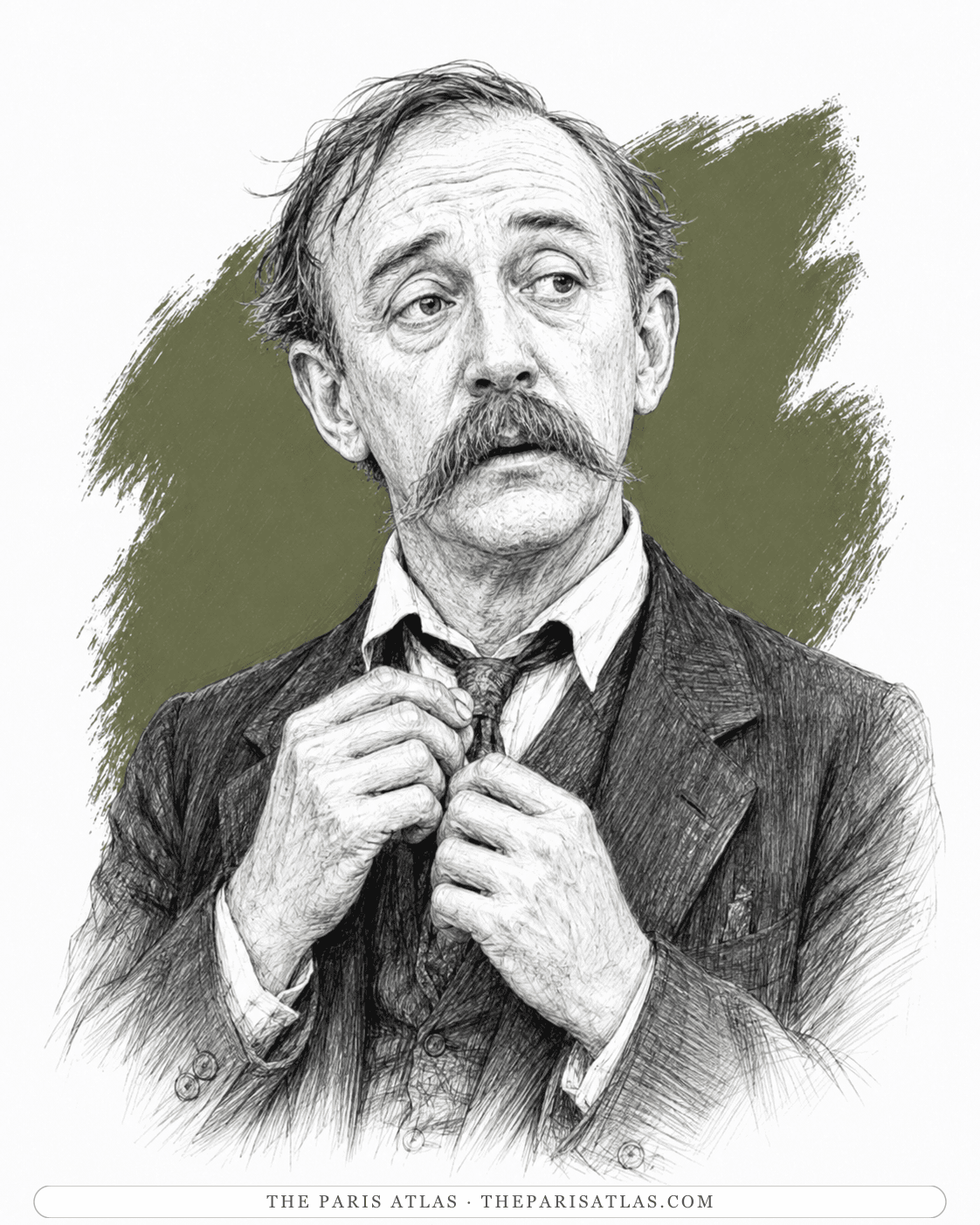
The visiting chemistry lecturer at Ringwood House, at two and sixpence a time. Every lecture begins with the ninety-three elements and never gets much further, and the very interesting little experiment promised for next week is never performed.
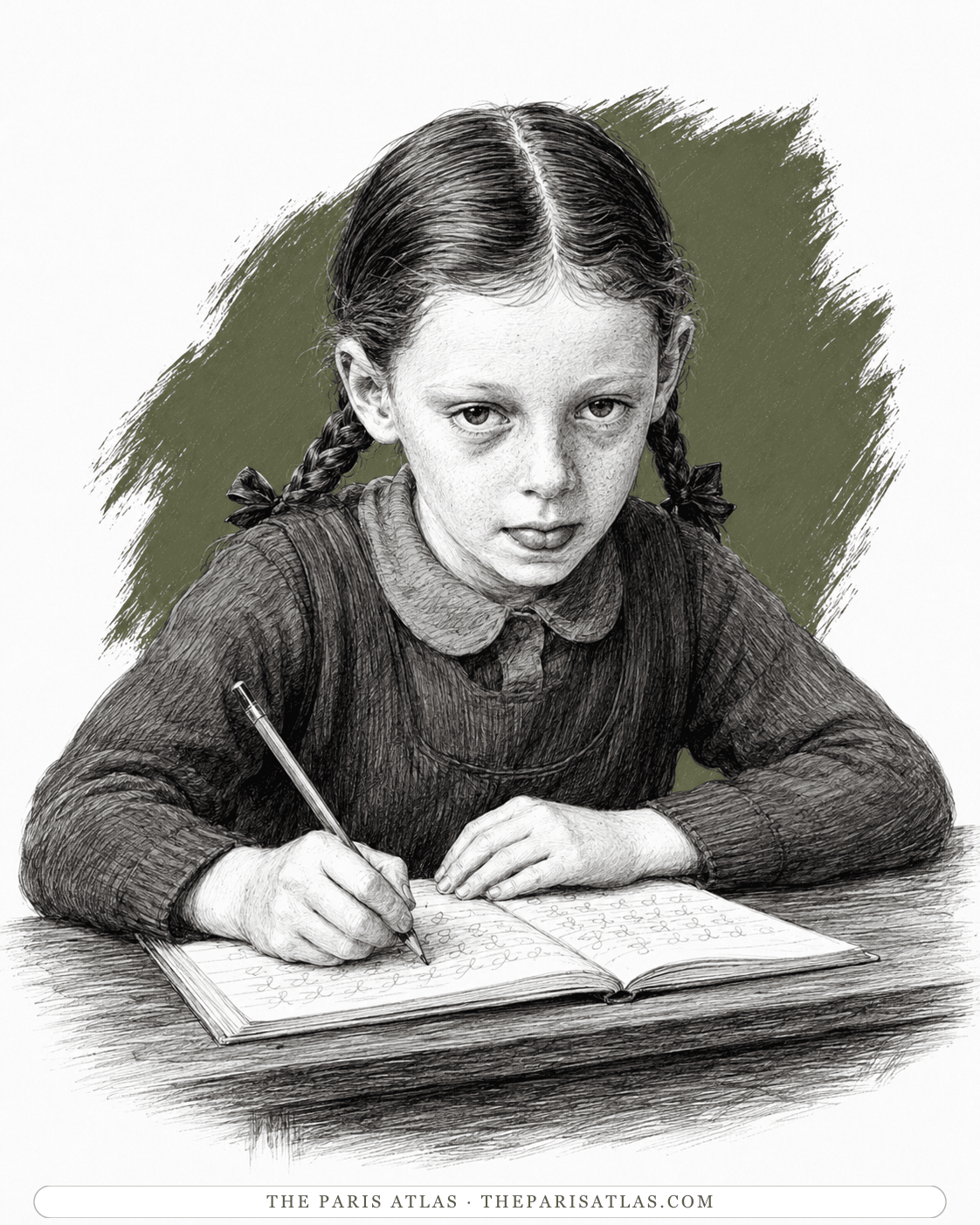
A pupil of eleven who has spent a term and a half filling books with pothooks. Her mother pays the fees regularly and believes she is only backward; Mrs Creevy knows otherwise and has not mentioned it.
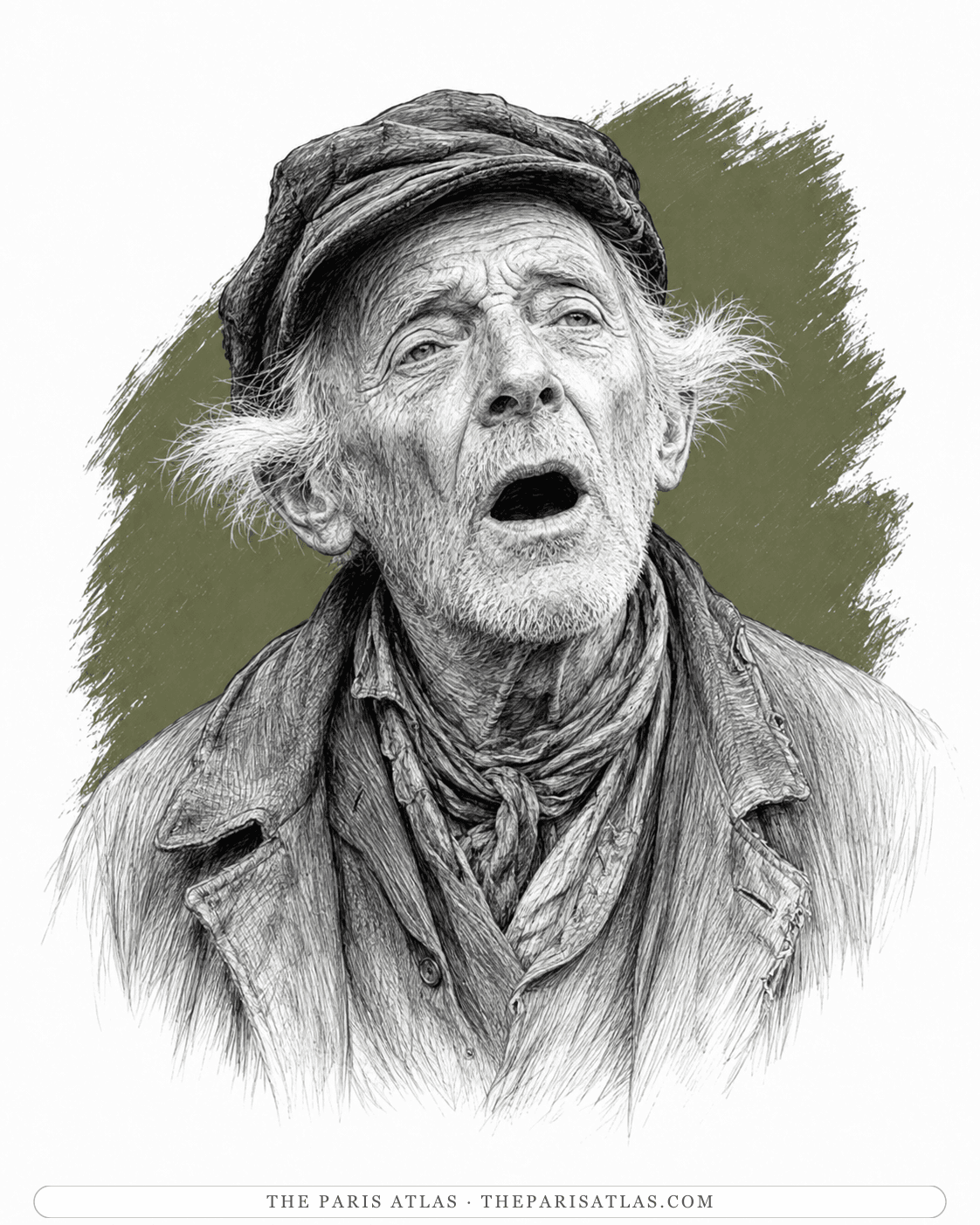
A weazened old tramp, a ship's steward by profession and deaf as a post, who becomes Dorothy's bin-mate after Nobby goes. He sings one line over and over and turns up again on the benches in Trafalgar Square. Orwell met a Deafie on his own 1931 hop-picking trip and kept the name.
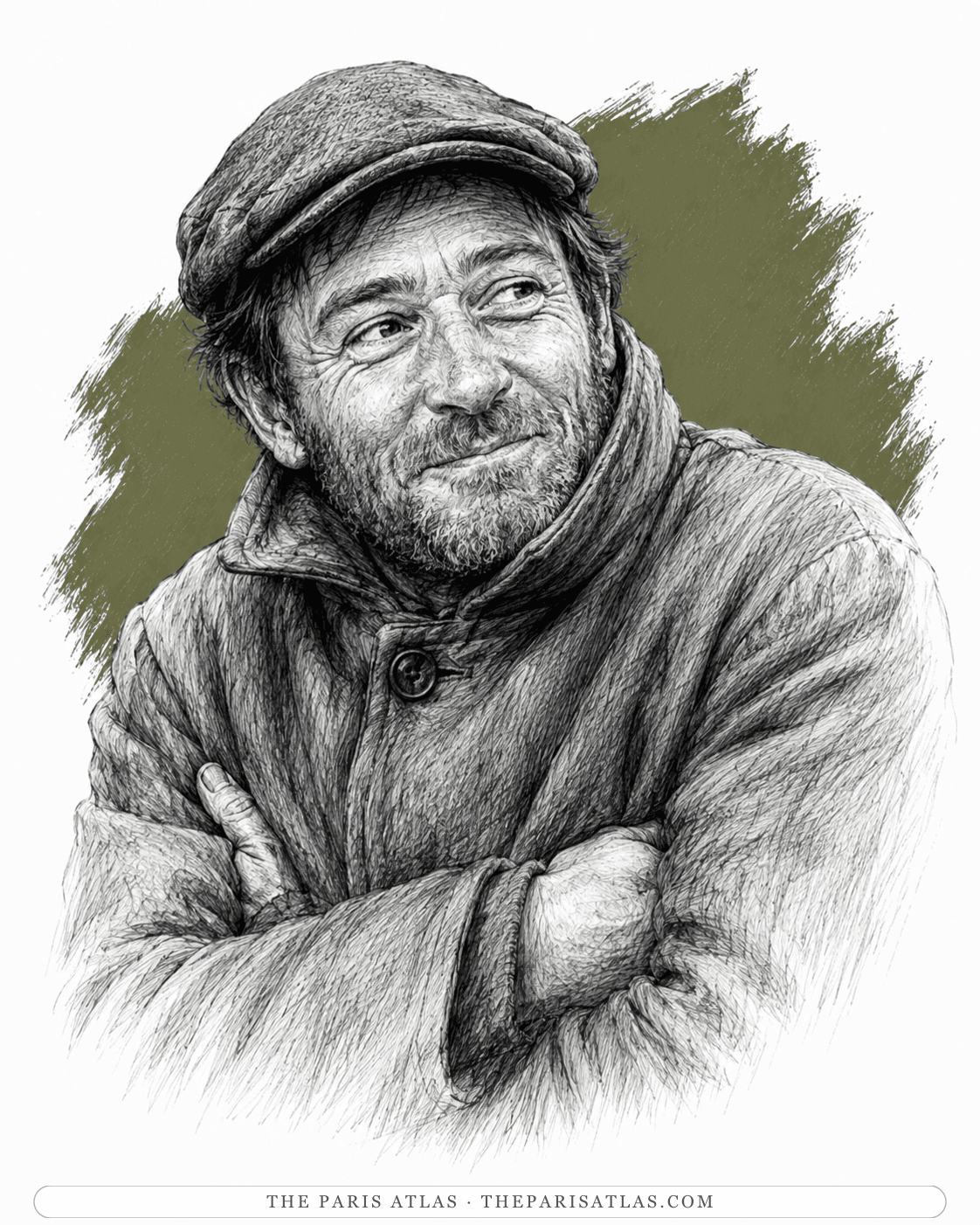
One of the Trafalgar Square regulars: three days down from York, in charge of the tea, and the one who keeps proposing that everybody stamp their feet in time to a song. Like Deafie, he carries the name of a man in Orwell's 1931 diary.
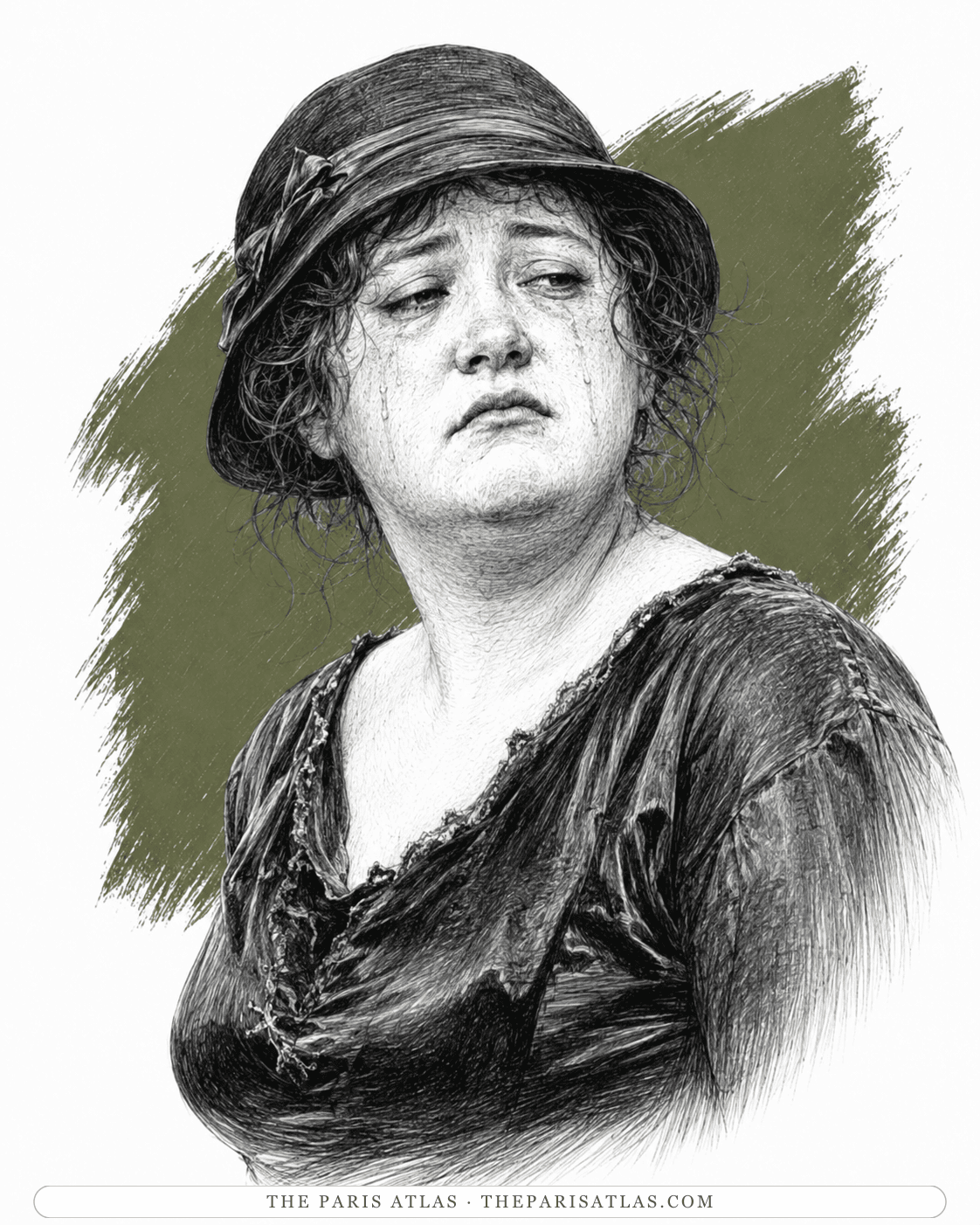
One of the two cockneys who go hop-picking with Nobby and Dorothy Hare. She had had a good home until she was seduced and turned out of doors, and she has been on the streets in London ever since. She had never heard of walking twenty miles in a day, refuses to carry anything, cries all night in the rain, and finally makes eyes at a lorry driver and leaves with the food, the bedding and both bundles.
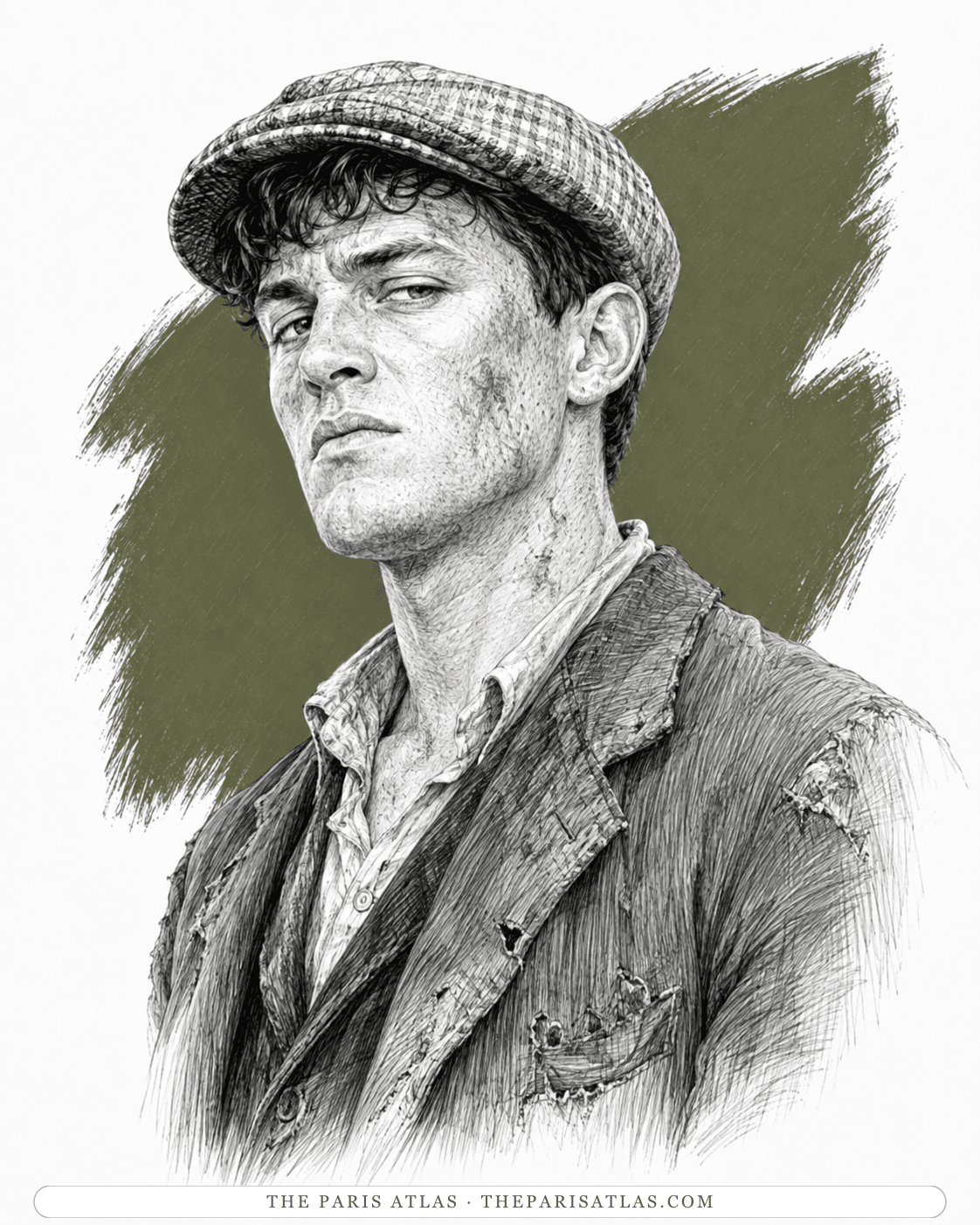
The dark youth who walks to Kent with Flo, Nobby and Dorothy Hare, and whose name the book only supplies in passing. He answers morosely at every halt and speaks in a surly, disagreeable way. He is the one who reads out the poster about the Rector's daughter and her disappearance with intense relish, and comments appreciatively on the details, in front of the woman it is about. He had been in good employment until fairly recently, and he absconds with Flo and both bundles.
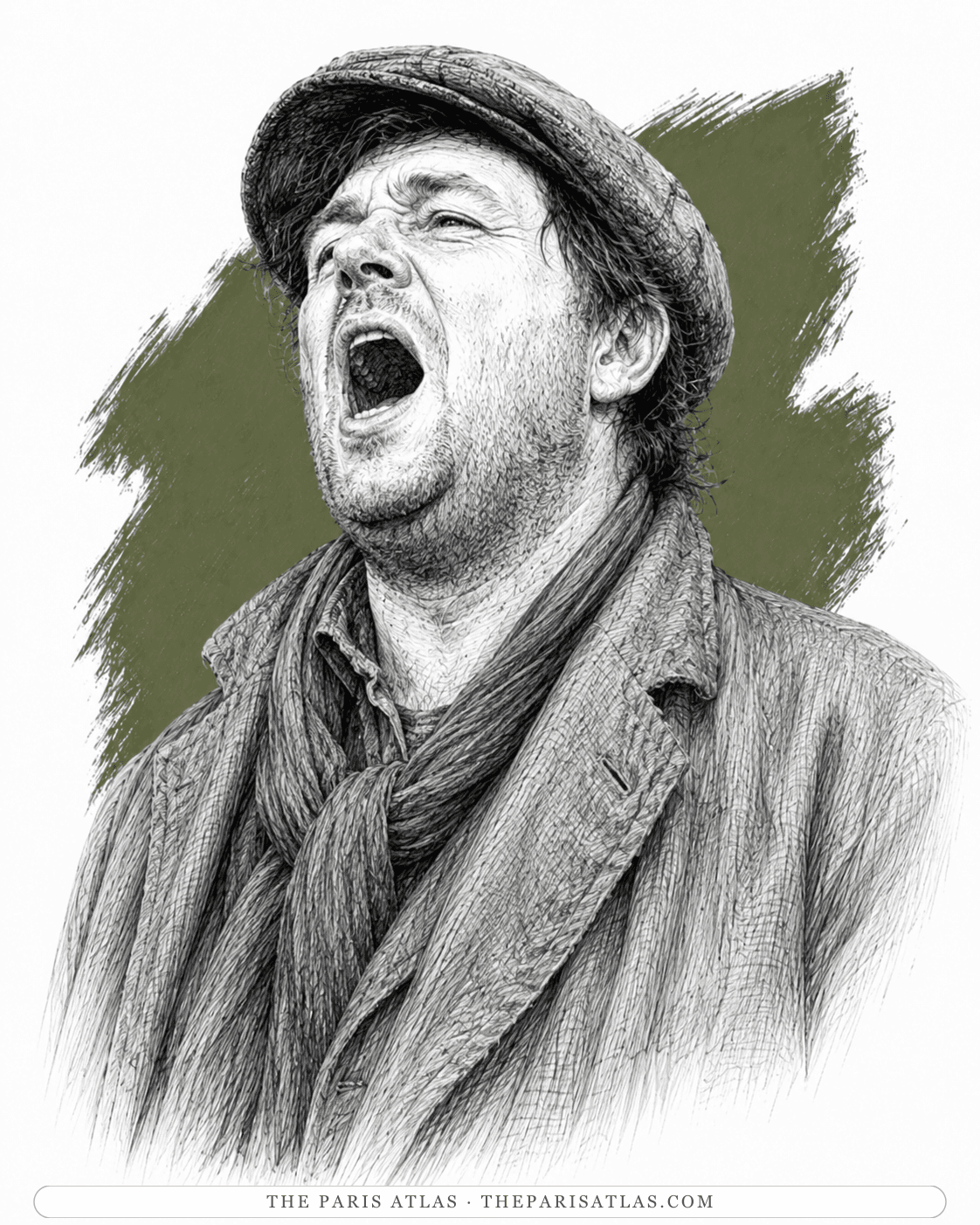
The loudest of the Trafalgar Square regulars through the night chapter, and the one who opens it, singing a hymn in a voice that carries across the Square. He has nine convictions, has had his bellyful of Dartmoor, works the streets with Snouter at Christmas singing carols, and talks in his sleep in the formula of the police court.
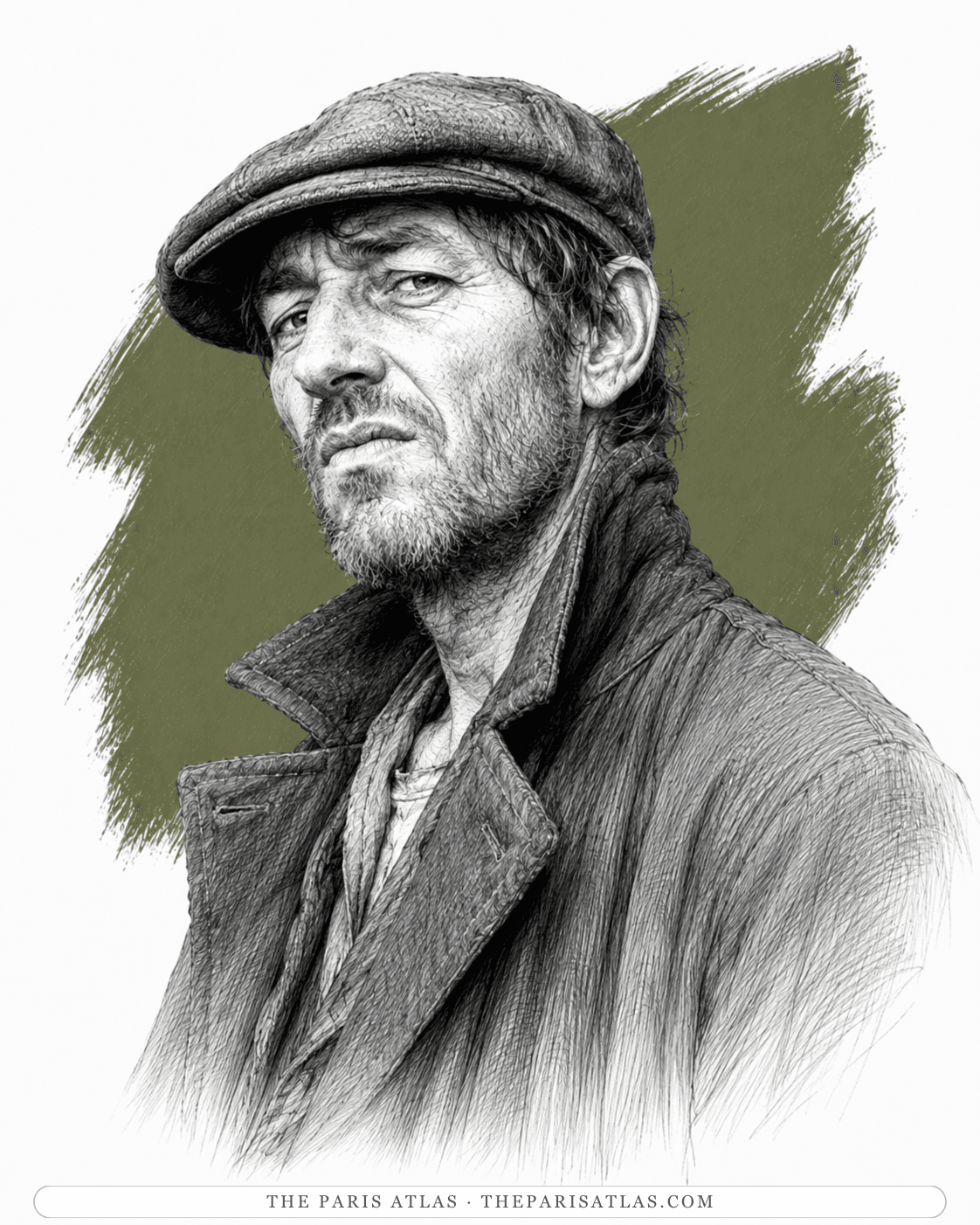
A Trafalgar Square regular who marks every hour Big Ben strikes by mimicking it and saying Cripes. He is a pub-tapper by trade, made fourpence in six hours that day and blames a rival with a wooden leg, threatens what he will do to the man when he catches him, and coaches the youngest of the group in how to cadge tea by looking miserable. His speech is printed largely as dashes.
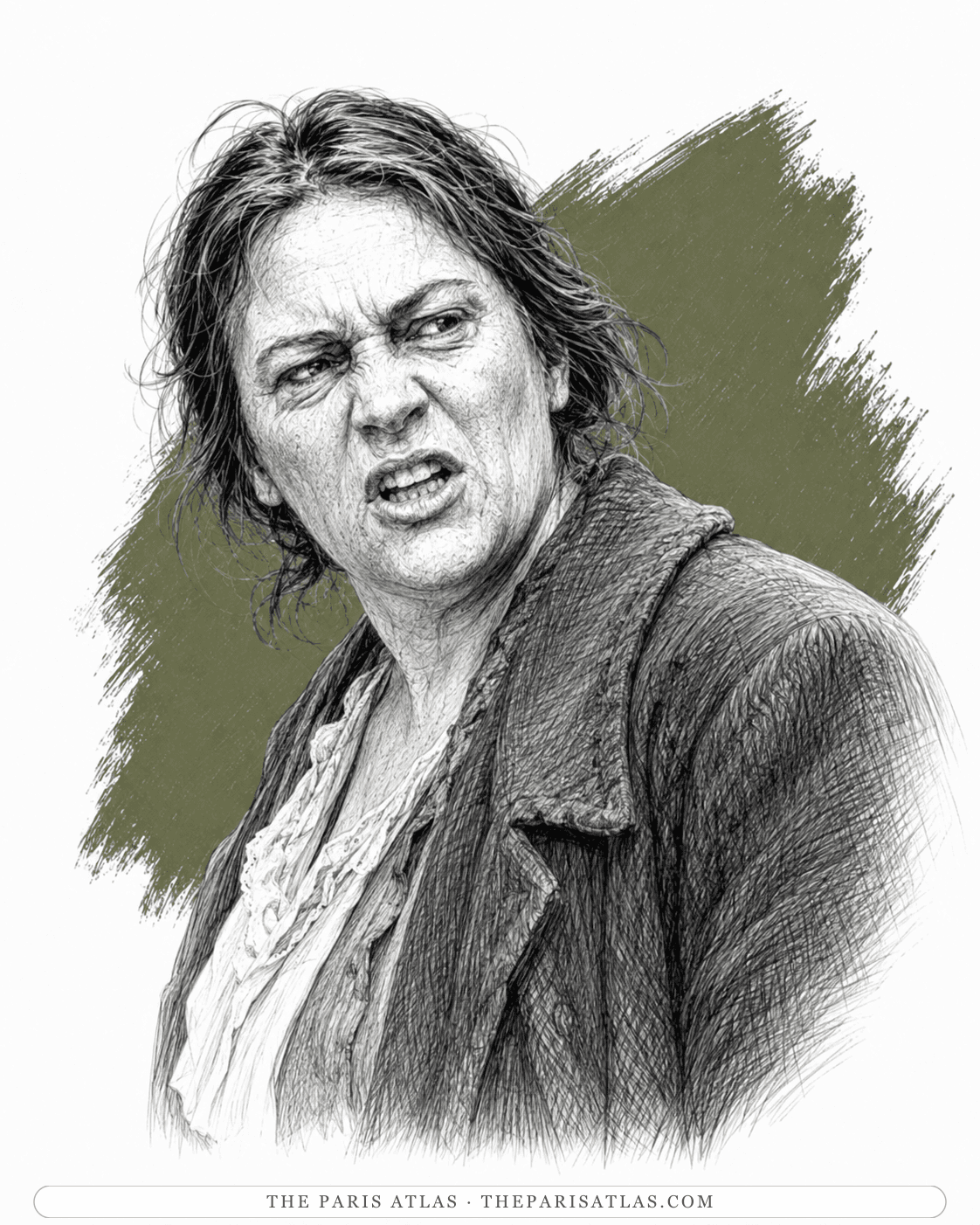
One of the women on the Square, and the angriest voice in the chapter. Her husband earns four pounds a week in Covent Garden and sleeps warm while she is out in the cold, and she swears at him in most of her sentences. She was put out in a hurry and has not even got her drawers on, complains about people sitting on her bad leg, and has no patience with the prostitutes or with Dorothy Hare. She will not go up to Covent Garden in the morning: one black eye in a week is enough for her.
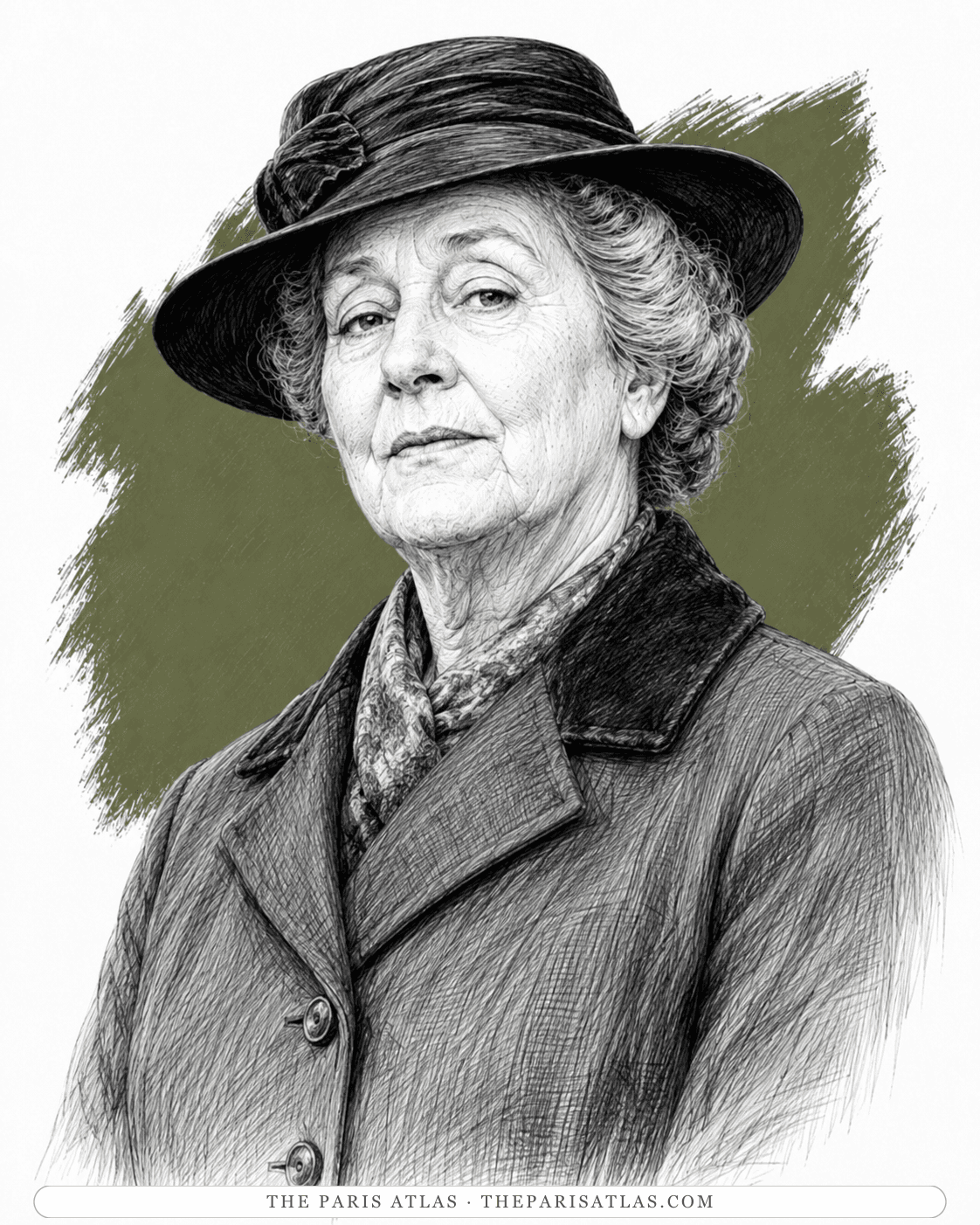
The genteel one on the Square, who adopts Dorothy Hare on sight because she knew at once that she was a lady born and bred. She keeps returning to how far she has come down in the world, to her late mother, to the little tobacco and sweetstuff business on the corner, and to the tea things she lost, including real Pekoe Points at two and nine a pound. When a young man sits on her lap she says primly that she did not ask him to, and then laughs in spite of herself.
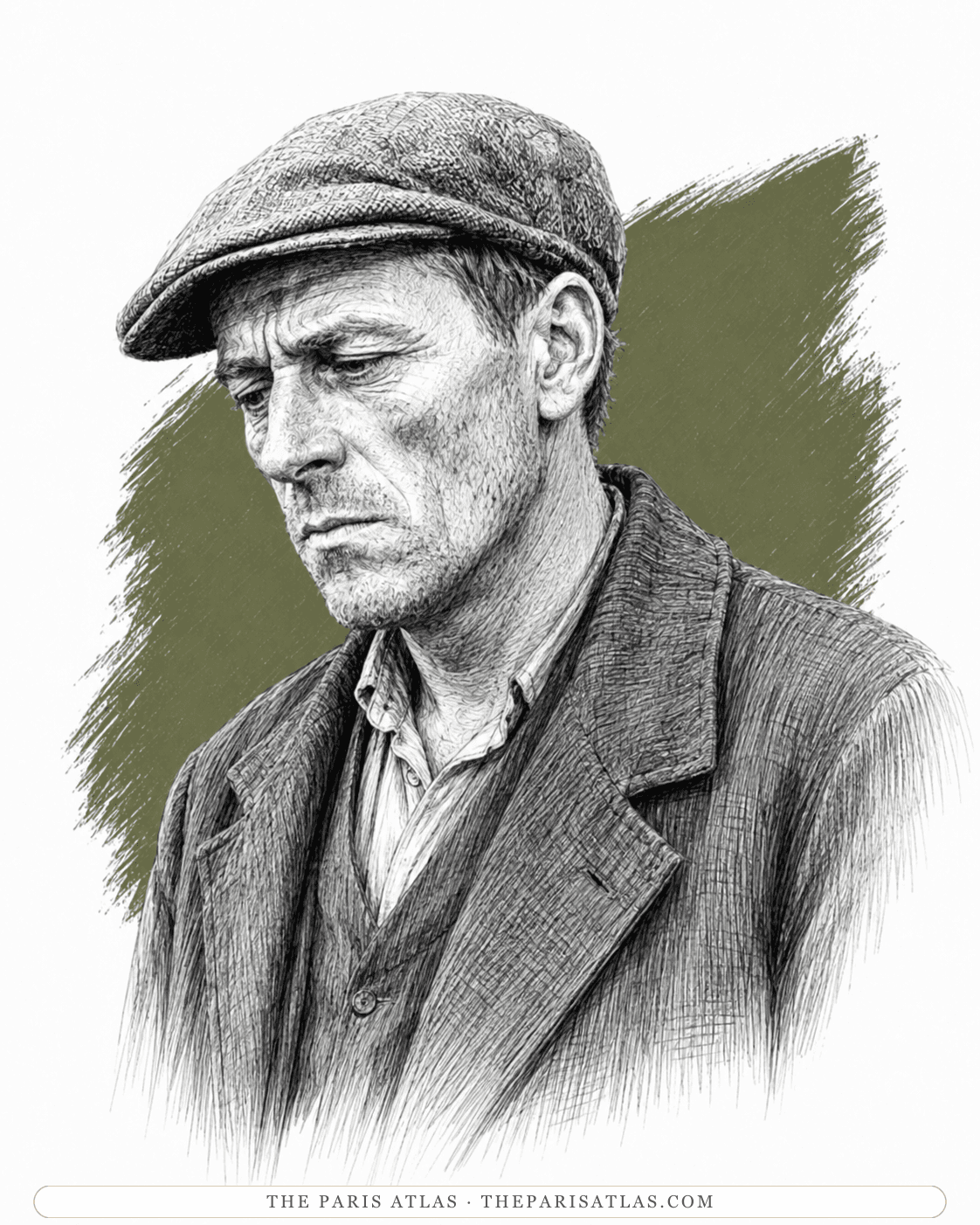
The bitterest of the Square regulars, muttering mostly to himself about a job he was blamed for and never did. He was narked by his own sister into prison at eighteen, and the first thing he bought when he came out was a hammer. He has fourteen convictions, an obsessive hatred of a detective he calls Smith of the Flying Squad, and a habit of composing verse in the back of the police van.
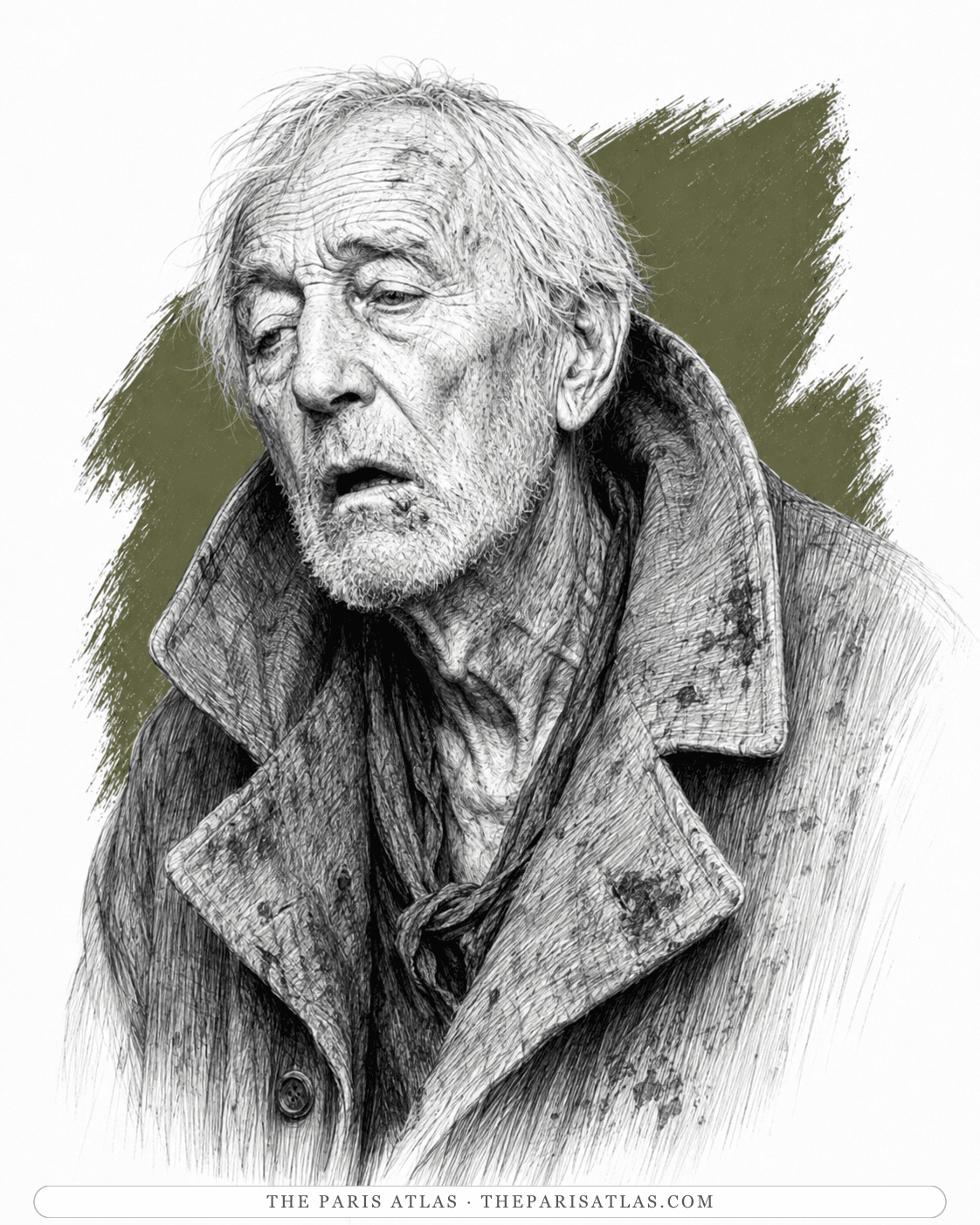
The oldest of the Trafalgar Square group, fifty years on the road, man and boy. His head comes out of his overcoat like a tortoise's out of its shell, he sleeps with his mouth open and an Adam's apple like the blade of a tomahawk, he belches, and his advice on money is that you should never buy what you can bum.
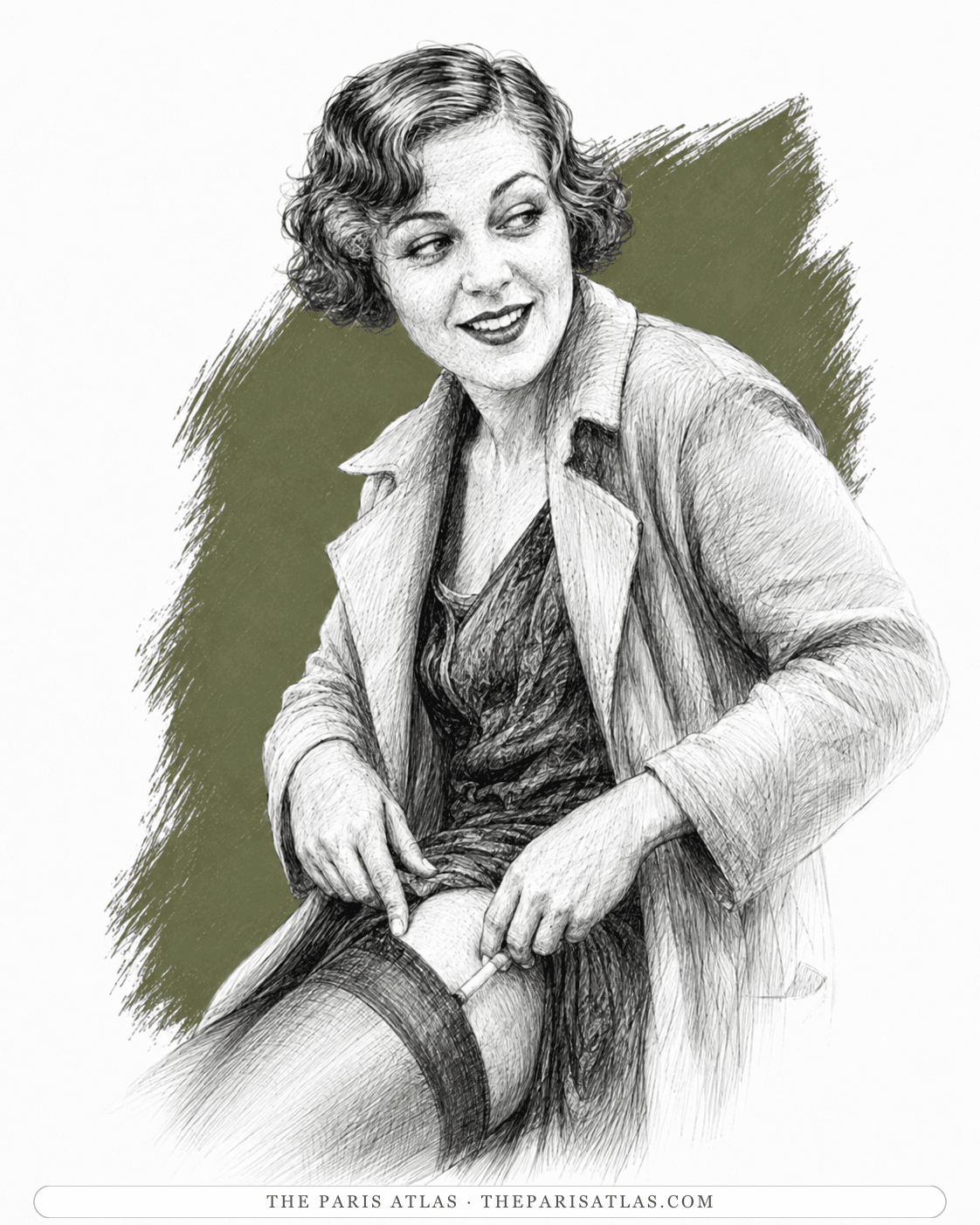
A girl who turns up on the Square with a whoop, comparatively fresh from having spent part of the night in bed, with four other girls and a group of youths in blue suits. She flatters Ginger into giving her the tea, drinks it and goes without thanking anybody, which draws the verdict that she swallows her tea and then jacks off.
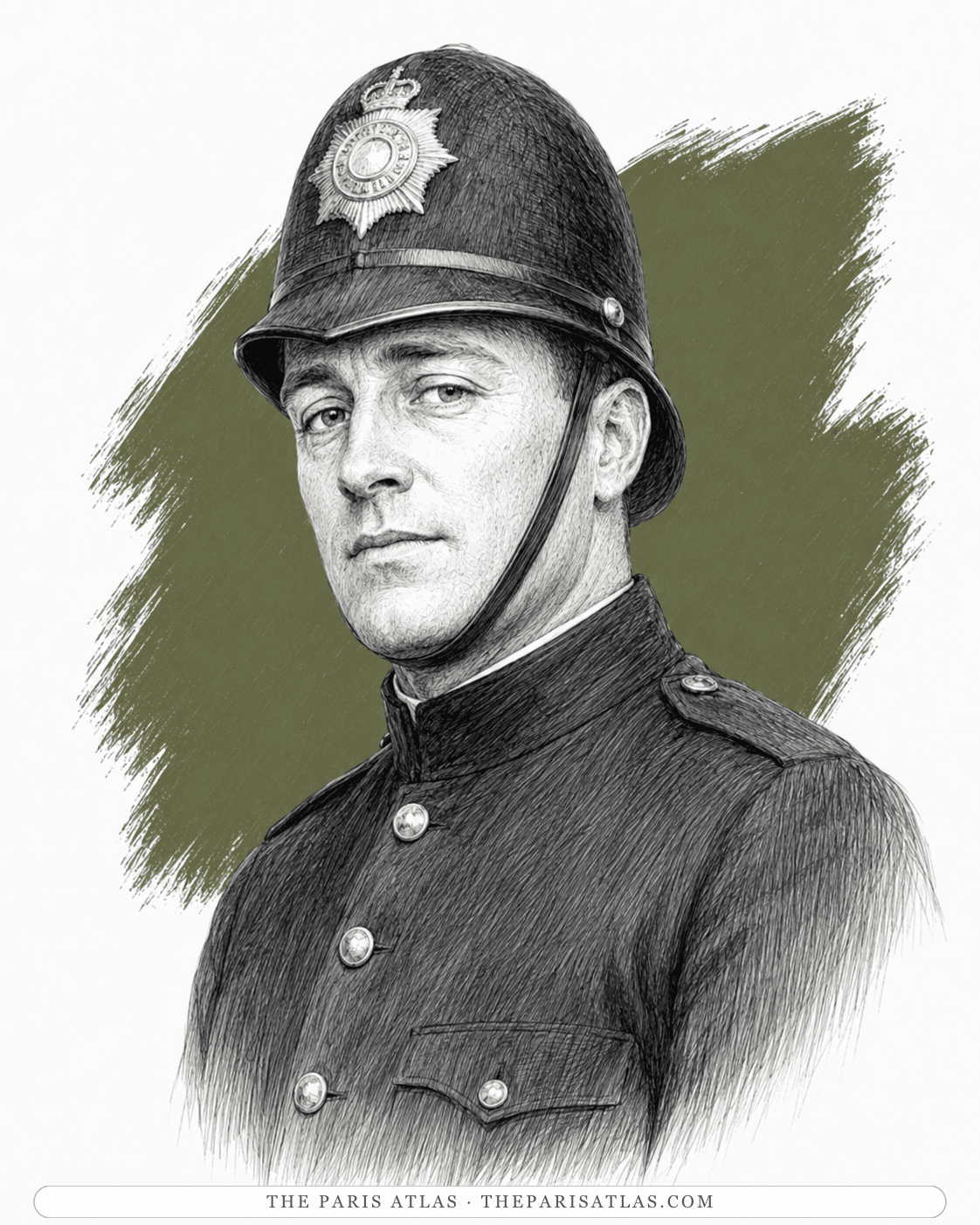
A constable works along the benches until midnight, shaking people awake because sleeping on the Square is not allowed and Trafalgar Square is not a common lodging house. A new one comes on duty after that, and he is the one unexpectedly kind to Dorothy Hare, offering to take her down to the shelter run by the Metropolitan Asylums Board, which he calls the M.A.B., and telling her that anyone can see with half an eye that she is a cut above the others there.
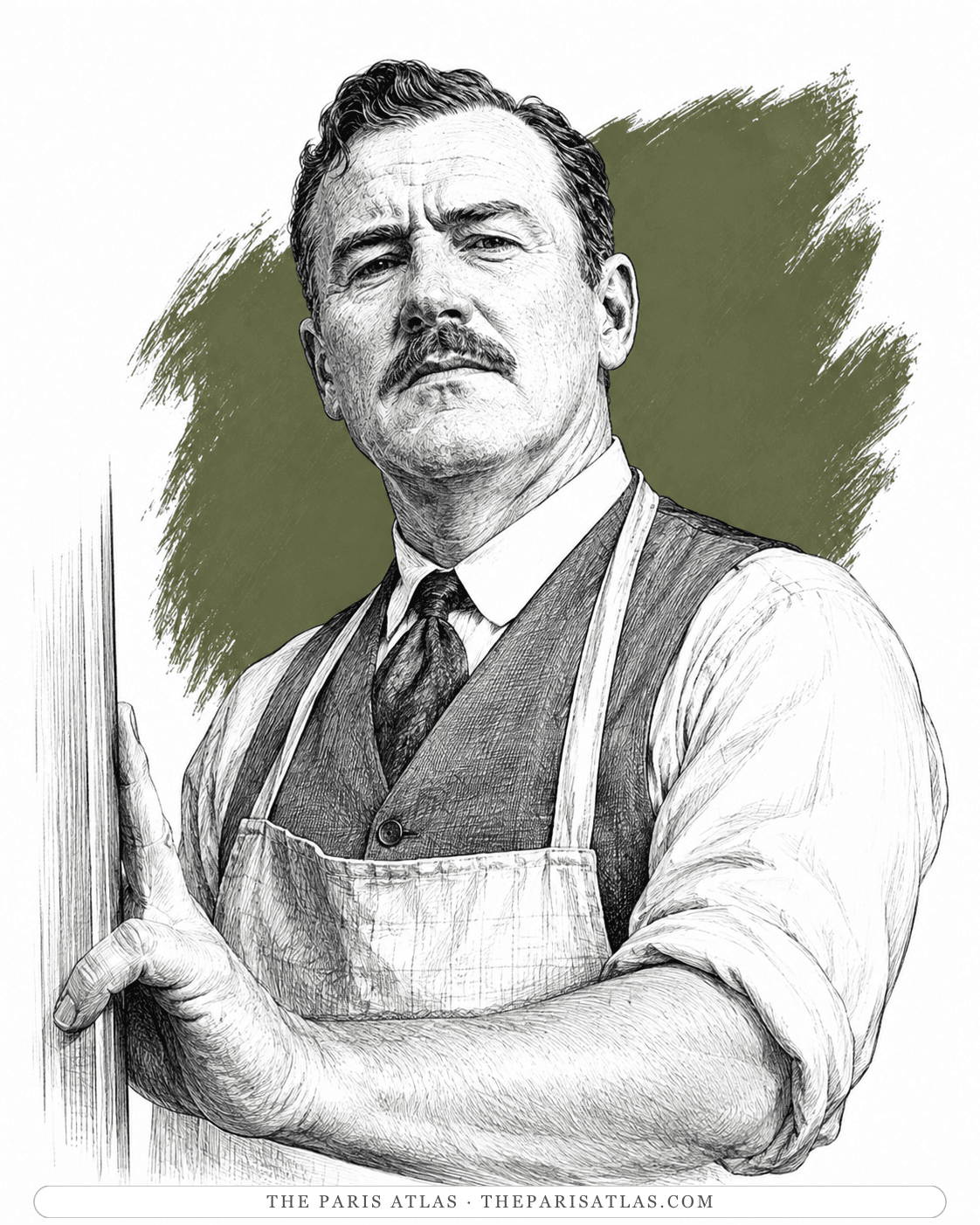
The proprietor of the coffee shop off the Square, who lets the night people in out of the cold on his own terms and holds the glass door against forty of them while he lays the terms down: no hokey-pokey, and anyone still asleep after seven goes out on his neck.
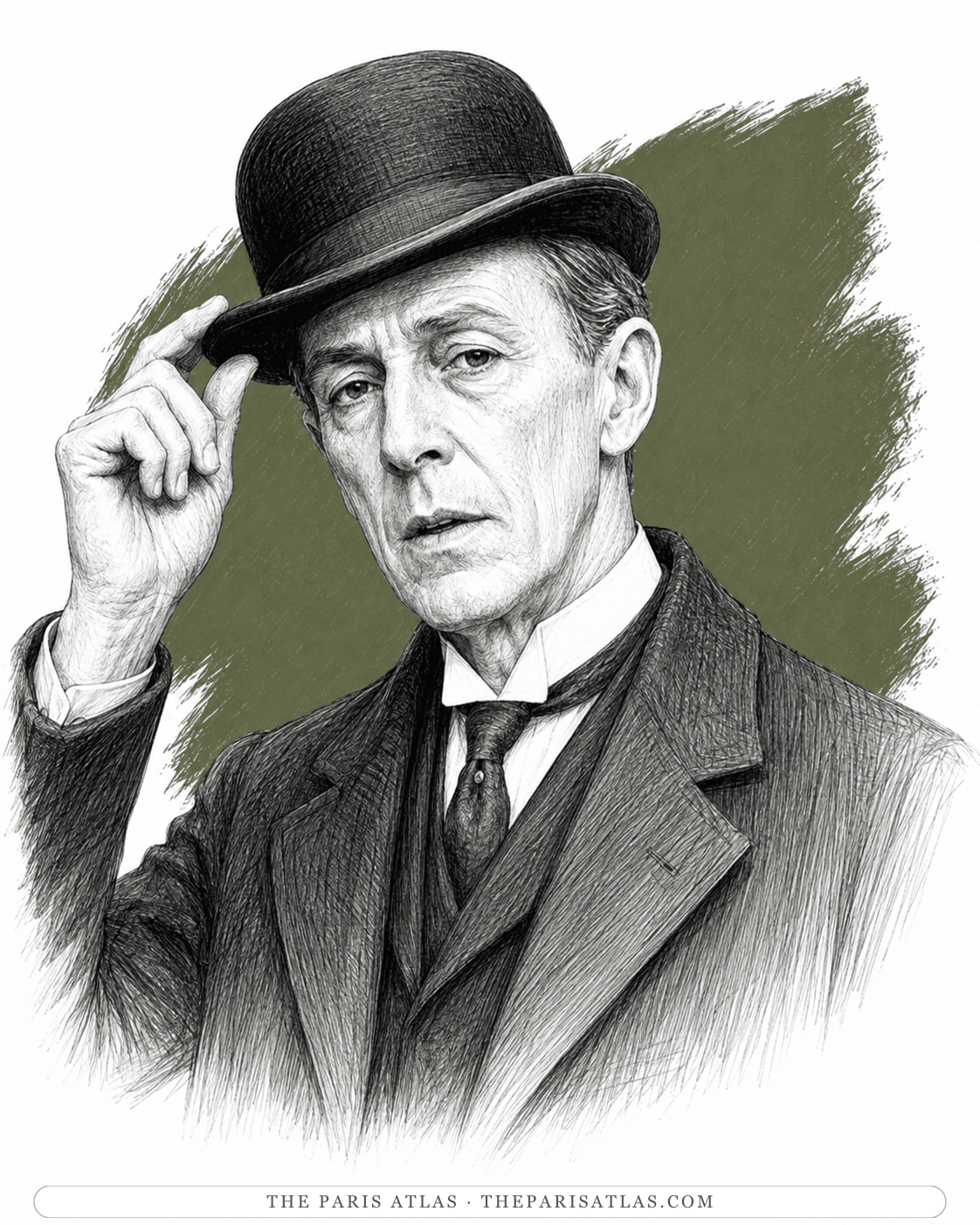
Sir Thomas Hare's butler, and also, as George Orwell puts it, his confidant and intellectual guide: a small sharp-featured man with a voice that never rises above a whisper and is as nearly silent as a voice can be while remaining one. He takes about a week to track Dorothy Hare down in London, lifts his bowler a quarter of an inch to her, pays the fares, and brings her meals with a mixture of deference and disapproval.
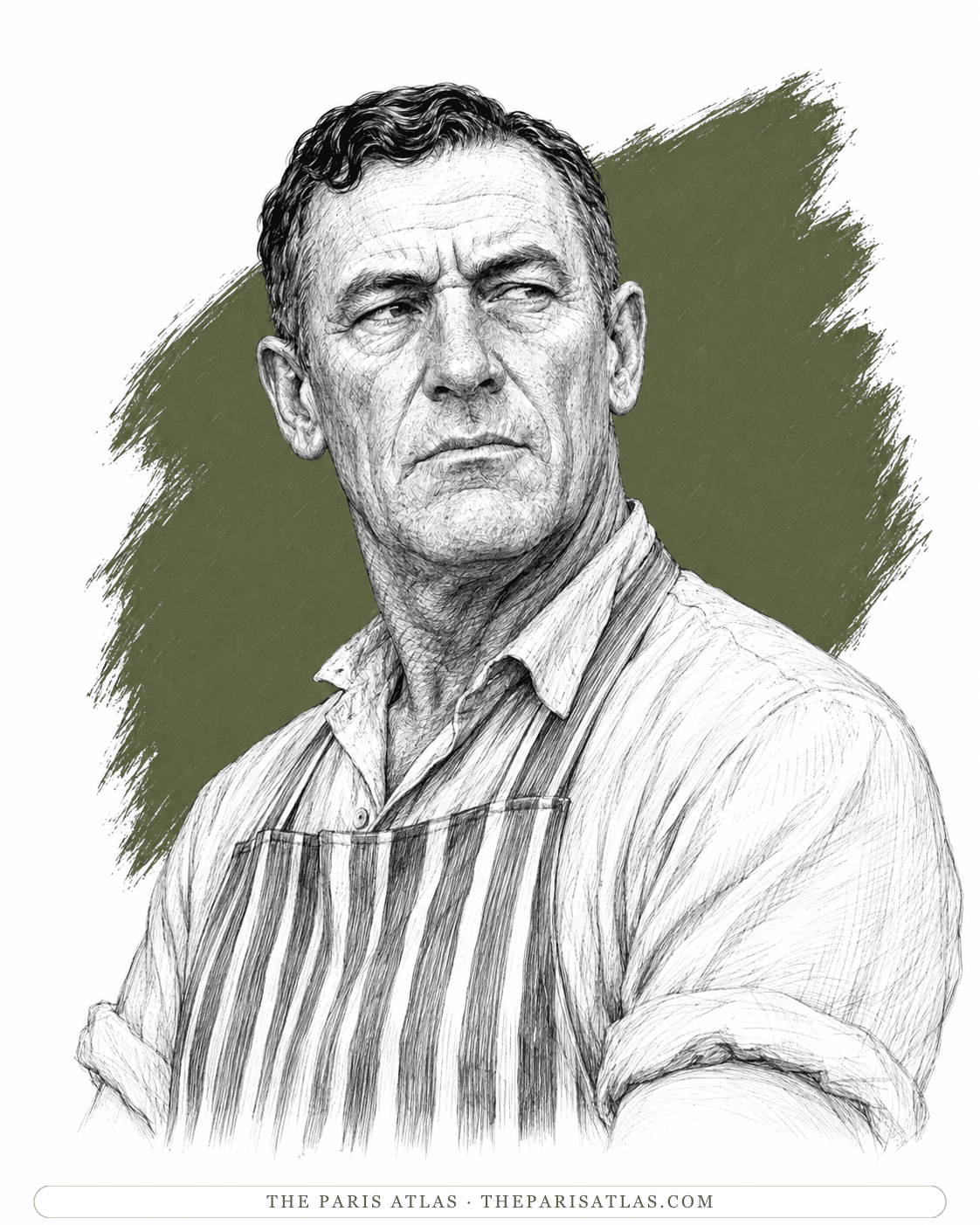
The butcher of Knype Hill, a tall evil-looking man in a blue-striped apron with a lean scraped face as purple as one of his own joints of meat. He never speaks in the book and is a standing dread all the same: Dorothy Hare has to pass his shop, he watches her from the doorstep with a sidelong meaning gaze, keeps her waiting behind the other customers, and sends the bill with a line underlined to say it has been owing a very long time.
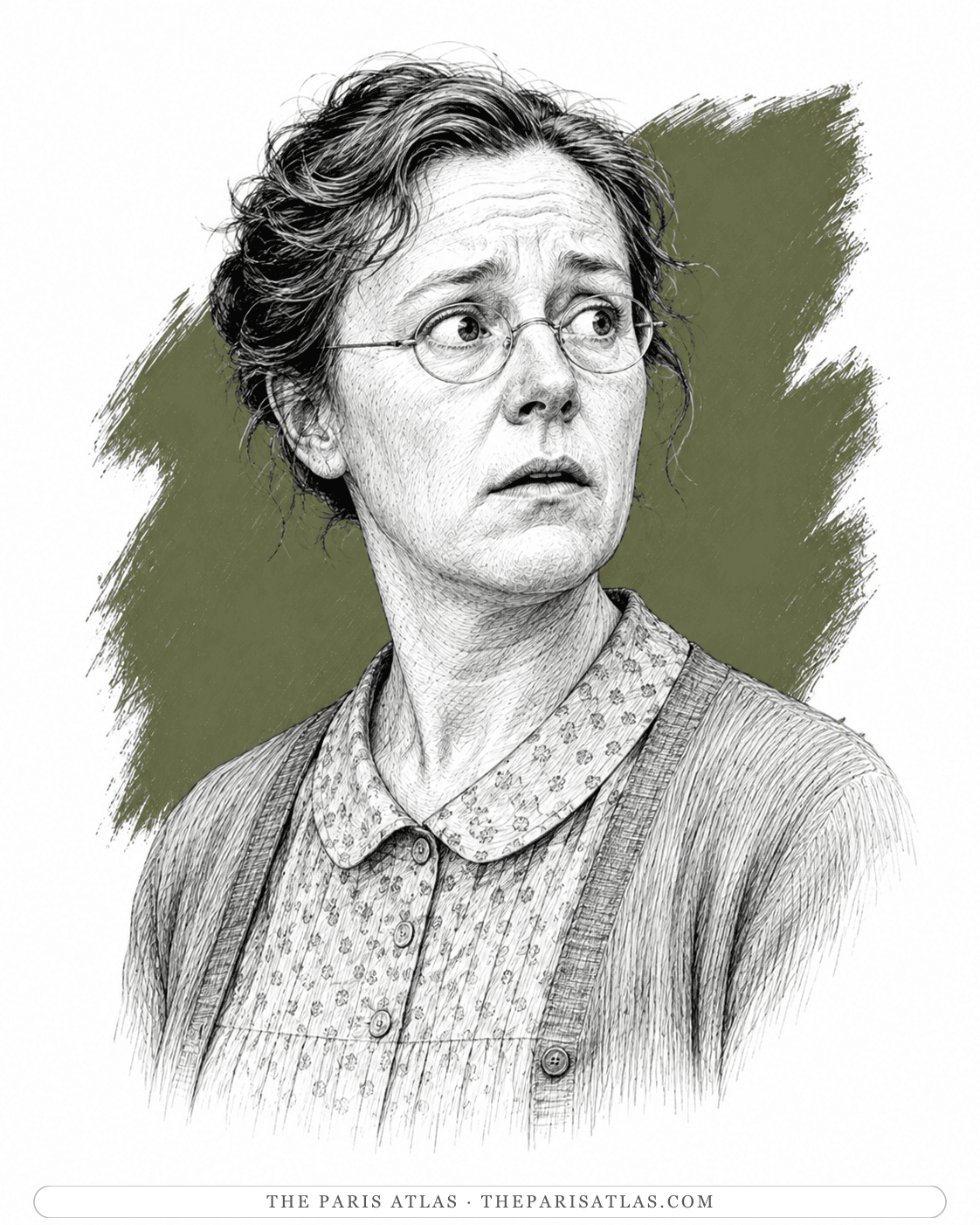
The other woman who works for the Rector: a tall, rabbit-faced, dithering virgin of thirty-five who means well and makes a mess of everything, in a perpetual state of flurry. Mr Warburton compares her to a blunt-nosed creature rushing round on an eccentric orbit. Her orthodoxy is suspect — she has said she can worship God best under the blue dome of the sky — and in Dorothy Hare's absence she starts a war in the Mothers' Union with one tactless remark, takes in seven of Mr Tombs's cats, and reads novels aloud to the members.
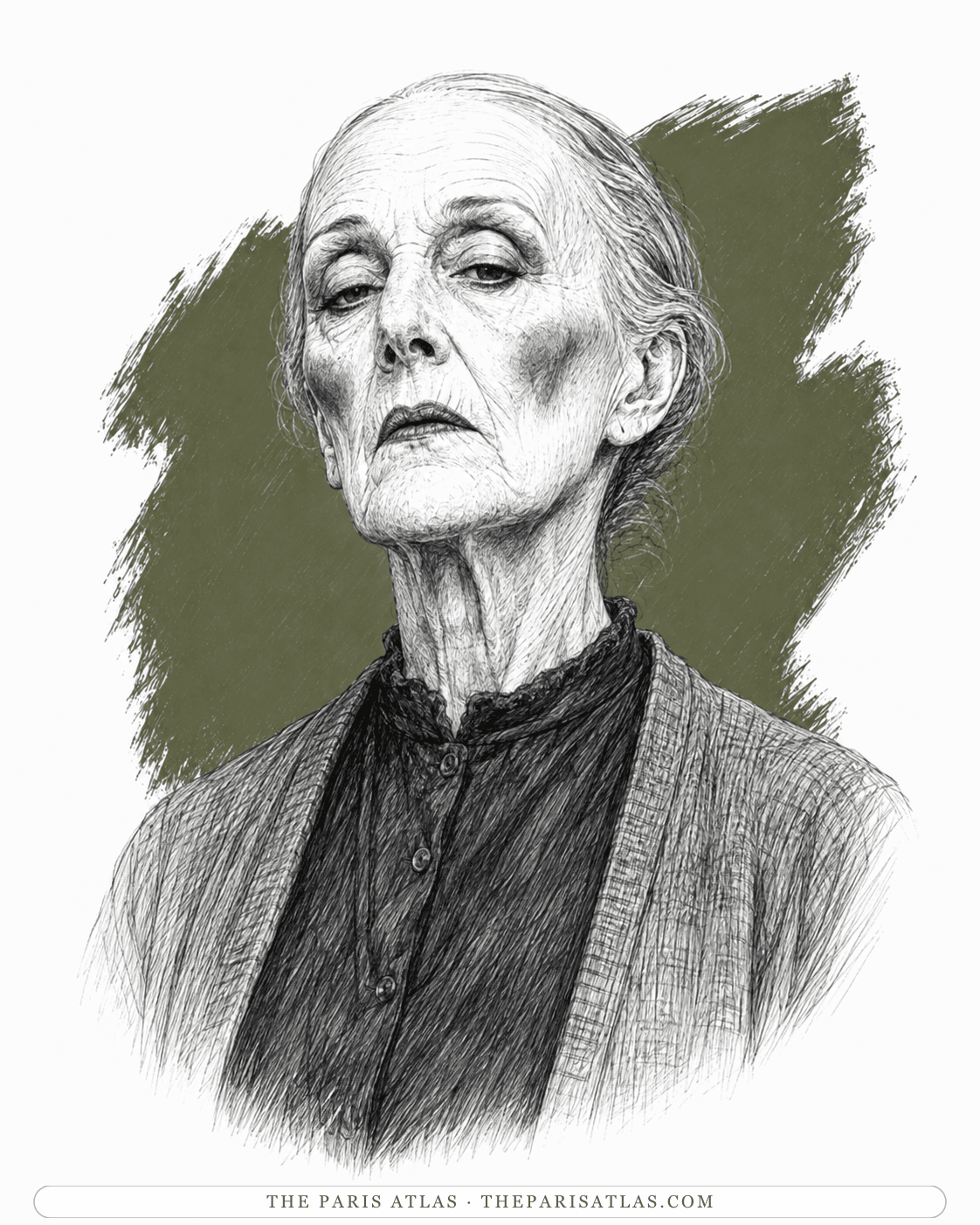
The woman the boys all call Mary, who manages the Lambeth lodging house where Dorothy Hare stays: a drabby old creature with remarkably thin hair and a face so emaciated that it looks like a rouged and powdered skull, with a cracked, shrewish and ineffably dreary voice. She asks no questions, scarcely looks at her, takes ten shillings and says: twenty-nine, third floor, go up be the back stairs. She had been a prostitute in her day and looked it.
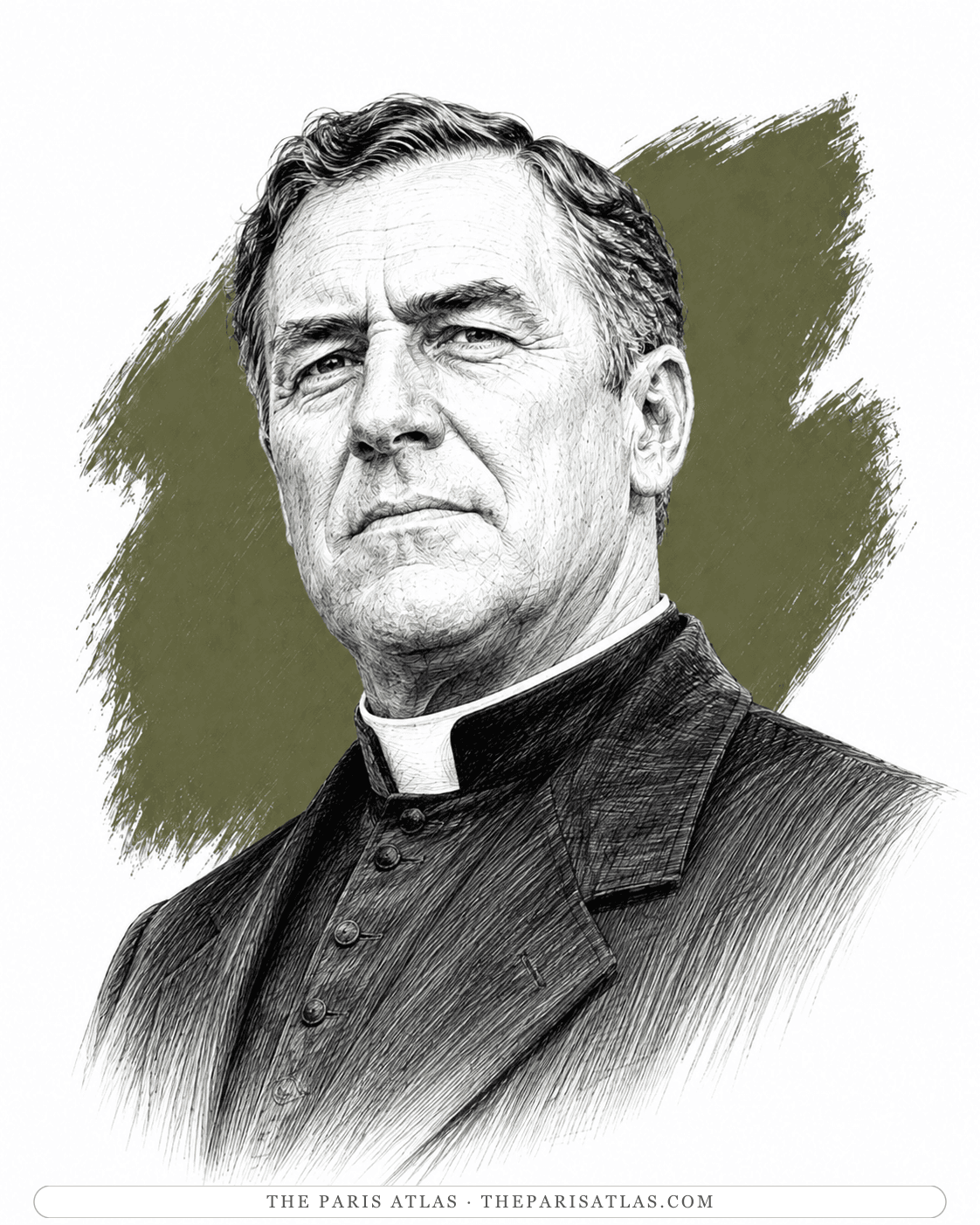
The Roman Catholic priest of Knype Hill, a very large rotund man who dwarfs his bicycle and is balanced on top of it like a golf-ball on a tee, under a black and very dusty shovel hat. His face is rosy, humorous and a little sly. He rides towards Dorothy Hare with a faintly amused air and then passes without a sign, which the narration identifies as the Cut Direct. He and the Rector had once wrangled disgracefully over an open grave.
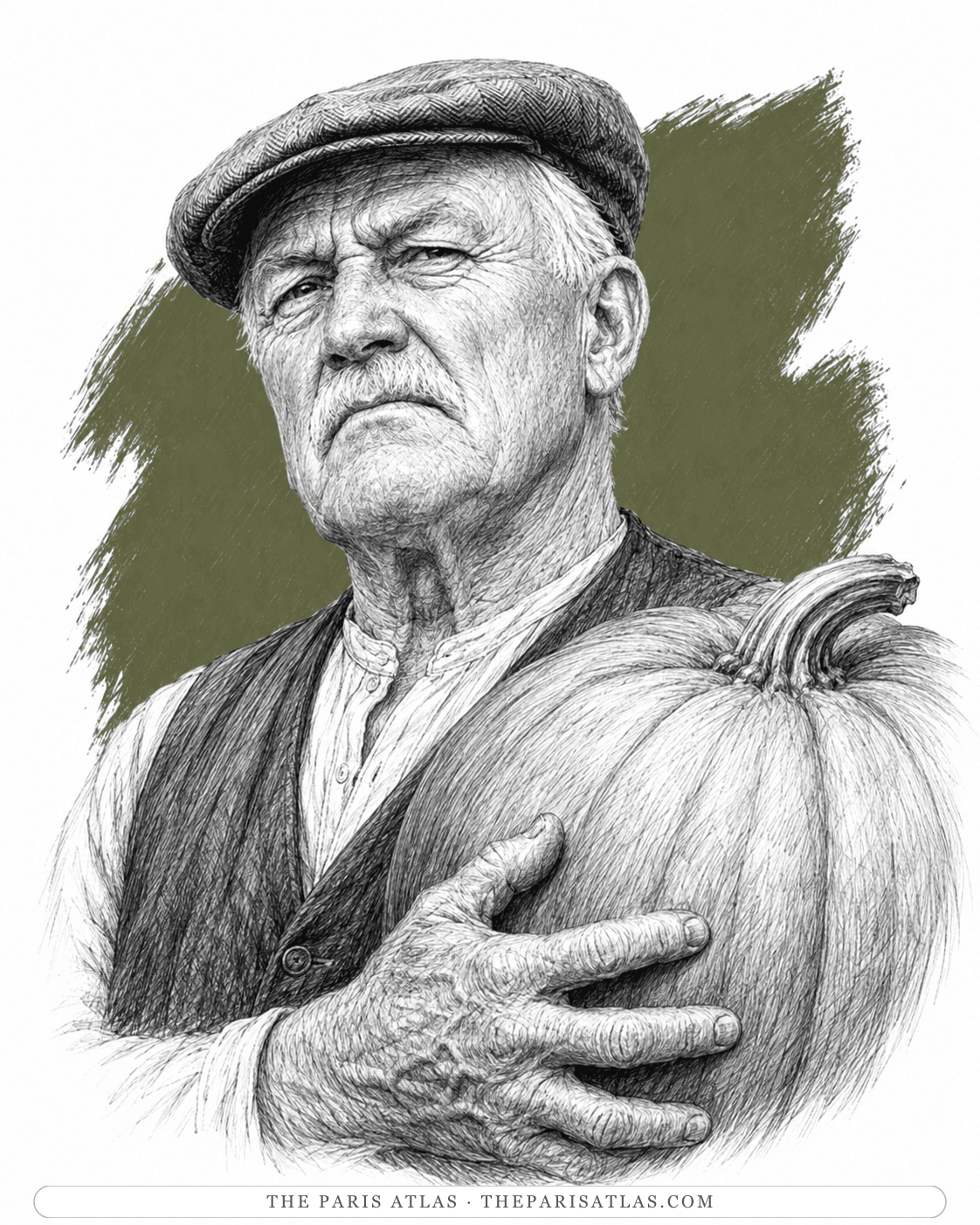
A surly retired market gardener whose attachment to the Church rested entirely on the privilege of decorating a window at the Harvest Festival. He grew a monstrous pumpkin for it, was in raptures over it, could not tear himself away and kept bringing friends to admire it, and when it was removed he went over to chapel, taking his heirs with him for ever.
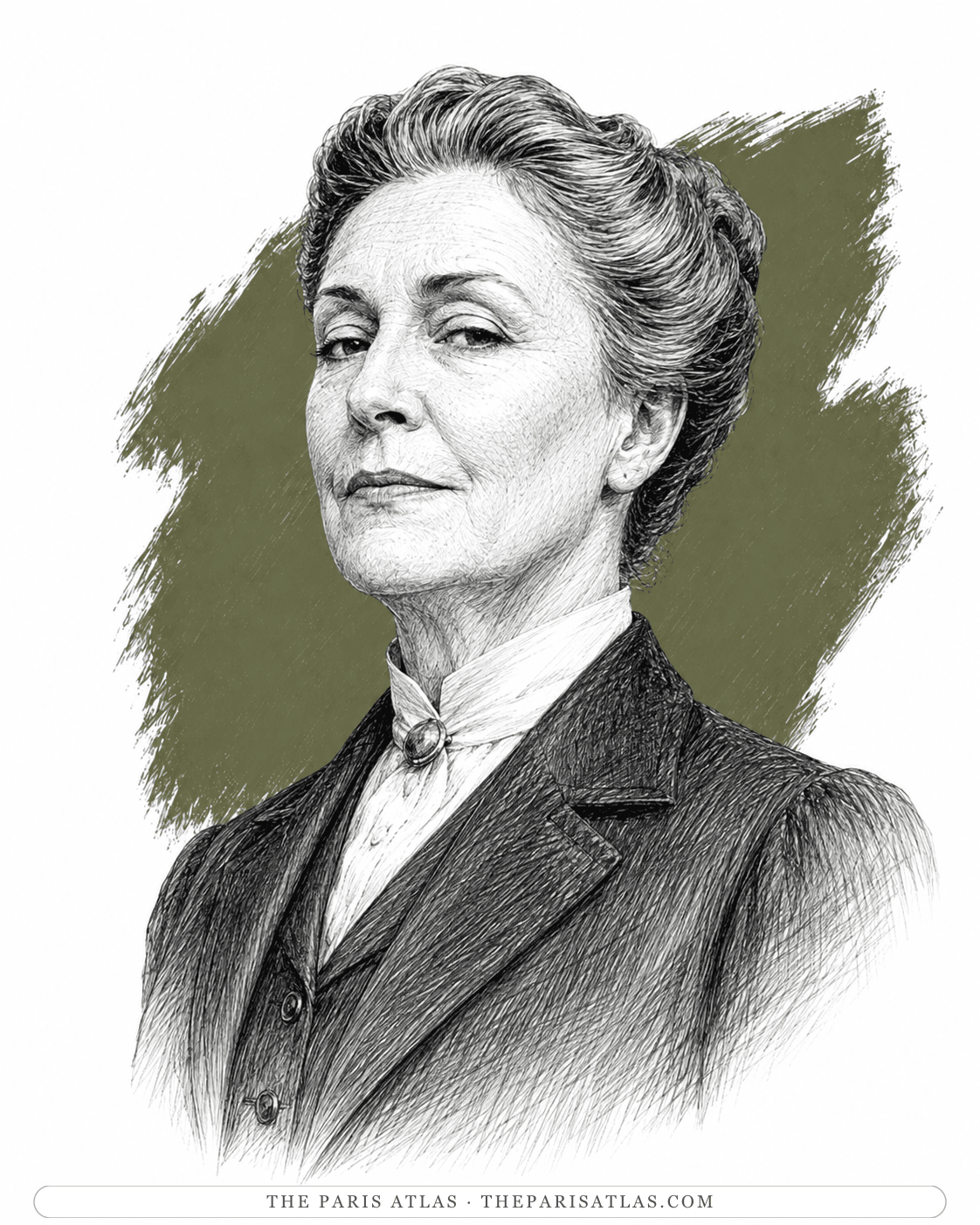
Dorothy Hare's predecessor's predecessor at Ringwood House, described as an incompetent old hack who had been at thirty-eight different schools and was not fit to have charge of a tame canary. She was very good at double-crossing her employers: she stole three of her last employer's seven pupils and sold them to Mrs Creevy, who beat her commission down from fifteen per cent to twelve and a half, while Miss Allcock planned to rob her in turn.
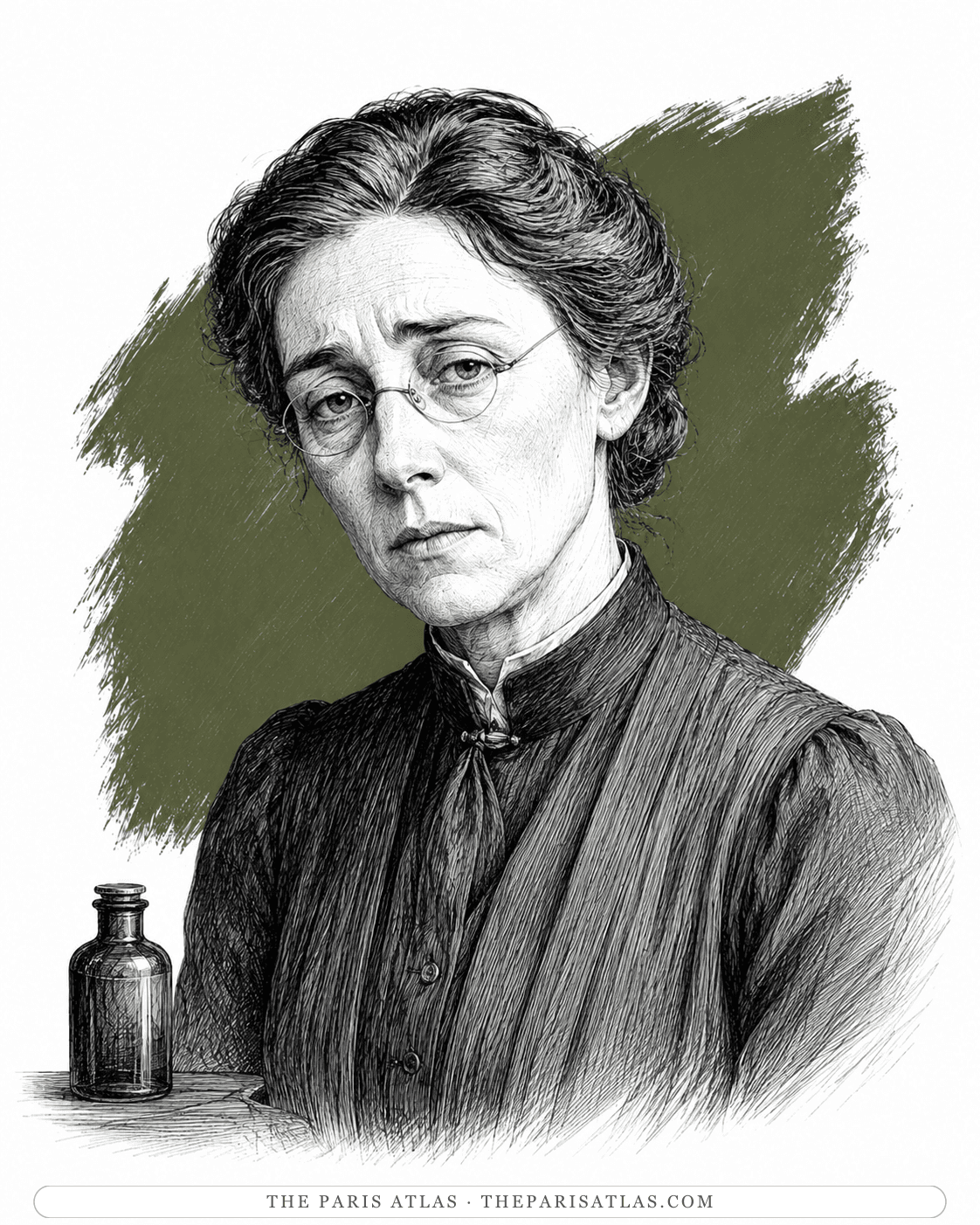
The teacher Dorothy Hare replaces at Ringwood House, never seen and constantly quoted. She was a B.A., which Mrs Creevy mentions often, but did not come up to Mrs Creevy's ideas on what she calls the moral side. She kept the bedroom untidy, never let one particular girl go to the lavatory alone, and was eventually taken bad. Late in chapter 4 Dorothy thinks of the two roads open to a third-rate schoolmistress, one of them Miss Strong's road, via whisky to the workhouse.
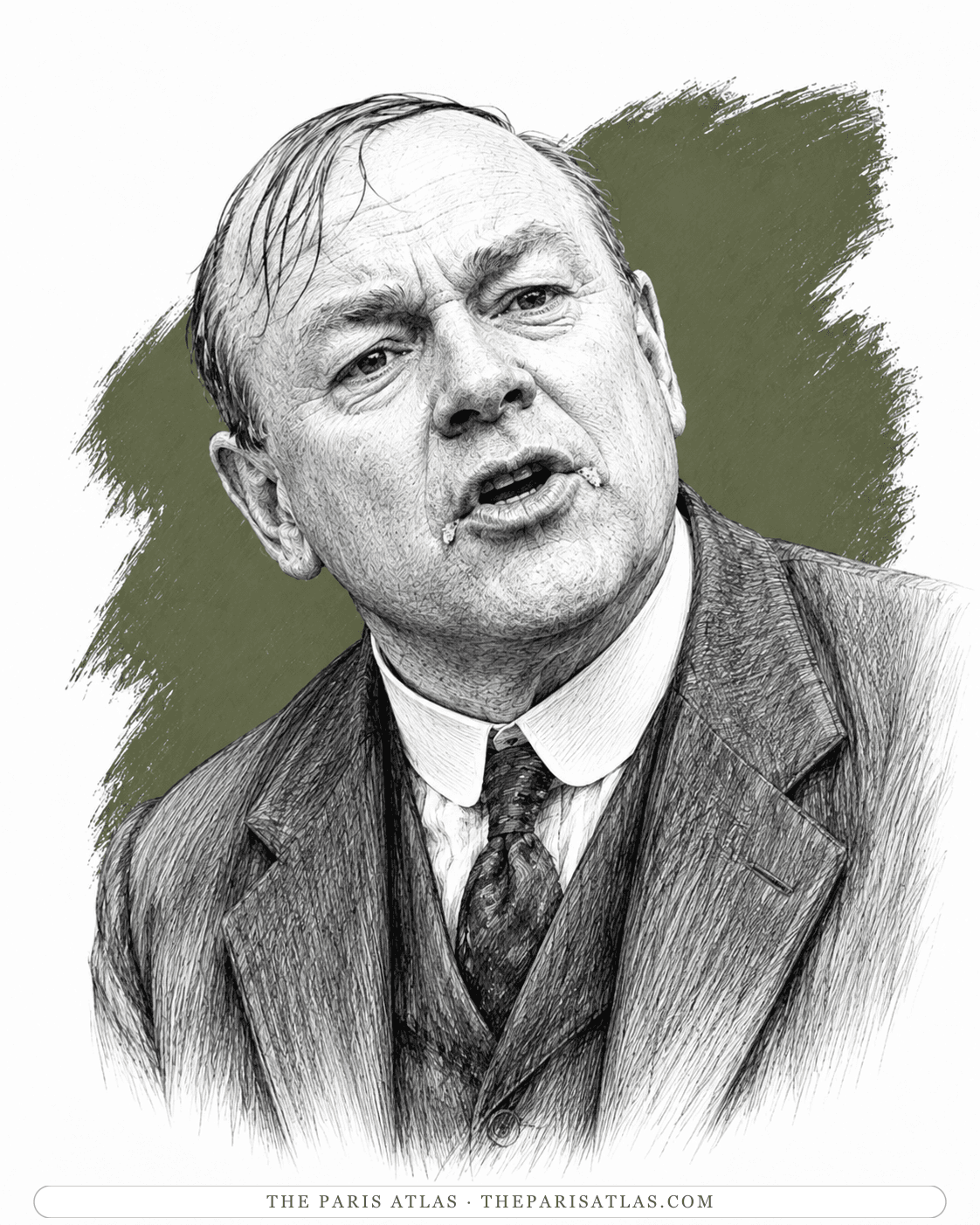
A commercial traveller with a grey face, mobile lips and a bald scalp with damp hair plastered across it, chosen as spokesman by the parents who come to complain about Dorothy Hare's teaching. He holds the floor throughout and talks until flecks of yellowish foam appear at the corners of his mouth, chiefly about Shakespeare, the facts of life, and new-fangled methods.
August–October 1931
Orwell tramps in Kent and London, picks hops for about a month, and camps by the north wall of Trafalgar Square. He types up a diary of the trip on 10 October.
January–October 1934
He writes the novel at his parents' house in Southwold, Suffolk, starting in mid-January while recovering from pneumonia and finishing on 3 October.
11 March 1935
Victor Gollancz publishes the book in London, after last-minute alterations made for fear of libel.
August 1936
Orwell calls the book "bollocks" in a letter to the American novelist Henry Miller, while allowing that he made some useful experiments in it. Harper & Brothers publishes the first American edition on the seventeenth, printed from the British sheets.
28 September 1946
He writes to George Woodcock that the novel "was written simply as an exercise and I oughtn't to have published it, but I was desperate for money".
1950
Orwell dies on 21 January, having left instructions that the book was not to be reprinted. He allowed an exception for cheap editions of any book that might bring in a few pounds for his heirs.

The hop-picking and the nights in Trafalgar Square come from the same 1931 tramping that produced the London half of the earlier book. Dorothy's experience is Orwell's, handed to someone else.
Read our take
The two novels he asked not to be reprinted, written back to back. Both follow a person losing a respectable life by inches.
Read our take
The novel and then the reporting, both on English poverty two years apart — one invented a heroine to walk through it, the other went and looked.
Read our takeVictor Gollancz published it in London on 11 March 1935, after alterations made late in the day for fear of libel. It was George Orwell's second novel. Harper & Brothers brought out the first American edition on 17 August 1936, printed from the British sheets.
It follows Dorothy Hare, a fictional rector's daughter of twenty-eight who runs her father's Suffolk parish, loses her memory, and wakes eight days later on a street in south London with no idea who she is. The book takes her through hop-picking in Kent, a night sleeping rough in Trafalgar Square, an arrest for begging, and a term teaching at a fourth-rate private girls' school, before returning her to the parish she started in.
Because Orwell was imitating James Joyce. Chapter 3, part 1 abandons narration entirely and is set out as a script, with speech prefixes, bracketed stage directions and Big Ben striking the hours through a night in Trafalgar Square. The model is the Nighttown episode of Ulysses, which Orwell read in early 1933 and which he told his friend Brenda Salkeld had given him an inferiority complex.
No, and he said so repeatedly. He called it "tripe" in a letter to Brenda Salkeld, with one exception: "except for chap 3, part 1, which I am pleased with", which is the play chapter. He called it "bollocks" to Henry Miller in August 1936, told George Woodcock in 1946 that it "was written simply as an exercise and I oughtn't to have published it, but I was desperate for money", and left instructions that it was not to be reprinted after his death.
The middle chapters are. Orwell picked hops in Kent in the late summer of 1931, lived in a hoppers' hut, slept in Trafalgar Square, and typed up a diary of it on 10 October that year; Ginger and Deafie appear in both the diary and the novel under the same names. He had also taught in private schools before writing the book. Dorothy Hare herself is invented, and so are Knype Hill and Southbridge.
No. The two books draw on the same months of Orwell's tramping and share some of its material, but neither depends on the other, and this one is a novel with a plot of its own. Down and Out came first, in 1933, and is the better-known account of the same ground.
Dorothy Hare goes home to the same parish, the same debts and the same work, having lost her religious faith and found nothing to put in its place. The book's last pages leave her making costumes out of glue and brown paper for a church pageant, with the question of belief driven out of her head by the job in front of her.
Explore authors with a similar voice, perspective, and influence.
The Brooklyn dropout who arrived in Paris broke at thirty-eight and wrote the exuberant, banned books that ended American censorship.
View author
The doctor of the Paris slums who wrote the century's blackest, funniest novel — and changed the sound of French prose.
View author
French writer and philosopher whose novels, memoirs, and social analysis examined freedom, gender, responsibility, aging, and the material conditions that shape a life.
View authorThe sources below include the primary text, editions, scholarship, archival materials, and other records that informed this page. They document A Clergyman's Daughter, its publication, and its place in literary history.

Primary transcription; selected passages in chapters 2 and 5, not an edition collation.
Used to place A Clergyman's Daughter within George Orwell's published work and verify its bibliographic context.

Used for independent biographical, archival, or historical context surrounding George Orwell's career and the period in which A Clergyman's Daughter appeared.
Used to cross-check authorship, chronology, and the work's place in George Orwell's wider catalogue.
Used to verify George Orwell's bibliography and place A Clergyman's Daughter within the broader chronology of George Orwell's career.
The primary text is the baseline reference for every book page. Additional references document publication history, interpretation, and historical context where that evidence is available.
 Explore more resources