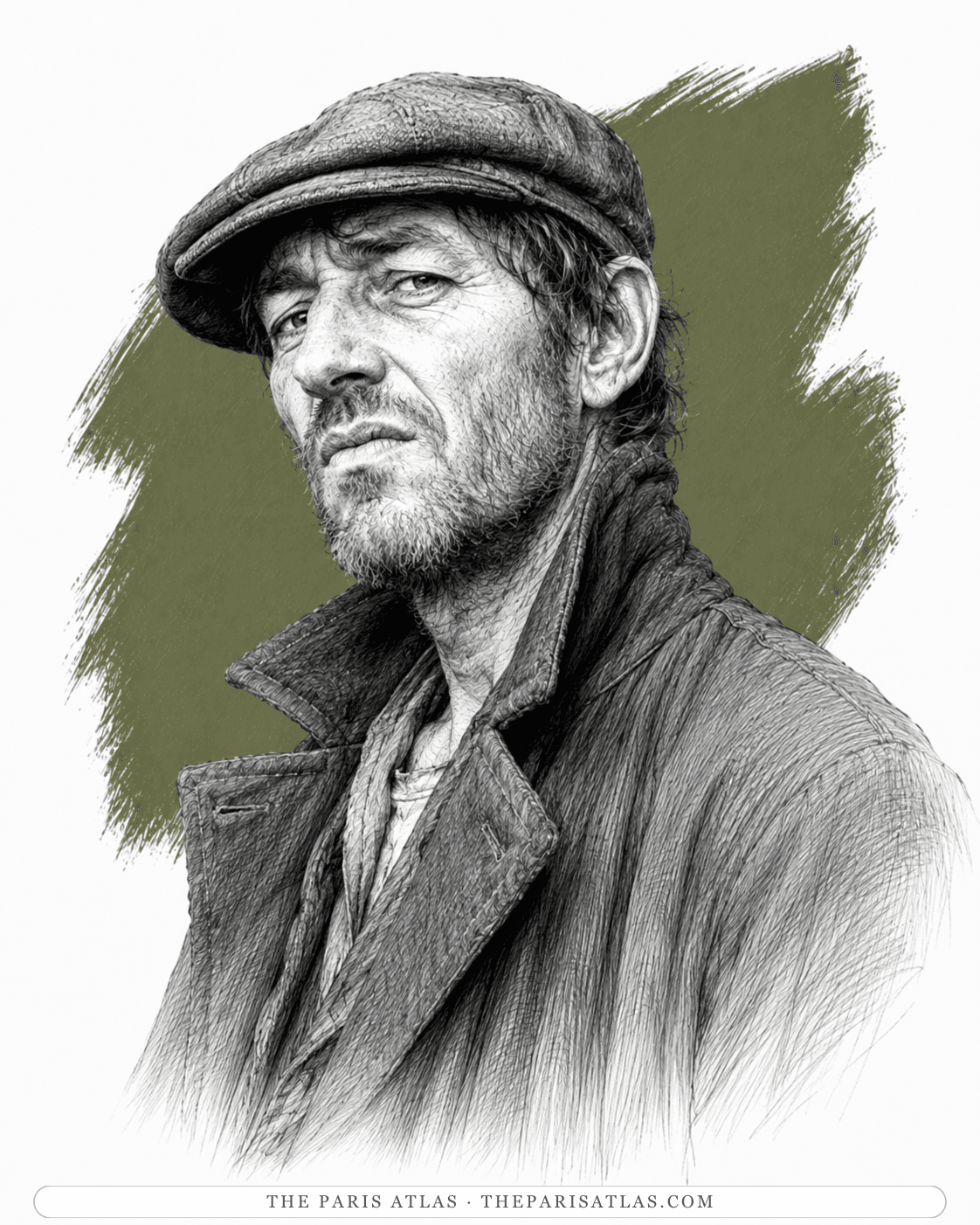
Snouter
A Trafalgar Square regular who marks every hour Big Ben strikes by mimicking it and saying Cripes. He is a pub-tapper by trade, made fourpence in six hours that day and blames a rival with a wooden leg, threatens what he will do to the man when he catches him, and coaches the youngest of the group in how to cadge tea by looking miserable. His speech is printed largely as dashes.
Half a crown and a bed. He says twice that he will not spend another night out this side of Christmas, and both times the plan for getting the money involves the publicans who have been refusing it.
The book

At a glance
- One of the group on Trafalgar Square through the night chapter
- Tapping people for change outside public houses
- Fourpence, in six hours
- Chapter 3
Who they are in the book
Spoiler-freeSnouter is one of the dozen people who spend a freezing October night on the benches of Trafalgar Square in the third chapter of the book, which George Orwell writes as a play. He earns his living by tapping people for change outside public houses, and on the day the chapter begins he has made fourpence in six hours.
He is the chapter's clock. Big Ben stands within earshot, and every time it strikes Snouter mimics it and announces how many hours are left before the coffee shop opens and the group can sit down: seven at ten o'clock, six and a half at half past. He goes on counting through the small hours after the bell stops. It is the running measure of how long the night is, and the one thing in the chapter that belongs to him alone.
The rest of what he says is trade and grievance. He is being undercut at every public house between Aldgate and the Mile End Road, he intends to make it up on the publicans tomorrow, and he has firm views on how the youngest of the group should go about cadging hot water. He also has the shortest answer in the chapter. When Dorothy Hare, the clergyman's daughter of the title, breaks down and says it is impossible that people can live like this, Snouter tells her it is perfectly possible if she asks him.
How Snouter Is Portrayed
- What the book does not give himAny description at all. The chapter is written as a play, and Snouter arrives with no face, age, build, dress or voice recorded, and leaves the same way. Everything on this page is either something he says or something one other person says to him.
- Big BenHe mimics the chime the moment it strikes, and follows it with the count. Ding dong, ding dong, seven more hours of it on this square before there is any chance of sitting down, and "Cripes!" At half past ten it is six and a half. He keeps counting after the bell stops for the night, down through five past one and ten minutes to two, which he thinks cannot last for ever.
- How the page prints himSet solid with dashes. The edition replaces the oath in nearly every line he speaks, more often than for anyone else in the chapter, and two of his contributions are almost entirely dashes with a few words holding them apart. The typography, not the wording, is what carries the manner.
- The tradeTapping men for change outside public houses. Fourpence for six hours on the day this chapter starts, and a settled opinion about why.
- The rivalA man with a wooden leg who has been queering their pitch at every public house between Aldgate and the Mile End Road, wearing war medals that Snouter says he bought in Lambeth Cut. What Snouter proposes to do to his navel when he catches up with him is the first threat in the chapter.
- TomorrowHe will not do another night out this side of Christmas. He is going to give the publicans such a doing that they will not know whether they are on their heads or their heels, and he will have his half-crown if he has to hold them upside down and shake them.
- Coaching the youngestThe boy the group calls the Kike is sent for the hot water with instructions: take the cans, pay nothing, worm it out of the woman in the coffee shop. "Snivel. Do the doleful." When the boy comes back saying she refused and he had to pay a penny for it, Snouter tells him he has been drinking it on the way.
- The Christmas workHe and Charlie sing hymns outside public houses towards Christmas, and Charlie's account is that the men in the bar weep their eyes out. They once tapped the same house twice by mistake.
- The one question anyone asks himGinger, who has not washed for three days himself, asks him how long it is since he washed his face. He does not answer it, and the book does not answer it either.
If you like A Clergyman's Daughter


If you like George Orwell
Explore authors with a similar voice, perspective, and influence.
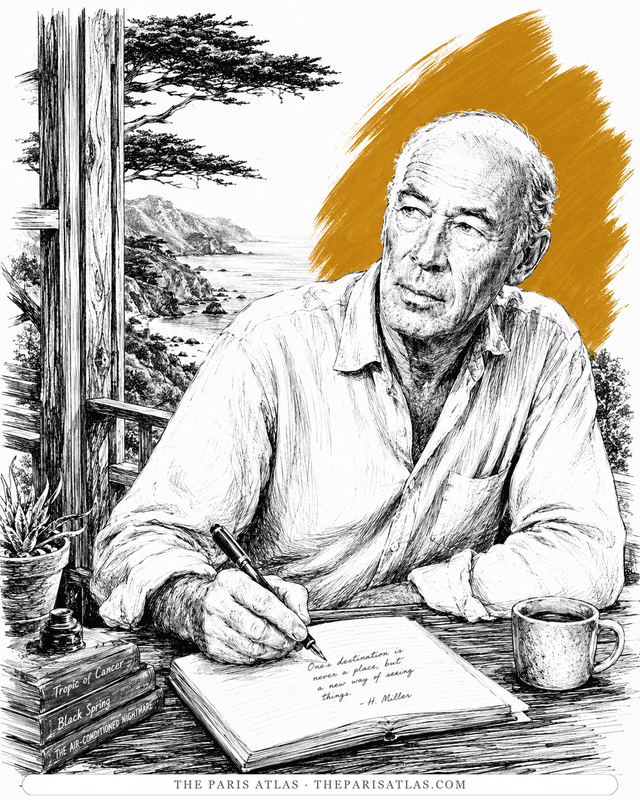
Henry Miller
The Brooklyn dropout who arrived in Paris broke at thirty-eight and wrote the exuberant, banned books that ended American censorship.
View author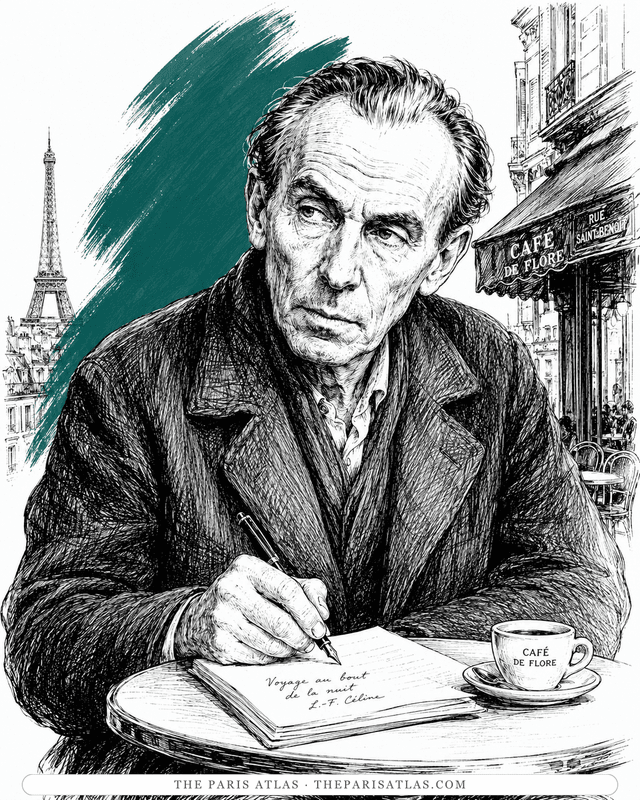
Louis-Ferdinand Céline
The doctor of the Paris slums who wrote the century's blackest, funniest novel — and changed the sound of French prose.
View author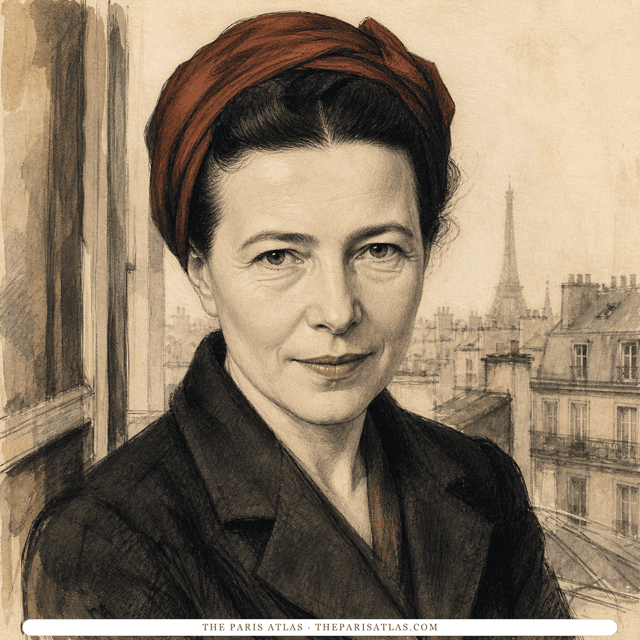
Simone de Beauvoir
French writer and philosopher whose novels, memoirs, and social analysis examined freedom, gender, responsibility, aging, and the material conditions that shape a life.
View author