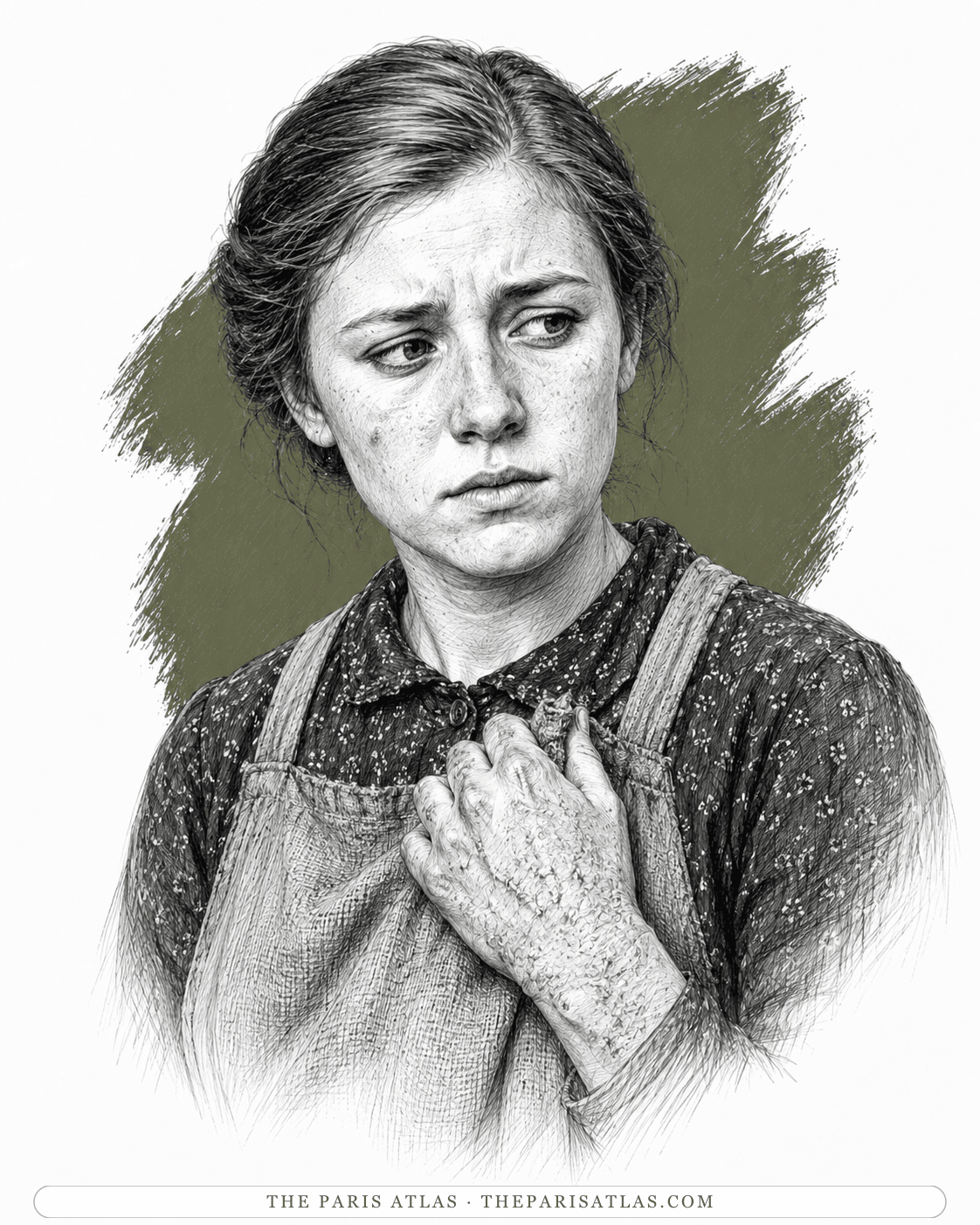
Ellen
The Rectory's maid of all work, and the only other servant in the house. Dorothy borrows her first name when she needs one on the road, which is the largest thing Ellen does in the book without knowing it.
Not to have to speak to the Rector. Every message she carries goes to Dorothy instead, however plainly it is meant for him.
The book

At a glance
- Maid of all work at the Knype Hill Rectory
- Chronic eczema
- Get out of bed before seven, or speak to the Rector directly
Who they are in the book
Spoiler-freeEllen is the Rectory's maid of all work: a tall, round-shouldered girl with mouse-coloured hair, a plaintive voice and a bad complexion, who suffers chronically from eczema. George Orwell gives her one scaly hand holding a sacking apron against her belly and a habit of glancing apprehensively at the Rector while addressing everything she says to Dorothy, because she is too frightened of him to speak to him directly. She is a good hard-working servant once she is awake, and she is one of those girls whom the Devil and all his angels cannot get out of bed before seven.
She has three short scenes and one important line. Her wages come out of the eighteen pounds a month Dorothy is given to run the household on, and when Dorothy needs a name in the New Kent Road, the first female name that comes to mind is hers.
How Ellen Is Portrayed
- The snoringAt half past five in the morning Dorothy can hear it through the second-floor passage, in antiphon with her father's. Ellen's are described as heavy youthful snores.
- The Porters' babyShe comes into the dining-room mid-breakfast to say that Mr Porter is in the kitchen and does not think the baby will live the day out, and that it has not been baptized. Asked what is wrong with it: "Well, Miss, it's turning quite black. And it's had diarrhoea something cruel."
- The eczemaChronic, and mentioned twice: once in her introduction and once in the last chapter's round-up of town news, where it has been very bad all winter.
- The morning afterIt is Ellen who discovers that Dorothy has gone, and Ellen who says it out loud: "It's my belief as she's GORN, Sir!" She goes down into the town to make fruitless inquiries, and does not come back for an hour, which is how the Rector comes to cook his own breakfast.
- The borrowed nameAsked her name by a tramp in the New Kent Road, Dorothy picks a feminine name from the half-dozen that spring immediately into her mind, and answers "Ellen". She keeps it for the next eight months, adding the surname Millborough later.
If you like A Clergyman's Daughter


If you like George Orwell
Explore authors with a similar voice, perspective, and influence.
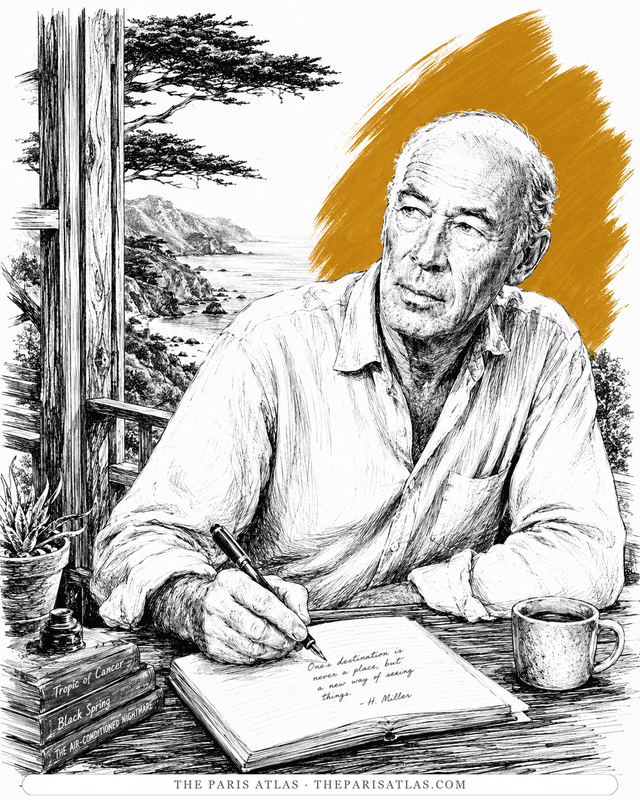
Henry Miller
The Brooklyn dropout who arrived in Paris broke at thirty-eight and wrote the exuberant, banned books that ended American censorship.
View author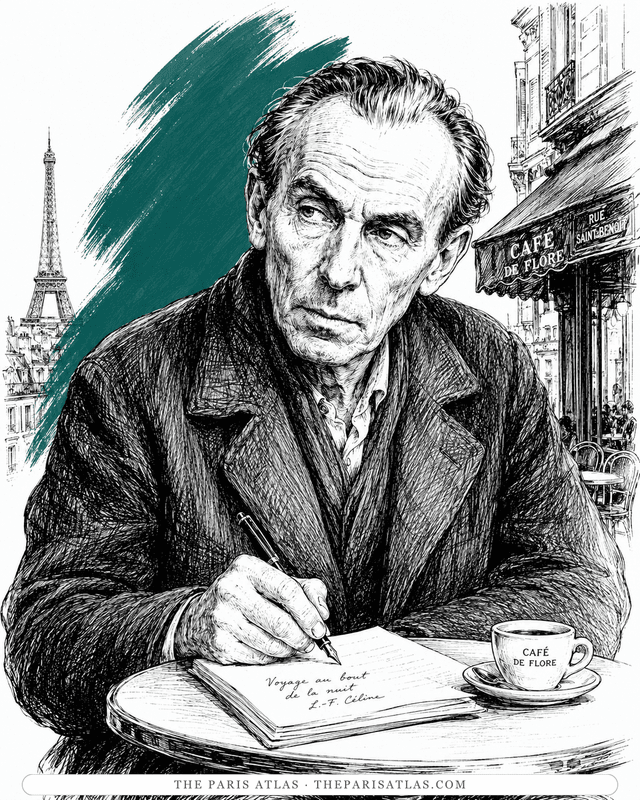
Louis-Ferdinand Céline
The doctor of the Paris slums who wrote the century's blackest, funniest novel — and changed the sound of French prose.
View author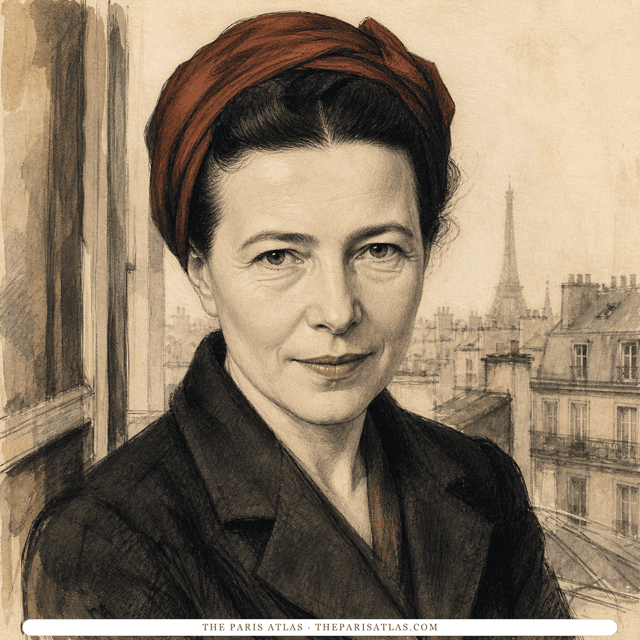
Simone de Beauvoir
French writer and philosopher whose novels, memoirs, and social analysis examined freedom, gender, responsibility, aging, and the material conditions that shape a life.
View author