Miss Strong
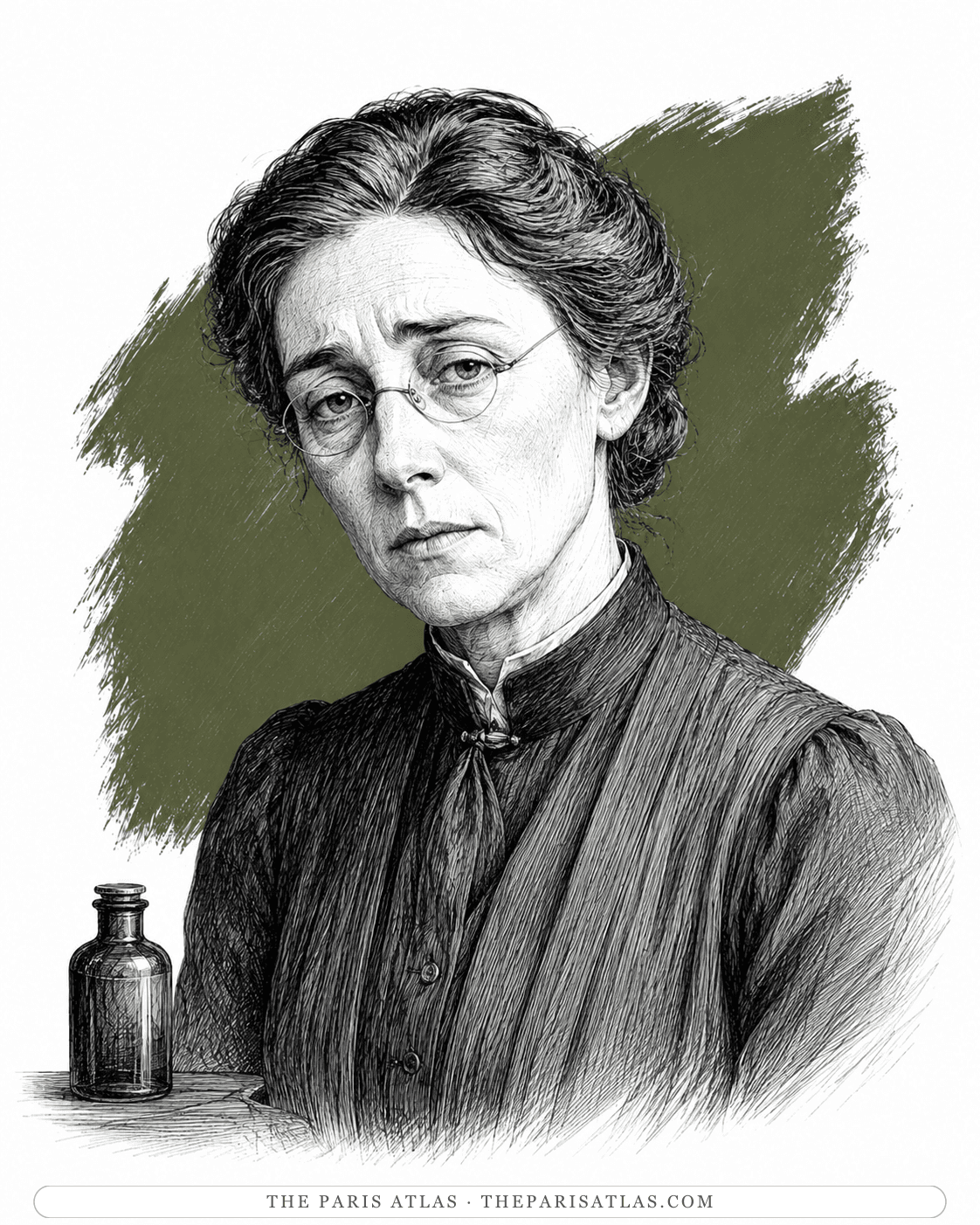
The teacher Dorothy Hare replaces at Ringwood House, never seen and constantly quoted. She was a B.A., which Mrs Creevy mentions often, but did not come up to Mrs Creevy's ideas on what she calls the moral side. She kept the bedroom untidy, never let one particular girl go to the lavatory alone, and was eventually taken bad. Late in chapter 4 Dorothy thinks of the two roads open to a third-rate schoolmistress, one of them Miss Strong's road, via whisky to the workhouse.
The book

At a glance
- Dorothy's predecessor at Ringwood House, Southbridge
- B.A.
- Mrs Creevy sacked her over what she calls the moral side
- Nothing directly; she has left before Dorothy arrives
- Chapter 4, in other people's accounts
Who they are in the book
Spoiler-freeMiss Strong is a character in A Clergyman's Daughter, the 1935 novel by George Orwell. She had the job that Dorothy Hare, the book's central character, takes in the fourth chapter, and she had left before Dorothy arrived. She never appears in a scene and never speaks a line. What the reader knows of her comes from the woman who sacked her and from the children she taught.
The job is at Ringwood House Academy for Girls, a private school in Brough Road in Southbridge, a suburb ten or a dozen miles from London. It occupies a semi-detached yellow-brick house with dusty laurels in front, holds twenty-one girls between five and eighteen, and exists to collect fees. Its proprietor, Mrs Creevy, does no teaching herself and says openly that the fees are what matter.
Miss Strong was a graduate, which Mrs Creevy liked because letters after a teacher's name look well on a prospectus. She was got rid of, Mrs Creevy says, because she did not come up to her ideas on what she calls the moral side. Dorothy finds out what that means on her first night, unpacking her clothes in the bedroom Miss Strong had used: a cardboard box on top of the wardrobe holding nine empty whisky bottles.
The children fill in the rest. Miss Strong was a strict teacher who twisted their ears over blots, except about twice a week, when she was taken bad and drank a medicine out of a little brown bottle and turned jolly for a while and talked to them about her brother in Canada. On her last day, in the middle of an arithmetic lesson, the medicine made her worse rather than better. She began sinking, fell across a desk, and Mrs Creevy carried her out of the room.
How Miss Strong Is Portrayed
- The letters after her nameShe was a B.A. Mrs Creevy raises it twice in Dorothy's first hour: "I don't know what you could have better than a B.A., unless it's an M.A." and then "It looks so much better on the prospectus if you've got a few letters after your name." She also doubts that the school's parents know what B.A. stands for.
- The reason given for sacking her"Miss Strong was all right as a teacher, but she didn't come up to my ideas on what I call the MORAL SIDE. We're very strong on the moral side at Ringwood House. It's what counts most with the parents, you'll find."
- What was left on the wardrobeA cardboard box containing nine empty whisky bottles, found by Dorothy on her first night while putting her clothes away in the room Miss Strong had occupied.
- The little brown bottleThe children's account. She was a very strict teacher except when she was taken bad, which happened about twice a week; then she drank a medicine out of a small brown bottle, grew quite jolly for a while, and talked to them about her brother in Canada.
- Her last lessonShe was taken bad during arithmetic. The medicine made her worse than ever, and she had no sooner drunk it than she began sinking and fell across a desk. Mrs Creevy had to carry her out of the room, and told the class only that Miss Strong had had to leave all of a sudden.
- CopiesThe routine she ran, and the one Mrs Creevy makes Dorothy go back to. An hour or two of every day was spent copying passages out of textbooks or off the blackboard into copybooks that were shown to the parents. One of hers, an essay called Spring, appears in all the older girls' books and begins: "Now, when girlish April is tripping through the land, when the birds are chanting gaily on the boughs and the dainty flowerets bursting from their buds".
- What she actually taughtHandwriting and arithmetic, seriously; everything else in name only. The girls at the bottom of the class could barely read or write, and one eleven-year-old could not count. When Dorothy sets the class to learn the county capitals, they groan that this is just what they used to do with Miss Strong.
- The earsThe children told Dorothy, in the ten-minute break on her first morning, that Miss Strong used to twist their ears when they made blots on their copybooks.
- The rule about MavisMiss Strong never let Mavis Williams go to the lavatory unaccompanied, because Mavis locks herself in and will not come out, and then Mrs Creevy gets angry. Dorothy, not knowing this, gives Mavis permission on her fourth morning, and the girl stays in there until twelve o'clock.
- What became of herThe book does not say. Late in the chapter Dorothy decides that every third-rate schoolmistress travels one of two well-beaten roads: Miss Strong's, by way of whisky to the workhouse, or that of her friend Miss Beaver, by way of strong tea to a decent death in the Home for Decayed Gentlewomen. That is Dorothy's reading of two futures, not a report of where Miss Strong went.
If you like A Clergyman's Daughter


If you like George Orwell
Explore authors with a similar voice, perspective, and influence.

Henry Miller
The Brooklyn dropout who arrived in Paris broke at thirty-eight and wrote the exuberant, banned books that ended American censorship.
View author
Louis-Ferdinand Céline
The doctor of the Paris slums who wrote the century's blackest, funniest novel — and changed the sound of French prose.
View author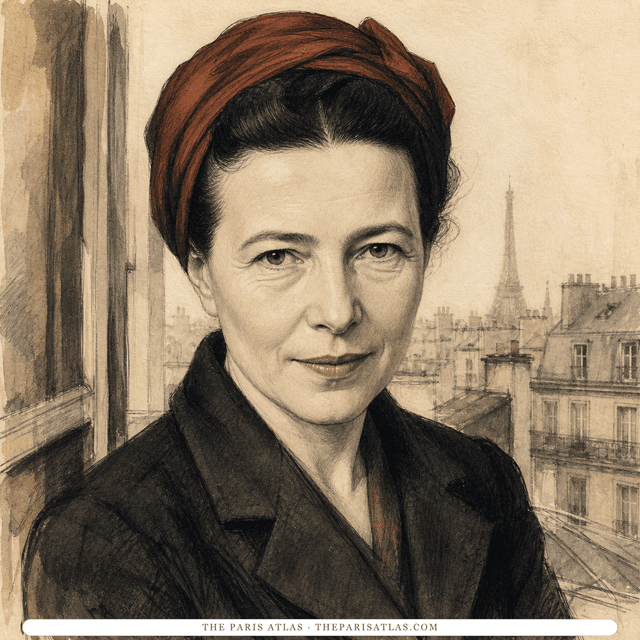
Simone de Beauvoir
French writer and philosopher whose novels, memoirs, and social analysis examined freedom, gender, responsibility, aging, and the material conditions that shape a life.
View author