Blyth
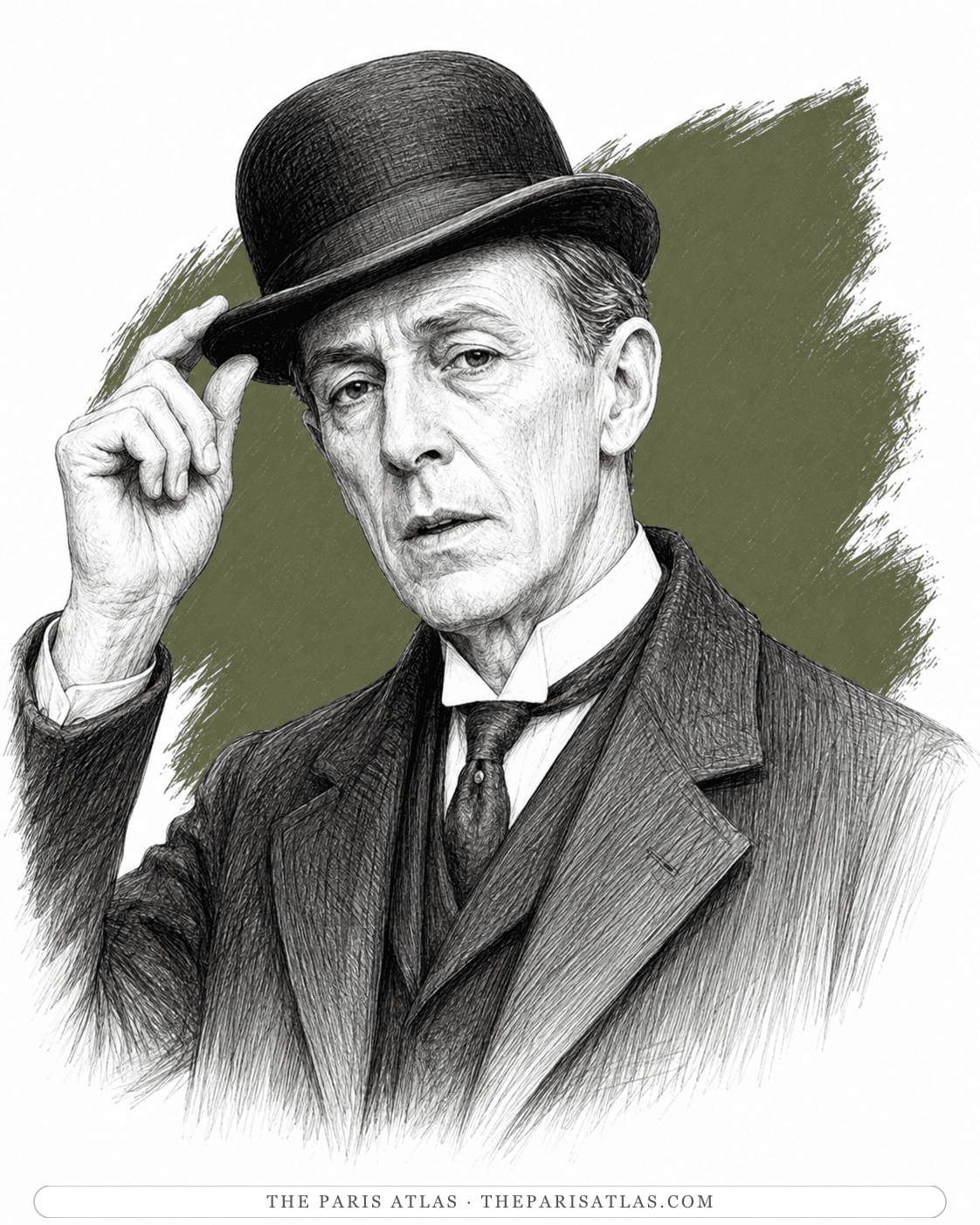
Sir Thomas Hare's butler, and also, as George Orwell puts it, his confidant and intellectual guide: a small sharp-featured man with a voice that never rises above a whisper and is as nearly silent as a voice can be while remaining one. He takes about a week to track Dorothy Hare down in London, lifts his bowler a quarter of an inch to her, pays the fares, and brings her meals with a mixture of deference and disapproval.
The book

At a glance
- Butler to Sir Thomas Hare, and the man who finds Dorothy Hare
- His employer's confidant and intellectual guide, in Orwell's phrase
- Chapter 4
Who they are in the book
Spoiler-freeBlyth is butler to Sir Thomas Hare, a vague and chuckle-headed baronet of about sixty-five, and George Orwell adds that he is also his employer's confidant and intellectual guide. The second job is the one that matters. When Sir Thomas needs his cousin Dorothy Hare found and taken off the streets before the newspapers make any more of her, it is Blyth he sends for and Blyth who works out how.
The council of war between them is written almost entirely one-sided. Sir Thomas talks; Blyth's contributions are described rather than quoted, because they are barely audible. He points out that Dorothy is his employer's cousin and not his niece. He advises against the police, on the grounds that she can be traced without them and without a lot of disagreeable publicity. He is right, and it takes him a week.
He then keeps her, in an empty house with the blinds down and the master away. For three days she sees nobody else. He brings her meals, gets her father's cheque cashed after some resistance, and cannot decide what she is -- a young lady of family, or a rescued Magdalen -- so he treats her as something between the two.
How Blyth Is Portrayed
- How the book describes himA small, sharp-featured man.
- The voiceIt never rises above a whisper. Orwell writes that it was as nearly silent as a voice can be while still remaining a voice, and that only by watching his lips as well as listening closely could you catch the whole of what he said. Dorothy Hare has to have his first question repeated before she understands it.
- What his lips do without himThey register. Asked whether private detectives might be the answer, Blyth's lips register disapproval, and the narration reports the substance of the objection rather than the words.
- Correcting his employerSir Thomas begins by calling Dorothy his niece. Blyth's lips signal something to the effect that she is his cousin. "What, my cousin, is she? So she is, by Jove!"
- The hatOn the morning after Dorothy comes out of the police-court cells, he walks up to her in the street, lifts his bowler a quarter of an inch from his head, and inquires noiselessly whether she is not Miss Dorothy Hare.
- Getting her homeThe bus to Hyde Park Corner, with Blyth paying the fares, then the walk to a large shuttered house between Knightsbridge and Mayfair, then down the area steps, and a key. Dorothy returns to respectable society by the servants' door.
- Deference and disapprovalHe brings her meals in the empty house and talks to her, noiselessly, in a mixture of the two. He cannot make up his mind whether she is a young lady of family or a rescued woman off the streets, so he settles on something between the two.
If you like A Clergyman's Daughter


If you like George Orwell
Explore authors with a similar voice, perspective, and influence.
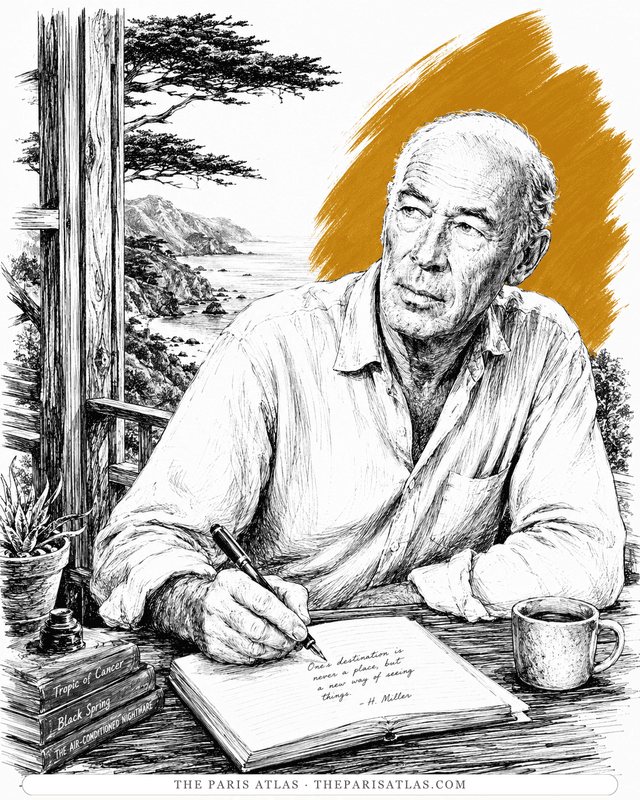
Henry Miller
The Brooklyn dropout who arrived in Paris broke at thirty-eight and wrote the exuberant, banned books that ended American censorship.
View author
Louis-Ferdinand Céline
The doctor of the Paris slums who wrote the century's blackest, funniest novel — and changed the sound of French prose.
View author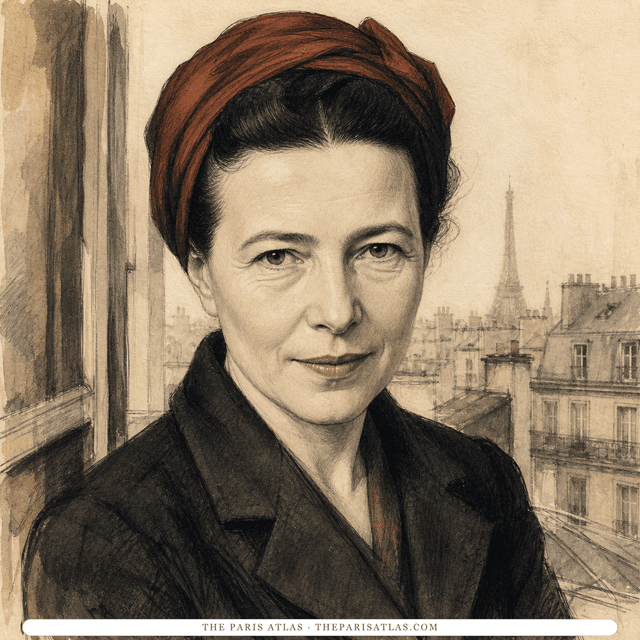
Simone de Beauvoir
French writer and philosopher whose novels, memoirs, and social analysis examined freedom, gender, responsibility, aging, and the material conditions that shape a life.
View author