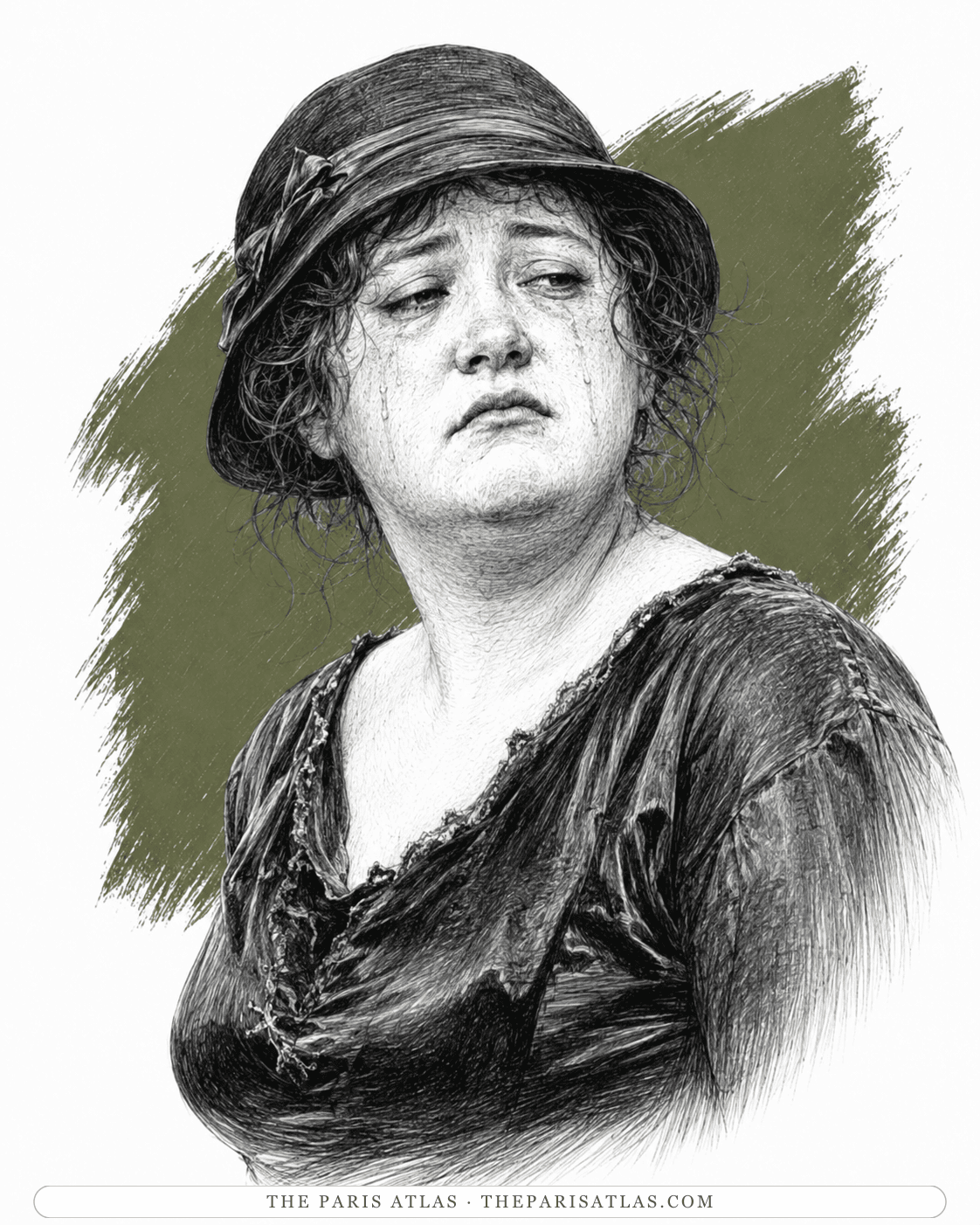
Flo
One of the two cockneys who go hop-picking with Nobby and Dorothy Hare. She had had a good home until she was seduced and turned out of doors, and she has been on the streets in London ever since. She had never heard of walking twenty miles in a day, refuses to carry anything, cries all night in the rain, and finally makes eyes at a lorry driver and leaves with the food, the bedding and both bundles.
To get back to London. She agreed to the trip expecting a lark, discovers what walking to Kent involves, and takes the first ride going the other way.
The book

At a glance
- One of the four who walk to the Kent hop fields
- London; a cockney, and on the streets before the walk
- Chapter 2
Who they are in the book
Spoiler-freeFlo and Charlie fall in with Nobby in Trafalgar Square and agree to walk to the Kent hop fields with him, imagining that it will be a bit of a lark. They are cockneys born and bred, and although both have had months of destitution in London, neither has ever been on the road. They are not so much exhausted by the walking as amazed and scandalised by the distances: twenty miles in a day is a thing they had never heard of.
Flo comes with a history the book gives in one clause. She had had a good home until she was seduced and turned out of doors to live on the streets. She keeps a certain social distance from the other two — she values Nobby's boldness in thieving and looks down on him for it at the same time — and she is aloof from Dorothy Hare from the first, though willing to share her half-crown.
On the road she is a liability and George Orwell does not soften it. She steadfastly refuses to carry anything. On the third night, when the rain starts after midnight and they end up huddled against a haystack, she blubbers throughout in the most intolerable manner and is in a state of semi-collapse by morning, her fat face washed clean by rain and tears. When the party splits up to look for work, she and Charlie vanish, having caught a lift back to London from a passing lorry driver, and having taken both bundles with them.
How Flo Is Portrayed
- What she walks to Kent inGeorge Orwell introduces her as a silly-looking, plump creature dressed in clothes very like Dorothy Hare's own, which the book has itemised a few pages earlier: a shabby black satin dress, rather long, laddered flesh-coloured artificial silk stockings, and very shabby black satin shoes with high heels. She covers twenty miles a day in them.
- Where she came fromA good home, until she was seduced and turned out of doors. The novel gives it in a single sentence and never returns to it.
- The walkingTwenty miles in a day was something neither she nor Charlie had heard of. They were less tired than scandalised, and both looked down on Nobby while depending on him.
- The bundlesShe steadfastly refused to carry anything, which is the running complaint of the journey and the detail that makes the ending of it worse.
- The night in the rainShe cried through all of it and was half collapsed by morning, her silly fat face washed clean by rain and tears. Orwell's simile for it is a bladder of lard contorted with self-pity.
- How she leavesBy making eyes at a lorry driver who gave the two of them a lift to London. They took the food, the bedding and both bundles, leaving Dorothy and Nobby with the clothes they stood up in.
If you like A Clergyman's Daughter


If you like George Orwell
Explore authors with a similar voice, perspective, and influence.
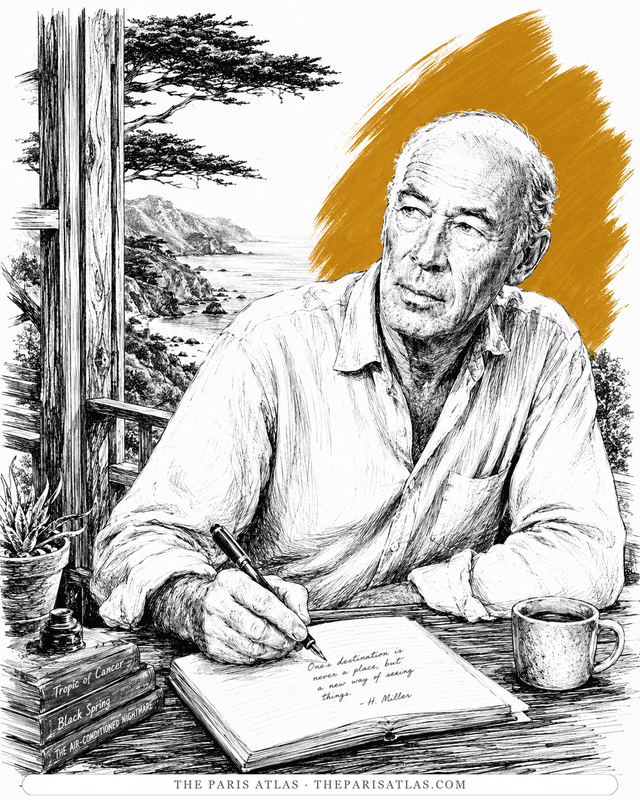
Henry Miller
The Brooklyn dropout who arrived in Paris broke at thirty-eight and wrote the exuberant, banned books that ended American censorship.
View author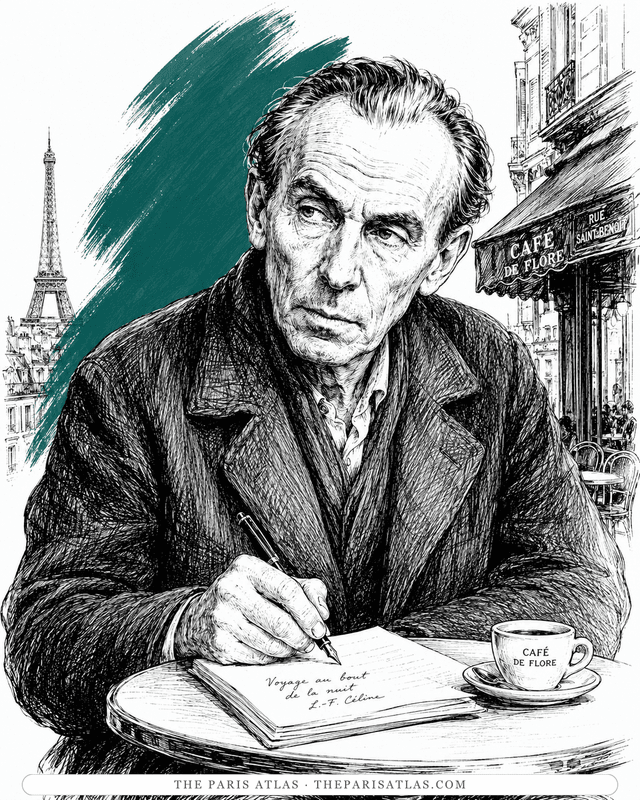
Louis-Ferdinand Céline
The doctor of the Paris slums who wrote the century's blackest, funniest novel — and changed the sound of French prose.
View author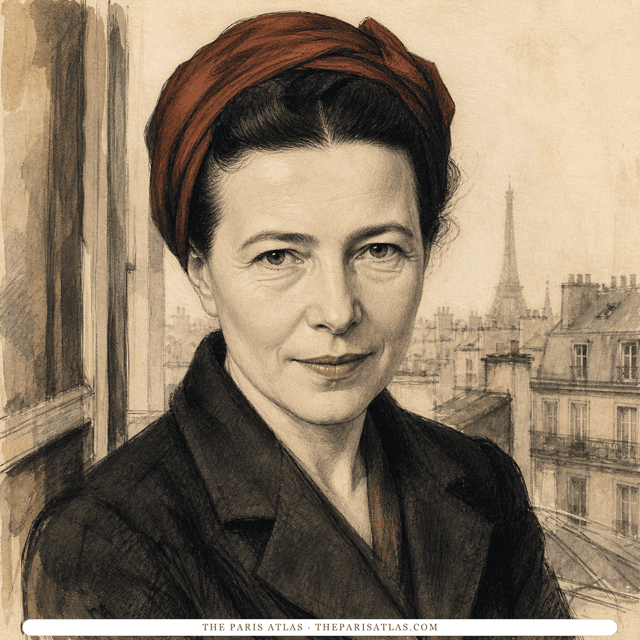
Simone de Beauvoir
French writer and philosopher whose novels, memoirs, and social analysis examined freedom, gender, responsibility, aging, and the material conditions that shape a life.
View author