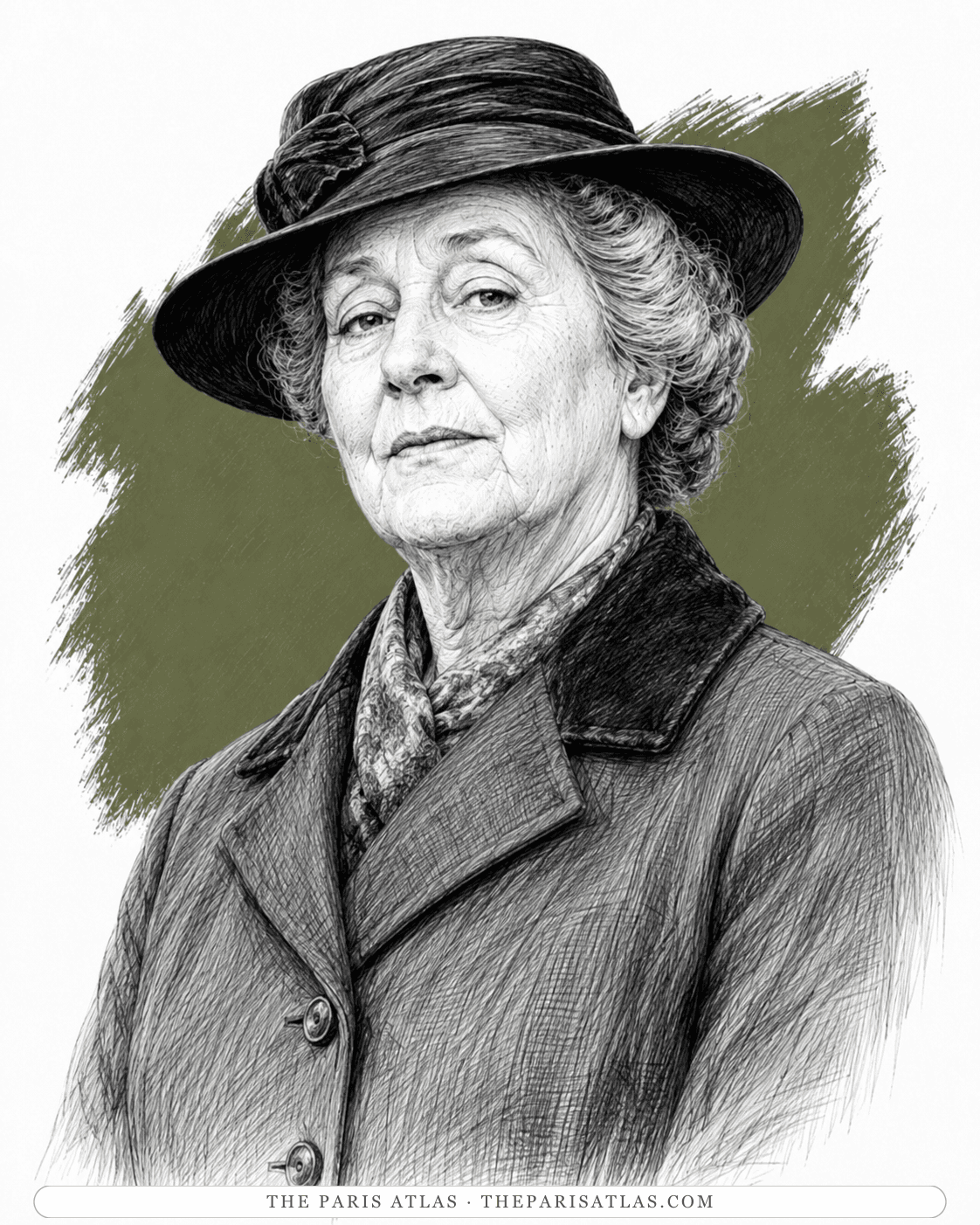
Mrs Wayne
The genteel one on the Square, who adopts Dorothy Hare on sight because she knew at once that she was a lady born and bred. She keeps returning to how far she has come down in the world, to her late mother, to the little tobacco and sweetstuff business on the corner, and to the tea things she lost, including real Pekoe Points at two and nine a pound. When a young man sits on her lap she says primly that she did not ask him to, and then laughs in spite of herself.
To be understood as someone who has come down in the world rather than someone who was always in it. She keeps saying she is not accustomed to this, and that some of them were brought up respectable.
The book

At a glance
- One of the women around the bench in Trafalgar Square
- A tobacco and sweetstuff business on a corner
- Real Pekoe Points at two and nine a pound
- Dorothy Hare, almost exclusively
- Chapter 3
Who they are in the book
Spoiler-freeMrs Wayne is a character in A Clergyman's Daughter, the 1935 novel by George Orwell. She appears in the third chapter, which George Orwell writes as a play script rather than as prose: about a dozen homeless people are grouped around one bench in Trafalgar Square in London, and their voices are printed as stage dialogue through a single freezing night. Dorothy Hare, the rector's daughter of the title, has ended up in London with no money and nowhere to sleep, and is sitting among them.
Mrs Wayne fastens on Dorothy the moment she arrives. Her first words are that she knew as soon as she set eyes on her that she was a lady born and bred, and that the two of them have known what it is to come down in the world, which is not the same for them as it is for some of the others there. Almost everything she says for the rest of the night comes back to that.
The life she describes was a small one. Her family kept a tobacco and sweetstuff business on a corner. There was a Silkstone coal fire with the kettle on the hob and toasted crumpets from the baker's over the way, a china tea service, and the best tea money could buy at two and nine a pound. Her mother died before all this happened, and Mrs Wayne says she thanks God for it.
She is also the only person on the bench who takes the authorities' side. She thinks the police could not really let people sleep in the streets, because it would not be quite nice and it would encourage the kind of riff-raff who have no homes of their own. She says this while sitting out all night in the cold for exactly that reason.
How Mrs Wayne Is Portrayed
- The first thing she says to Dorothy"Ah, dearie, as soon as I set eyes on you I knew as you was a lady born and bred. You and me've known what it is to come down in the world, haven't we, dearie? It ain't the same for us as what it is for some of these others here." She calls Dorothy dearie for the rest of the night.
- The shop on the cornerThe one concrete thing she says about her old life. At the time she is speaking of, she tells Dorothy, they still had their little tobacco and sweetstuff business on the corner.
- The tea she used to drinkA clean tablecloth, the beautiful china tea service her mother had, and always the very best tea money could buy -- real Pekoe Points at two and nine a pound. The tea actually in front of her has been brewed in a tin can on the Square with condensed milk labelled not fit for babies. She drinks it, and says she cannot say this is exactly the way she has been accustomed to drinking a cup of tea.
- Her motherThe subject she returns to most. She thanks God her mother never lived to see the day her eldest daughter came to this, having been brought up with no expense spared and milk straight from the cow. She also wants Dorothy to know how huge the wreaths were at the funeral.
- Where she stands on sleeping roughWith the police. She says you can see they could not really allow people to sleep in the streets, because it would not be quite nice, and because it would encourage all the people who have no homes of their own -- the kind of riff-raff, if you take her meaning.
- Thirteen at the tableShe counts the group and announces that there are just thirteen of them, the old superstition about thirteen sitting down to dinner. Mr Tallboys, the unfrocked clergyman on the bench, tells her that as they are not going to have any dinner she need not disturb herself.
- The pile on the benchTowards two in the morning the whole group climbs on top of one another for warmth. Mrs Wayne says "Here! I didn't ask you to sit on my lap, young man!" and, a little later, that Dorothy mustn't think she is accustomed to sitting on a gentleman's knee.
- Laughing in spite of herselfCharlie roars out a song called Rollicking Bill the Sailor and the bench stamps and claps in time to keep the blood moving. Mrs Wayne joins in after a moment, laughing in spite of herself. A few minutes later she starts on the coal fire and the crumpets, and the chattering of her own teeth stops her mid-sentence.
- She speaks up for DorothyWhen a constable shakes Dorothy awake at four in the morning and asks whether she has no overcoat, Mrs Wayne answers for her: "She's a lady born and bred." The policeman then offers Dorothy a bed at the Metropolitan Asylums Board.
- On Mr WilkinsAt five they get into a cheap cafe near the Charing Cross Road, and the proprietor shouts the room down. Mrs Wayne's verdict: "He do speak rough to you, don't he? Not what I'd call a reely gentlemanly kind of man."
If you like A Clergyman's Daughter


If you like George Orwell
Explore authors with a similar voice, perspective, and influence.
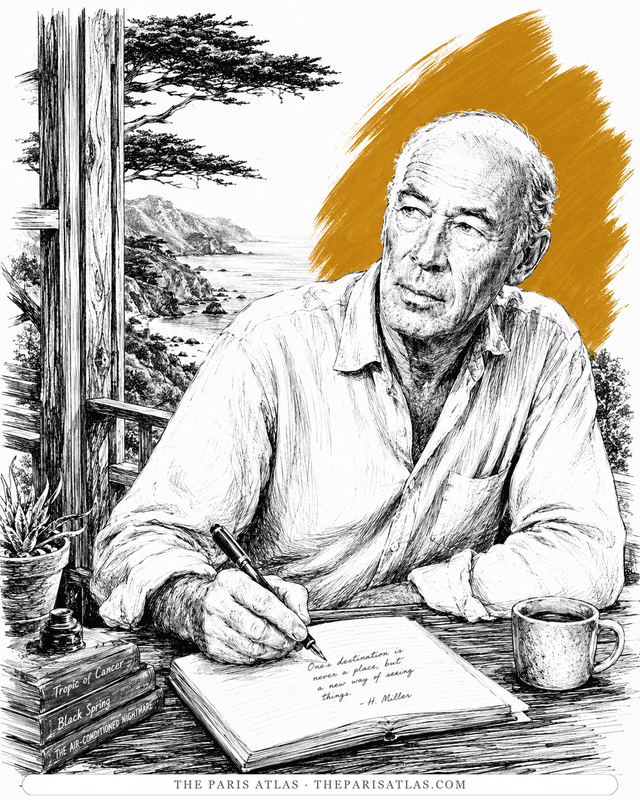
Henry Miller
The Brooklyn dropout who arrived in Paris broke at thirty-eight and wrote the exuberant, banned books that ended American censorship.
View author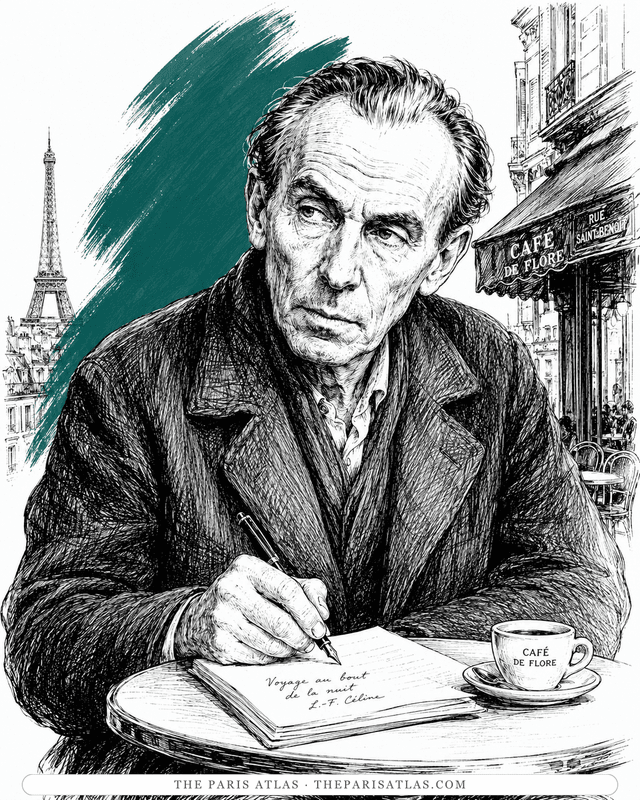
Louis-Ferdinand Céline
The doctor of the Paris slums who wrote the century's blackest, funniest novel — and changed the sound of French prose.
View author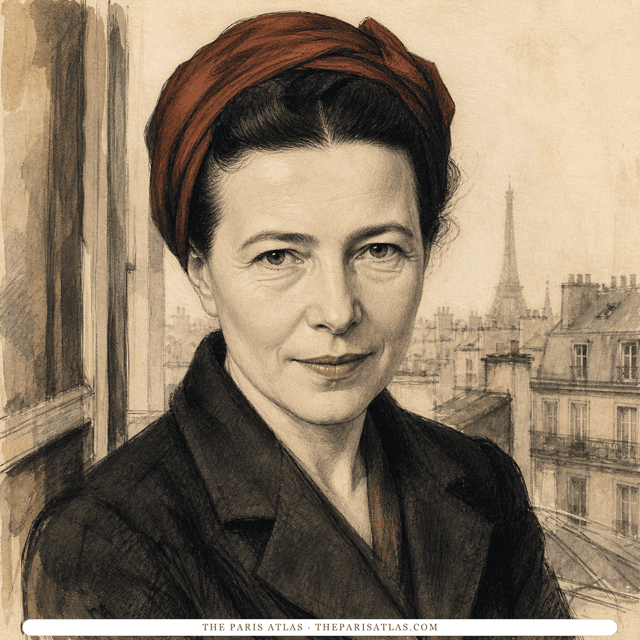
Simone de Beauvoir
French writer and philosopher whose novels, memoirs, and social analysis examined freedom, gender, responsibility, aging, and the material conditions that shape a life.
View author