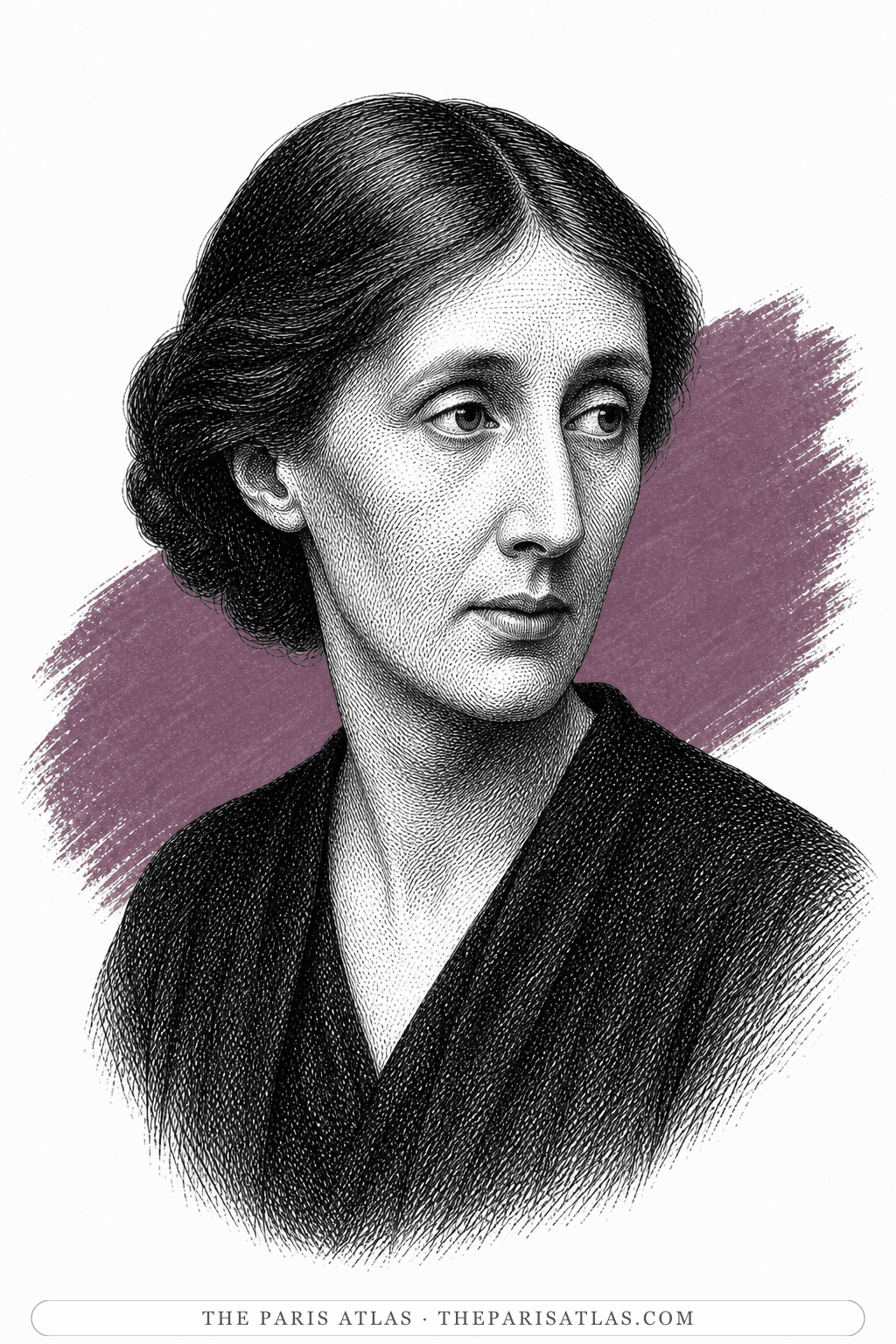

A Room of One's Own
Woolf’s extended essay examines the material support and independence women need to write, subjects also developed through Orlando’s long creative life.
Read our take
One writer carries an unfinished poem through changing centuries, desires and expectations.
Orlando begins as a young aristocrat in Elizabethan England and lives into 1928, becoming a woman along the way. Through love affairs, travel and a poem repeatedly revised, Virginia Woolf turns the conventions of biography into a fantastical novel about identity, literary ambition and the changing rules of social life.
The narrator promises the certainty of a biographer, then encounters damaged papers, missing evidence and experiences that an official record cannot contain. The joke grows as centuries pass while Orlando ages only a little. Historical time and the time a person feels become strikingly different things.
Writing provides a continuing interest through these changes. Orlando first struggles to describe the natural world, later submits work to a dismissive critic and carries a manuscript called The Oak Tree from one period into another. The wish to write survives changes in literary fashion and in the treatment Orlando receives.
Woolf dedicated the novel to Vita Sackville-West and drew on her life and family history. The book includes photographs of Vita, but its impossible lifespan and transformations make it a fictional experiment. Its subtitle, A Biography, belongs to that experiment.
The young Orlando writes poetry at a great English house and enters court life. A love affair with the Russian Sasha ends in abandonment as the frozen Thames breaks apart. Later, Orlando invites the writer Nicholas Greene to stay, only to find private enthusiasms turned into a published satire. The humiliation leads Orlando to burn many writings while keeping The Oak Tree.
Serving as ambassador in Constantinople, Orlando falls into a prolonged sleep and wakes as a woman. Her memory and identity continue through the change. After leaving the embassy and spending time with a traveling community, she sails for England. The restrictions of women's clothing and the captain's attentions make the social consequences of the change increasingly apparent.
Across later centuries, Orlando encounters new literary fashions, legal disputes and pressure to marry. She meets Marmaduke Bonthrop Shelmerdine and finds an attachment in which each unsettles the other's expectations of men and women. They marry, and he continues his life at sea. Nicholas Greene reappears as a successful critic and helps arrange publication of The Oak Tree.
By the final day, October 11, 1928, Orlando has a son, drives a motorcar and has received public recognition for the poem. At the old oak tree, she considers burying a copy as a tribute, then leaves it unburied. The story ends at midnight with Shelmerdine's arrival by aeroplane and the appearance of a wild goose.
The narrator repeatedly invokes the duties of a reliable biographer, only to face gaps that those duties cannot resolve. Documents go missing, inner experience exceeds the available evidence, and the subject lives across centuries without aging accordingly. The interruptions make the demand for a complete, orderly life story look inadequate.
Photographs and historical settings imitate the evidence a biography might supply. Their presence does not turn the impossible lifespan into fact. Instead, Woolf lets recognizable documentary forms participate in the joke, asking how much authority readers grant to a record because of the way it is presented.
Orlando's transformation preserves memory and identity while altering the expectations encountered in public. On the voyage to England, clothing changes bodily freedom, and the captain's behavior reveals new advantages and restrictions. The consequences become legible through movement and interaction rather than through an abstract announcement about womanhood.
Orlando can also reconsider earlier demands made on women from the position of someone now expected to meet them. This reversal makes gender a problem of social power as well as personal experience. The narrator's sweeping claims remain part of a playful, historically situated voice, not a fixed account of what all men or women are.
Orlando carries The Oak Tree across changing periods, revising it while judgments about respectable literature change around it. Nicholas Greene first humiliates the aspiring writer and later helps secure publication. His recurring authority exposes how criticism can sound permanent while its preferred standards shift.
The manuscript provides continuity without making artistic identity static. Orlando's experience, language and relation to an audience develop over time. Keeping one work alive becomes a different achievement from satisfying the current opinion of what a writer ought to produce.
Publication and recognition bring the poem into circulation, but the final return to the oak tree does not simply celebrate an arrival. Orlando considers burying the book and leaves it unburied. The completed public object cannot contain every association attached to the place and the years of writing.
The final day mixes driving, memory, a returning partner and the elusive wild goose. Clock time reaches a precise midnight while lived time remains crowded and unstable. The biography ends because its narration stops at a chosen moment, rather than because Orlando has become fully explained.
The narrator's biographical claims; Nicholas Greene and The Oak Tree in chapters Two and Six; the transformation and return voyage in Three and Four; and the final day in Six.
Green in nature is one thing, green in literature another.
Was not writing poetry a secret transaction, a voice answering a voice?
Missing documents, extravagant claims and sudden admissions of uncertainty make the narrator’s effort to record a life part of the entertainment.
The recurring critic Nicholas Greene praises the past in every age. His changing reputation lets Woolf examine how literary authority is acquired and exercised.
A skirt, a marriage proposal and a legal decision each alter what Orlando can do. The fantastical premise brings these practical restrictions into focus.
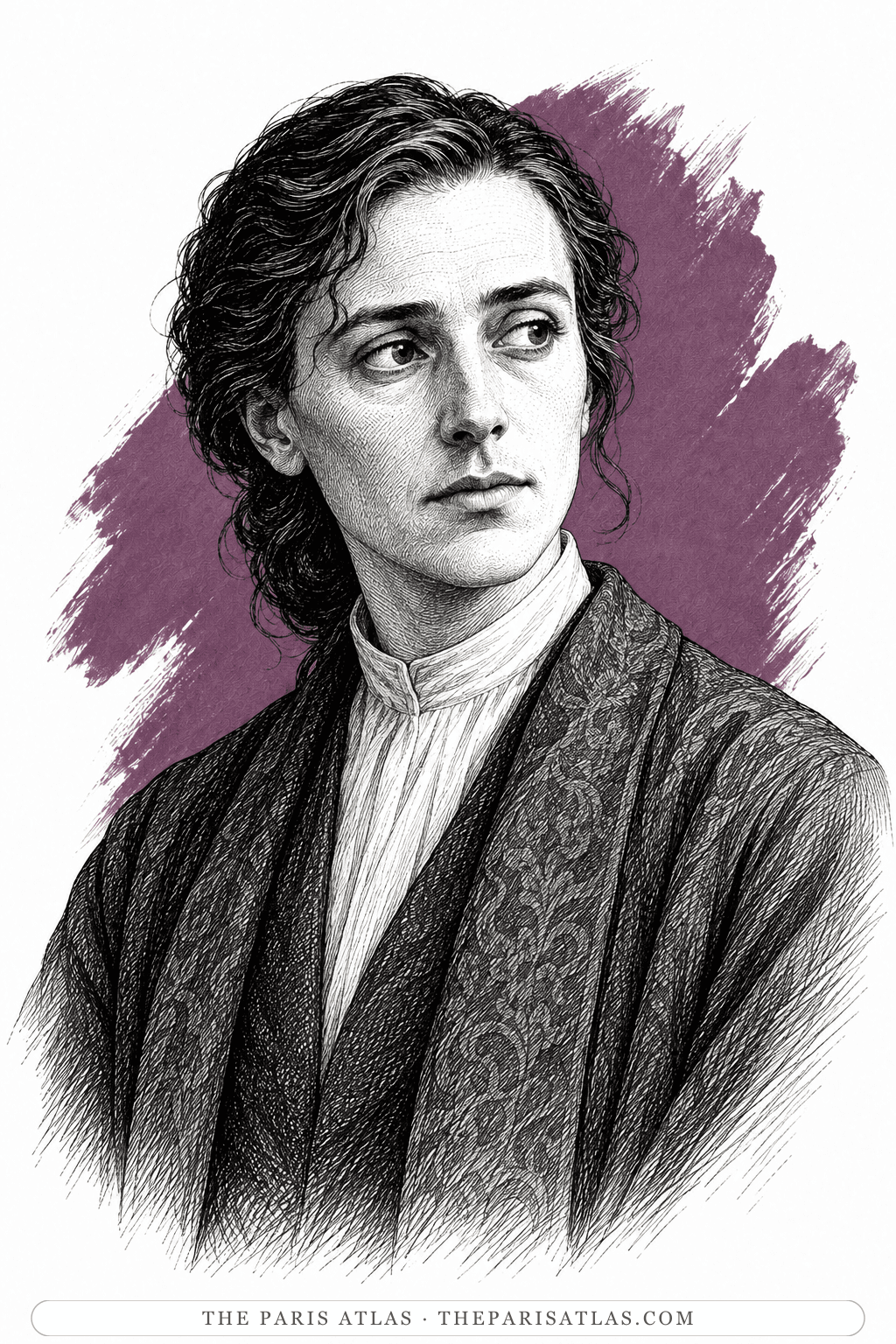
The fictional aristocrat and writer whose long life crosses centuries and a change of sex while retaining memories, attachments and a continuing poem.
1927–1928
Woolf begins the novel in 1927 and completes a first draft by March 1928. Corrected proofs preserved at Smith College are dated June 9–July 22, 1928.
1928
Crosby Gaige publishes the American limited edition on October 2. The Hogarth Press issues the British edition on October 11, followed by Harcourt, Brace’s American trade edition on October 18.
2024
Vintage publishes the selected US paperback on January 2, with an introduction by Carmen Maria Machado.

Woolf’s extended essay examines the material support and independence women need to write, subjects also developed through Orlando’s long creative life.
Read our take
Lily Briscoe’s painting offers another sustained account of creative work, memory and the difficulty of making something according to one’s own vision.
Read our take
Woolf compresses a life’s memories into one London day, offering a different relation between measured time and private experience.
Read our takeIt is a novel with the subtitle A Biography. Woolf uses the procedures and claims of biography to tell an impossible life that extends across centuries.
Vita Sackville-West’s life and family history helped inspire the book, which Woolf dedicated to her. Orlando remains a fictional character, and the story cannot be read as a factual account of Vita’s life.
The transformation occurs in Chapter 3 during Orlando’s stay in Constantinople. The narrator emphasizes continuity of memory and identity, while later scenes develop the change in social position.
It is the poem Orlando carries and revises through the story. Its eventual publication brings recognition, but the closing chapter also questions how that recognition relates to the experience of writing.
The American limited edition appeared on October 2, 1928, before the British Hogarth Press edition on October 11. Harcourt, Brace’s American trade edition followed on October 18.
The selected edition is Vintage’s January 2, 2024 US paperback, 208 pages, ISBN 9780593685389, with an introduction by Carmen Maria Machado. Chapter references use the Project Gutenberg Australia text.
Explore authors with a similar voice, perspective, and influence.
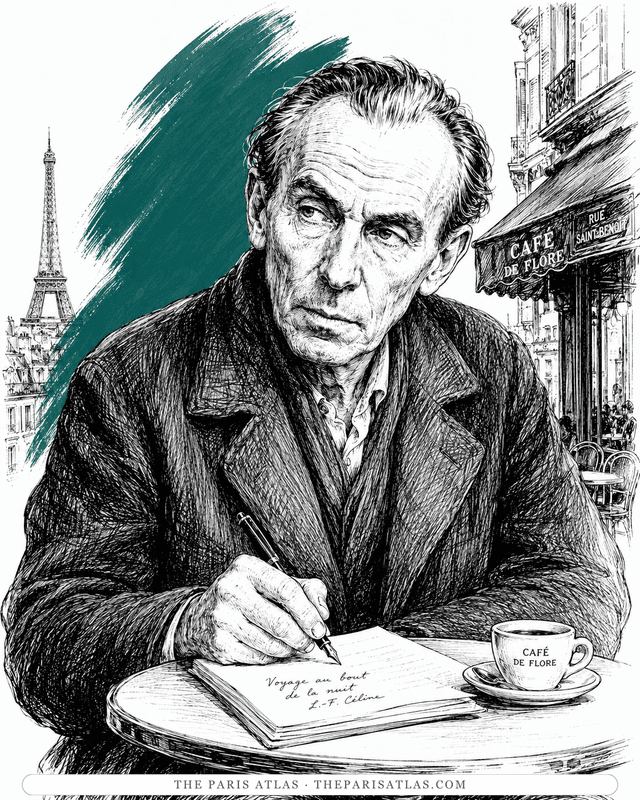
The doctor of the Paris slums who wrote the century's blackest, funniest novel — and changed the sound of French prose.
View author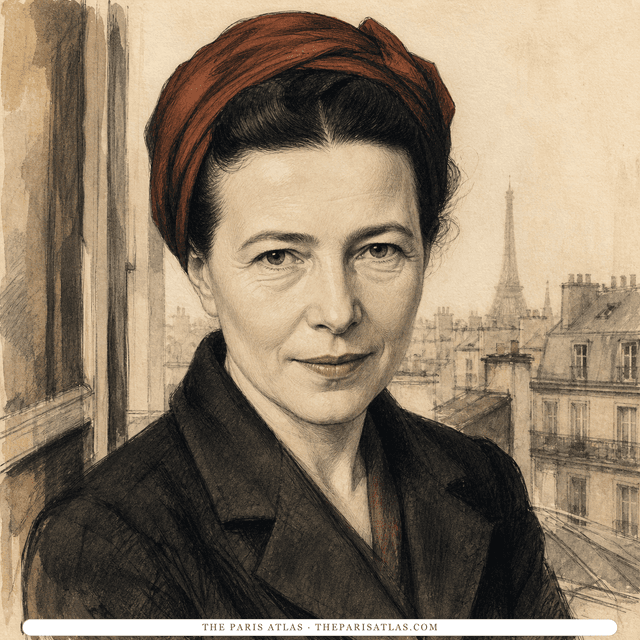
French writer and philosopher whose novels, memoirs, and social analysis examined freedom, gender, responsibility, aging, and the material conditions that shape a life.
View author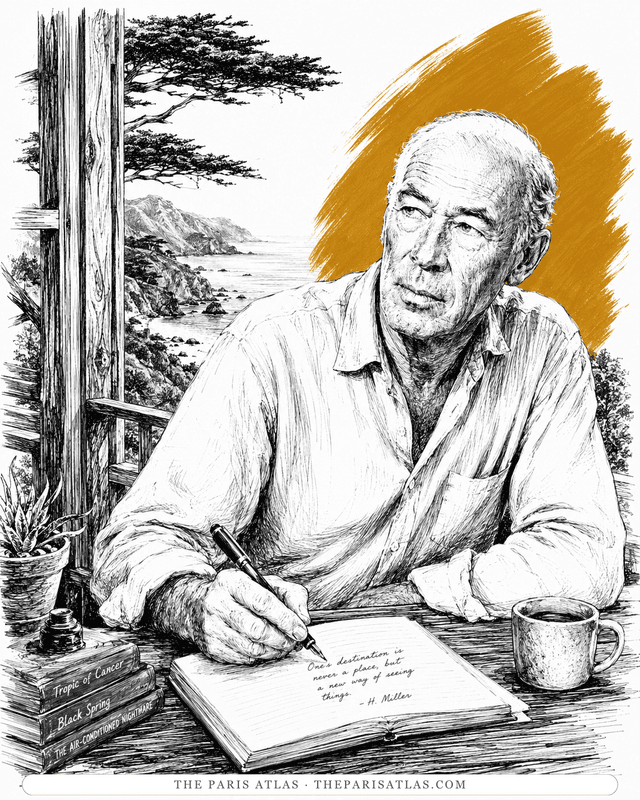
The Brooklyn dropout who arrived in Paris broke at thirty-eight and wrote the exuberant, banned books that ended American censorship.
View authorThe sources below include the primary text, editions, scholarship, archival materials, and other records that informed this page. They document Orlando, its publication, and its place in literary history.

The primary text represented by this page, used for descriptions of the work’s contents and for any quoted passages shown here.
Primary passages checked for all six character readings, both quotations and the described episodes. Chapter 3 read in full; selected continuous passages read in the other chapters. Electronic transcription, not a first-edition facsimile.
Rare-book exhibition supplies the three 1928 publication dates, manuscript chronology, dedication and relationship to Vita Sackville-West.
Bibliographical identification of Orlando and its original publication year.
Selected paperback publisher, date, ISBN,page count and Carmen Maria Machado introduction. The introduction itself was not consulted.
The primary text is the baseline reference for every book page. Additional references document publication history, interpretation, and historical context where that evidence is available.
 Explore more resources