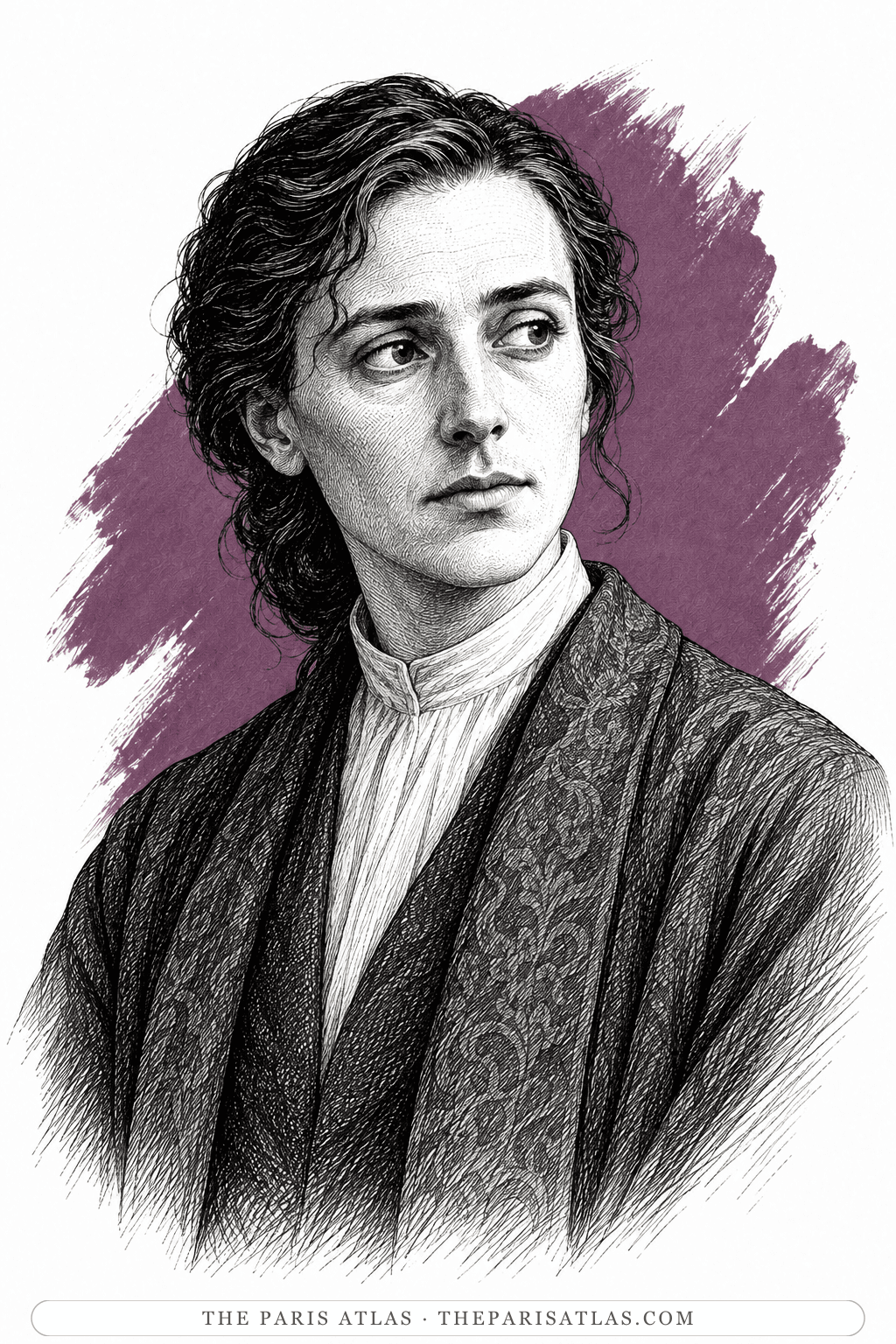
Orlando
The fictional aristocrat and writer whose long life crosses centuries and a change of sex while retaining memories, attachments and a continuing poem.
Orlando seeks love and a way to write that answers personal experience, while trying to retain independence amid changing demands.
The book

Who they are in the book
Spoiler-freeOrlando loves poetry, the natural world and the possibility of an intense attachment. Rank brings wealth and access, but does not prevent disappointment, artistic uncertainty or the restrictions imposed on women.
After becoming a woman, Orlando remembers having lived as a man. This experience makes customary behavior appear newly strange, including expectations Orlando once placed upon women.
How Orlando Is Portrayed
- Looking beyond the wordsIn Chapter 1, the young Orlando interrupts a poem to look at the actual green of a laurel bush. The sight disrupts the rhyme and meter. Writing begins as a struggle between familiar literary language and the particular thing being observed.
- Keeping one manuscriptIn Chapter 2, Greene’s published satire exposes the private enthusiasms of his former host. Orlando burns fifty-seven writings but keeps The Oak Tree. Hurt by another writer’s judgment, Orlando still preserves the work that continues through the novel.
- Waking with a continuing memoryIn Chapter 3, Orlando wakes as a woman and shows none of the alarm the narrator anticipates. Memory and identity remain continuous. She gathers her poetry and cares for her dog before leaving, giving practical actions more space than an explanation of the transformation.
- Learning what the skirts requireIn Chapter 4, the voyage home prompts Orlando to consider the pleasure and restriction of being treated as a lady. Skirts impede swimming, while courtesy brings expectations of dependence. She recognizes demands that she once made of women herself.
- Finding an unexpected partnerIn Chapter 5, Orlando meets Shelmerdine after falling on the moor. Their quick attachment includes a moment when each questions the other’s sex. The encounter allows affection and mutual recognition to develop beyond the familiar roles of a courtship.
- Leaving the book unburiedIn Chapter 6, Orlando brings the successful poem to the old oak tree and considers a ceremonial burial of the book. The proposed speech feels foolish, and the copy remains above ground. Writing still matters to Orlando as a response to the places and experiences of her life.
If you like Orlando


If you like Virginia Woolf
Explore authors with a similar voice, perspective, and influence.
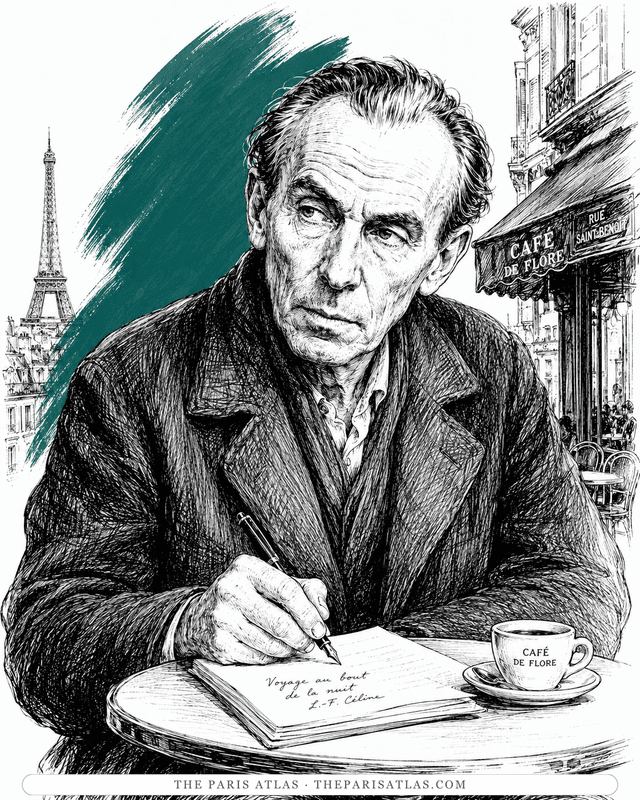
Louis-Ferdinand Céline
The doctor of the Paris slums who wrote the century's blackest, funniest novel — and changed the sound of French prose.
View author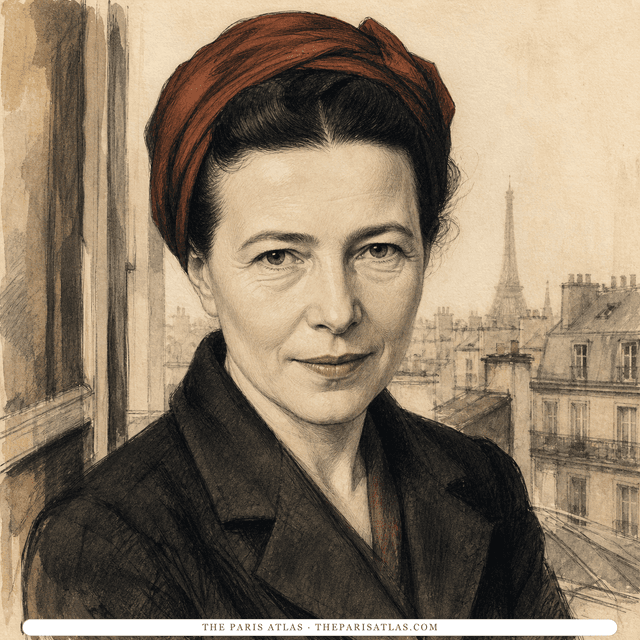
Simone de Beauvoir
French writer and philosopher whose novels, memoirs, and social analysis examined freedom, gender, responsibility, aging, and the material conditions that shape a life.
View author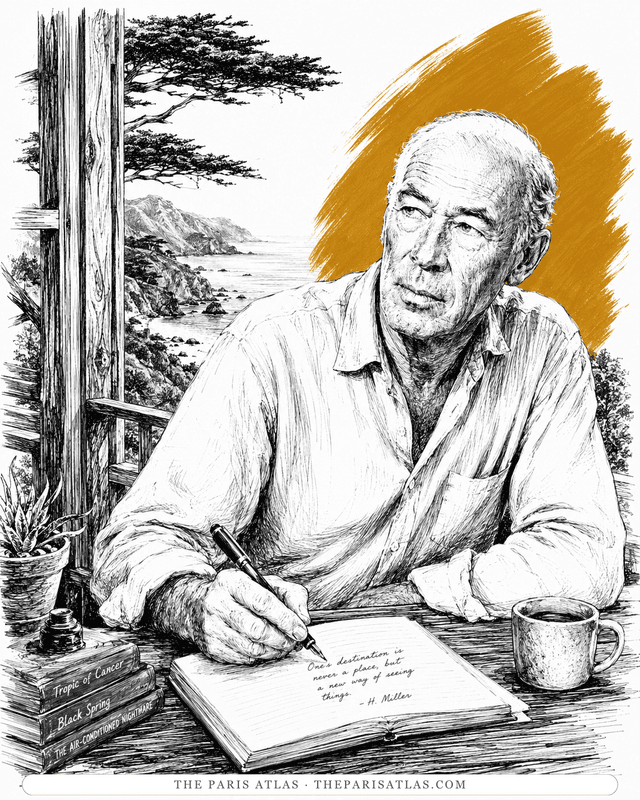
Henry Miller
The Brooklyn dropout who arrived in Paris broke at thirty-eight and wrote the exuberant, banned books that ended American censorship.
View author