
Nightwood
Barnes's next novel and the one she is known for, published in 1936. Dr Matthew O'Connor crosses over from this book into that one and does much of the talking there too.
Read our take
by Djuna Barnes
Djuna Barnes's first novel, published in New York in 1928 with twelve passages cut by her own publisher and replaced by rows of asterisks — a bawdy chronicle of a farm household run by one man, his mother, his wife and his mistress.
A family chronicle about Wendell Ryder, an invented character who believes in polygamy and runs a household on it: his mother Sophia in one room, his wife Amelia and his mistress Kate-Careless in the others, and a yard full of children by both women. Djuna Barnes wrote it in a stack of borrowed old styles — Chaucer, the King James Bible, Elizabethan pamphlets, eighteenth-century chapbooks — and drew fifty illustrations for it herself. The household is her own: her father Wald Barnes practised polygamy at Cornwall-on-Hudson and moved his mistress in with his wife and children. Published by Horace Liveright in August 1928, it sold out a first printing of three thousand and briefly reached a bestseller list, which is not what anyone expected of a book this strange.
The book has fifty chapters and almost no plot. It moves by set piece: a sermon, a birth, a wedding-eve quarrel, a nightmare, a lullaby, a chapter written as a Chaucerian tale with its own footnotes glossing the Middle English. Chapters are titled like an eighteenth-century novel's — "Rape and Repining!", "Sophia and the Five Fine Chamber-pots", "Fine Bitches All, and Molly Dance" — and each one changes register completely. Barnes is showing what she can do, and the pleasure of the book is watching her do it.
What holds it together is a household. Sophia Grieve Ryder, born to a father who fathered fourteen children and a mother who went mad bearing the last of them, runs a salon out of her bedroom and, when the money goes, keeps the family alive by writing begging letters signed "Mother". Her son Wendell has never earned more than thirty shillings and ninepence in his life and has decided that one woman is not enough for any man. Amelia de Grier marries him and follows him from London to a two-room log cabin in the hills above the Hudson. Kate-Careless arrives in 1897 and stays.
The autobiography is not hidden. Barnes was born in 1892 at Cornwall-on-Hudson, taught at home rather than sent to school, and grew up in a house where her father's mistress lived alongside her mother; her grandmother Zadel Barnes, a journalist and suffrage campaigner, did most of the teaching. Wendell, Sophia and Amelia are those three people at one remove. Barnes went back to the same household thirty years later in her verse play The Antiphon, and never explained either book.
The censorship is printed on the page. Under the Comstock obscenity laws parts of the book could not go through the United States mail, and rather than let the Post Office decide, Barnes and Liveright cut it first and marked every cut: twelve passages replaced by rows of asterisks, five of her drawings removed. Liveright printed her foreword objecting to the arrangement. The asterisks are still there in the first edition — one row sits in the middle of the Chaucerian chapter about Wendell's occupations, another in the middle of Amelia's speech while she is giving birth — and they are the most modern thing in the book.
It opens with a sermon. "Jesus Mundane" is four pages of biblical pastiche addressed to an ordinary believer, telling him not to go with fanatics, not to reach beyond the image, and not to bargain in figures he does not understand. No character has appeared yet.
Then the family. Sophia Grieve Ryder is the daughter of Jonathan Buxton Ryder, a Connecticut book-dealer, and of Cynthia, who bore fourteen children and lost her mind somewhere in the middle of it. Sophia grows up sharp and coarse and funny, commissions five chamber-pots with a rude verse lettered in gold under the lip, and by 1900 is running a salon out of her bedroom in London, its walls papered several inches deep in overlapping pictures of everyone she admires. Her second son Wendell is born in 1865. She tells him, when he is old enough, that he was not fathered by her husband at all but by Beethoven, who walked into her in a dream and out the other side without stopping.
Wendell fails at the one job he ever holds — three weeks as a drug clerk, ten shillings and threepence a week, sacked — and resolves never to work again. He keeps that promise. What he does instead is think, and breed. A long chapter in Chaucerian verse, with footnotes, lays out his occupations: fathering children as though dealing a pack of cards, black for daughters and red for sons, until he has fifty-two; contriving devices; running a mail-order advice business under an invented name; travelling in his head so vigorously that he has to be excused from carrying coal.
Amelia de Grier is a Tittencote girl, the favourite of twelve children of a builder who liked his furniture better than his wife. Her mother's one piece of advice is to let no man touch her, to keep her legs in her own life, and never to have children. Amelia goes up to London at twenty-four with a small legacy, studies violin badly for eight months, meets Wendell over a garden wall, hands her legacy to his mother, and sails for America. Her sister Ann spends their last night together weeping that Amelia will be eaten by savages and that the ear will come home by post.
In America the household is a two-room log cabin above the Hudson: two beds down, two beds up, one stove, a ladder Wendell cut himself, and a picture of Beethoven on the wall. Amelia goes down the hill each day to char in the mansion of Wendell's respectable brother, because Wendell will not work and Sophia is prostrate with grief over a husband she has thrown out. Then Kate-Careless comes — a street-organ singer's daughter who has been a child actor, run off with a landscape painter, and kept house on a houseboat on Lake Erie until she got tired of fishing him out of the water. Sophia tells her to call her Mother, and Kate moves in.
The rest is the household running. The two women bear children on the same night in different rooms while a labourer in the upper field remarks that the singing is a damned literal song and he has heard it before. Wendell keeps his children out of school and, summoned to explain himself, tells the school board what he is raising and then invites the whole room to look into their own well, where three rats and a cat are floating. Dr Matthew O'Connor, the family physician, delivers the babies and talks — about his twelve brothers and sisters, about Father Lucas's confessional, about the three great moments of history, and, at length, about himself.
The law finally reaches the household, and the last chapter is the reckoning. Wendell is sitting in a high-backed chair at three in the morning, his feet not touching the floor, crying, watching his mother sleep with her hand on a copy of Adam Bede. There is a smell of corruption in the room, because whatever is going to kill Sophia has already started. She wakes, and they talk.
She tells him he does not know how to conquer, and that for his kind of strength there is no resistance, so he must fall. He asks how. She asks how many children he has: eight — five by Amelia, three by Kate — and tells him that in the end he will have either three or five. He answers that in the end he will have none, because he has unfathered himself. He has already spoken to Kate, who put her things together, took up her embroidery, said there was a good market for it, and then lay down on the bed and began quoting one of her old stage parts. What she said last was that he should go away, because he is nobody's father.
Sophia has him fetch Amelia, warning him first that asking a woman for a great sacrifice at three in the morning is brutality, because at night a woman will do anything for a pitiful human creature — and asking whether he wants that advantage. He says yes. Amelia comes in barefoot in a heavy nightgown, puts a log on the fire before she sits down, and refuses to call Kate anything but Kate. Wendell tries to put the question and cannot; what he manages instead is "I must kill myself." Then he puts his face in Amelia's lap and asks her why she is there.
Amelia's answer is the closest the book comes to a verdict, and it is not a forgiveness. She tells him she has thought of him as great more often than anything else; that for twenty-six years she has lain under him knowing everything, and has neither judged him nor forgiven him; that she told herself he had a great sickness unknown to other men, that he was nature in another shape, that he was a deed that had to be committed. Then she asks why, if he was going to turn out merely mortal after all, he never once shifted his weight so that she might have known. Sophia gets out of bed and starts talking about money and about her brother. Amelia says yes, of course, stands up out from under Wendell's hands and head, notices the fire, pushes the door to, and goes out. The book does not say which woman leaves.
Wendell walks out into the field where the animals are lying in the dark and sits down among them without covering his face. The last page belongs to the question the chapter is named for, asked three times with the animals gathering and receding around him like a wave — the ass, the cows, the horses, the field mice, the birds, and the creeping things he had never numbered, all lifting their lids and looking at him and saying nothing. The wave closes over him. The final line asks it once more: "And whom should he disappoint?"
Sophia's makeshift writing equipment contrasts with the magnificence of her letters. Poverty has reduced her surroundings, but not her ability to stage an appeal. By signing as a mother, she extends a family claim to strangers with money; the same role that gathers a salon now keeps the household fed. Barnes makes that resourcefulness difficult to separate from manipulation. Sophia's secrecy protects her family's pride while preserving her own authority. Writing is therefore both care and performance, doing essential work hidden from the people it supports.
Amie Caddy reads Wendell's final approach to the animals as a retreat from human responsibility. In the passage she quotes, touch replaces conversation: he strokes the ass and reaches towards the horses while the question of whom he will disappoint returns. The animals are not literally silent; their calls and movements answer his presence without resolving that question. This contrast gives the ending its unease. Physical companionship offers him comfort, but the repeated question keeps the claims of other people within the scene. Retreat is not the same as reconciliation.
Never let a man touch you, never show anything, keep your legs in your own life, and when you grow to be a woman, keep that a secret even from yourself.
It takes a strong woman to die before she has been a fool.
Beggar at the gates, to be queen at home.
Most banned books were fought over in court and then printed whole. This one carries its wounds in the type: twelve rows of asterisks where passages used to be, printed at the author's insistence so a reader could count the damage.
A Chaucerian tale with footnotes, a biblical sermon, a nightmare about an ox, a lullaby about a drowned child, a doctor's unbroken monologue on the way to confession. Barnes was proving what she could do, and the show is the reason to read it.
Dr Matthew O'Connor talks his way through this book eight years before he talks his way through Nightwood, and the family here is the one Barnes returned to for the rest of her life.
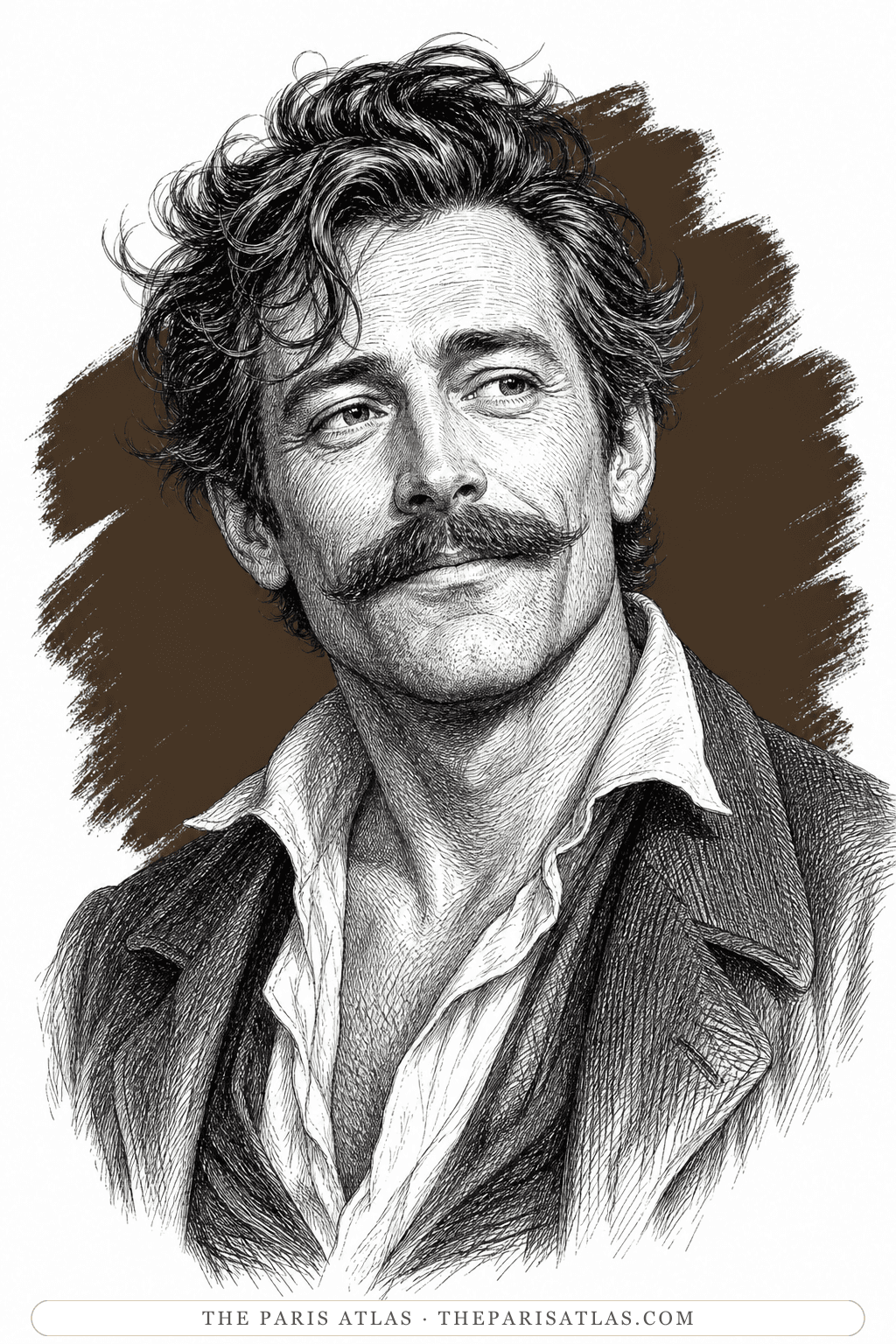
The man the book is named for — a polygamist who has earned thirty shillings and ninepence in his life, keeps his children out of school, and can argue for anything.
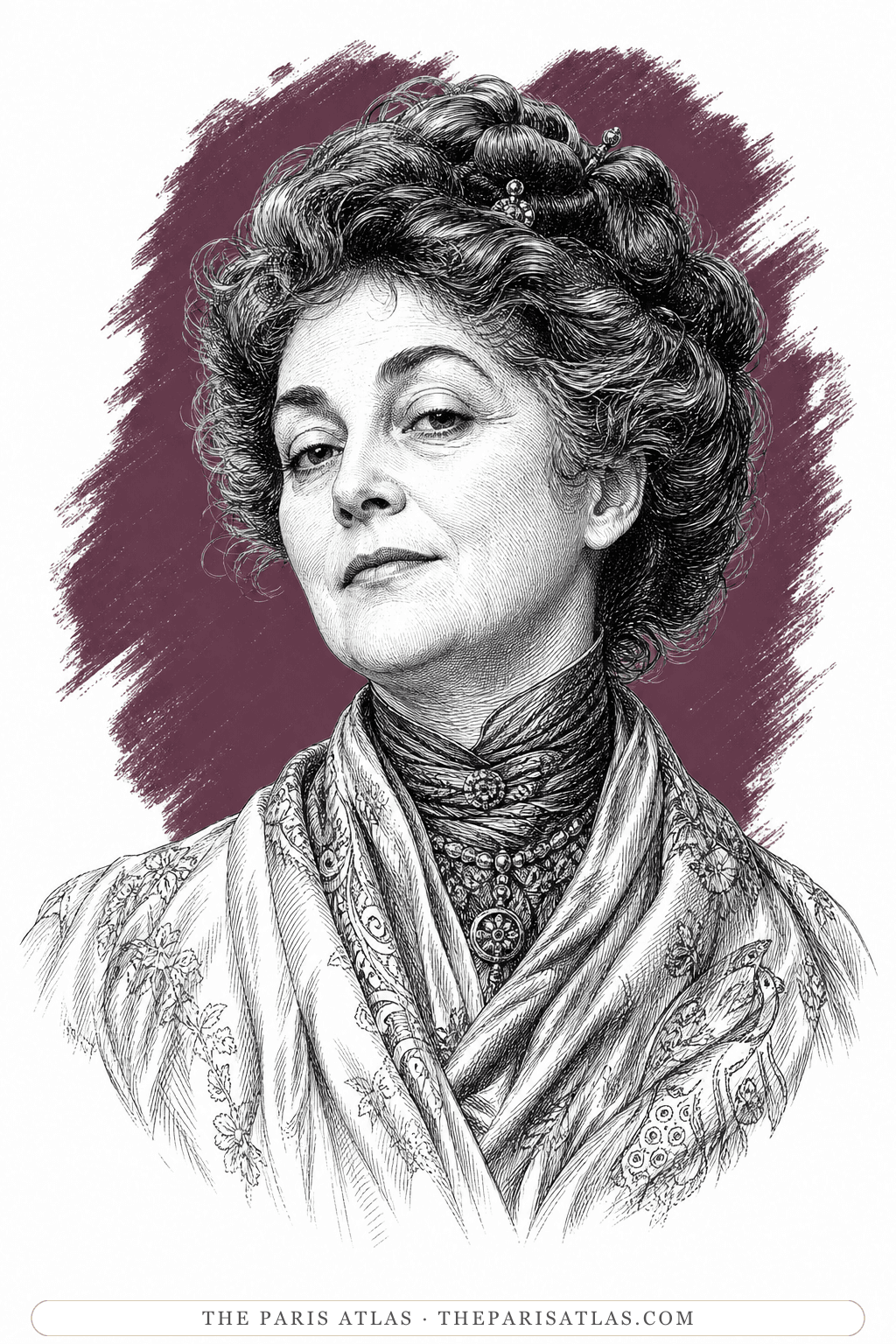
Wendell's mother — salon hostess, wit, and the woman who kept the family alive for ten years by writing begging letters signed "Mother".
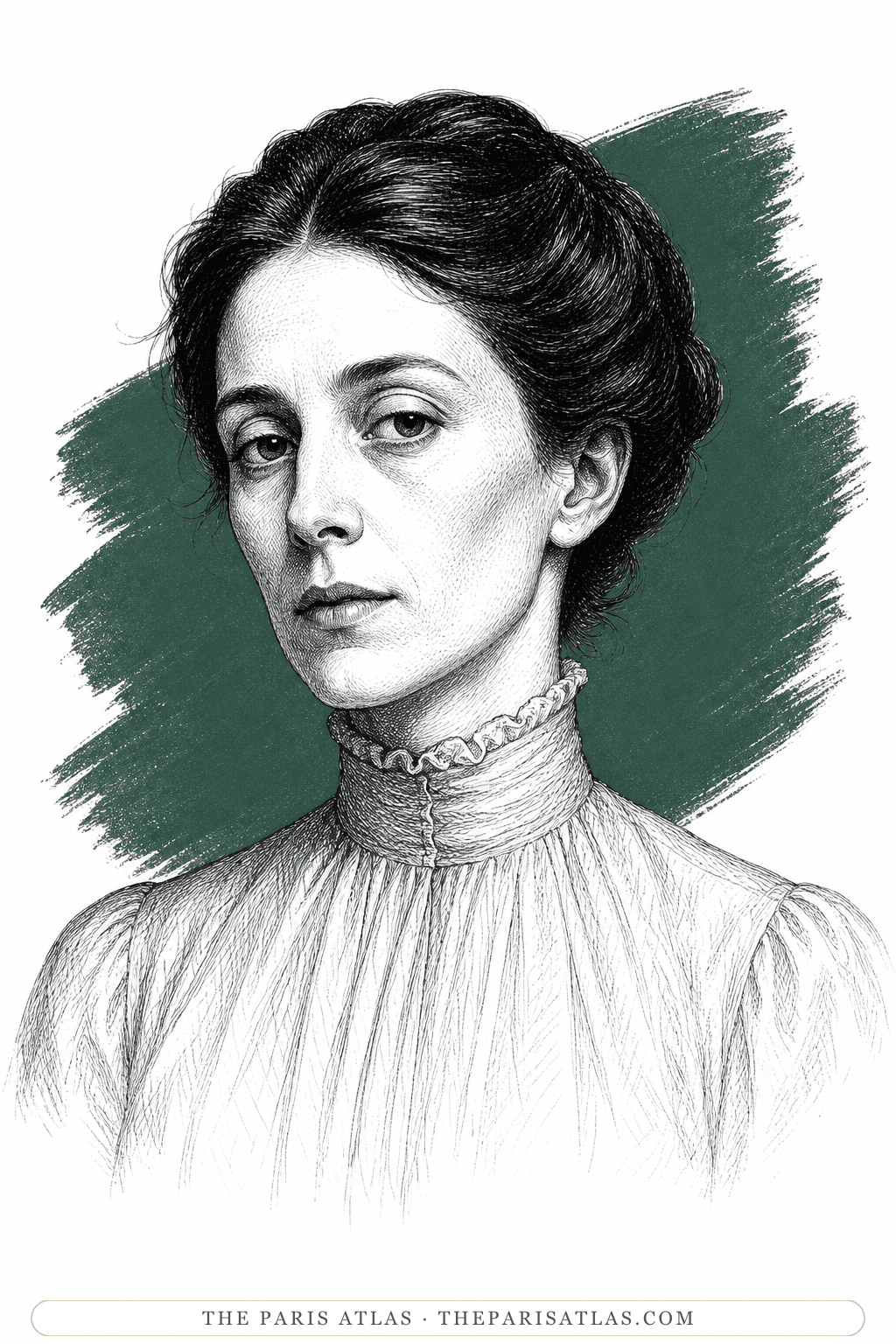
Wendell's wife — a Tittencote girl who gave up a violin, a legacy and a country for him, and got a log cabin and a rival.
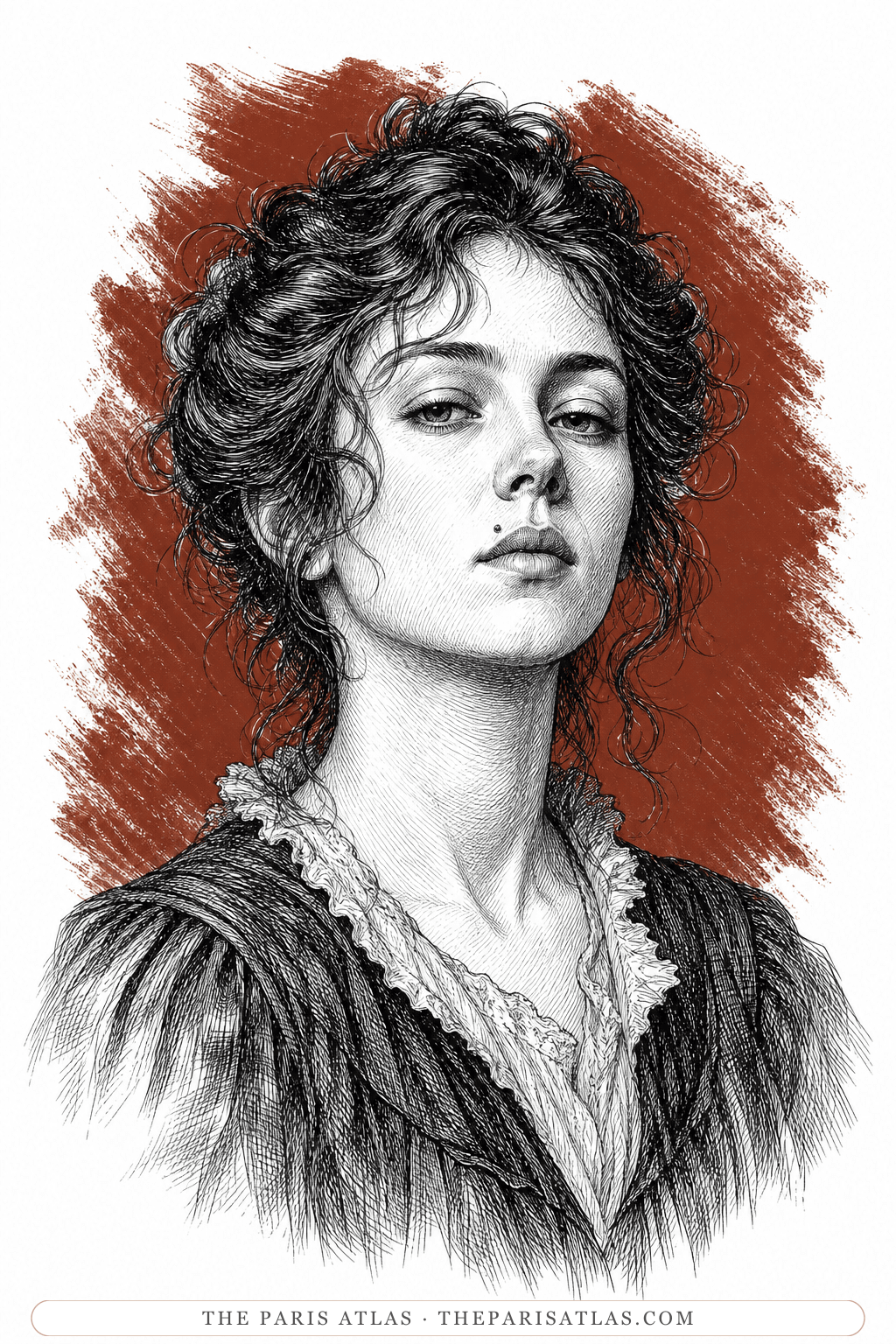
The mistress — a street singer's daughter and former child actor who arrived in 1897 and stayed, and bore her children in the next room to the wife's.
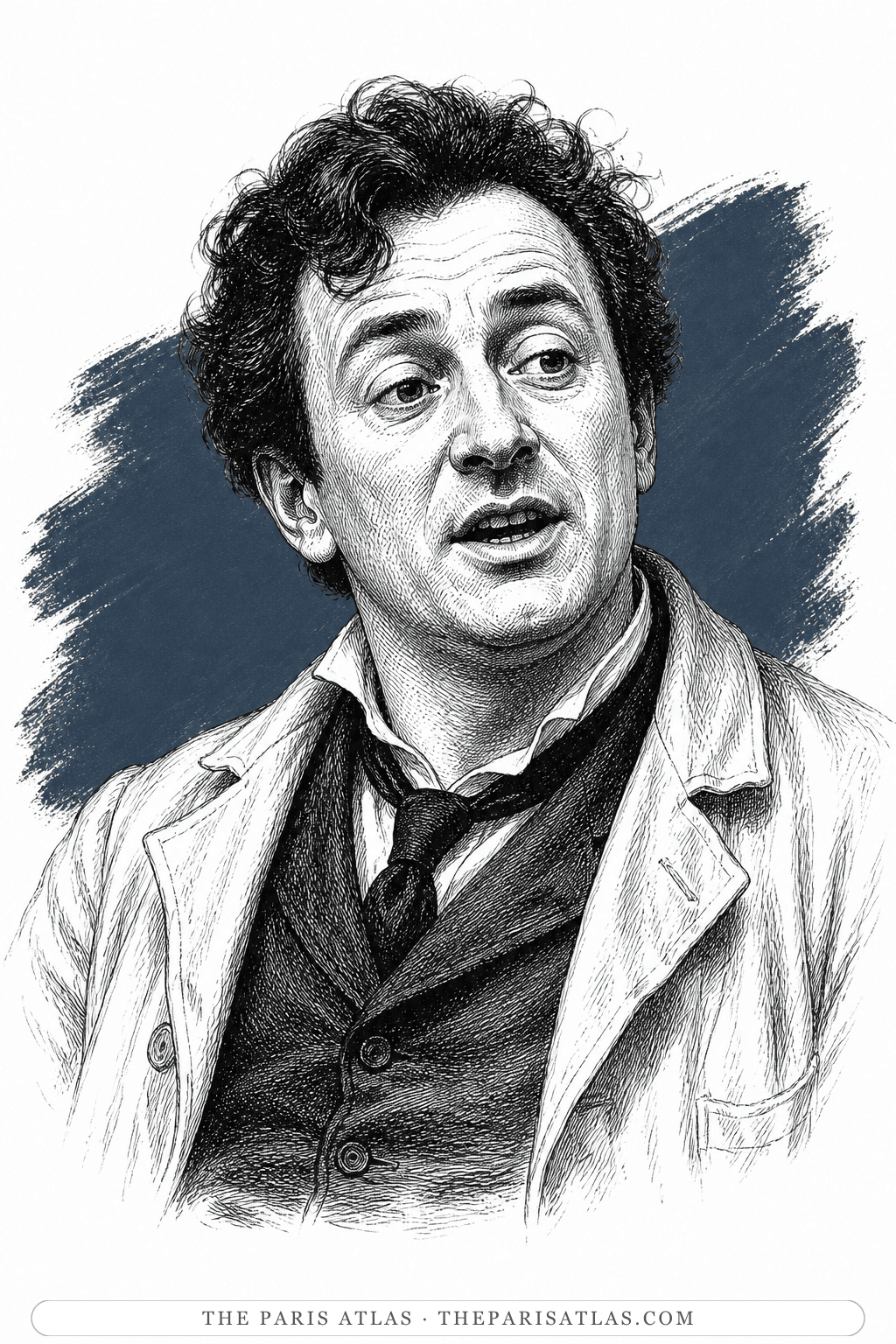
Family physician to the Ryders, and the book's great talker. He delivers the children and then explains the universe. He turns up again in Nightwood.
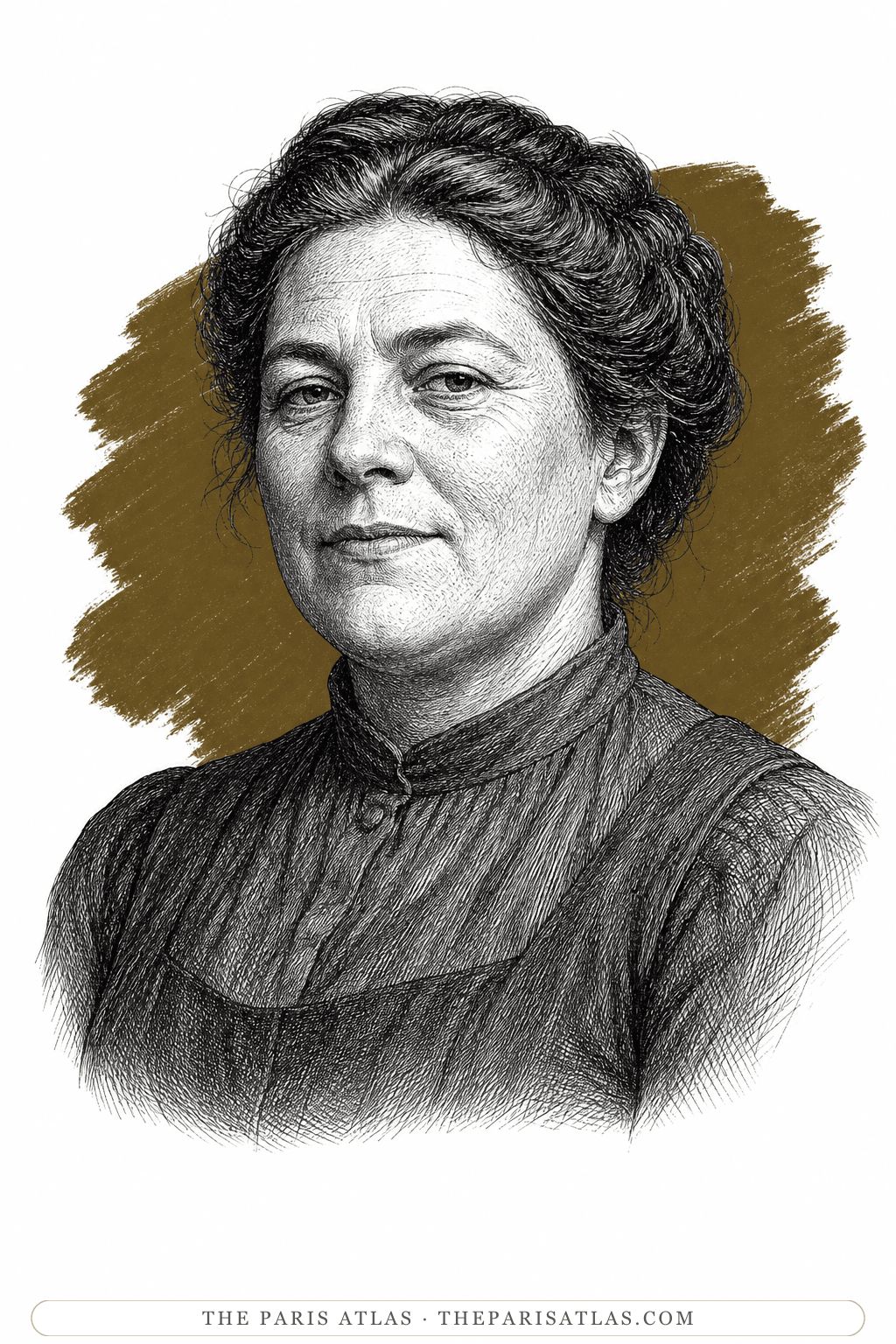
A dog breeder with immaculate kennel pedigrees, ten children by fathers she cannot name, and a private theology that cannot be argued with.
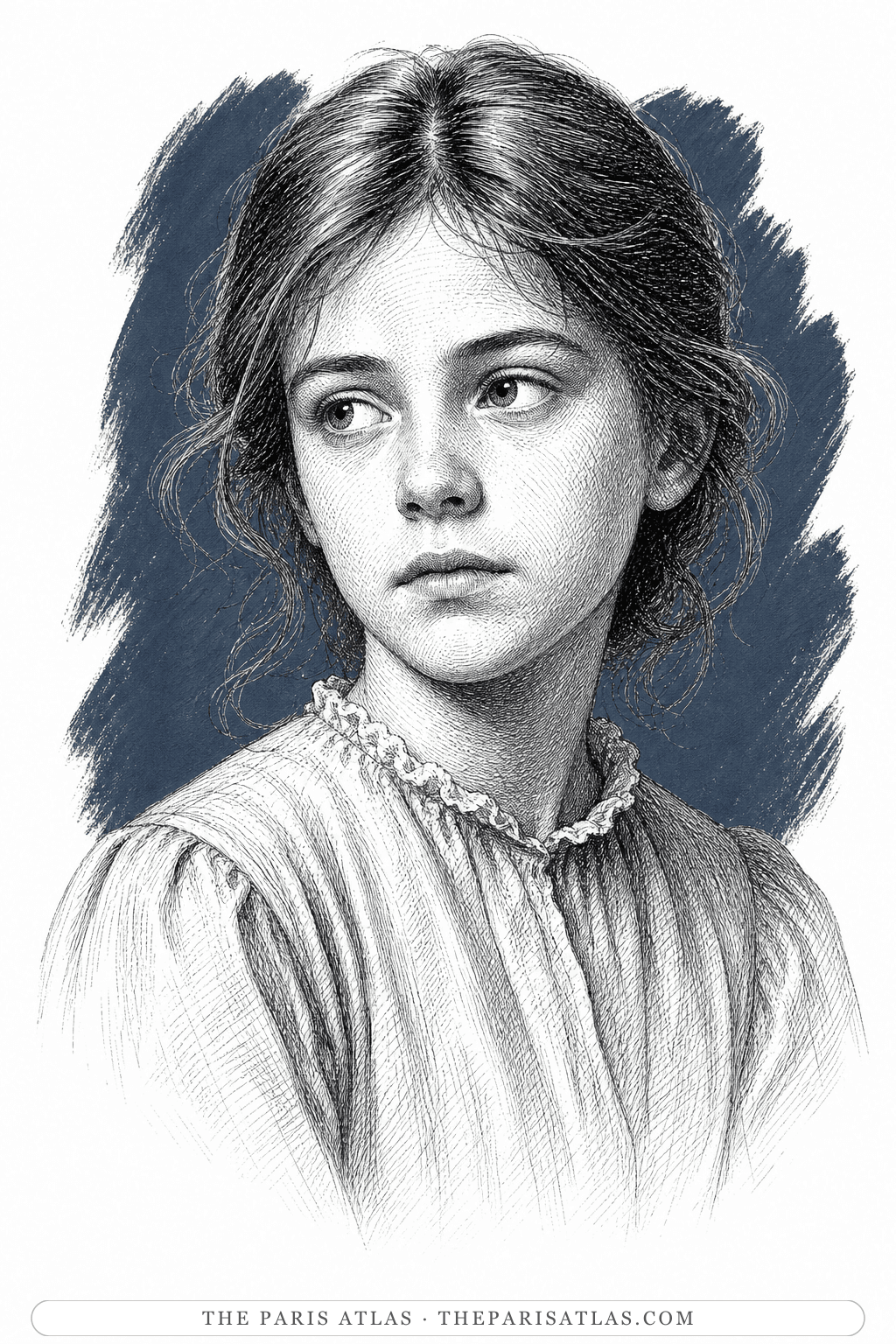
Wendell and Amelia's daughter, fourteen and never once at school — the closest thing in the book to Barnes herself.
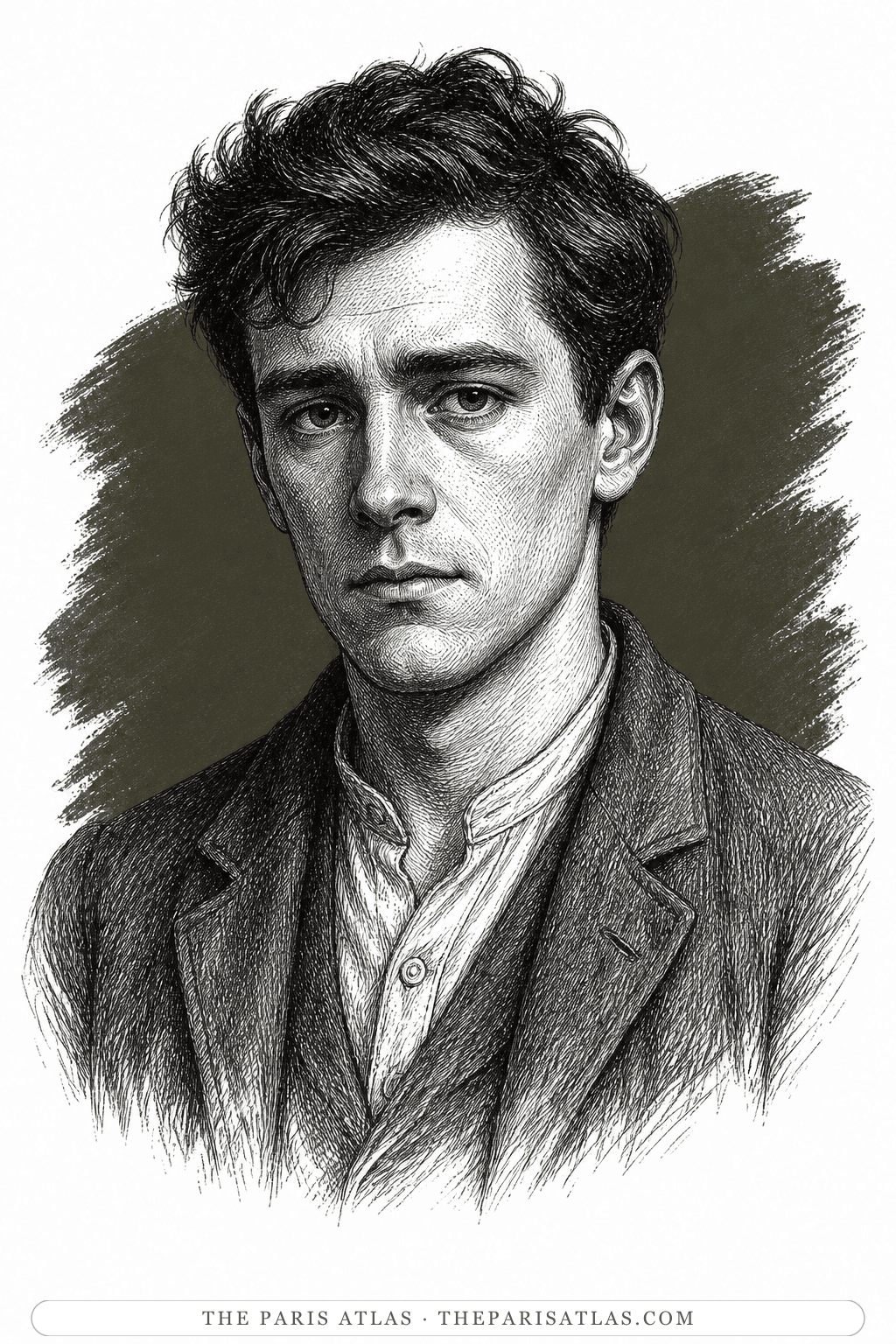
Wendell and Amelia's eldest — the boy sent running for the doctor, and the young man who tries to reform a prostitute and loses his watch-chain doing it.
1892
Djuna Barnes is born at Cornwall-on-Hudson, New York, into the household the novel is drawn from: her father Wald Barnes, her mother Elizabeth Chappell Barnes, her father's mistress, and her grandmother Zadel Barnes, who taught the children at home.
August 1927
Barnes signs with Horace Liveright on terms that require the publisher to make whatever cuts are needed for the book to be sold in America, and to mark every excision.
August 1928
Ryder is published in New York with twelve passages replaced by rows of asterisks and five of Barnes's drawings removed. Her foreword objects to the arrangement.
September 1928
A second printing follows within a month. The first edition of three thousand sells out and the book briefly reaches a bestseller list; the money pays for an apartment in Paris.
1928
Ladies Almanack is printed privately in Paris the same year, credited to "a lady of fashion".
1936
Nightwood is published. Dr Matthew O'Connor, the Ryders' family physician here, carries over into it.
1979
St. Martin's Press reprints the novel after fifty years out of print. Offered the chance to restore the censored passages, Barnes declines; the manuscript had been destroyed during the Second World War.
1990
Dalkey Archive Press restores five of the excised illustrations, with an introduction by Paul West. The cut text stays cut.
2024
The book enters the United States public domain, and Dalkey Archive reissues it.


Barnes's next novel and the one she is known for, published in 1936. Dr Matthew O'Connor crosses over from this book into that one and does much of the talking there too.
Read our take
Barnes's other book of 1928, printed privately in Paris a few months before this one appeared in New York. Same trick — modern material in deliberately antique English — on a completely different subject.
Read our take
James Joyce's novel, which Barnes knew and interviewed him about. It is the other great chapter-by-chapter exercise in changing styles, and the other book of the decade that the obscenity laws went after.
Read our take
Henry Miller's first book, banned in the United States for three decades. It is what happens when a writer refuses the cuts that Barnes accepted and marked.
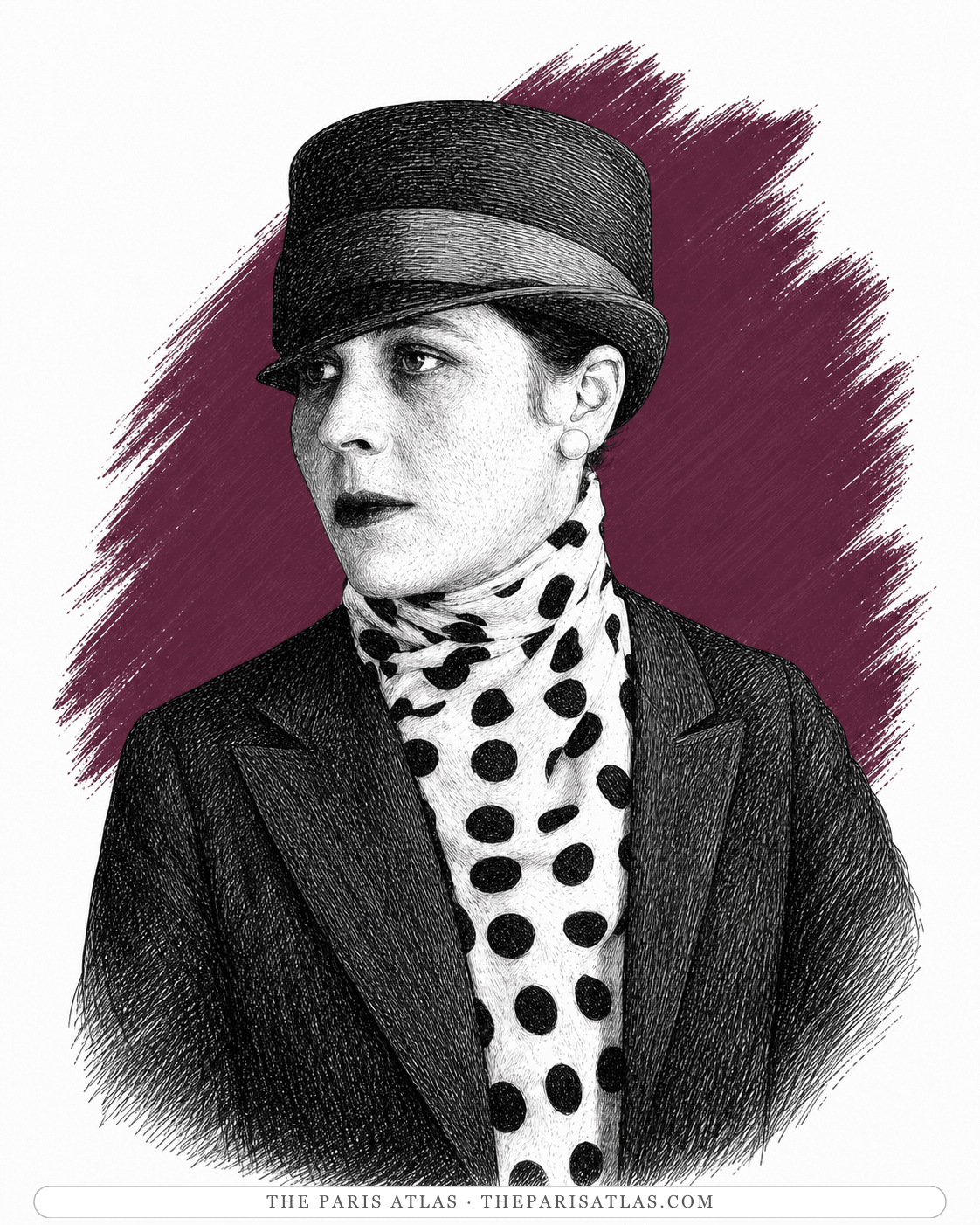
Read our takeDjuna Barnes, the American writer and illustrator best known for the 1936 novel Nightwood. Ryder was her first novel, published in New York in 1928, and she drew the fifty illustrations herself.
A household run on polygamy. Wendell Ryder, an invented character, lives with his mother, his wife Amelia, his mistress Kate-Careless and the children of both women, first in England and then in a two-room log cabin above the Hudson River. There is very little plot; the book proceeds by set pieces.
They mark censorship. Parts of the book could not legally be sent through the United States mail under the Comstock obscenity laws, so Barnes and her publisher cut twelve passages and five illustrations before publication and printed asterisks in the gaps. Barnes wanted the cuts visible, and Liveright printed her foreword objecting to them.
Closely. Barnes grew up at Cornwall-on-Hudson in a house where her father, Wald Barnes, practised polygamy and moved his mistress in with his wife and children, and where her grandmother Zadel Barnes did most of the teaching. Wendell, Sophia and Amelia correspond to those three.
Yes, briefly and better than anyone expected. The first printing of three thousand sold out, a second printing followed within a month, and the book reached a bestseller list for a short time before interest faded. The advance paid for a new apartment for Barnes in Paris.
In the United States, yes, since 1 January 2024, when works published in 1928 entered the public domain. The 1928 first edition can be read in full at HathiTrust.
Not necessarily, but they share a character: Dr Matthew O'Connor talks his way through both. Nightwood is the shorter, bleaker and more famous book; Ryder is the noisier one, and much funnier.
Explore authors with a similar voice, perspective, and influence.
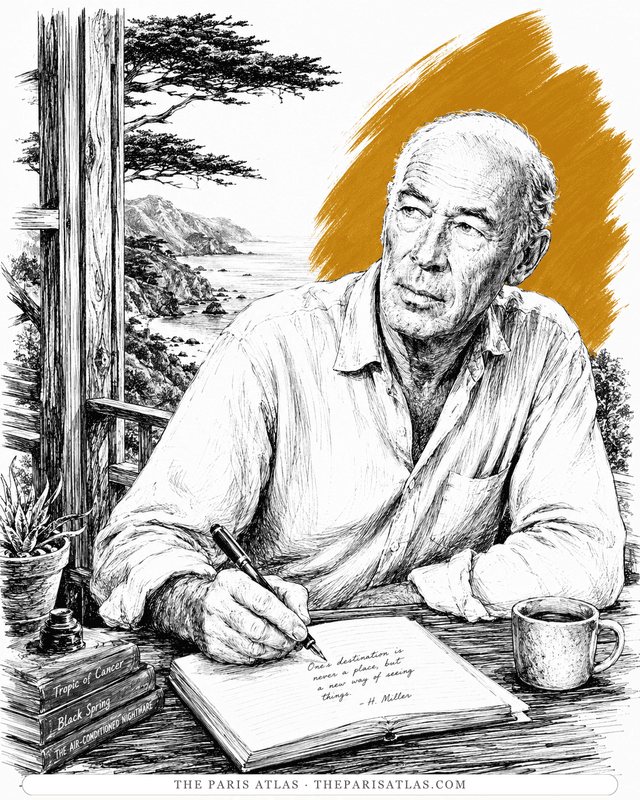
The Brooklyn dropout who arrived in Paris broke at thirty-eight and wrote the exuberant, banned books that ended American censorship.
View author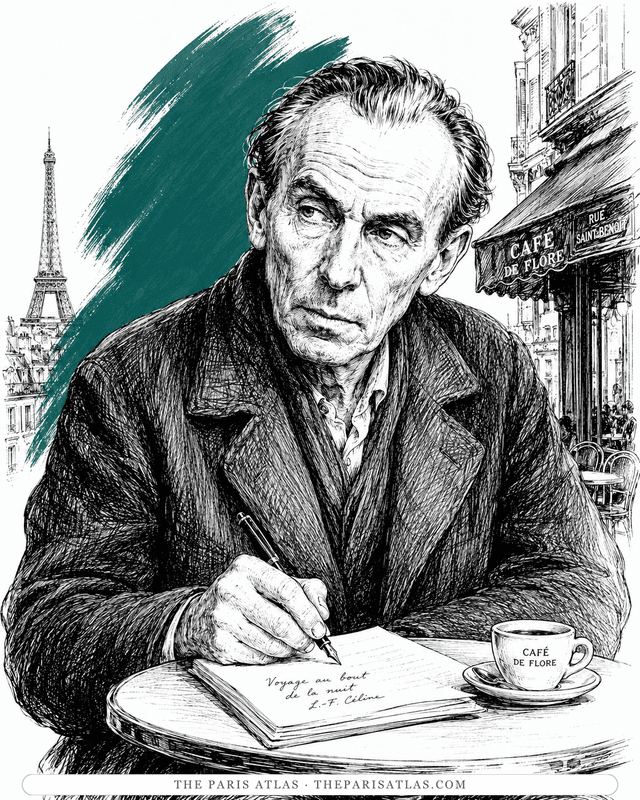
The doctor of the Paris slums who wrote the century's blackest, funniest novel — and changed the sound of French prose.
View author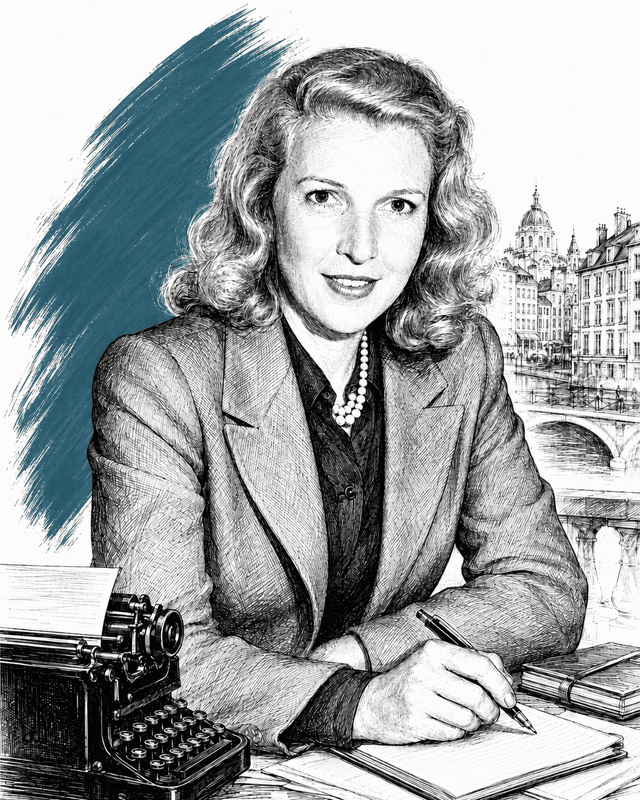
War correspondent who covered the Spanish Civil War, D-Day, and conflicts across five more decades; Hemingway's third wife, 1940–1945.
View authorThe sources below include the primary text, editions, scholarship, archival materials, and other records that informed this page. They document Ryder, its publication, and its place in literary history.


The primary text represented by this page, used for descriptions of the work’s contents and for any quoted passages shown here.

A work-specific source used for Ryder's publication history, textual context, or critical reception.
Used for independent biographical, archival, or historical context surrounding Djuna Barnes's career and the period in which Ryder appeared.
Used to cross-check authorship, chronology, and the work's place in Djuna Barnes's wider catalogue.
Used to verify Djuna Barnes's bibliography and place Ryder within the broader chronology of Djuna Barnes's career.
Public primary-text sample, Chapter 3, for Sophia's letter-writing scene.
Critical reading and quoted primary passage for the ending, pp. 136–137.
The primary text is the baseline reference for every book page. Additional references document publication history, interpretation, and historical context where that evidence is available.
 Explore more resources