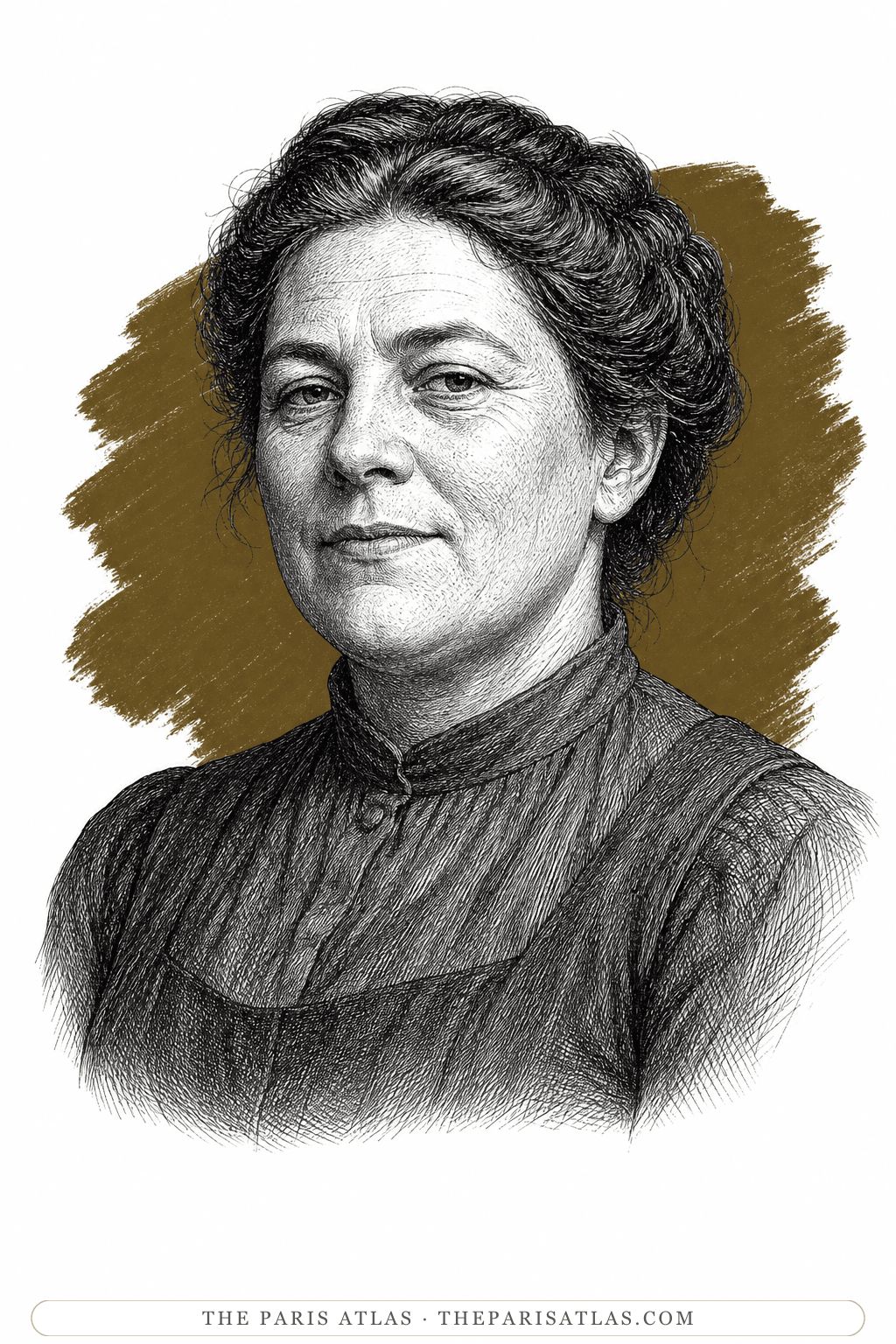
Molly Dance
A dog breeder with immaculate kennel pedigrees, ten children by fathers she cannot name, and a private theology that cannot be argued with.
Nothing she has not got. She describes herself as a little begotten of good, and a bit pushed by knowledge, and leaves it there.
The book

At a glance
- A dog breeder Wendell visits, and the subject of chapter forty-four
- Fine bitches, with a sire to each and a pedigree to both
- Ten — six sons and four daughters, no father identifiable
- Two gentlemen, either or neither; her mother had a cast in the eye
- More or less everything she is told — if it is a lie, it was good enough for the man who told it
Who they are in the book
Spoiler-freeMolly Dance is an invented character in Ryder, the 1928 first novel by the American writer Djuna Barnes, and she owns one chapter of it completely. She breeds dogs, keeps their pedigrees in blue and red ink with intertwined ivy in the margins, and sits up at odd hours peeping between the blinds to see that no bitch of hers disgraces the line. Her own ten children came from wherever it suited her, and she can point to no father for any of them.
Wendell Ryder comes to buy a dog and stays to argue. He gets nowhere. She is the only person in the novel who is entirely content, and she is the only one Wendell cannot talk round.
How Molly Dance Is Portrayed
- The pedigreesBlue and red ink, marginal ivy, and very occasionally a black cross against a name — the mark of a bitch who broke loose in another breed, entered with the hour and date of the downfall if Molly could catch it from between the blinds. Her ear can tell, to a howl, what will turn up as a brindle with a hound's ear.
- The double standard, stated plainlyShe sells blooded bitches to gentlemen because a dog that goes wrong shows it instantly and will never take a ribbon. Girls, she says, are different: they may do many a wanton turn and marry a count in the end, and often the more astray they go at the start, the more ribbons dangle from them at the finish.
- The six thieving sonsAll six are liars, thieves, drunkards and pickpockets, and spend their evenings whittling the legs off the furniture and boasting over a growing pile of stolen watches, until the ticking about the house becomes a considerable noise. Molly says that as she is their mother the watches are hers too, but she is only fooling: she has never touched one.
- God and hell, drawn left-handedWhen her sons blaspheme she draws the Lord for them with her left hand — a long gunny-sack, a beautiful beard, and a halo taken clean round him for safety. Hell she paints on the kitchen oilcloth as six piercing flames with a naked shrieking human impaled on each, all six much resembling her sons.
- Her readingHundreds of shilling shockers, feet on the table, by the light of a blue-bellied lamp, with hearty laughter whenever a knave gets his mouth slit or a woman is raped, on the stated grounds that at least it never hurts in the reading.
- The body in the yardDog thieves being common, one of them kills another outside her house. Molly falls over the body in the morning, says "Poor fellow," and means both of them. It does not affect her appetite: every inch of the earth must see a man go down, and if it is her yard today it will be somebody else's tomorrow.
- History as she has itShe holds that Henry James was a horse-thief in his spare time and that Caesar betrayed Jesus, on the grounds that somebody had to do the business and he had as good a right as the next fellow. Hell, she has seen, is let down from heaven on a string and snatched up again as you reach. Jonah came out of the whale as the First Man, in olive branches and a crown of thorns, and four angels brought down an acre of land by its corners and unrolled it where he could put his hand to it.
- Why Wendell losesHis objection is that her information is wrong. Hers is that he has one way in his head and she has another, that what he thinks is fine and what she thinks is better suited to her purpose, and where is the harm? He asks whether she knows the fundamentals of anything. She says they scream about the place — what better proof?
If you like Ryder


If you like Djuna Barnes
Explore authors with a similar voice, perspective, and influence.

Henry Miller
The Brooklyn dropout who arrived in Paris broke at thirty-eight and wrote the exuberant, banned books that ended American censorship.
View author
Louis-Ferdinand Céline
The doctor of the Paris slums who wrote the century's blackest, funniest novel — and changed the sound of French prose.
View author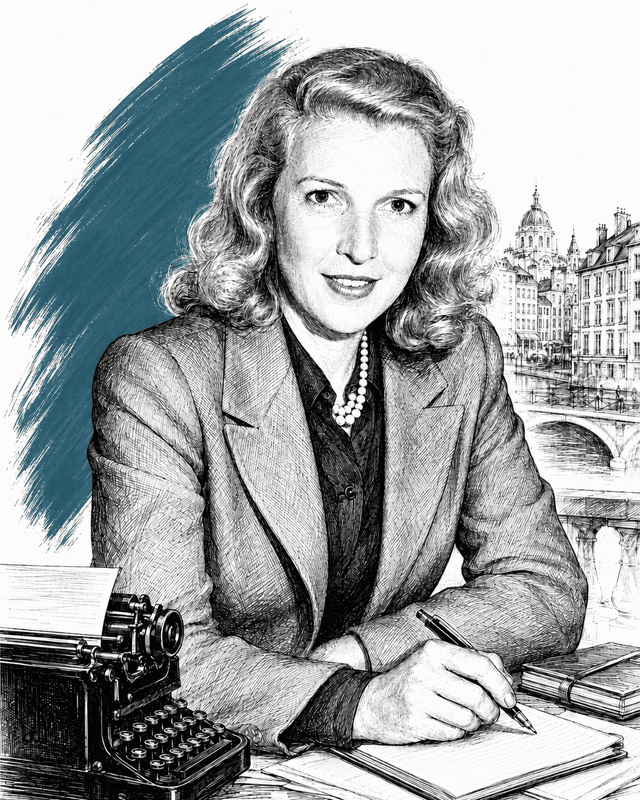
Martha Gellhorn
War correspondent who covered the Spanish Civil War, D-Day, and conflicts across five more decades; Hemingway's third wife, 1940–1945.
View author