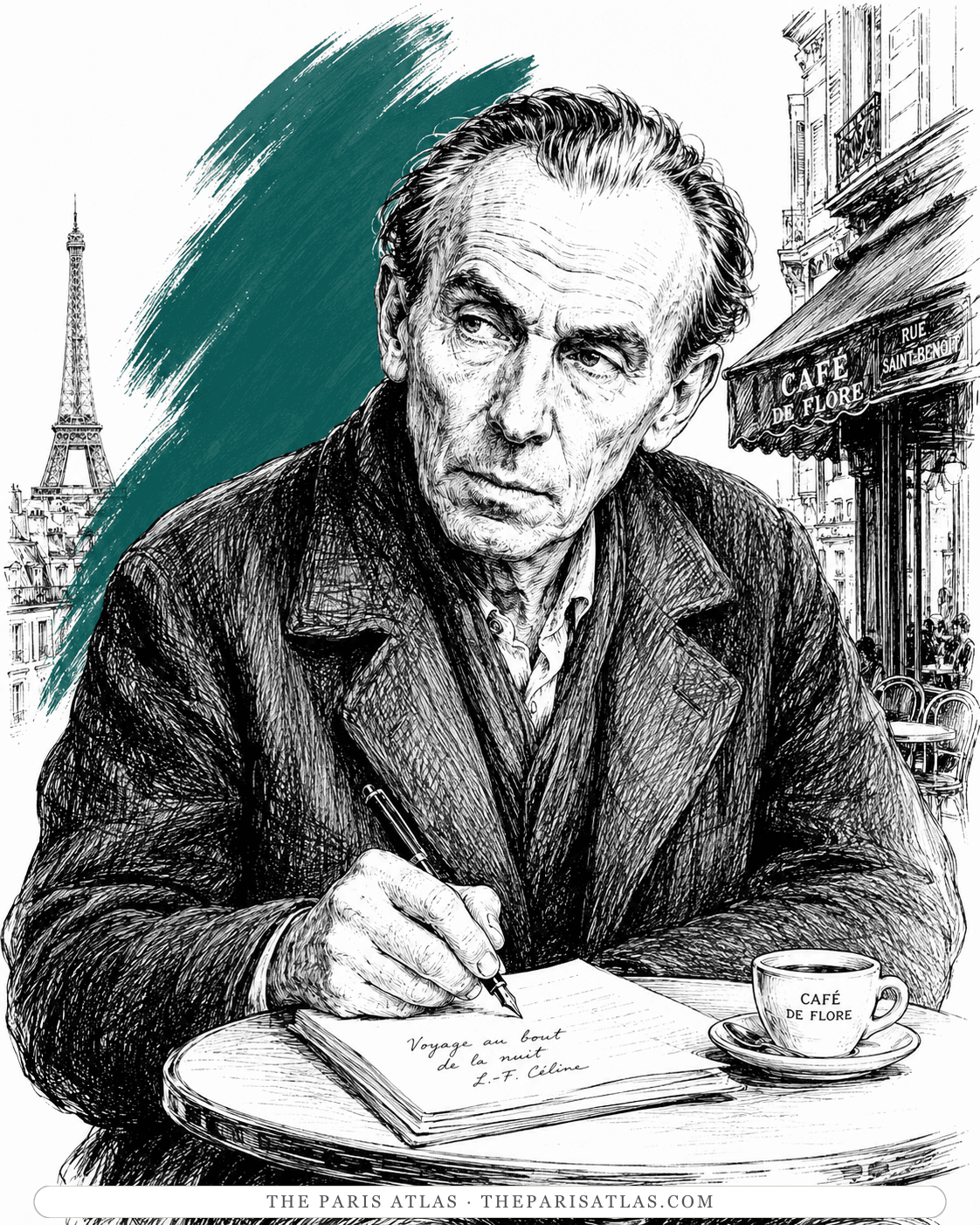


London
Louis-Ferdinand Céline's recovered 2022 novel Londres, arriving in English as London on 13 October 2026 in Charlotte Mandell's New Directions translation — a French criminal underworld in wartime London destroys itself around Ferdinand.
- 2022
About Louis-Ferdinand Céline
The story, briefly
Spoiler-freeLouis-Ferdinand Céline's recovered novel Londres (2022), translated into English as London by Charlotte Mandell for the New Directions edition scheduled for 13 October 2026 in the United States. Having escaped France after his wartime injuries, Ferdinand arrives in London and reconnects with Angèle, now supported by the wealthy British Major Purcell. He soon moves into a boarding house populated by French pimps and prostitutes and becomes part of a volatile criminal community living beneath the surface of wartime London. As arrests, betrayals, murders and rivalries multiply, the group gradually destroys itself.
The story, in more detail
Ferdinand lives at the Leicester Pension with a large group of French pimps and the women who support them. Among the central figures are Cantaloup, Borokrom, Moncul, Bijou and the doctor Yugenbitz.
The men suspect Bijou of informing on them. After Ferdinand and Borokrom become involved in a violent incident with him, they encounter Yugenbitz, a fugitive doctor who becomes both an ally and a kind of mentor to Ferdinand.
Meanwhile, Major Purcell becomes increasingly absorbed in military projects and neglects Angèle. Ferdinand grows more closely attached to her, eventually marrying her.
The gang's internal violence worsens around a stolen diamond tiara, police investigations and the question of who has betrayed whom.
The full plot
Ferdinand reaches England and finds Angèle living comfortably because of Major Purcell. Ferdinand moves instead into the Leicester Pension, where French pimps live alongside the women whose prostitution finances them.
One member of the group, Bijou, is suspected of informing. After a violent encounter, Ferdinand and Borokrom drag what they think may be Bijou's body through London, only to discover through Dr. Yugenbitz that he is still alive. Yugenbitz shelters them and encourages Ferdinand's interest in medicine.
Criminal pressure intensifies when a valuable diamond tiara is stolen. The gang becomes convinced that Bijou knows too much. Moncul murders Bijou, and the group tries to conceal the crime through an elaborate identity switch: Moncul assumes Bijou's identity while Bijou's corpse is disguised and disposed of in the Thames.
At the same time Ferdinand and Angèle marry. The celebration degenerates into a drunken orgy. Moncul, enraged and violent, attacks Angèle and smashes a heavy bottle against her head. She survives but suffers catastrophic brain damage and never truly returns to her former self.
Without the women earning money, the organization begins to collapse. Arrests increase. The remaining men hide, steal and attempt to finance lawyers.
Eventually Moncul drunkenly reveals too much in public and produces a gun. Police intervene. Both Moncul and Cantaloup are fatally wounded and carried back to Angèle's house.
How it ends — spoilers ahead
Moncul dies in the cellar and Cantaloup dies upstairs.
Mabel, devastated by Moncul's death, insists on keeping vigil beside his body with a candle. The household cat knocks the candle over, igniting straw and cardboard and setting the house ablaze. Mabel deliberately runs back into the fire and dies.
The remaining group disintegrates. Some sleep on barges and survive by pickpocketing. Others decide to return to France. Ferdinand refuses to accompany them because returning could mean being sent back to the front.
The ending leaves him stranded in London as the old criminal world around him vanishes — another casualty, in its own way, of the First World War.
Themes and analysis
A room above wartime London
Ferdinand's attic gives him a place to withdraw, but not a position outside the household's violence. In the opening, he can hear through the chimney what happens in Cantaloup's rooms below. The arrangement makes the refuge morally uncomfortable: the room that shelters him also connects him to the exploitation supporting the house. Cantaloup's preference for leaving during the assaults further separates respectable appearances from responsibility. The narrator's claim to want only peace and quiet is tested by the very building that appears to offer it.
Another kind of work
Yugenbitz's encouragement matters because Ferdinand is startled to be taken seriously. Régis Tettamanzi's preface describes the loan of medical books, then quotes Ferdinand's astonishment at the doctor's interest in his understanding. Ferdinand contrasts this attention with the frightening authority of wartime doctors. Learning begins with a changed relationship to someone who possesses knowledge, not merely with access to information. Yet his grateful declaration still contains an antisemitic insult: this moment of recognition does not dissolve the prejudices through which he describes his benefactor.
Why we recommend it
The recovered London novel
One of the two 2022 recovered manuscripts. Where Guerre ended with Ferdinand heading for England, Londres begins with him arriving.
The underworld destroys itself
Unlike Guignol's Band, which meanders through episodes, Londres has an arc: a criminal community disintegrates through murder, arson and betrayal until Ferdinand is one of the few still standing.
The Tettamanzi edition
Régis Tettamanzi's scholarly edition supplies a répertoire des personnages and an essay on Londres in Céline's life and work — worth reading alongside the novel itself.
What this book explores
The people in its pages

Ferdinand
The narrator. Newly arrived from France, he moves into the Leicester Pension and joins a French criminal community that will collapse around him.

Angèle
Ferdinand's lover from Guerre, now living comfortably in London on Major Purcell's support. She and Ferdinand eventually marry; a violent attack at the wedding party leaves her catastrophically brain-damaged.
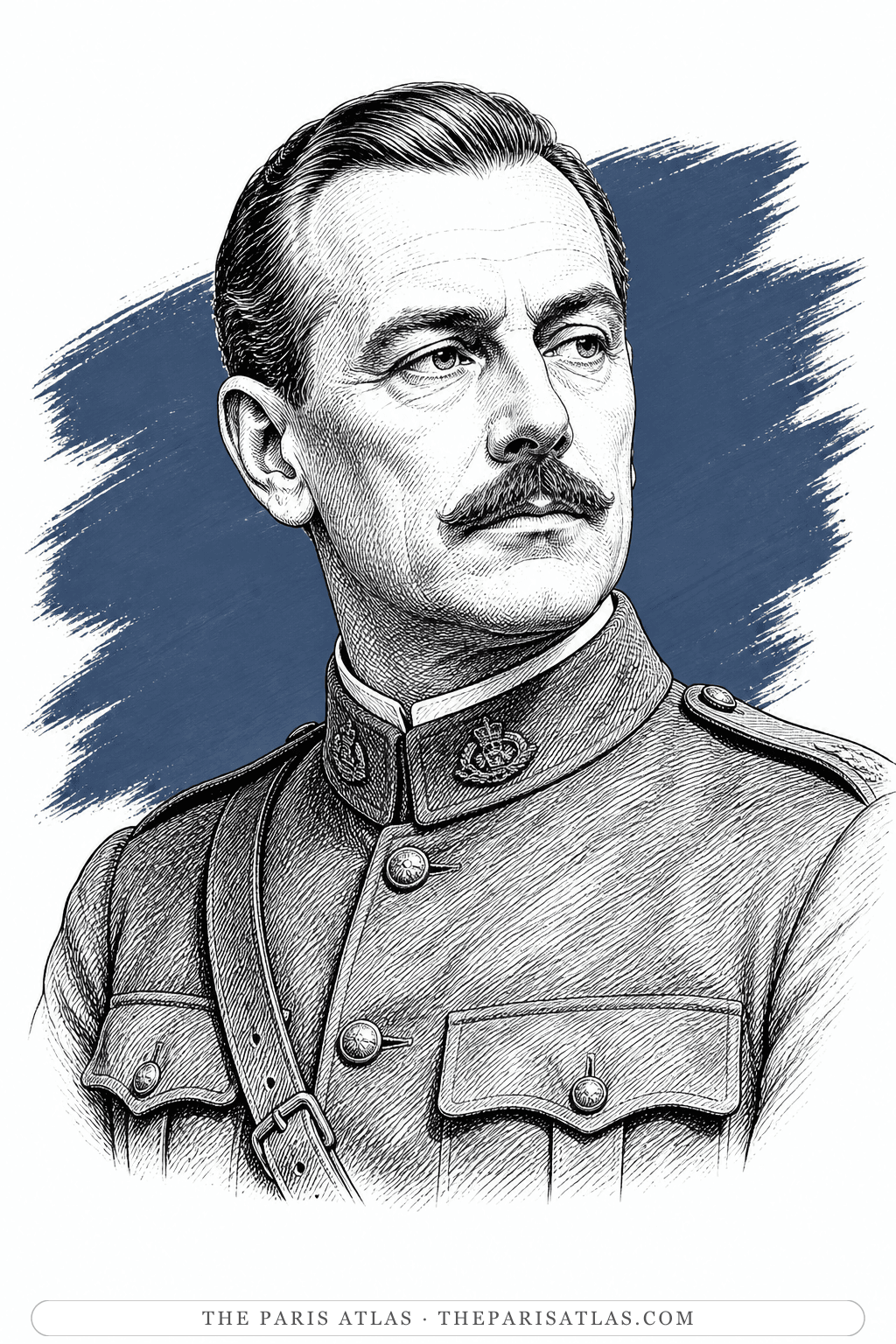
Major Purcell
The wealthy British officer supporting Angèle. His growing absorption in military projects opens the space between Angèle and Ferdinand.
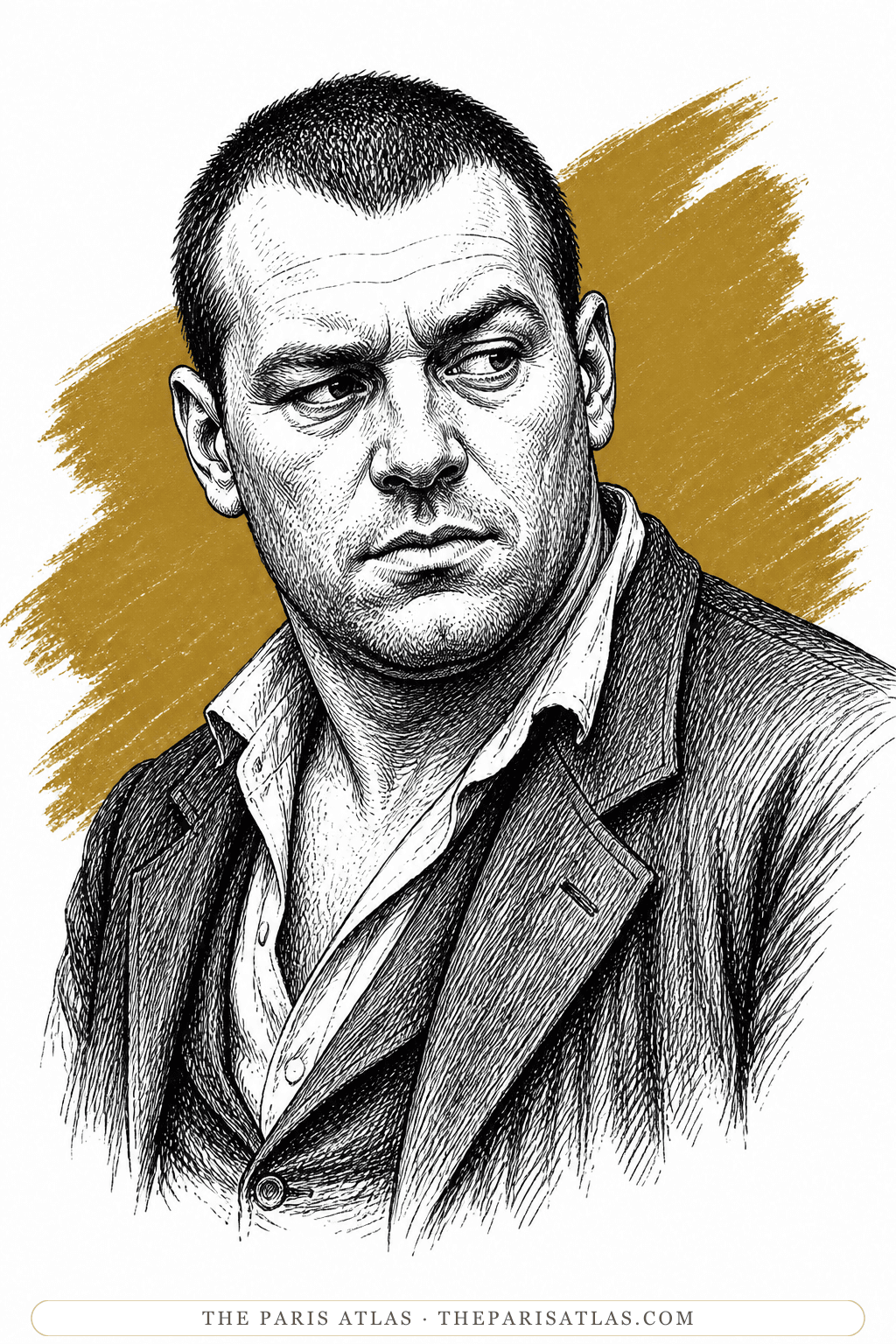
Cantaloup
One of the pimps at the Leicester Pension. Fatally wounded when the police intervene at the story's climax.
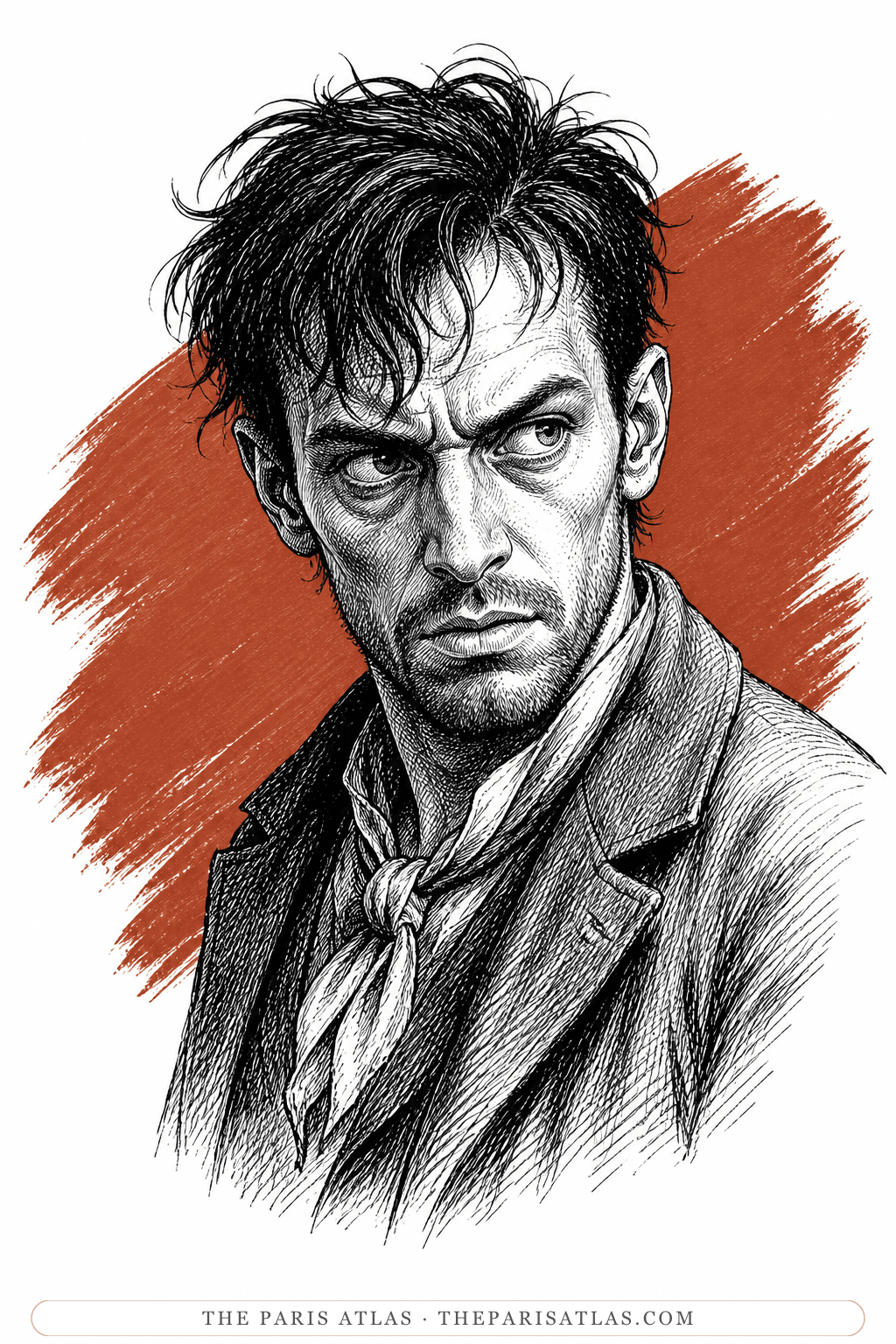
Borokrom
The dangerous, volatile companion Ferdinand runs with. Together they carry what they think is Bijou's body through London.
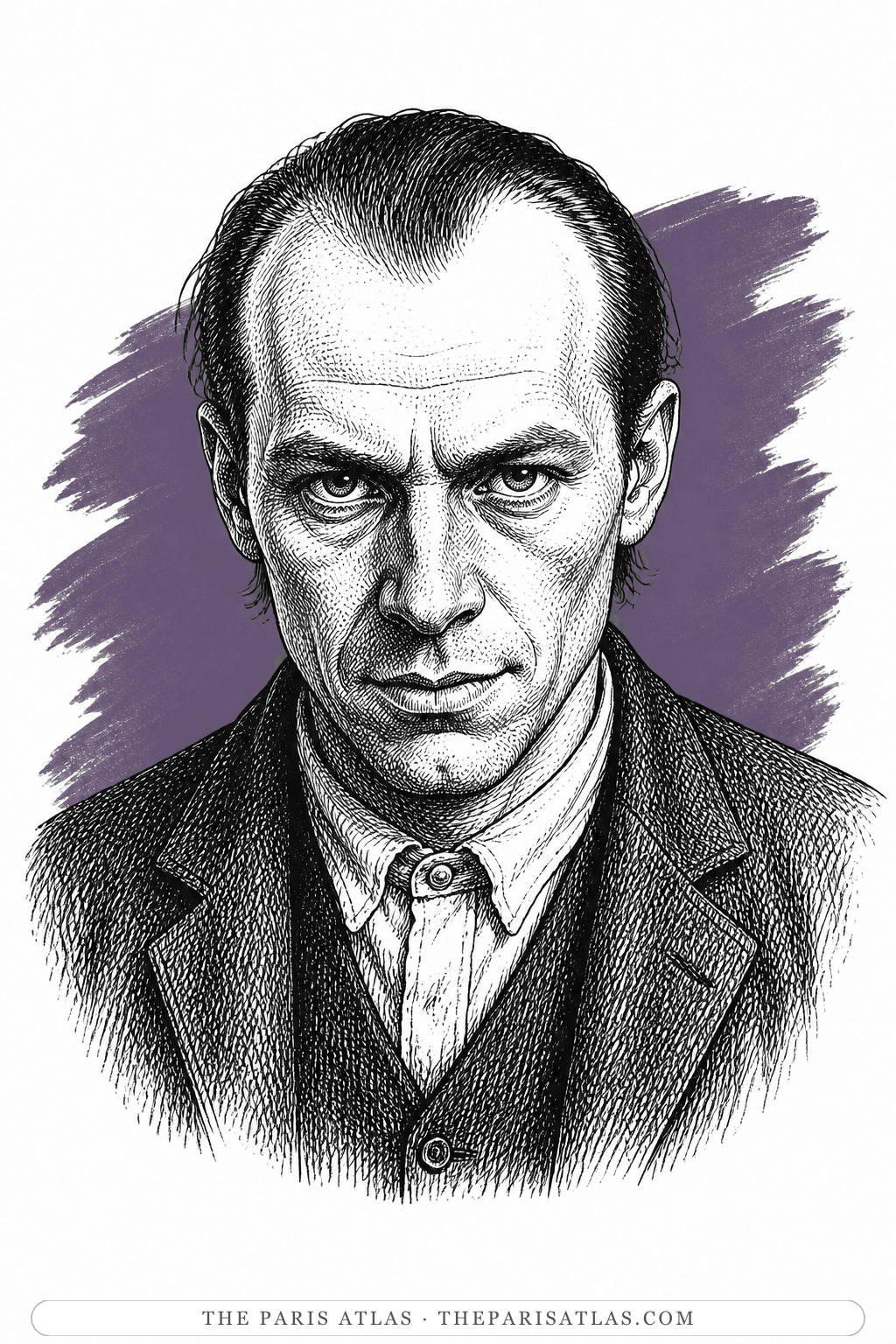
Moncul
The murderer of Bijou. He assumes Bijou's identity, attacks Angèle at the wedding, and dies of gunshot wounds in the cellar at the novel's climax.
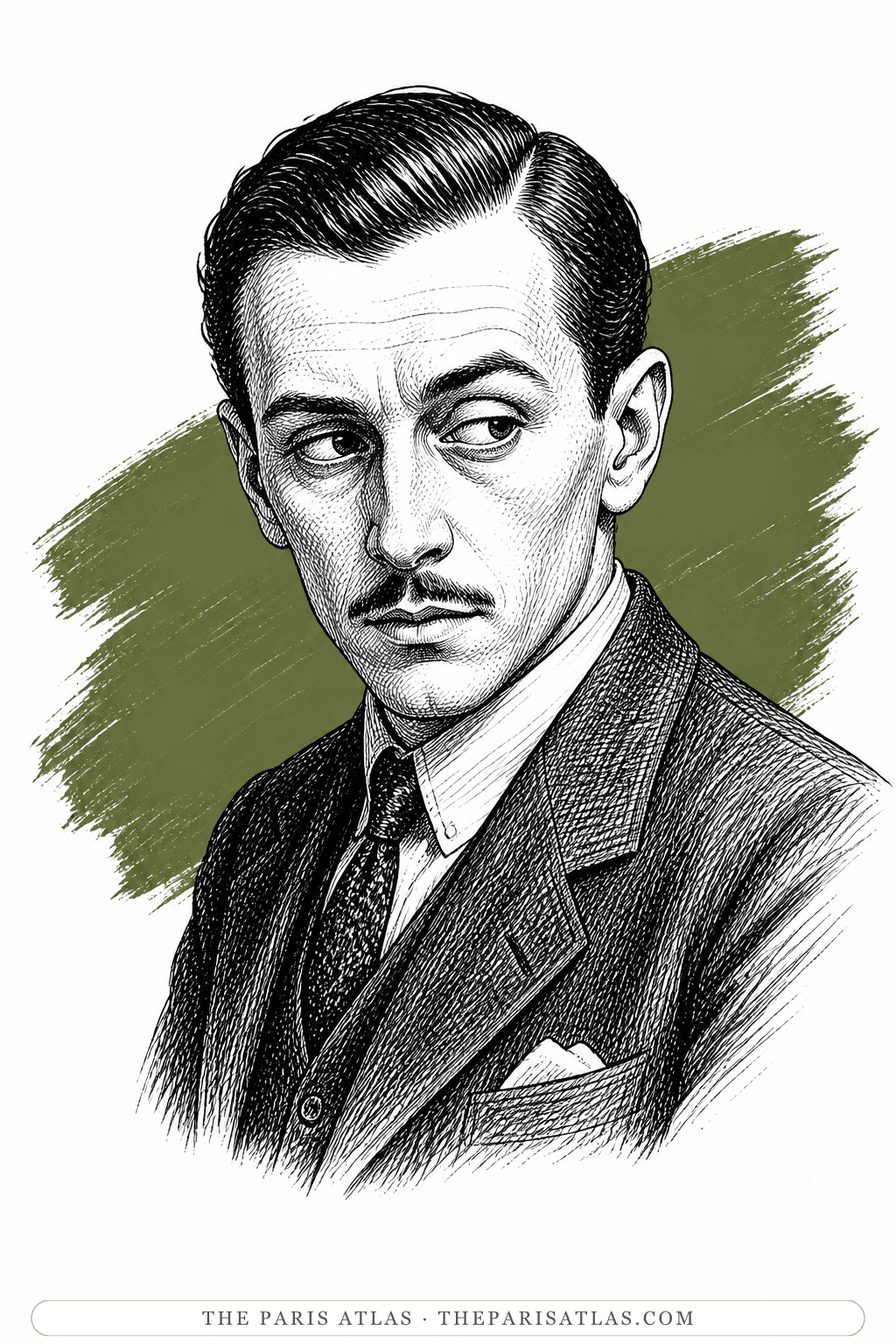
Bijou
The pimp suspected of informing on the group. Murdered by Moncul, his corpse disguised and dumped in the Thames as part of an identity switch.
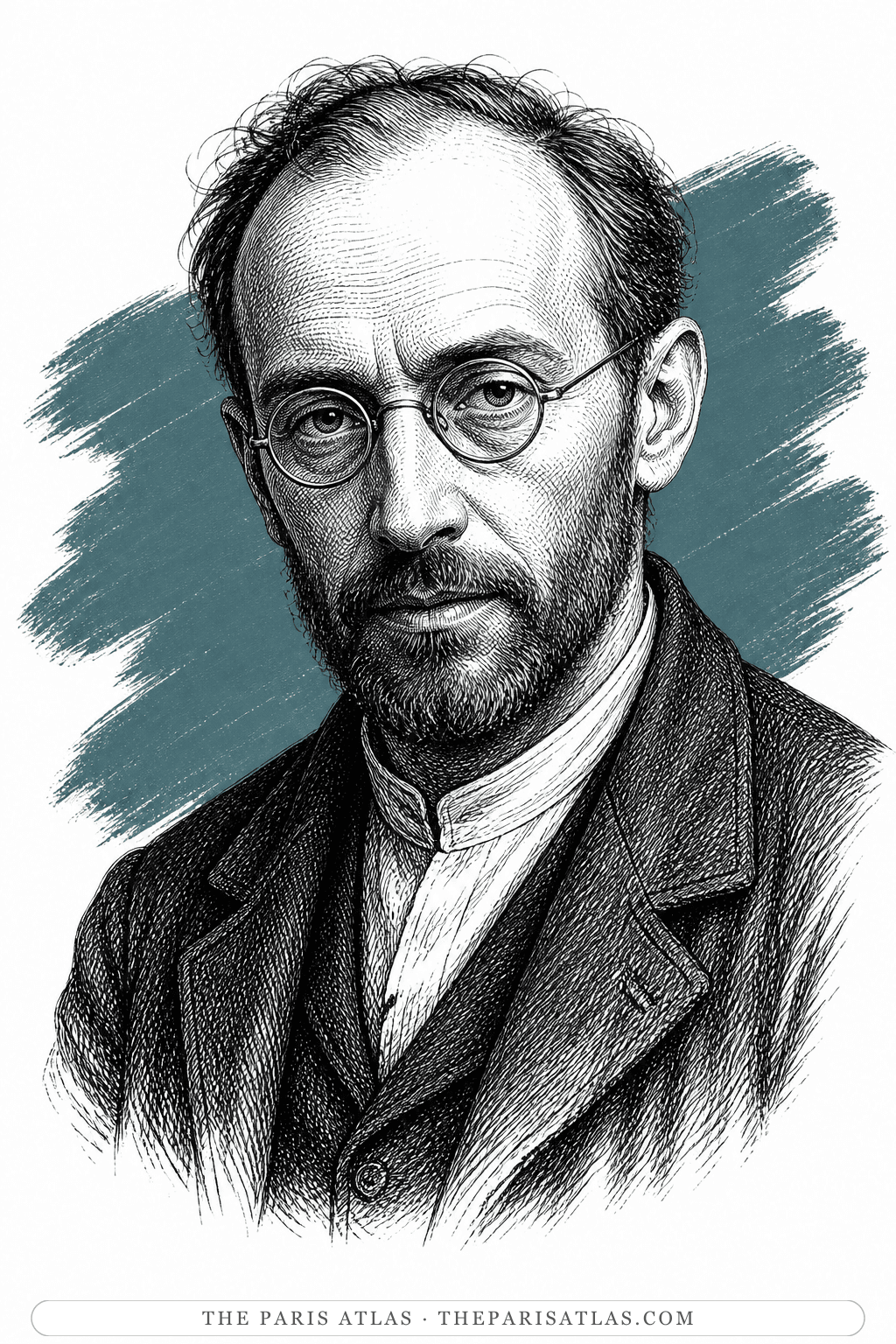
Dr. Yugenbitz
A fugitive doctor who shelters Ferdinand and Borokrom, encourages Ferdinand's interest in medicine, and becomes a mentor figure.
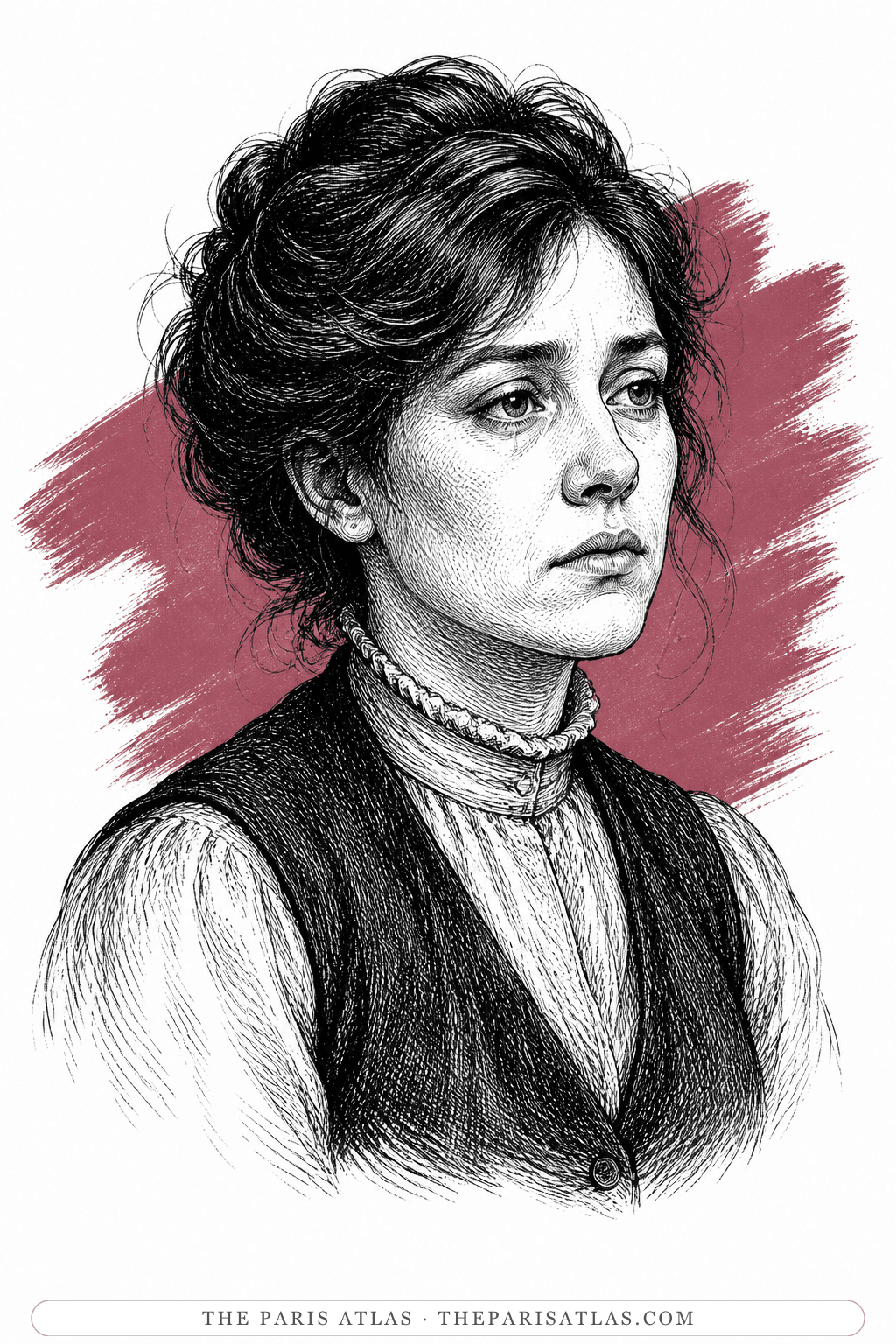
Mabel
One of the women at the Leicester Pension, devoted to Moncul. Devastated by his death, she runs back into the fire that consumes the house and dies.
Timeline
2021
The return of Céline’s missing manuscripts becomes public, including the material subsequently published as Londres.
2022
Gallimard publishes Régis Tettamanzi’s edition of the recovered novel.
October 2026 — scheduled
New Directions lists Charlotte Mandell’s English translation, London, for release on 13 October.
Book editions
Hardcover
- Hardcover
- New Directions
- Charlotte Mandell

- Paperback
- Gallimard
- 9782072983375
Reader reviews
Readers may also like

Guignol's Band
The other London novel — written first in 1944 but chronologically later, and set in the same French underworld.
Read our take
Journey to the End of the Night
Céline's debut; the London material was previously known only in fragments and the retrospective glances of Journey.
Read our take
Death on the Installment Plan
Céline's early autofiction; both are Ferdinand's story before Guignol's Band.
Read our take
A Farewell to Arms
Hemingway's WWI novel — the same generation of wounded veterans, moving outside their armies of origin.
Read our takeLondon: frequently asked questions
What is Londres (London) about?
Ferdinand arrives in London after his hospital arc in Guerre and drops into a French criminal underworld — pimps, prostitutes, a fugitive doctor — living beneath the surface of wartime London. As murders, betrayals and arrests accumulate, the community destroys itself around him.
When was Londres published?
Gallimard published Londres in 2022, in an edition established and presented by Régis Tettamanzi. New Directions lists Charlotte Mandell’s English translation, London, for publication on 13 October 2026.
Is Londres the same book as London Bridge?
No — Londres (2022) is a distinct recovered manuscript, not Guignol's Band II (Le Pont de Londres, 1964). Londres follows directly from Guerre and predates the Guignol's Band material chronologically.
How is Londres connected to Guerre?
Directly. Guerre ends with Ferdinand heading for England. Londres begins with him arriving. They were written as consecutive parts of a longer London cycle and were recovered together in the same trove.
Where does Londres end?
In fire. Moncul and Cantaloup are fatally wounded when the police intervene; a household cat knocks over a candle at Moncul's vigil and the house burns. Mabel runs into the flames and dies. Ferdinand refuses to return to France because that could mean the front — and is left stranded in London.
Why should I read Londres before Guignol's Band?
Chronologically it comes first, and reading it before Guignol's Band shows how Céline sets up the London underworld his 1944 novel then revisits. Guignol's Band takes on more scale if you know the earlier community it stands beside.
If you like Louis-Ferdinand Céline
Explore authors with a similar voice, perspective, and influence.
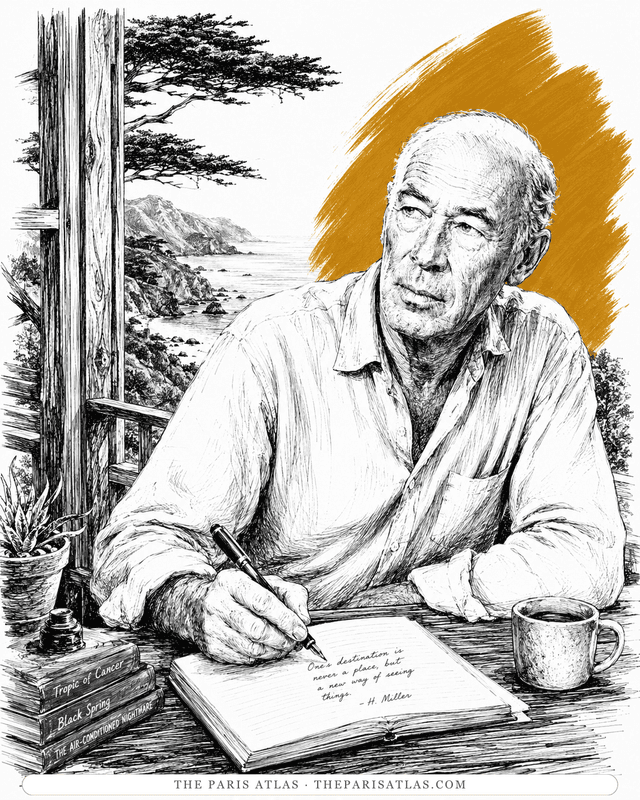
Henry Miller
Miller read Journey in manuscript while writing Tropic of Cancer and never recovered — the two books are the era's twin gutter-testaments.
View author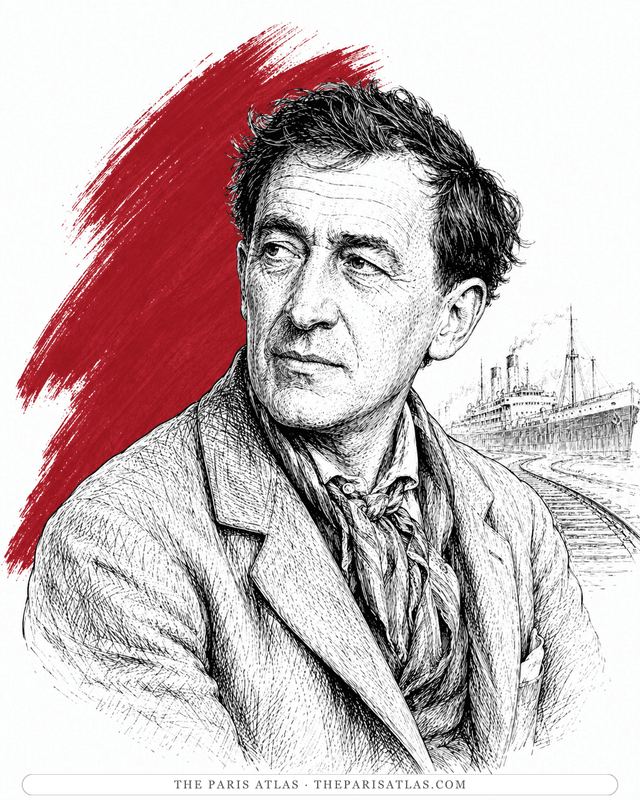
Blaise Cendrars
The other French modernist Céline could not look away from: a war-wounded amputee whose spoken prose ran ahead of grammar and whose Moravagine anticipates Bardamu's tour of the century's slaughterhouses.
View author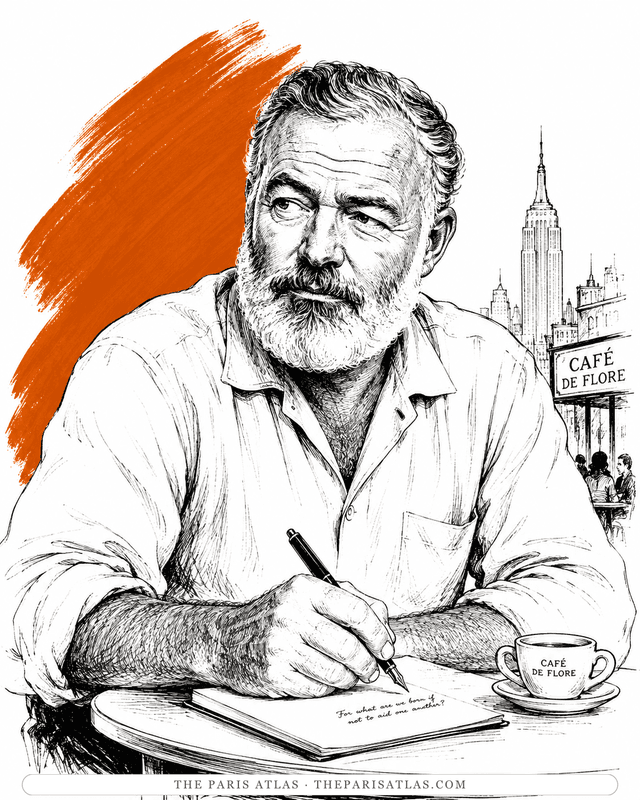
Ernest Hemingway
The same war, the same refusal of the big words — delivered in whispers where Céline delivers it in screams. Both writers died in the same week of July 1961.
View author
References
References
The sources below include the primary text, editions, scholarship, archival materials, and other records that informed this page. They document London, its publication, and its place in literary history.


1Londres — Gallimard publisher excerpt, with Régis Tettamanzi's preface
WebsiteGallimard / Electre, 2022Used forSelected French opening pages and the preface's explicitly excerpted primary passage; no whole-novel, manuscript or complete English-translation collation.

2Londres — Louis-Ferdinand Céline (edition established and presented by Régis Tettamanzi, Gallimard, 2022) — includes preface, 'Note sur l'édition', 'Londres dans la vie et l'œuvre de Louis-Ferdinand Céline' (pp. 531–540), and Répertoire des personnages (p. 542)
EssaysÉditions Gallimard, 2022Used forPublished analysis and historical context used in preparing the London page.
3London — Louis-Ferdinand Céline (New Directions, English edition)
WebsiteNew DirectionsUsed forWeb source consulted for documented facts and historical context presented on the London page.
4Céline (biography) — esp. p. 484 (Normance), p. 486 (Féerie), pp. 489–490 and 495
BiographyGallimard, 2011Used forBiographical evidence used to verify chronology, relationships, and historical context connected to London.
5Céline à Londres (1915–1916) — synthesis drawing on testimony and scholarship by Georges Geoffroy, François Gibault, Yves Buin and Gaël Richard
WebsiteLe Petit CélinienUsed forWeb source consulted for documented facts and historical context presented on the London page.
6Genèse d'un best-seller (manuscript analysis of Guerre)
EssaysInstitut des Textes et Manuscrits Modernes / ENSUsed forPublished analysis and historical context used in preparing the London page.
7'Guerre' de Céline : l'incroyable histoire des manuscrits retrouvés
PeriodicalL'Express, 2022Used forContemporary reporting or criticism used to document the historical reception and context of London.
i
Why these sources are here
The primary text is the baseline reference for every book page. Additional references document publication history, interpretation, and historical context where that evidence is available.
 Explore more resources