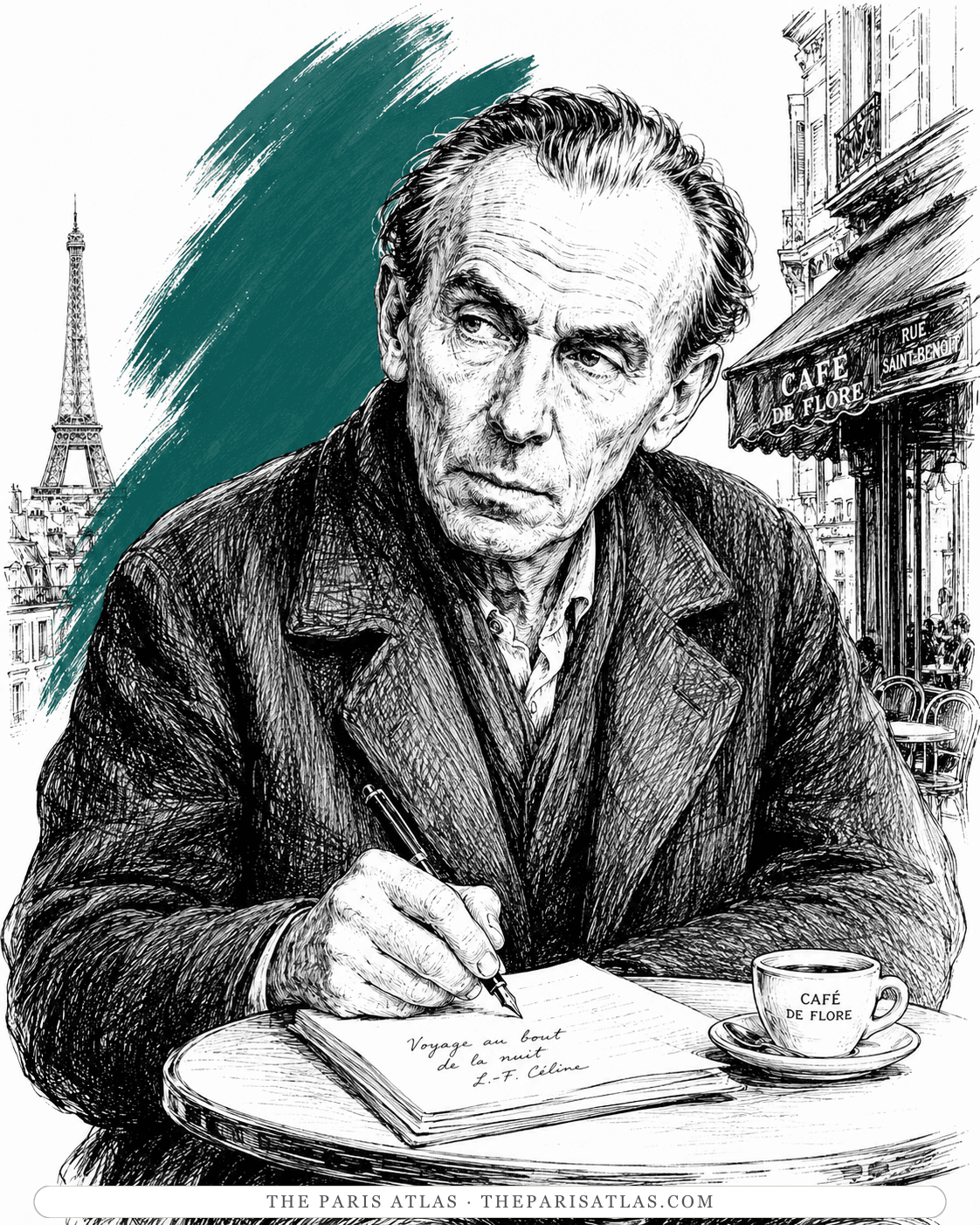

War
The recovered Guerre precedes Guignol's Band chronologically — the hospital arc that ends with Ferdinand heading for England.
Read our take
Louis-Ferdinand Céline's 1944 novel — a wounded French veteran drops into a London underworld of pimps, prostitutes, musicians and eccentrics.
After being wounded and invalided out of the French army during the First World War, Ferdinand arrives in London and becomes entangled with a colorful and dangerous underground of French pimps, prostitutes, musicians, petty criminals and eccentrics. Rather than a conventional crime novel, Guignol's Band is a wandering, comic and often violent tour through wartime London seen by a young man who has escaped the battlefield but not chaos.
Ferdinand falls in with Cascade, a French pimp who has inherited responsibility for women whose pimps have gone off to war. He also becomes involved with Boro or Borokrom, a volatile piano player, and encounters characters such as the pawnbroker Claben and the bizarre doctor Clodovitz.
The relationships are unstable from the beginning. Fights break out among Cascade's women. Money disappears. Ferdinand drifts between lodging houses, pubs, criminal schemes and sexual adventures while trying to avoid both the police and the people whose business he has disturbed.
A particularly chaotic episode at Claben's establishment leaves people dead and places Ferdinand under suspicion. Scotland Yard and members of the underworld begin closing in on him.
Ferdinand arrives in London as a wounded French veteran with no stable occupation. Through connections from his military experience he enters Cascade's circle. Cascade makes his living from prostitution, and Ferdinand gradually becomes part of a world in which criminality is less a profession than the ordinary condition of existence.
He meets Boro, the eccentric pianist; Claben, the pawnbroker surrounded by his possessions; Clodovitz, an equally eccentric doctor; and the women working for Cascade. Jealousies and rivalries among the group produce fights and increasingly surreal confrontations.
At Claben's establishment, another bout of drinking, drugs and violence ends disastrously. Claben and another person die, leaving Ferdinand exposed to suspicion even though the circumstances are confused. Cascade is angry with him, and the police are interested in him.
Realizing London may no longer be safe, Ferdinand considers returning to military service despite his wounds. At the French Consulate he instead encounters Hervé Sosthène de Rodiencourt, a grandiose occultist, adventurer and charlatan who proposes an entirely different means of escape.
There is no real resolution, because Guignol's Band was conceived as the first half of a longer London sequence.
Ferdinand, hunted by criminals and threatened by police attention after the deaths surrounding Claben, attaches himself to Sosthène. Sosthène dreams of exotic expeditions and offers Ferdinand the possibility of escaping his current predicament.
That is essentially where the first volume leaves him: still in London, still improvising, and about to begin another bizarre adventure.
The story continues directly in Guignol's Band II, published posthumously and generally known in English as London Bridge.
Boro's piano playing briefly changes the terms on which Ferdinand sees him. In the Italian passage reproduced by All About Jazz, the narrator contrasts the man's usual brutality with the unexpected lightness and delicacy of his hands. The description then follows musical turns, variations and returns rather than settling into a fixed portrait. Its enthusiasm matters: Ferdinand is caught up in the performance he describes. Music does not erase Boro's destructiveness, but it makes a single moral label inadequate to the narrator's experience of being with him.
An unconventional guide does not necessarily remove the need to obey. Alexandre Seurat opens his comparison of Guignol's Band with a paradox: Ferdinand's break with established authorities occurs through attachment to another master. This makes Sosthène interesting as more than a comic eccentric. His promise of a different life also asks Ferdinand to trust someone else's account of what is possible. Beside the imagined maps, the question is therefore not only where they might go, but who gets to define the route. Departure and independence need not be the same thing.
The only French modernist novel to spend its entire length inside wartime London, seen through the eyes of a young French veteran who cannot go home.
Between Death on the Installment Plan and the late German trilogy, Guignol's Band is where Céline's spoken French runs at its most manic — a novel that behaves almost as it feels.
Guignol's Band was written first, but the recovered novels Guerre (2022) and Londres (2022) fill in earlier events. Reading Guignol's Band first preserves its arrival on the London scene.

The narrator. A wounded French veteran adrift in wartime London, drifting between lodging houses, pubs, criminal schemes and sexual adventures.
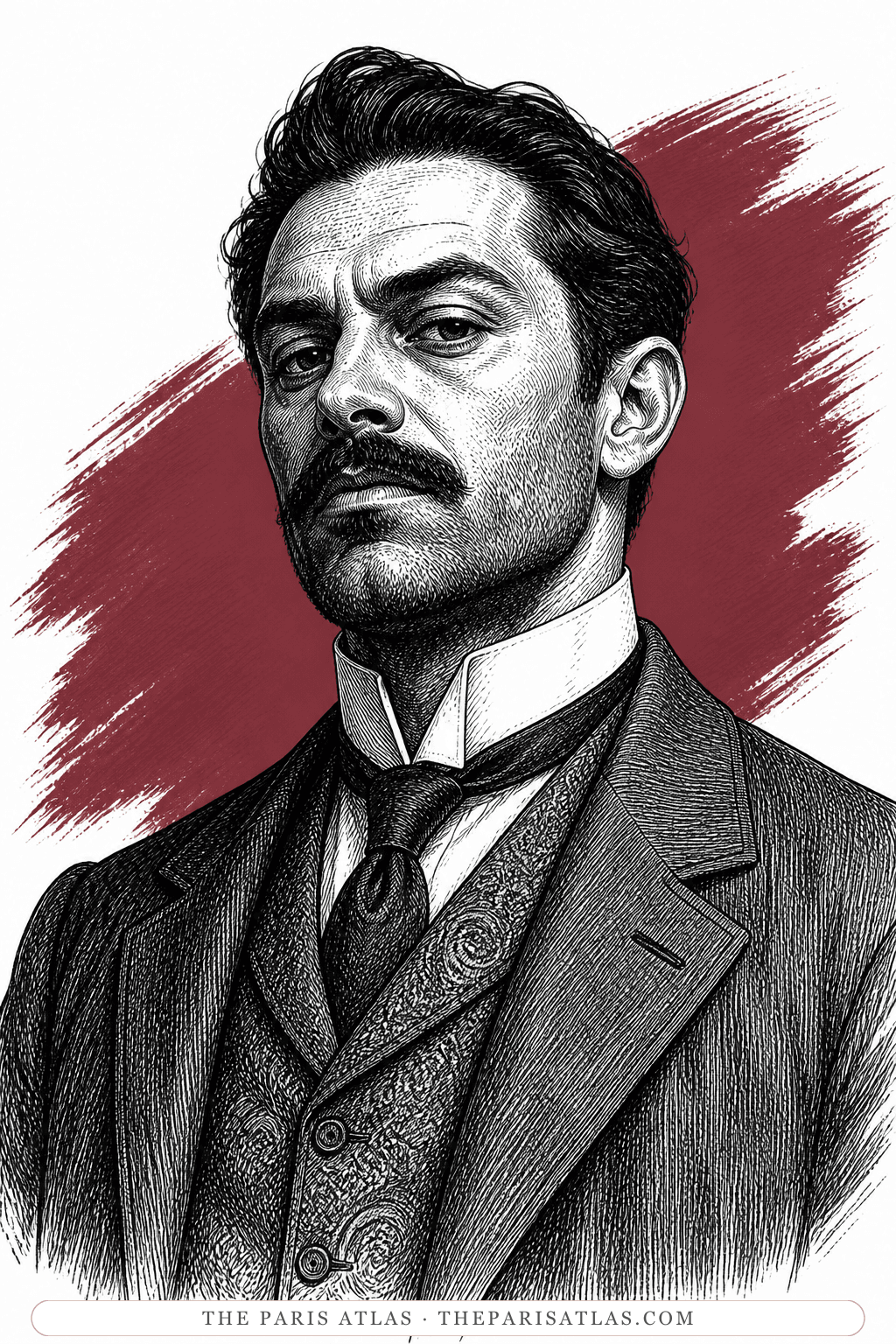
A French pimp who has inherited responsibility for women whose original pimps have gone off to war. He draws Ferdinand into his circle.

A volatile piano player and one of Ferdinand's closest, most dangerous companions. Drinks, brawls, plays.
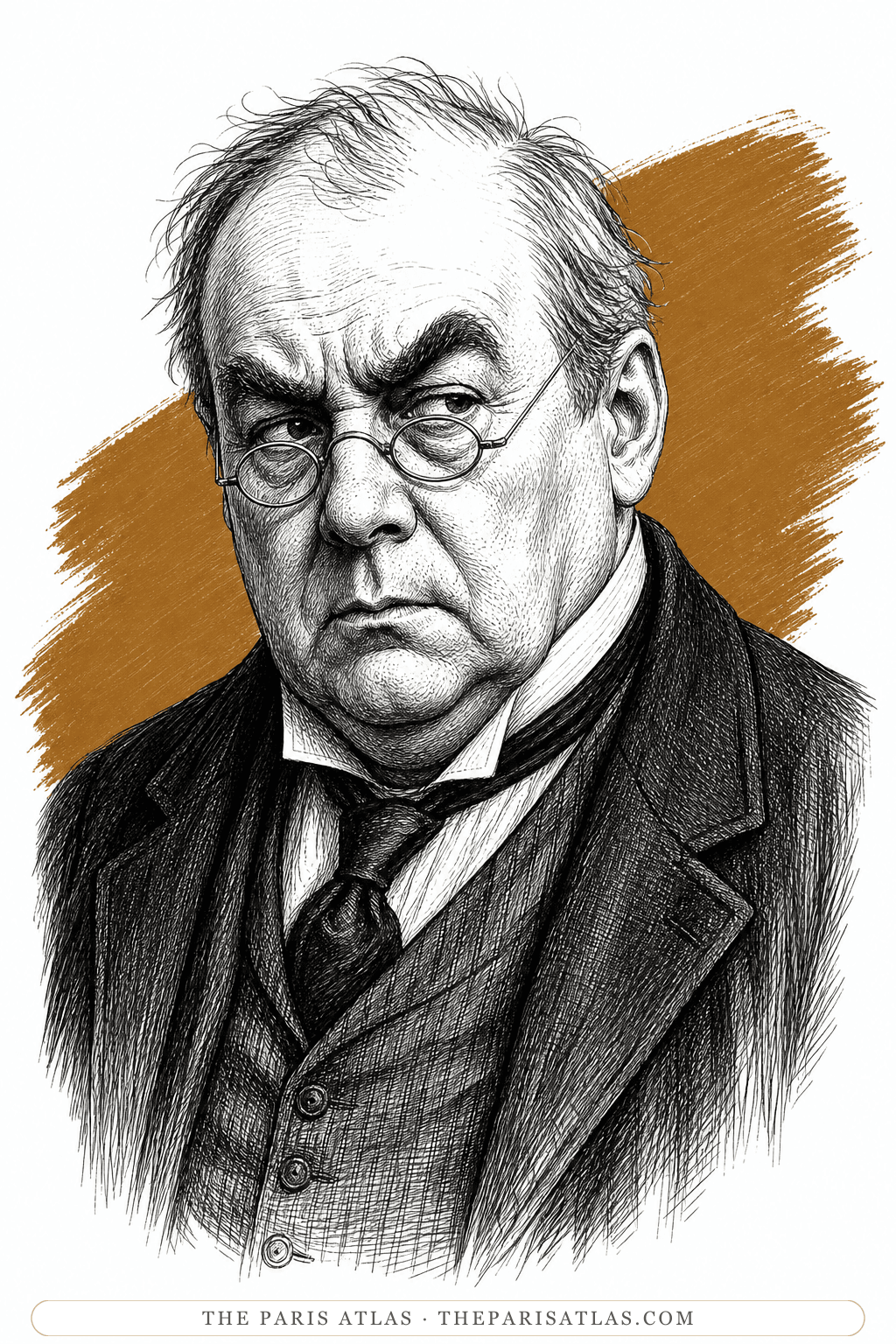
A pawnbroker surrounded by his possessions. The chaotic night at his establishment leaves him and another person dead.
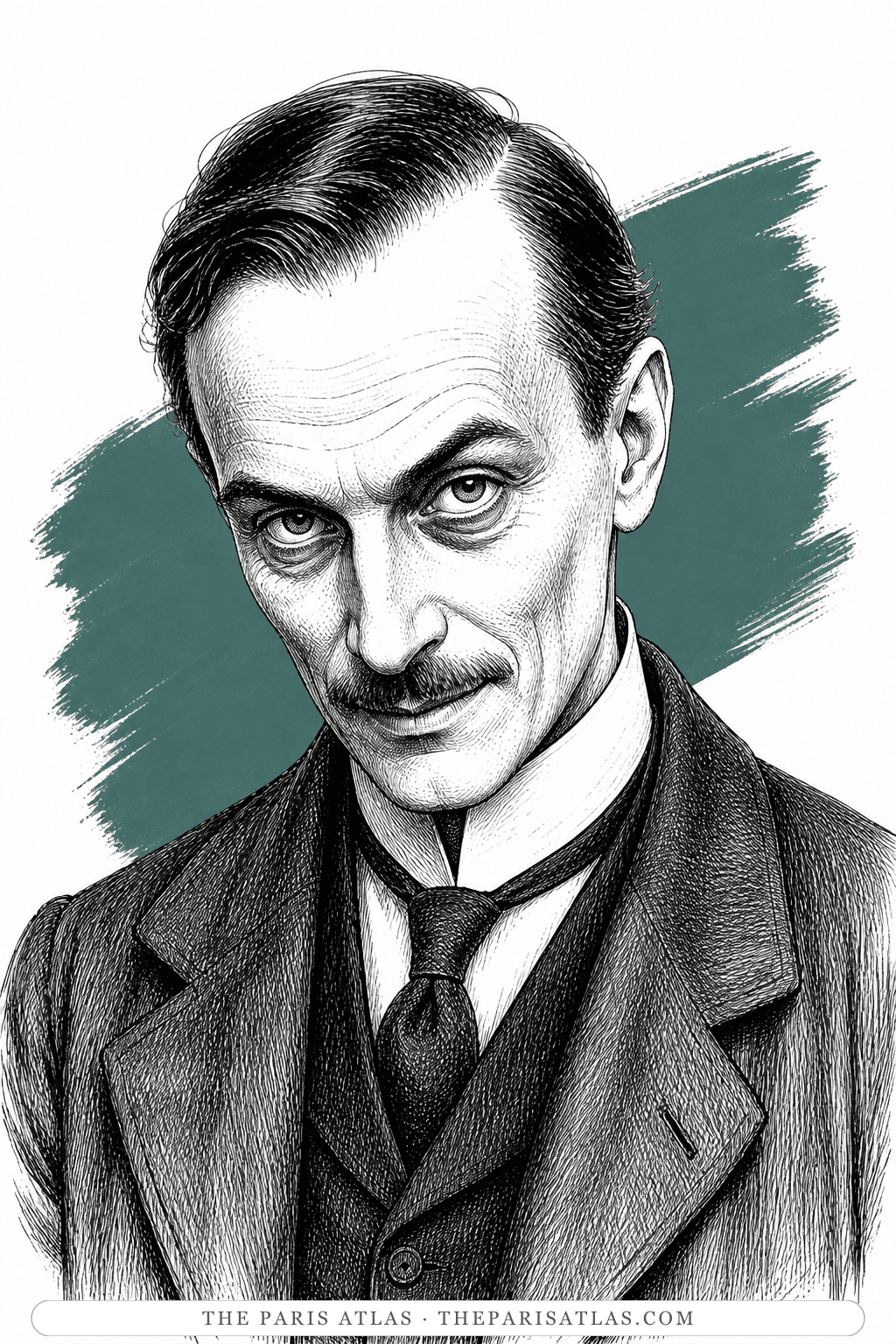
An equally eccentric doctor in the London underworld.
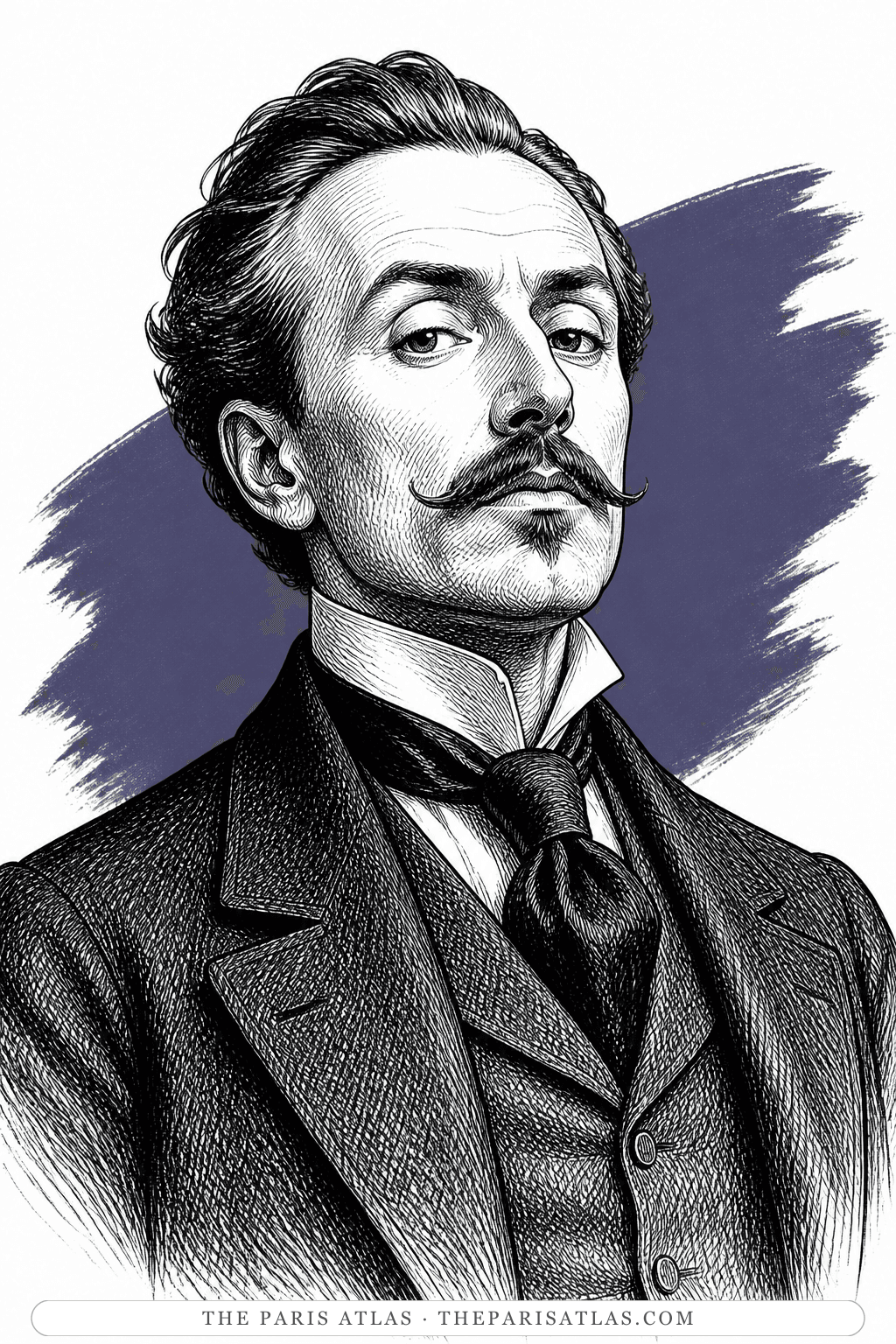
A grandiose occultist, adventurer and charlatan Ferdinand meets at the French Consulate. He offers the possibility of escape from Ferdinand's London predicament and carries the story into Guignol's Band II.
1915–1916
Céline lives in London after leaving frontline military service; the period later supplies the novel’s setting.
1944
Denoël publishes Guignol’s Band during the German occupation of France.
1964
The continuation appears posthumously as Le Pont de Londres.
The recovered Guerre precedes Guignol's Band chronologically — the hospital arc that ends with Ferdinand heading for England.
Read our take
The other, distinct London novel (recovered 2022). Set among a different criminal community.
Read our take
Céline's debut; Ferdinand is the same narrator, wounded in the same war.
Read our take
Céline's second novel, the childhood autofiction that precedes Guignol's Band chronologically.
Read our take
Henry Miller's Paris underworld — read Journey first while writing his own book, and inherited a similar taste for improvised city fiction with a picaresque narrator.
Read our takeFerdinand, a wounded French veteran invalided out of the First World War, drops into a wartime London underworld of French pimps, prostitutes, musicians and eccentrics. A comic and often violent tour through the city seen by a young man who has escaped the battlefield but not chaos.
Denoël published Guignol's Band in 1944, during the German occupation of France. The second half, London Bridge (Le Pont de Londres, or Guignol's Band II), appeared posthumously in 1964.
No — they are different books. Guignol's Band is the 1944 London novel Céline published in his lifetime. Londres (2022) is a distinct London novel recovered from the missing manuscripts; it precedes Guignol's Band chronologically and follows a different criminal community.
Guignol is the traditional French puppet — a wisecracking, brawling working-class character from the Lyon puppet theatre. Céline's title casts his cast as a band of Guignols: puppet-scale figures throwing themselves at each other in disproportionate violence.
Loosely. Céline was in London in 1915–1916, invalided out of the army, and worked briefly at the French consulate before leaving for Cameroon. The novel keeps the city and the situation but invents the underworld cast.
Inconclusively, because it was conceived as the first half of a longer sequence. Ferdinand attaches himself to the occultist Sosthène de Rodiencourt, who offers a means of escape. The story continues directly in Guignol's Band II (London Bridge), published in 1964.
Explore authors with a similar voice, perspective, and influence.
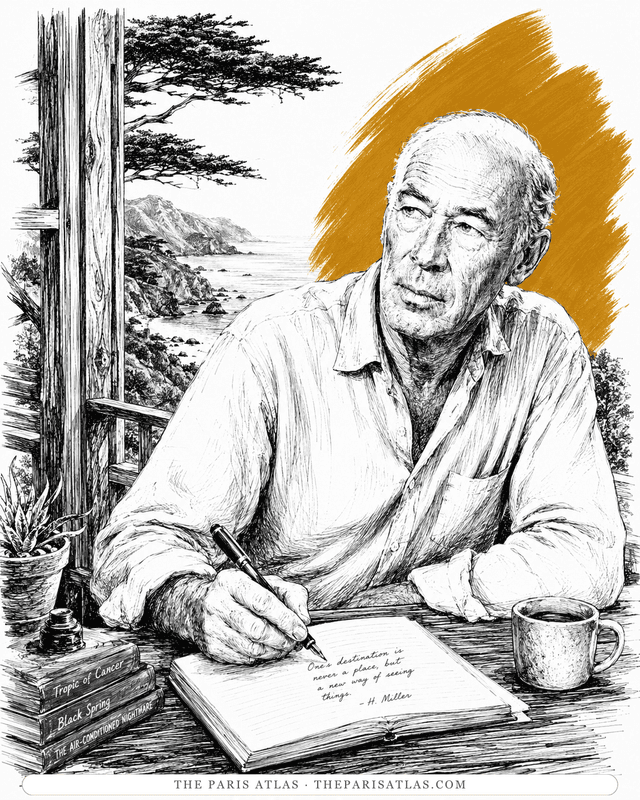
Miller read Journey in manuscript while writing Tropic of Cancer and never recovered — the two books are the era's twin gutter-testaments.
View author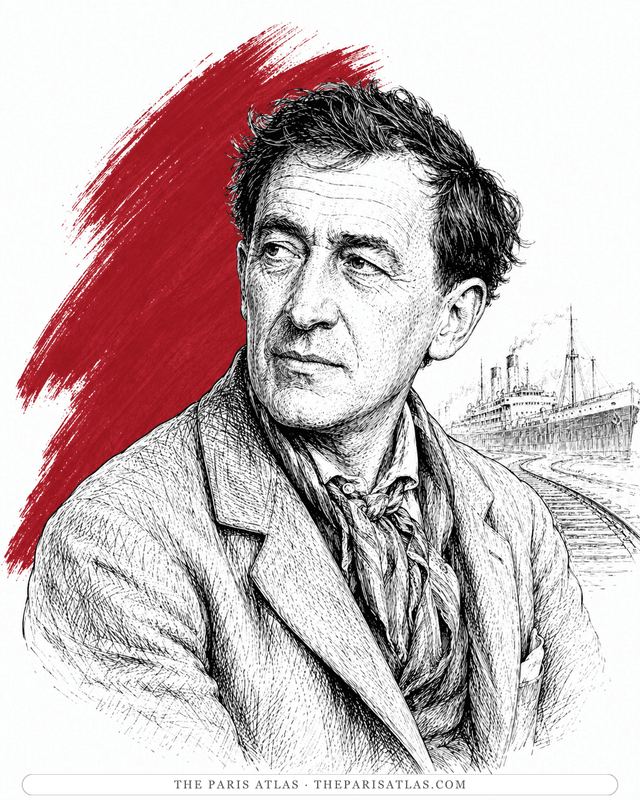
The other French modernist Céline could not look away from: a war-wounded amputee whose spoken prose ran ahead of grammar and whose Moravagine anticipates Bardamu's tour of the century's slaughterhouses.
View author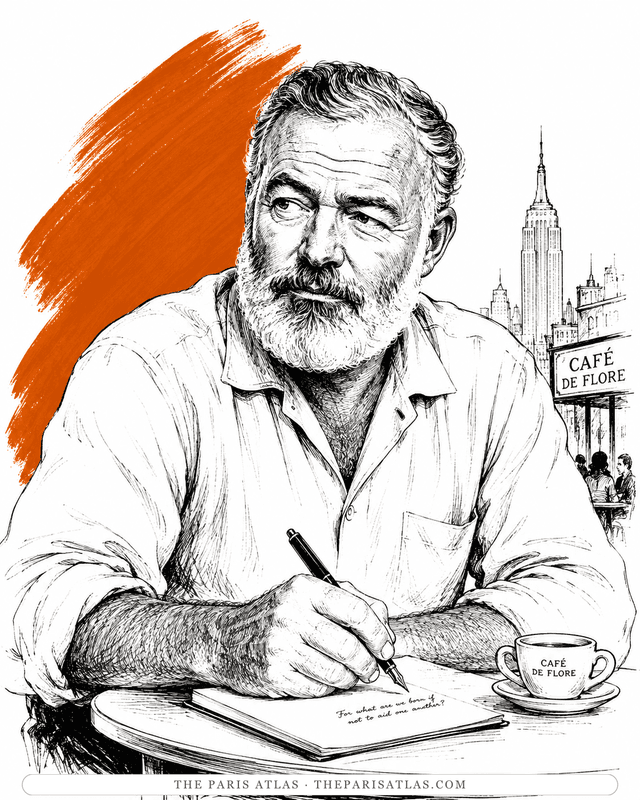
The same war, the same refusal of the big words — delivered in whispers where Céline delivers it in screams. Both writers died in the same week of July 1961.
View authorThe sources below include the primary text, editions, scholarship, archival materials, and other records that informed this page. They document Guignol's Band, its publication, and its place in literary history.


Reading of the Italian primary passage reproduced in the article; no independent collation of the complete novel.
The addition attributes the introductory argument on p. 307, not the full comparative essay or later-volume episodes.

Web source consulted for documented facts and historical context presented on the Guignol's Band page.
Web source consulted for documented facts and historical context presented on the Guignol's Band page.
Published analysis and historical context used in preparing the Guignol's Band page.
Web source consulted for documented facts and historical context presented on the Guignol's Band page.
The primary text is the baseline reference for every book page. Additional references document publication history, interpretation, and historical context where that evidence is available.
 Explore more resources