
Le Feu
Céline put Barbusse on his short list of admired moderns, and Journey's opening plunge into the war reads as Le Feu's testimony pushed past despair — the trench-novel tradition's direct line.

Louis-Ferdinand Céline's 1932 first novel, which follows one man from the First World War through colonial Africa and industrial America to the Paris slums.
Ferdinand Bardamu enlists in the First World War, decides almost immediately that the war is madness, and spends the rest of the novel trying to get away — first to a French colony in Africa, then to America and the Ford factory in Detroit, and finally home to a medical practice among the poor of suburban Paris. A drifter named Robinson keeps crossing his path. The novel is written in the spoken French of the streets, which no serious novel had used before, and it made Céline famous on publication in 1932.
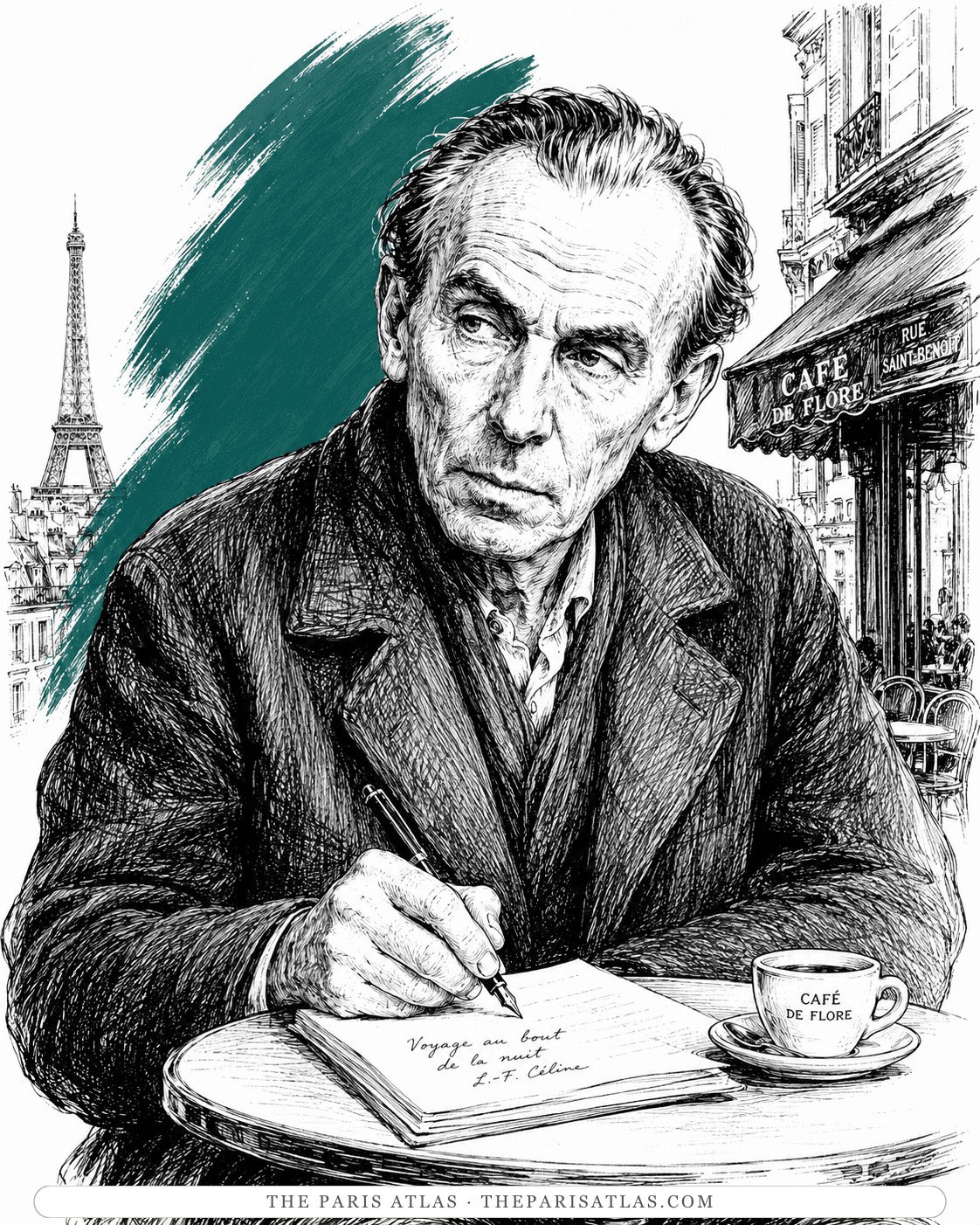
The author was a doctor. Louis Destouches treated the poor of suburban Clichy by day and wrote at night, and in 1932 he delivered a seven-hundred-page manuscript to publishers under his grandmother's first name, Céline. Gallimard hesitated; the smaller house Denoël read it overnight and signed it. The novel follows its narrator, Bardamu, through the war, colonial Africa, Ford's Detroit, and back to a medical practice in the Paris suburbs — roughly the author's own itinerary, rewritten as fiction.[1]
A prize scandal made it famous. The 1932 Prix Goncourt was widely expected to go to Céline; at the last minute the jury gave it to a now-forgotten novel called Les Loups. The Renaudot jury awarded Céline their prize the same afternoon, the press covered the scandal for weeks, and the book sold heavily on the outrage. The more lasting shock was the language: spoken French, slang included, used for serious literature for the first time.[1]
Its influence reaches from Henry Miller and Sartre to Vonnegut and Heller. It remains one of the century's most influential novels about war and disillusionment.[1]
Ferdinand Bardamu, a Paris medical student, enlists in 1914 almost on a dare and discovers within days what the war actually is. Wounded and decorated, he passes through hospitals and a military asylum, and is then shipped out to a French trading post in colonial Africa, where heat, fever, and corruption undo everything around him. Half-delirious, he leaves the continent on a ship bound for America.[1]
In Detroit he works the assembly line at Ford and meets Molly, a prostitute who loves him; he leaves her anyway, returns to France, finishes his medical degree, and sets up practice in Rancy, a poor suburb of Paris, treating patients who cannot pay. Through every stage of the book drifts Léon Robinson, a man always one step further down than Bardamu, who becomes entangled in a scheme against an old woman and is blinded when his own booby trap goes off in his face.[1]
Robinson, blinded for a time by his own device, later kills the old woman in Toulouse with a push down a crypt staircase. He and Bardamu end up at a private asylum outside Paris, where Bardamu has become the director. One night, in a taxi, Robinson's discarded fiancée Madelon demands that he say he loves her; he refuses, and she shoots him dead and flees. The novel ends at dawn on a canal bank, with Bardamu asking that nothing more be said about any of it.
At Ford, the machinery does not stay outside the worker's body. In the passages reproduced by David Labreure, Bardamu describes vibration passing through the building and himself, while factory noise persists in his head into the night. The working day therefore exceeds the hours on the line: its rhythm follows him away from the plant. Comparisons with battle also disturb the apparent escape from war to employment. Detroit changes the setting of his exposure to impersonal force without simply ending it.
Medical care becomes entangled with the price attached to it. In a passage quoted by Labreure, Bardamu complains that being almost free counts against him with patients and their families. The paradox makes generosity difficult to separate from humiliation: a low fee can be read as a judgment on both the doctor and those who need him. His bitter formulation also keeps this from becoming a simple portrait of saintly service. The narrator notices poverty's pressures while remaining preoccupied with the standing it leaves him.
Céline put Barbusse on his short list of admired moderns, and Journey's opening plunge into the war reads as Le Feu's testimony pushed past despair — the trench-novel tradition's direct line.

Published in 1932, mid-drafting of Cancer: the French novel that proved the gutter could talk in print, weeks before the American one at the Villa Seurat finished learning the same lesson.

Discussed in
The essay contrasts Céline's cry of disgust with Miller's acceptance of the world, using the difference to define what Orwell finds distinctive in Tropic of Cancer.
Céline wrote the novel in spoken French — slang, profanity, and all — which serious fiction had not used before. Many later writers, Henry Miller among them, learned from it.
The opening section, Bardamu's war, is one of the most famous accounts of the First World War in fiction.
Céline was a doctor to the poor, and his narrator becomes one. The anger sits on top of real sympathy for the patients Bardamu treats.

Dedicated to
The novel's dedication page carries her name. Craig was Céline's companion through the years he wrote it, in his Montparnasse period.
Céline lived most of it: wounded and decorated in 1914, a posting in Cameroon, a stint at Ford in Detroit, then medicine among the Paris poor. The novel reworks his own itinerary as fiction.
The most famous label in modern literature started as a complaint about a slow car repair. What 'lost' actually meant — and why the writers it named never accepted it.
Summer reading is a matching problem, not a ranking problem. Our seasonal guide pairs the moderns to the July you're actually having.
1932
Louis Destouches, a doctor treating the Paris poor, publishes the novel under his grandmother's first name, Céline. Gallimard hesitates; Denoël signs it overnight.
1932
The Prix Goncourt goes to Les Loups instead; Céline wins the Prix Renaudot the same afternoon, and the scandal drives large sales.
2006
New Directions issues its paperback edition of Ralph Manheim’s English translation.


Written under Journey's direct influence; Miller acknowledged the debt.
Read our take

The era's other stylistic extreme — modernism pushed to its limit in verse as Journey pushed it in prose.
Read our takeLouis-Ferdinand Céline, the pen name of Louis Ferdinand Destouches, a doctor who treated the poor of suburban Paris. It was his first novel, published in 1932.
A man's flight from the First World War. Ferdinand Bardamu enlists in 1914, decides the war is madness, and spends the rest of the book getting away from it — through colonial Africa, industrial America, and finally a medical practice among the Paris poor. A drifter named Robinson crosses his path at every stage.
It brought spoken French — slang included — into serious literature, and it influenced writers from Henry Miller to Kurt Vonnegut. Miller read it in manuscript while writing Tropic of Cancer.
Largely. It draws on his war service, his time in Africa, a stay in America, and his medical practice among the poor, reworked into fiction.
It lost the 1932 Prix Goncourt in a decision that caused a scandal, and won the Prix Renaudot the same afternoon.
Explore authors with a similar voice, perspective, and influence.
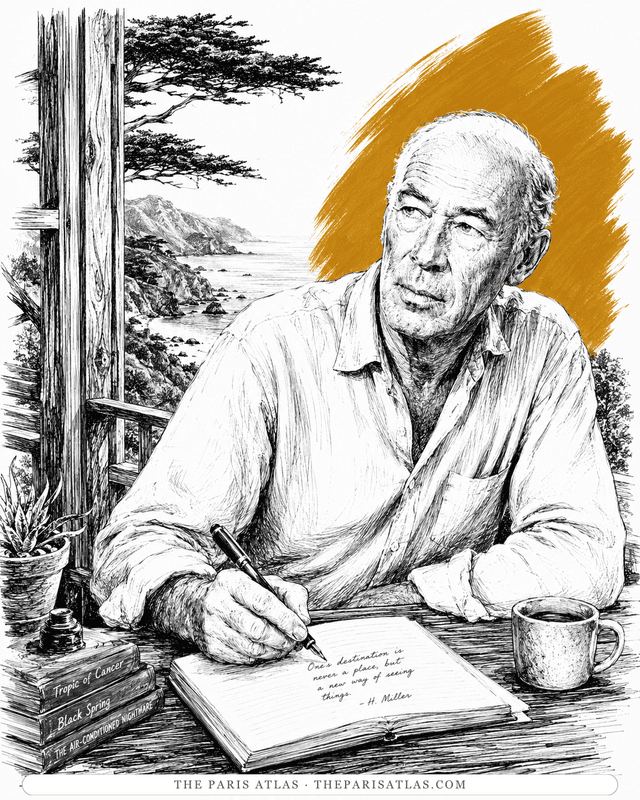
Miller read Journey in manuscript while writing Tropic of Cancer and never recovered — the two books are the era's twin gutter-testaments.
View author
The other French modernist Céline could not look away from: a war-wounded amputee whose spoken prose ran ahead of grammar and whose Moravagine anticipates Bardamu's tour of the century's slaughterhouses.
View author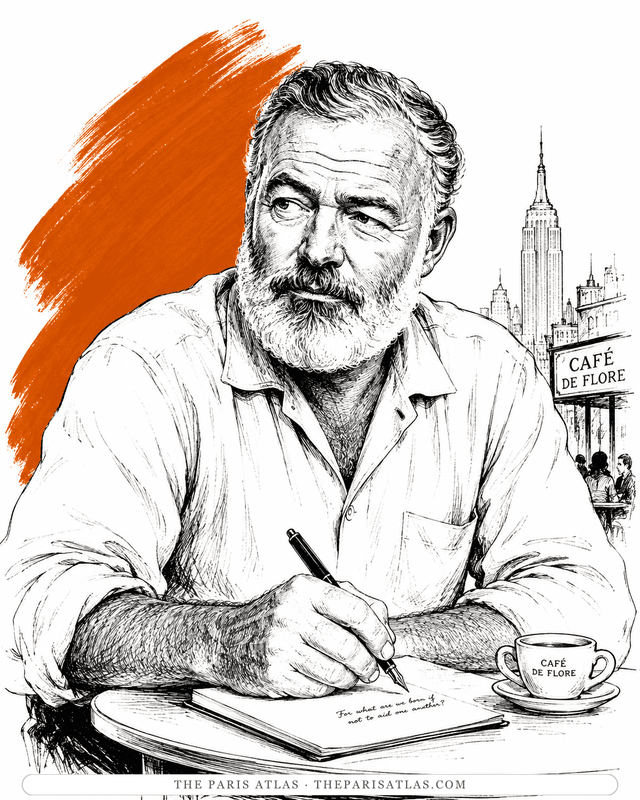
The same war, the same refusal of the big words — delivered in whispers where Céline delivers it in screams. Both writers died in the same week of July 1961.
View author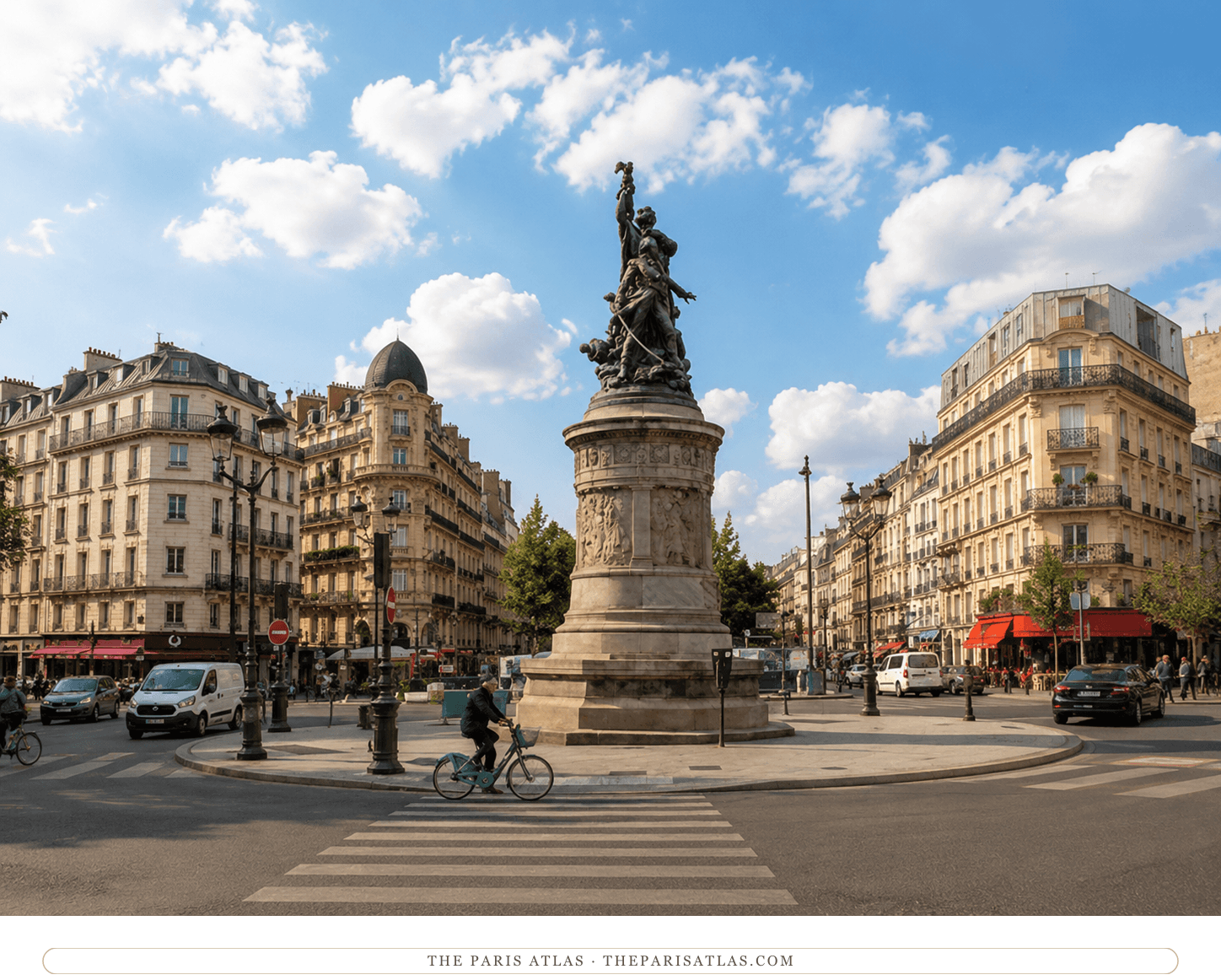
In the story
The famous opening: Bardamu at a café table on the place, a recruitment parade rounding the square, and one impulsive minute that launches the whole descent — war, Africa, America, and the night at the end.
Visit the place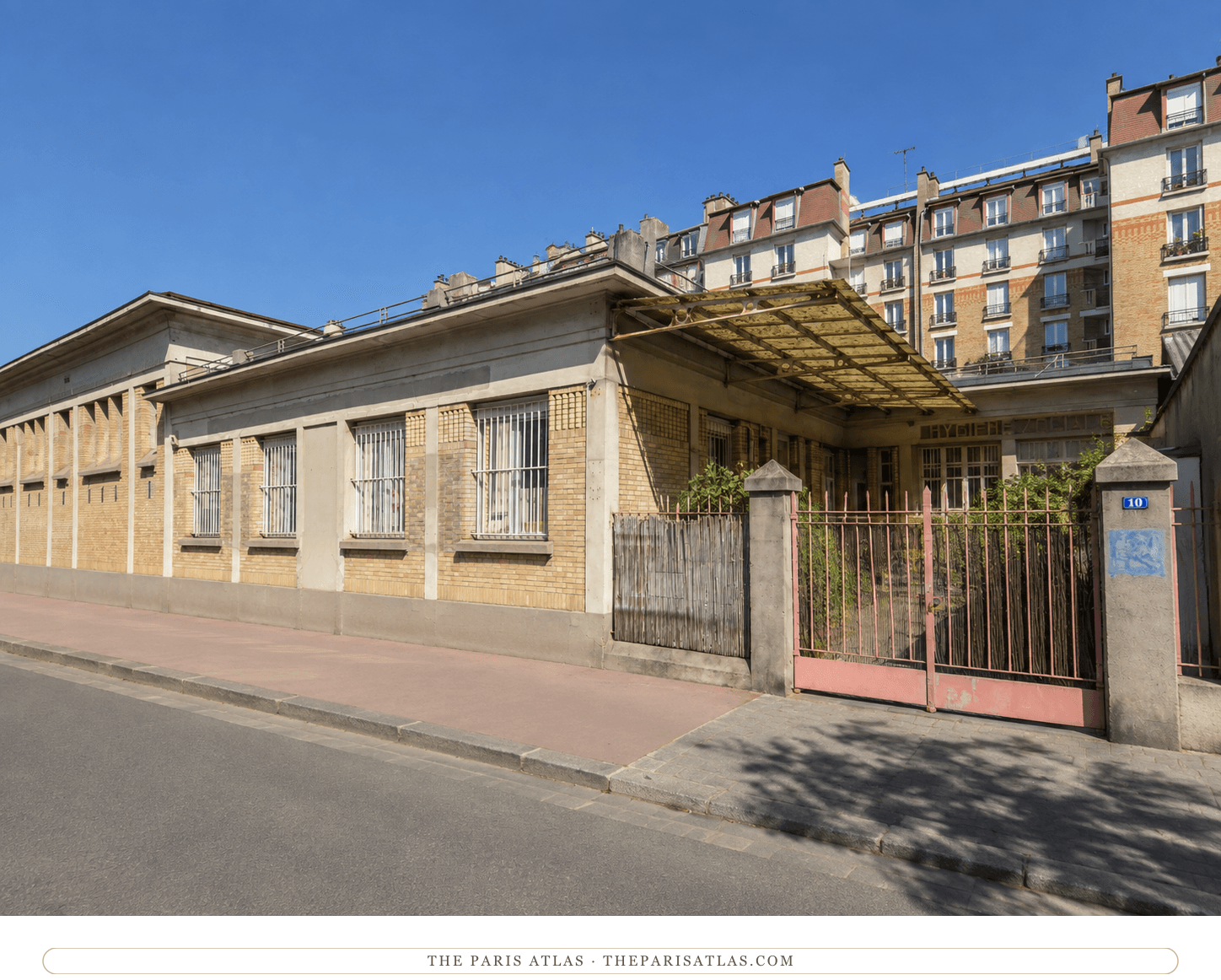
Depicted
The novel turns Céline's municipal medicine in Clichy into Bardamu's practice in fictional La Garenne-Rancy; the real dispensary is transposed rather than named.
Visit the place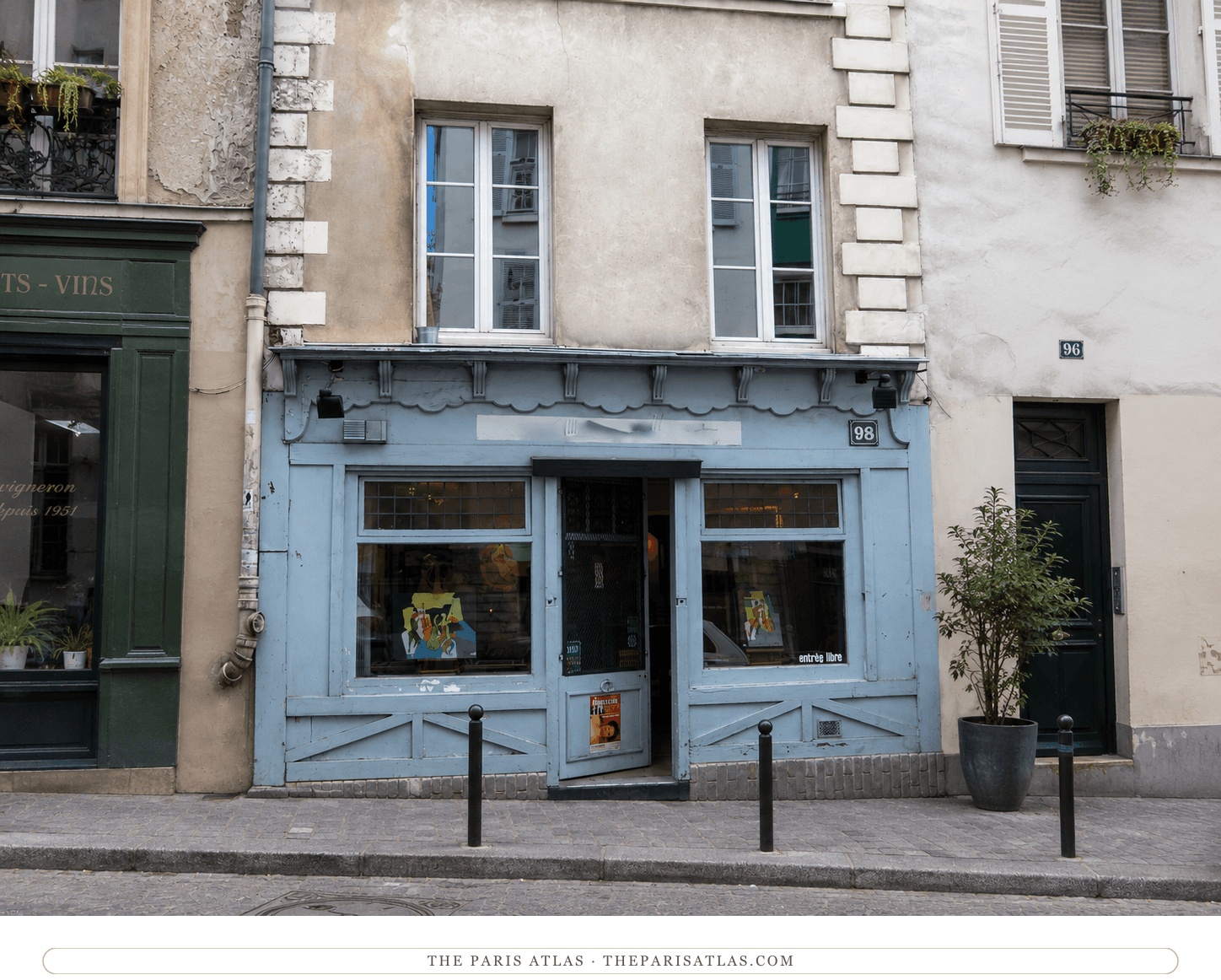
Written here
Céline wrote his first novel at night in the Montmartre flat he kept while practicing medicine at the municipal dispensary in Clichy.
Visit the placeThe sources below include the primary text, editions, scholarship, archival materials, and other records that informed this page. They document Journey to the End of the Night, its publication, and its place in literary history.

Readings of selected French novel passages quoted in Labreure's study; no full-edition, biographical or medical verification is claimed.
Contemporary reporting or criticism used to document the historical reception and context of Journey to the End of the Night.

Biographical evidence used to verify chronology, relationships, and historical context connected to Journey to the End of the Night.
Biographical evidence used to verify chronology, relationships, and historical context connected to Journey to the End of the Night.
Used to verify Louis-Ferdinand Céline's bibliography and place Journey to the End of the Night within the broader chronology of Louis-Ferdinand Céline's career.
The primary text is the baseline reference for every book page. Additional references document publication history, interpretation, and historical context where that evidence is available.
 Explore more resources


