The Paris AtlasCharting the artists, works, and places worth returning to.

Square · Clichy — Montmartre's edge · 9e arrondissement

Place de Clichy

The buildingStill standing
Getting inWalk straight in
What's there nowStill the same

The crossroads where four arrondissements collide — and where Louis-Ferdinand Céline opens Journey to the End of the Night at a café table, with a recruitment parade passing and his narrator Bardamu jumping up to join the war.

Address
Pl. de Clichy, 75009 Paris
Years
1860s–present
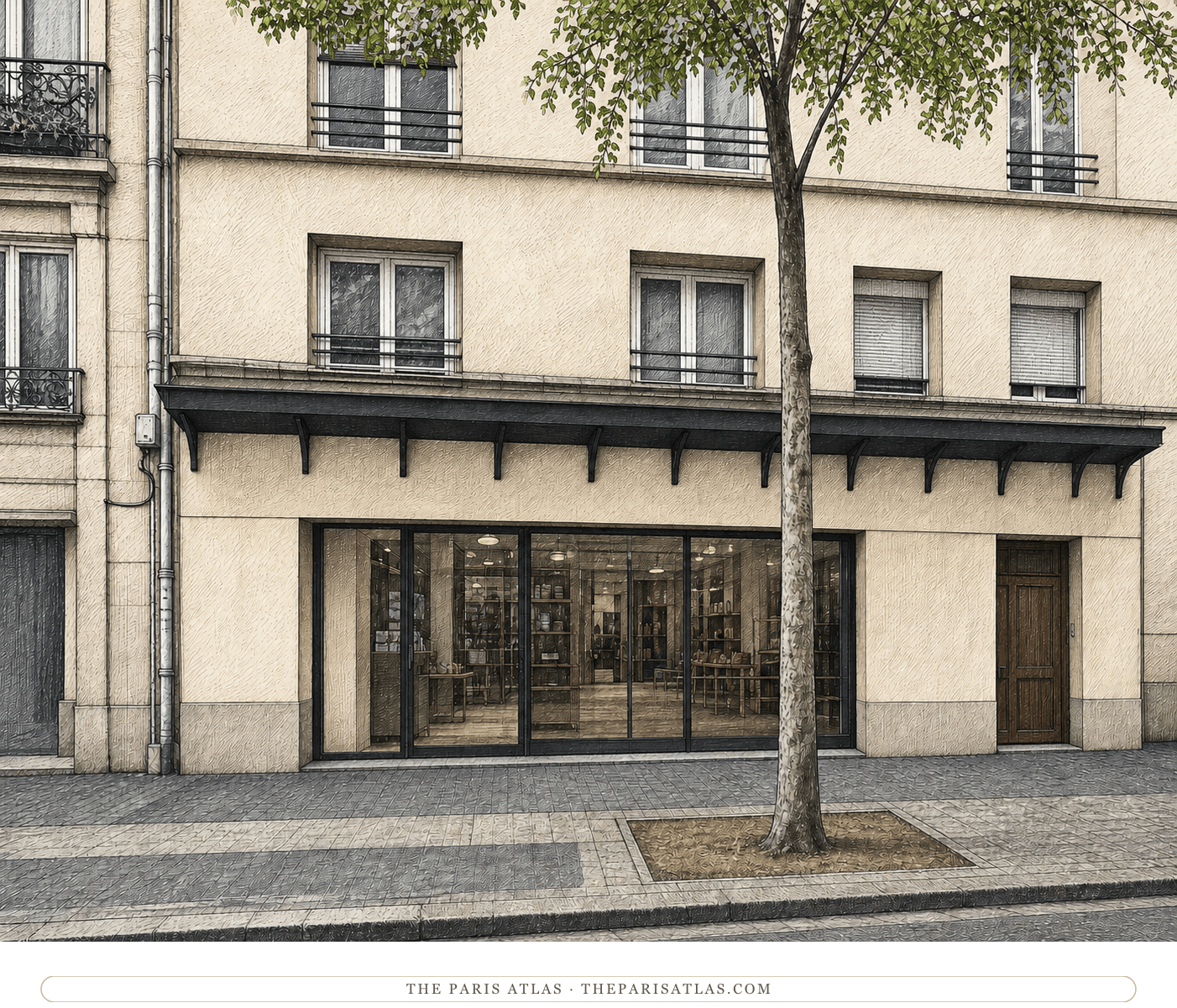
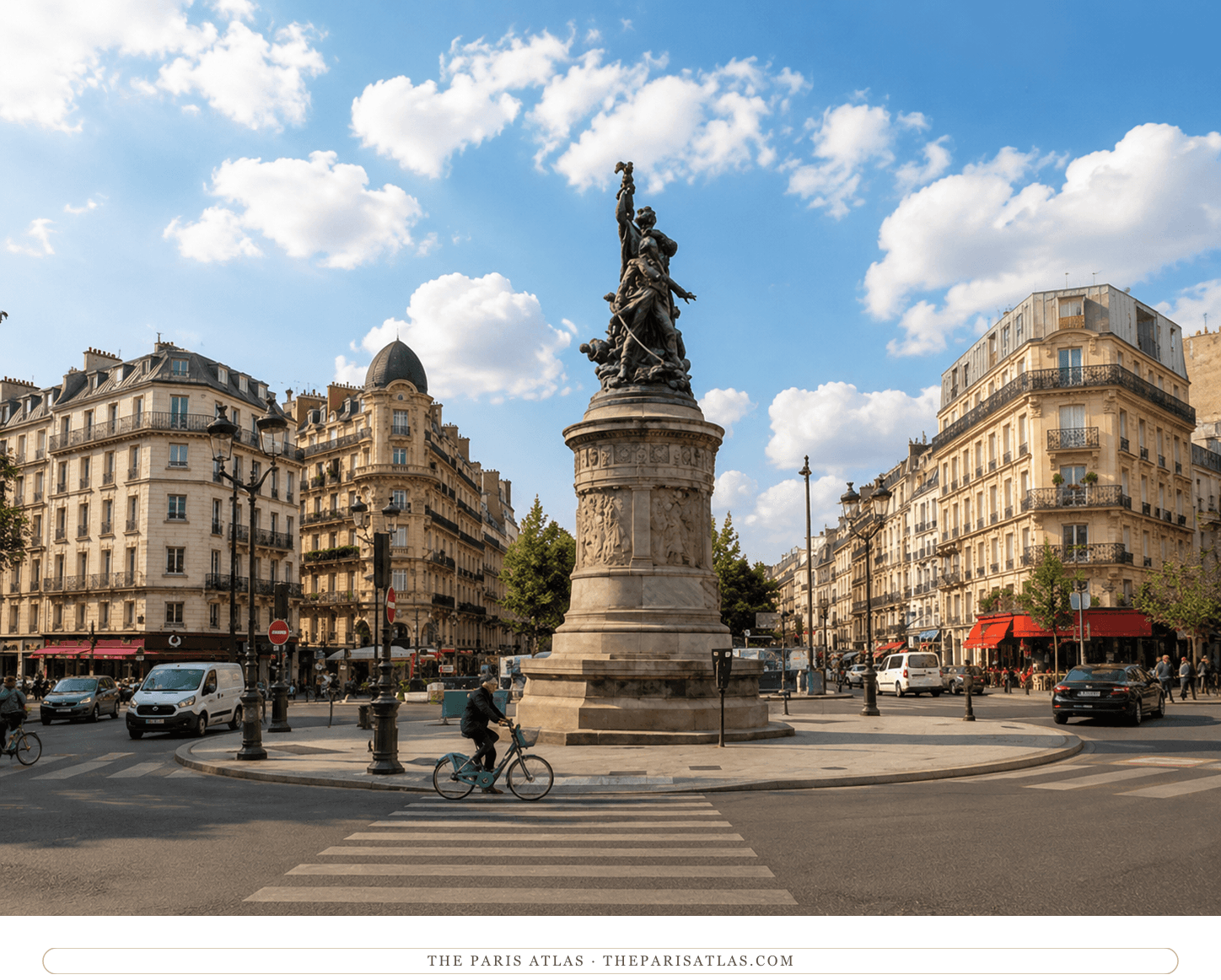
IllustrationThe Place de Clichy in color — the monument, the corners, the traffic circling

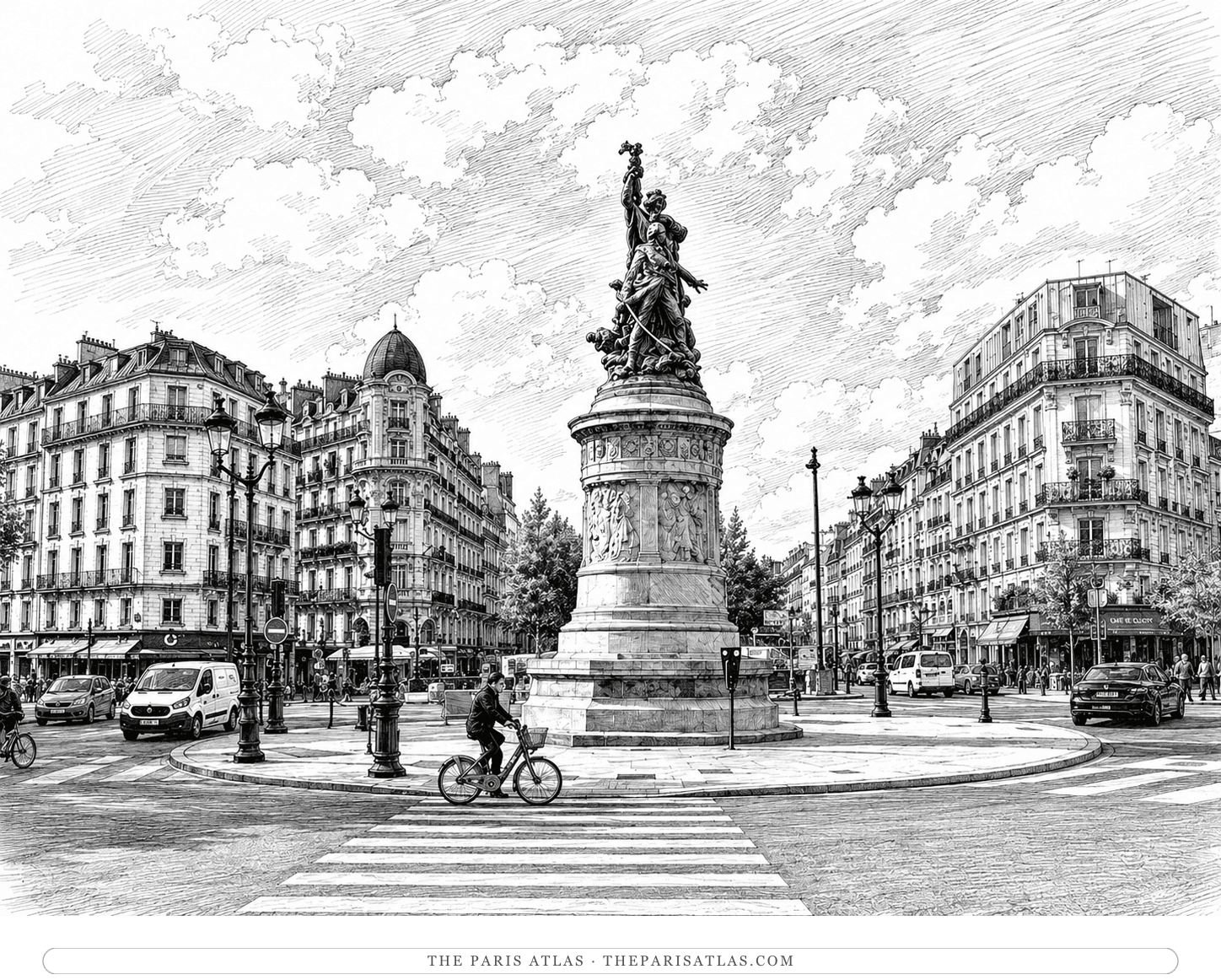
The square today, traffic circling the monument as ever.

Editorial illustration

The place, briefly

The square grew from a tollgate: the old Barrière de Clichy in the customs wall, where in 1814 Marshal Moncey improvised the defense of Paris against the allied armies — the fight commemorated by the bronze monument that has anchored the crossing since 1869. When the wall came down the square knitted four arrondissements together at a single carrefour, and the neighborhood filled with the entertainment trades: cafés, music halls, cinemas, the working pleasures of Montmartre's downhill edge.

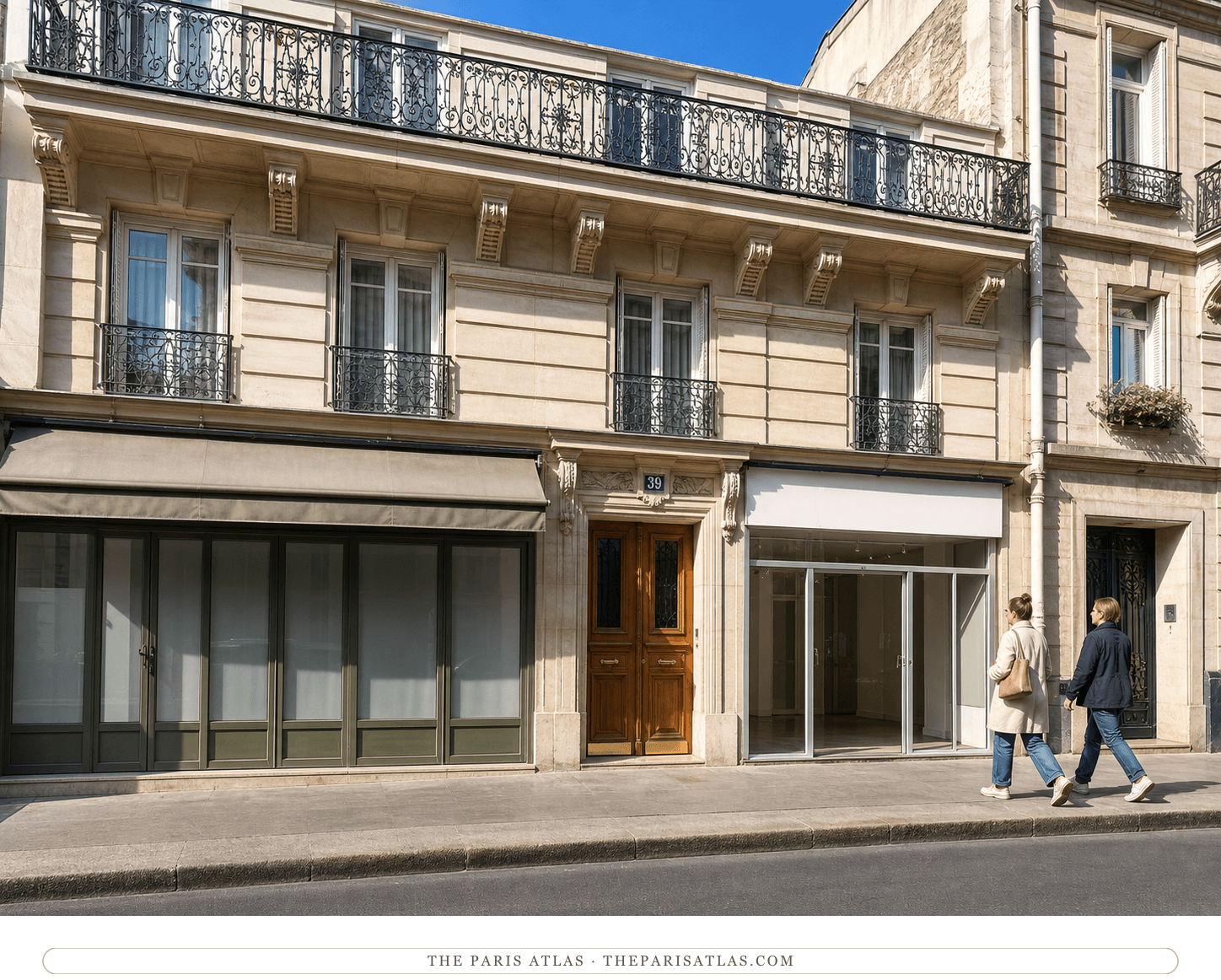
The Place de Clichy was the landmark for Langston Hughes's first real Paris room. In April 1924 he moved into an attic at 15 rue Nollet nearby: sloping roof, old furniture, a feather bed and a window over the chimney pots. Before Hughes moved on, Alain Locke found him there and invited him to lunch at an unnamed sidewalk restaurant near the square to discuss poems for the special Survey Graphic issue that became The New Negro. Neither The Big Sea nor Hughes's account identifies that restaurant, so it should not be attached to one of today's terraces.

Céline opens Journey to the End of the Night here, in the novel's most famous scene-setting: Ferdinand Bardamu and his friend idling at a café table on the place, talking large about patriotism and the times — until a military band and recruitment parade swing around the square, and Bardamu, carried away by exactly the rhetoric he was mocking, jumps up and follows it to enlist. The whole novel — the war, Africa, America, the slums — falls out of that one impulsive minute at the crossing. No opening in French fiction gets more mileage out of a café chair.

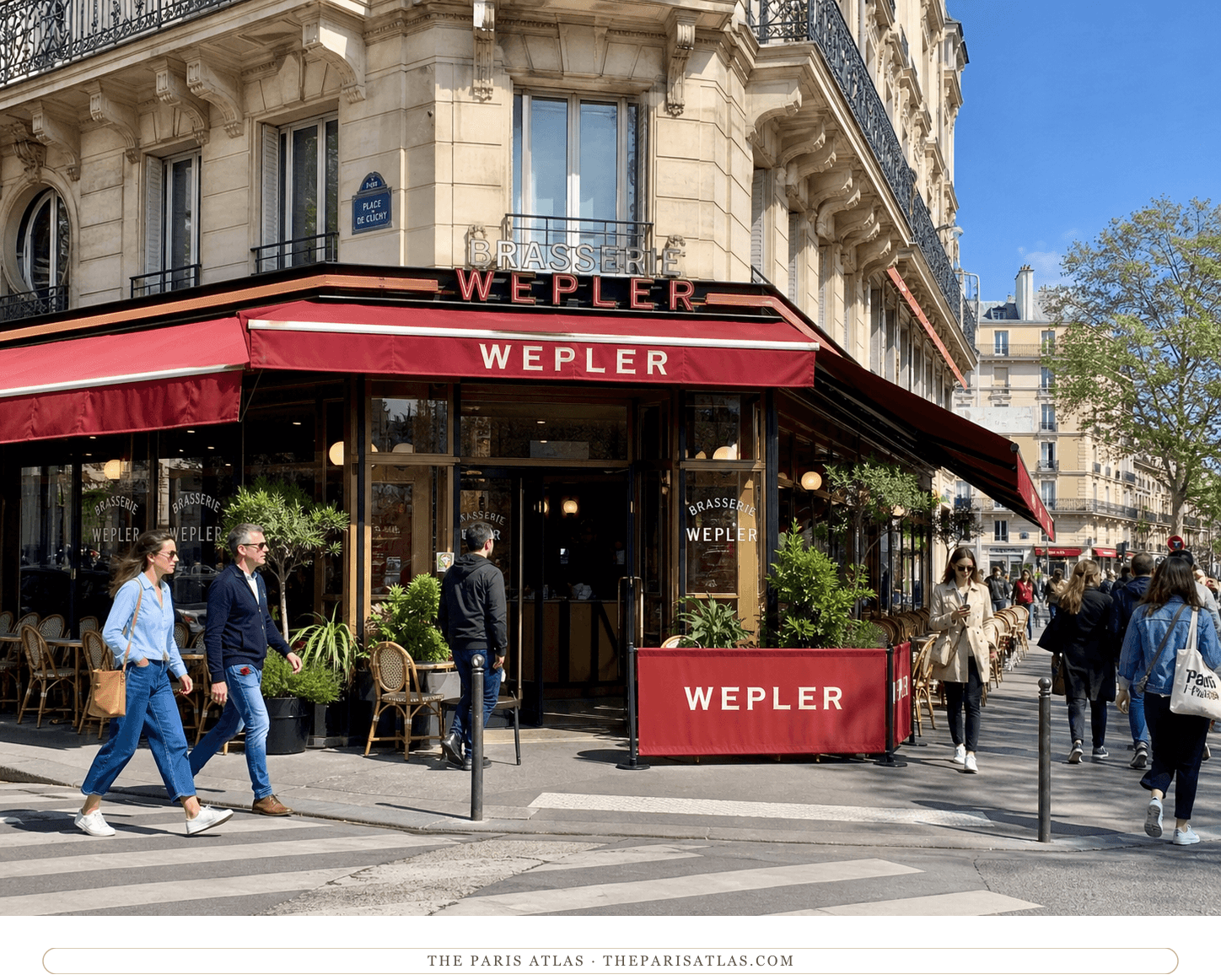
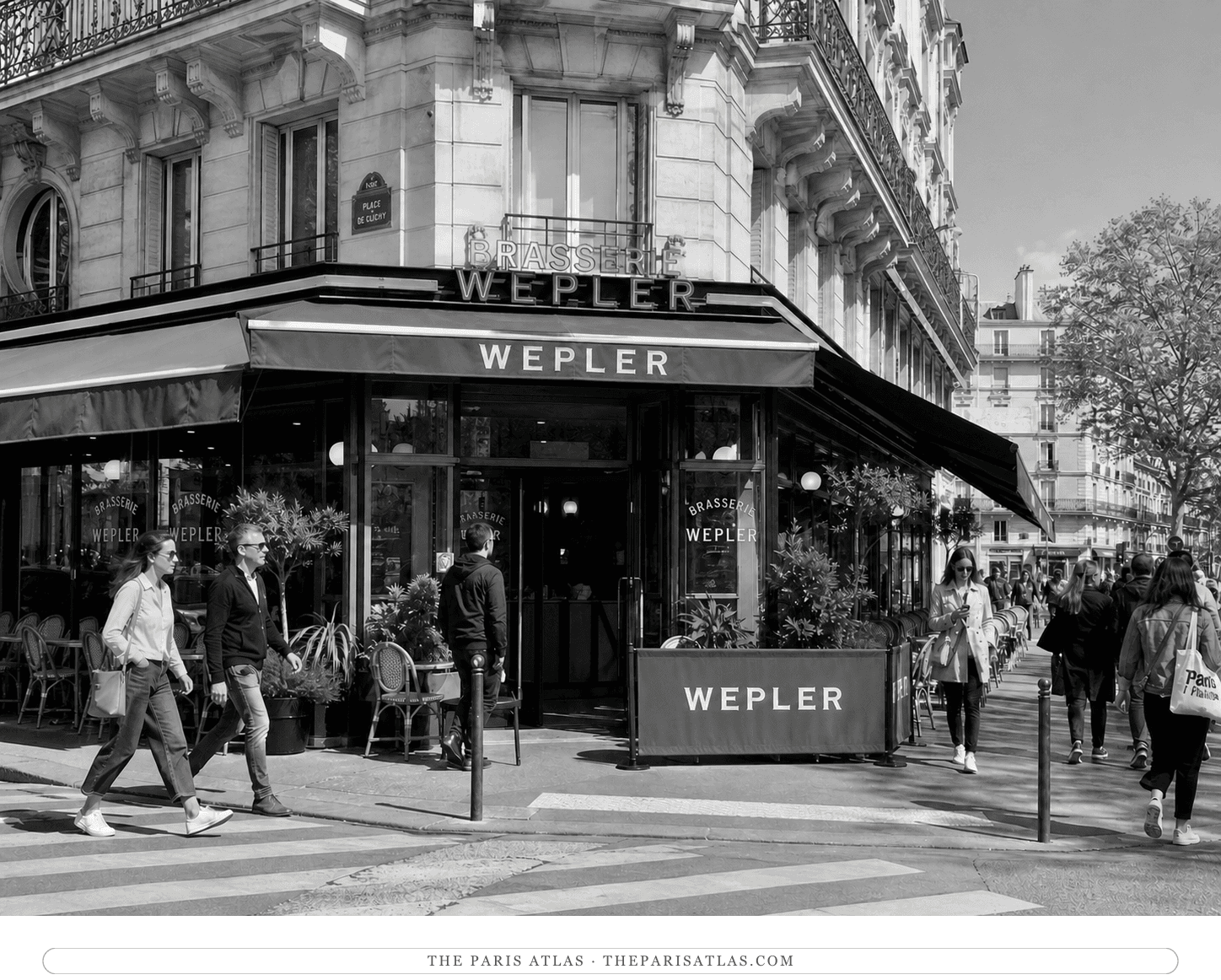
The square never gentrified into a monument of itself: it remains what it was, a working crossroads — brasseries and cinemas around the circling traffic, the Wepler still pouring on the north side, Moncey still defending his barrier in bronze. Sit at a terrace long enough and you can watch the novel's opening re-arm itself daily, minus the band.
Key facts

The crossing
Four arrondissements — 8e, 9e, 17e, 18e — meet at the square
1814
Marshal Moncey's defense of the Clichy barrier — the monument at the center remembers it
In Céline's first novel
The café table where Journey to the End of the Night begins — its narrator Bardamu enlists on impulse as the parade passes
Langston Hughes
Lived nearby at 15 rue Nollet in 1924 and lunched with Alain Locke at an unnamed restaurant near the square
The neighborhood
Music halls, cinemas, brasseries — Montmartre's working edge
Today
Still a crossroads, not a shrine — terraces around the circling traffic
The Moncey monument at the center of the crossing where four arrondissements meet — and where the Journey begins.Editorial illustration
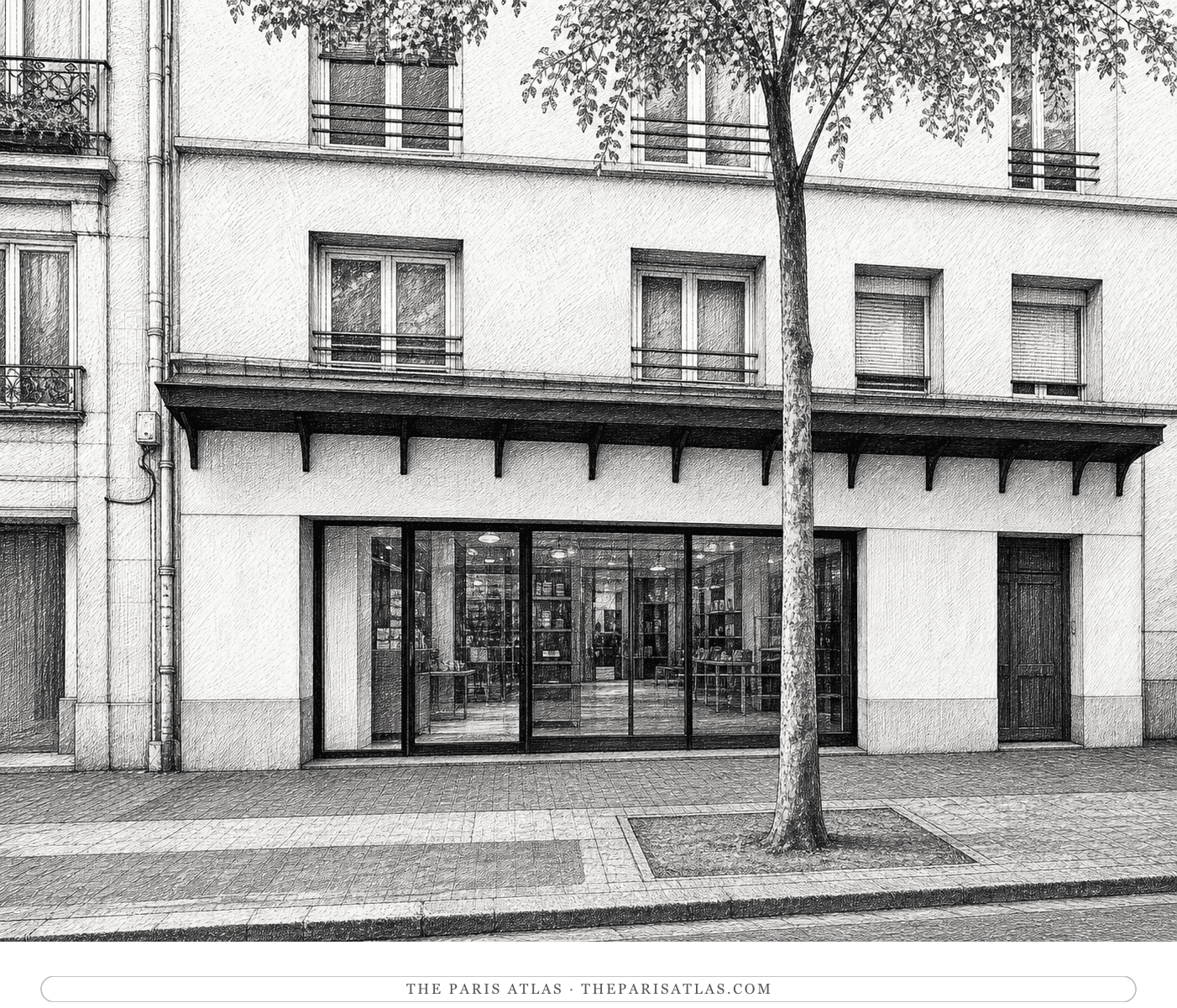
The square today, traffic circling the monument as ever.Editorial illustration

Timeline

  1. 1814

    Moncey holds the Clichy barrier against the allies — the square's founding legend.

  2. 1869

    The bronze monument to the defense rises at the center of the crossing.

  3. 1900s

    The entertainment decades: cafés, music halls, and cinemas ring the square.

  4. 1924

    Langston Hughes lives nearby at 15 rue Nollet and lunches near the square with Alain Locke.

  5. 1932

    Céline opens Journey to the End of the Night at a terrace here — one parade, one impulse, and Bardamu is off to the war.

  6. Today

    Brasseries, cinemas, and traffic circling Moncey — the working crossroads it always was.

On the map

Related books

Cover of Journey to the End of the Night by Louis-Ferdinand Céline

Setting of the story

Journey to the End of the Night

Louis-Ferdinand Céline · 1932

The famous opening: Bardamu at a café table on the place, a recruitment parade rounding the square, and one impulsive minute that launches the whole descent — war, Africa, America, and the night at the end.

Cover of The Big Sea by Langston Hughes

Recalled in the memoir

The Big Sea

Langston Hughes · 1940

Hughes recalls his attic lodging at 15 rue Nollet near the square and an unnamed nearby restaurant where he lunched with Alain Locke.

Writers who knew this place

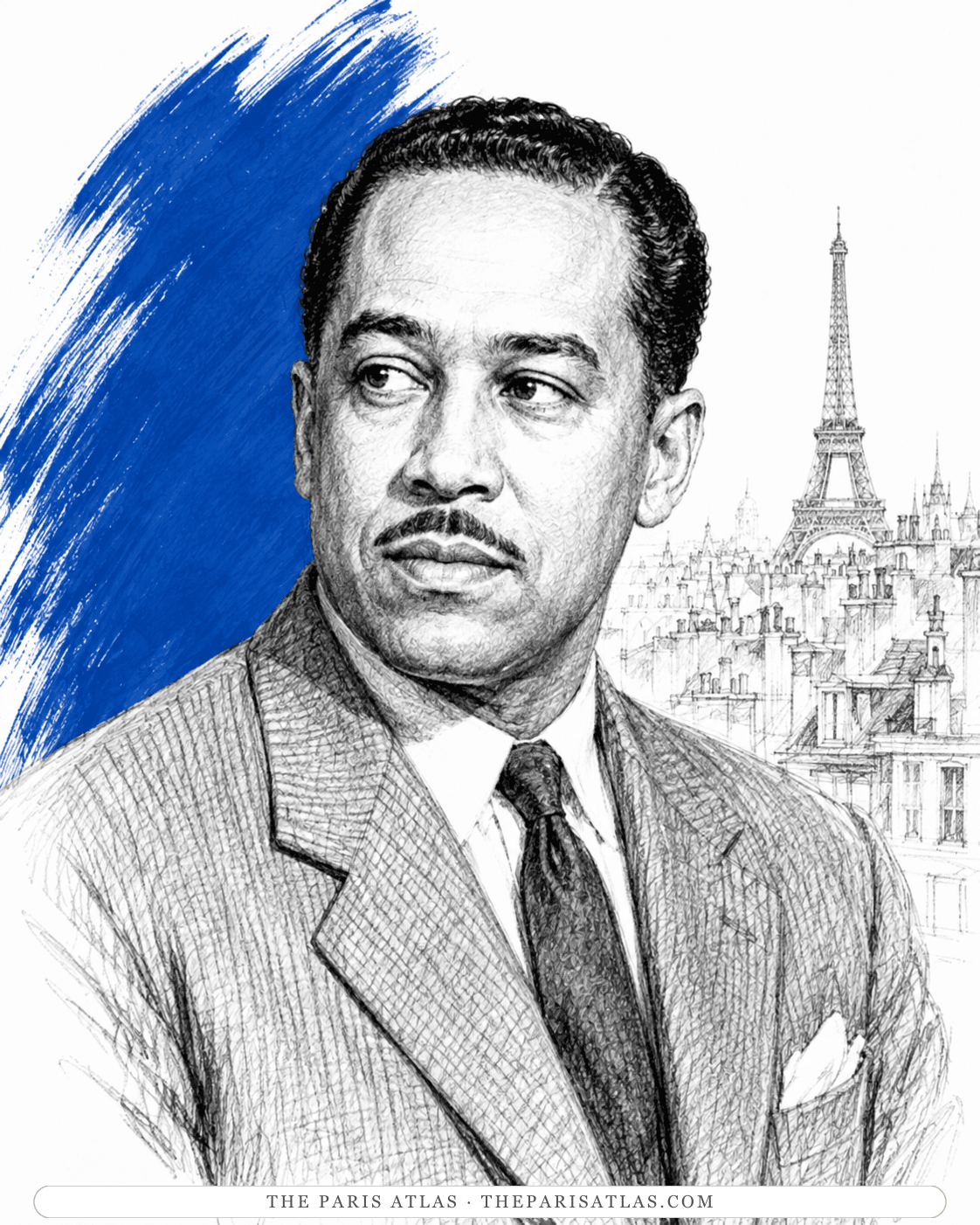
Illustrated portrait of Langston Hughes

Langston Hughes

American · American poet at the center of the Harlem Renaissance. He spent most of 1924 in Montmartre, washing dishes at the Grand Duc nightclub, and told the story in his memoir The Big Sea.

Visited by

Hughes lived nearby at 15 rue Nollet and lunched with Alain Locke at an unnamed restaurant near the square.

Langston Hughes, The Big Sea (1940)

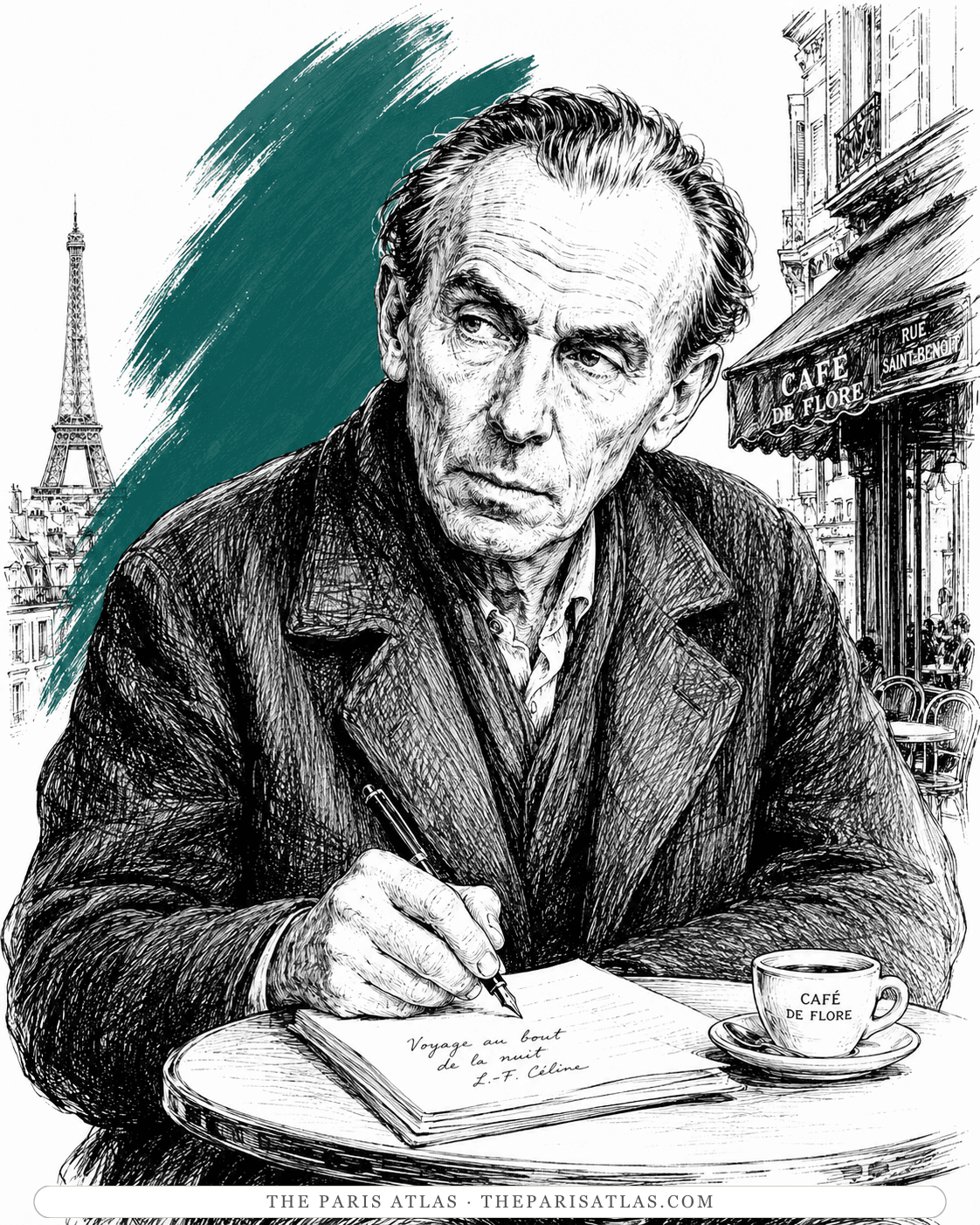
Illustrated portrait of Louis-Ferdinand Céline

Louis-Ferdinand Céline

French · The doctor of the Paris slums who wrote the century's blackest, funniest novel — and changed the sound of French prose.

Louis-Ferdinand Céline wrote about Place de Clichy in Journey to the End of the Night.

Within walking distance

The Friday Letter

Paris, one address at a time.

The cafés, studios, and walk-up flats where the work was made — one story from the map in every letter.

One email a week. No spam, no selling your address. Unsubscribe anytime.