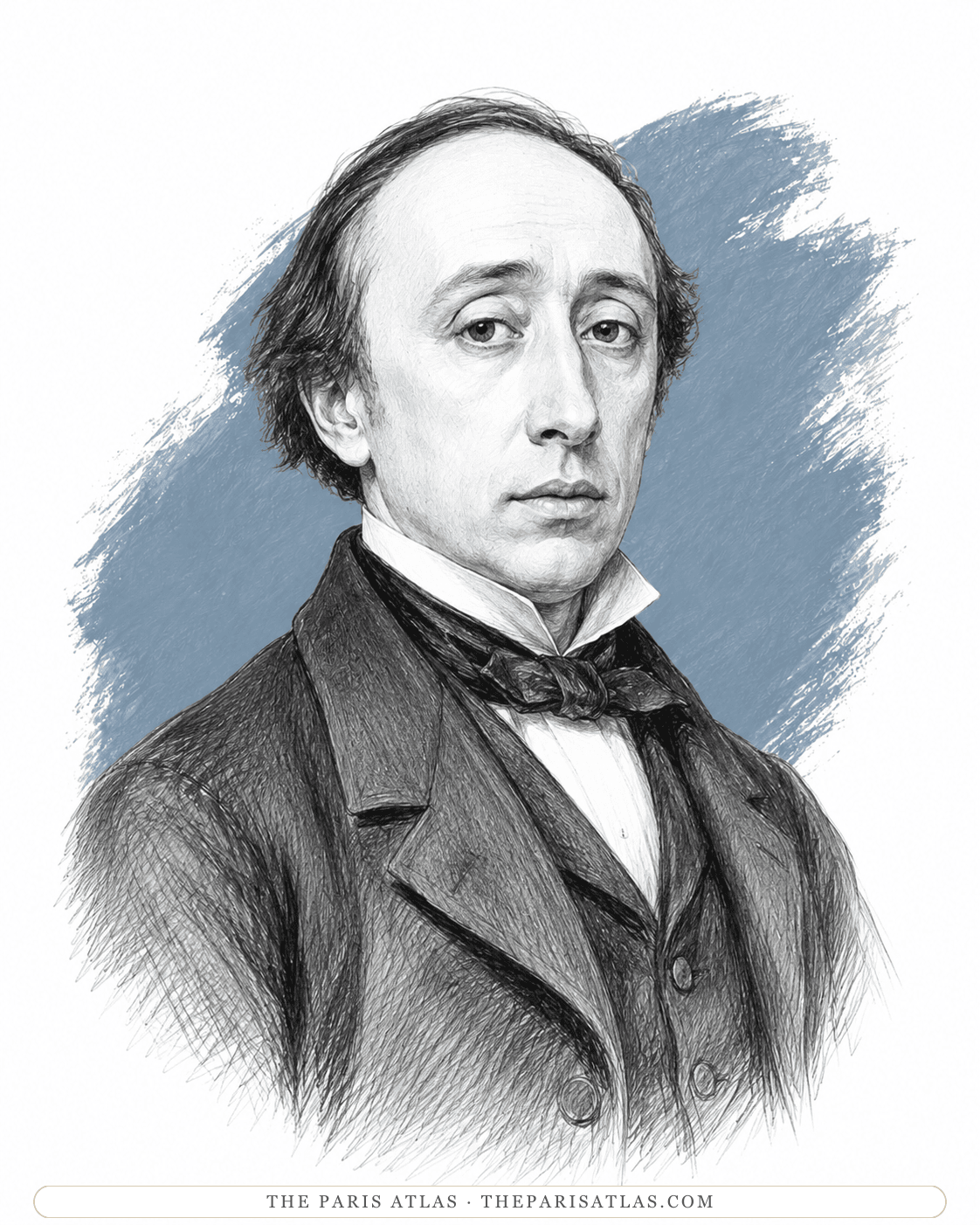
Edgar Degas
Degas joined Manet and the other painters of the Batignolles circle at the Cafe Guerbois through the 1860s.
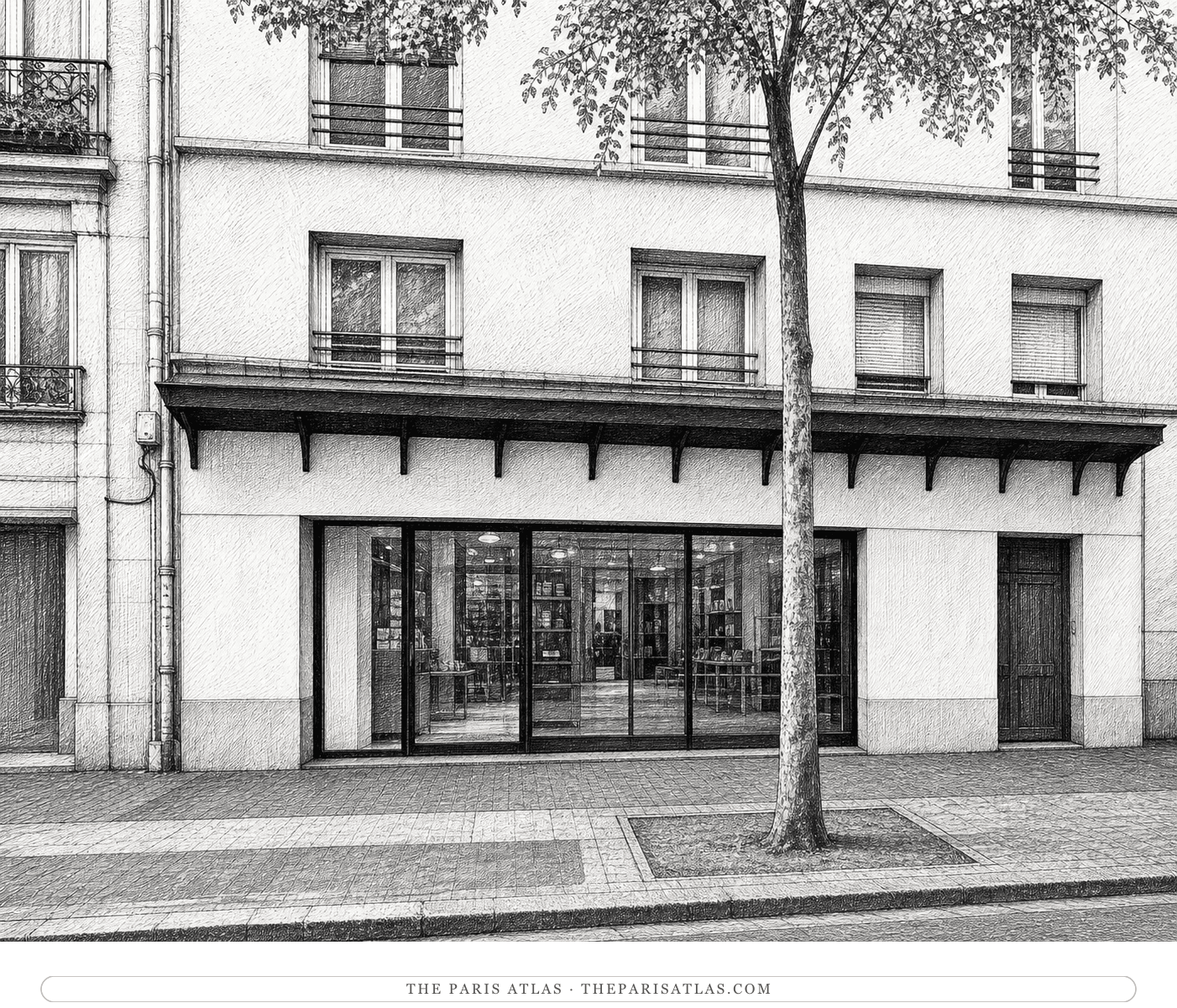
The Batignolles café where Édouard Manet held court through the 1860s and the painters who would become the Impressionists argued out what they were doing. Its address has since been renamed and renumbered, and nothing of it survives.
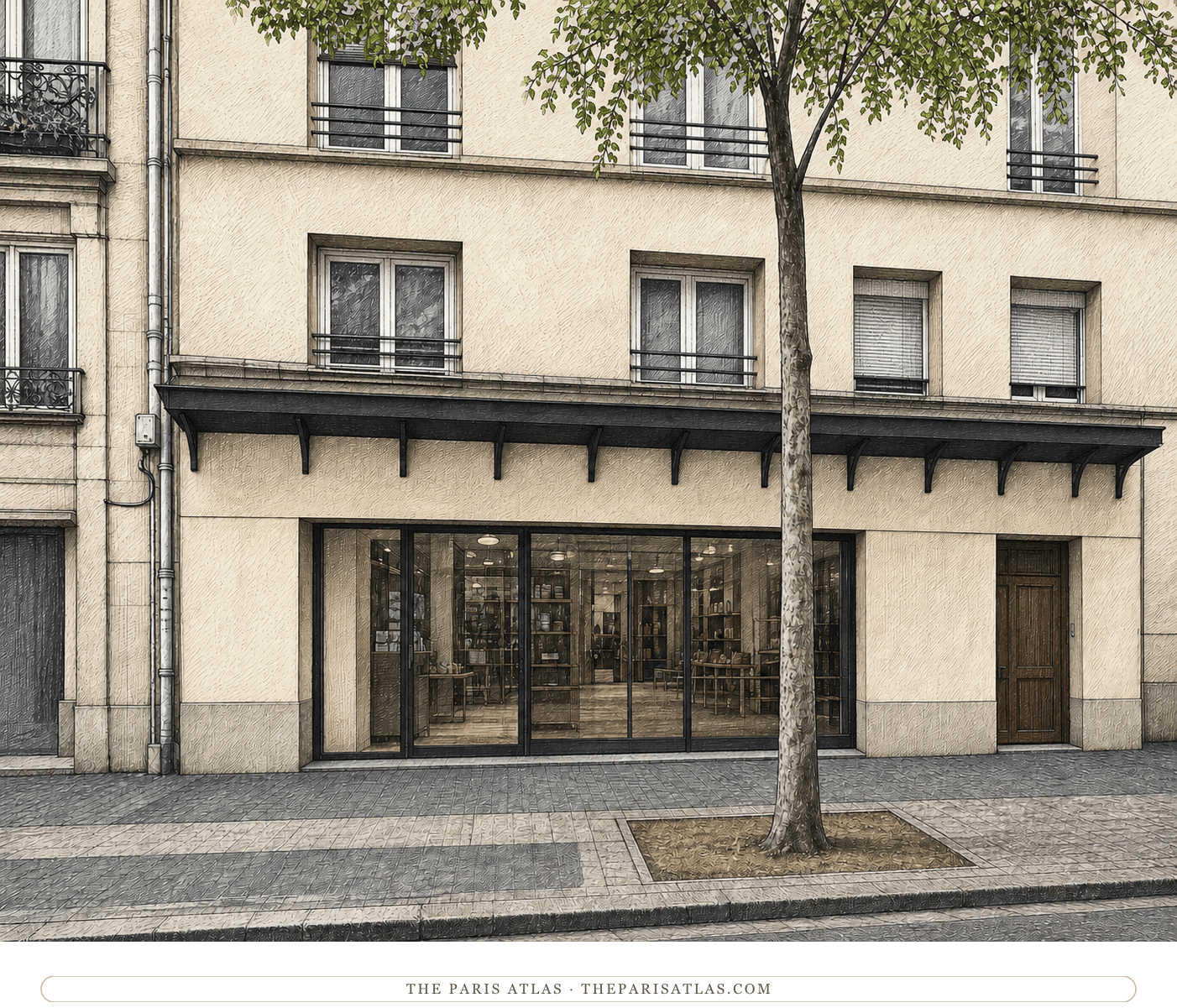
Through the 1860s the Café Guerbois was where the argument happened. Édouard Manet was the centre of it — older than most of the others, already notorious from the Salon scandals, and the person the group organised itself around. On Thursday evenings in particular, the tables filled with painters, writers and critics.
Edgar Degas was among them, and the pairing is worth noticing: two painters from comfortable backgrounds, both formidably rude, both committed to modern subjects and both suspicious of painting landscapes outdoors, in a room full of younger men who were about to go and do exactly that.
What the Guerbois provided was not a manifesto but a habit of talking — a place where ideas that would otherwise have stayed private got tested out loud, in front of people who would say if they thought they were nonsense. The generation that came out of these evenings mounted their first independent exhibition in 1874.
The café is long gone, and the address is genuinely uncertain. Its historic number was 11 Grande-Rue des Batignolles; that street later became the avenue de Clichy and was renumbered in the process. The commonly cited modern equivalent is an approximation, and this record treats it as one.
The café is the regular gathering place of the circle around Manet.
The painters of this circle mount their first independent exhibition.
At 11 Grande-Rue des Batignolles, in what is now the 17th arrondissement. The street became the avenue de Clichy and was renumbered, so the modern address given for the site is an approximation.
No. It closed long ago and nothing of it survives.
The circle around Édouard Manet through the 1860s — Degas among them, along with the younger painters who would go on to mount the first Impressionist exhibition in 1874.
Degas joined Manet and the other painters of the Batignolles circle at the Cafe Guerbois through the 1860s.
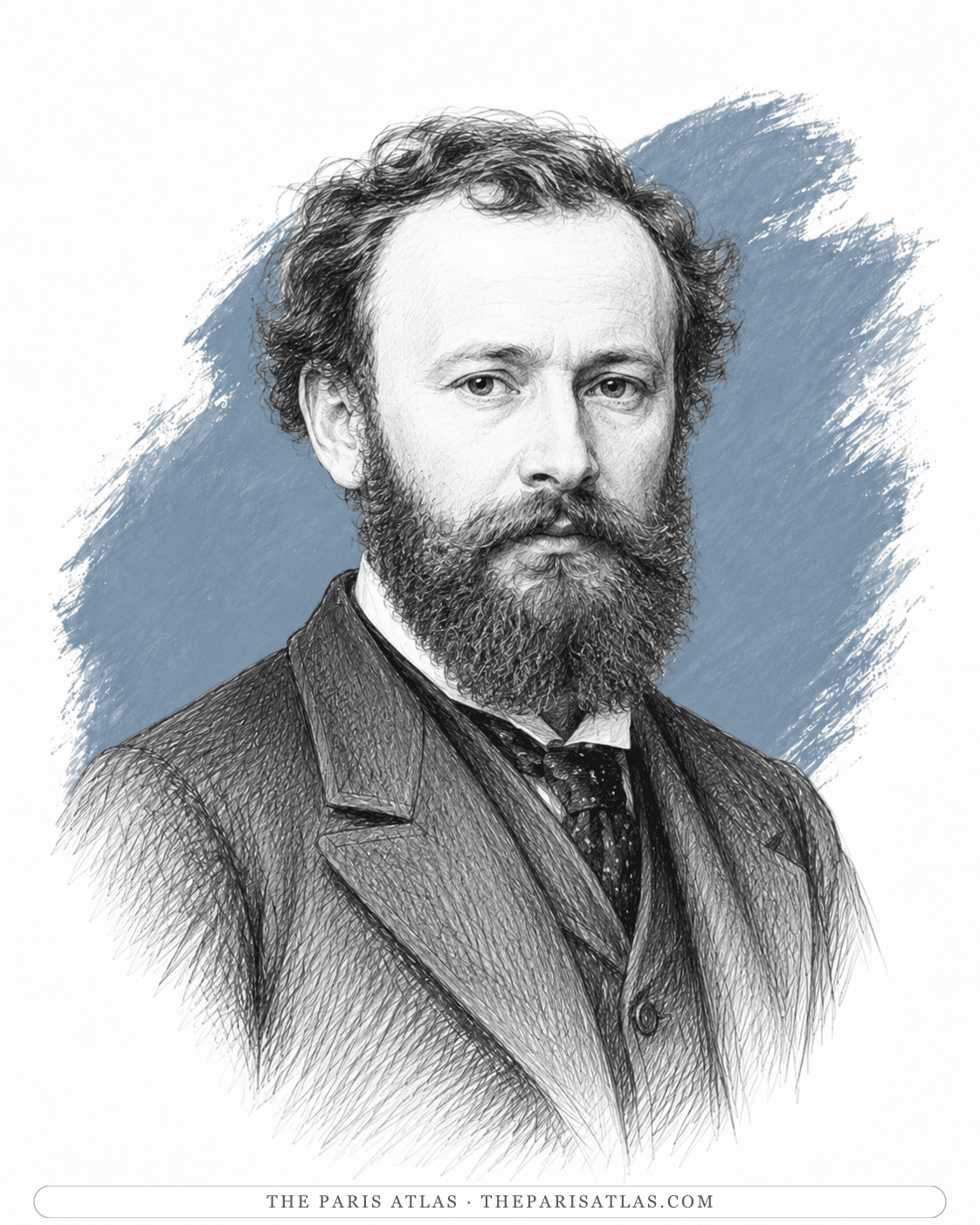
The Cafe Guerbois was the principal gathering place of the circle centred on Manet through the 1860s.
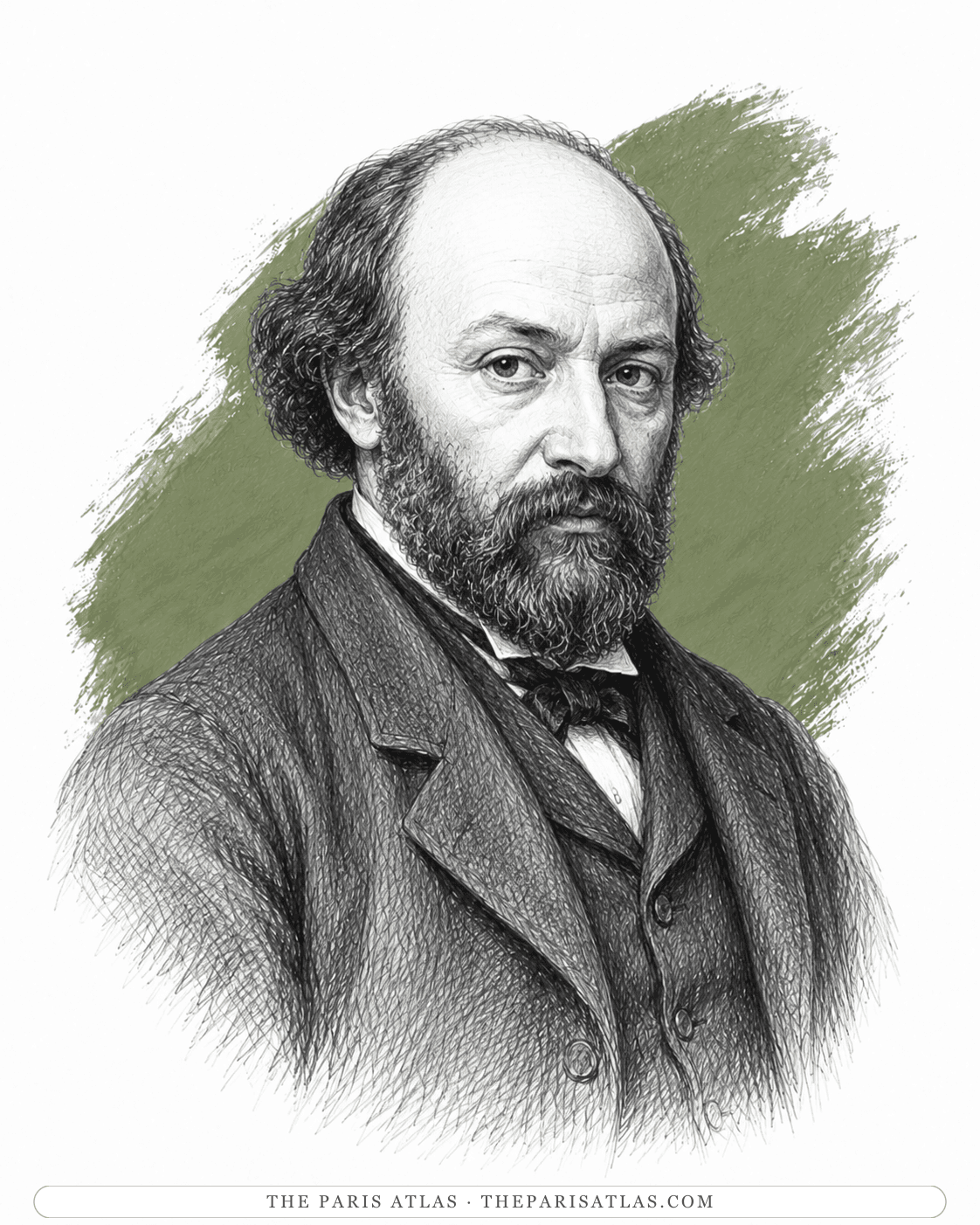
Cezanne attended the Cafe Guerbois gatherings around Manet in the 1860s, though he was awkward in the company and made a point of it.
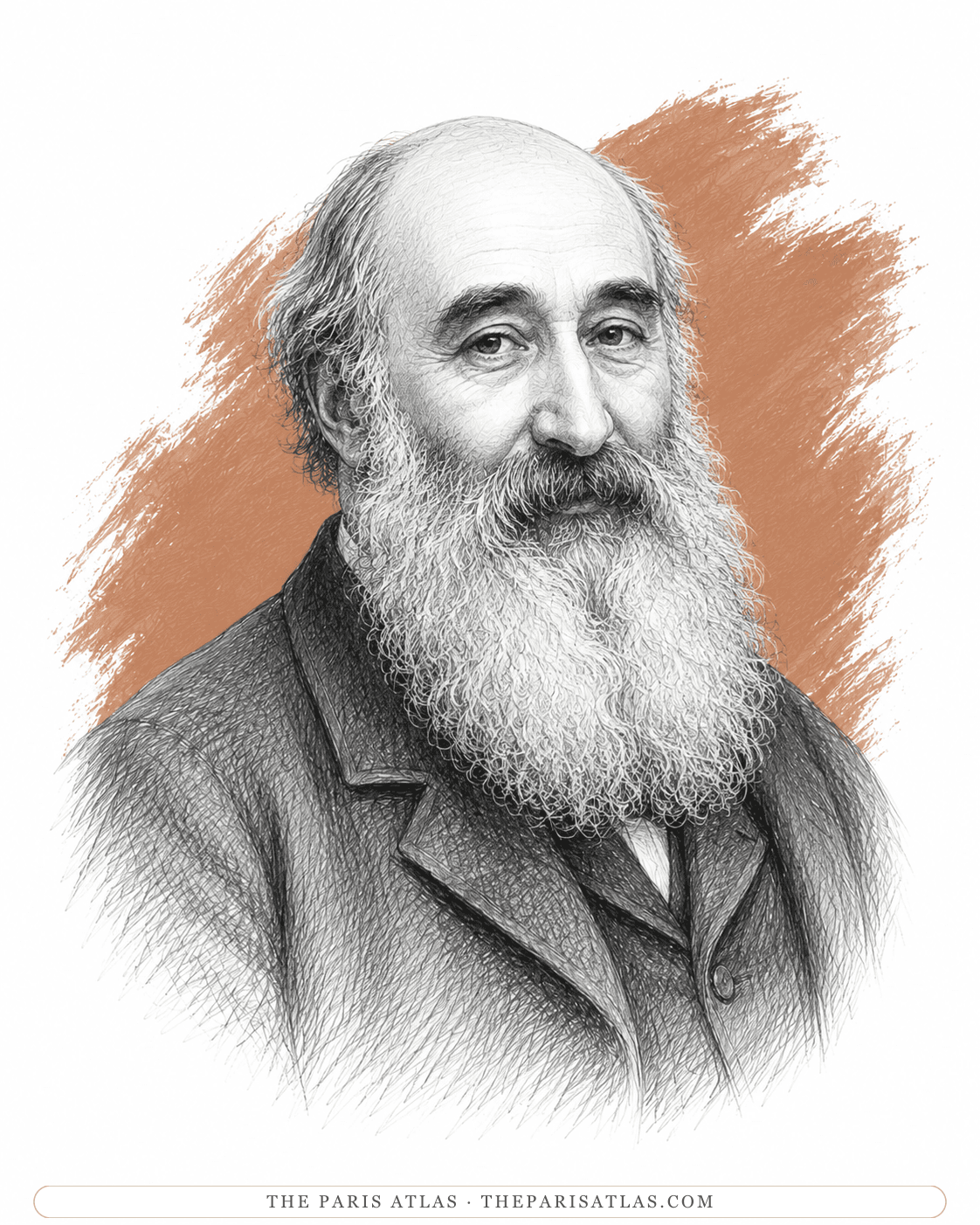
Pissarro joined the circle around Manet at the Cafe Guerbois during the 1860s, though he attended less constantly than Manet or Fantin-Latour. The cafe's modern street number is a reconstruction and should be read as approximate.
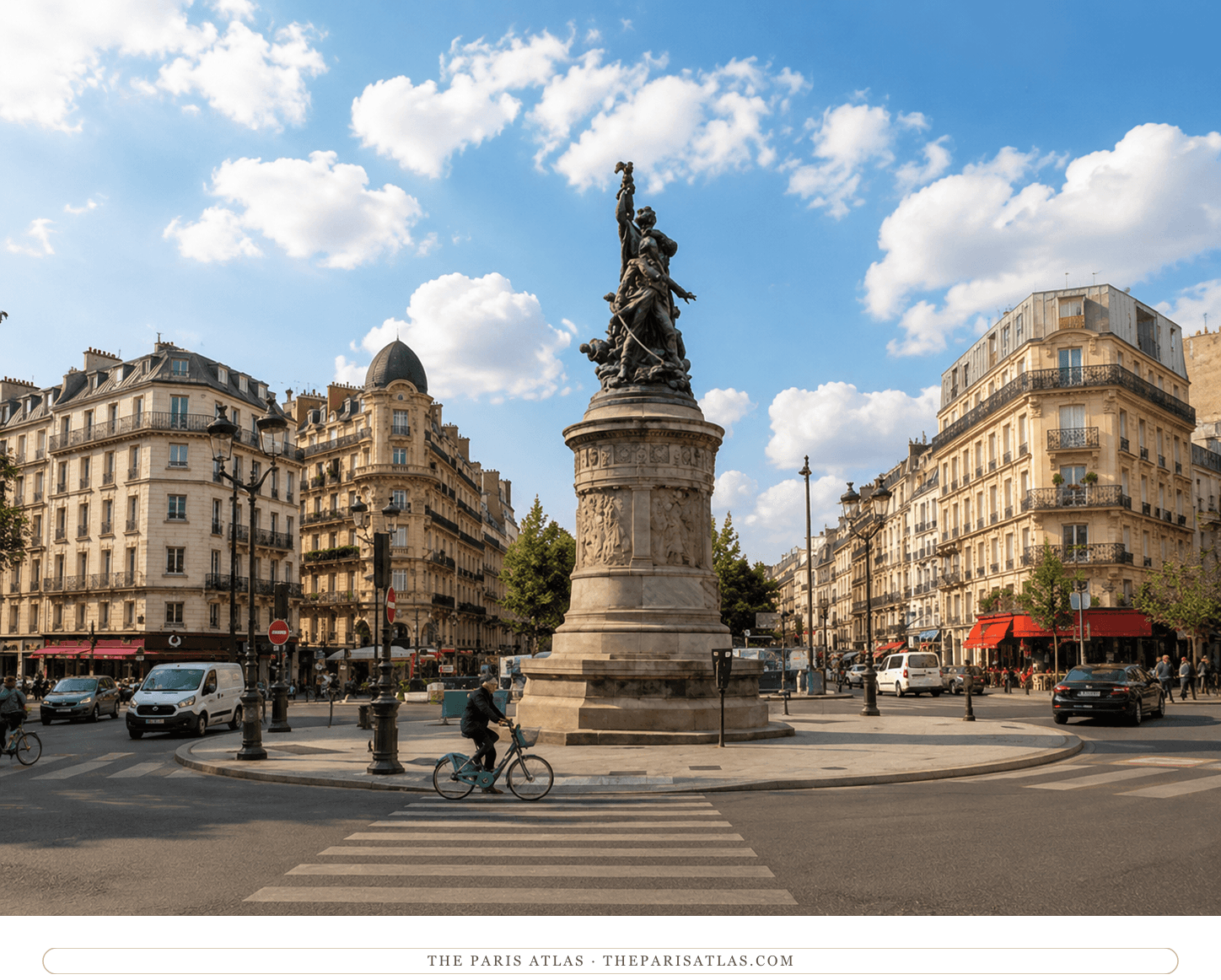
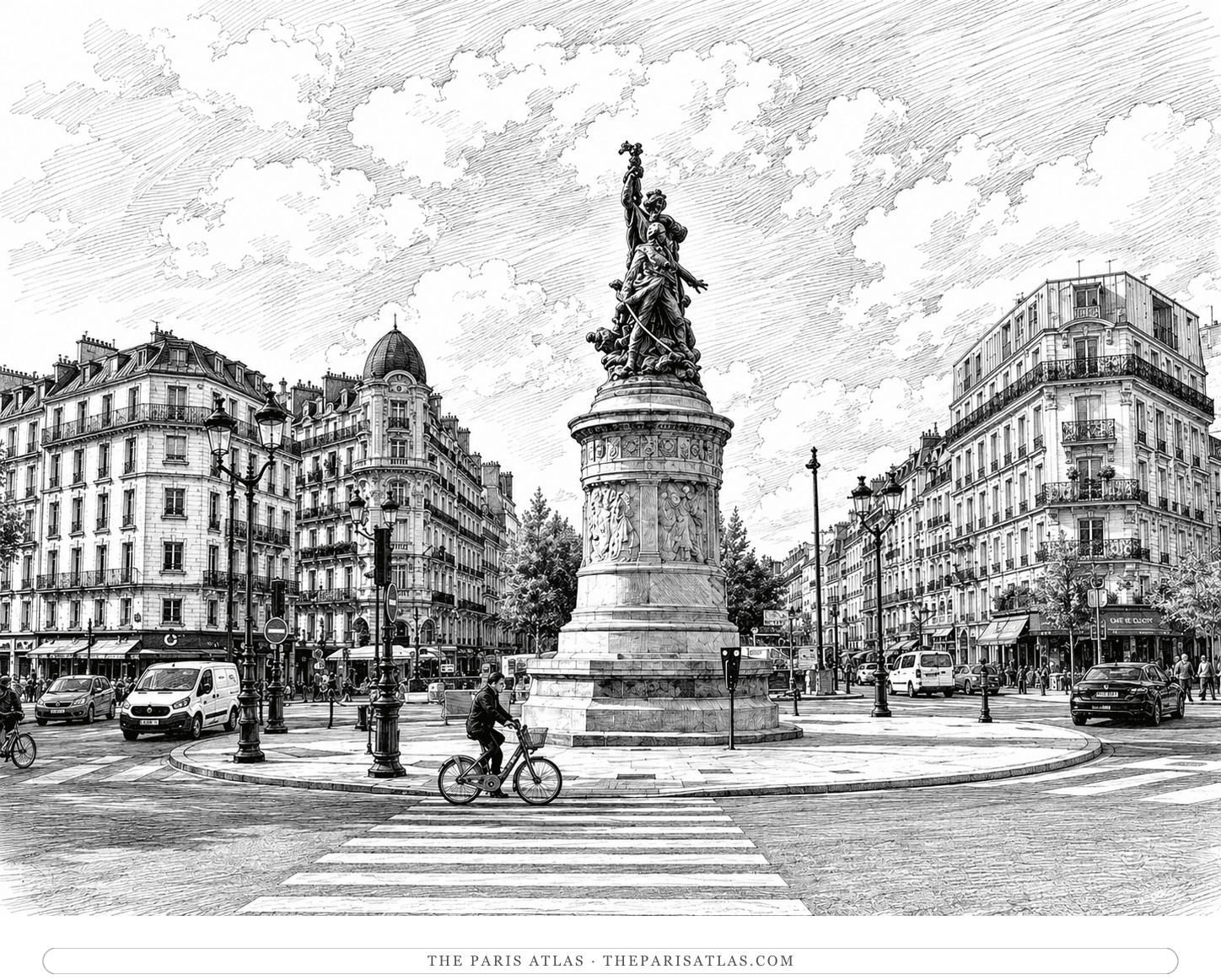
The crossroads where four arrondissements collide — and where Louis-Ferdinand Céline opens Journey to the End of the Night at a café table, with a recruitment parade passing and his narrator Bardamu jumping up to join the war.
Visit the place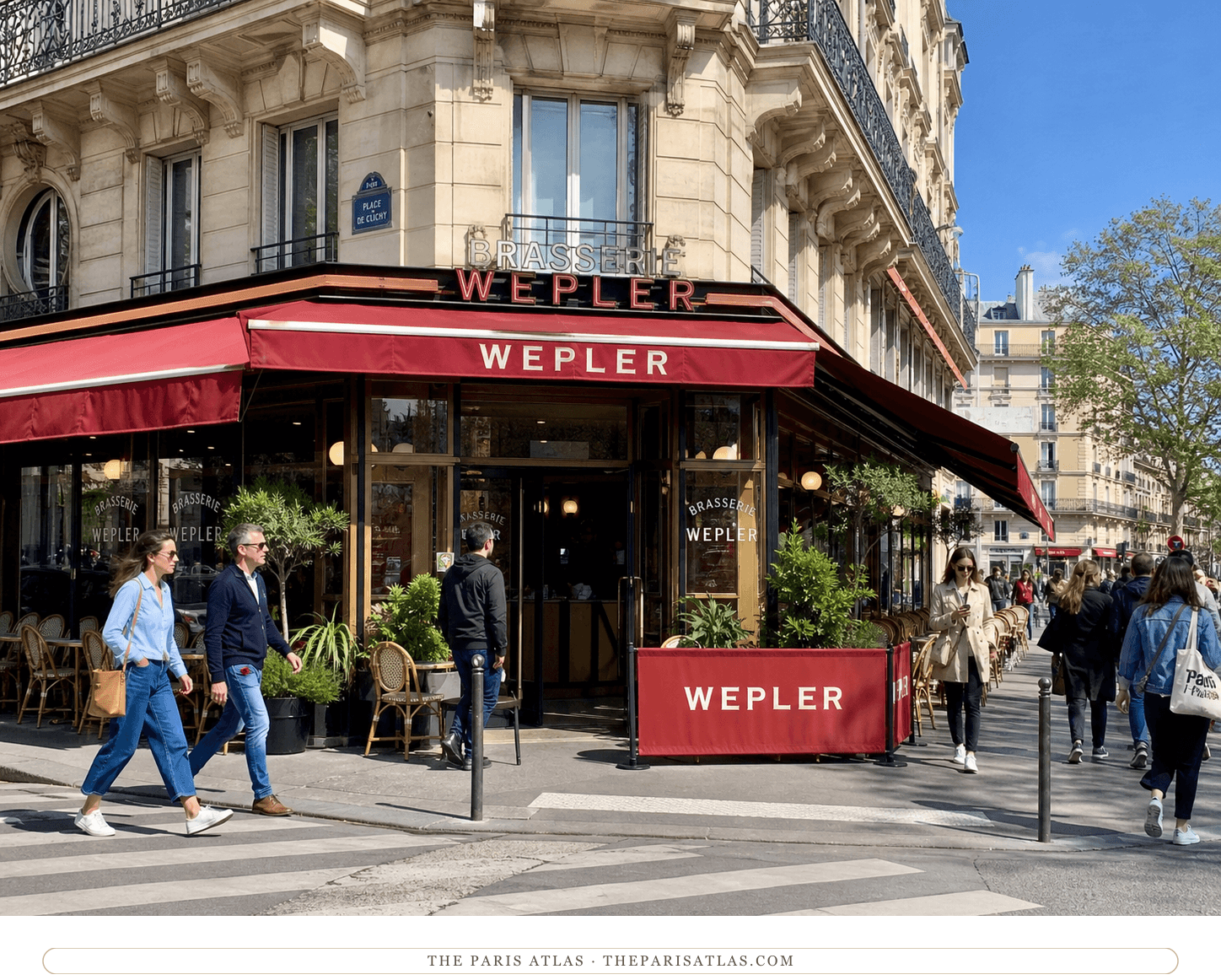
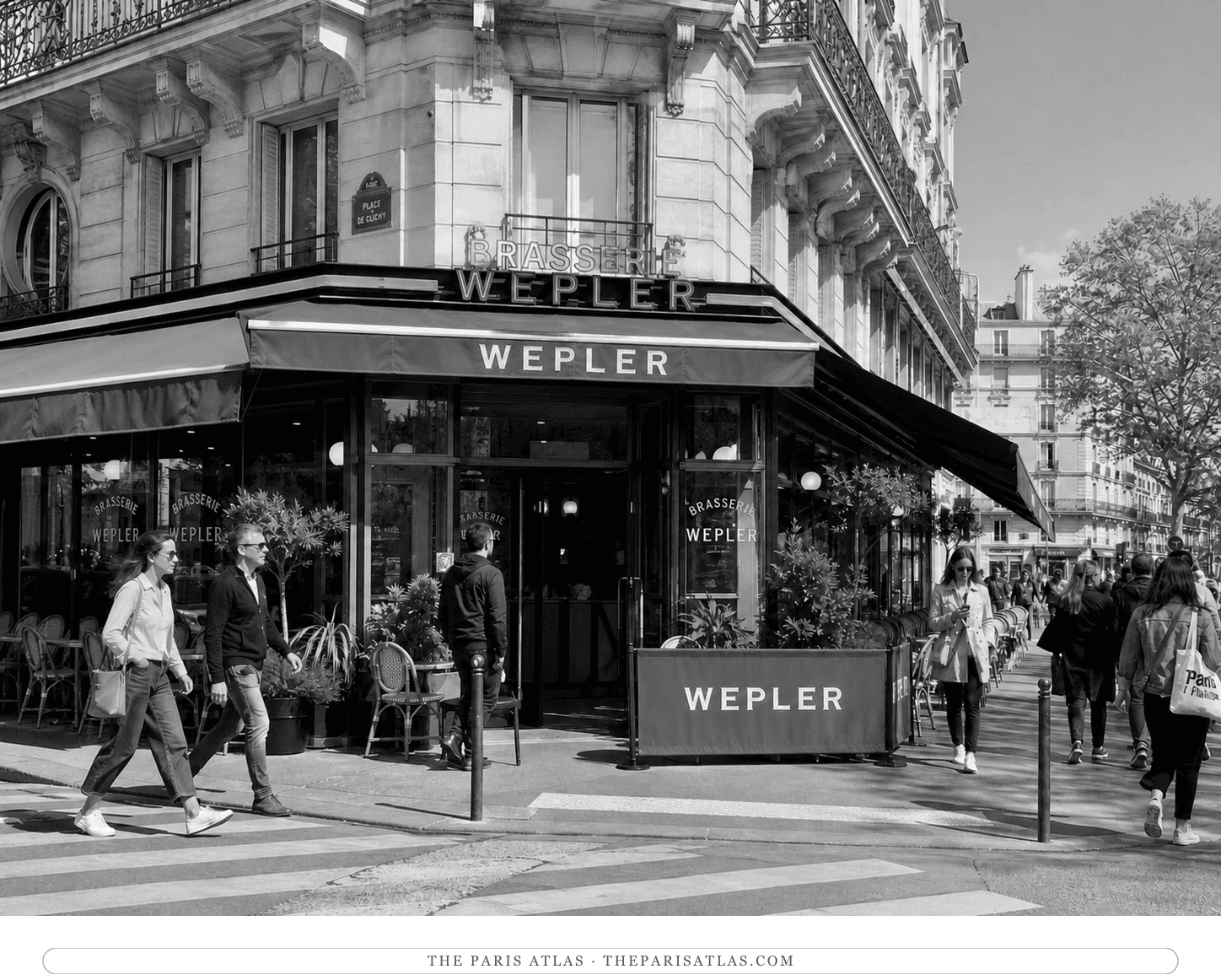
The big brasserie on the place de Clichy that Henry Miller used as his base during the Clichy years later recreated in Quiet Days in Clichy — somewhere to write, to wait for people, and to watch the square. Currently closed for renovation.
Visit the place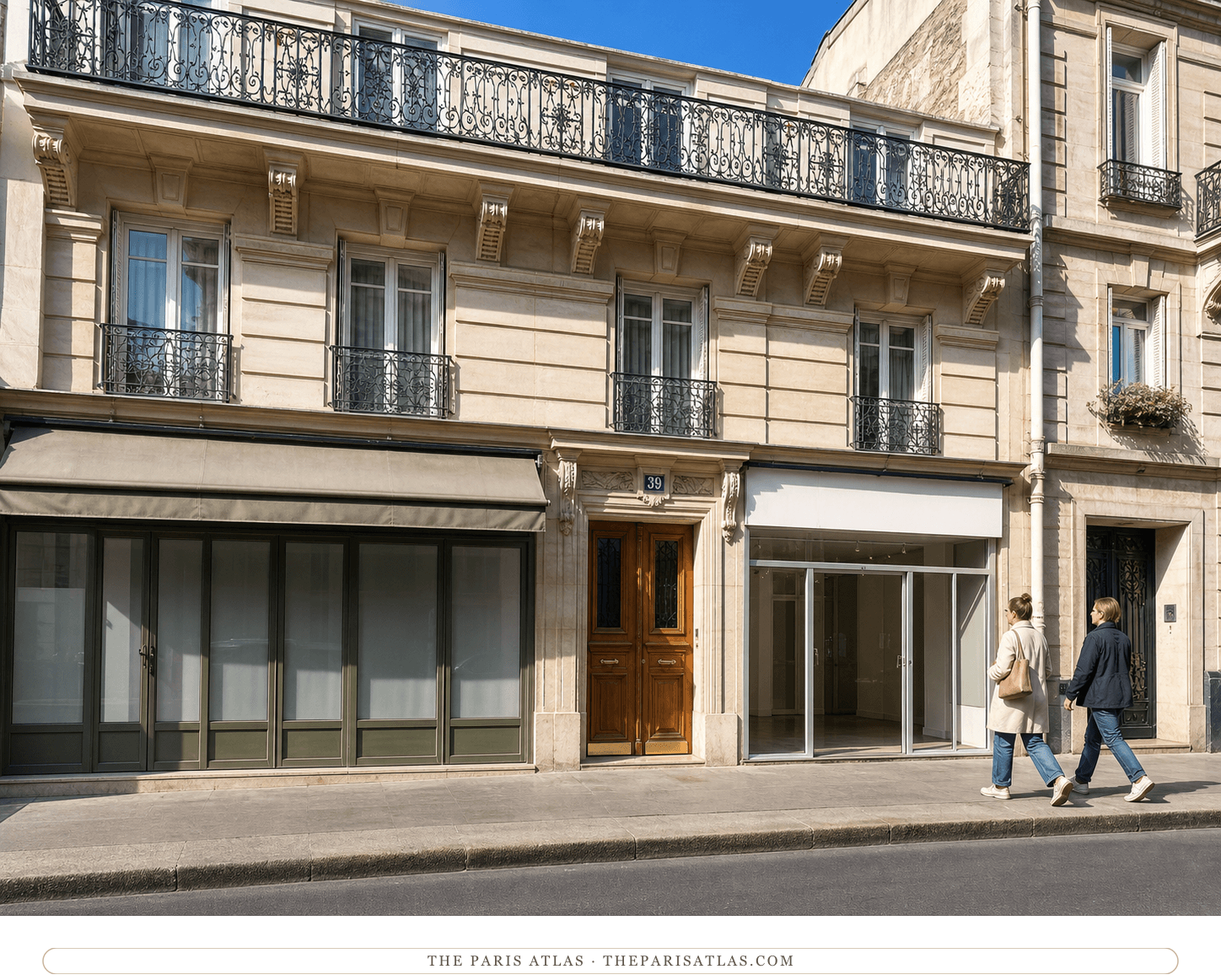
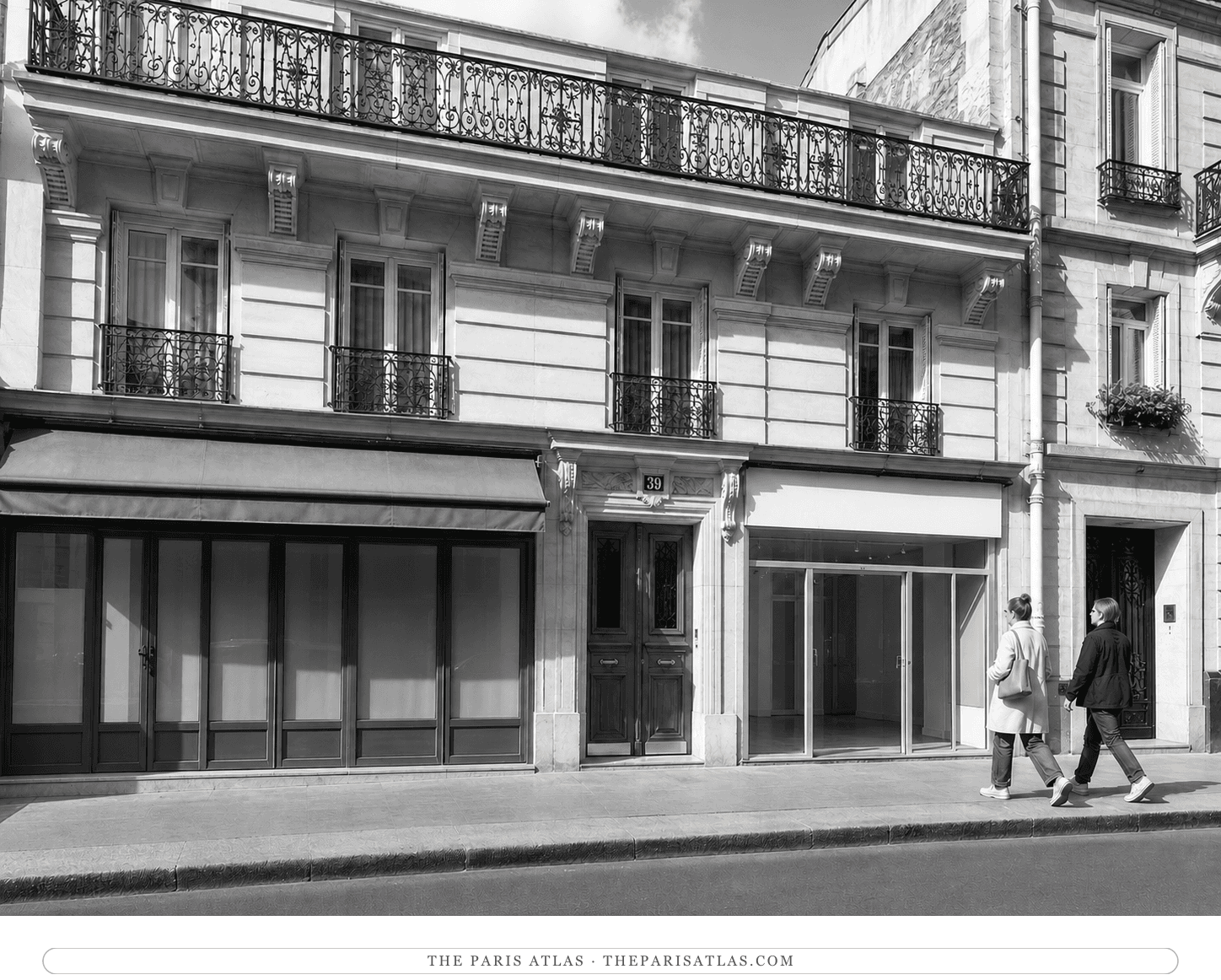
The apartment Édouard Manet moved to in 1878 and remained associated with until his death in 1883, in the last years when illness had reduced what he could physically paint.
Visit the place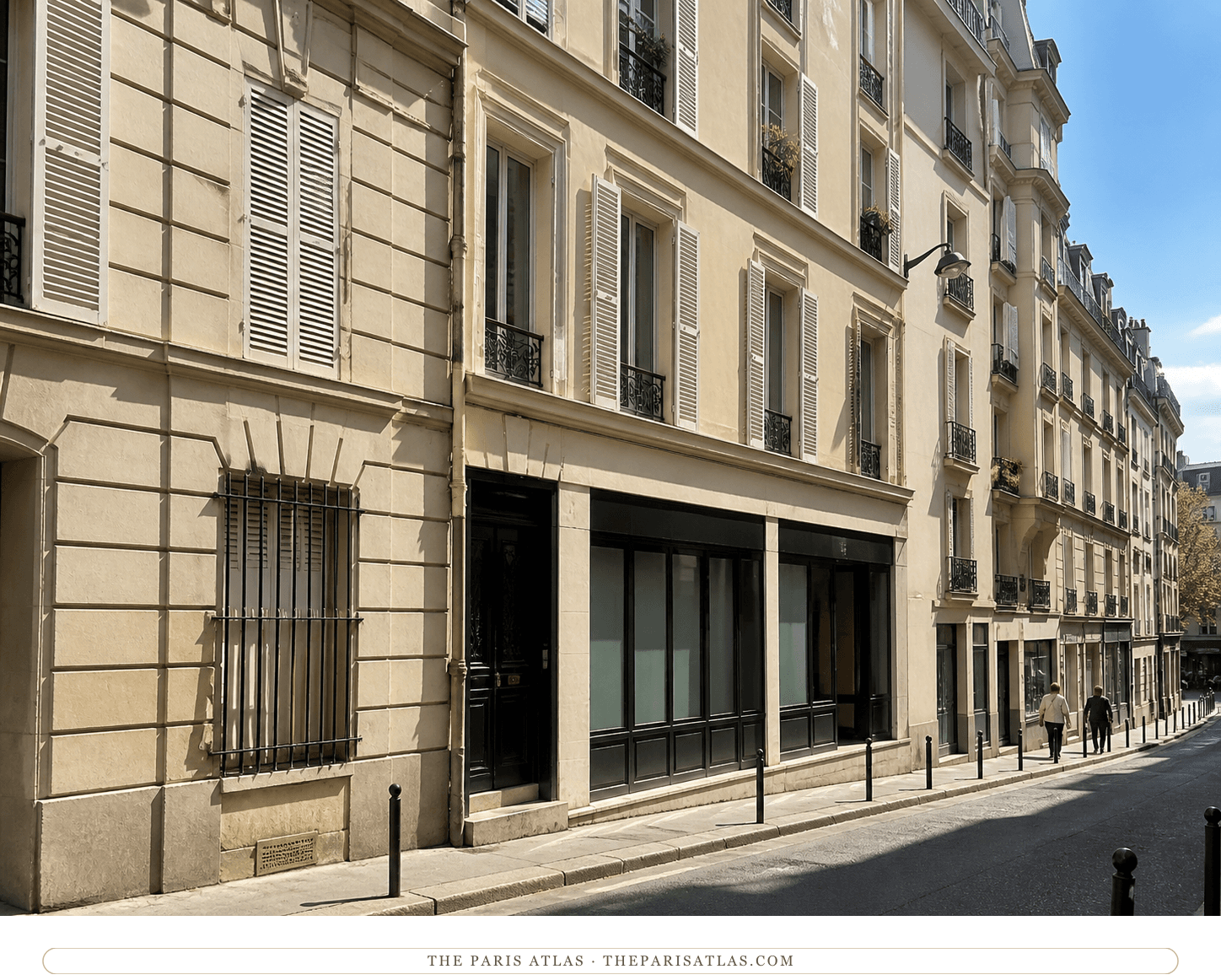
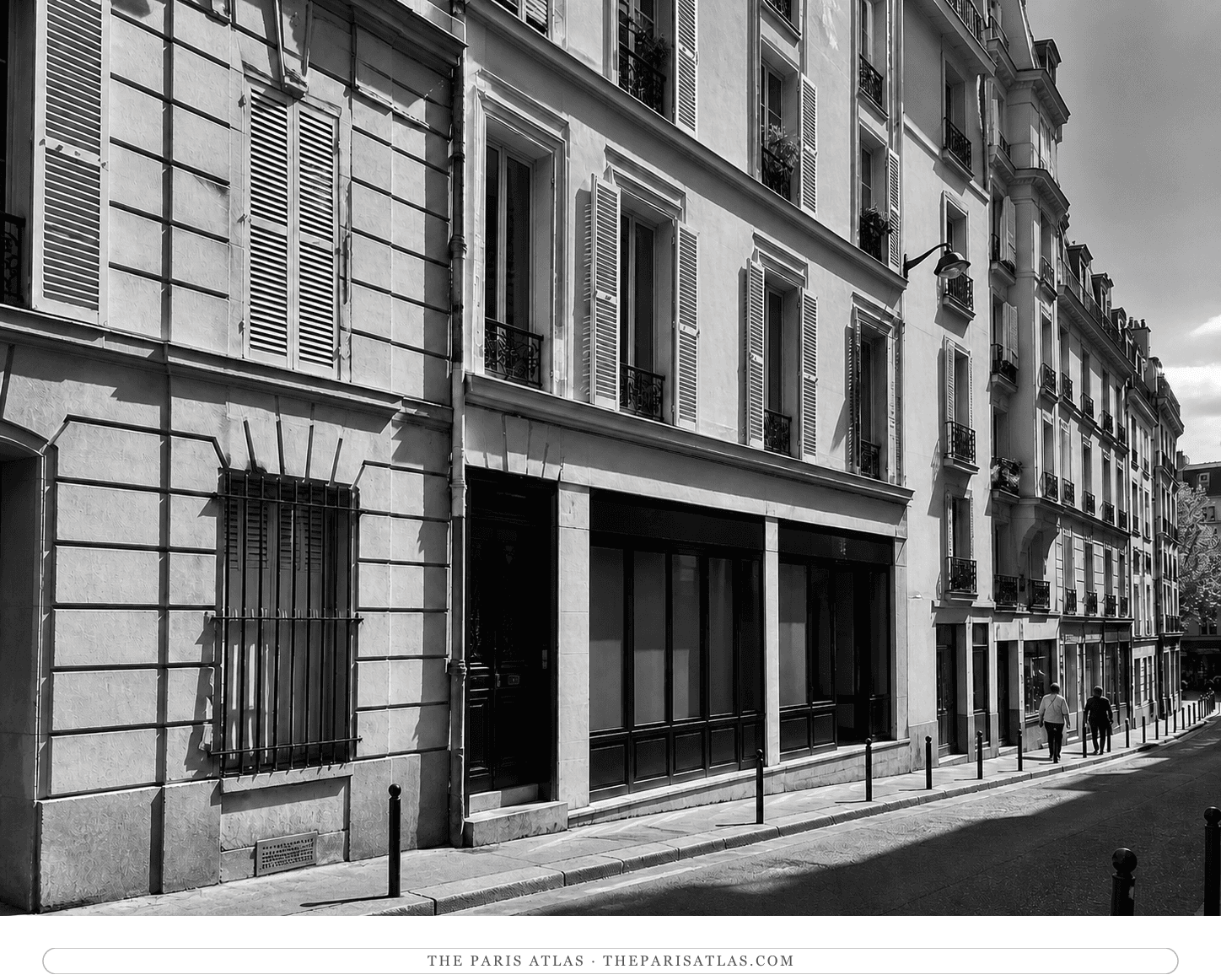
A surviving private address in Batignolles where a vanished working people's hotel gave the young American poet Langston Hughes his real-life version of a Paris garret in 1924.
Visit the placeThe sources below include histories, archival materials, scholarly research, and official records that informed this page. They document Café Guerbois, the people connected to it, and its place in Paris.


Web source consulted for documented facts and historical context presented on the Café Guerbois page.
Web source consulted for documented facts and historical context presented on the Café Guerbois page.
Web source consulted for documented facts and historical context presented on the Café Guerbois page.
Web source consulted for documented facts and historical context presented on the Café Guerbois page.
These references provide the documented foundation for this page's history and context. Claim-level citations remain attached to the specific claims they support.
 Explore more resources
Newsletter
The cafés, studios, and walk-up flats where the work was made — one story from the map in every letter.