
Recalled in the memoir
Quiet Days in Clichy
The book recreates Miller's Clichy years, when the Wepler served as his place to write, wait for friends, and watch the traffic of the square.
The big brasserie on the place de Clichy that Henry Miller used as his base during the Clichy years later recreated in Quiet Days in Clichy — somewhere to write, to wait for people, and to watch the square. Currently closed for renovation.
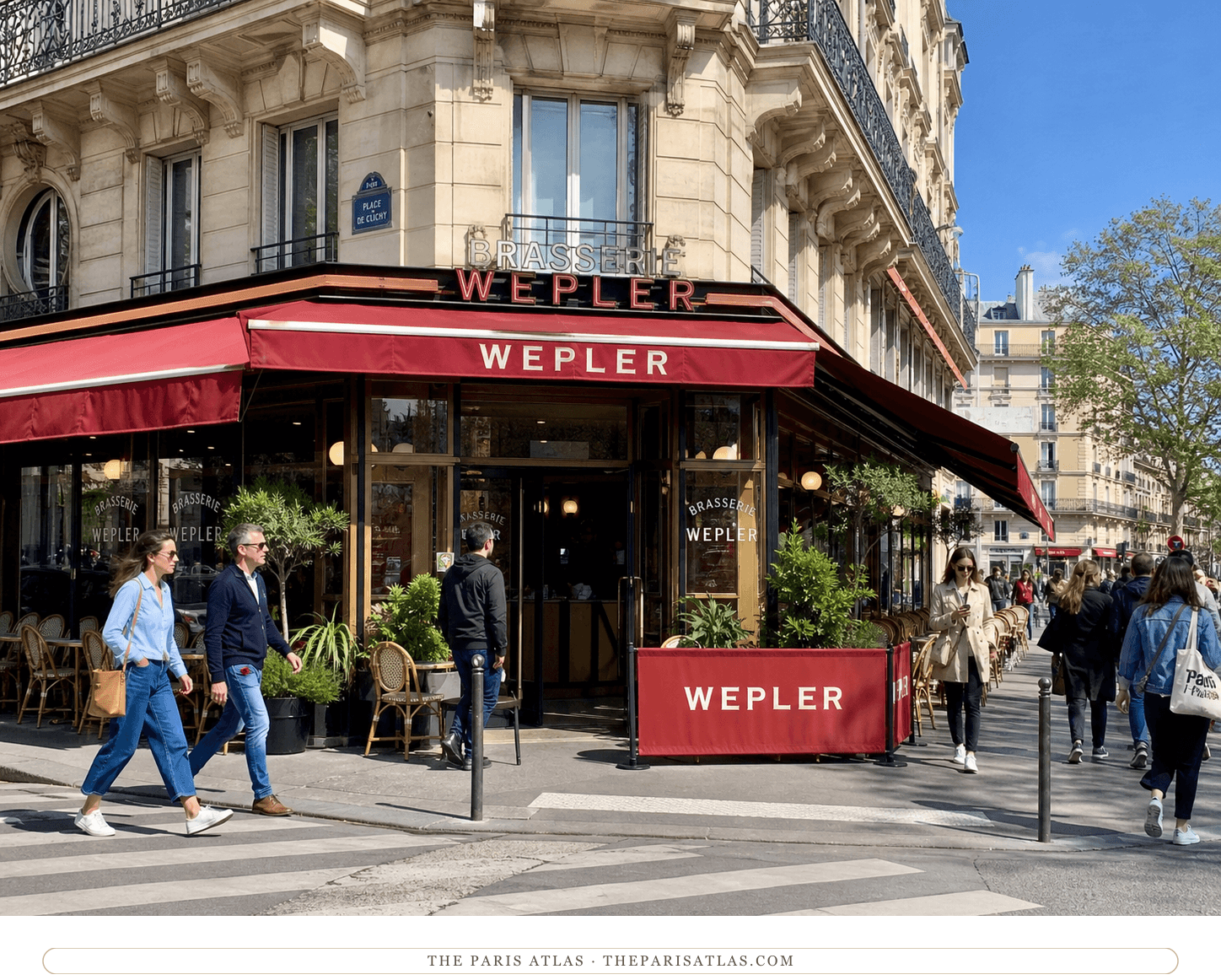
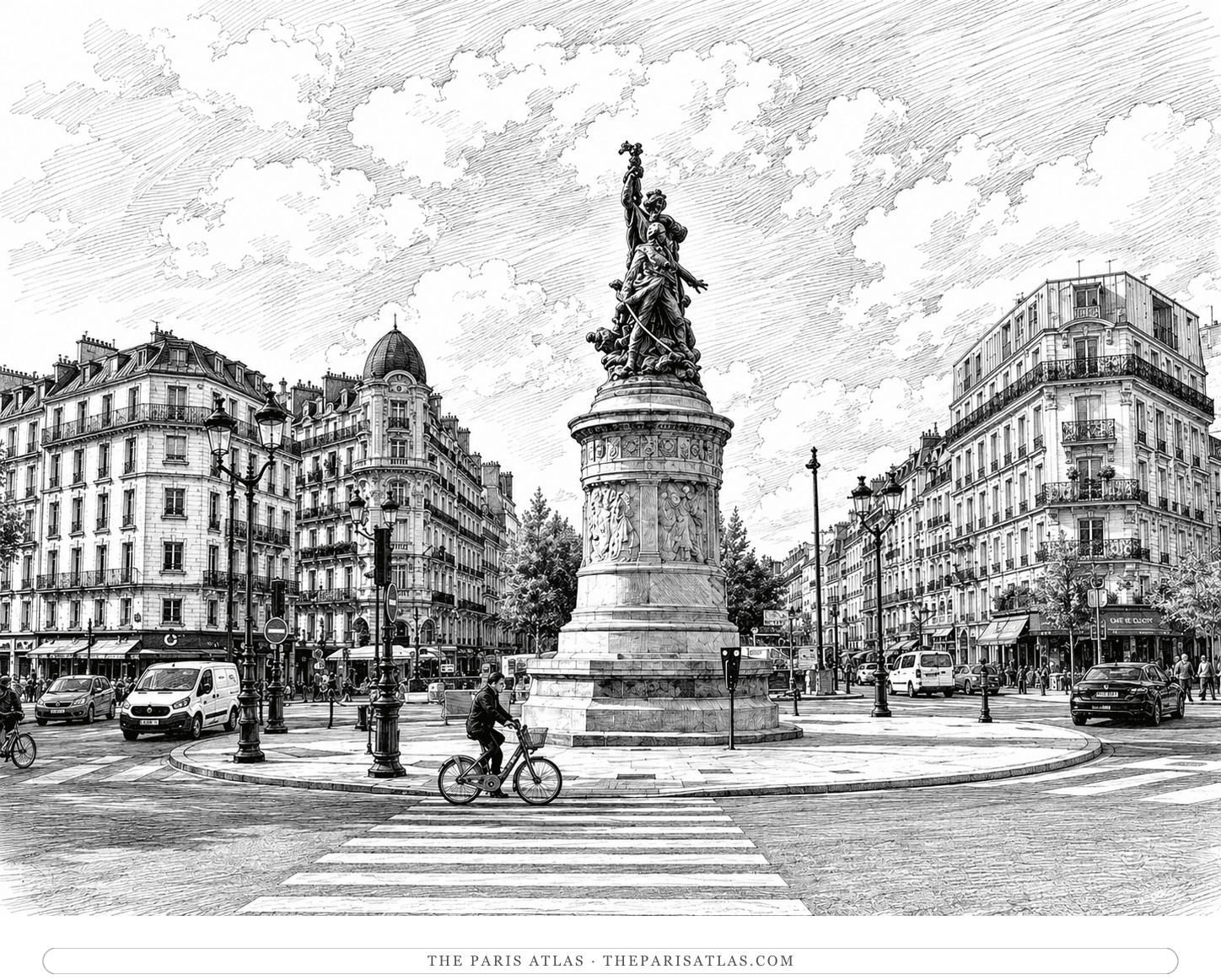
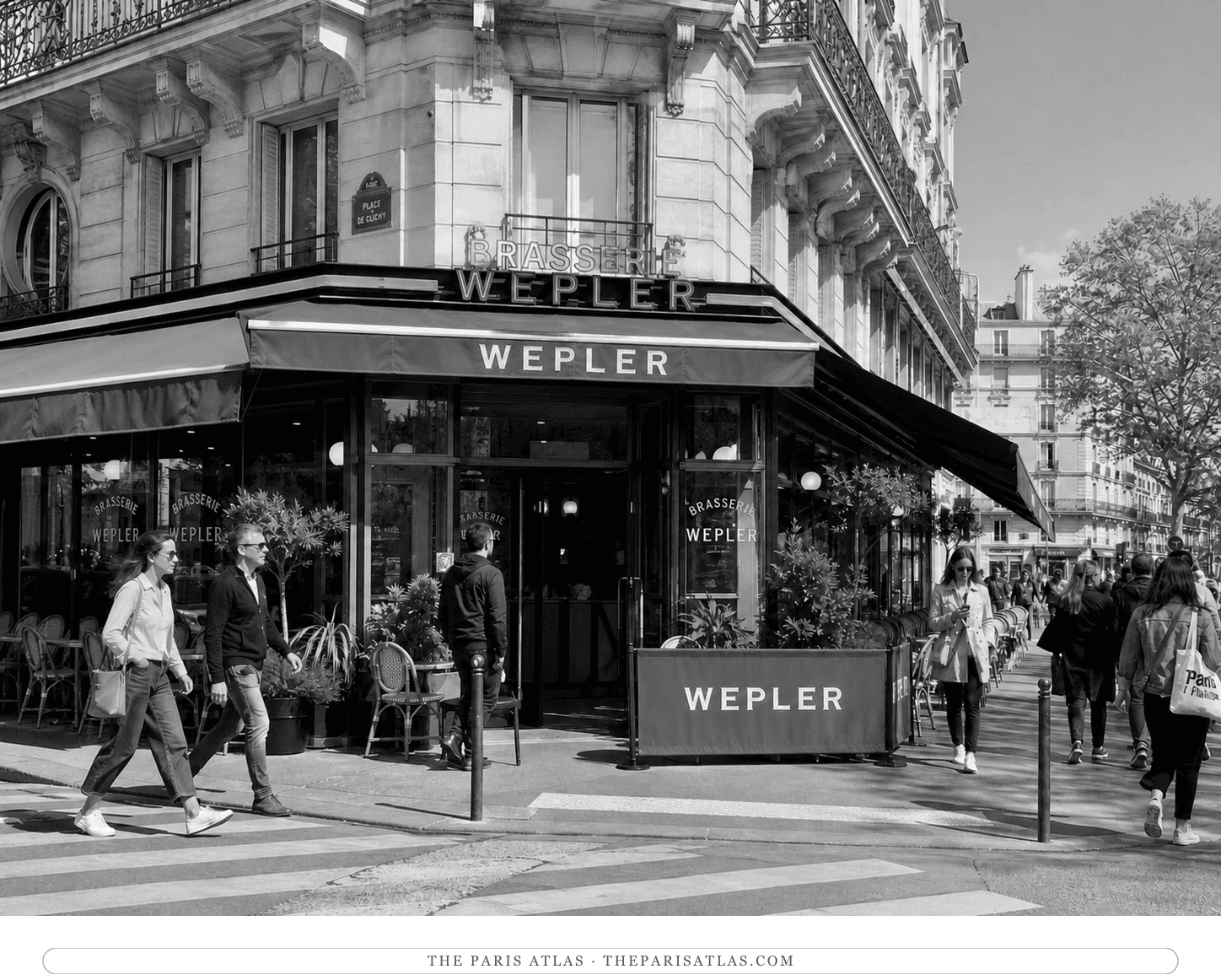
The Wepler has stood on the place de Clichy since the nineteenth century, a large brasserie on a busy junction where the ninth, seventeenth and eighteenth arrondissements meet. It is not a literary café in the Montparnasse sense — it is a working brasserie on a traffic square, which is exactly what recommended it.
Henry Miller made it his headquarters during the years he spent in Clichy, sharing a flat with Alfred Perlès — the period he later recreated in Quiet Days in Clichy. He used it the way he used most places: as somewhere to sit for a long time with very little money, write, wait for whoever was coming, and watch what went past.
The watching is the point. Miller's Paris books are built out of sustained low-grade observation of ordinary traffic — who comes in, what they are wearing, who is with whom — and a brasserie on a busy square gives you more of that per hour than a quiet café does. The Wepler is a good place to understand what his method actually required, which was time and a seat.
It is a long way north of the Montparnasse addresses Miller is usually attached to, and that distance is worth registering: the Clichy years are the other Miller, further out, poorer, and less mythologised.
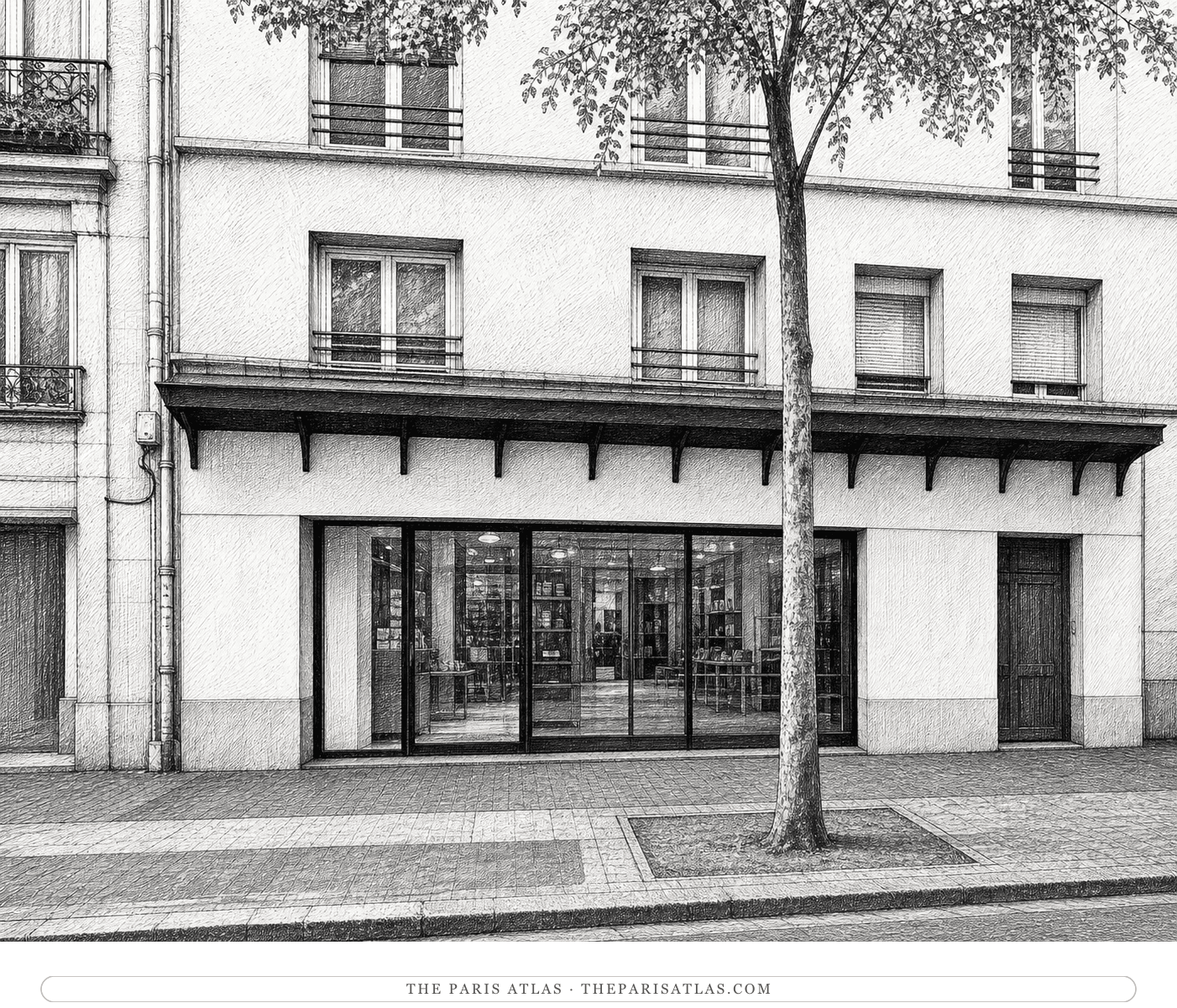
The brasserie is currently shut for a major renovation, with a reopening announced for September 2026. Until that is confirmed, treat the address as a façade to look at rather than a room to sit in.
Miller uses the Wepler as his base during the Clichy years shared with Alfred Perlès.
Quiet Days in Clichy is published, drawing on that period.
The brasserie is closed for a major renovation, with a reopening announced for September.
It was his headquarters during the years he spent in Clichy sharing a flat with Alfred Perlès — the period behind Quiet Days in Clichy. He used it to write, to wait for people and to watch the square, which is where a great deal of his raw material came from.
Not at the moment. It is closed for a major renovation, and the owners have announced a reopening planned for September 2026. That is an announcement rather than a confirmation, so check before making a journey for it.
Because the Clichy years are the other, less mythologised Miller — further north, poorer, and away from the Montparnasse cafés he is usually attached to. The place de Clichy is a working traffic junction, and a busy brasserie on it gave him more to watch per hour than a quiet café would.
Recalled in the memoir
The book recreates Miller's Clichy years, when the Wepler served as his place to write, wait for friends, and watch the traffic of the square.
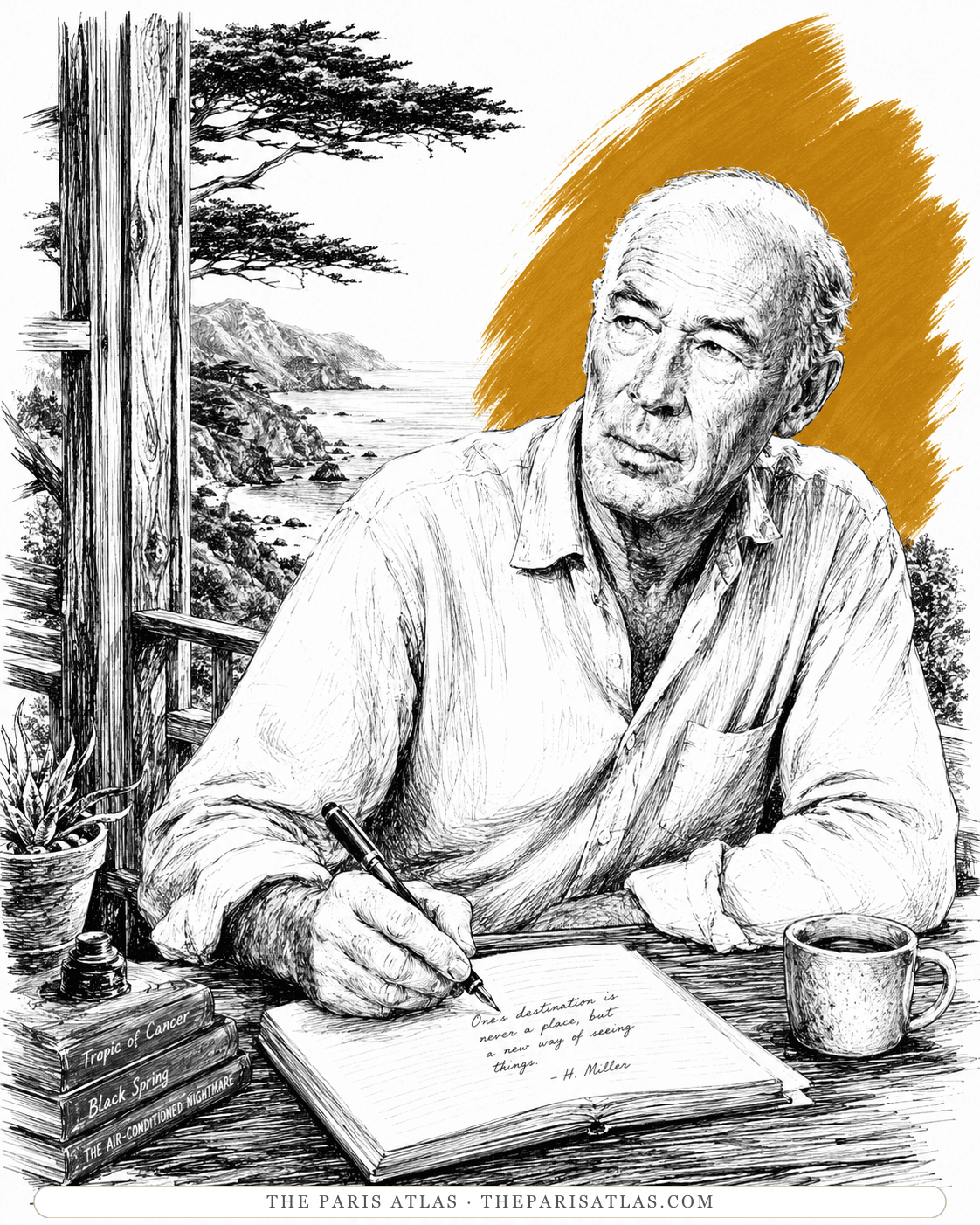
Frequented by
Miller's headquarters through the Clichy years shared with Alfred Perlès, and the observation post behind Quiet Days in Clichy.
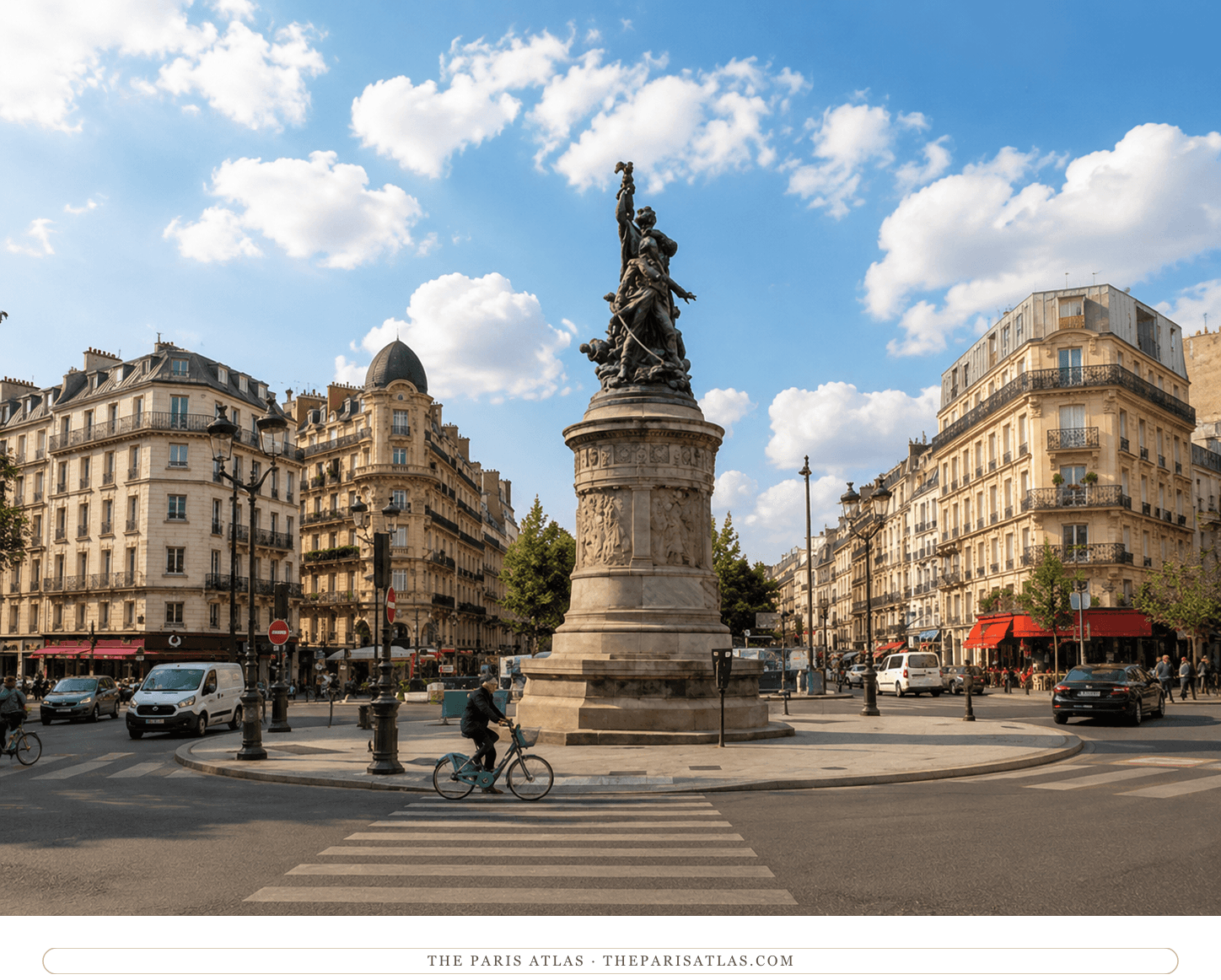
The crossroads where four arrondissements collide — and where Louis-Ferdinand Céline opens Journey to the End of the Night at a café table, with a recruitment parade passing and his narrator Bardamu jumping up to join the war.
Visit the place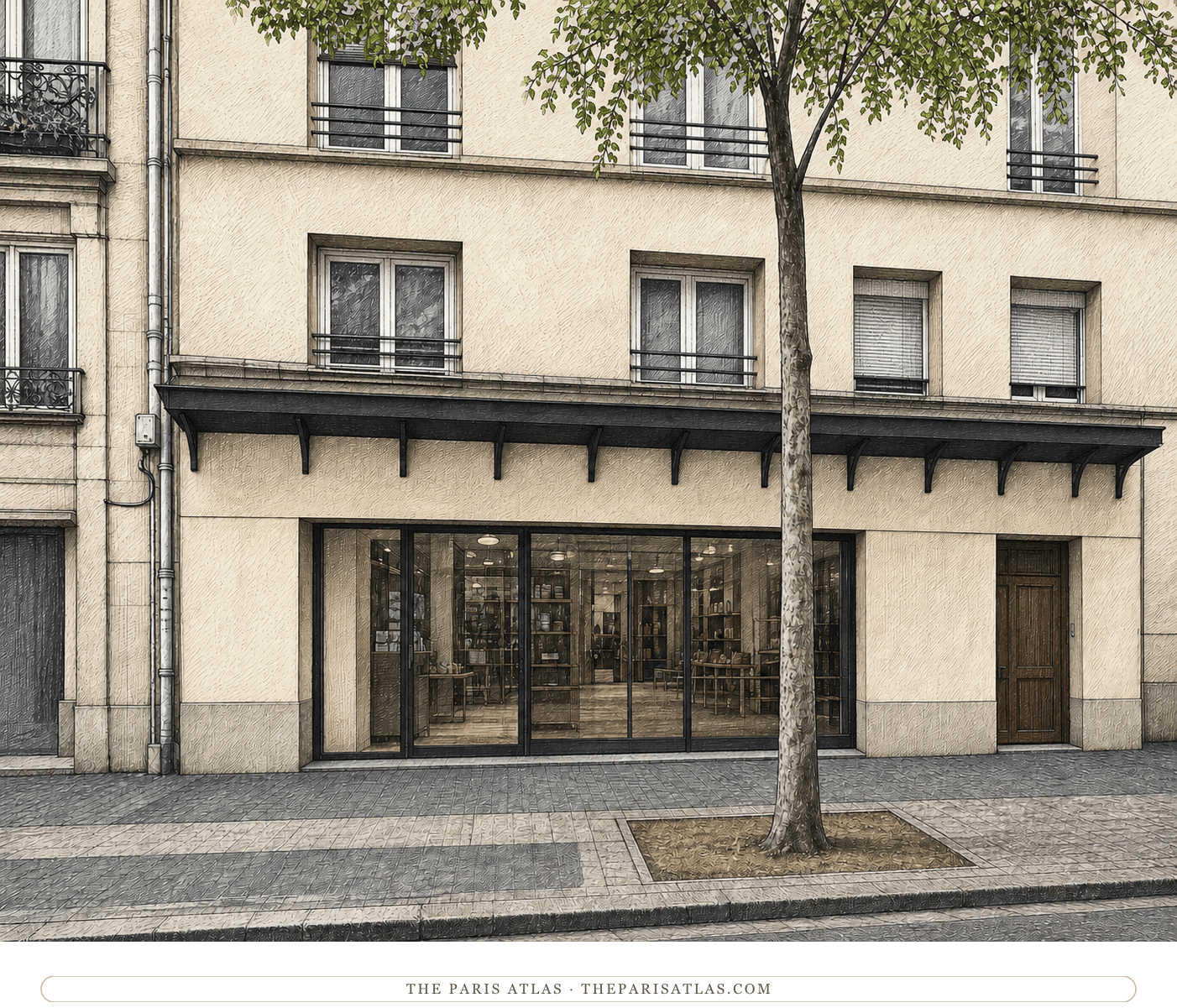
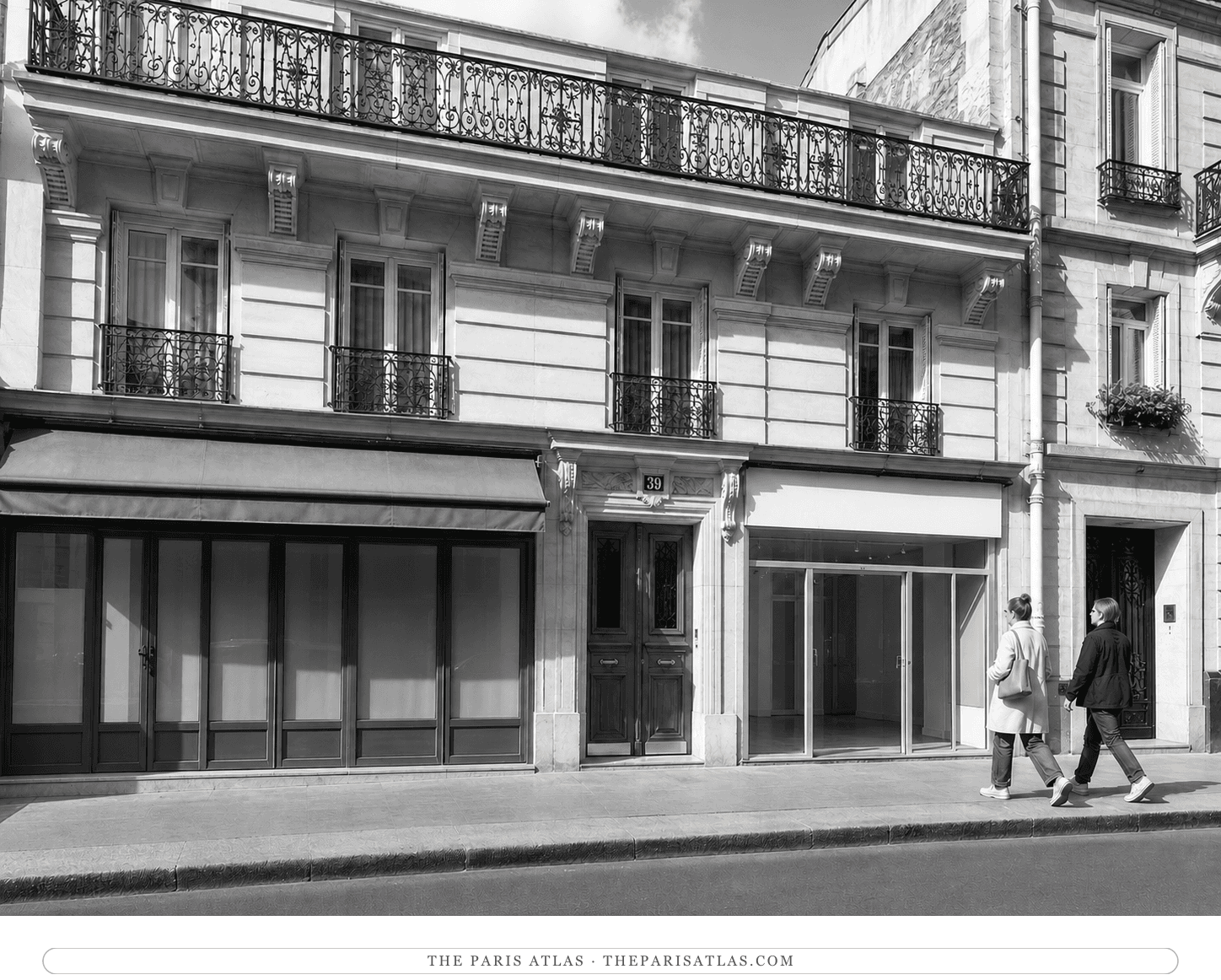
The Batignolles café where Édouard Manet held court through the 1860s and the painters who would become the Impressionists argued out what they were doing. Its address has since been renamed and renumbered, and nothing of it survives.
Visit the place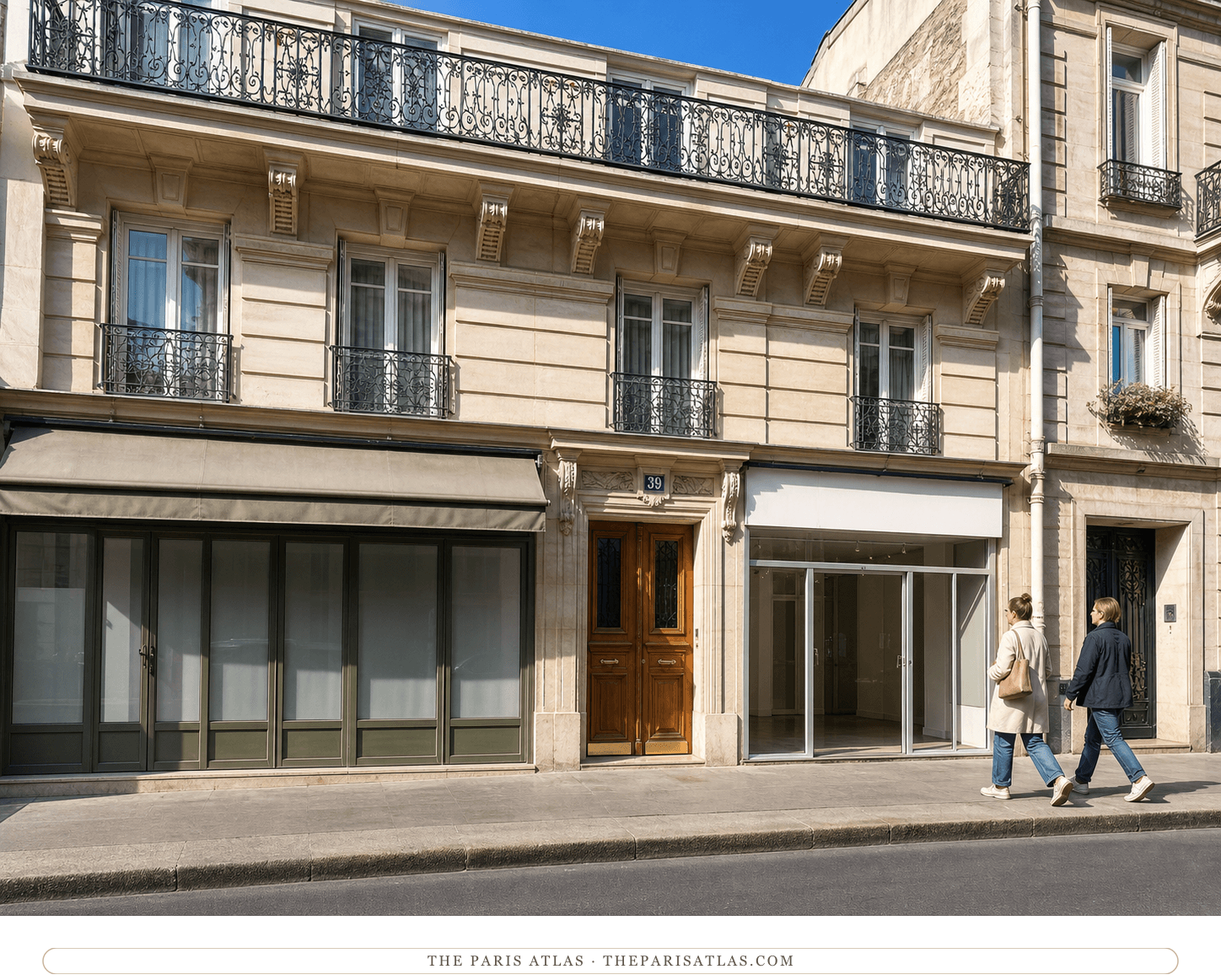
The apartment Édouard Manet moved to in 1878 and remained associated with until his death in 1883, in the last years when illness had reduced what he could physically paint.
Visit the place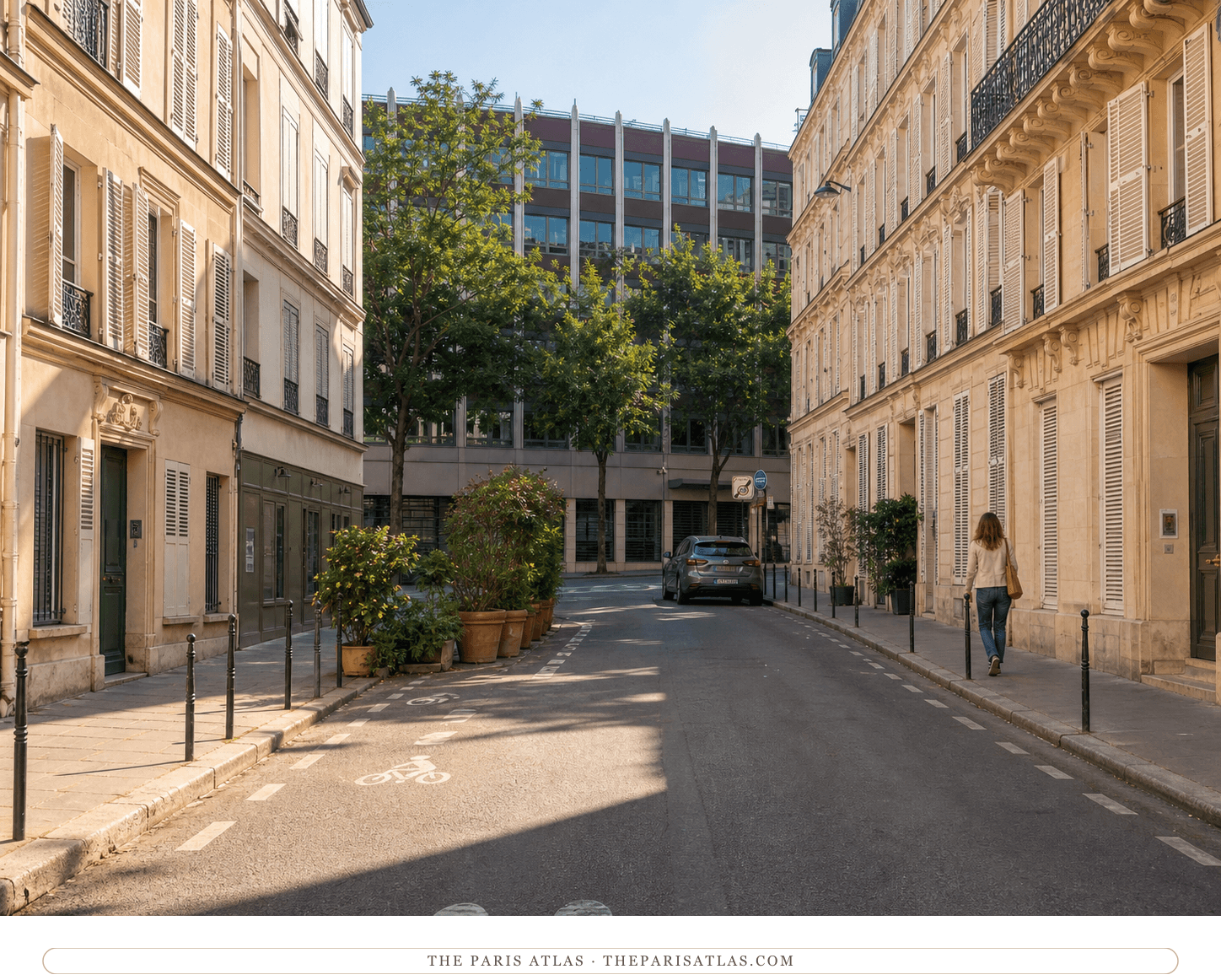
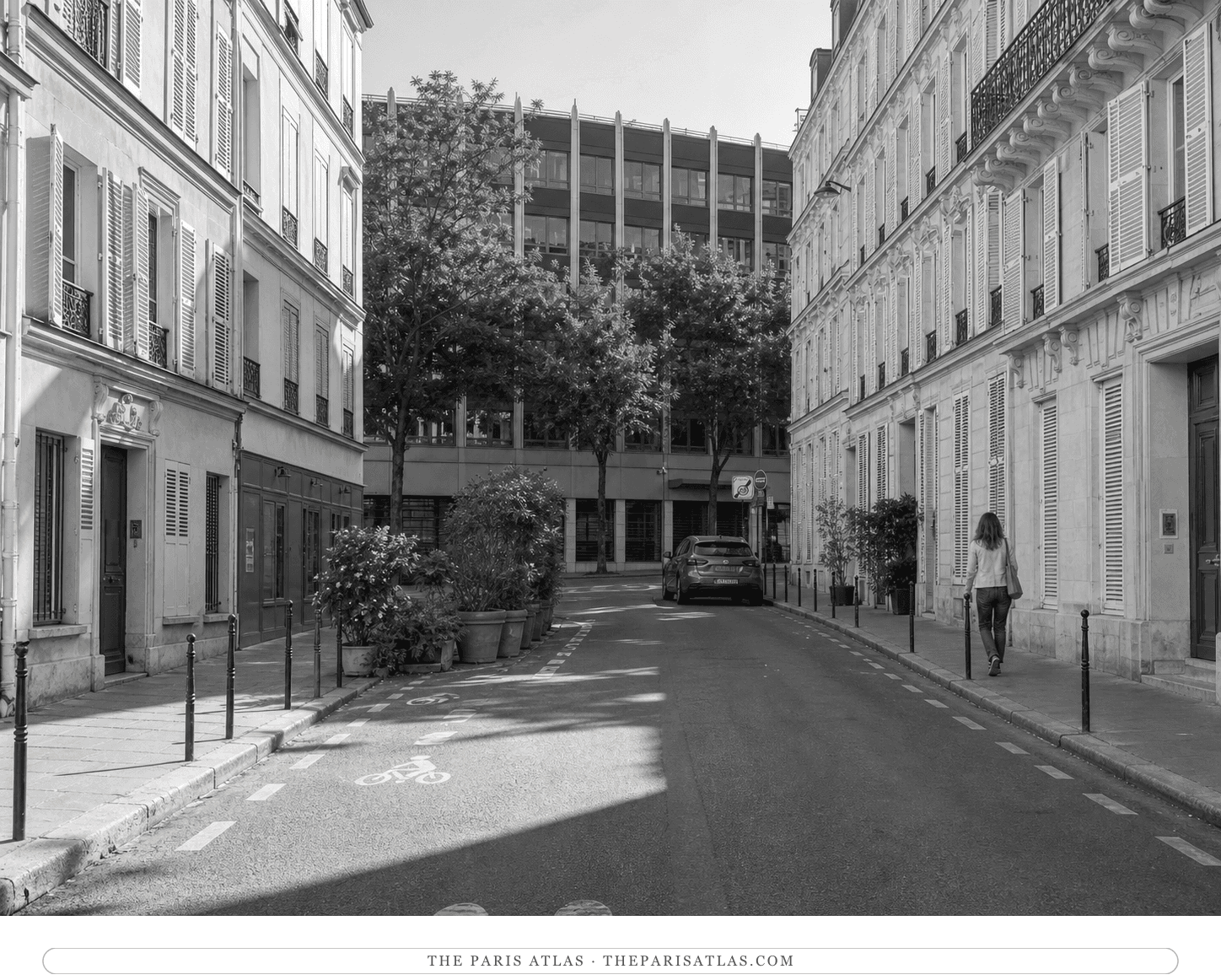
The last address the record gives Paul Cézanne in Paris, taken on 21 October 1899. He left for Aix and spent the remaining seven years of his life painting the same mountain.
Visit the placeThe sources below include histories, archival materials, scholarly research, and official records that informed this page. They document Brasserie Wepler, the people connected to it, and its place in Paris.


The scholarly reconstruction of Miller's Paris, which places the Wepler as his principal Clichy café and observation post.

Map data used to verify addresses, geographic coordinates, and the placement associated with Brasserie Wepler.

Biographical evidence used to verify chronology, relationships, and historical context connected to Brasserie Wepler.
Biographical evidence used to verify chronology, relationships, and historical context connected to Brasserie Wepler.
These references provide the documented foundation for this page's history and context. Claim-level citations remain attached to the specific claims they support.
 Explore more resources
Newsletter
The cafés, studios, and walk-up flats where the work was made — one story from the map in every letter.