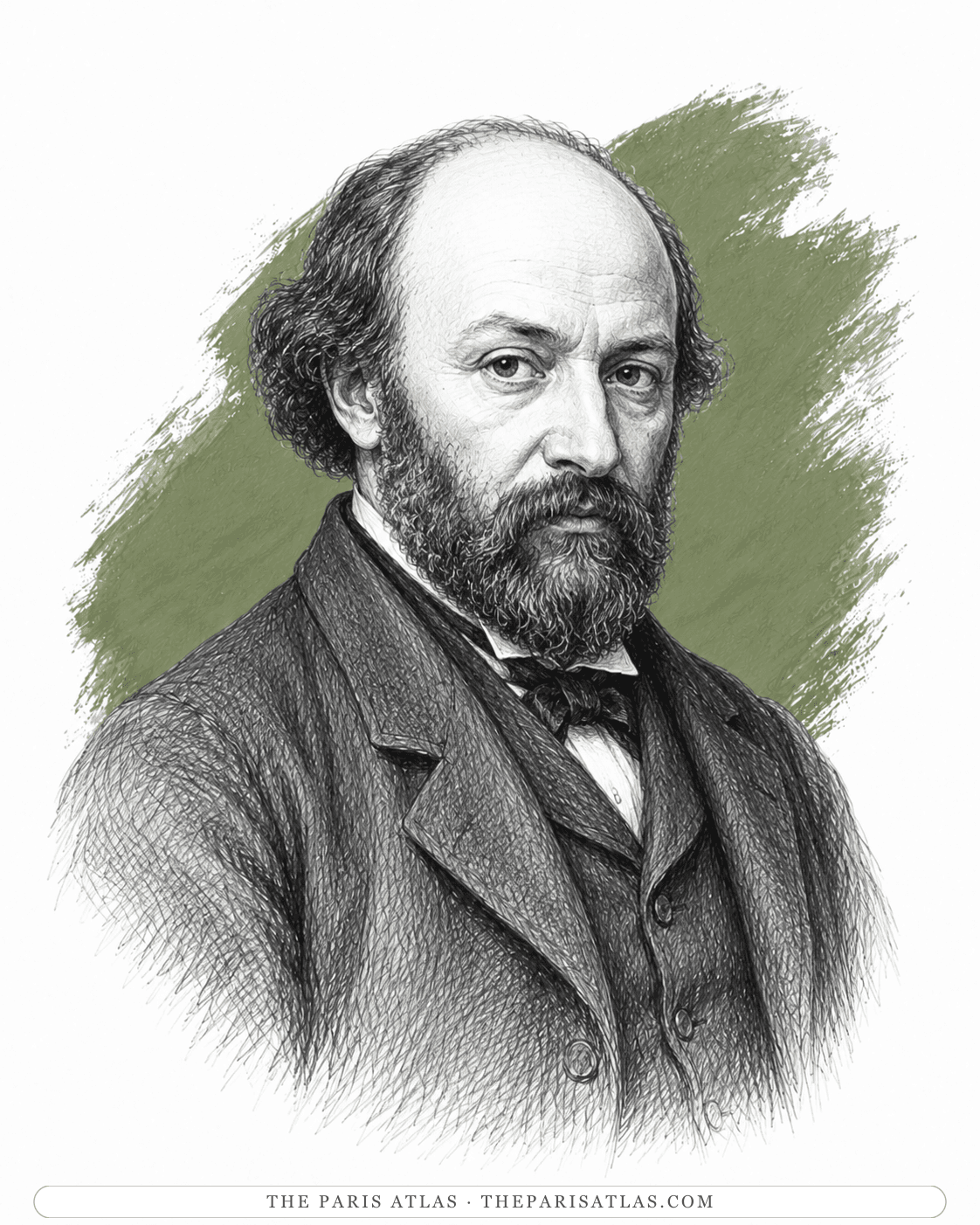
Paul Cézanne
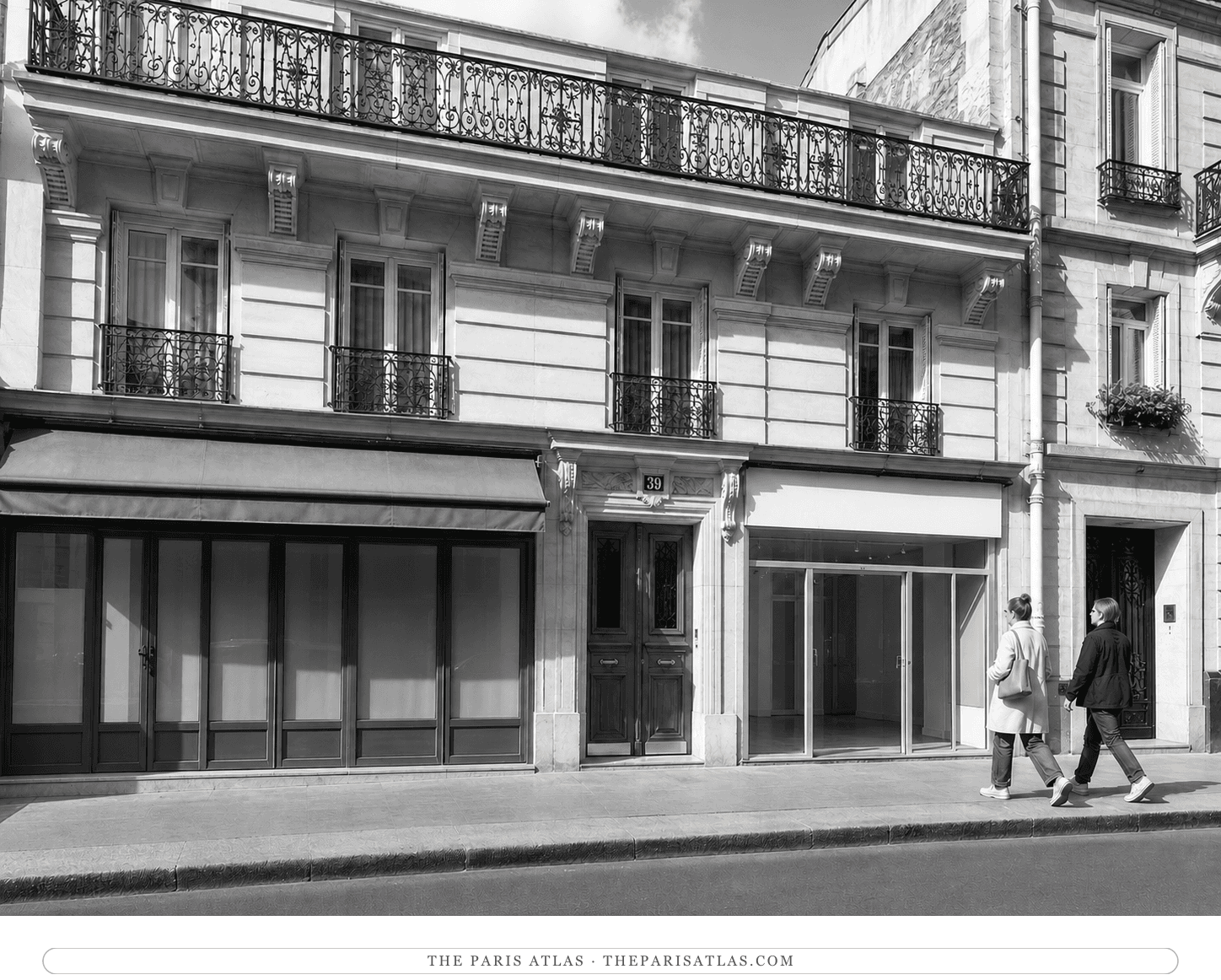
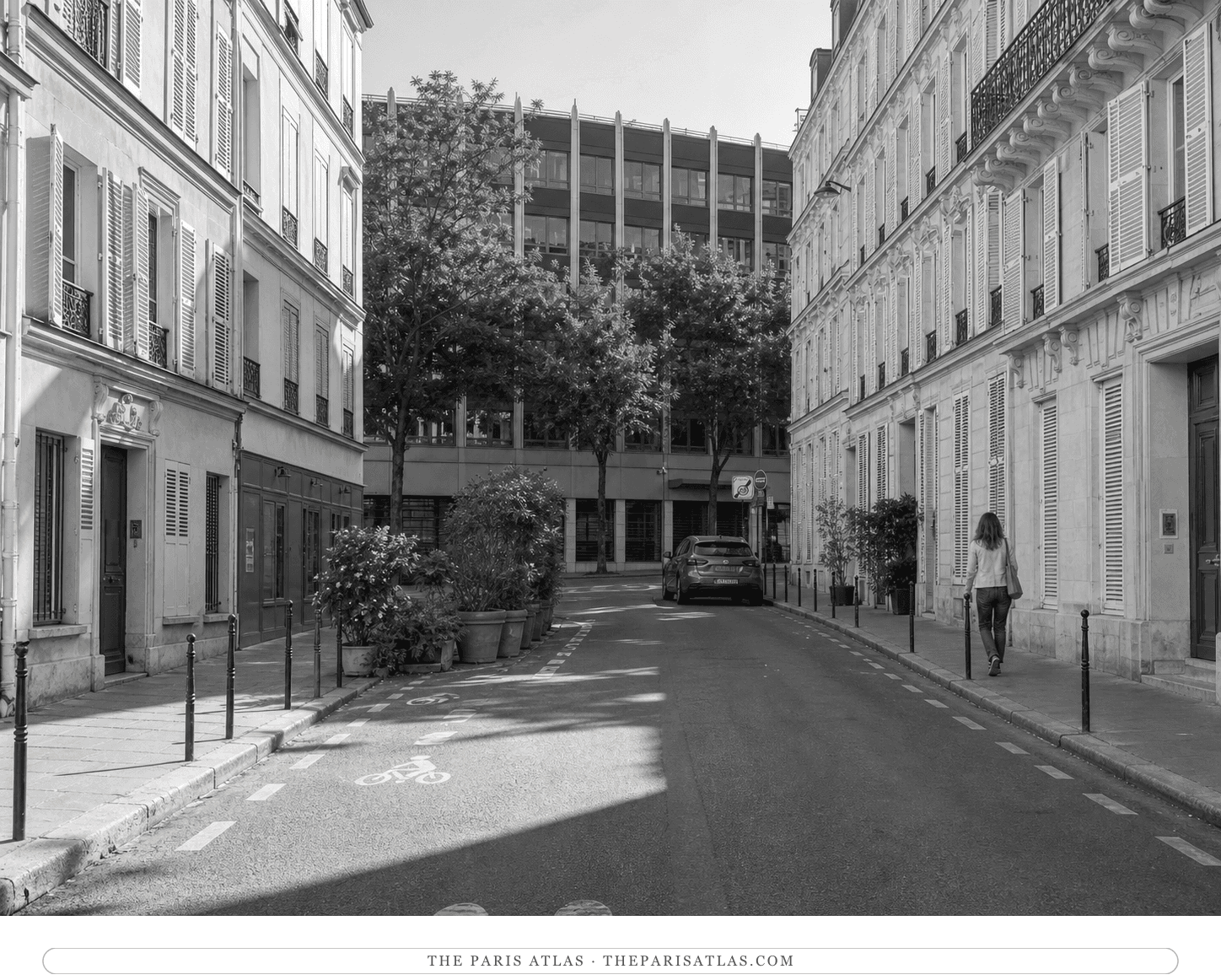
Cezanne took 31 rue Ballu on 21 October 1899. It is the last Paris address in the record; he returned to Aix and worked there until his death in 1906.
The last address the record gives Paul Cézanne in Paris, taken on 21 October 1899. He left for Aix and spent the remaining seven years of his life painting the same mountain.
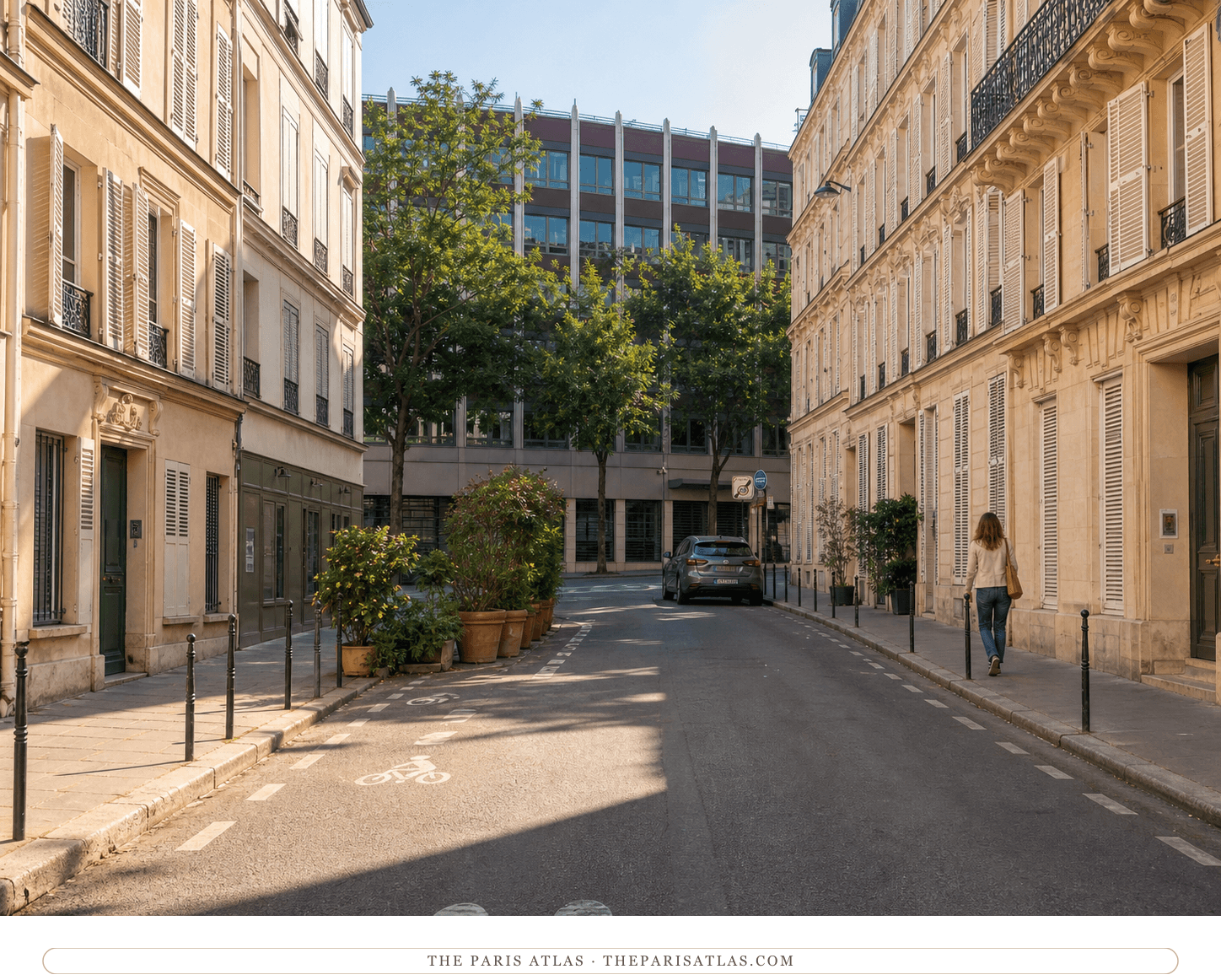
Paul Cézanne took an apartment at 31 rue Ballu on 21 October 1899. It is the last Paris address in the chronology, closing a shuttle between the capital and Provence that had run for thirty-eight years.
He went back to Aix, had a studio built at Les Lauves above the town, and worked there almost until the day he died. The subject was largely one thing: the Montagne Sainte-Victoire, painted over and over from different distances, dissolving further into planes of colour with each version.
The reversal in his standing happened without him. By the time he died in October 1906 — of pneumonia, after being caught in a storm while painting outdoors — Paris considered him the most important living painter, and the memorial retrospective at the Salon d'Automne the following year sent Braque and Picasso in the direction that became Cubism.
He had spent most of his working life being laughed at, and he did not live to see it end.
Cézanne takes 31 rue Ballu on 21 October — his last Paris address.
The studio at Les Lauves, above Aix, is completed.
He dies in October after being caught in a storm while painting.
The memorial retrospective at the Salon d'Automne reshapes the next generation.
At Aix-en-Provence in October 1906, of pneumonia contracted after he was caught in a storm while painting outdoors. His last Paris address was 31 rue Ballu, taken in 1899.
Only at the very end. He was ridiculed for most of his career; the recognition arrived after Vollard's 1895 exhibition and was complete only around his death, with the 1907 memorial retrospective proving decisive for Braque and Picasso.
Cezanne took 31 rue Ballu on 21 October 1899. It is the last Paris address in the record; he returned to Aix and worked there until his death in 1906.
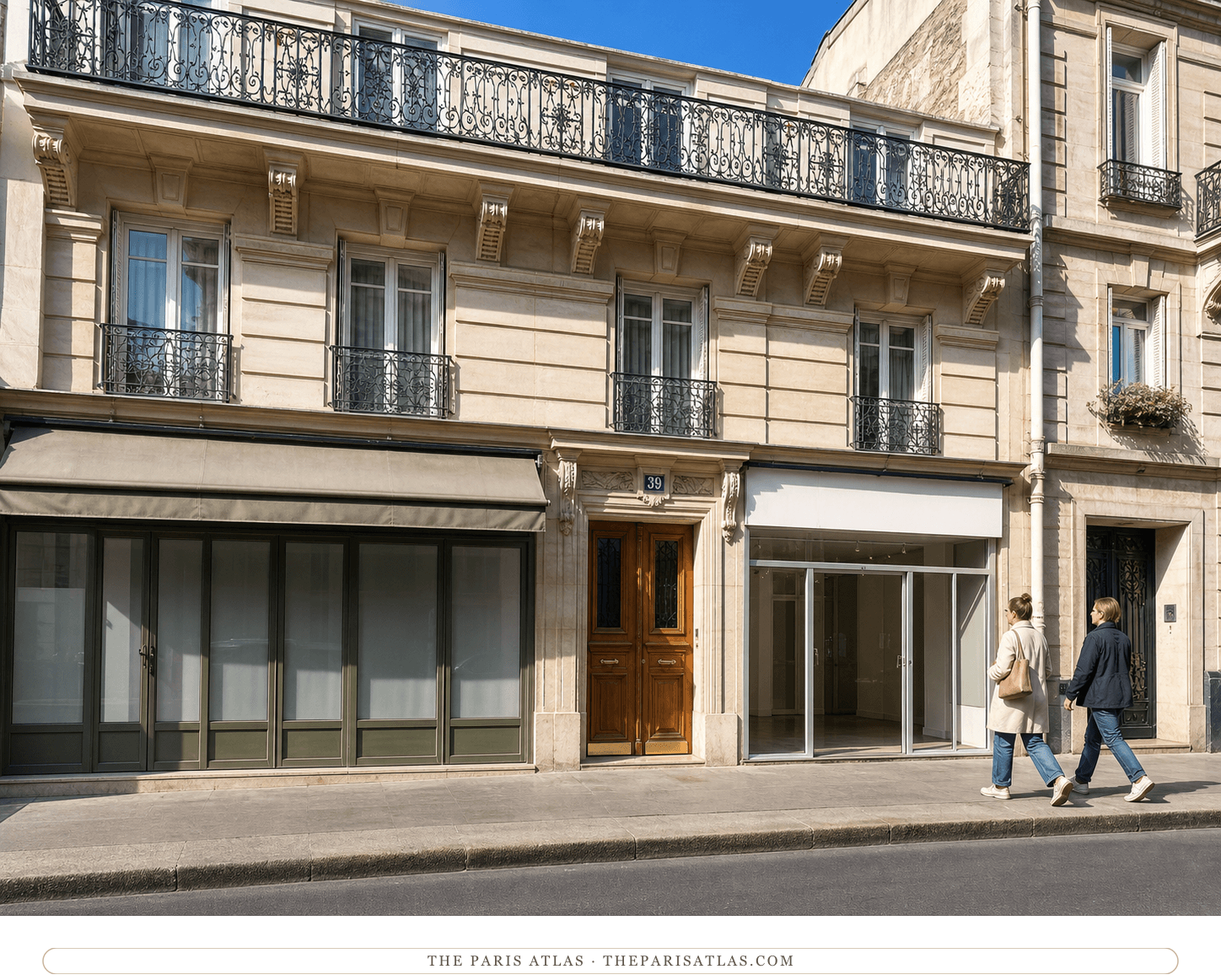
The apartment Édouard Manet moved to in 1878 and remained associated with until his death in 1883, in the last years when illness had reduced what he could physically paint.
Visit the place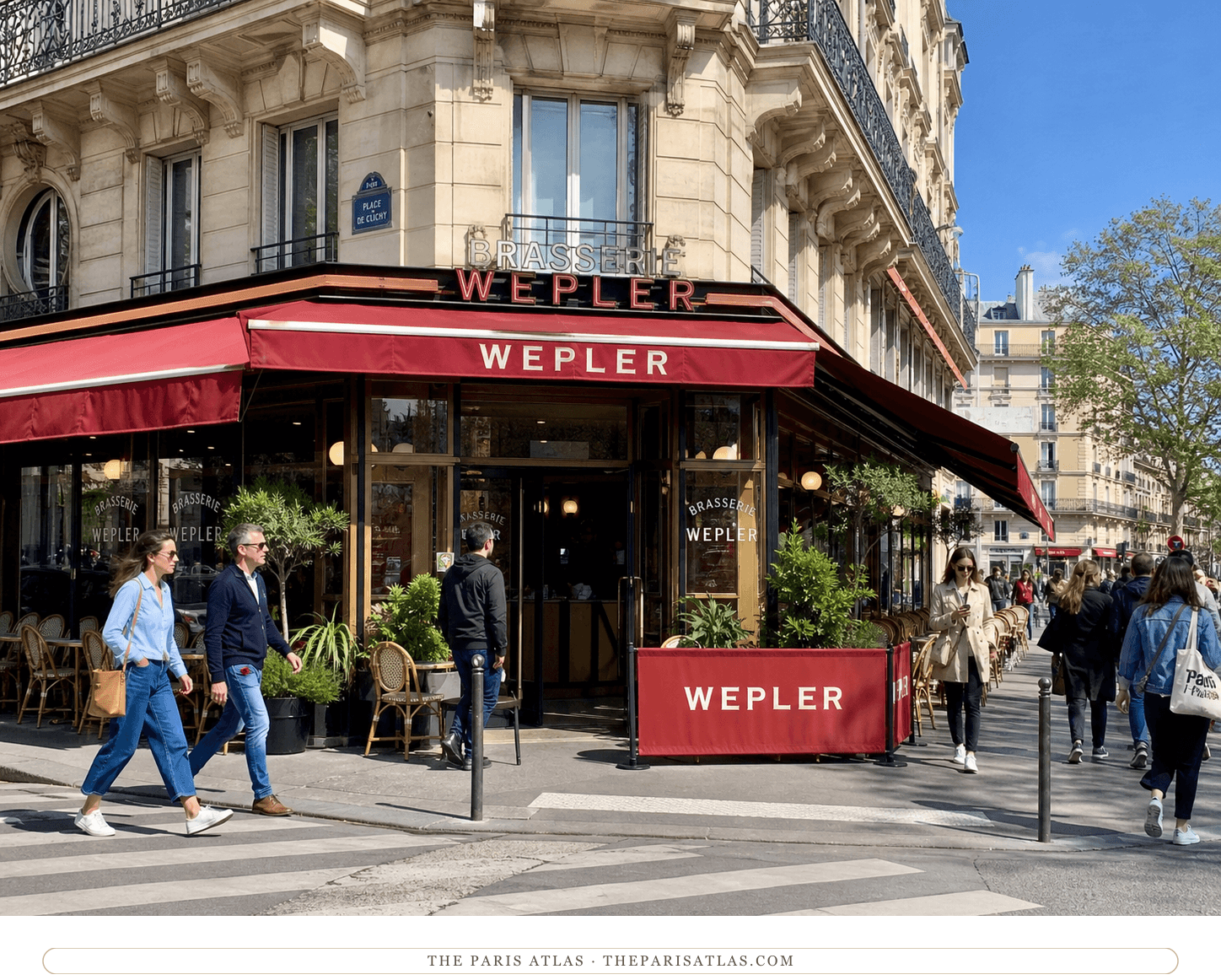
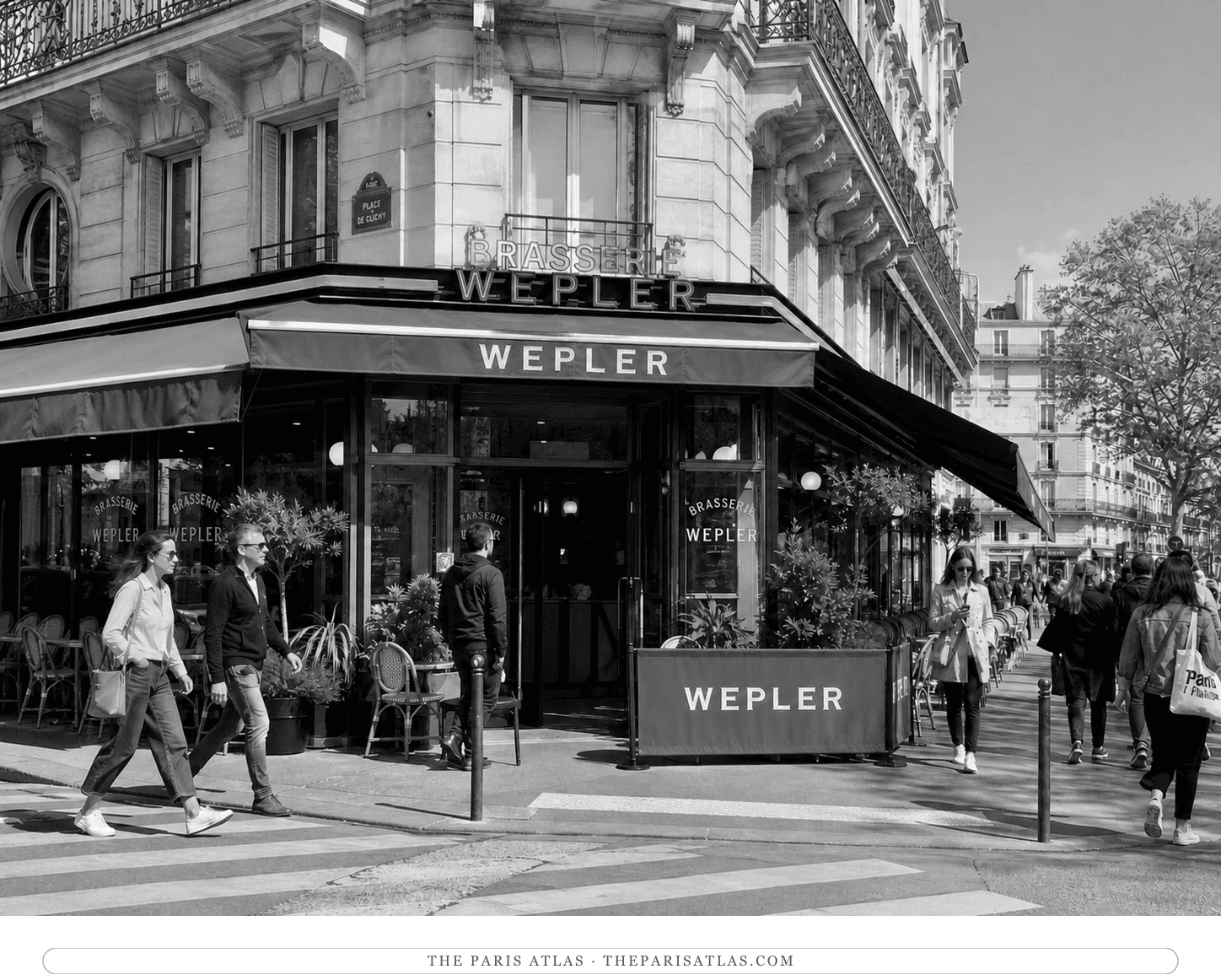
The big brasserie on the place de Clichy that Henry Miller used as his base during the Clichy years later recreated in Quiet Days in Clichy — somewhere to write, to wait for people, and to watch the square. Currently closed for renovation.
Visit the place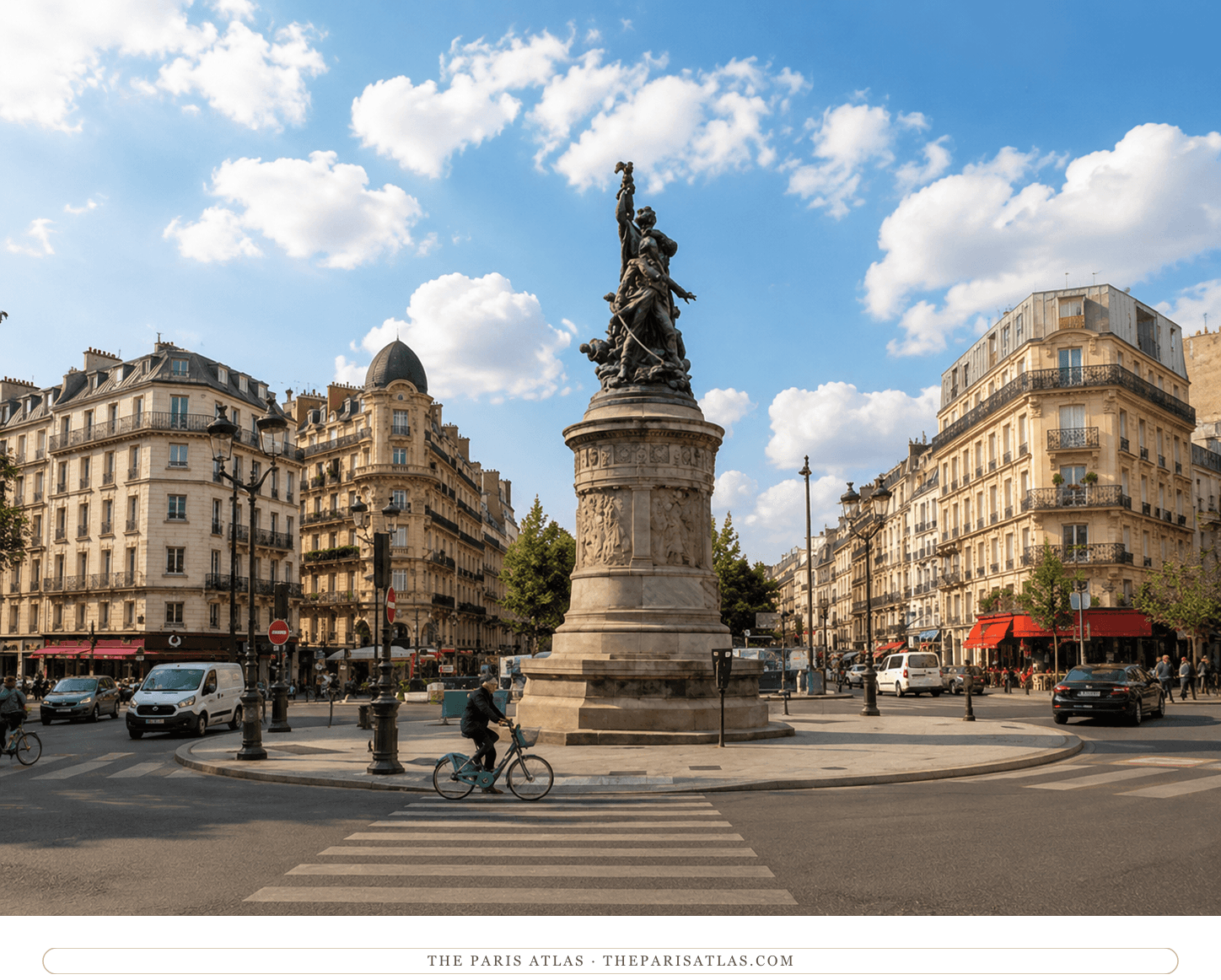
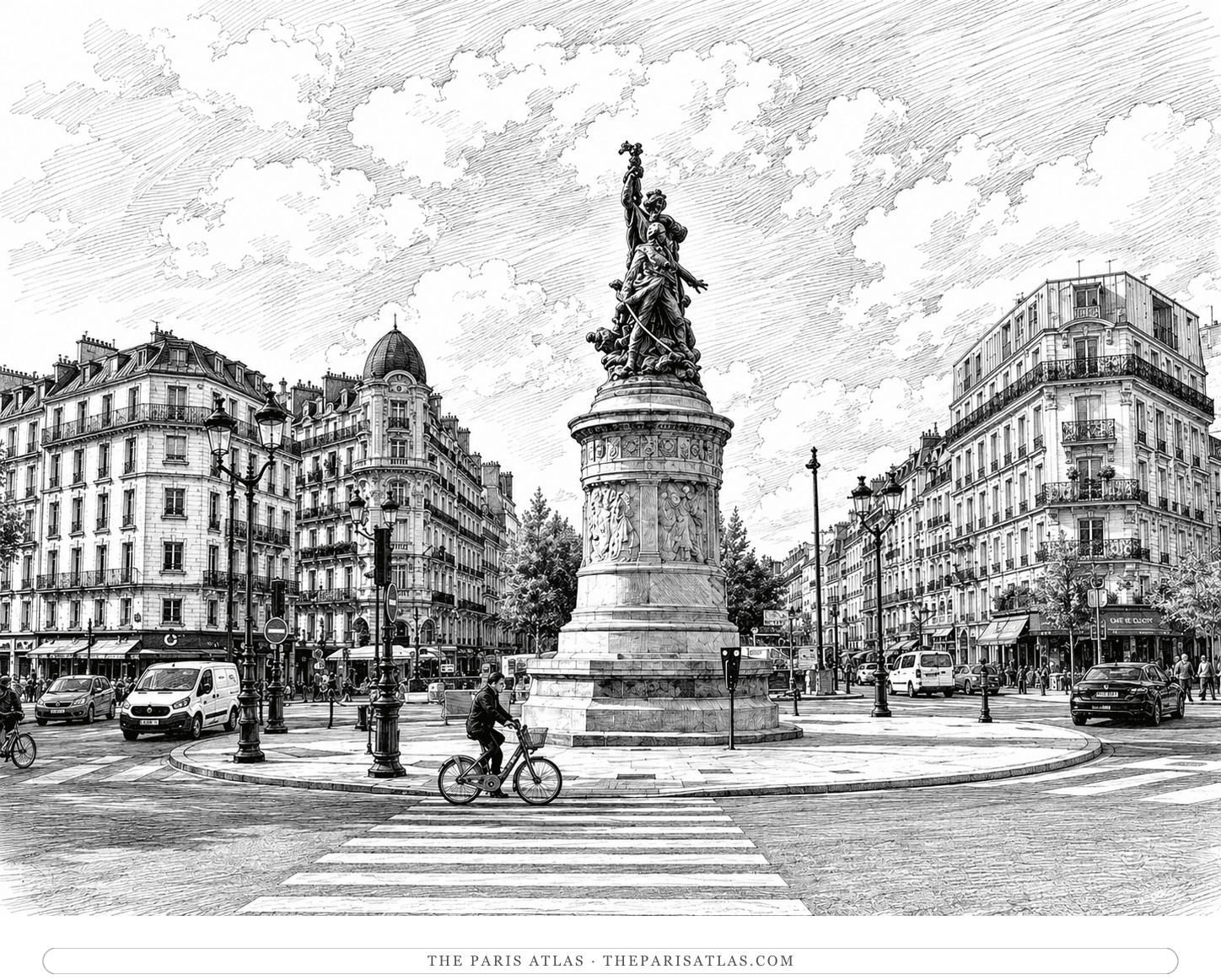
The crossroads where four arrondissements collide — and where Louis-Ferdinand Céline opens Journey to the End of the Night at a café table, with a recruitment parade passing and his narrator Bardamu jumping up to join the war.
Visit the place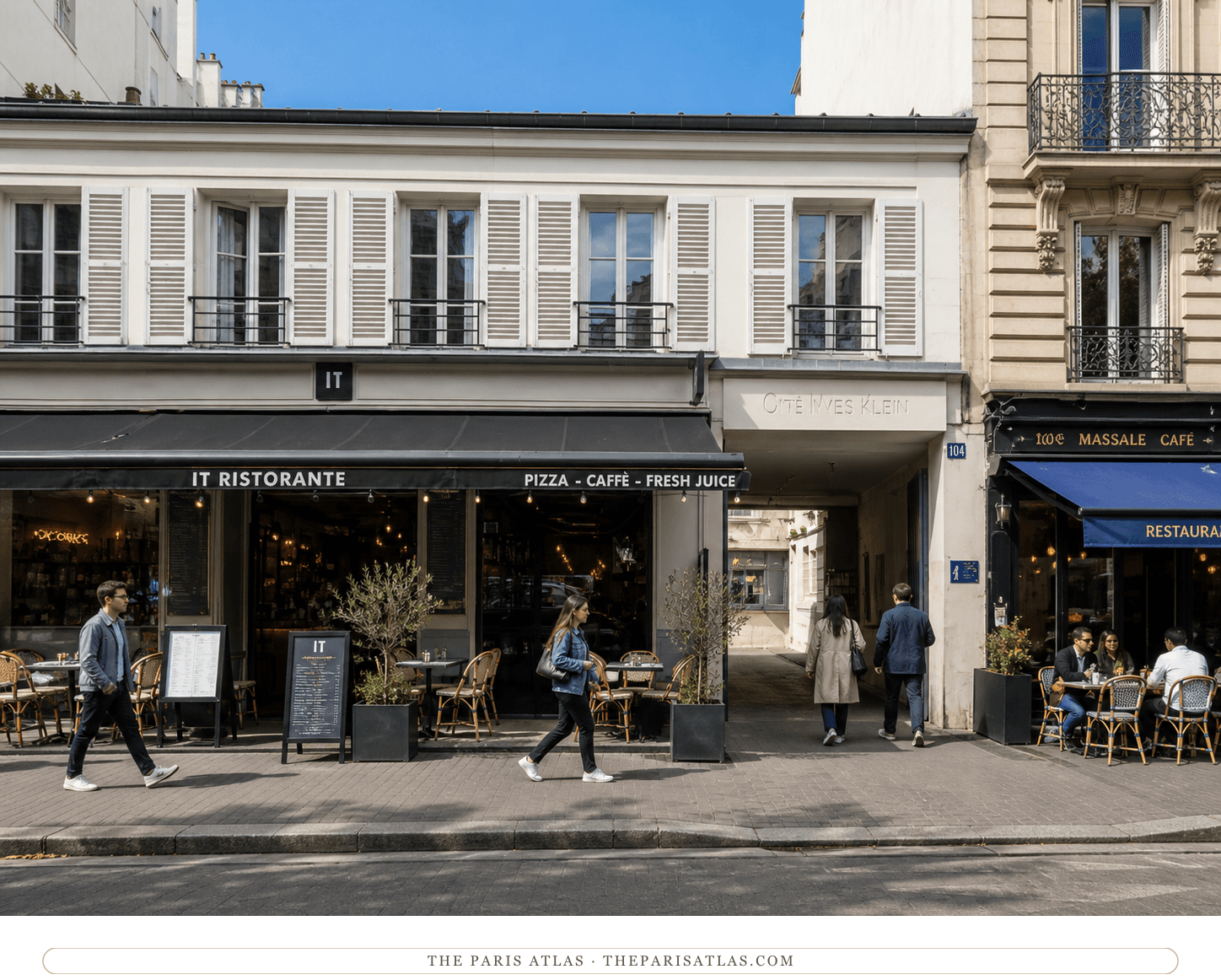
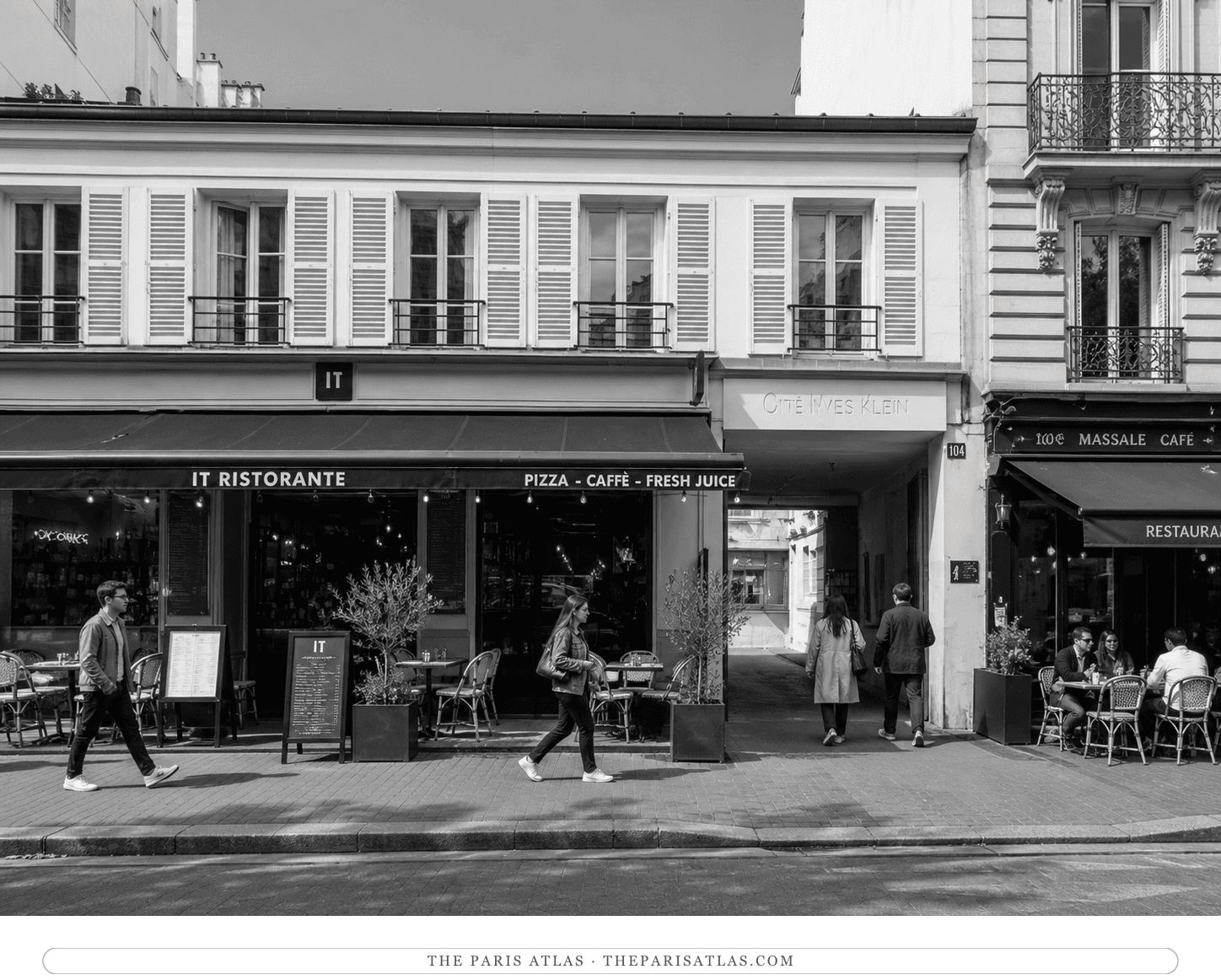
The open studio of the academic painter Fernand Cormon, on the ground floor at 104 boulevard de Clichy, where Vincent van Gogh worked from March 1886 alongside Toulouse-Lautrec, Émile Bernard and Louis Anquetin.
Visit the placeThe sources below include histories, archival materials, scholarly research, and official records that informed this page. They document 31 rue Ballu, the people connected to it, and its place in Paris.


Web source consulted for documented facts and historical context presented on the 31 rue Ballu page.
Web source consulted for documented facts and historical context presented on the 31 rue Ballu page.
Web source consulted for documented facts and historical context presented on the 31 rue Ballu page.
Web source consulted for documented facts and historical context presented on the 31 rue Ballu page.
These references provide the documented foundation for this page's history and context. Claim-level citations remain attached to the specific claims they support.
 Explore more resources
Newsletter
The cafés, studios, and walk-up flats where the work was made — one story from the map in every letter.