Henri de Toulouse-Lautrec
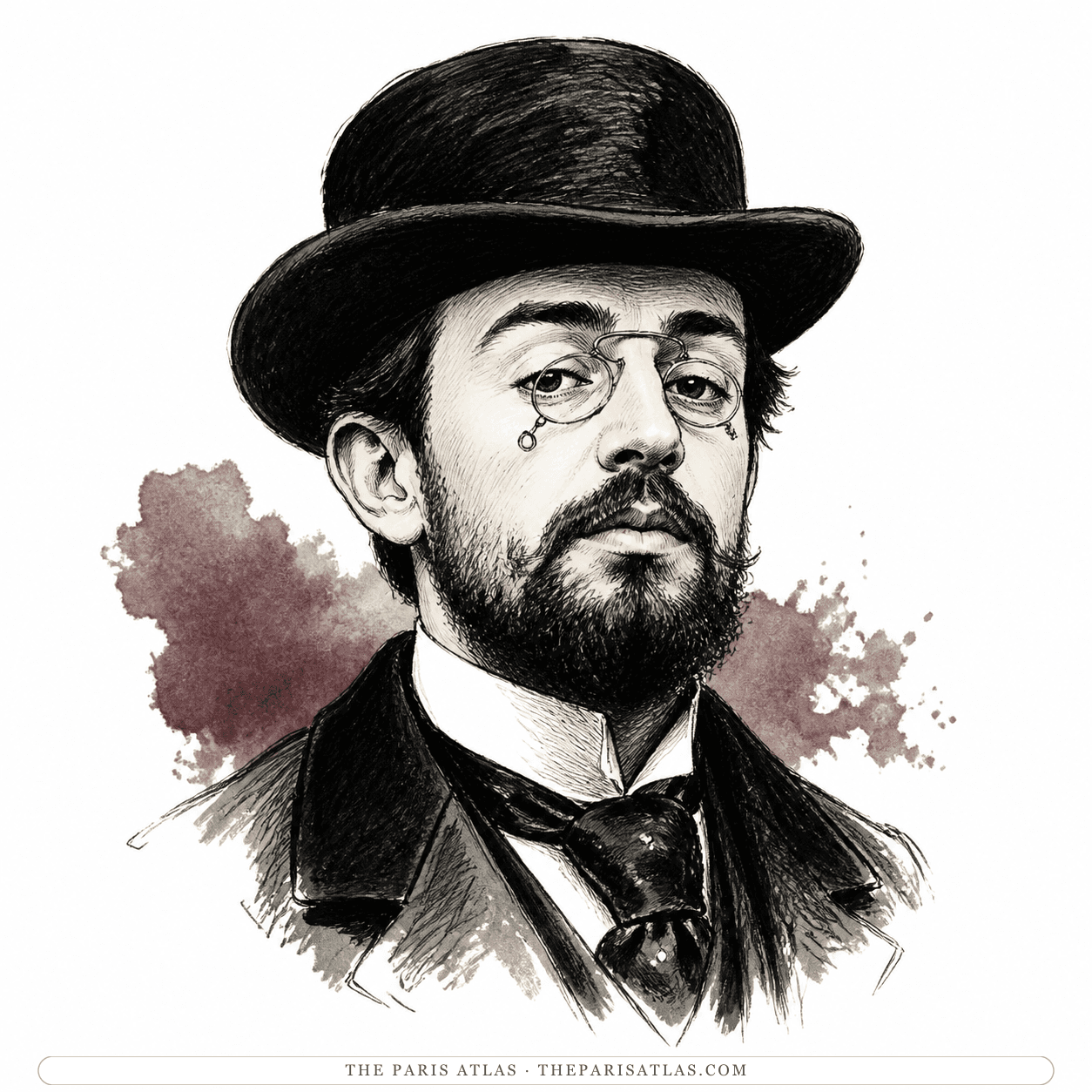
Toulouse-Lautrec was among the students at Cormon's open studio when Van Gogh joined in 1886. He made a pastel portrait of Van Gogh in 1887, now in the Van Gogh Museum.
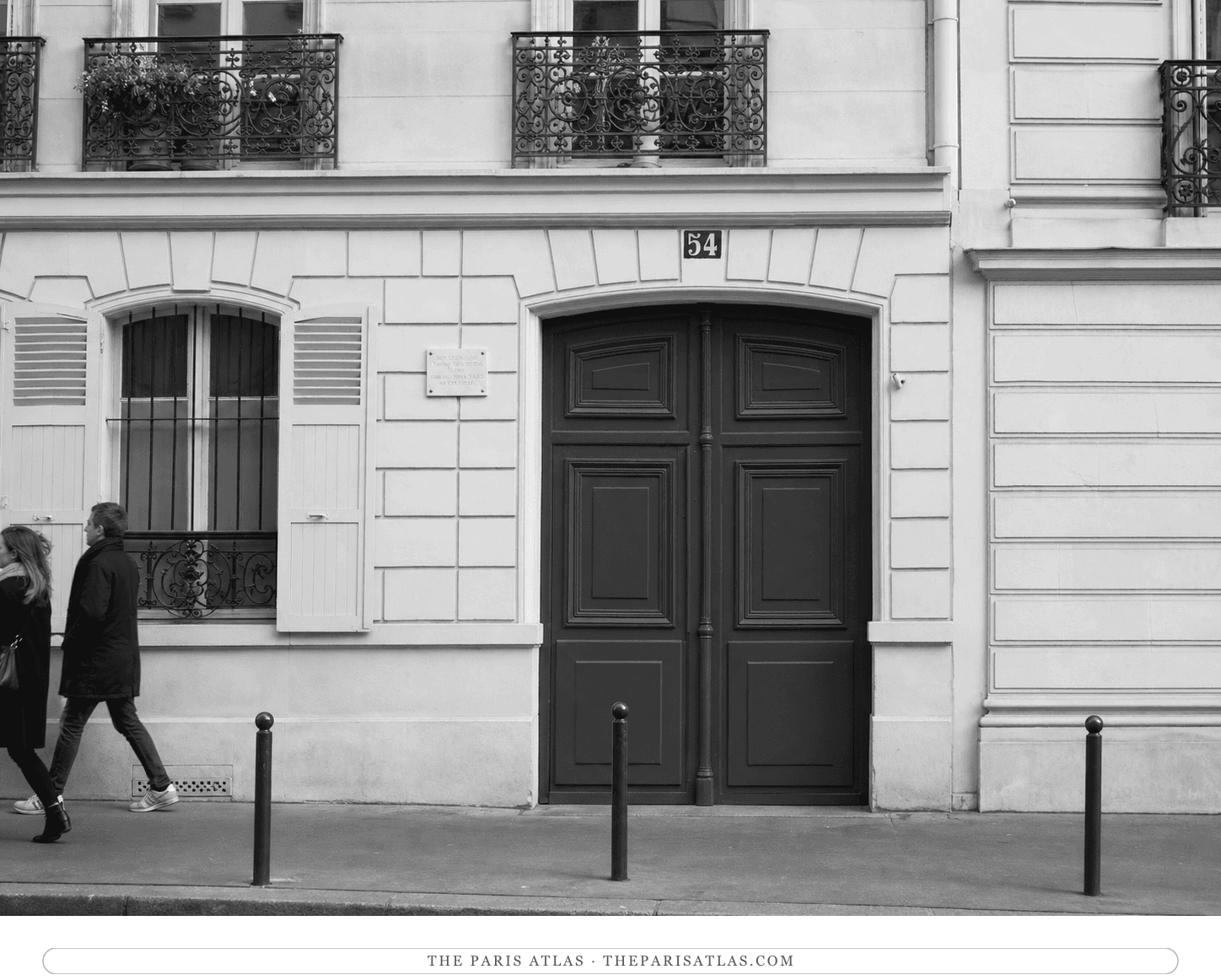
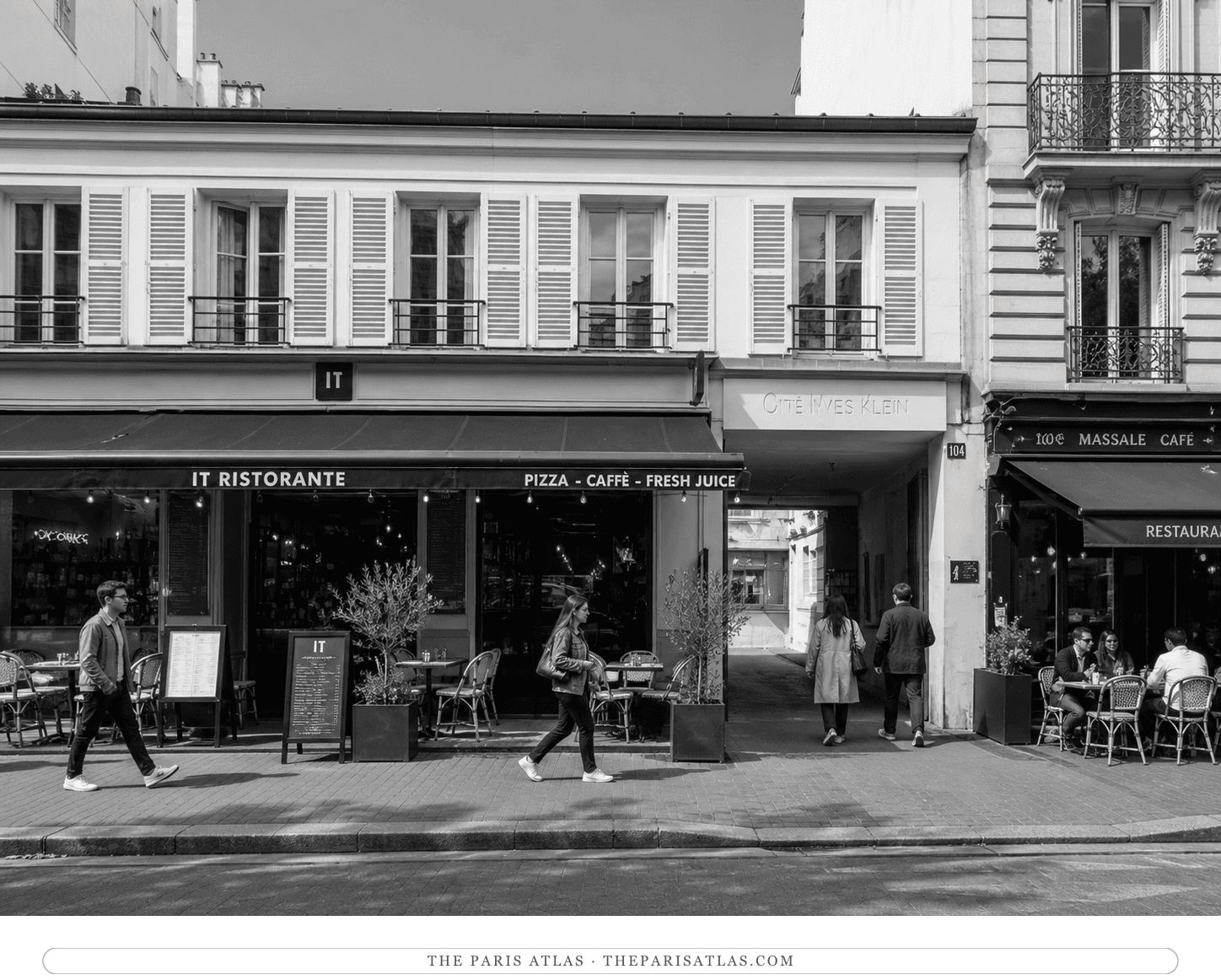
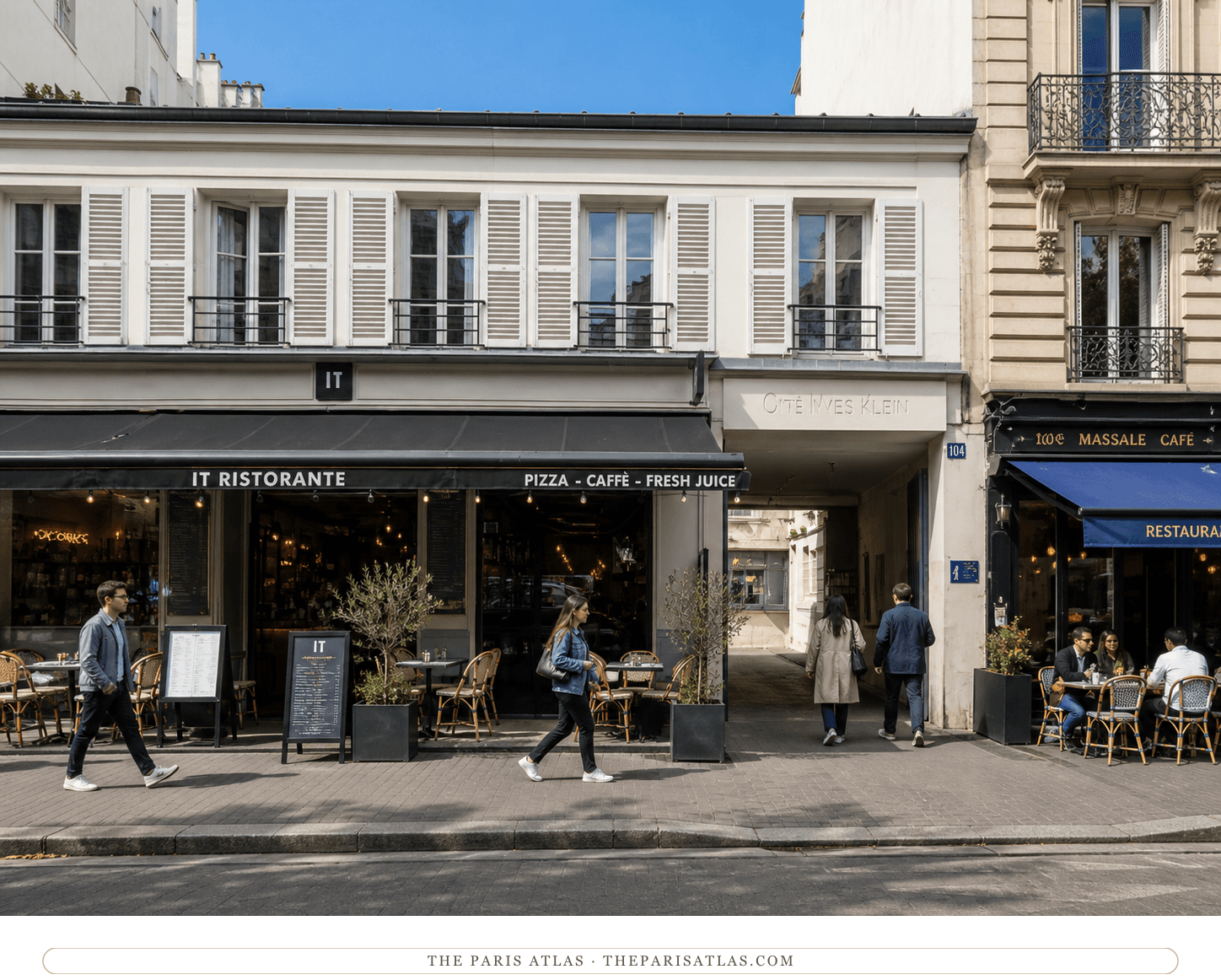
The open studio of the academic painter Fernand Cormon, on the ground floor at 104 boulevard de Clichy, where Vincent van Gogh worked from March 1886 alongside Toulouse-Lautrec, Émile Bernard and Louis Anquetin.
Fernand Cormon was a successful academic painter who ran an atelier libre — an open studio where students drew from the model without the full apparatus of the École des Beaux-Arts. Vincent van Gogh joined almost immediately on reaching Paris in March 1886, and the encounter that followed mattered far more than the teaching did.[1]
Among the students were Henri de Toulouse-Lautrec, Émile Bernard and Louis Anquetin — three young painters already impatient with everything Cormon stood for. Bernard's memoirs describe the daily rhythm: Vincent working through the mornings from the nude model with the rest of the students, then drawing from plaster casts in the afternoons in a studio that had emptied out to just himself, Toulouse-Lautrec, Anquetin and Bernard.[2]
An atelier libre filled a practical gap in Paris. It gave artists access to a posed model and working space without requiring them to win admission to the École des Beaux-Arts or submit to its full curriculum. Cormon supplied an academically respectable name and the room; the students could use the apparatus for purposes he did not control. Vincent needed exactly that arrangement because Theo's first flat on the rue de Laval had no room for an easel.
That afternoon room is the point. Four painters, all in their twenties, drawing plaster in a half-deserted studio on the boulevard de Clichy — and out of it came the poster art of Montmartre, Cloisonnism, and the colour of Arles. Toulouse-Lautrec painted a pastel portrait of Vincent in 1887, now in the Van Gogh Museum, which is the closest thing there is to a photograph of him from these years.[3]
The importance of the atelier was therefore social as much as instructional. Van Gogh did not emerge as a follower of Cormon's history painting. He emerged with peers: Bernard and Anquetin were developing the flat areas and strong contours later called Cloisonnism, while Toulouse-Lautrec was turning observation of Parisian life into a radically compressed graphic language. They looked at and argued over one another's work, exchanged portraits, and continued meeting after the formal sessions stopped being useful.
The boulevard outside also mattered. Cormon's studio stood close to the cafés, cheap restaurants, colour merchants and exhibition rooms that made the lower Montmartre network work. A student could draw here, walk east to Père Tanguy's shop, and continue uphill into the streets Van Gogh painted. The school was one node in that compact geography rather than a sealed academy.[4]
The building stands. The studio does not, and there is nothing to see but the façade.
Cormon's own reputation helps explain why the atelier could attract such an unstable mixture of convention and experiment. He exhibited large historical and biblical scenes in the official system and offered students the discipline of drawing from a live body, proportion and pose. Van Gogh did not need to accept the subjects or finish of academic painting to profit from that routine. In letters written before Paris he repeatedly worried about his command of the figure. The open studio gave him hours with models at precisely the moment when his domestic address could not.[1]
The friendships formed here also complicate the idea that Paris simply taught Van Gogh Impressionism. Bernard and Anquetin were younger than he was and were themselves changing direction; Toulouse-Lautrec moved between studio practice, portraiture and the entertainment culture of Montmartre. Van Gogh learned within a field of competing experiments rather than receiving one established doctrine. His portraits of acquaintances, brighter still lifes and increasingly compressed views of the northern suburbs belong to that crowded exchange.
Van Gogh did not remain a dutiful pupil. Accounts of the period describe arguments and an eventual break with Cormon's studio, while the relationships among the students continued elsewhere—in cafés, apartments, colour shops and exhibitions they organised themselves. That movement away from the teacher is part of the address's significance. The atelier provided a meeting point and practical resources; the artistic consequences emerged after its authority had weakened.
For a present-day reader, the exact survival claim should stay modest. Number 104 is a building on a public boulevard, but the nineteenth-century teaching room is not a preserved visitor site and no reconstruction is offered inside. The façade locates the school within walking distance of Theo's two apartments, Père Tanguy's shop and the venues where the younger painters showed. Its value is geographic: it turns a famous list of names back into people who repeatedly crossed the same small section of northern Paris.
The address also corrects a persistent simplification: Van Gogh did not spend the Paris years learning only by looking at finished pictures. He drew from models, handled the practical limits of shared workrooms and measured his ability against living contemporaries. The painter who left for Arles carried disciplined figure practice as well as brighter colour and new friendships.
Van Gogh joins Cormon's studio in March and meets Toulouse-Lautrec, Bernard and Anquetin.
Toulouse-Lautrec makes his pastel portrait of Van Gogh.
At Fernand Cormon's open studio, 104 boulevard de Clichy, in March 1886. Émile Bernard and Louis Anquetin were in the same small group.
Only at Cormon's atelier libre, an open studio rather than an academy. He had left the Antwerp academy shortly before coming to Paris.
Toulouse-Lautrec was among the students at Cormon's open studio when Van Gogh joined in 1886. He made a pastel portrait of Van Gogh in 1887, now in the Van Gogh Museum.
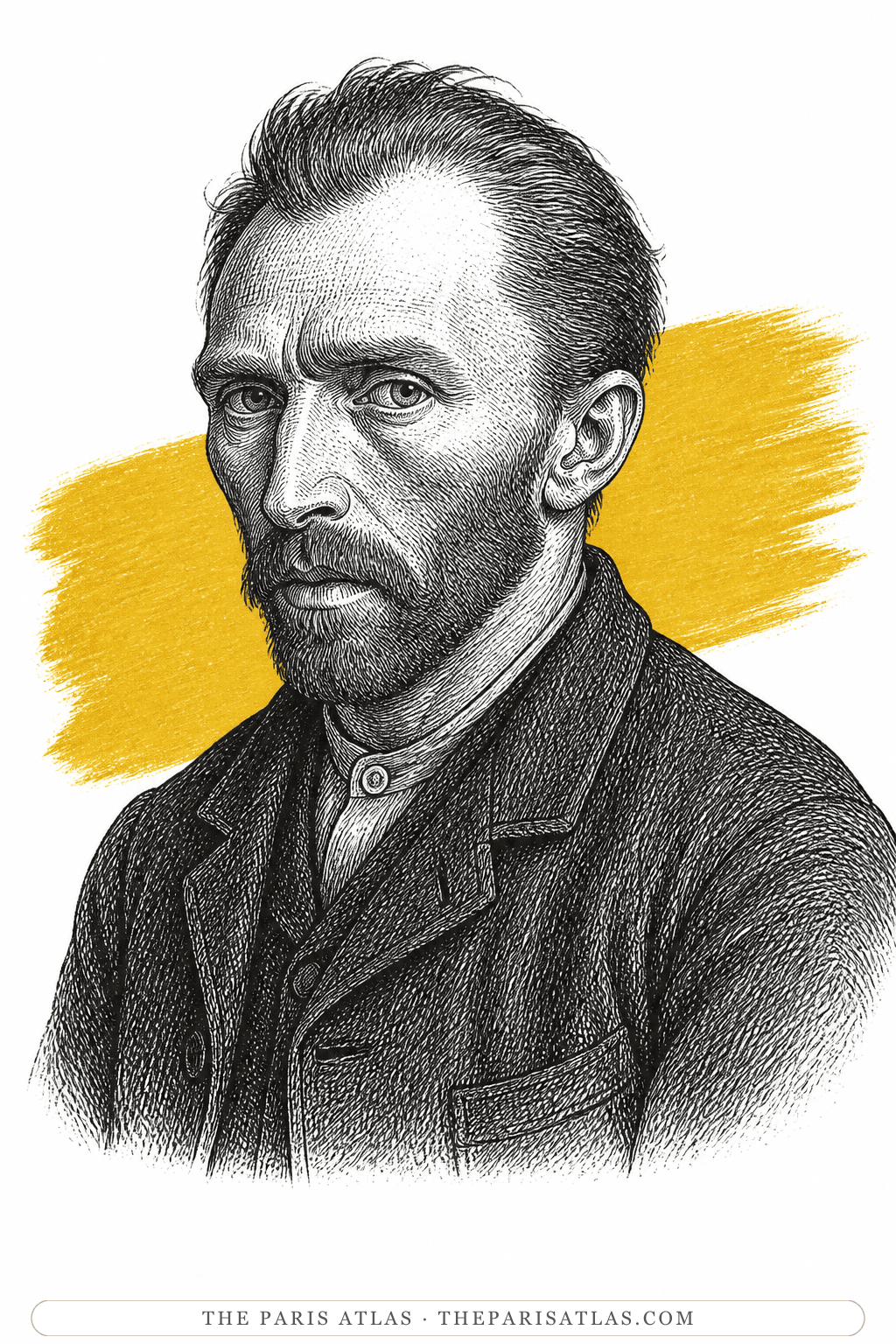
Van Gogh joined Fernand Cormon's atelier libre in March 1886, working mornings from the nude model and afternoons from plaster casts alongside Toulouse-Lautrec, Emile Bernard and Louis Anquetin.
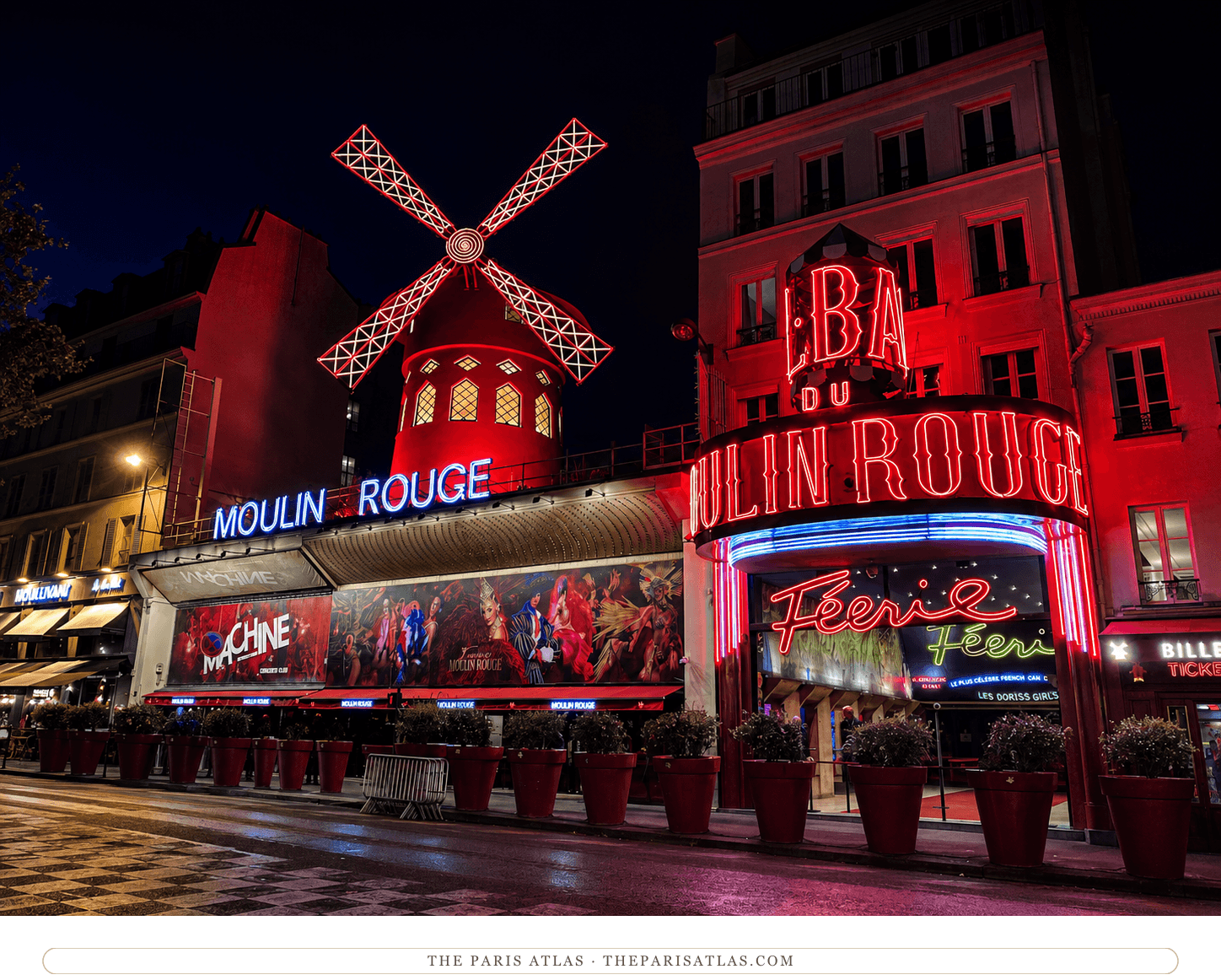
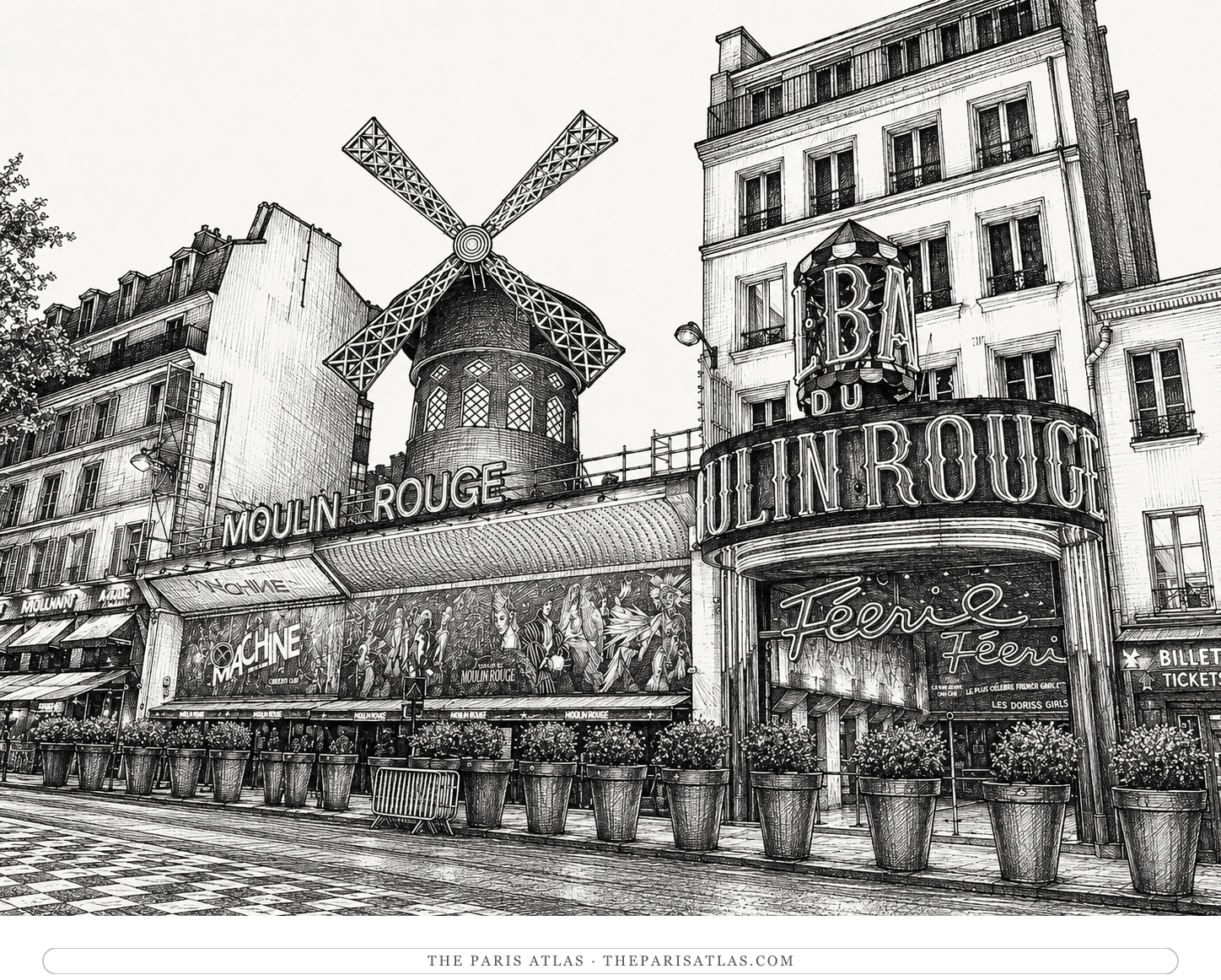
Where Colette's 1907 mime with her lover Mathilde de Morny set off a riot and was banned by the police — her most notorious Paris performance.
Visit the place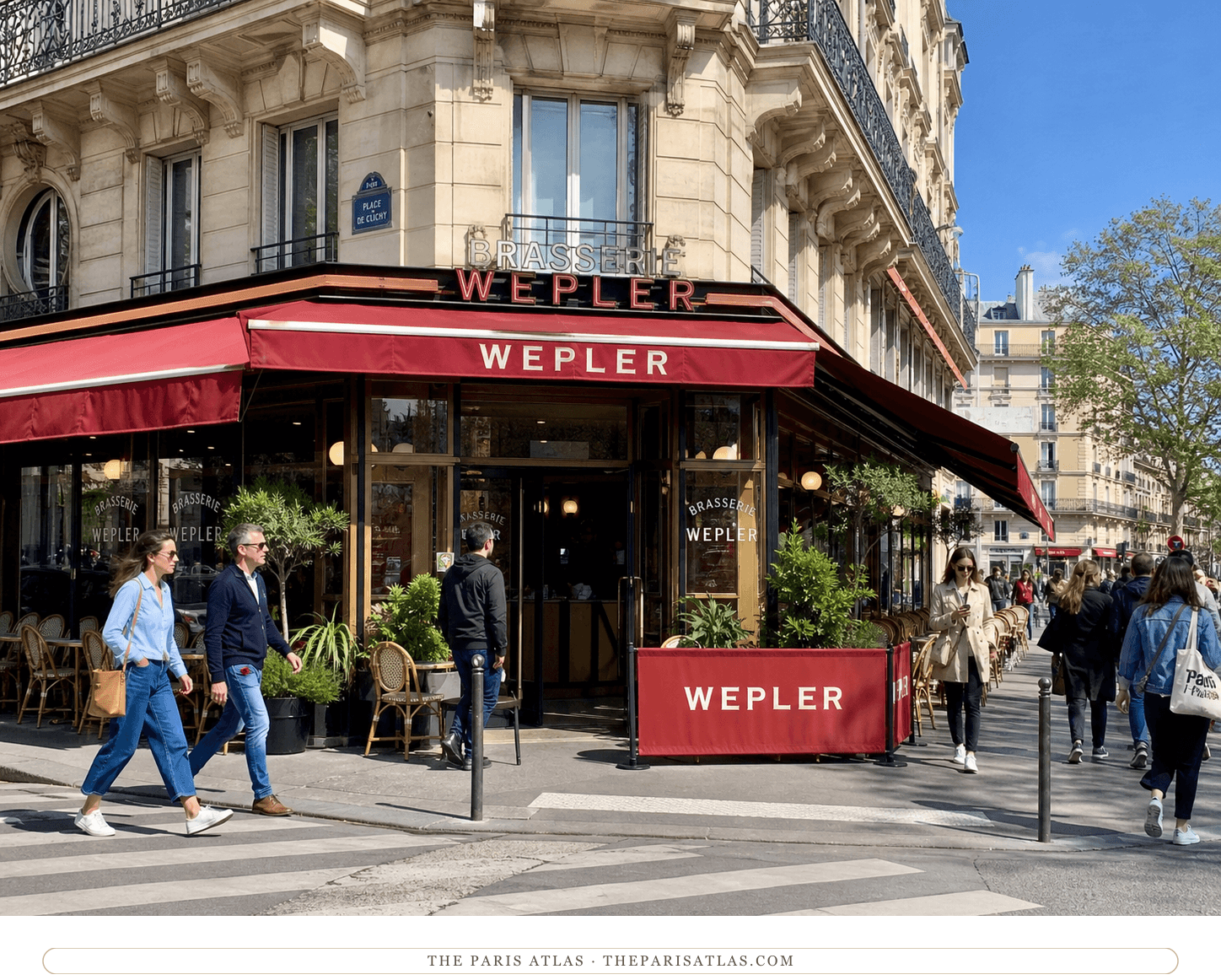
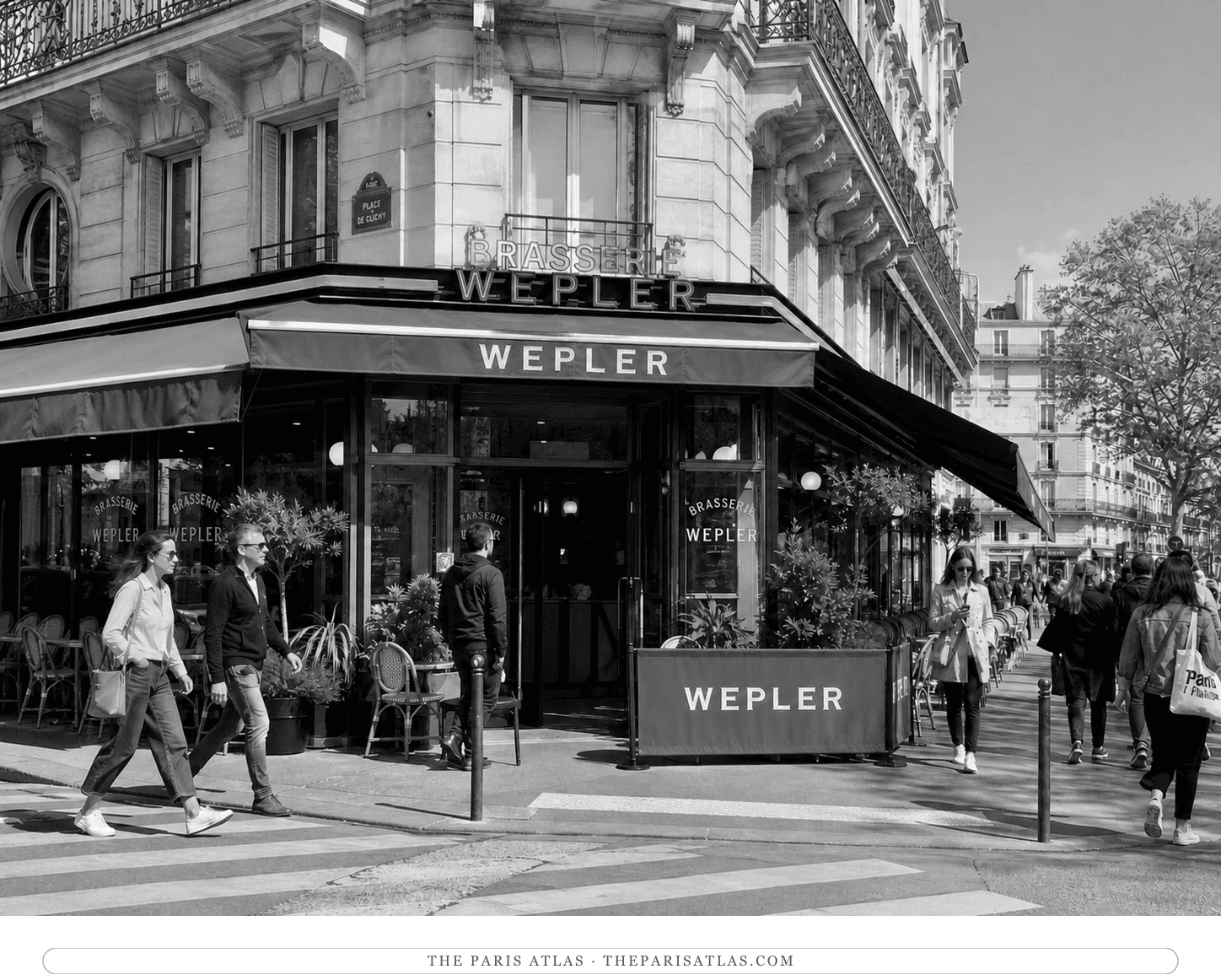
The big brasserie on the place de Clichy that Henry Miller used as his base during the Clichy years later recreated in Quiet Days in Clichy — somewhere to write, to wait for people, and to watch the square. Currently closed for renovation.
Visit the place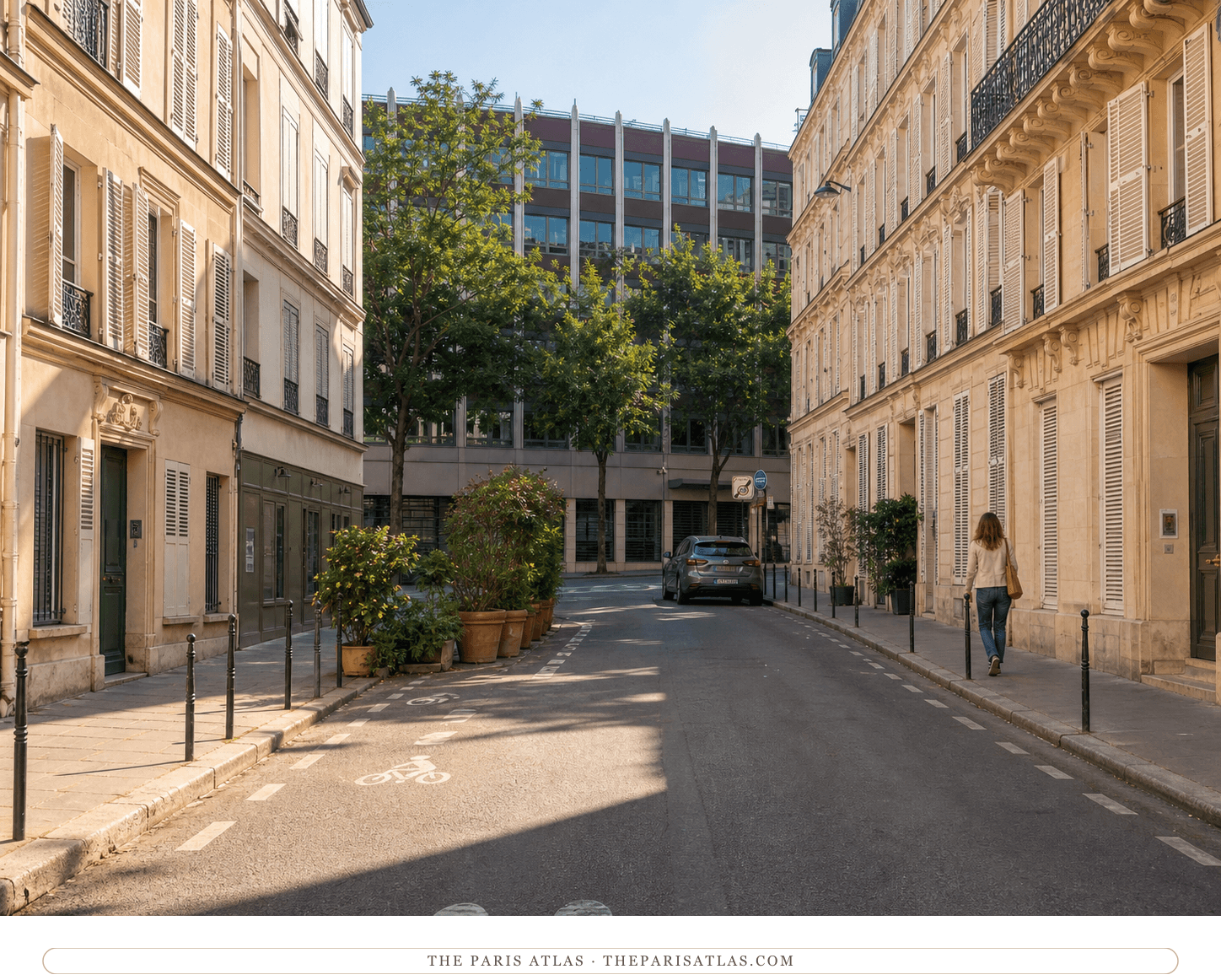
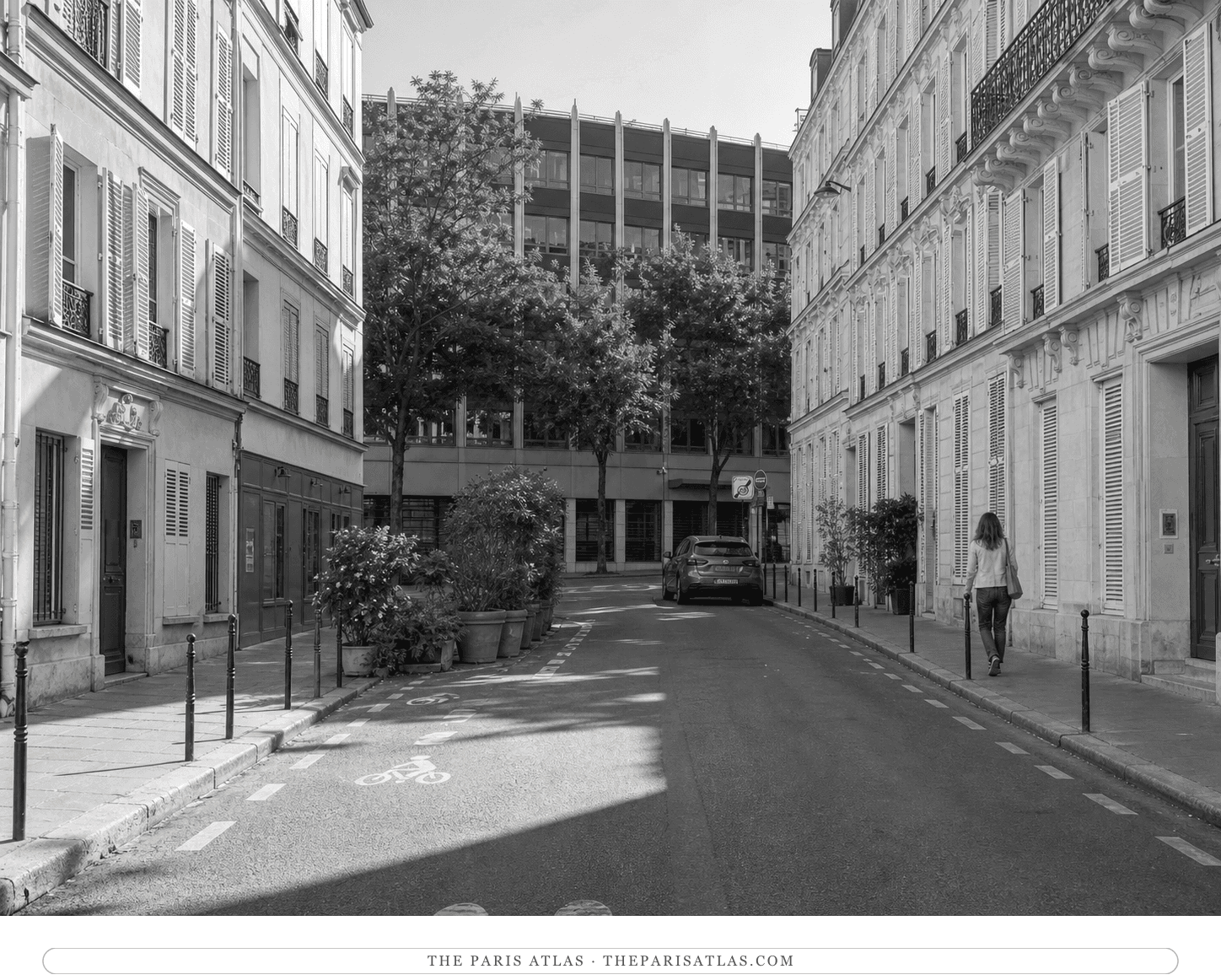
The last address the record gives Paul Cézanne in Paris, taken on 21 October 1899. He left for Aix and spent the remaining seven years of his life painting the same mountain.
Visit the place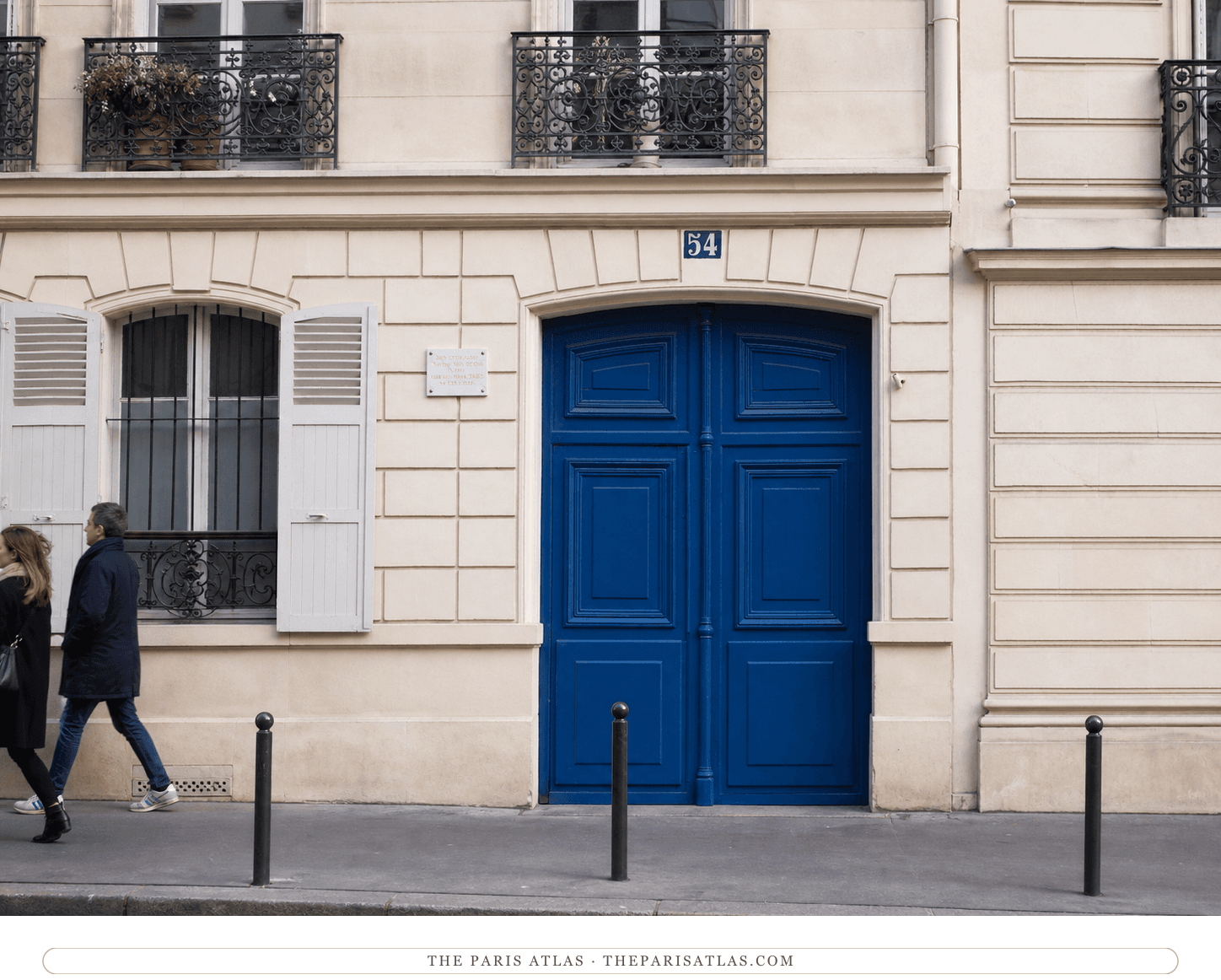
The Montmartre flat Vincent van Gogh shared with his brother Theo from June 1886 until he left for Arles in February 1888 — the address where his palette turned from Dutch brown to the colour everyone now knows him for.
Visit the placeThe sources below include histories, archival materials, scholarly research, and official records that informed this page. They document Atelier Cormon, 104 boulevard de Clichy, the people connected to it, and its place in Paris.

Web source consulted for documented facts and historical context presented on the Atelier Cormon, 104 boulevard de Clichy page.
Web source consulted for documented facts and historical context presented on the Atelier Cormon, 104 boulevard de Clichy page.
Web source consulted for documented facts and historical context presented on the Atelier Cormon, 104 boulevard de Clichy page.
These references provide the documented foundation for this page's history and context. Claim-level citations remain attached to the specific claims they support.
 Explore more resources
Newsletter
The cafés, studios, and walk-up flats where the work was made — one story from the map in every letter.