
Recalled in the memoir
The Big Sea
Hughes recalls dancing here with Anne Marie Coussey, whom he calls Mary, during their spring 1924 romance.
Where Colette's 1907 mime with her lover Mathilde de Morny set off a riot and was banned by the police — her most notorious Paris performance.
On 3 January 1907 Colette took the stage at the Moulin Rouge in Rêve d'Égypte, a mime in which she played a mummy unwrapped and revived by an archaeologist. The archaeologist was Mathilde de Morny — known as Missy, the Marquise de Belbeuf — Colette's lover, who performed in men's dress. Their kiss brought an uproar in the hall, with catcalls and thrown objects from part of the audience.
The prefect of police, Louis Lépine, forbade Missy to appear again in the piece. It was reworked as Songe d'Orient and then banned outright. The episode made the relationship public in the crudest way and fixed Colette's reputation for scandal during the years she and Missy lived openly together.
In the spring of 1924, Langston Hughes came here to dance with Anne Marie Coussey, the English-Nigerian woman he calls Mary in The Big Sea. Hughes was washing dishes on the night shift at Le Grand Duc and seldom had money for their outings; Mary had an allowance and paid until, as he remembered it, whose money they spent stopped mattering. The Moulin Rouge belongs to the private love story of his Paris year, not to his working life in the clubs.
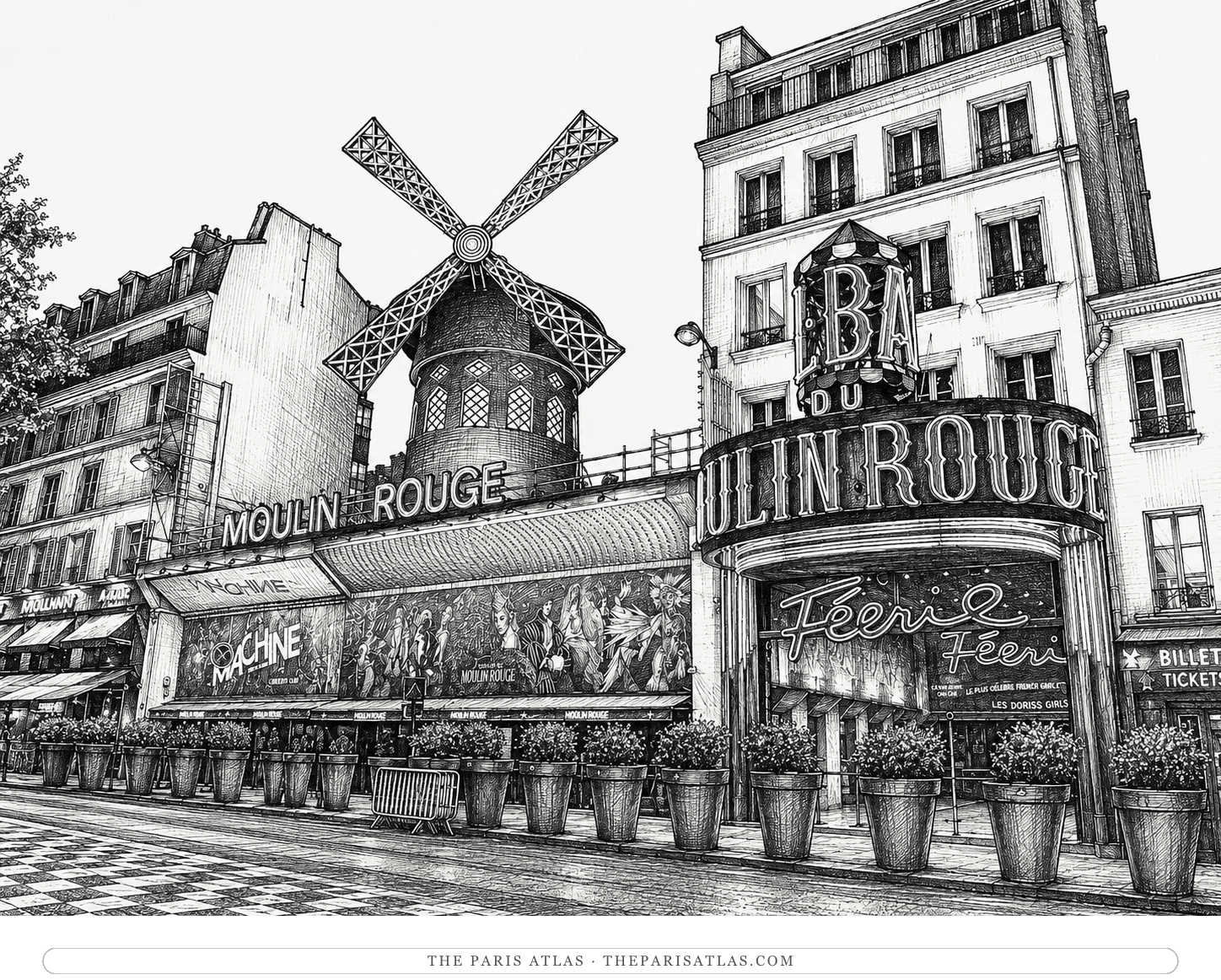
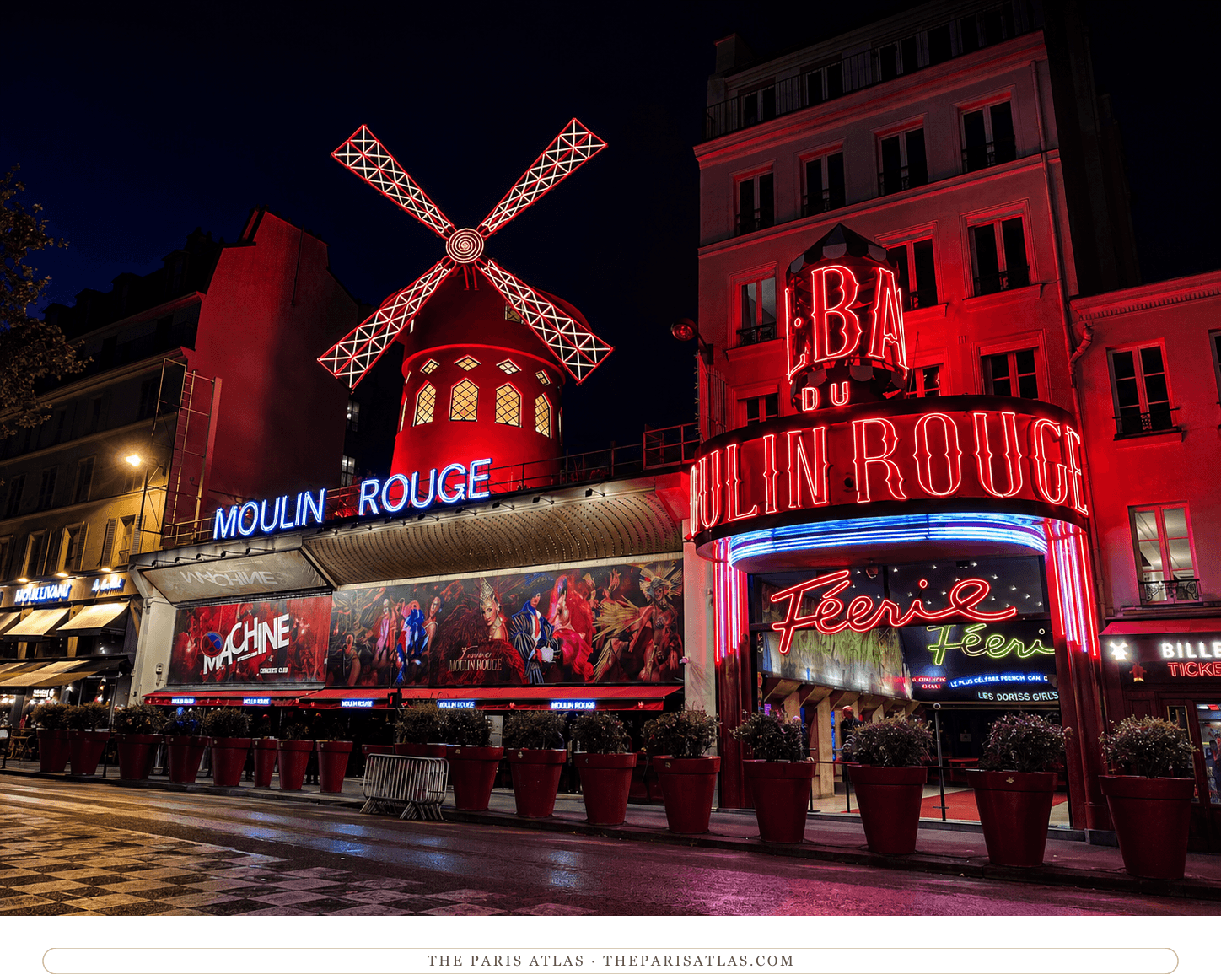
The Moulin Rouge had opened in 1889, co-founded by Joseph Oller and Charles Zidler. The hall Colette performed in was destroyed by fire in 1915; the cabaret reopened in 1925 in the rebuilt house that stands today at 82 boulevard de Clichy.
Joseph Oller and Charles Zidler open the Moulin Rouge in Montmartre.
Colette and Mathilde de Morny perform Rêve d'Égypte on 3 January; the police ban the piece.
Fire destroys the original hall.
Langston Hughes and Mary come here dancing during their spring romance.
The Moulin Rouge reopens in the rebuilt house that stands today.
Yes. On 3 January 1907 she appeared in the mime Rêve d'Égypte with her lover Mathilde de Morny. Their on-stage kiss caused an uproar, and the police then banned the piece.
In the mime, Colette played a mummy revived by an archaeologist played by Mathilde de Morny, in men's dress. Their kiss set off a riot in the hall. The prefect of police forbade Morny to appear, the piece was reworked as Songe d'Orient, and it was then banned.
Mathilde de Morny, the Marquise de Belbeuf, known as Missy — Colette's partner in these years, who often dressed in men's clothes. She performed opposite Colette at the Moulin Rouge in 1907.
No. The hall she performed in burned down in 1915. The cabaret reopened in 1925 in a rebuilt house, which still operates at 82 boulevard de Clichy.
In 1889, co-founded by Joseph Oller and Charles Zidler at the foot of Montmartre.
Yes. In The Big Sea he remembers going dancing here with Mary, Anne Marie Coussey, in spring 1924. Hughes had very little money during his Paris year, and Mary usually paid for their outings.
Recalled in the memoir
Hughes recalls dancing here with Anne Marie Coussey, whom he calls Mary, during their spring 1924 romance.
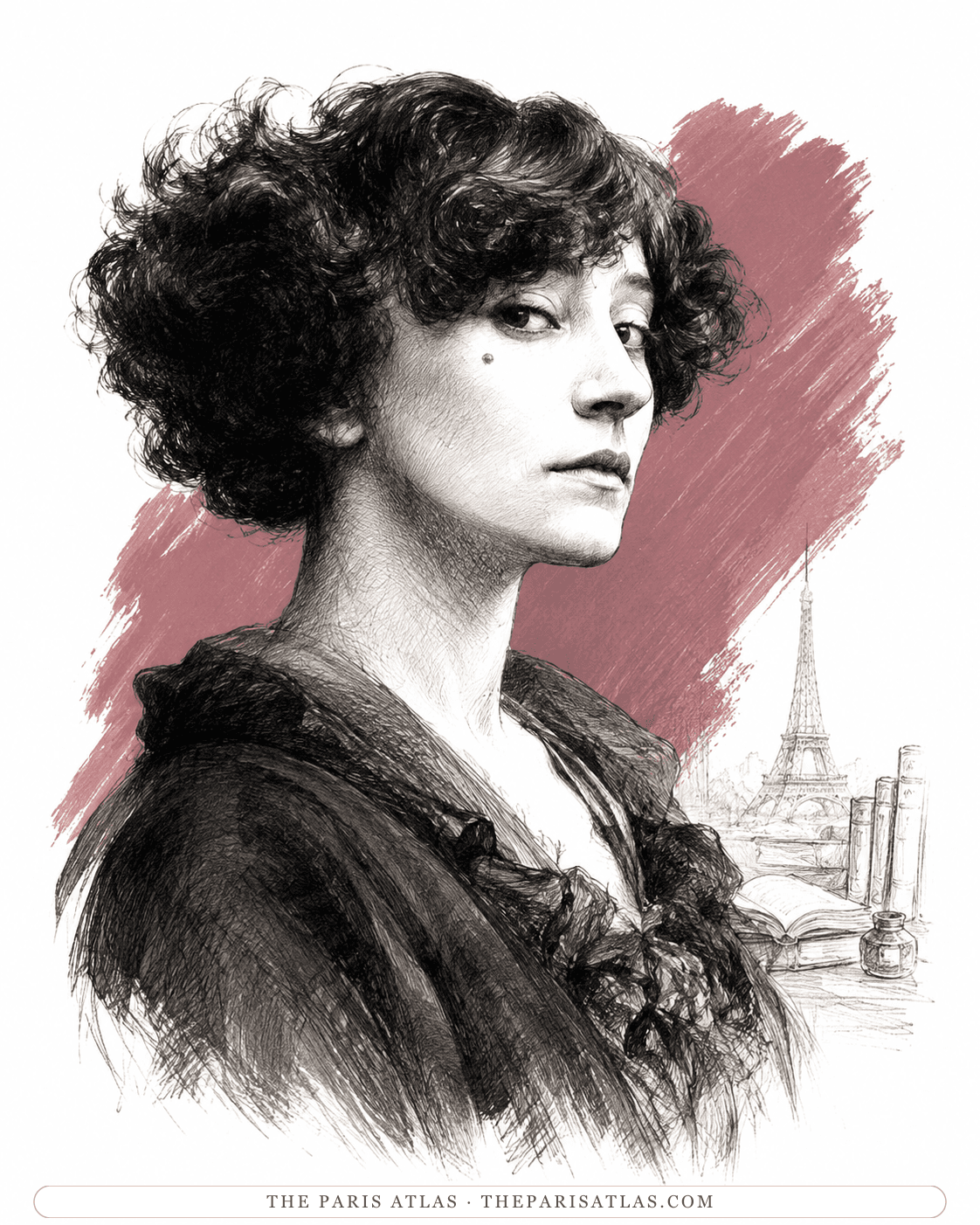
Performed here · 1907
Colette performed the mime Rêve d'Égypte with Mathilde de Morny (Missy) on 3 January 1907; their kiss caused a riot, and the police banned the piece.
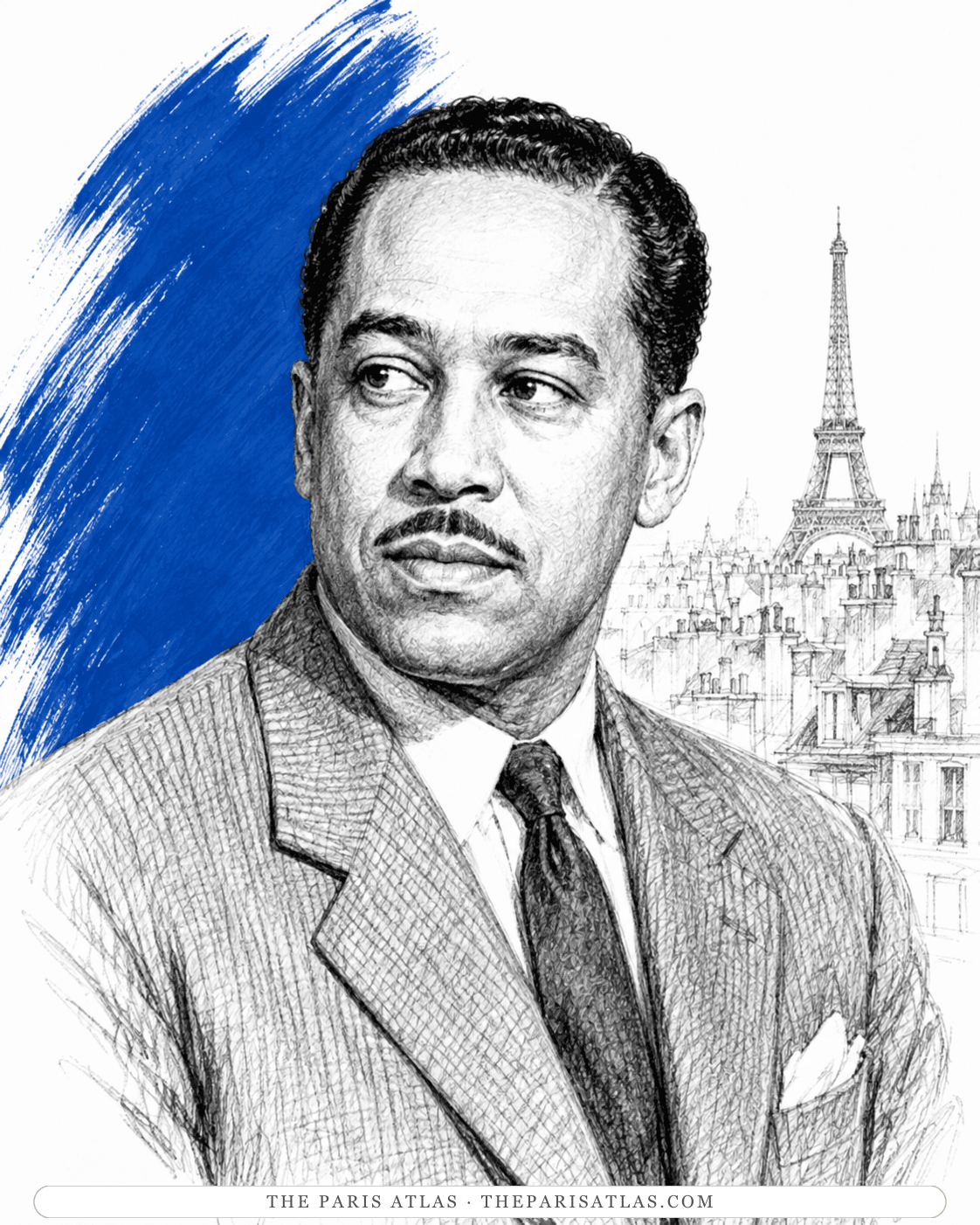
Visited by
Hughes danced here with Anne Marie Coussey, whom he calls Mary, during their spring 1924 romance.
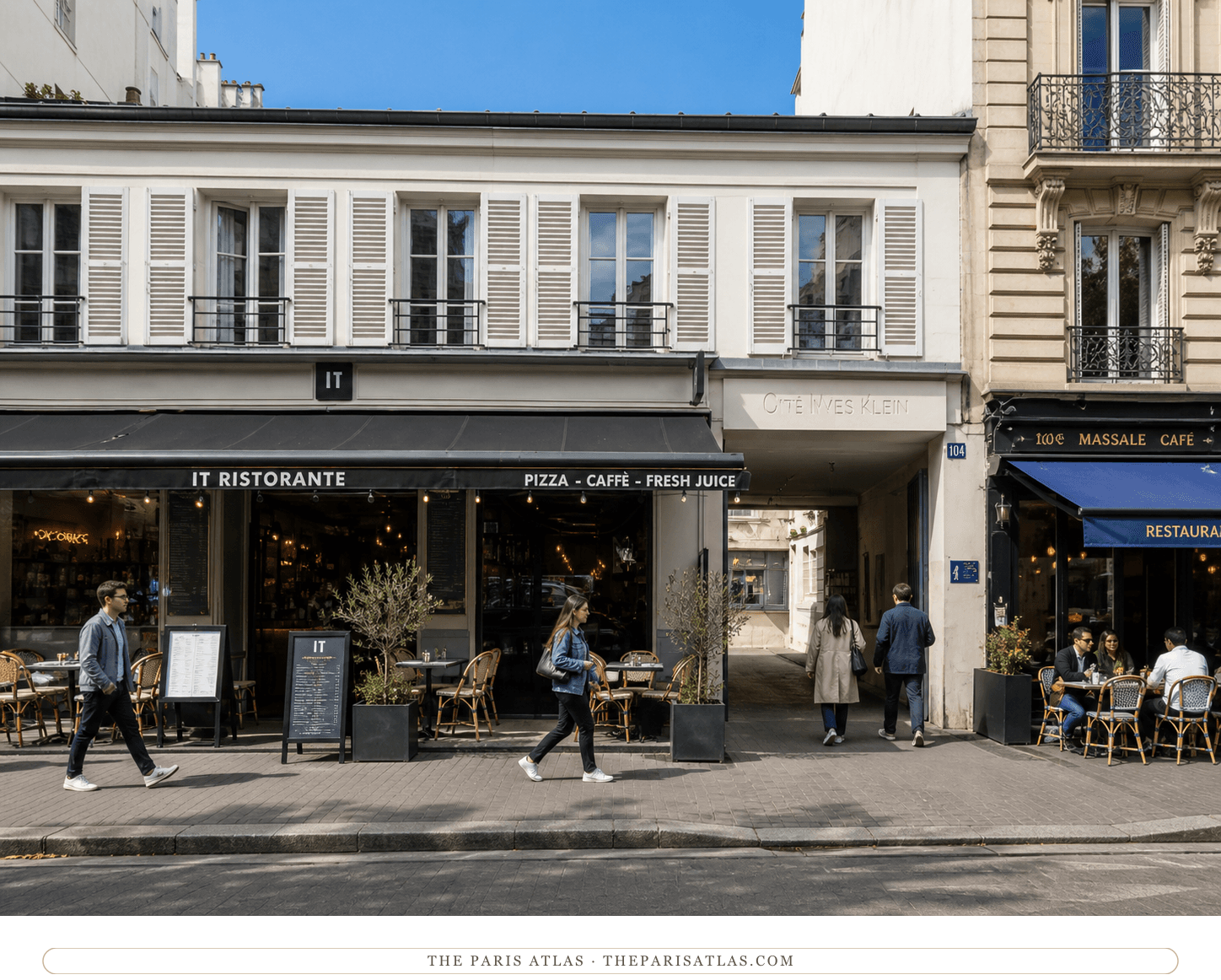
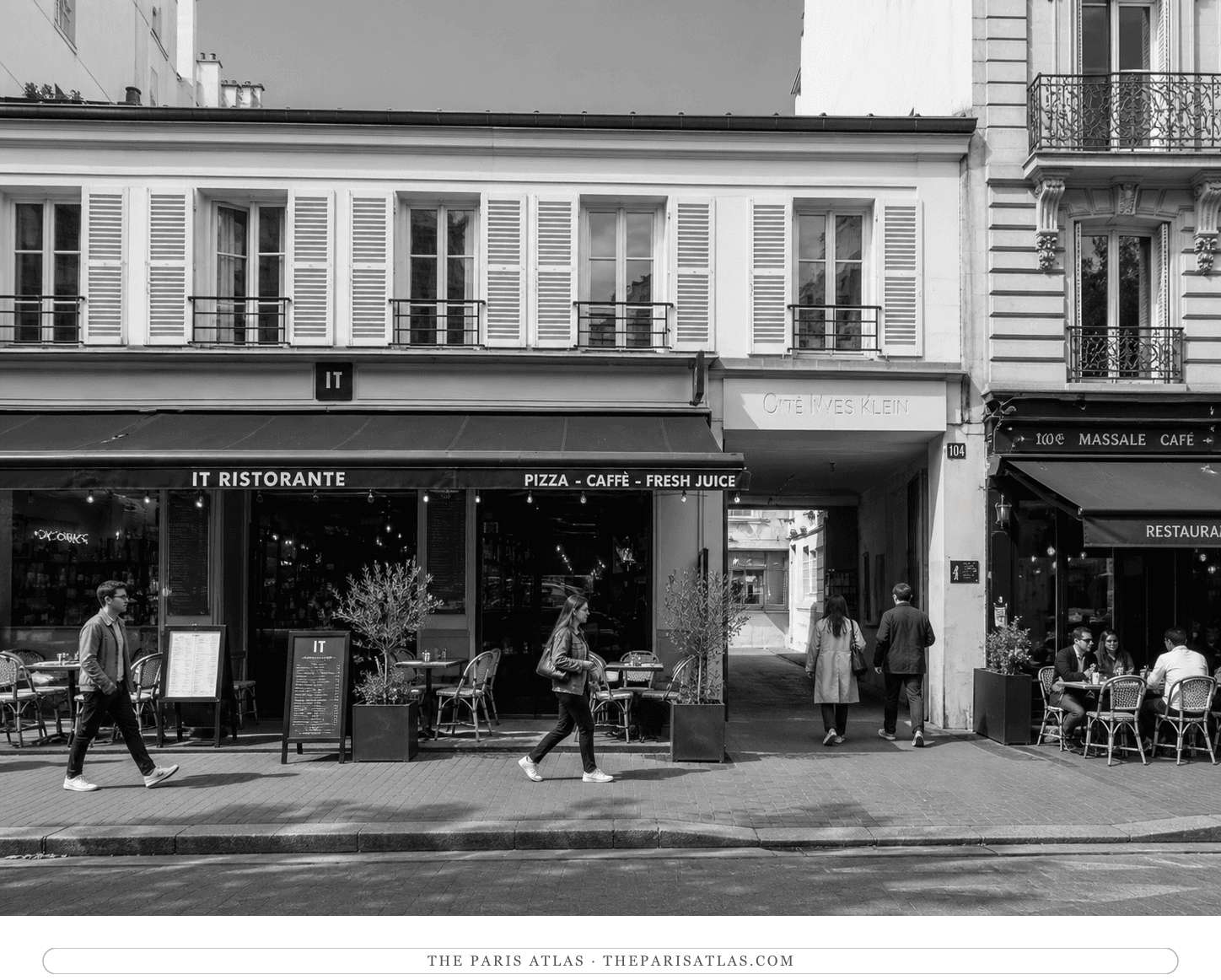
The open studio of the academic painter Fernand Cormon, on the ground floor at 104 boulevard de Clichy, where Vincent van Gogh worked from March 1886 alongside Toulouse-Lautrec, Émile Bernard and Louis Anquetin.
Visit the place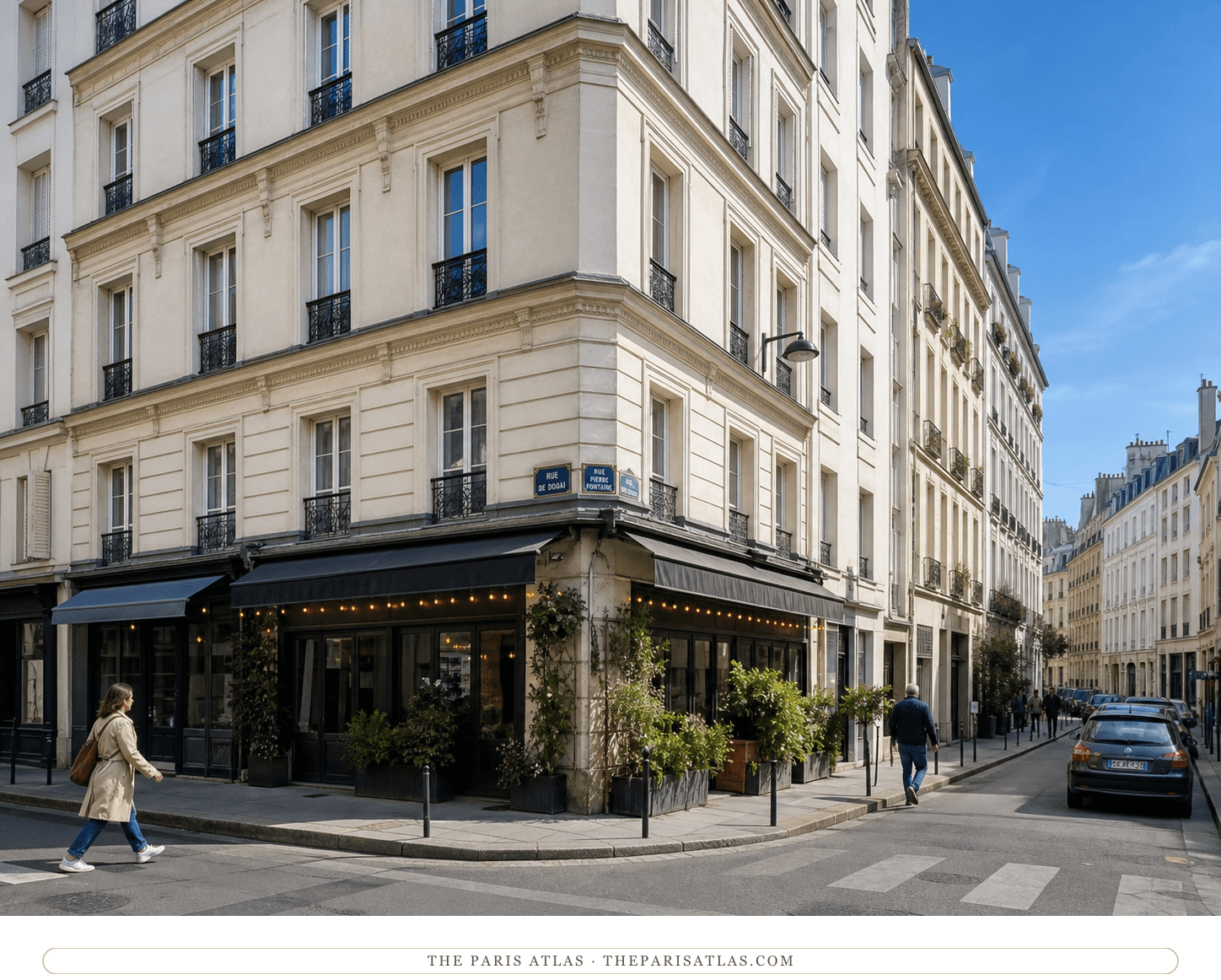
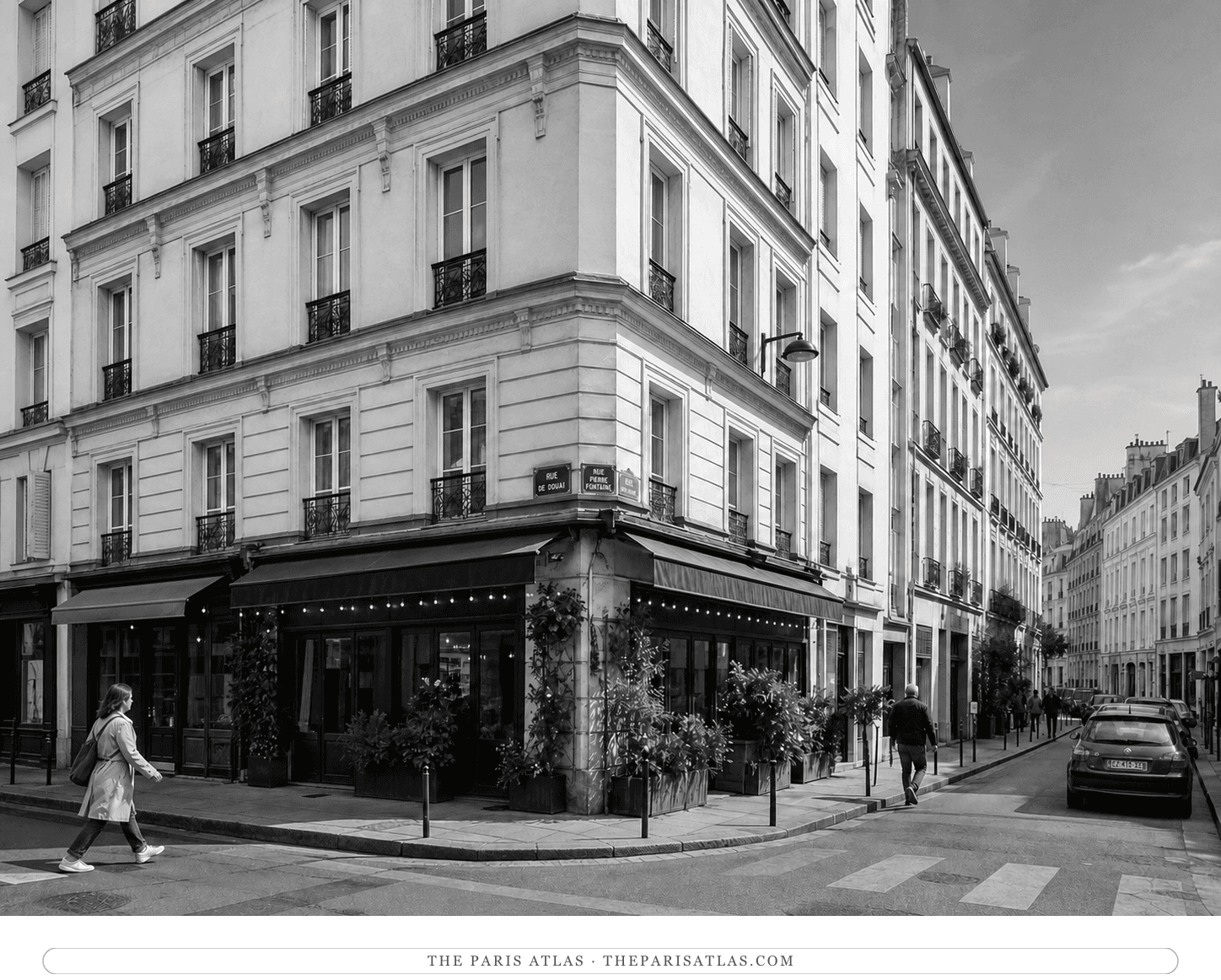
The surviving Pigalle corner where the vanished Café Liseux and Hotel Liseux stood, and where Langston Hughes lodged during his 1937 and 1938 returns to Paris.
Visit the place
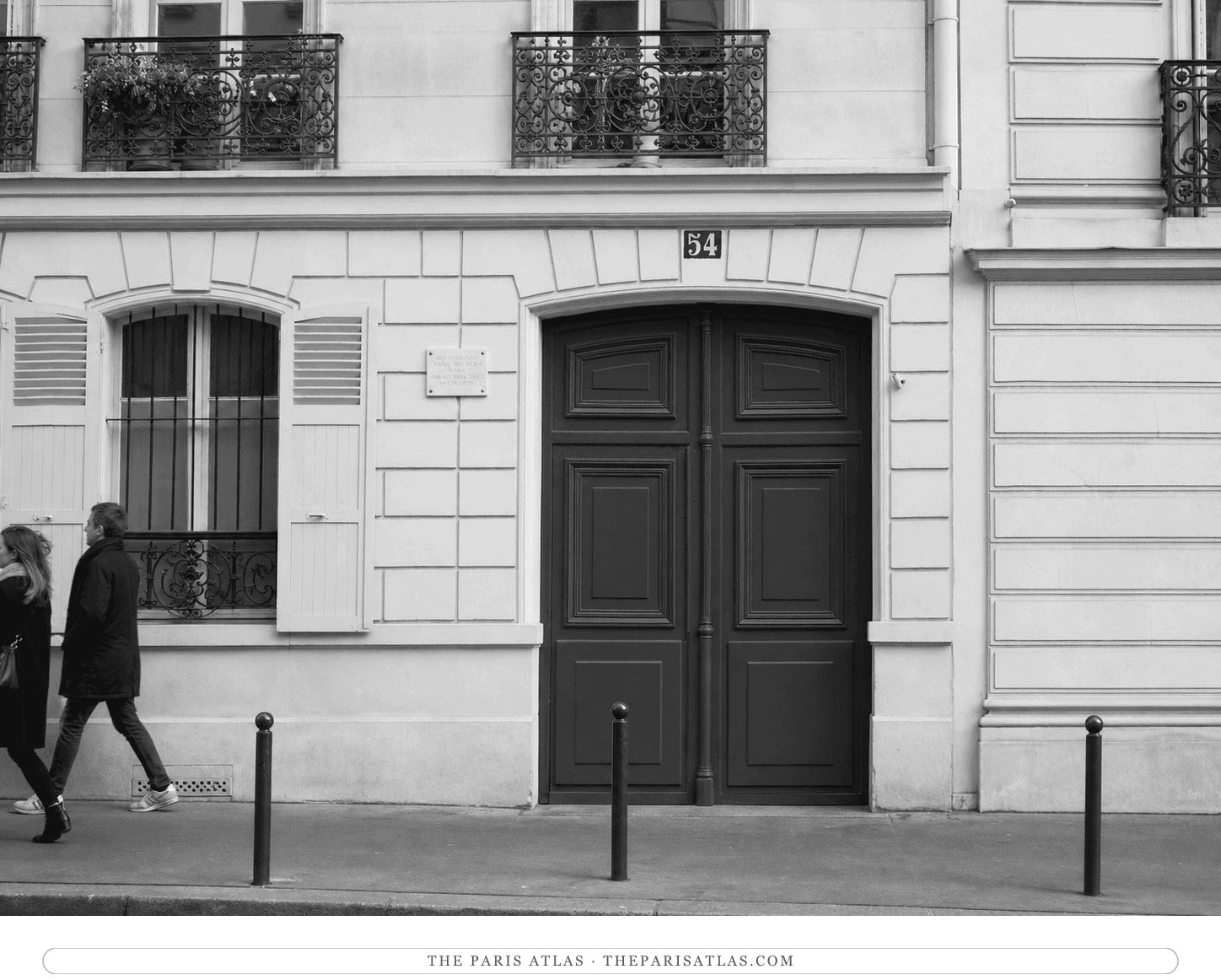
The Montmartre flat Vincent van Gogh shared with his brother Theo from June 1886 until he left for Arles in February 1888 — the address where his palette turned from Dutch brown to the colour everyone now knows him for.
Visit the place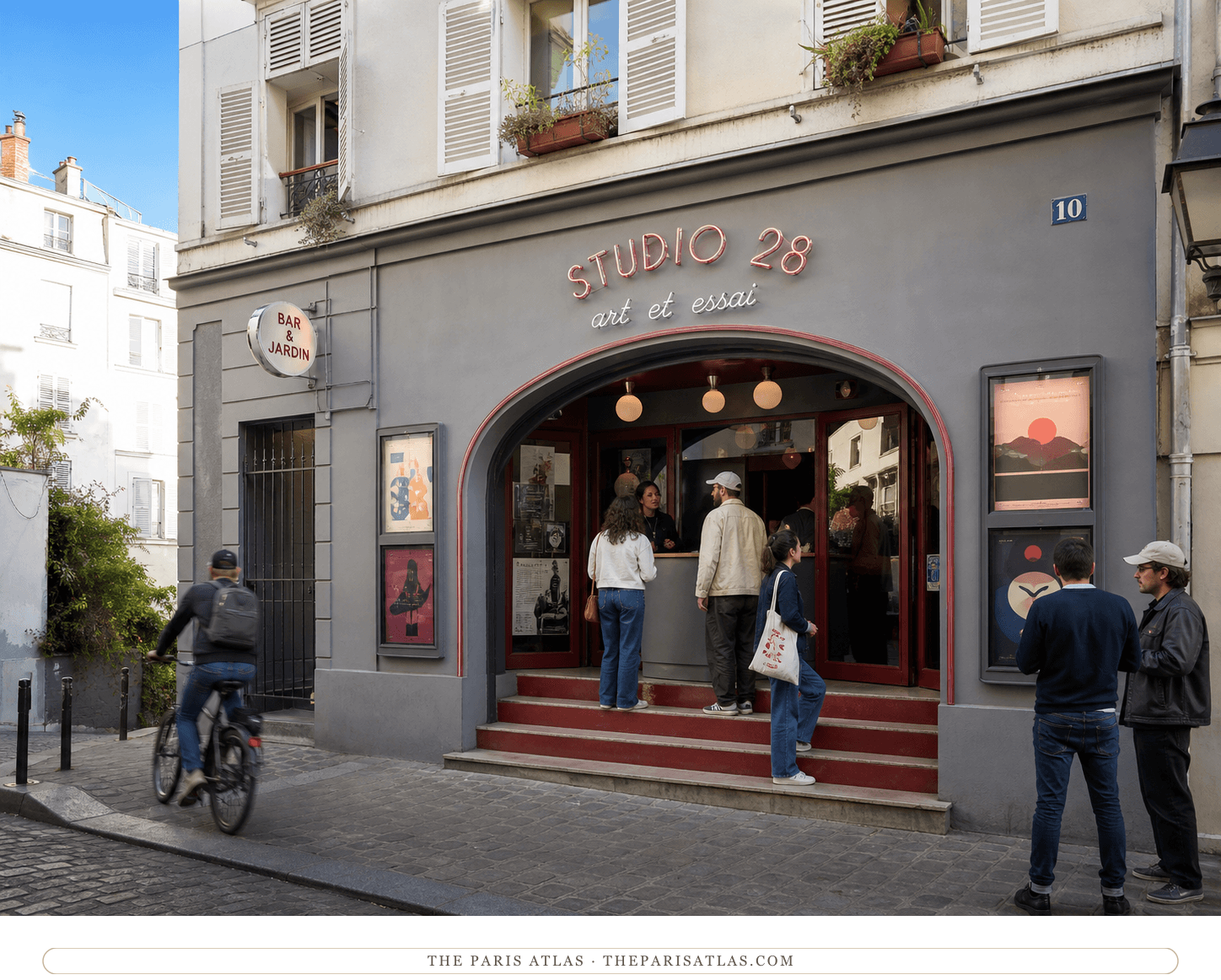
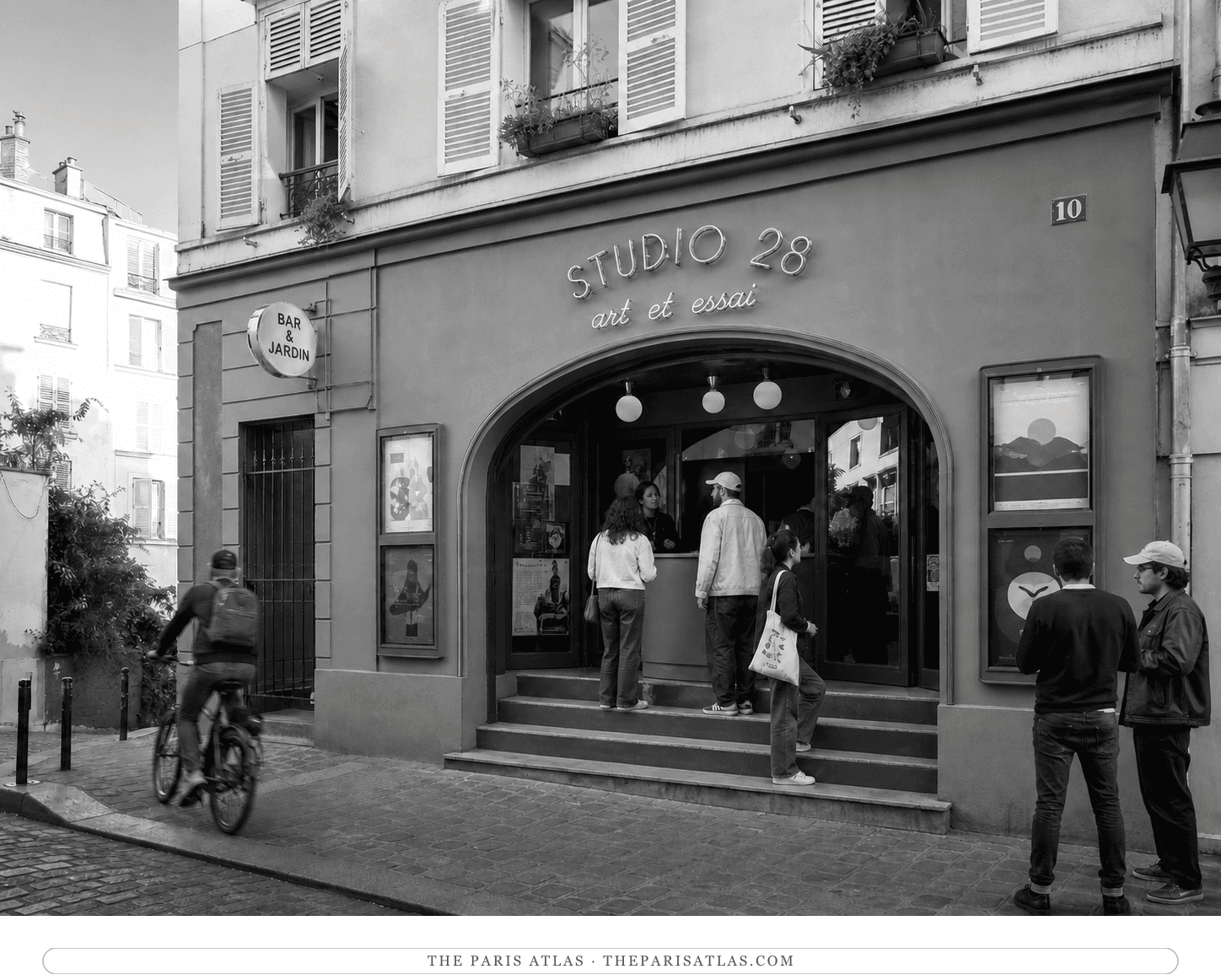
A small Montmartre cinema, opened in 1928 and still running. It gave Un Chien andalou an eight-month run from October 1929, and in December 1930 its screening of Buñuel and Dalí's L'Âge d'or ended with far-right groups attacking the auditorium and slashing the paintings hanging in the foyer.
Visit the placeThe sources below include histories, archival materials, scholarly research, and official records that informed this page. They document Moulin Rouge, the people connected to it, and its place in Paris.


First-person evidence and historical context used in preparing the Moulin Rouge page.

Contemporary reporting or criticism used to document the historical reception and context of Moulin Rouge.
Web source consulted for documented facts and historical context presented on the Moulin Rouge page.
Web source consulted for documented facts and historical context presented on the Moulin Rouge page.
The cabaret's own history of the house: the opening of 6 October 1889 under Joseph Oller and Charles Zidler, and the Mistinguett revues of the 1920s.
Press coverage of the 2024 windmill collapse, which recounts the 1889 founding and the fire of 1915 that closed the hall for nine years.
Map data used to verify addresses, geographic coordinates, and the placement associated with Moulin Rouge.
These references provide the documented foundation for this page's history and context. Claim-level citations remain attached to the specific claims they support.
 Explore more resources
Newsletter
The cafés, studios, and walk-up flats where the work was made — one story from the map in every letter.