
The Weary Blues
The poems this memoir explains — the prize, the publisher, and the Montmartre kitchen where some of them were written.
Read our take
Hughes's autobiography to age twenty-nine: Africa by tramp steamer, Paris by dishwater, and the Harlem Renaissance from inside.
Langston Hughes's autobiography, published by Knopf in 1940, covering his life to 1931. He throws his Columbia textbooks into the sea from the deck of a freighter bound for Africa, washes dishes at a Montmartre nightclub through the Paris spring of 1924, gets discovered twice — once by a banquet, once by a poet reading his work off a hotel dinner table — and watches the Harlem Renaissance happen from the middle of it, in the famous chapter "When the Negro was in Vogue". Its title comes from his own epigraph: "Life is a big sea / full of many fish. / I let down my nets / and pull."
The memoir runs in three parts and seventy-one short chapters. Part I, "Twenty-One", is childhood and youth: Kansas, Cleveland, the unhappy year with his father in Mexico, and the single year at Columbia that ended when he chose the sea over the lecture hall. Part II, "Big Sea", holds the adventures the book is loved for — the 1923 voyage down the West African coast as a mess boy, and the 1924 Paris year, arriving at the Gare du Nord with seven dollars and washing dishes at Le Grand Duc in Montmartre for fifteen francs a night, in a kitchen ruled by a one-eyed cook named Bruce. The Montmartre chapters are the fullest firsthand account of the district's Black American jazz world that anyone wrote: Florence Embry Jones singing at three in the morning, Bricktop stepping off the boat train, and the after-hours sessions that did not yet have the name jam session.
Part III, "Black Renaissance", is the inside history of the Harlem Renaissance — the parties, the patrons, the literati, the Van Vechten controversy, and the famous verdict that "the ordinary Negroes hadn't heard of the Negro Renaissance. And if they had, it hadn't raised their wages any." It ends in 1931, with the break from his patron and the Depression closing the party down.
Published in August 1940, the book had the misfortune of arriving in the same season as the sensation of Richard Wright's Native Son, and its early sales suffered in that shadow. Its standing has only risen since; Arnold Rampersad, Hughes's biographer, introduces the current edition. The sequel, I Wonder as I Wander, picks up in 1931 exactly where this book stops.
The book opens on the rail of the S.S. Malone in 1923: Hughes, twenty-one, throws every book he owned at Columbia into the sea off Sandy Hook and sails for Africa. Part I then backtracks through the childhood that got him there — Lawrence, Kansas, with his grandmother; Cleveland's Central High; the miserable Mexican interlude with his father, a man who despised the poor and his own people; the poem "The Negro Speaks of Rivers" written on a train crossing the Mississippi at nineteen; a year at Columbia he never wanted, endured for his father's tuition money, and abandoned for jobs and Harlem.
Part II is motion: the African ports, a monkey named Jocko brought aboard, the winter crossing to Rotterdam, and Paris — seven dollars at the Gare du Nord, a doorman's job on the rue Fontaine paying five francs a night and dinner, then the Grand Duc's kitchen. Summer 1924 takes him to Italy with the club's waiters; his passport and money are stolen on the train, and he works his way home from Genoa as a workaway. Washington follows: menial jobs, his mother's household, and in December 1925 the night he laid three poems beside Vachel Lindsay's plate at the Wardman Park Hotel, where he was busing tables. The papers announced Lindsay's discovery of a busboy poet; Knopf had in fact already taken his first book, thanks to the Opportunity banquet where "The Weary Blues" won its forty-dollar prize and Carl Van Vechten asked to see a manuscript.
Part III settles into Harlem for the Renaissance years: Lincoln University, the parties of A'Lelia Walker, the writers and editors of the movement, the controversy over Van Vechten's novel, and the wealthy patron — never named in the text — whose generosity came with demands that finally broke the relationship and, for a while, Hughes's health. The book closes in 1931 with Hughes turning to the thing he had decided to be all along: a writer who lived by writing.
The final chapter, "Postscript", ends the book on its own epigraph made prose, and one of the great closing lines of American memoir: "Literature is a big sea full of many fish. I let down my nets and pulled. I'm still pulling."
The memoir opens with a disagreement between two versions of its author. The young sailor feels that throwing his books away gives him command of whatever happens next; the older narrator begins by questioning the gesture's theatricality. Neither voice cancels the other. The remembered relief remains bodily and immediate, even as hindsight makes its promise look uncertain. By giving us both perspectives at once, Hughes makes departure a moment of genuine release without asking us to believe that freedom means complete control over experience.
The Grand Duc kitchen is a workplace with its own hierarchy, not simply the unseen underside of celebrity. Bruce can defend his helper against impatient waiters because the club depends on his cooking. Hughes's account makes that protection concrete, while keeping the chef's temper in view. At dawn, music from the other room reaches the dishwasher finishing his work. Pleasure and labor occupy the same moment: the memoir lets us hear the cabaret from a position its paying guests would rarely notice.
Life is a big sea / full of many fish. / I let down my nets / and pull.
Melodramatic maybe, it seems to me now. But then it was like throwing a million bricks out of my heart when I threw the books into the water.
It was the period when the Negro was in vogue. I was there. I had a swell time while it lasted. But I thought it wouldn't last long. For how could a large and enthusiastic number of people be crazy about Negroes forever?
Nobody else who was in the room wrote it down like this: the Grand Duc's kitchen, Florence and Bricktop, and the dawn jam sessions, from the man washing the pots.
The single most quoted insider chapter on the Harlem Renaissance — affectionate, clear-eyed, and finally skeptical about who the vogue was actually for.
Seventy-one short chapters, no self-pity, jokes delivered once. Hughes's prose is as plain and musical as the poems.
1923
Sails for West Africa on the S.S. Malone, throwing his Columbia books into the sea off Sandy Hook.
1924
February to July in Paris: seven dollars at the Gare du Nord, then the Grand Duc's kitchen in Montmartre. Italy, a stolen passport, and a workaway passage home follow.
1925
"The Weary Blues" wins the Opportunity prize in May; in December, Vachel Lindsay reads his poems to an audience from the busboy's own hotel.
1926
The Weary Blues, his first book, is published while he studies at Lincoln University.
1931
The break with his patron ends the book's story as the Depression ends the Renaissance's party.
1940
Knopf publishes The Big Sea in August; its season belongs to Richard Wright's Native Son, and early sales suffer for it.
1993
Hill and Wang's American Century Series edition, introduced by Arnold Rampersad, becomes the standard text.

The poems this memoir explains — the prize, the publisher, and the Montmartre kitchen where some of them were written.
Read our take
The other great broke-in-Paris kitchen memoir of the era; Orwell was a plongeur four years after Hughes.
Read our take
The same city and decade from the café side of the door instead of the kitchen side.
Read our take
The Black American autobiography tradition this book helped build, a generation on.
Read our takeIt is Langston Hughes's autobiography to age twenty-nine, published in 1940. It covers his Kansas and Cleveland childhood, the voyage to West Africa as a ship's mess boy, the 1924 year washing dishes at the Grand Duc nightclub in Montmartre, his discovery as a poet, and the Harlem Renaissance from the inside, ending in 1931.
It is autobiography — Hughes's own account of his first three decades, written in 1939 and published in 1940. Like all memoir it is shaped and selective: the wealthy patron whose break with Hughes closes the book, for example, is never named in the text.
It comes from Hughes's own epigraph: "Life is a big sea / full of many fish. / I let down my nets / and pull." The book's last lines repeat the image in prose — "Literature is a big sea full of many fish. I let down my nets and pulled. I'm still pulling."
He arrived at the Gare du Nord in February 1924 with seven dollars, worked briefly as a doorman on the rue Fontaine, then washed dishes at Le Grand Duc, a small Montmartre nightclub, for fifteen francs a night and breakfast. The Paris chapters — "Montmartre", "Work", "Le Grand Duc", "Bricktop" and others — are the fullest firsthand account of the district's Black American jazz scene.
The most famous chapter of the book, opening Part III. It is Hughes's inside account of the Harlem Renaissance's fashionable peak — the clubs, the parties, the white downtown crowds — and his skeptical verdict on it: "The ordinary Negroes hadn't heard of the Negro Renaissance. And if they had, it hadn't raised their wages any."
Yes. I Wonder as I Wander (1956) picks up in 1931 exactly where The Big Sea ends, and carries the story through Cuba, Haiti, the Soviet Union, Civil War Spain, and back to Paris by New Year 1938.
Explore authors with a similar voice, perspective, and influence.

The doctor of the Paris slums who wrote the century's blackest, funniest novel — and changed the sound of French prose.
View author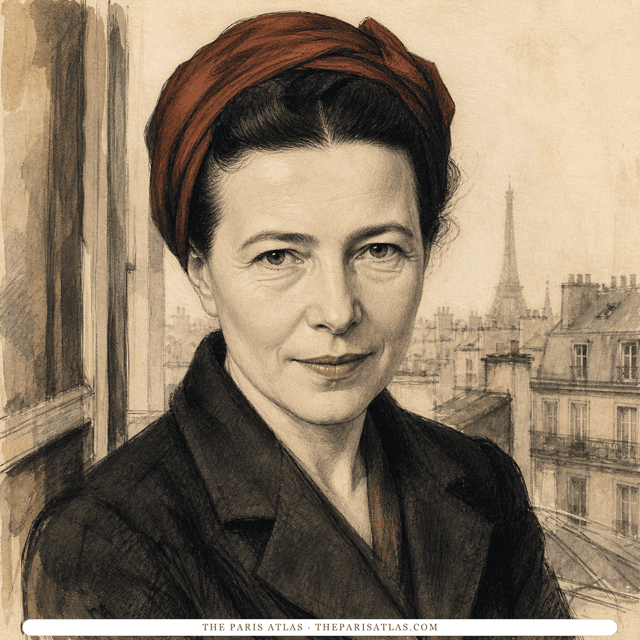
French writer and philosopher whose novels, memoirs, and social analysis examined freedom, gender, responsibility, aging, and the material conditions that shape a life.
View author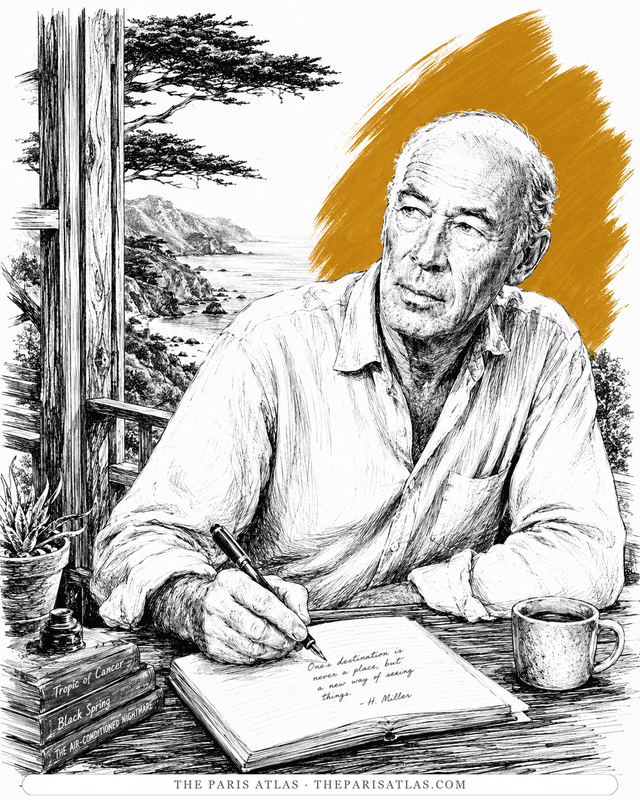
The Brooklyn dropout who arrived in Paris broke at thirty-eight and wrote the exuberant, banned books that ended American censorship.
View author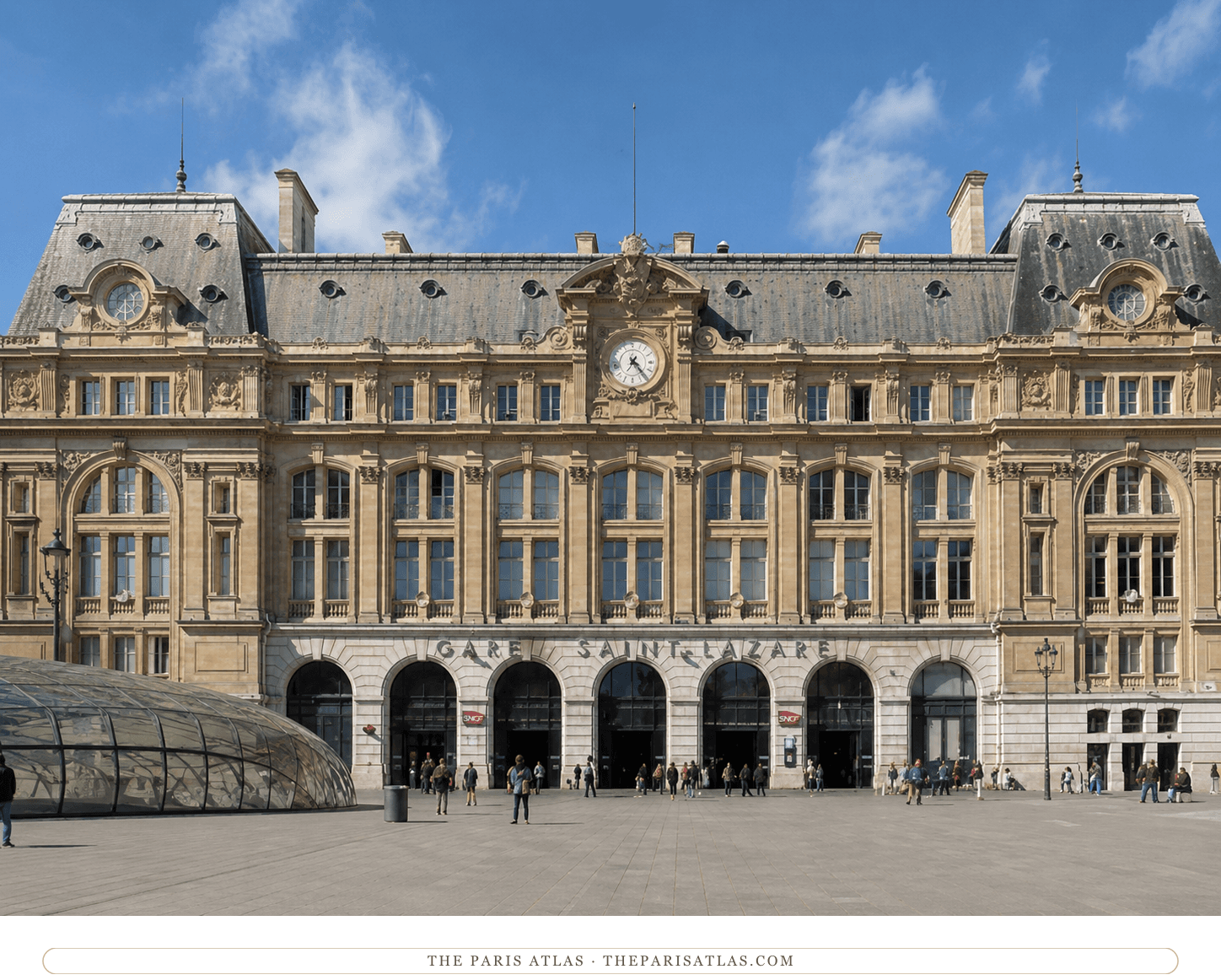
Recalled
Hughes recalls saying goodbye to Sonya here on a rainy March afternoon in 1924 as she left for a dancing engagement in Le Havre.
Visit the place
Recalled
Hughes locates Mary's home directly opposite the gardens and recalls returning there as their friendship became a romance in spring 1924.
Visit the place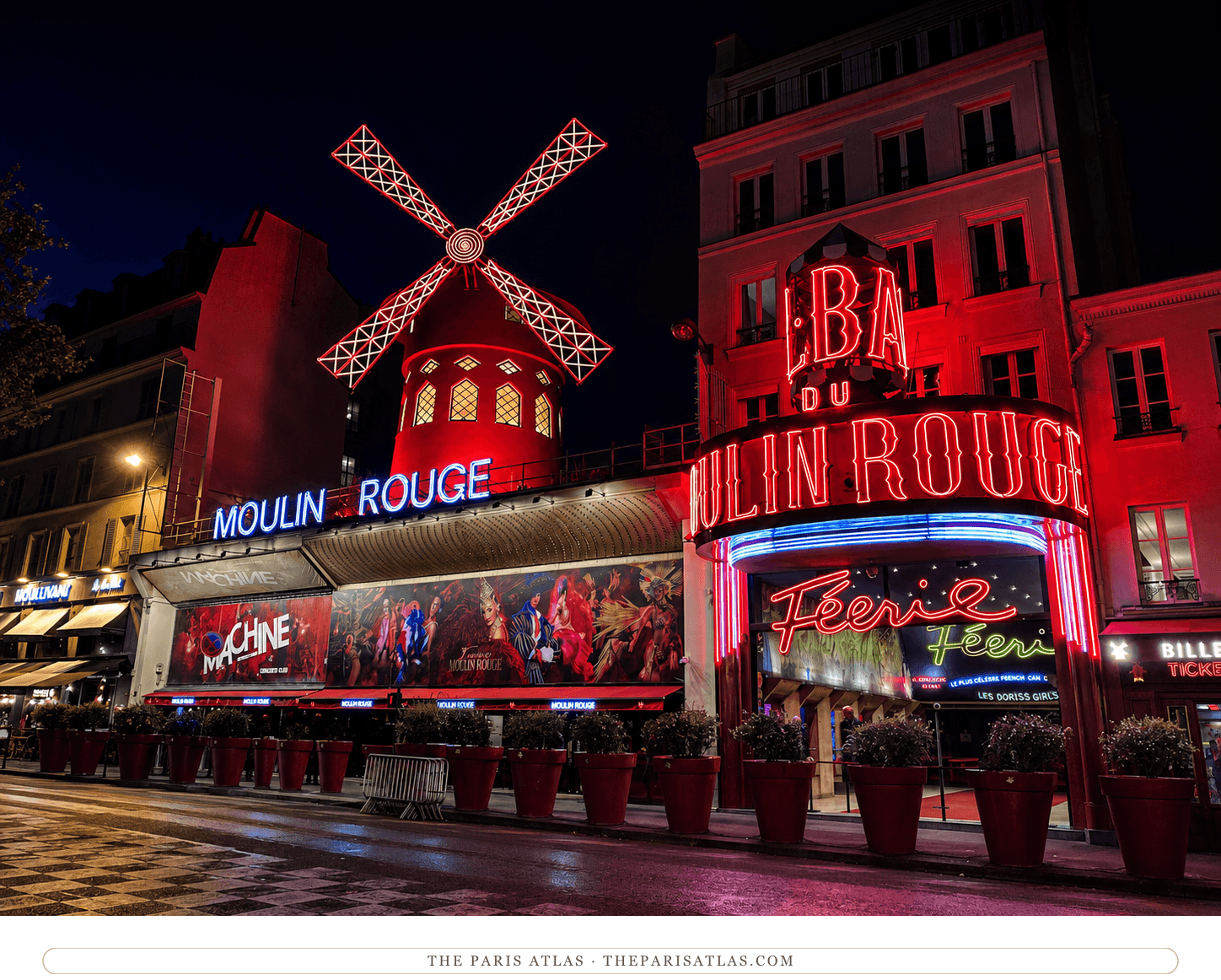
Recalled
Hughes recalls dancing here with Anne Marie Coussey, whom he calls Mary, during their spring 1924 romance.
Visit the place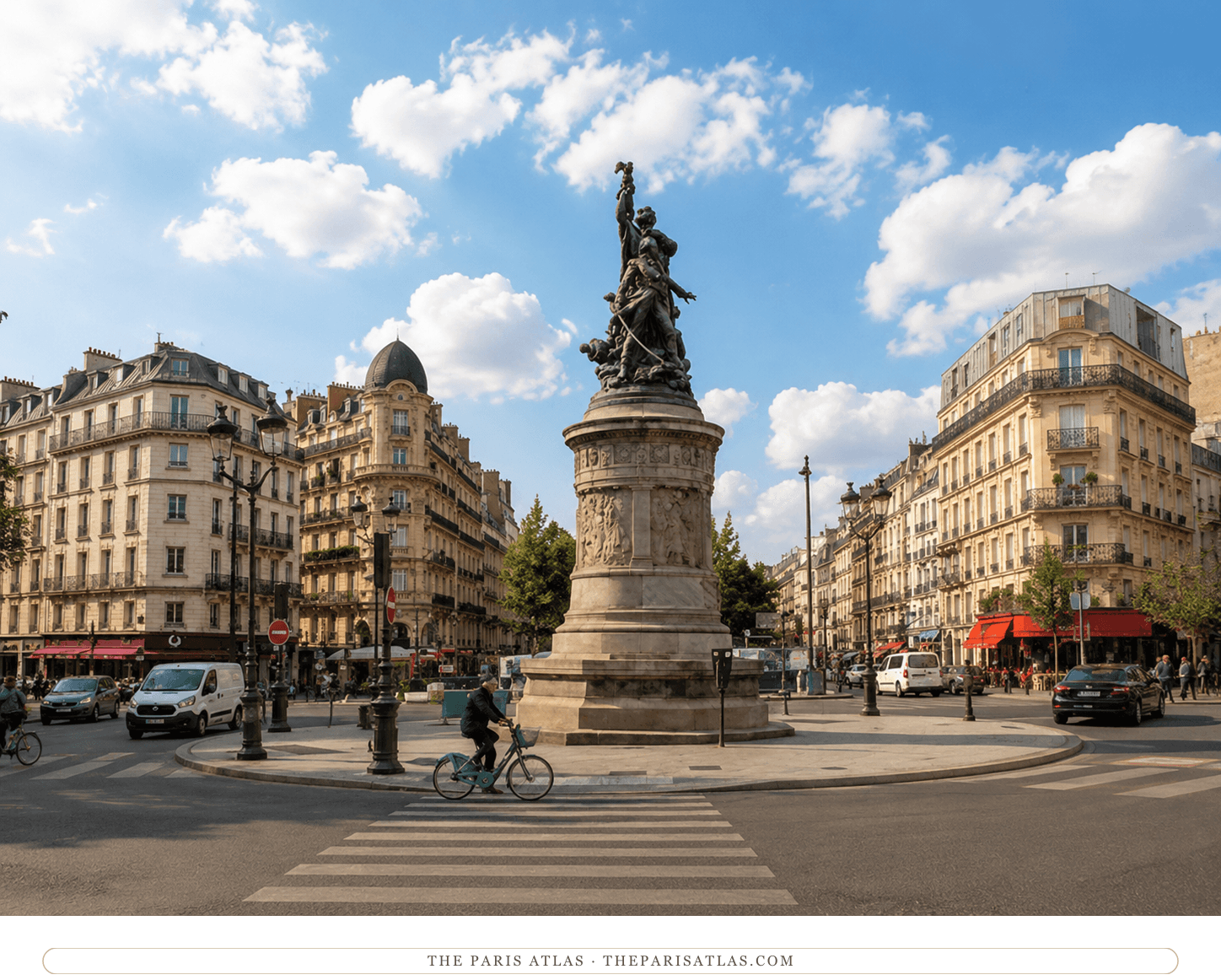
Recalled
Hughes recalls his attic lodging at 15 rue Nollet near the square and an unnamed nearby restaurant where he lunched with Alain Locke.
Visit the place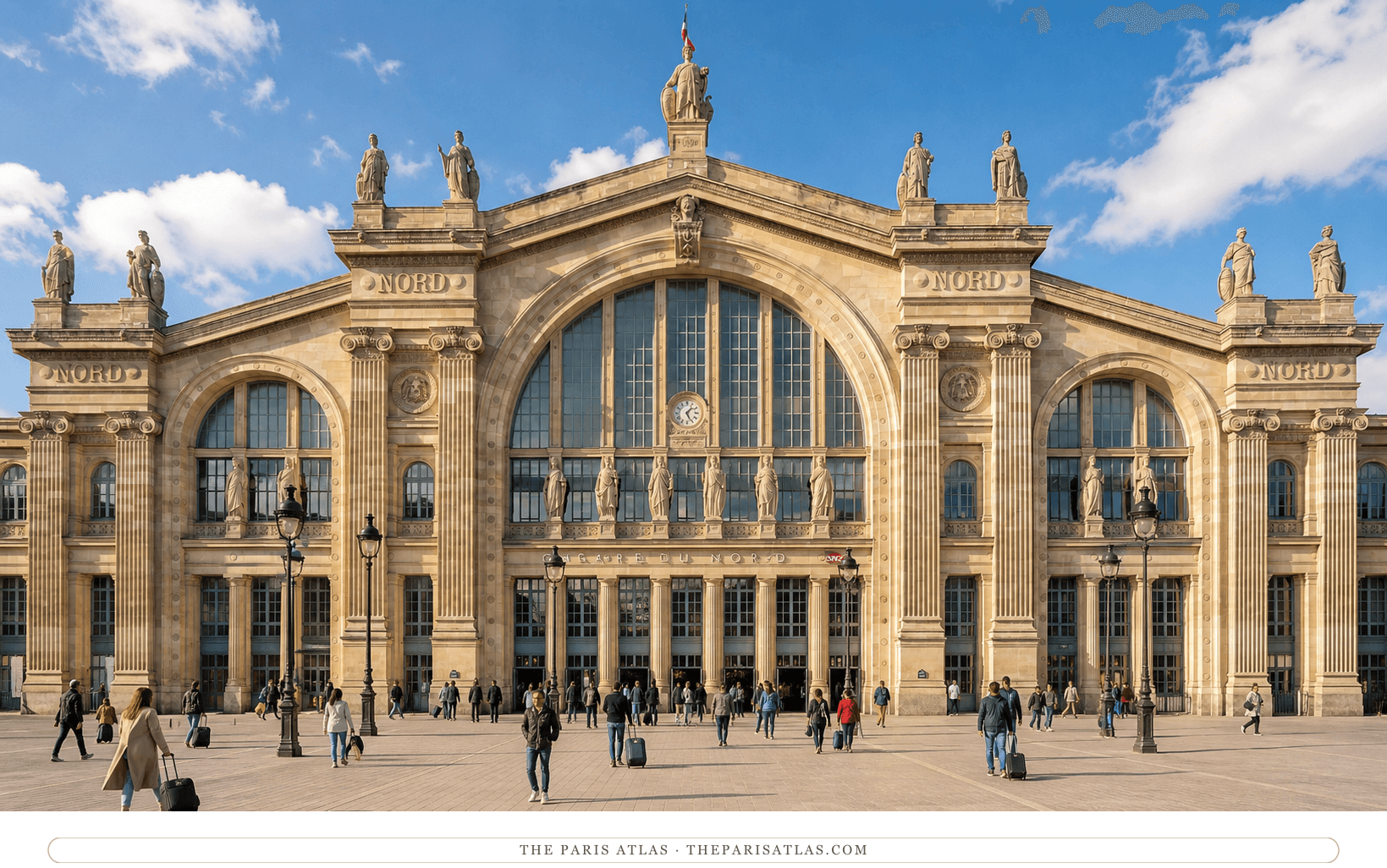
Recalled
Hughes begins his Paris story here: arrival from Rotterdam, seven dollars, checked bags, coffee and rolls, and a bus marked Opéra.
Visit the place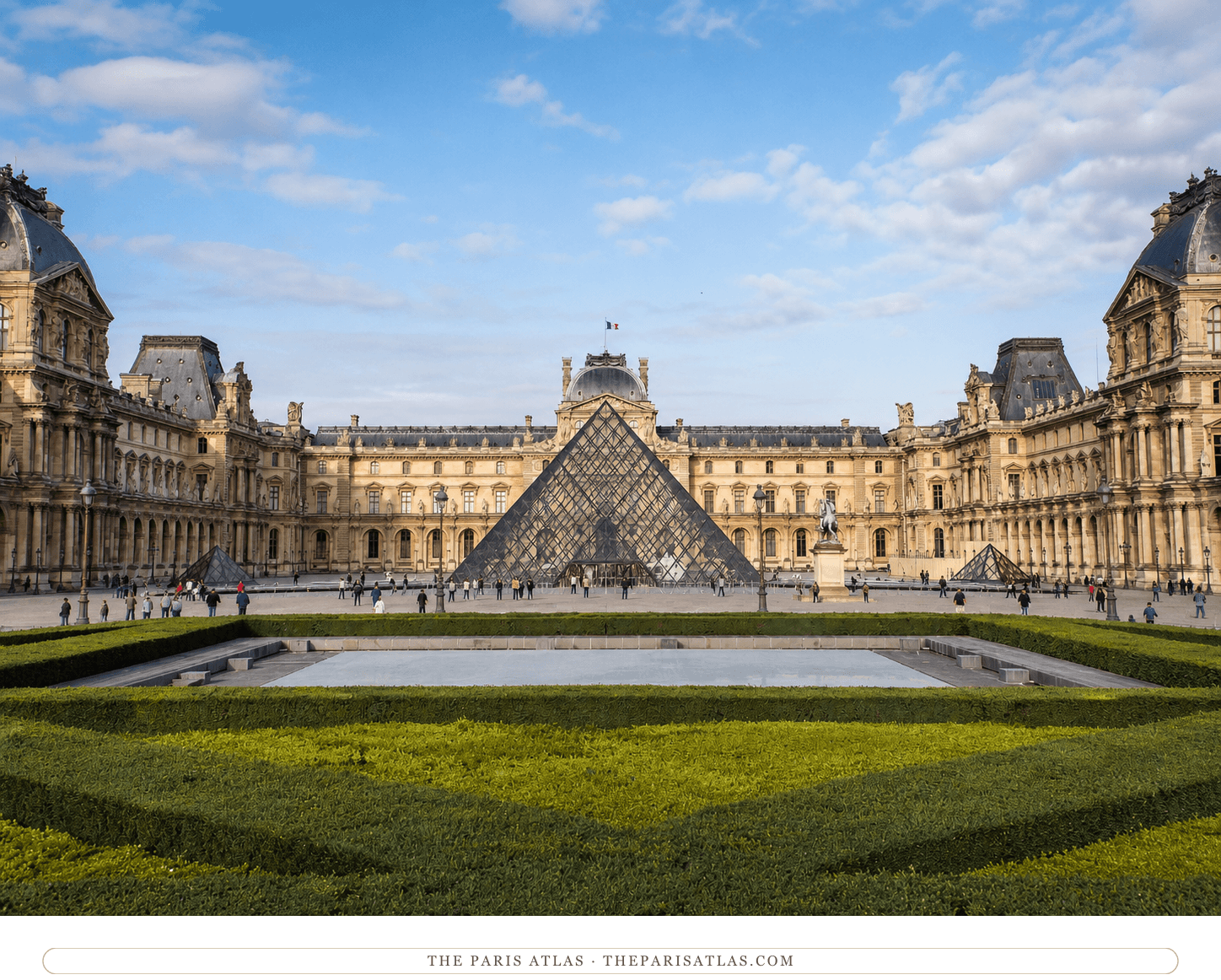
Recalled
The memoir recalls Hughes warming himself here on his first Paris morning and privately asking the Greek statues for encouragement.
Visit the place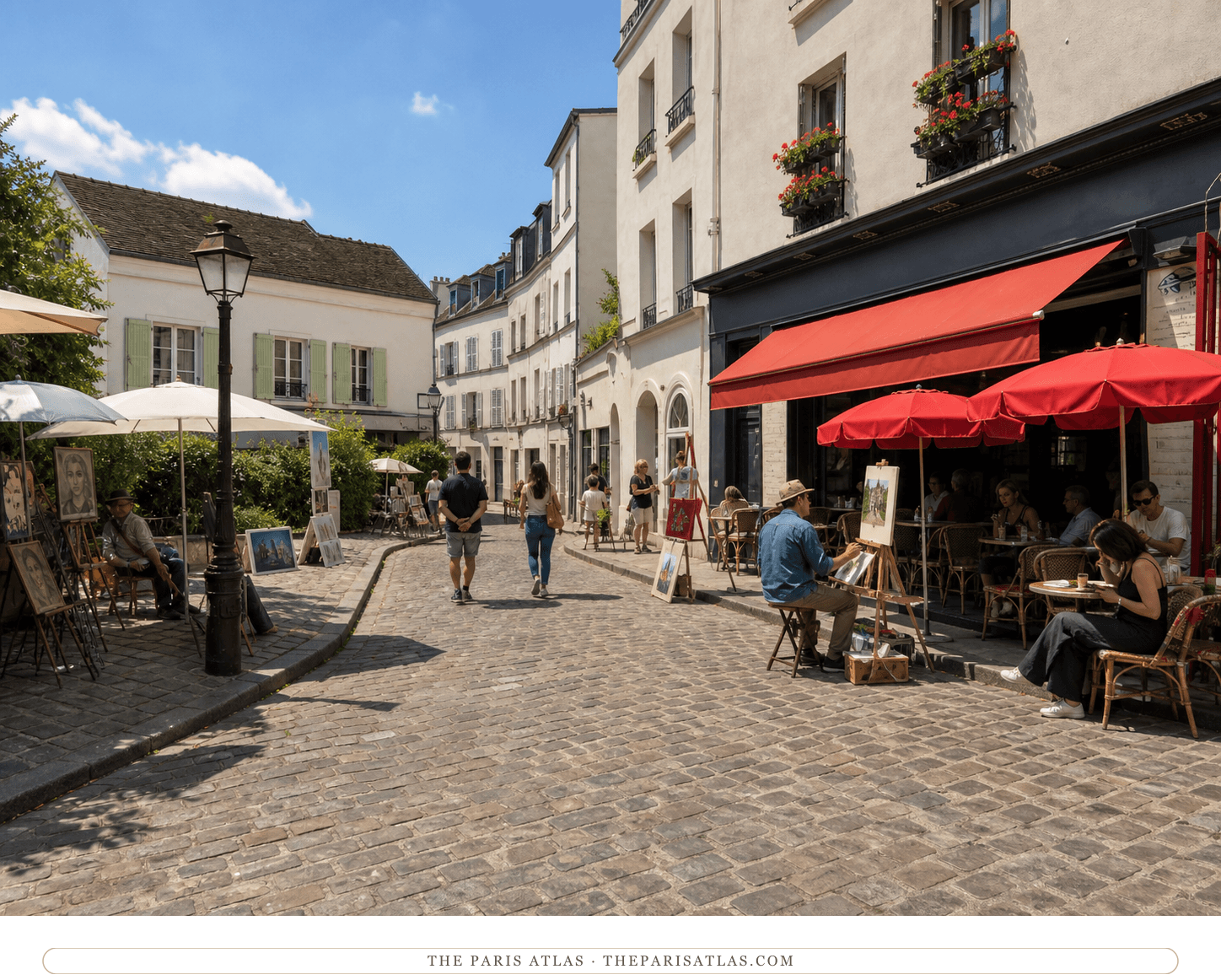
Recalled
The memoir recalls Hughes and Mary's last dinner in an unnamed restaurant on the square, including its wine, veal shoulder, salad and cœur à la crème.
Visit the place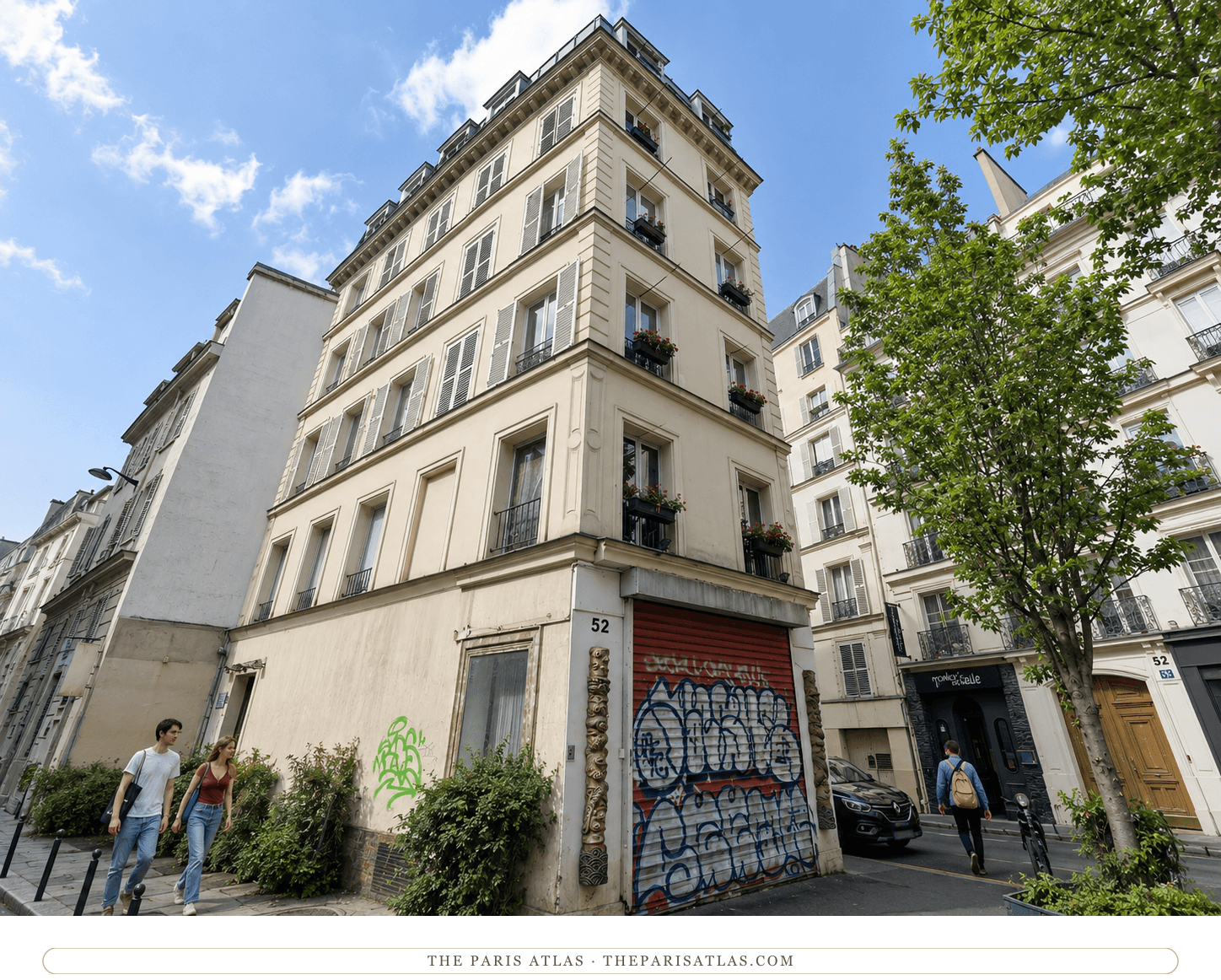
Recalled
The memoir gives the club its own chapters — "Work", "Le Grand Duc", "Bricktop" — covering Hughes's months as its dishwasher in 1924 and the dawn jam sessions that had no name yet.
Visit the place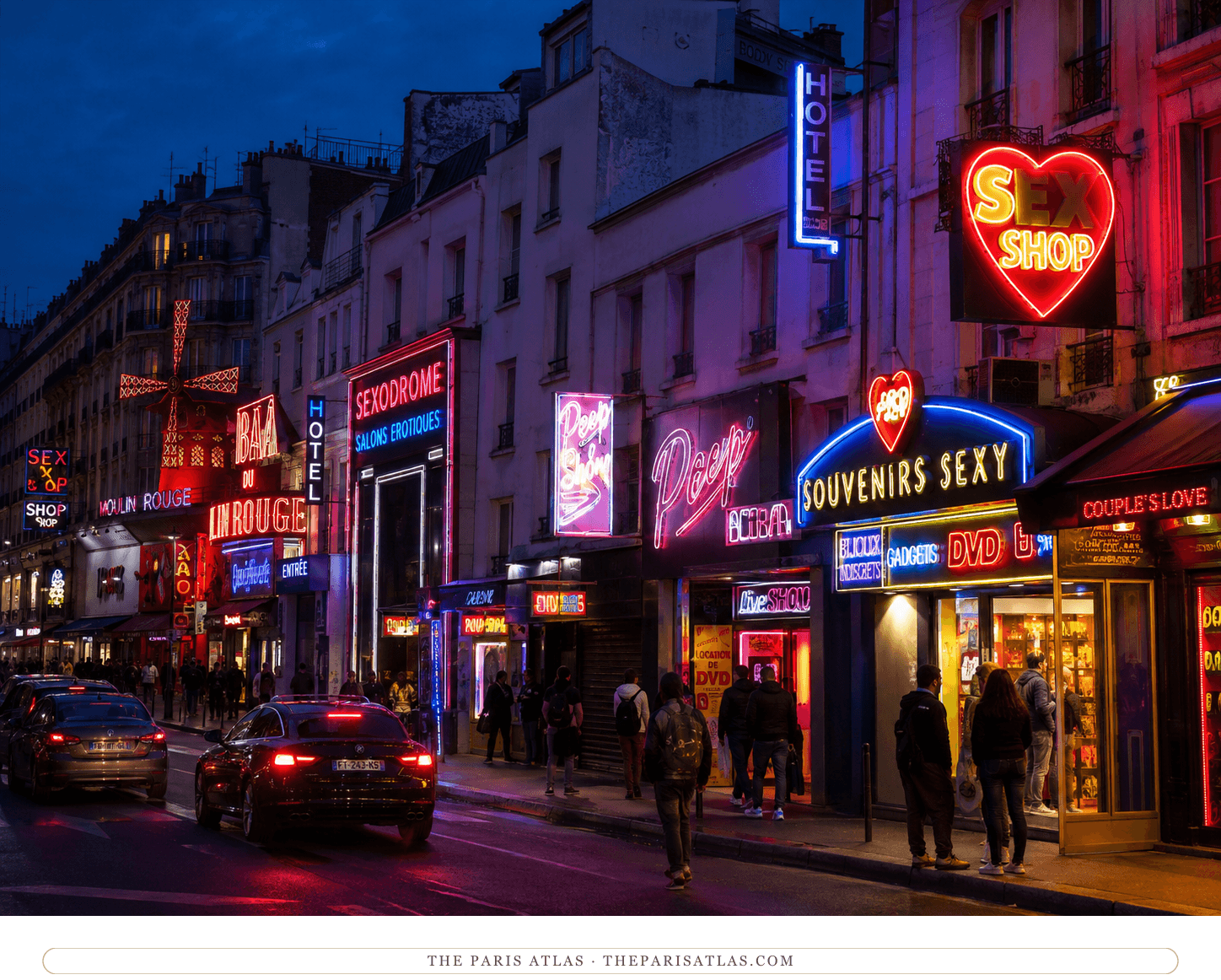
Recalled
Hughes recalls lunching with Sonya at an unnamed café on Place Pigalle before a movie and an evening at the Flea Pit.
Visit the place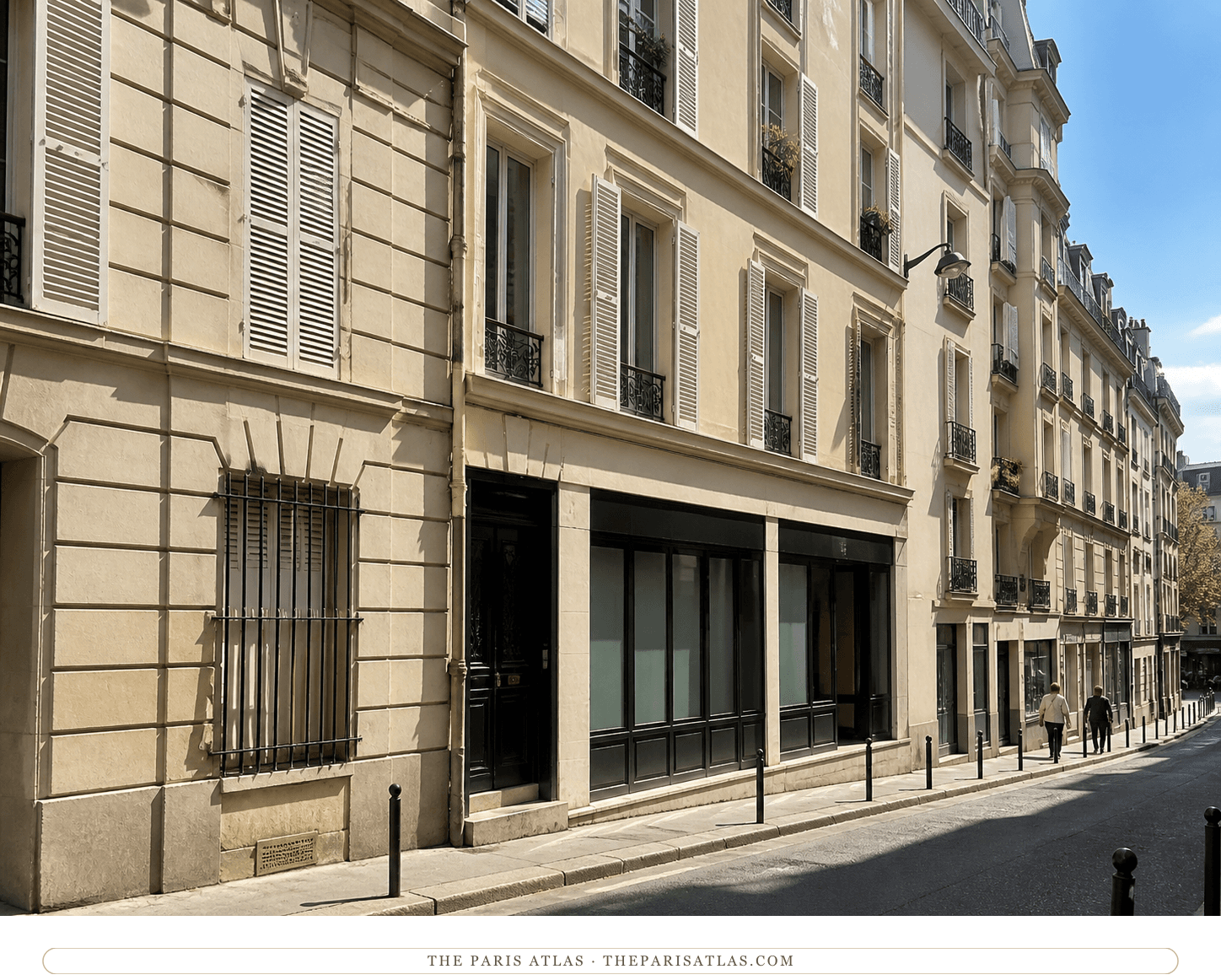
Recalled
Hughes remembers the unnamed hotel, its elderly keepers, the slant-roofed attic and the pleasure of finally inhabiting a Paris garret from a book.
Visit the place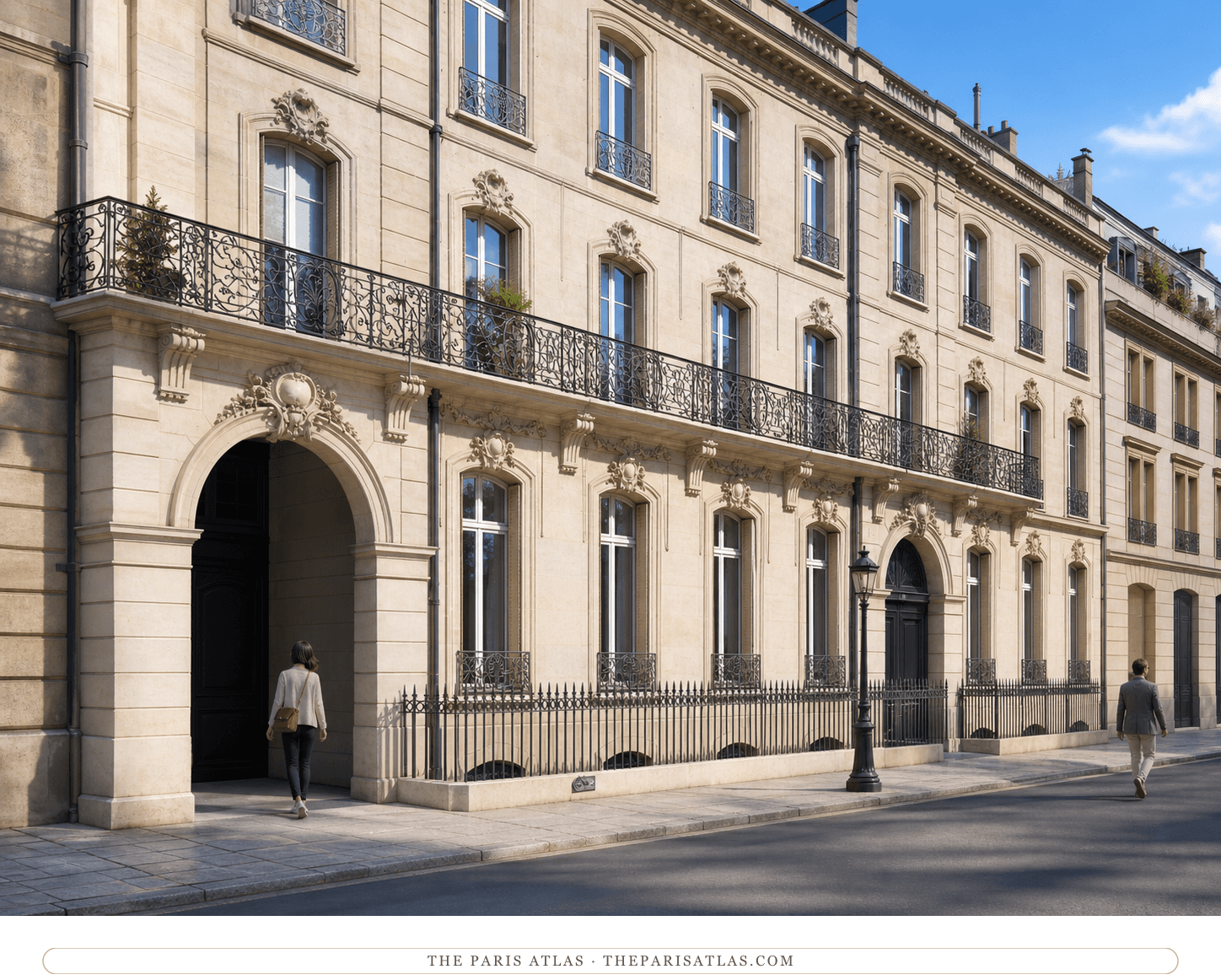
Recalled
The memoir lists the American Library among the English-speaking institutions where Hughes unsuccessfully sought work on his second day in Paris.
Visit the place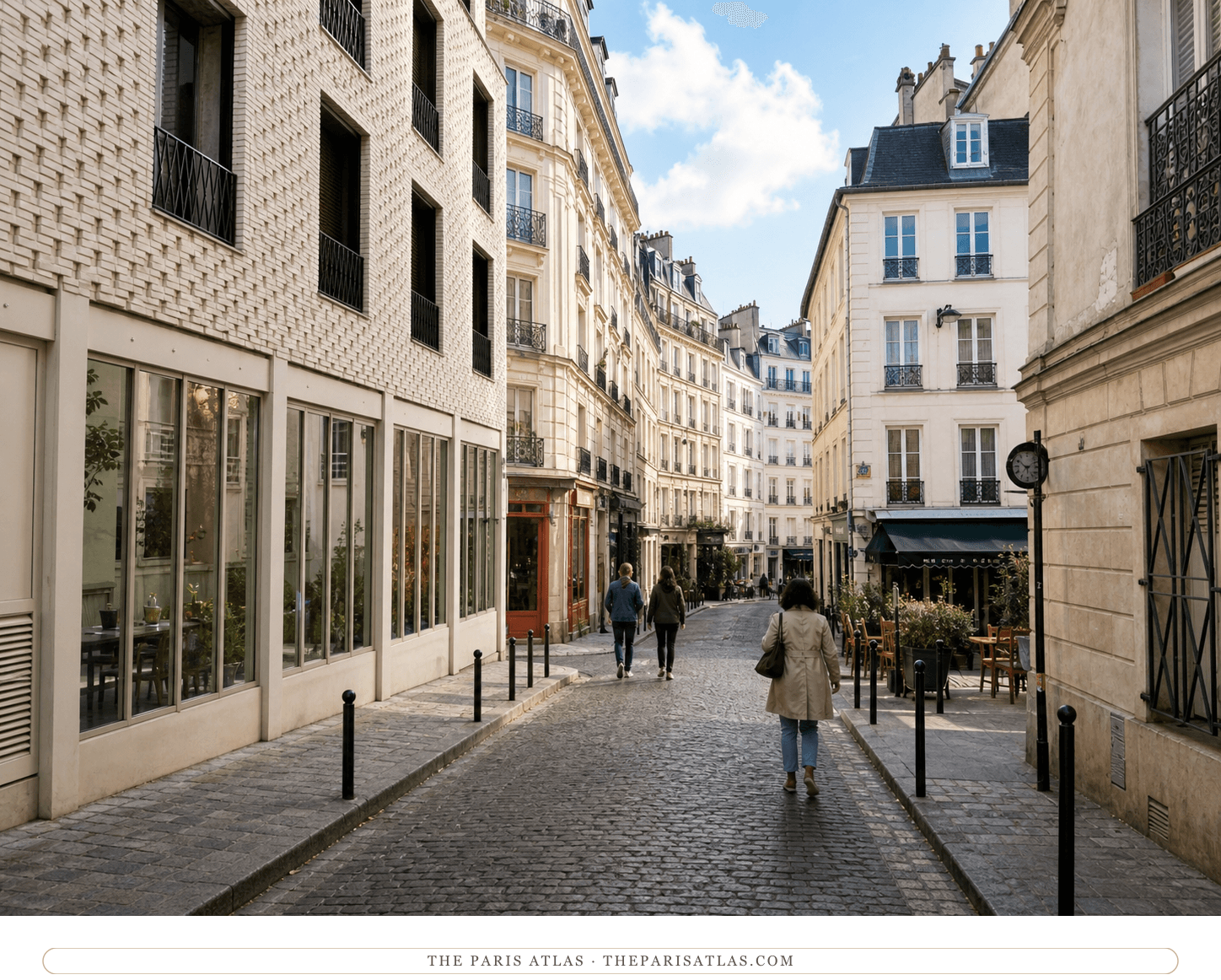
Recalled
Hughes says he moved to another attic chamber on the Street of the Three Brothers, high on the hill toward Sacré-Cœur, without giving a number.
Visit the place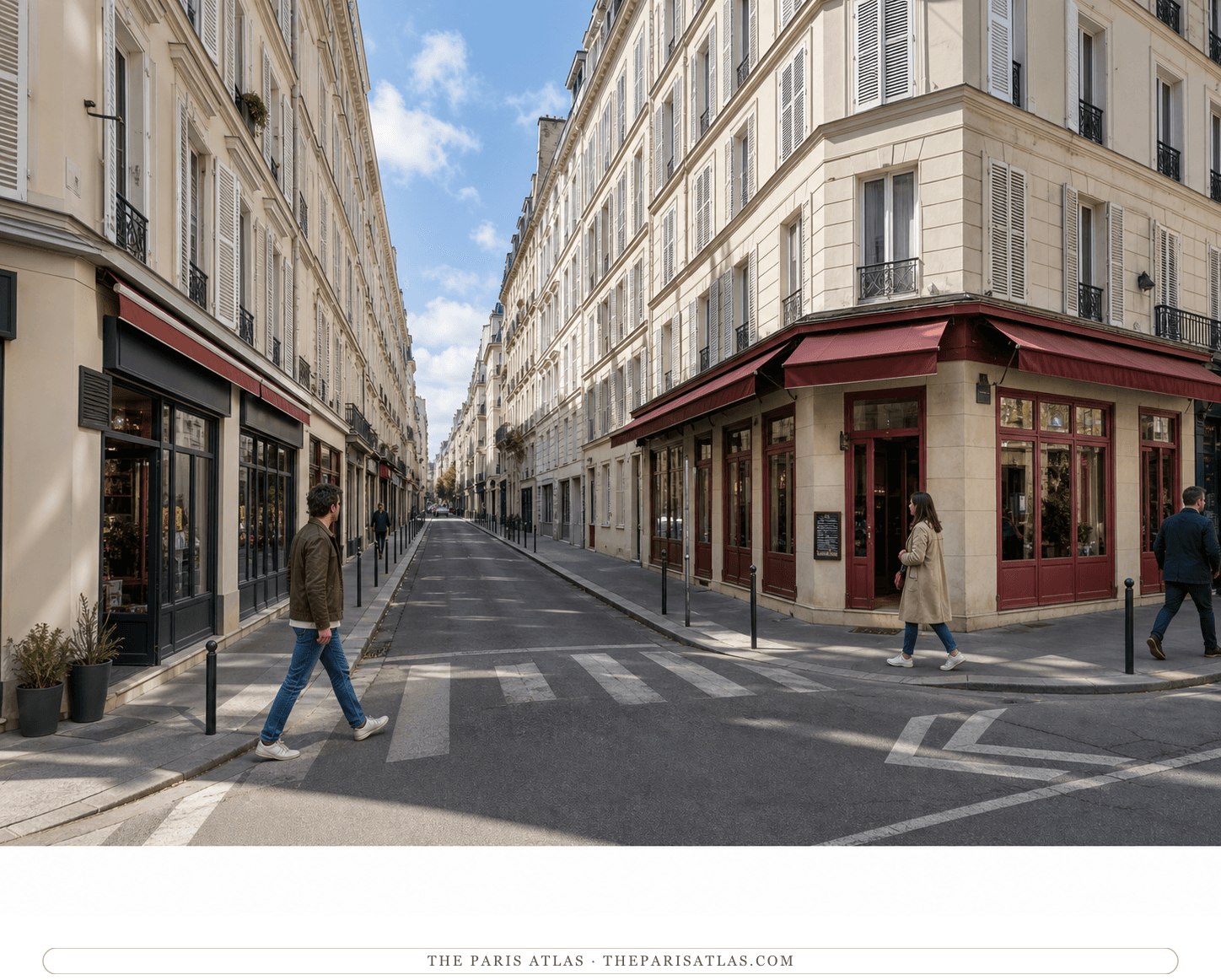
Recalled
Hughes remembers the performers' café and the moment Sonya hid under their table when the Danish tourist she had robbed passed the window.
Visit the placeThe sources below include the primary text, editions, scholarship, archival materials, and other records that informed this page. They document The Big Sea, its publication, and its place in literary history.


The primary text represented by this page, used for descriptions of the work’s contents and for any quoted passages shown here.
First-person evidence and historical context used in preparing the The Big Sea page.

Contemporary reporting or criticism used to document the historical reception and context of The Big Sea.
Web source consulted for documented facts and historical context presented on the The Big Sea page.
Used to verify Langston Hughes's bibliography and place The Big Sea within the broader chronology of Langston Hughes's career.
The primary text is the baseline reference for every book page. Additional references document publication history, interpretation, and historical context where that evidence is available.
 Explore more resources