
Hughes's first Simple collection turns Harlem conversations into arguments about work, love, race, and everyday dignity.
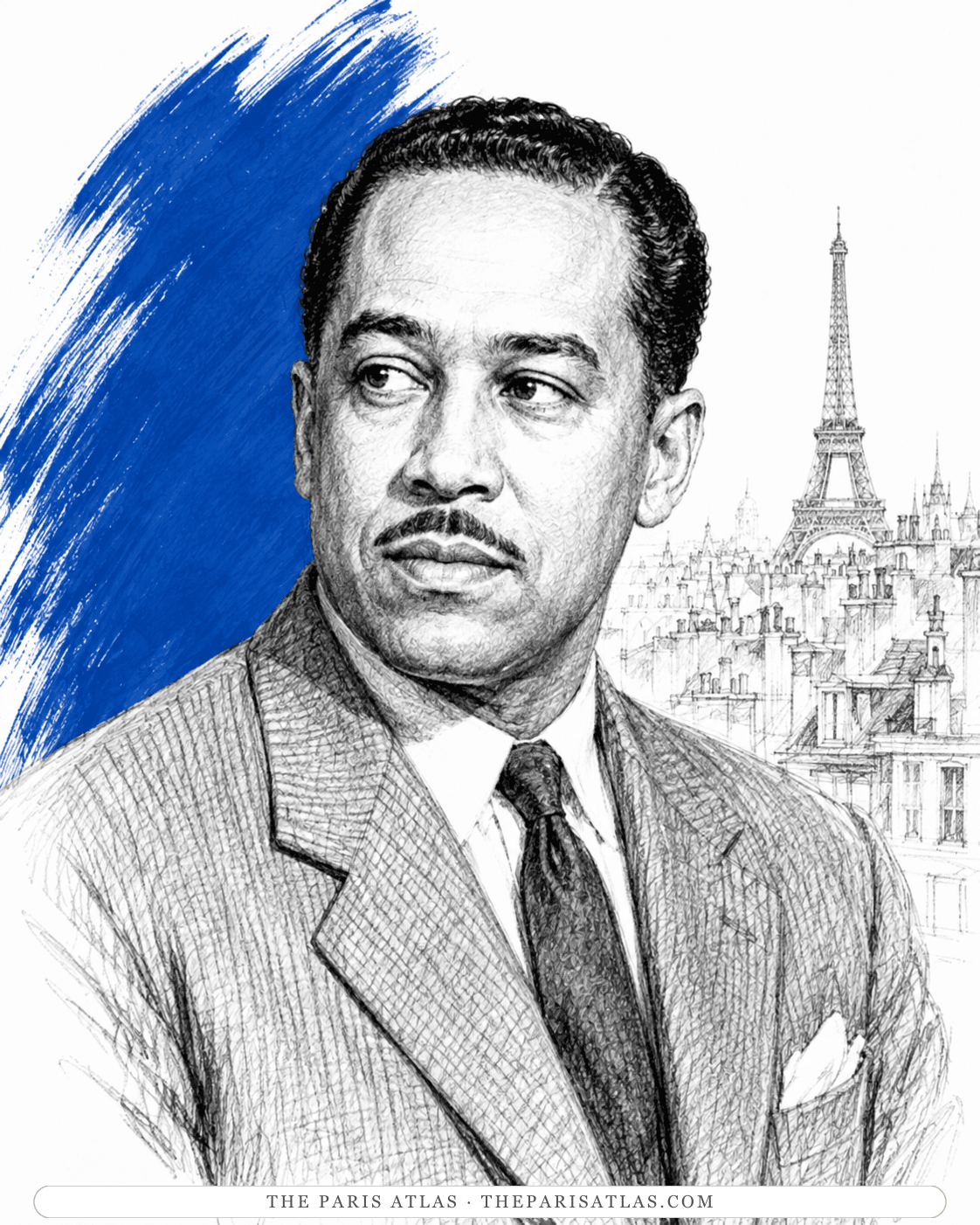
6 Langston Hughes titles: 1 story collection, 2 memoirs and travel books, 1 volume of nonfiction, and 2 books of poems. They are listed below by form, earliest first, and every one links to its own page.
Start with The Weary Blues, the 1926 debut that holds "The Negro Speaks of Rivers", "Mother to Son", and "I, Too" — it is short, it is in the public domain, and it is where his sound begins. Then read the two memoirs in the order he wrote them: The Big Sea to 1931, I Wonder as I Wander for the decade after.
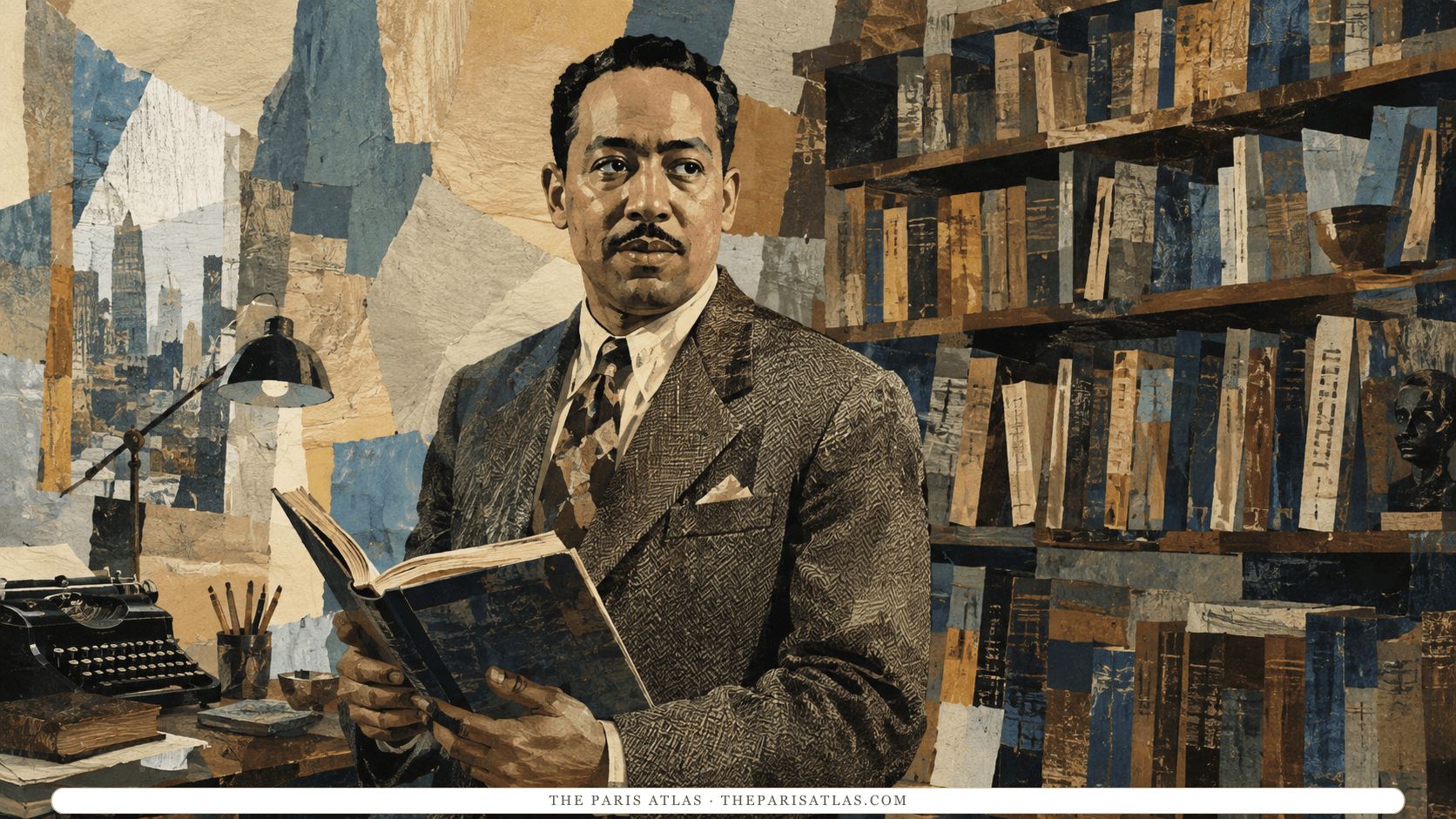
Hughes's first Simple collection turns Harlem conversations into arguments about work, love, race, and everyday dignity.

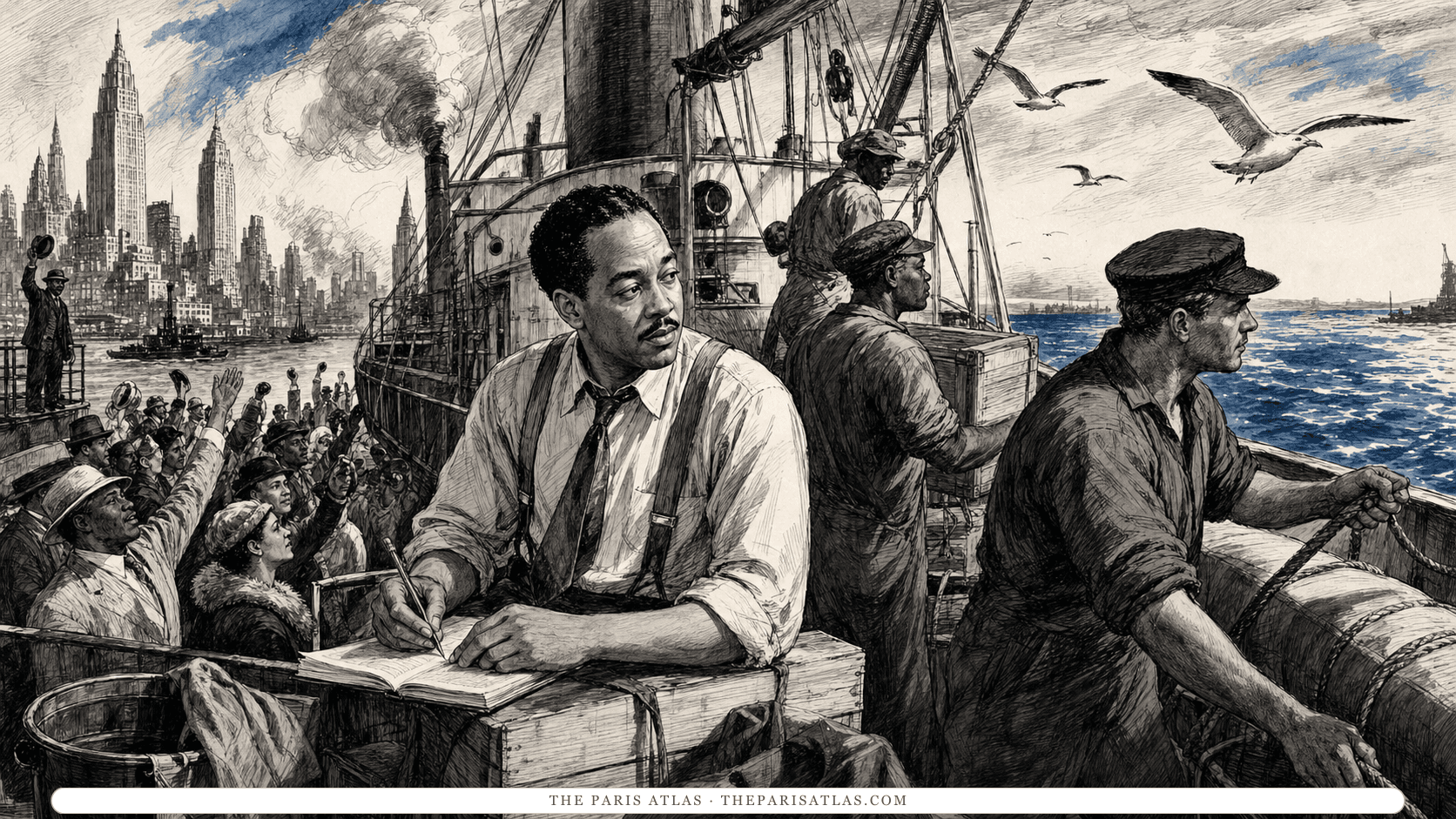
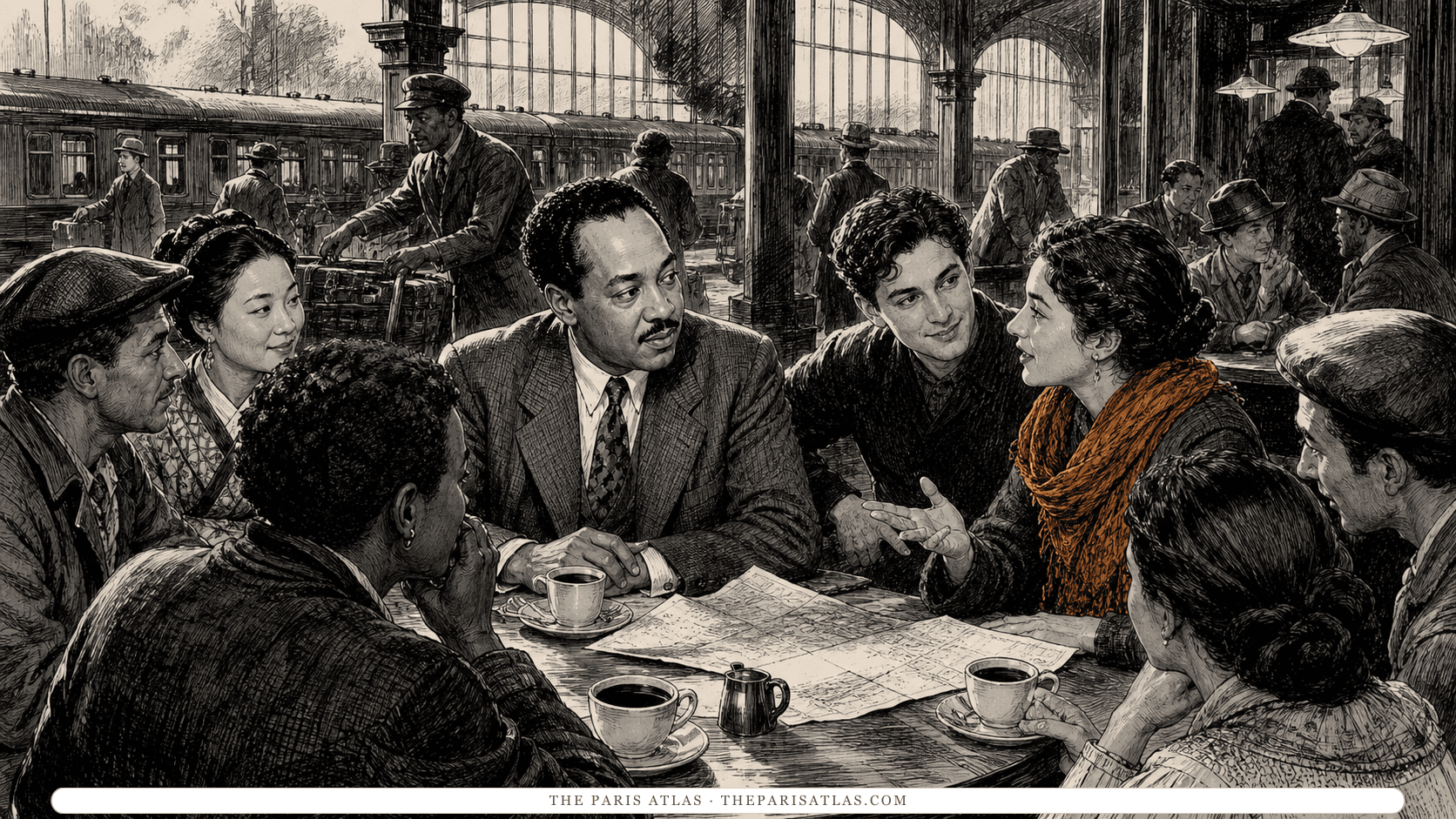
Hughes's autobiography to age twenty-nine: Africa by tramp steamer, Paris by dishwater, and the Harlem Renaissance from inside.

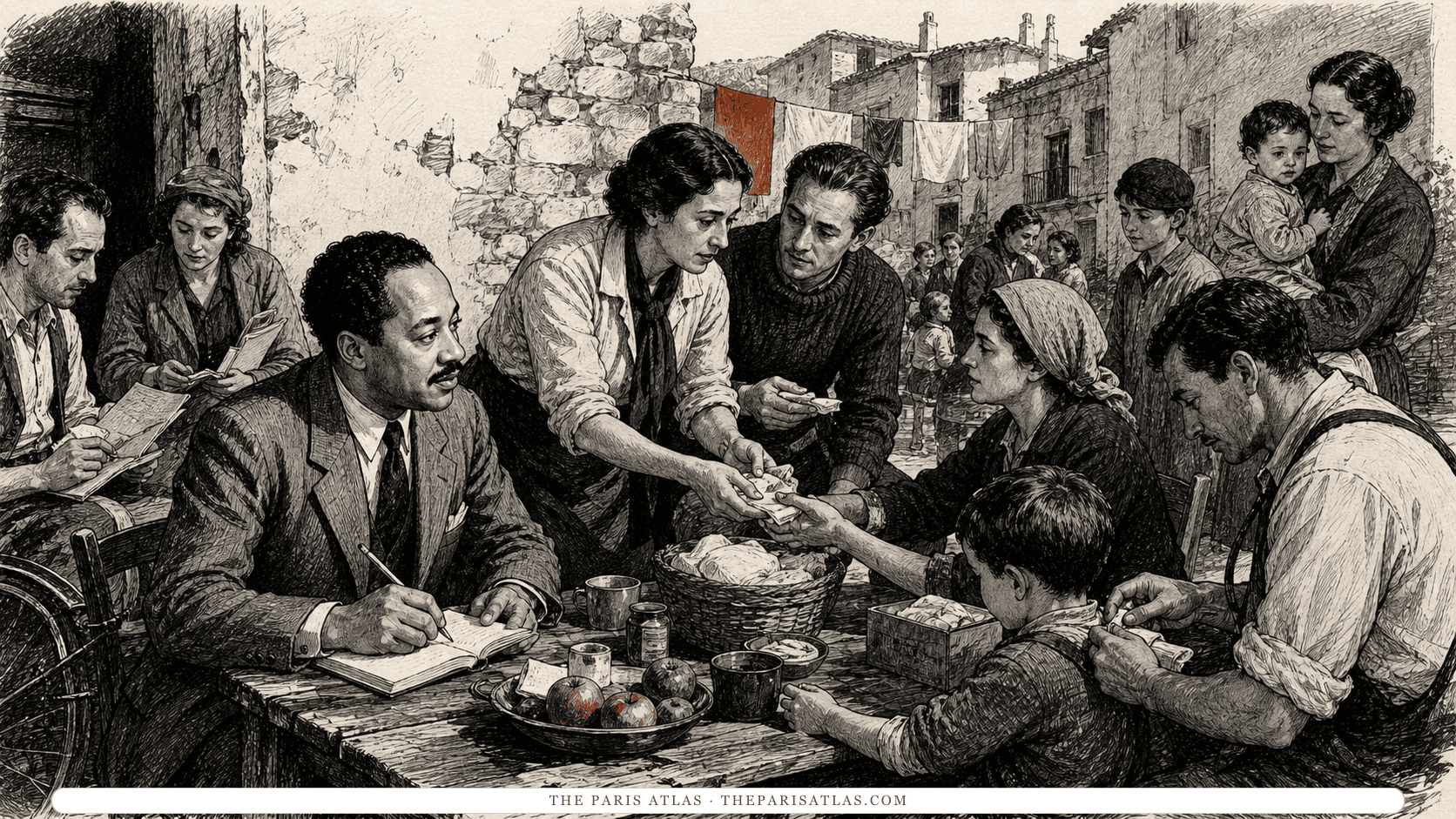
The sequel to The Big Sea: Cuba, Haiti, the Soviet Union, and besieged Madrid, ending in Montmartre on New Year's night.

A Black boy grows up among the work, arguments, faith, and music of his Kansas family before moving to Chicago.

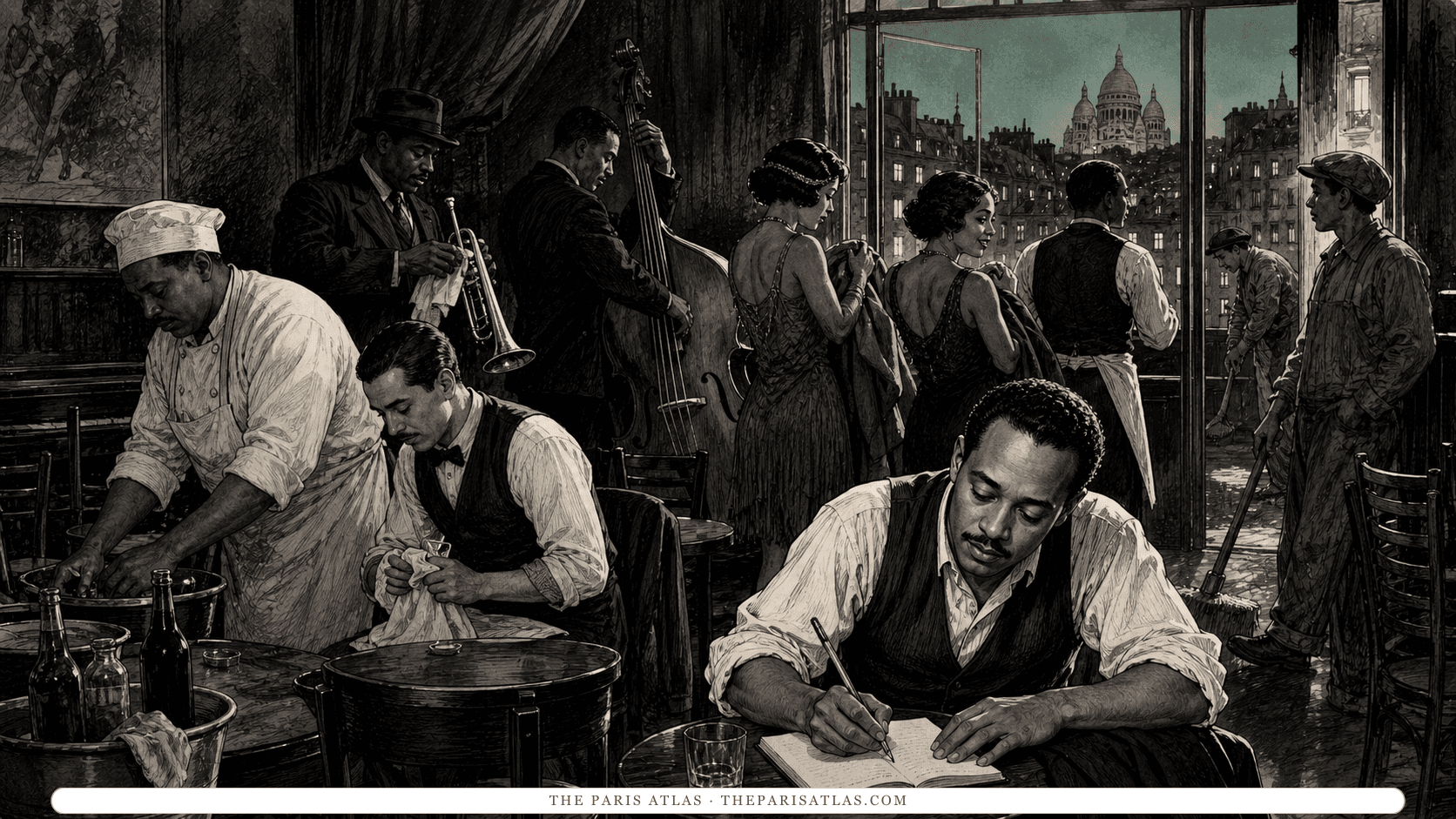
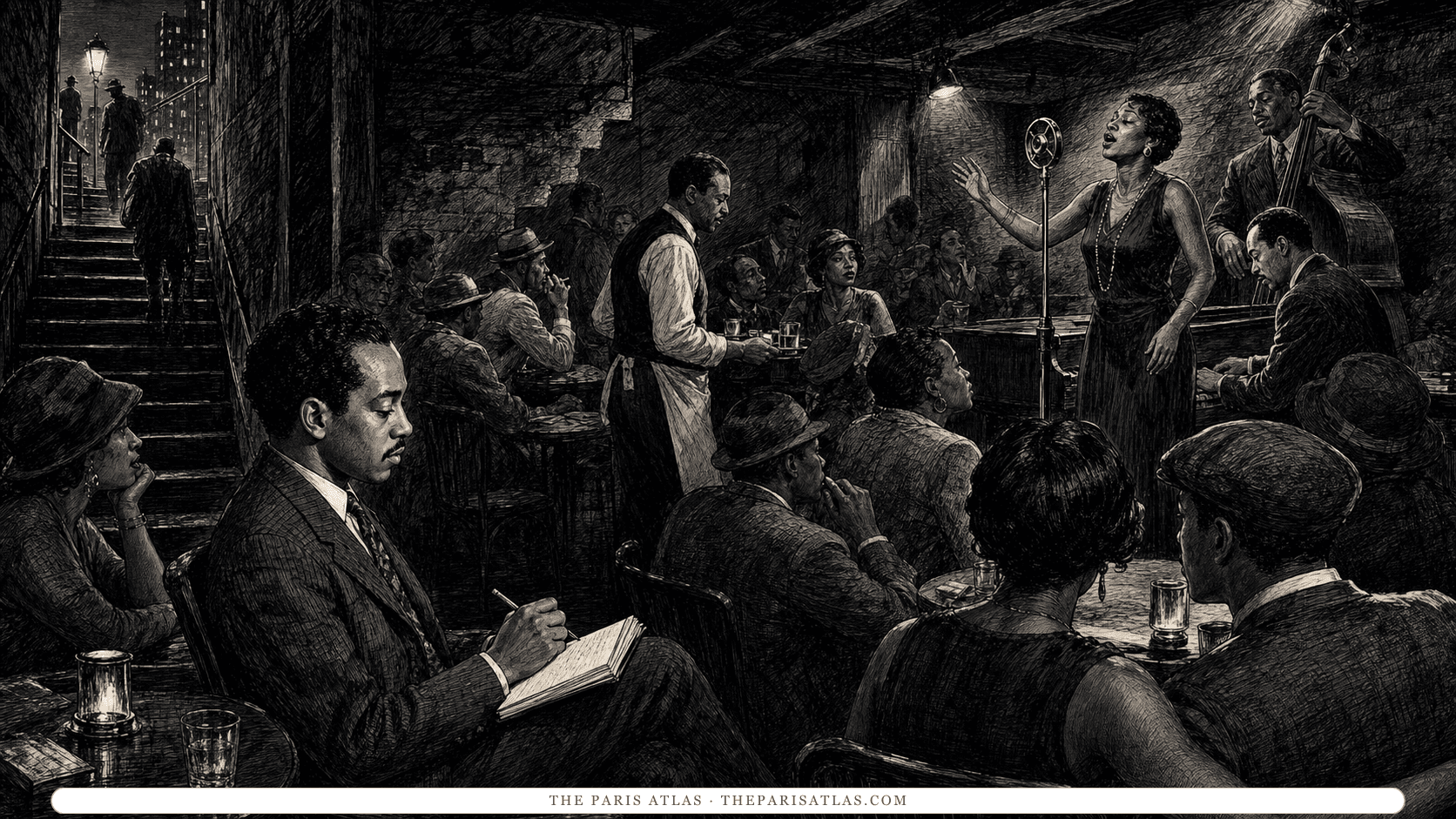
Langston Hughes's first book: the poems of Lenox Avenue, the sea, and the Paris nightclub kitchen, published when he was twenty-four.

Hughes's 1951 sequence joins the voices, interrupted rhythms, and unmet hopes of postwar Harlem.
Your progress
His first book, published at twenty-four, with the Lenox Avenue title poem that won the Opportunity prize and the closing "Epilogue" the world now calls "I, Too".
To 1931: Africa by tramp steamer, the 1924 Paris year washing dishes at Le Grand Duc, and the Harlem Renaissance from inside.
1931 to New Year 1938: Cuba and Haiti, the reading tour of the South, the Soviet year, and besieged Madrid as a war correspondent.
Start with The Weary Blues (1926), his first poetry collection, then read the two autobiographies in sequence: The Big Sea (1940), which covers his life to 1931, and I Wonder as I Wander (1956), which carries the story to 1938. The memoirs are one continuous life told in two volumes.
The Weary Blues, published by Alfred A. Knopf in 1926, when Hughes was twenty-four. It collects his early poems — including "The Negro Speaks of Rivers" and the poem now known as "I, Too" — and its title poem had won Opportunity magazine's poetry prize the year before.
Two. The Big Sea (1940) runs from his childhood to 1931, including the 1924 year in Paris washing dishes at the Grand Duc nightclub in Montmartre. I Wonder as I Wander (1956) picks up in 1931 and follows him through the American South, the Soviet Union, and Civil War Spain to New Year 1938.
The Big Sea. Its Montmartre chapters tell the 1924 story in full: arriving at the Gare du Nord with seven dollars, the doorman's job on the rue Fontaine, the dishwashing at Le Grand Duc, Florence Embry Jones, Bricktop's arrival, and the dawn jam sessions. I Wonder as I Wander also ends in Paris, on New Year's night at the close of 1937.
The Weary Blues is — it was published in 1926 and entered the US public domain in 2022, so the complete first edition is free to read on Project Gutenberg. The two autobiographies remain in copyright in the United States.
No — he wrote far more: the novel Not Without Laughter, the story collection The Ways of White Folks, plays, newspaper columns featuring his character Jesse B. Semple, a dozen further poetry collections, and children's books. These three are the ones currently on our shelves, and the list will grow.
The sources below include bibliographies, archives, publisher records, and scholarship used to verify the Langston Hughes catalogue and publication order.


Web source consulted for documented facts and historical context presented on the Langston Hughes books page.
First-person evidence and historical context used in preparing the Langston Hughes books page.

Archival evidence used to document the historical record connected to Langston Hughes books.
Web source consulted for documented facts and historical context presented on the Langston Hughes books page.
These references document which titles belong in the bibliography and when they appeared. The recommended reading order remains an editorial judgment by The Paris Atlas.
 Explore more resources
Newsletter
We will tell you when this guide adds a book, review, or new reading-order recommendation.