The Paris AtlasCharting the artists, works, and places worth returning to.
Cover of Montage of a Dream Deferred by Langston Hughes

Montage of a Dream Deferred

by Langston Hughes

Hughes's 1951 sequence joins the voices, interrupted rhythms, and unmet hopes of postwar Harlem.

Published
1951
Shelf rating
4.5

About Langston Hughes

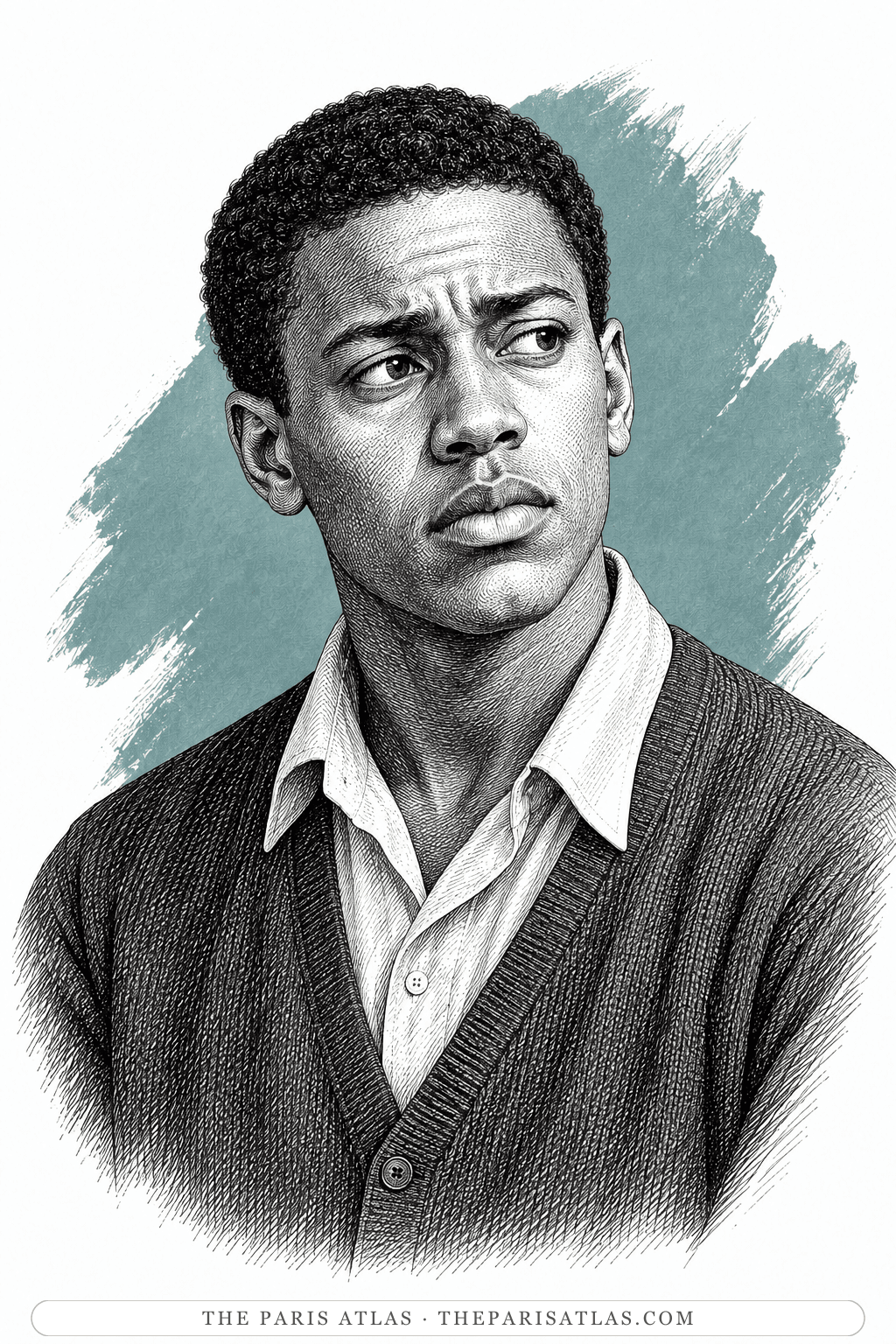
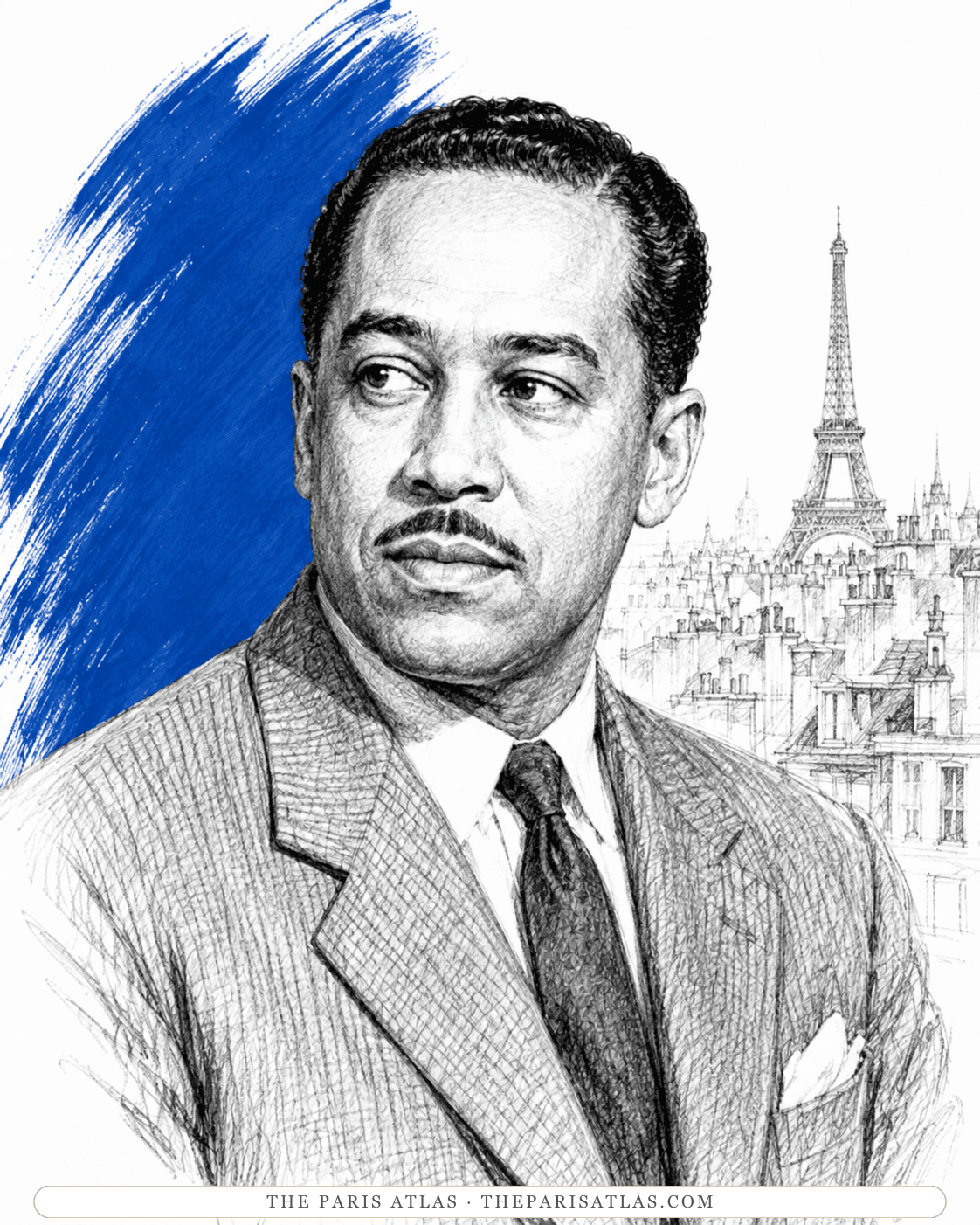
Illustrated portrait of Langston Hughes

The story, briefly

Spoiler-free

Montage of a Dream Deferred is Langston Hughes's 1951 book-length poetry sequence about Harlem. More than ninety short pieces move among conversations, music, work, love, and racial injustice. The familiar poem Harlem belongs to this larger arrangement. Hughes draws on bebop and other Black musical forms, changing pace and speaker instead of presenting one continuous narrative.

The story, in more detail

Hughes's prefatory note compares the sequence's changes and interruptions with jazz performance. The poems make readers adjust to new speakers and situations, sometimes within a few lines. Recurring sounds and questions connect scenes that remain separate.

Dream Boogie opens by asking a listener to hear more than a cheerful rhythm. Later musical poems return to the same problem. A performance can sound lively while suggesting pain or exclusion.

The sequence also gives attention to particular lives. A student writes back to an English instructor, while mourners pay for a young man's funeral. These encounters make education, unequal freedom, money, and affection part of the book's account of Harlem.

Near the end, Harlem asks what becomes of a postponed dream. Its images suggest decay, weight, and possible eruption. The question acquires greater scope when read beside the other speakers and circumstances in the sequence.

How the sequence works

Six sections organize the short poems: Boogie Segue to Bop, Dig and Be Dug, Early Bright, Vice Versa to Bach, Dream Deferred, and Lenox Avenue Mural. Their titles connect musical forms, everyday speech, and the neighborhood's geography.

Read the individual pieces together as well as separately. The greeting and musical vocabulary of Dream Boogie return in Boogie: 1 A.M. and Dream Boogie: Variation. A change of hour, performer, or tone alters what the repeated language suggests.

The concluding section places Harlem among other poems rather than treating it as a final answer. The book continues after that famous question, ending with Island.

Quotes from Montage of a Dream Deferred

Quoted verbatim from the text, each line verified against its source.

What happens to a dream deferred?
Langston Hughes, Harlem, in Montage of a Dream Deferred (1951)
and somewhat more free.
Langston Hughes, Theme for English B, in Montage of a Dream Deferred (1951)

Why we recommend it

  1. Hear recurring phrases change

    The musical poems return to a small set of words and rhythms. Reading them aloud makes differences in address, tempo, and emotional pressure easier to notice.

  2. Read Harlem in context

    The famous poem's question sits among accounts of neighborhood life. Its brevity becomes more suggestive when read alongside the longer student monologue or funeral poem.

  3. A variety of speaking voices

    Hughes moves between questions, replies, observation, and song. The sequence asks readers to attend to who is speaking and how each exchange changes the subject.

What this book explores

Inside the book

Selected works from this book, with notes on each.

Dream Boogie

A morning greeting leads into a request to listen beneath the music. Questions interrupt the apparent cheerfulness, and the ending breaks into brief performance sounds. The poem introduces the possibility that a lively beat can carry an unspoken grievance.

Theme for English B

A Black student responds to a white instructor's assignment by describing his route home, tastes, and uncertainty about writing truthfully. He recognizes what student and teacher share while naming the unequal freedom between them. The assignment becomes a conversation about their relationship.

Boogie: 1 A.M.

The evening greeting recalls Dream Boogie's morning opening. Treble and bass become interwoven with images of ruffles and lace. The compact poem turns the returning musical phrase into a nighttime texture, while keeping the deferred dream within earshot.

Night Funeral in Harlem

Repeated questions ask who paid for the cars, flowers, and preaching at a young man's funeral. Friends and a girlfriend provide what lapsed insurance does not. The ending measures the ceremony's significance through affection and grief rather than its expensive appearance.

Dream Boogie: Variation

The poem concentrates on a pianist's teeth, hands, fingers, and work at the pedals. Its energetic physical details give way to pain in his expression. The ending describes lateness for the Freedom Train, introducing exclusion into the account of the performance.

Harlem

The speaker tests several images for a postponed dream: drying fruit, an untreated sore, spoiled food, and a burden. Each comparison makes delay a material process. The final question proposes an explosion without settling whether or when it will occur.

Timeline

  1. 1951

    Henry Holt and Company publishes Montage of a Dream Deferred as a separate 75-page volume.

  2. 1959

    At the Library of Congress on May 1, Hughes reads poems including Dream Boogie and Harlem. The library preserves the recording.

  3. 2001

    University of Missouri Press includes Montage in The Poems 1951–1967, edited by Arnold Rampersad.

Book editions

Hardcover
Hardcover
Henry Holt and Company
1951
Original separate volume; the library catalog describes 75 pages.
Hardcover edition cover
Hardcover
University of Missouri Press
2001
ISBN-13
9780826213419
Selected reading edition: The Poems 1951–1967, volume 3 of The Collected Works of Langston Hughes, edited by Arnold Rampersad. Published June 18, 2001; 352 pages for the whole volume, which also includes Ask Your Mama, The Panther and the Lash, and uncollected poems.

Reader reviews

Loading reviews…

Cover of The Weary Blues by Langston Hughes

The Weary Blues

Langston Hughes

Hughes's first poetry collection also makes music a subject and a formal resource. Reading it beside Montage shows different ways of arranging a poem around performance.

Read our take
Cover of The Big Sea by Langston Hughes

The Big Sea

Langston Hughes

Hughes's autobiography describes his earlier encounters with Harlem and the literary world, supplying a personal history distinct from Montage's many speakers.

Read our take
Cover of And Still I Rise by Maya Angelou

And Still I Rise

Maya Angelou

Maya Angelou's later collection also uses repetition and speaking voices to address race, identity, and survival, with a different range of forms and subjects.

Read our take

Recommended alongside Simple Speaks His Mind.

Montage of a Dream Deferred: frequently asked questions

Is Montage of a Dream Deferred one poem or a collection?

It is a book-length poetry sequence made from more than ninety short, individually titled pieces. Hughes's prefatory note describes it as a poem about contemporary Harlem, so its parts can be read both individually and together.

Does Montage include Harlem?

Yes. The poem beginning What happens to a dream deferred? appears in the final section, Lenox Avenue Mural. Other poems follow it, and the sequence ends with Island.

What does music contribute to the book?

Hughes's prefatory note names jazz, ragtime, swing, boogie-woogie, and bebop. Shifts in pace, interruptions, repeated phrases, and different voices help shape the poems' arrangement.

When was Montage of a Dream Deferred published?

Henry Holt and Company published the original volume in New York in 1951. The selected University of Missouri Press reading edition appeared in 2001.

Is the 352-page edition just Montage?

No. That page count belongs to The Poems 1951–1967, volume 3 of Hughes's collected works. It includes Montage, two later poetry books, and uncollected poems.

Are the speakers all Langston Hughes?

The sequence uses different speakers and situations, including a student, performers, and neighborhood conversations. A first-person voice within a poem should not automatically be treated as a factual statement by Hughes about himself.

If you like Langston Hughes

Explore authors with a similar voice, perspective, and influence.

  • Illustrated portrait of Louis-Ferdinand Céline

    Louis-Ferdinand Céline

    The doctor of the Paris slums who wrote the century's blackest, funniest novel — and changed the sound of French prose.

    View author
  • Illustrated portrait of Simone de Beauvoir

    Simone de Beauvoir

    French writer and philosopher whose novels, memoirs, and social analysis examined freedom, gender, responsibility, aging, and the material conditions that shape a life.

    View author
  • Illustrated portrait of Henry Miller

    Henry Miller

    The Brooklyn dropout who arrived in Paris broke at thirty-eight and wrote the exuberant, banned books that ended American censorship.

    View author
References

References

The sources below include the primary text, editions, scholarship, archival materials, and other records that informed this page. They document Montage of a Dream Deferred, its publication, and its place in literary history.

  1. 1Montage of a Dream Deferred

    Poetry
    Langston Hughes, 1951
    Used for

    The primary text represented by this page, used for descriptions of the work’s contents and for any quoted passages shown here.

  2. 2Montage of a Dream Deferred: First Edition

    Archive
    WorldCat
    Used for

    Original title, publisher, place, and first-edition year.

    View source
  3. 3Montage of a Dream Deferred: Holt, 1951

    Archive
    Google Books
    Used for

    Original Holt volume's 75-page extent.

    View source
  4. 4The Poems 1951–1967 (LH3)

    Website
    University of Missouri Press
    Used for

    Selected edition's editor, date, ISBN, total page count, and inclusion of other collections.

    View source
  5. 5The Collected Works of Langston Hughes: Contents

    Archive
    Arcadia University Library
    Used for

    Six section headings and membership of all six selected poems.

    View source
  6. 6Dream in Color: Elementary School Poetry Resources

    Website
    Poetry Foundation
    Used for

    Authorized complete poem for the opening reading. The accompanying Lady's Boogie is not substituted for Boogie: 1 A.M.

    View source
  7. 7Theme for English B

    Poetry
    Academy of American Poets
    Used for

    Authorized complete poem for the reading and short quotation.

    View source
  1. 8Boogie: 1 A.M.

    Poetry
    Poetry Foundation
    Used for

    Authorized complete poem for the nighttime reading.

    View source
  2. 9Night Funeral in Harlem

    Poetry
    Academy of American Poets
    Used for

    Authorized complete poem for the funeral reading.

    View source
  3. 10Dream Boogie: Variation

    Poetry
    Poetry Foundation
    Used for

    Authorized complete poem for the pianist reading.

    View source
  4. 11Harlem (1951)

    Poetry
    Academy of American Poets
    Used for

    Authorized text of the 1951 poem, distinguished from the earlier poem with the same title.

    View source
  5. 12Langston Hughes: Harlem

    Website
    Poetry Foundation
    Used for

    The original prefatory note, sequence context, and distinction between Hughes's two poems titled Harlem.

    View source
  6. 13Langston Hughes Reading His Poems with Comment in the Coolidge Auditorium, May 1, 1959

    Archive
    Library of Congress
    Used for

    Date and contents of Hughes's recorded reading.

    View source
i
Why these sources are here

The primary text is the baseline reference for every book page. Additional references document publication history, interpretation, and historical context where that evidence is available.

Explore more resources