The Paris AtlasCharting the artists, works, and places worth returning to.
Cover of Simple Speaks His Mind by Langston Hughes

Simple Speaks His Mind

by Langston Hughes

Hughes's first Simple collection turns Harlem conversations into arguments about work, love, race, and everyday dignity.

Published
1950
Shelf rating
4.5
  • Wry
  • funny
  • voice-driven
  • episodic
  • political

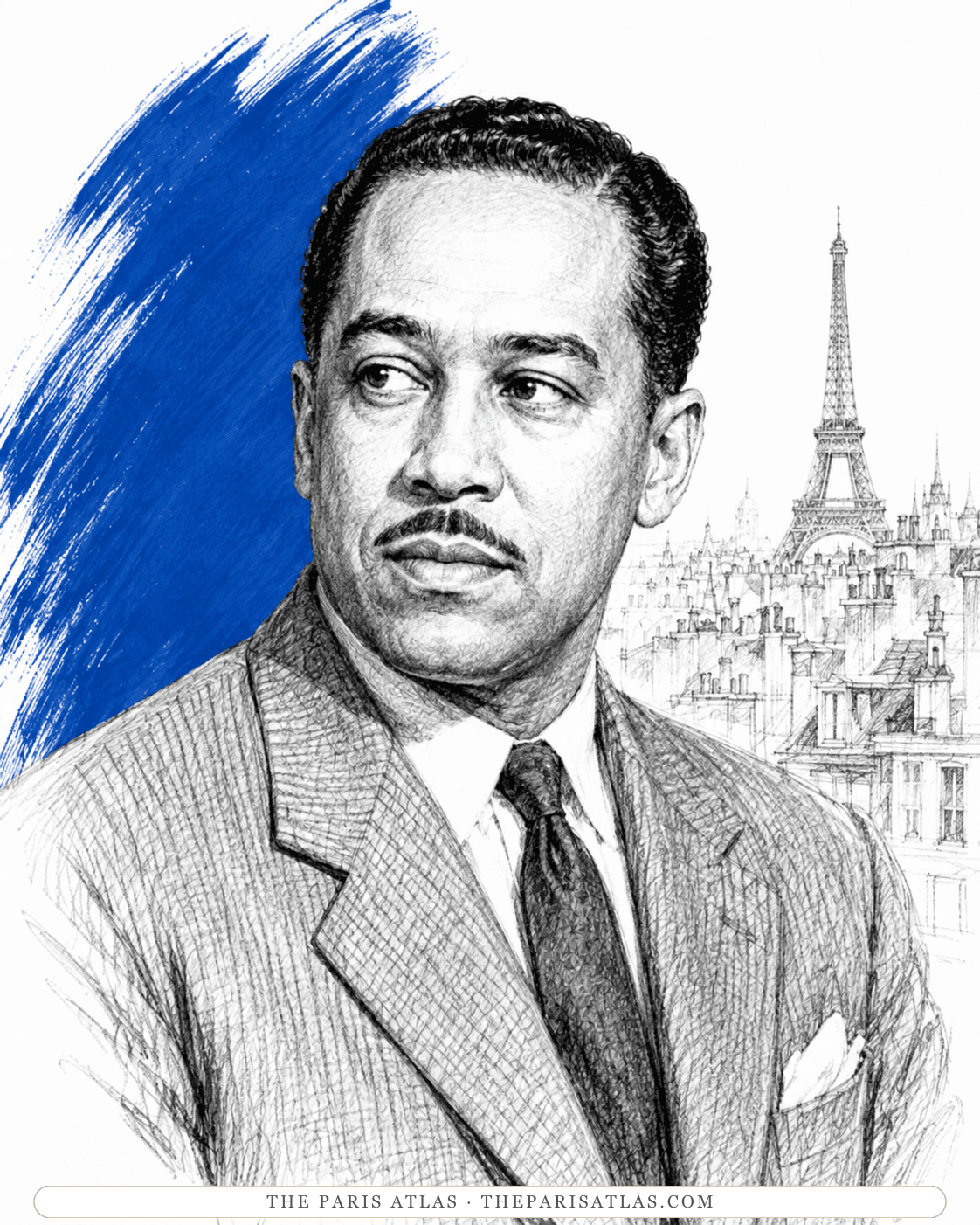
About Langston Hughes

Illustrated portrait of Langston Hughes

The story, briefly

Spoiler-free

Simple Speaks His Mind is Langston Hughes's first book of stories about Jesse B. Semple, usually called Simple. Published in 1950, it grew from Hughes's Chicago Defender column. Simple talks with his more educated friend Boyd about rent, relationships, employment, racism, and the pleasures of Harlem. Their disagreements make room for jokes, anger, evasions, and unexpected admissions. Neither man's account goes entirely unchallenged.

The story, in more detail

The opening story begins over a glass of beer. Simple asks his friend to understand his life through his feet: the work they have done, the lines they have stood in, and the places they have carried him. Boyd keeps asking for evidence until the exchange turns toward slavery and a Harlem riot.

Other conversations begin with practical frustrations. Simple resents the rules posted by his landlady and tears them down. She can still keep him from his room until he pays his rent. His verbal confidence does not give him enough money to move.

War and peace also enter ordinary conversation. Simple condemns killing while remembering the wages he earned during wartime. Boyd challenges the contradiction, and Simple insists that wanting work does not mean wanting war.

The friends disagree about Harlem's place in the wider world. Simple values its Black community and the freedom he feels there. Boyd questions his claims to ownership and urges cooperation across racial divisions. Simple answers from the experience of being rejected when he has tried to be friendly.

Following the conversations

The book develops through recurring people and arguments rather than one continuous plot. Bars, street corners, rented rooms, and neighborhood stoops give the friends places to meet. A complaint about money or companionship can become a debate about national affairs.

Simple's personal circumstances return across the stories. He is separated from his wife Isabel, wants to marry Joyce, and must find money for a divorce. His accounts of these relationships reveal affection and loneliness alongside efforts to excuse his own behavior.

Boyd's questions keep the conversations moving. His formal language can clarify a problem or provoke Simple into making fun of him. Read the exchanges as encounters between two invented voices, rather than treating either speaker as Hughes's direct spokesman.

Quotes from Simple Speaks His Mind

Quoted verbatim from the text, each line verified against its source.

I'm lonesome inside myself.
Simple in Langston Hughes, Conversation on the Corner
Everything I do is connected up with my past life,
Simple in Langston Hughes, Feet Live Their Own Life

Why we recommend it

  1. Listen to an argument change direction

    A question about shoes or a rented room can lead into a much larger disagreement. Hughes lets the turns in conversation carry the change of subject.

  2. Humor with consequences

    Simple can answer an objection quickly, but a clever reply does not pay his rent or end his loneliness. The stories keep practical difficulties close to the jokes.

  3. Two voices worth attending to

    Boyd challenges Simple's generalizations, while Simple tests Boyd's abstract advice against experience. The pleasure comes partly from hearing where each man has an answer and where he does not.

What this book explores

The people in its pages

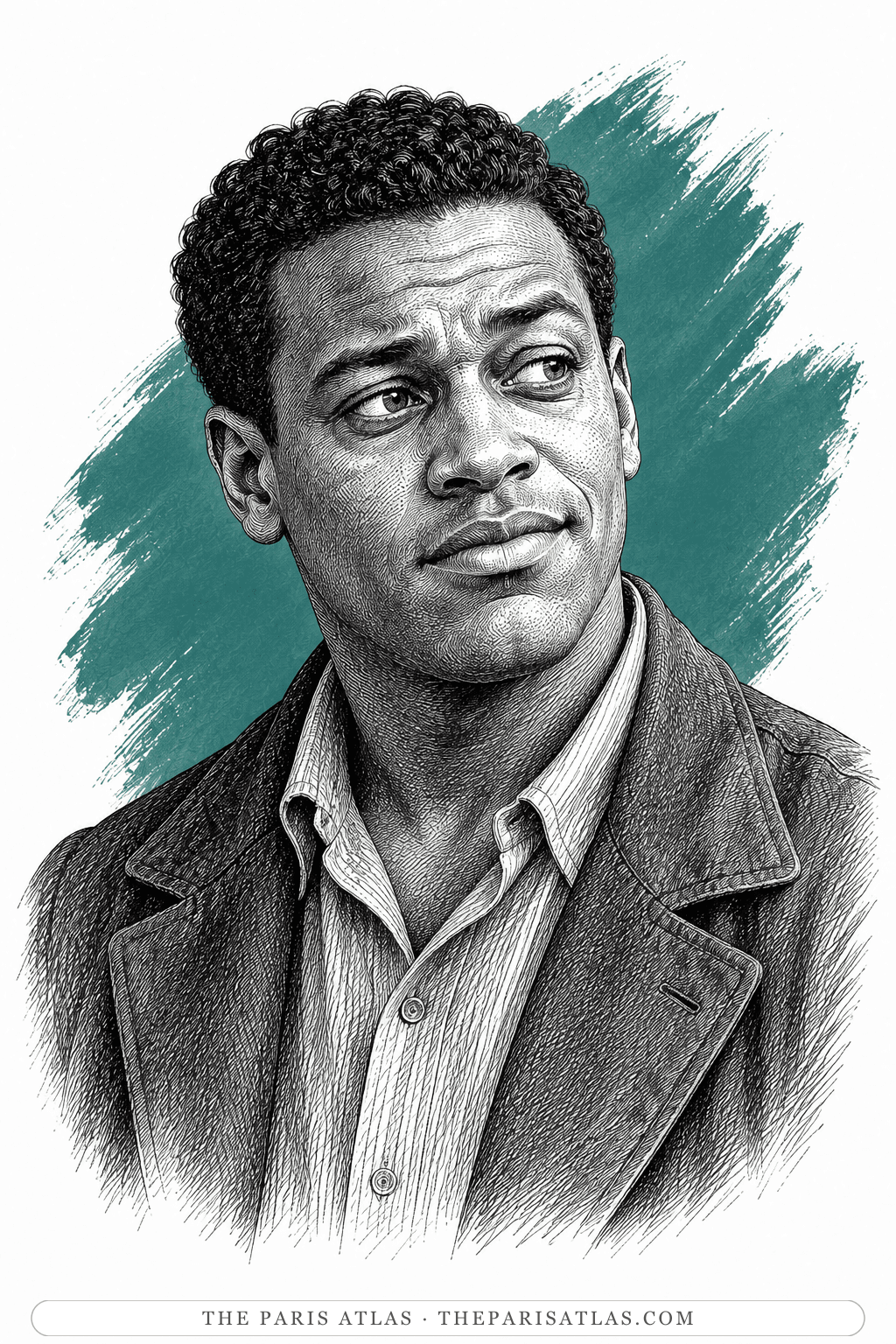
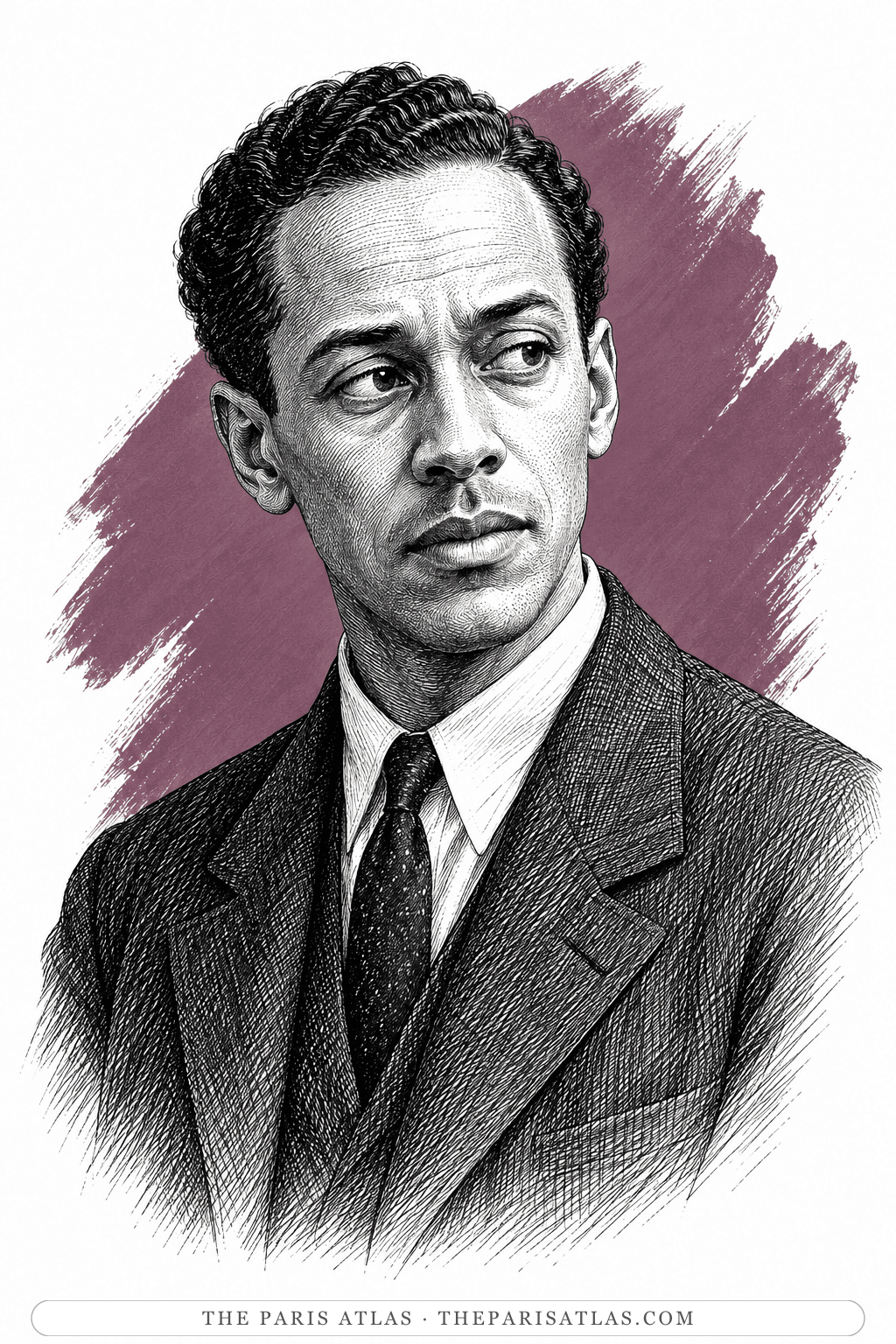
These guides concern Simple and Boyd in the first six stories. Their portraits are interpretations of fictional people, not likenesses of Langston Hughes.

  • Illustrated portrait of Jesse B. Semple

    Jesse B. Semple

    Simple, the workingman whose complaints and quick replies give the stories their recurring voice.

  • Illustrated portrait of Boyd

    Boyd

    Simple's more educated friend and narrator, whose questions provoke and challenge the stories he hears.

Inside the book

Selected works from this book, with notes on each.

Feet Live Their Own Life

Simple makes his feet the starting point for a personal history. His friend's literal objections prompt increasingly specific examples. The exchange moves from bodily weariness to inherited injustice, then ends with Simple escaping another question.

Landladies

Simple tears down his landlady's notices in protest at rules governing his room. Unpaid rent gives her the stronger position. His final contribution to the notices makes a joke of the defeat without changing his dependence on her.

Simple Prays a Prayer

News of violence prompts an improvised prayer for peace. The conversation then tests that wish against unemployment and racial injustice. Simple's practical fears complicate the prayer while keeping its opposition to killing in view.

Conversation on the Corner

Late-night talk moves from a haircut and drinking to loneliness, a failed marriage, and the cost of divorce. Simple admits what his confidence usually conceals, then returns to explaining why other people have made his life difficult.

Family Tree

Simple's claims about ancestry become excuses for his temper and expectations of women. Boyd challenges those expectations through women's economic independence. Their disagreement exposes the gap between Simple's demand for respect and the authority he wants over others.

A Toast to Harlem

Simple praises the neighborhood as a place of belonging, safety, and political participation. Boyd answers with objections about ownership and racial hostility. The final disagreement concerns whether goodwill alone is enough protection against a hostile world.

Timeline

  1. 1943

    Simple first appears in Hughes's weekly Chicago Defender column, according to the collected edition's publisher.

  2. 1950

    Simon and Schuster publishes Simple Speaks His Mind, the first book collection.

  3. 2002

    University of Missouri Press publishes The Early Simple Stories, containing the first two Simple books, on February 4.

Book editions

Hardcover
Hardcover
Simon and Schuster
1950
Original separate collection, recorded in Brown University's Hughes exhibition checklist.
Hardcover edition cover
Hardcover
University of Missouri Press
2002
ISBN-13
9780826213709
Selected reading edition: The Early Simple Stories, volume 7 of Hughes's collected works, edited by Donna Akiba Sullivan Harper. Published February 4, 2002. The volume contains both Simple Speaks His Mind and Simple Takes a Wife.

Reader reviews

Loading reviews…

Cover of Not Without Laughter by Langston Hughes

Not Without Laughter

Langston Hughes

Hughes's first novel also places work, family disagreement, and racial injustice within ordinary conversations, following a boy's growth across a longer narrative.

Read our take
Cover of The Big Sea by Langston Hughes

The Big Sea

Langston Hughes

Hughes's autobiography offers his own account of work, travel, and Harlem life, distinct from the invented exchanges of Simple and Boyd.

Read our take

Simple Speaks His Mind: frequently asked questions

Who is Simple?

Simple is Jesse B. Semple, a fictional Black workingman living in Harlem. He talks with his friend Boyd about personal difficulties, neighborhood life, and public affairs.

Is Simple Speaks His Mind a novel?

It is a collection of linked stories and conversations about recurring characters. Its episodes grow from Hughes's newspaper column rather than one continuous novel plot.

When was Simple Speaks His Mind published?

Simon and Schuster first published it in 1950. Simple had appeared in Hughes's Chicago Defender column since 1943.

Is Boyd the same person as Langston Hughes?

Boyd is the stories' narrator and Simple's fictional conversation partner. He gathers literary material, but that does not make every statement he makes a direct statement by Hughes.

Is The Best of Simple the same collection?

No. The Best of Simple selects stories from Simple Speaks His Mind, Simple Takes a Wife, and Simple Stakes a Claim. It combines material from different books.

Which modern edition includes the whole first collection?

The Early Simple Stories, edited by Donna Akiba Sullivan Harper for University of Missouri Press in 2002, contains Simple Speaks His Mind and Simple Takes a Wife. The selected hardcover's ISBN is 9780826213709.

If you like Langston Hughes

Explore authors with a similar voice, perspective, and influence.

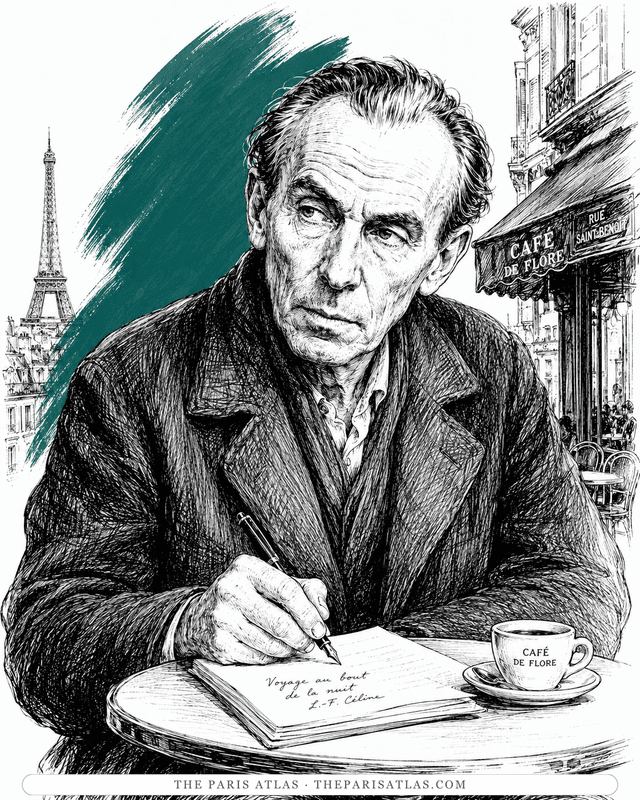
  • Illustrated portrait of Louis-Ferdinand Céline

    Louis-Ferdinand Céline

    The doctor of the Paris slums who wrote the century's blackest, funniest novel — and changed the sound of French prose.

    View author
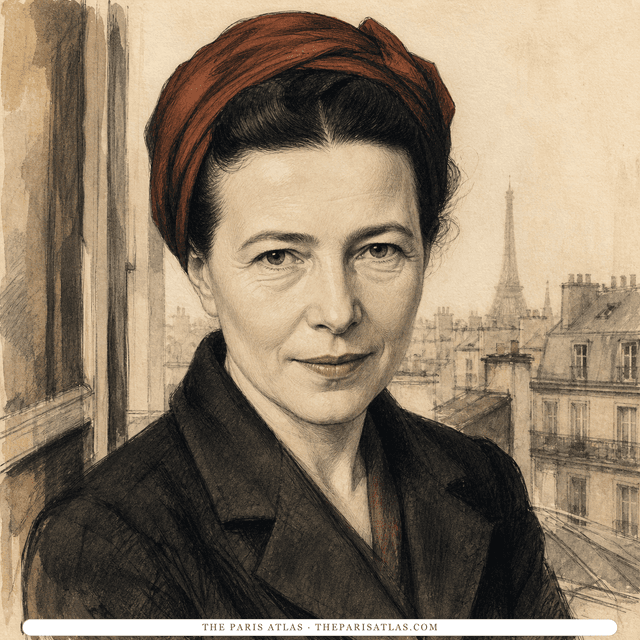
  • Illustrated portrait of Simone de Beauvoir

    Simone de Beauvoir

    French writer and philosopher whose novels, memoirs, and social analysis examined freedom, gender, responsibility, aging, and the material conditions that shape a life.

    View author
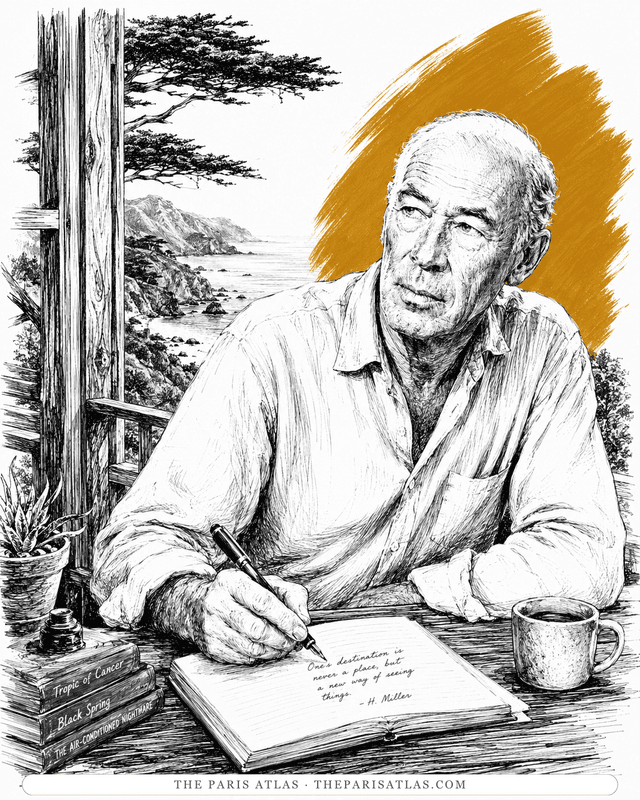
  • Illustrated portrait of Henry Miller

    Henry Miller

    The Brooklyn dropout who arrived in Paris broke at thirty-eight and wrote the exuberant, banned books that ended American censorship.

    View author
References

References

The sources below include the primary text, editions, scholarship, archival materials, and other records that informed this page. They document Simple Speaks His Mind, its publication, and its place in literary history.

  1. 1Simple Speaks His Mind

    Novel
    Langston Hughes, 1950
    Used for

    The primary text represented by this page, used for descriptions of the work’s contents and for any quoted passages shown here.

  2. 2The Langston Hughes Collection: Exhibition Checklist

    Archive
    Brown University Library
    Used for

    Original title, publisher, place, and publication year.

    View source
  3. 3The Early Simple Stories (LH7)

    Website
    University of Missouri Press
    Used for

    Selected edition, ISBN, editor, date, column history, and identification of Boyd as Simple's conversation partner.

    View source
  4. 4The Early Simple Stories: Publisher-Authorized Preview

    Archive
    University of Missouri Press / Google Books
    Used for

    Publisher-authorized page images read in full for all six selected stories, both six-detail character guides, and the two short quotations. The preview's contents distinguish the 1950 collection from Simple Takes a Wife, which begins on page 171.

    View source
  1. 5Sterling Brown and Langston Hughes: Album and Track Listing

    Archive
    Smithsonian Folkways Recordings
    Used for

    Institutional catalog of Hughes's own recorded performances. The recording was not used as a substitute for reading the printed stories.

    View source
  2. 6Sterling Brown and Langston Hughes: Original Liner Notes

    Archive
    Smithsonian Folkways Recordings
    Used for

    Original liner notes explicitly identify Feet Live Their Own Life, Landladies, and Simple Prays a Prayer as readings from Simple Speaks His Mind.

    View source
  3. 7The Best of Simple: Edition and Collection Description

    Website
    Macmillan Publishers
    Used for

    Publisher's description establishes that The Best of Simple selects from three earlier collections.

    View source
i
Why these sources are here

The primary text is the baseline reference for every book page. Additional references document publication history, interpretation, and historical context where that evidence is available.

Explore more resources