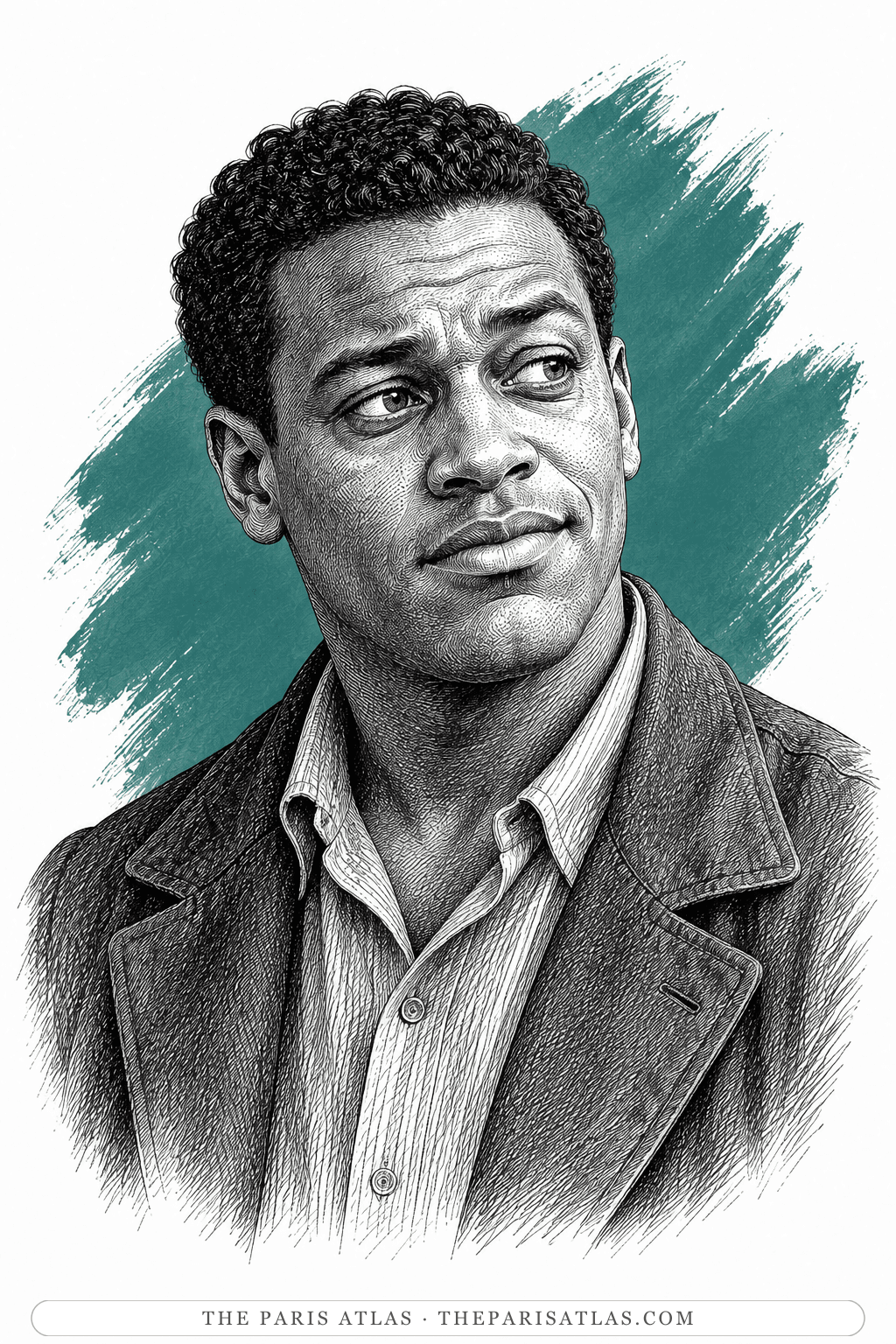
Jesse B. Semple
Simple, the workingman whose complaints and quick replies give the stories their recurring voice.
He wants enough money and freedom to enjoy his life, and recognition for experiences his friend sometimes treats too abstractly.
The book

Who they are in the book
Spoiler-freeSimple is a Black workingman from Virginia living in Harlem. He defends his independence with jokes and arguments, while repeatedly describing the money troubles, loneliness, and racial restrictions that limit his choices.
How Jesse B. Semple Is Portrayed
- Making a body tell a historyIn Feet Live Their Own Life, Simple asks his friend to read his experience through his feet. His examples connect paid work, waiting, family history, and an act of anger during a Harlem riot.
- Defiance with a rent billIn Landladies, Simple tears down the rules posted around his lodging. When the landlady locks his room, he spends his date money on rent and restores the notices. His protest ends in a practical retreat.
- Peace must include a livelihoodIn Simple Prays a Prayer, Simple condemns warfare while recalling his wartime wages. He answers Boyd's charge of selfishness by explaining that unemployment and hunger also make peace difficult to enjoy.
- Admitting lonelinessIn Conversation on the Corner, Simple says he drinks because he is lonely despite having friends. The admission briefly interrupts his explanations about gambling, women, and why he stays out late.
- An ancestry used as an excuseIn Family Tree, Simple invokes Native ancestry to explain his temper and justify control over women. The story presents these as his claims and stereotypes; Boyd challenges his assumptions about women's dependence.
- A home worth defendingIn A Toast to Harlem, Simple celebrates the neighborhood's Black community, voting, and daily freedom. When Boyd urges universal friendship, Simple replies with memories of rejection and insists on having somewhere of his own.
If you like Simple Speaks His Mind


If you like Langston Hughes
Explore authors with a similar voice, perspective, and influence.
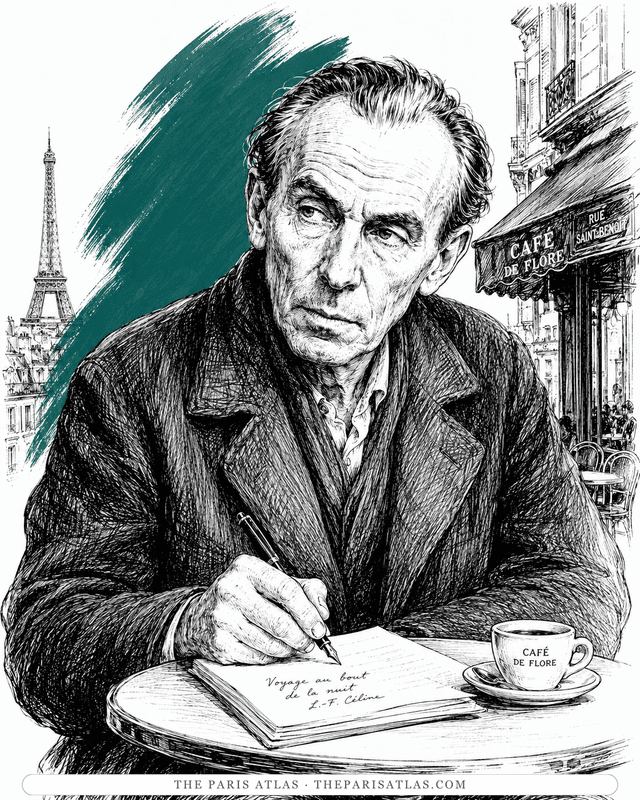
Louis-Ferdinand Céline
The doctor of the Paris slums who wrote the century's blackest, funniest novel — and changed the sound of French prose.
View author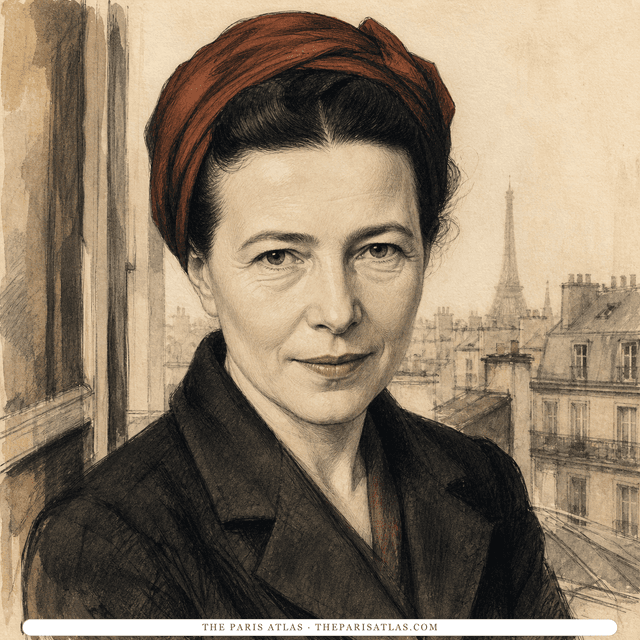
Simone de Beauvoir
French writer and philosopher whose novels, memoirs, and social analysis examined freedom, gender, responsibility, aging, and the material conditions that shape a life.
View author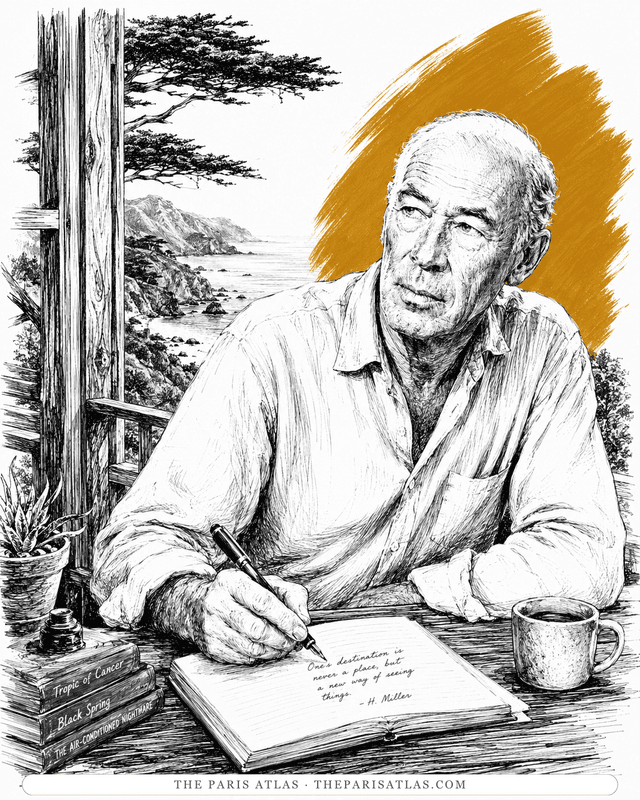
Henry Miller
The Brooklyn dropout who arrived in Paris broke at thirty-eight and wrote the exuberant, banned books that ended American censorship.
View author