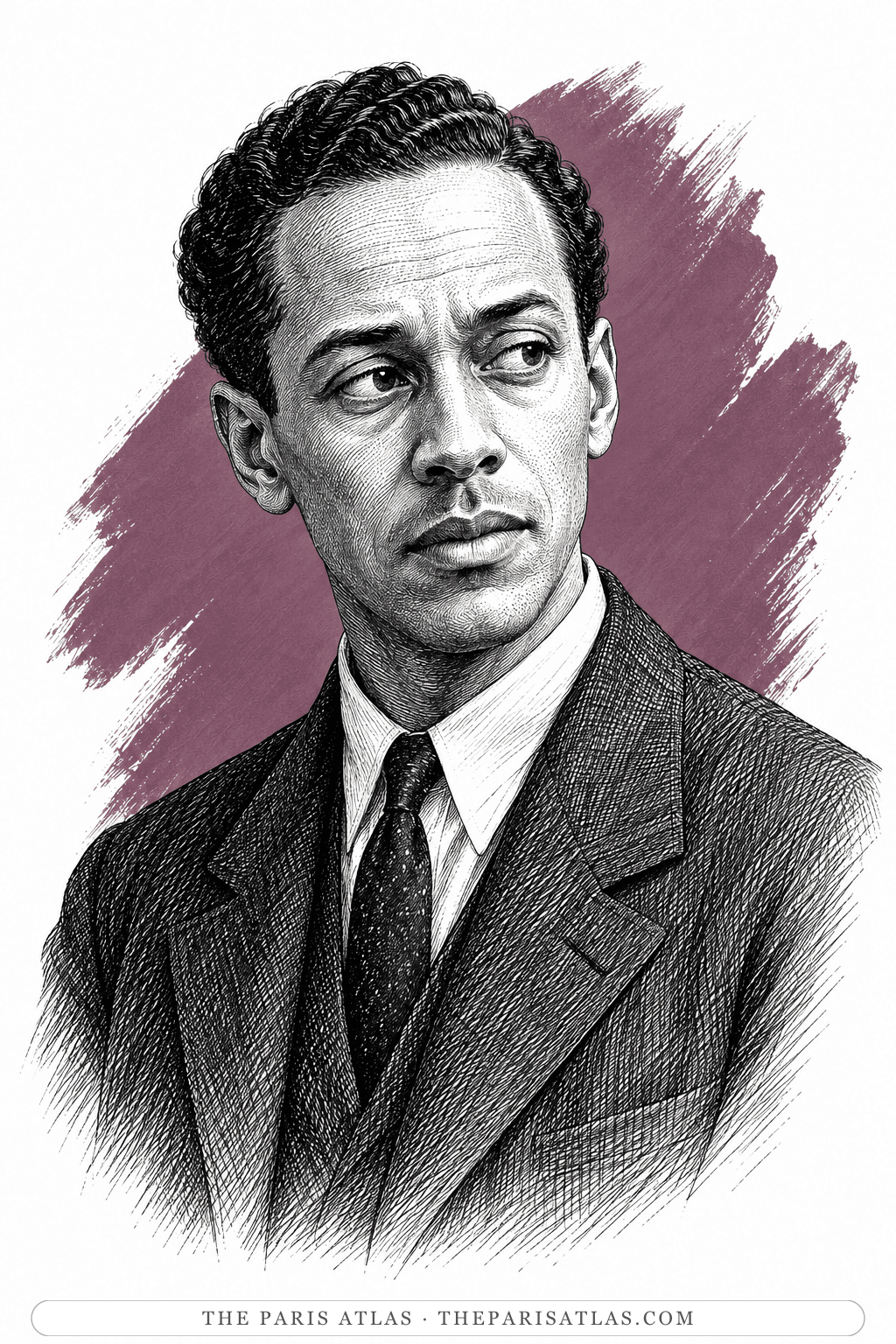
Boyd
Simple's more educated friend and narrator, whose questions provoke and challenge the stories he hears.
He wants to understand Simple's arguments and challenge claims he finds mistaken or unfair.
The book

Who they are in the book
Spoiler-freeBoyd narrates his encounters with Simple and often takes the questioning part in their conversations. His formal explanations and general principles meet Simple's memories, jokes, and demands for immediate practical answers.
How Boyd Is Portrayed
- Demanding a specific exampleIn Feet Live Their Own Life, Boyd objects that Simple's experiences could belong to anyone. His demand for one distinguishing action draws out the account of a broken shop window and flight from police.
- Following a complaint to its outcomeIn Landladies, Boyd begins by questioning Simple's claim to understand women. He listens through the account of the dispute, then asks whether Simple put the signs back. The question reveals how the confrontation ended.
- Testing a prayer against conductIn Simple Prays a Prayer, Boyd tells Simple that people must help bring about the peace they request. He also challenges the suggestion that wartime employment could justify wanting war to continue.
- An observer with limitsIn Conversation on the Corner, Boyd says he is gathering literary material. Yet his suggestions of books, shows, and dancing do not resolve Simple's loneliness, and his advice about marriage comes without marital experience.
- Questioning male authorityIn Family Tree, Boyd argues that women's paid work undermines Simple's assumptions about male control. He keeps asking how Simple's demands fit together, exposing contradictions that his friend answers with further personal complaints.
- Arguing for a shared futureIn A Toast to Harlem, Boyd rejects racial hostility and urges friendliness across divisions. Simple presses him on the difference between that ideal and the rejection he has experienced. Their disagreement remains unresolved.
If you like Simple Speaks His Mind


If you like Langston Hughes
Explore authors with a similar voice, perspective, and influence.
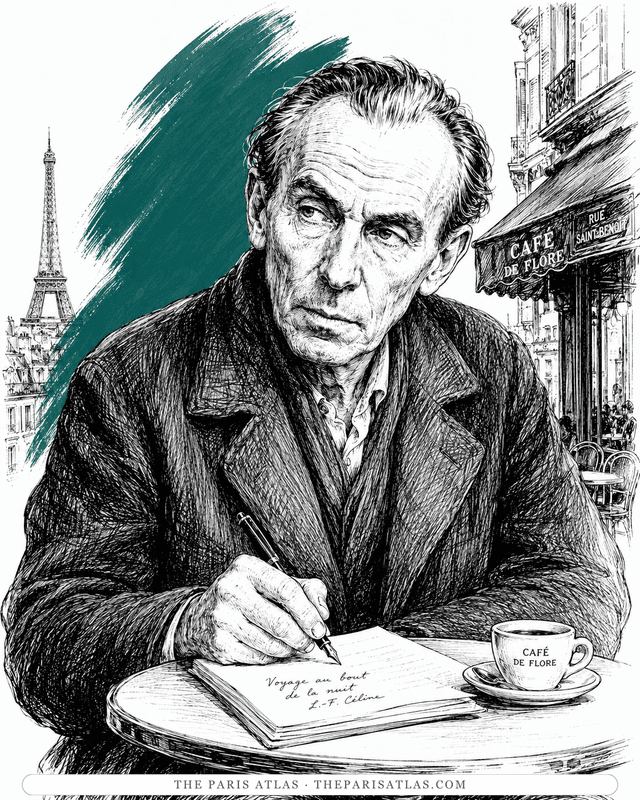
Louis-Ferdinand Céline
The doctor of the Paris slums who wrote the century's blackest, funniest novel — and changed the sound of French prose.
View author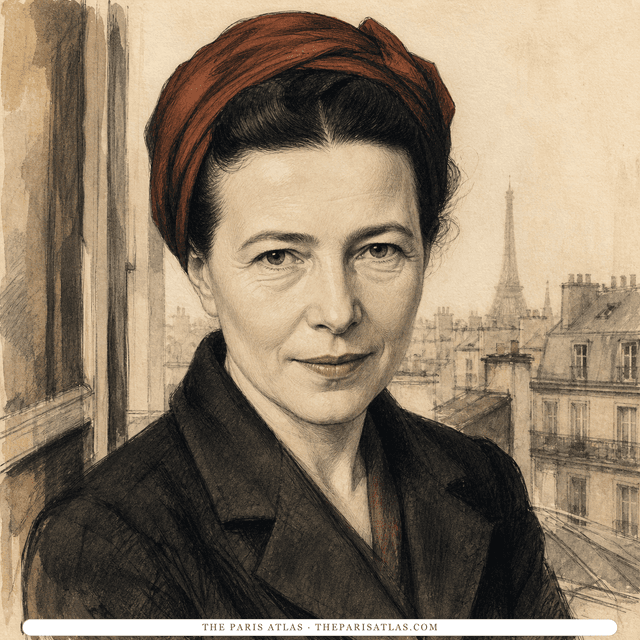
Simone de Beauvoir
French writer and philosopher whose novels, memoirs, and social analysis examined freedom, gender, responsibility, aging, and the material conditions that shape a life.
View author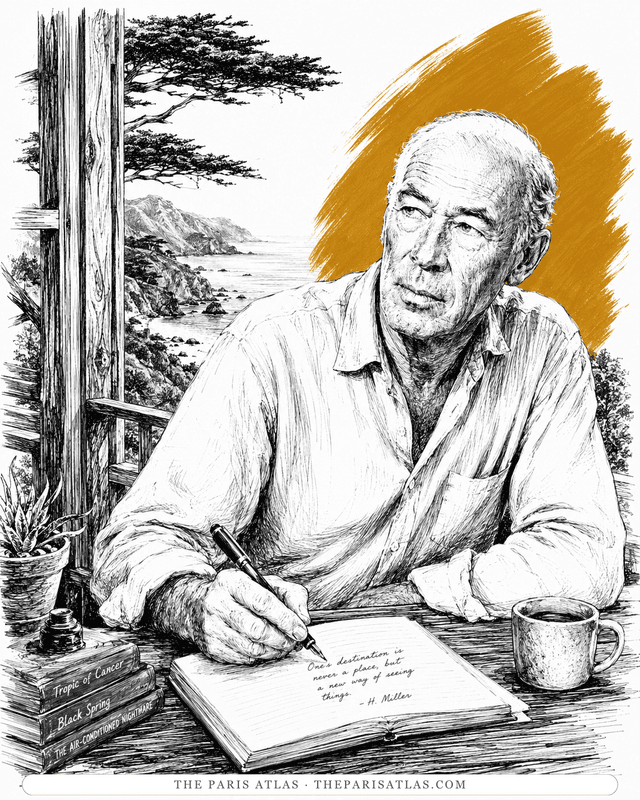
Henry Miller
The Brooklyn dropout who arrived in Paris broke at thirty-eight and wrote the exuberant, banned books that ended American censorship.
View author