

Recalled in the memoir
The Big Sea
Hughes begins his Paris story here: arrival from Rotterdam, seven dollars, checked bags, coffee and rolls, and a bus marked Opéra.
Paris's great northern railway terminus: an operating 1864 station, a monumental Second Empire façade, and the place where the American poet Langston Hughes began his first Paris day with seven dollars.
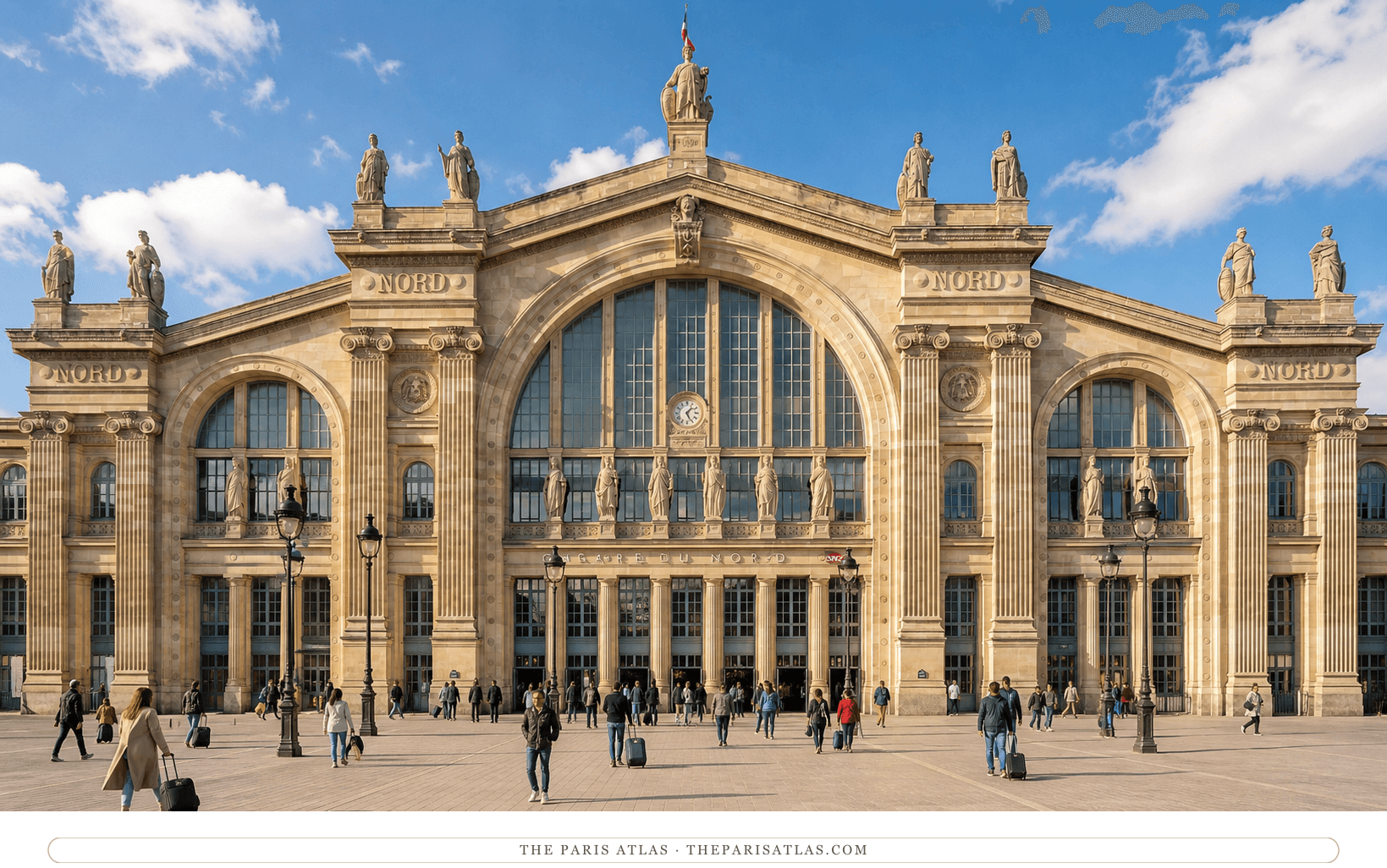
Gare du Nord is one of Paris's main railway gateways, serving northern France and international routes as well as suburban trains, the RER and the Métro. The station is open to travelers and passersby; its principal street façade faces the rue de Dunkerque in the 10th arrondissement. You can enter the public concourses without buying a train ticket, although controlled platforms require a valid journey.
The first northern terminus opened here in 1846, but Paris outgrew it almost immediately. Jacques-Ignace Hittorff designed the station that stands now: a classical stone front attached to a vast industrial train shed, opened in 1864. Twenty-three statues crown the façade. The larger figures represent international destinations; the smaller ones stand for cities in northern France reached by the railway.
Early one February morning in 1924, Langston Hughes, a young American poet who would become one of the defining voices of the Harlem Renaissance, arrived here on the night train from Rotterdam. His ticket and French visa had reduced his money to seven dollars. He checked his bags at the parcel counter, bought coffee and rolls, discovered that spoken French moved much faster than the language he had learned at school, and went outside looking for the center of Paris.
A bus marked Opéra gave him his route. From the Opéra he walked through wet snow to the Concorde, chose the Seine over the Champs-Élysées, and reached the Louvre. The station is therefore the first stop in Hughes's Paris geography: not a retrospective literary landmark, but the place where the uncertain day actually began.
Hughes later told the story in The Big Sea, his 1940 autobiography about childhood, seafaring, the Harlem Renaissance and his first travels abroad. His parcel counter is gone, but a visitor can still leave the main hall by the rue de Dunkerque side and follow his route south toward the Opéra. Even without taking a train, the façade is worth crossing the forecourt to see: its statues turn a transport timetable into architecture.
The first northern railway terminus opens.
Hittorff's enlarged station opens on 19 April.
Langston Hughes arrives from Rotterdam with seven dollars, checks his bags, and begins walking Paris.
Eurostar begins carrying passengers between London and Paris.
Recalled in the memoir
Hughes begins his Paris story here: arrival from Rotterdam, seven dollars, checked bags, coffee and rolls, and a bus marked Opéra.
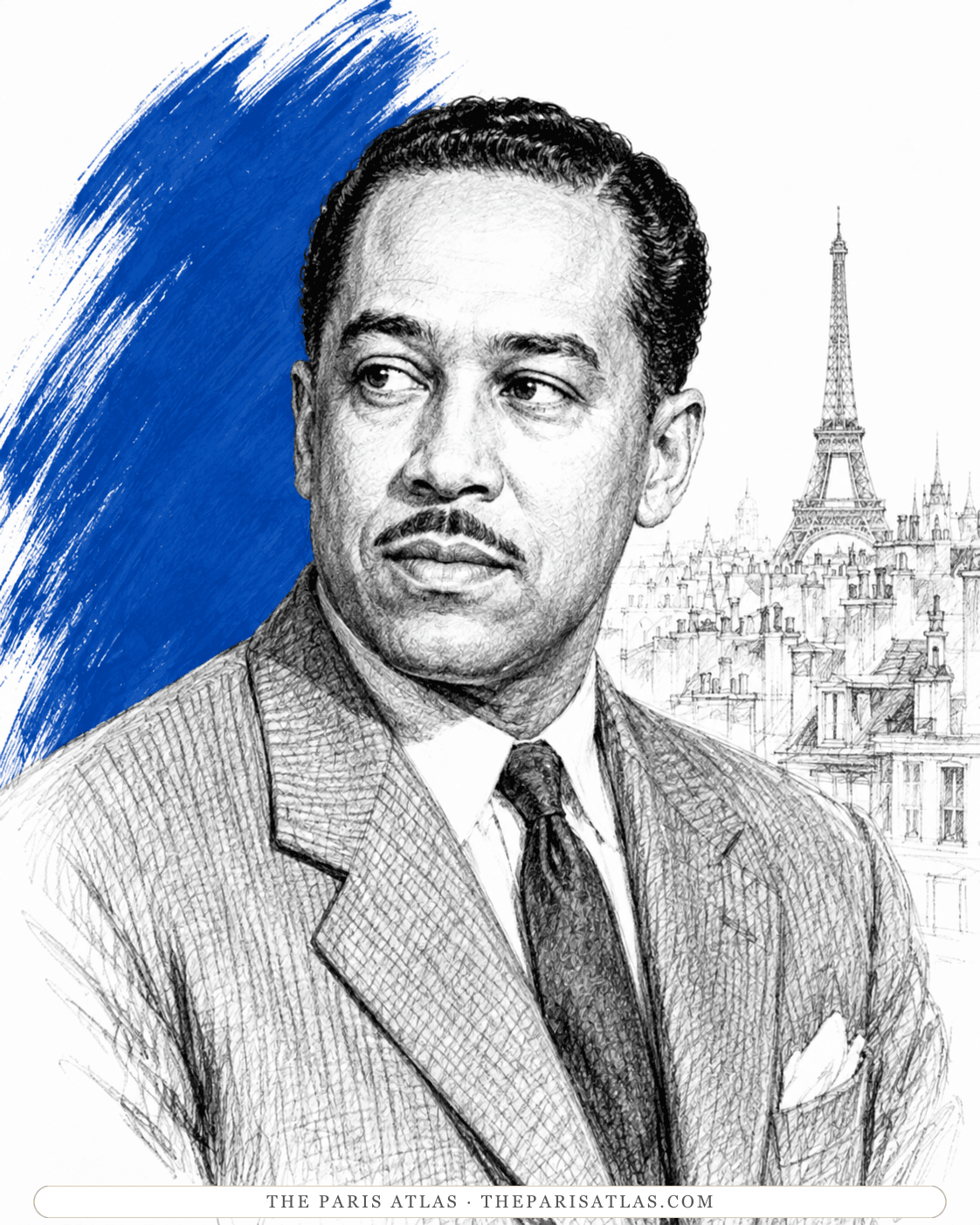
Visited by · 1924
Hughes arrived here from Rotterdam early one February morning in 1924 with seven dollars, checked his bags, and had coffee and rolls before beginning his first walk through Paris.

Rimbaud's first arrival in Paris, in August 1870, ended on the platform. The fifteen-year-old had run away from Charleville and travelled without a ticket; he was arrested on arrival at the Gare du Nord and held at the Mazas prison until his schoolteacher Georges Izambard paid what was owed and took him home. He came back thirteen months later as Verlaine's invited guest.
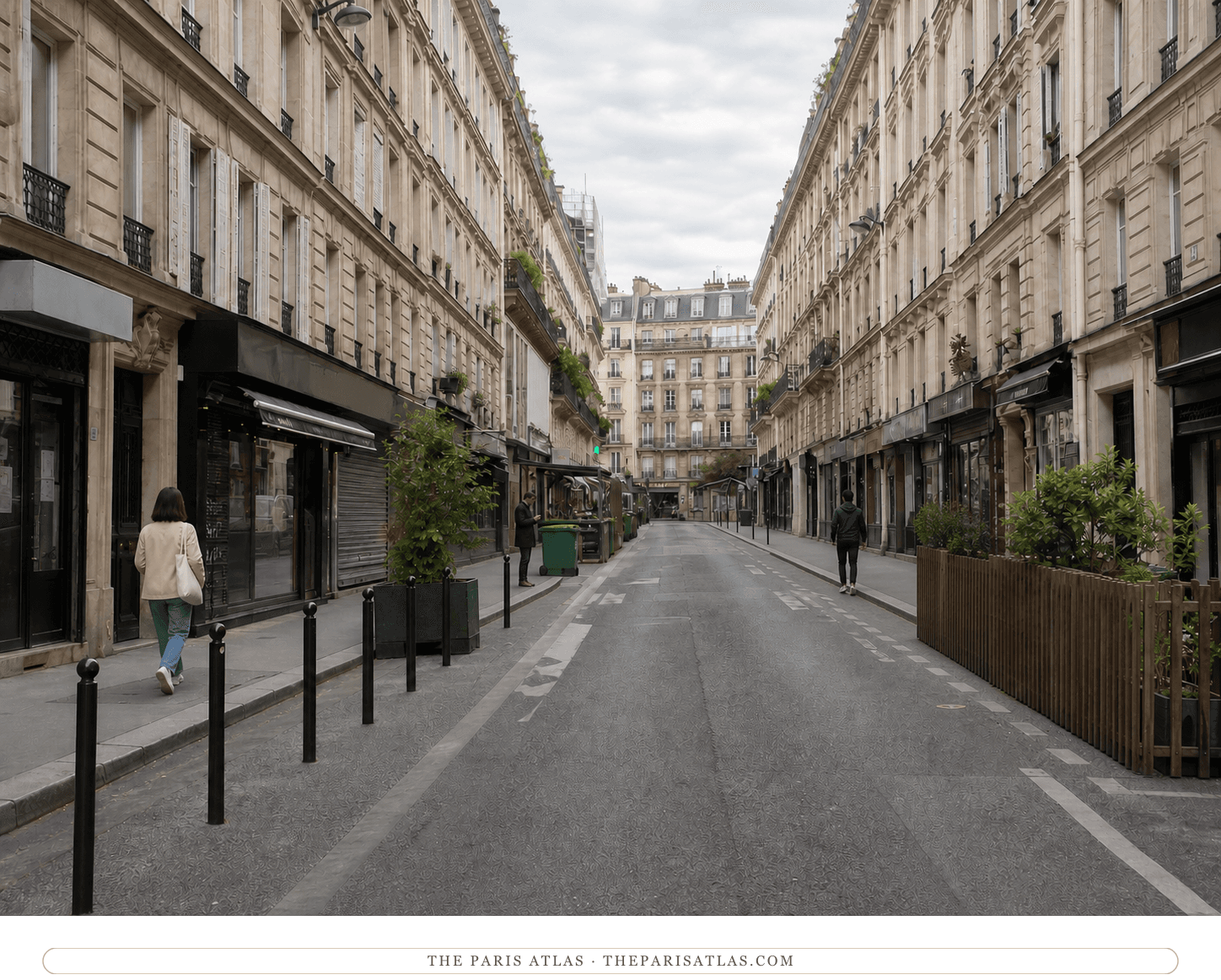
The cheap room near the Gare du Nord where Gauguin lived with his young son Clovis after the crash took his income — the same city as the place Saint-Georges, and a different world.
Visit the place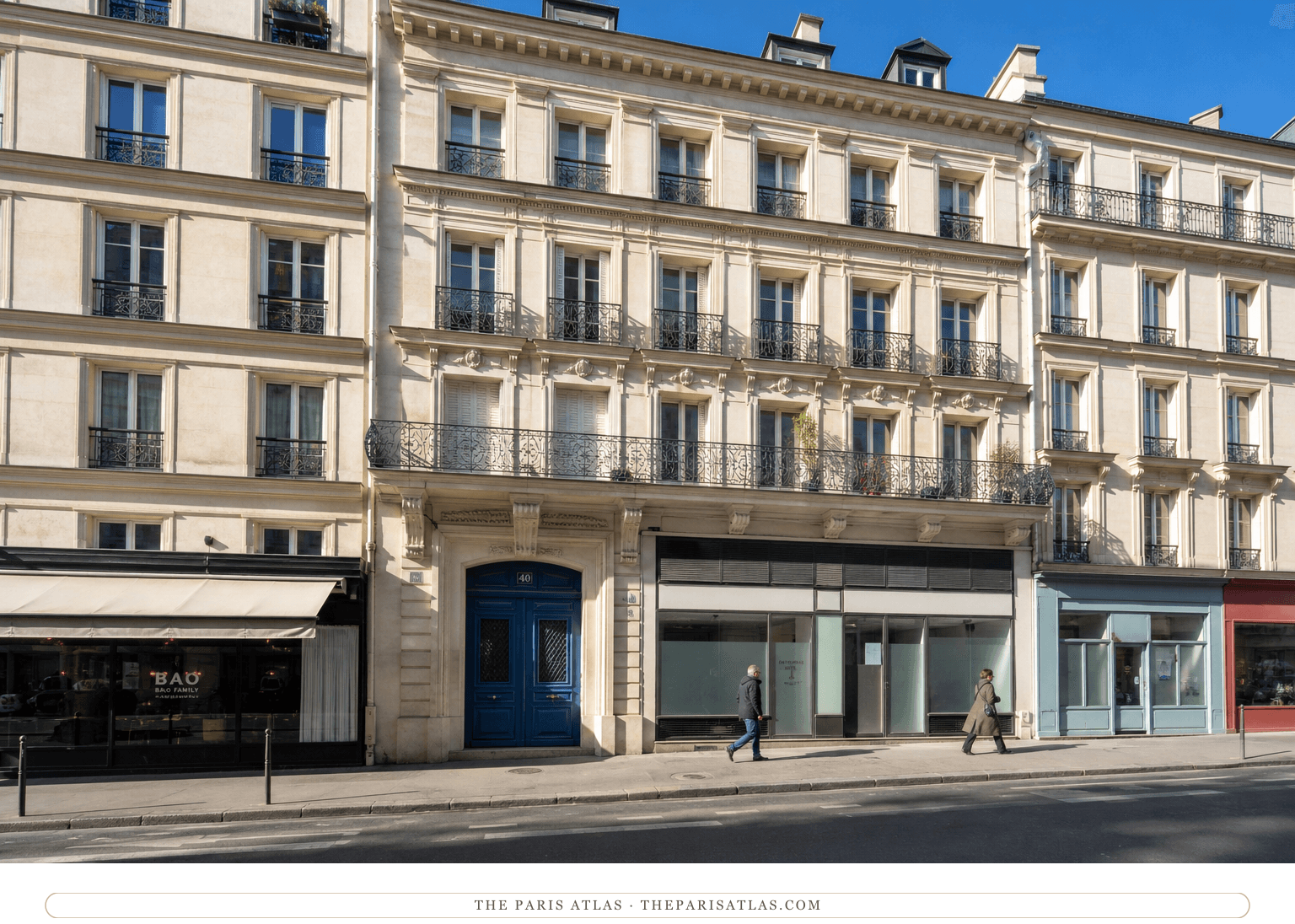
The modest concert hall where the Prélude à l'après-midi d'un faune was first performed on 22 December 1894 — a piece often treated as the beginning of modern music, premièred in a room almost nobody has heard of.
Visit the place
Where Paul Cézanne lodged when he arrived in Paris in 1861 at twenty-two, having finally won his banker father's permission to paint — and where he lasted a matter of months before retreating to Aix.
Visit the place
The Paris offices of the Chicago Tribune, where Henry Miller worked as a proofreader in 1931 — the only steady paid work of his Paris decade, taken on the night shift while he wrote Tropic of Cancer.
Visit the placeThe sources below include histories, archival materials, scholarly research, and official records that informed this page. They document Gare du Nord, the people connected to it, and its place in Paris.

First-person evidence and historical context used in preparing the Gare du Nord page.
Web source consulted for documented facts and historical context presented on the Gare du Nord page.

Contemporary reporting or criticism used to document the historical reception and context of Gare du Nord.
Web source consulted for documented facts and historical context presented on the Gare du Nord page.
These references provide the documented foundation for this page's history and context. Claim-level citations remain attached to the specific claims they support.
 Explore more resources
Newsletter
The cafés, studios, and walk-up flats where the work was made — one story from the map in every letter.


