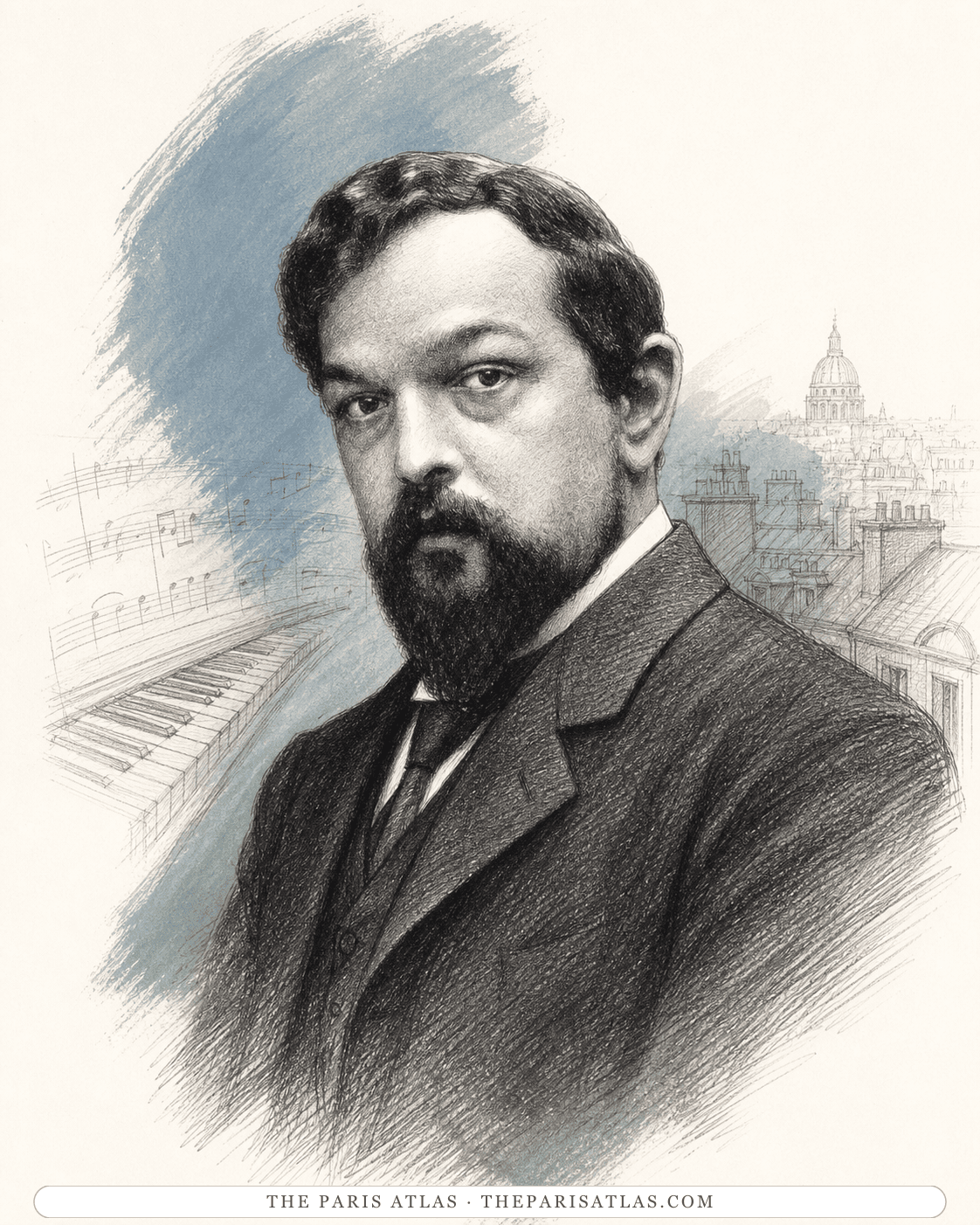
Claude Debussy
The Prelude a l'apres-midi d'un faune received its first performance at the Salle d'Harcourt on 22 December 1894.
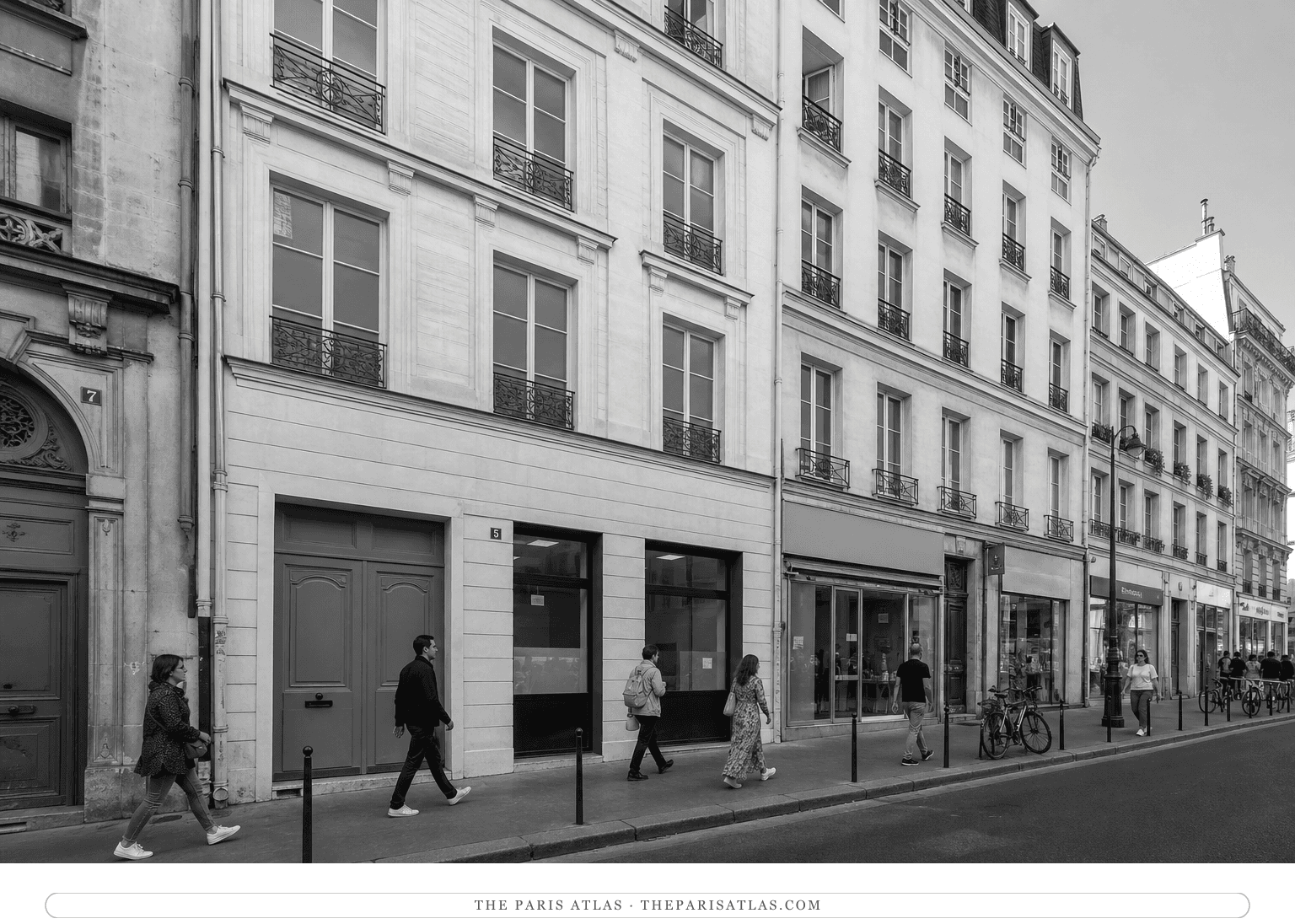
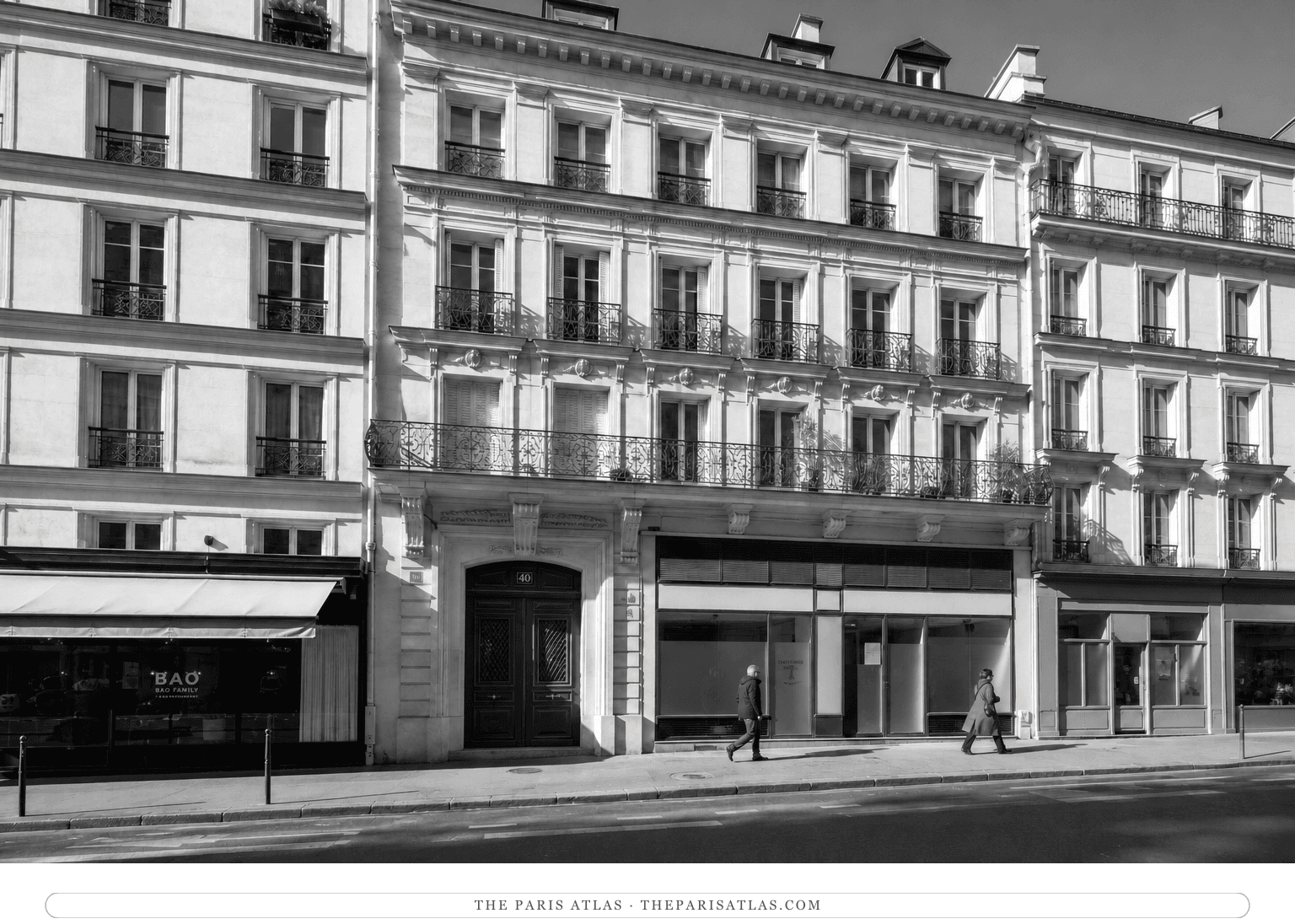
The modest concert hall where the Prélude à l'après-midi d'un faune was first performed on 22 December 1894 — a piece often treated as the beginning of modern music, premièred in a room almost nobody has heard of.
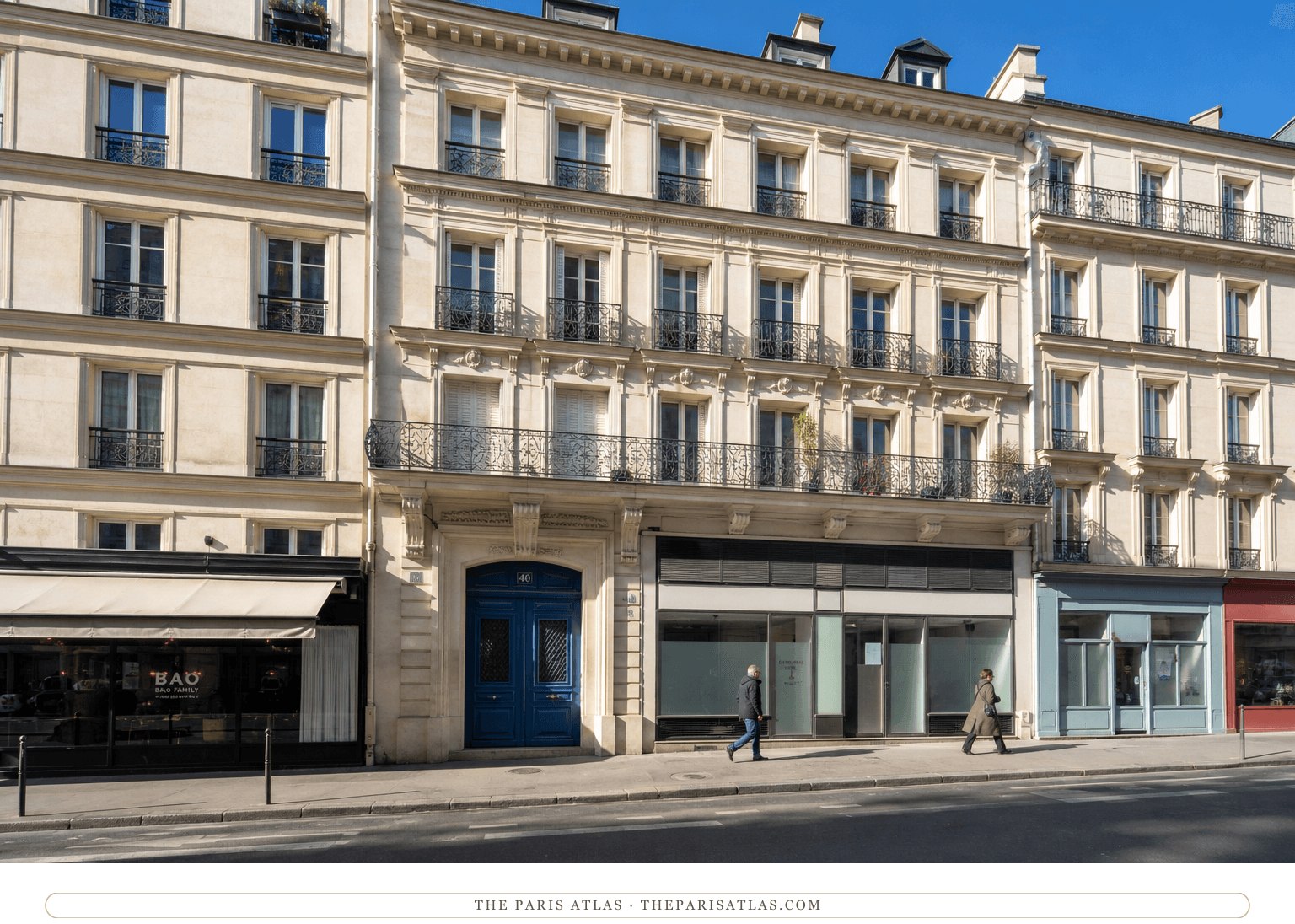
On 22 December 1894 the Société Nationale de Musique gave the first performance of Claude Debussy's Prélude à l'après-midi d'un faune in the Salle d'Harcourt. The audience reportedly demanded it again immediately, and it was played twice.
The piece is routinely described as the point at which twentieth-century music begins — the flute line at the opening drifting through a tonality that never quite commits, form organised by colour and atmosphere rather than by argument. Pierre Boulez later credited it with the awakening of modern music. It came out of Mallarmé's poem, and Mallarmé, who had been sceptical about the whole idea of setting his work, is said to have been won over.
The hall itself has gone, and the street has been renamed: what was the rue de Rochechouart is now the rue Marguerite-de-Rochechouart. The coordinate here is an approximation of the historic address and there is nothing on the site to see.
The Prélude à l'après-midi d'un faune is first performed here on 22 December.
At the Salle d'Harcourt, 40 rue de Rochechouart in the 9th arrondissement, on 22 December 1894. The hall no longer exists and the street has been renamed.
For its treatment of harmony and form — colour and atmosphere in place of clear tonal argument. It is widely treated as the point at which modern music begins.
The Prelude a l'apres-midi d'un faune received its first performance at the Salle d'Harcourt on 22 December 1894.
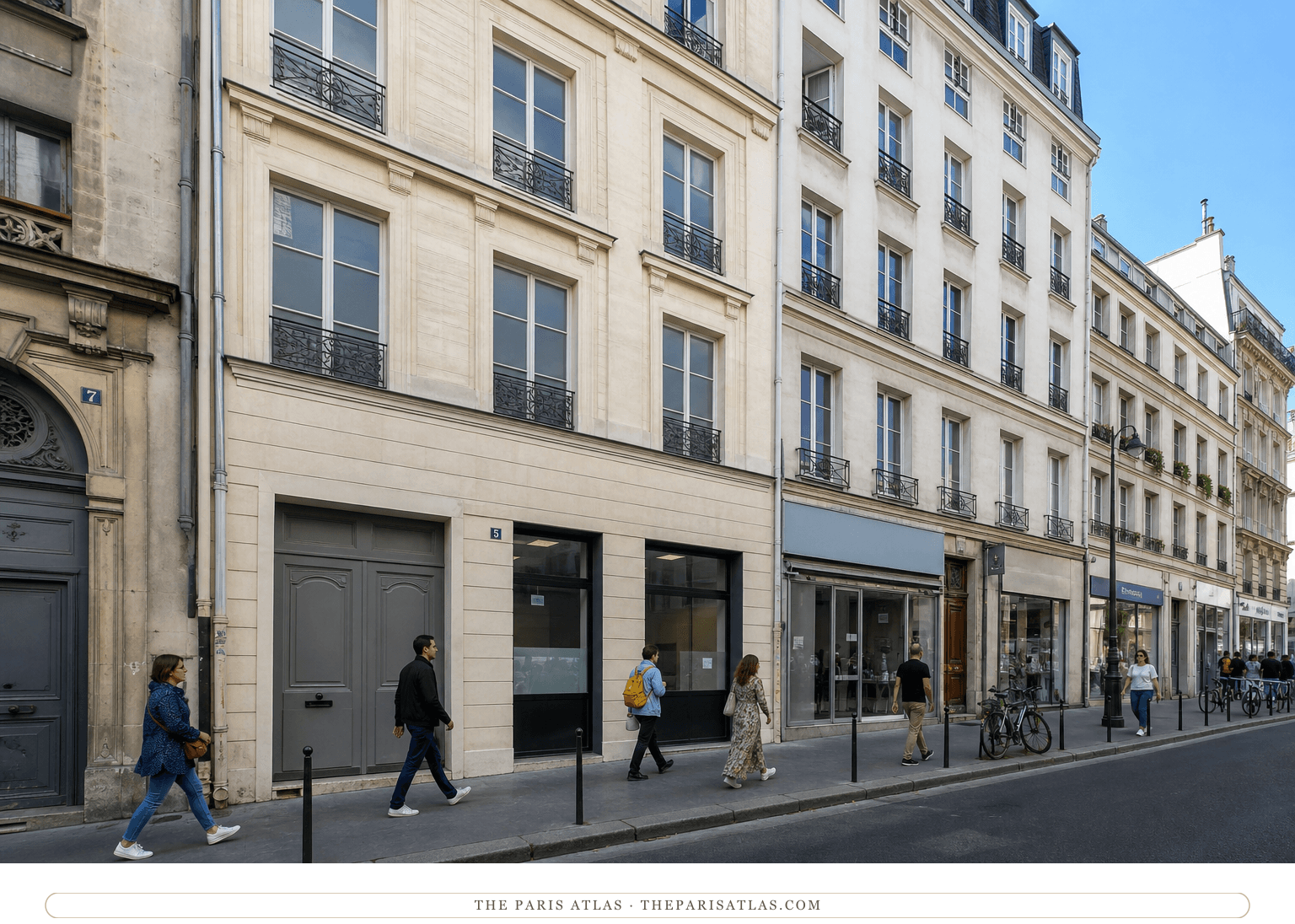
The Paris offices of the Chicago Tribune, where Henry Miller worked as a proofreader in 1931 — the only steady paid work of his Paris decade, taken on the night shift while he wrote Tropic of Cancer.
Visit the place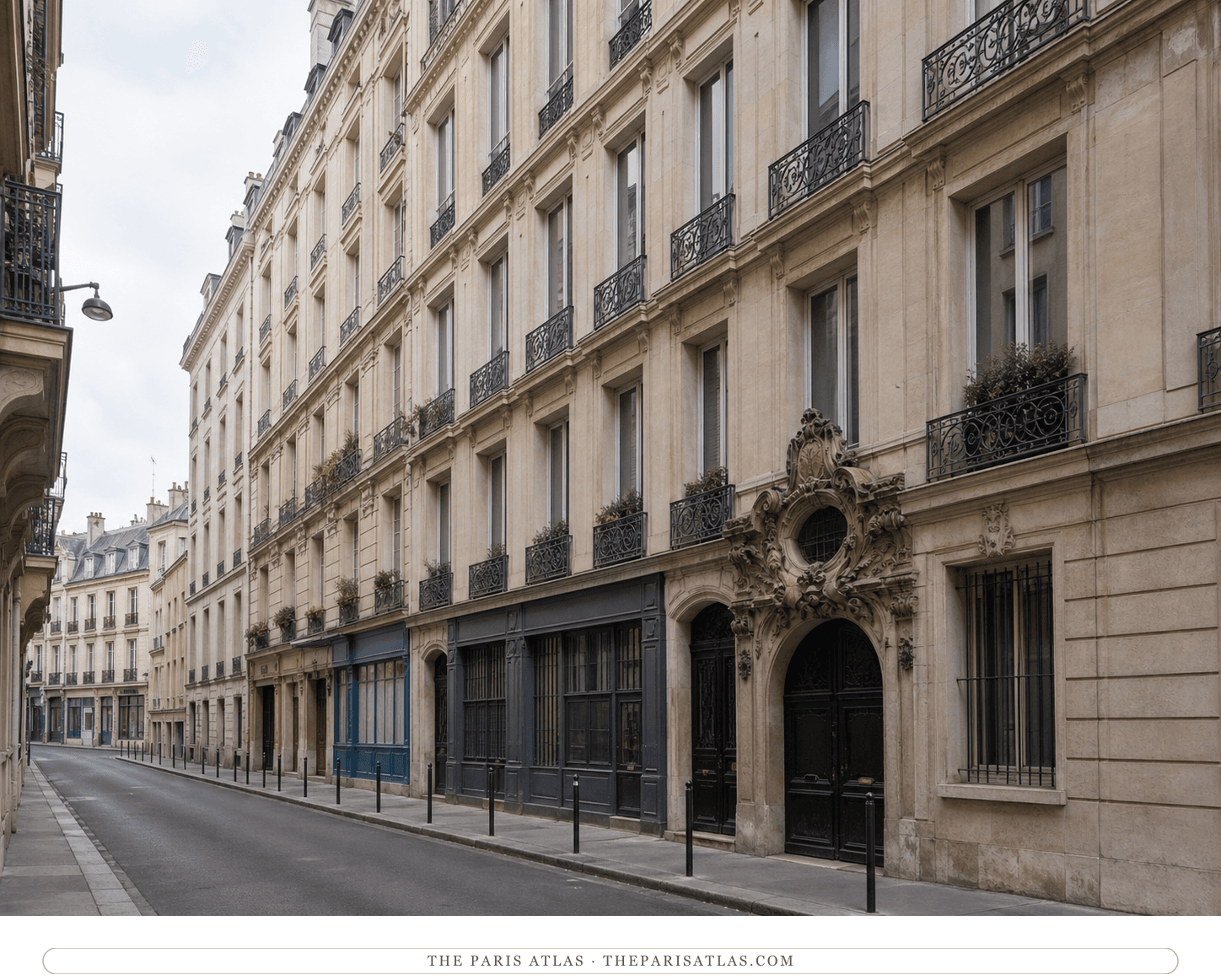
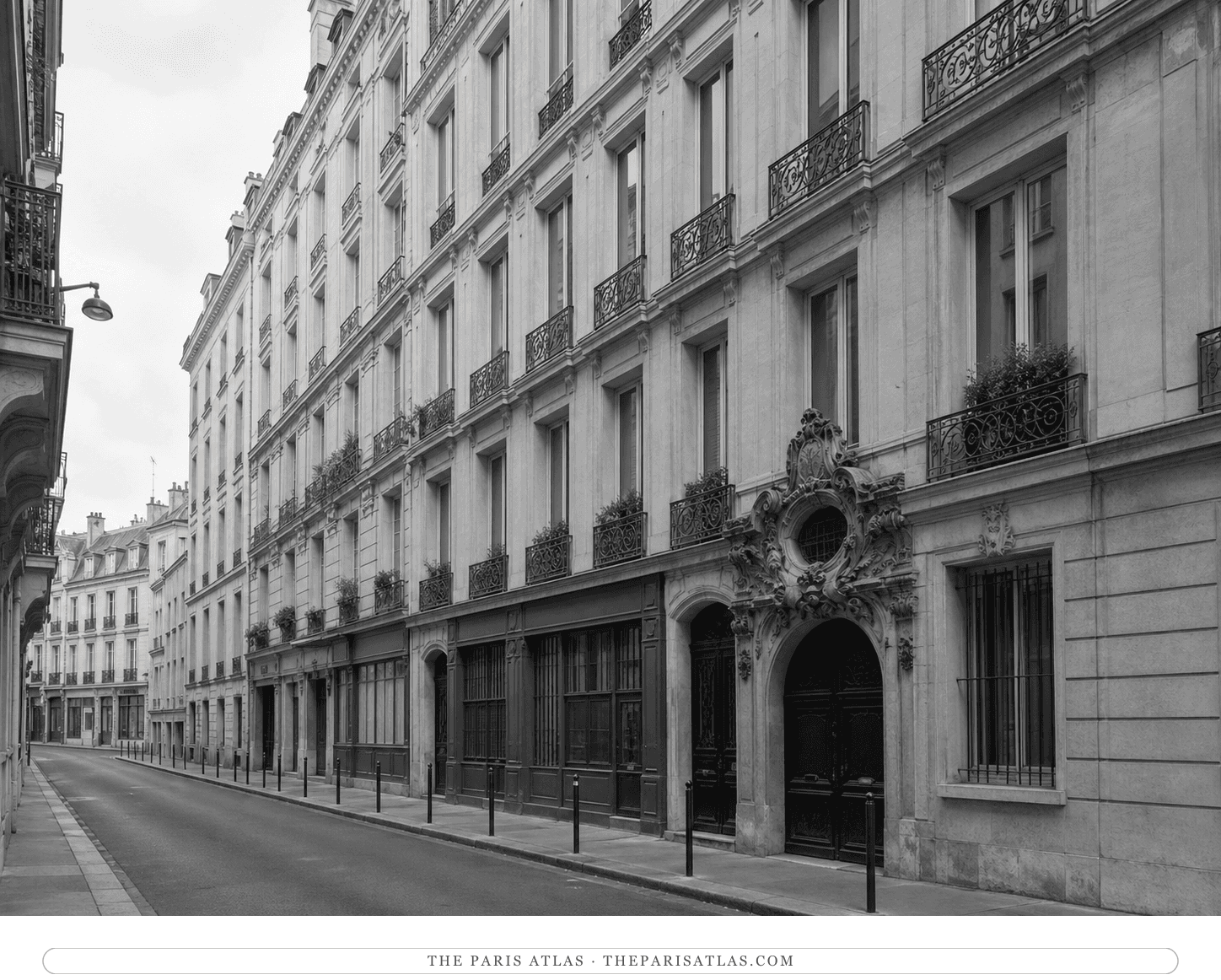
Where Paul Cézanne lodged when he arrived in Paris in 1861 at twenty-two, having finally won his banker father's permission to paint — and where he lasted a matter of months before retreating to Aix.
Visit the place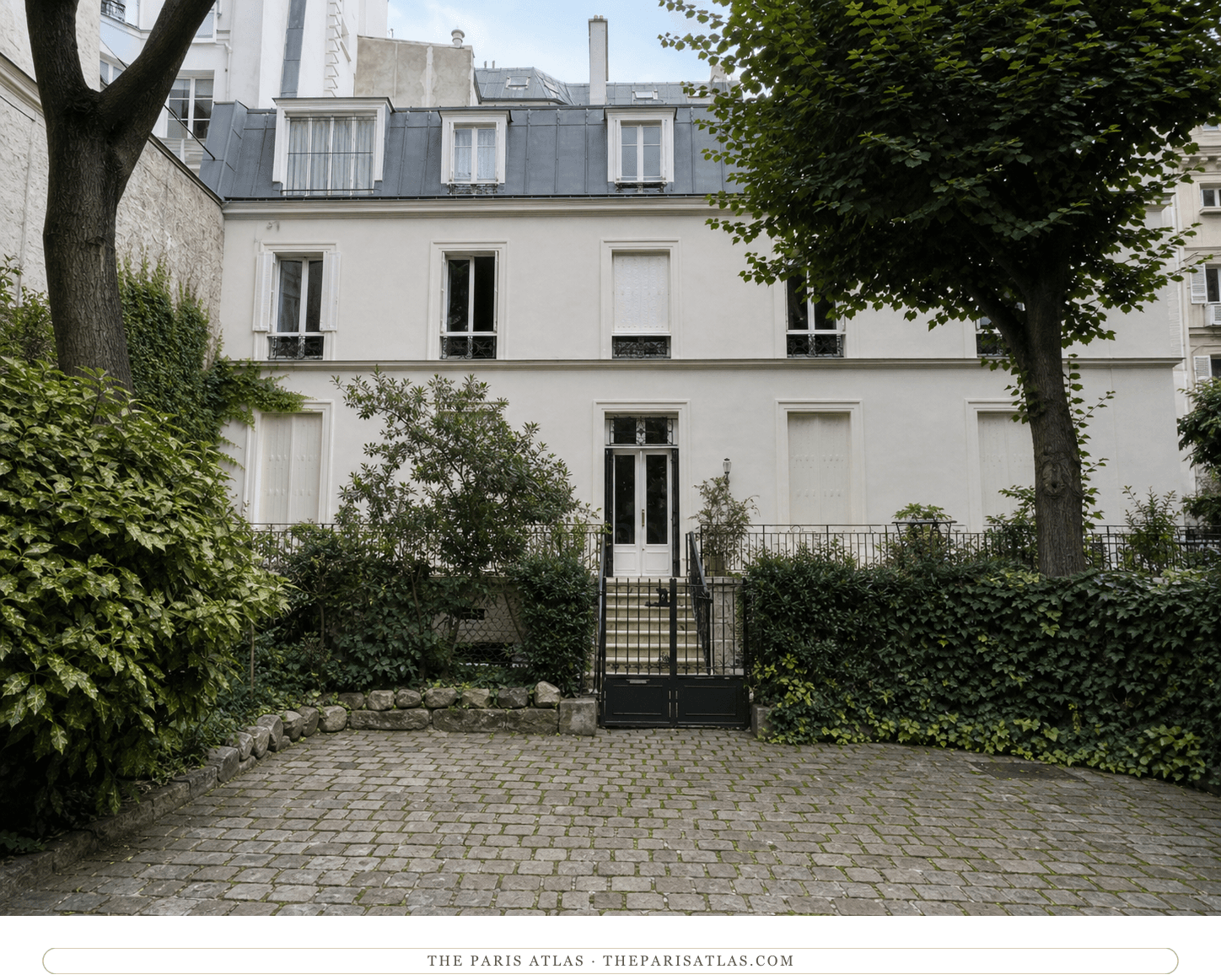
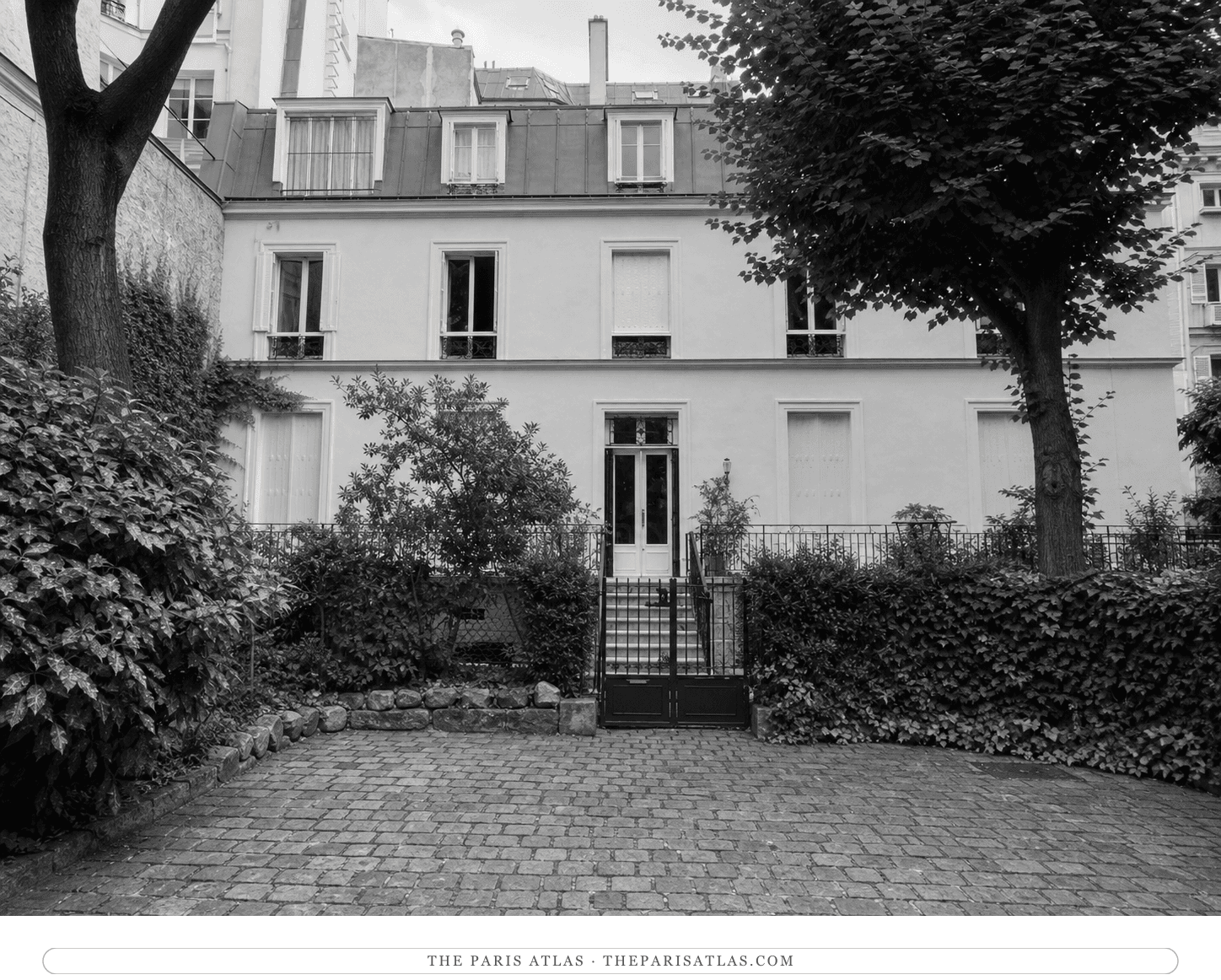
The apartment the young Stefan Zweig rented below Pigalle from November 1904 to June 1905 — the Paris year that runs through The World of Yesterday, on the same street where Degas kept his studio.
Visit the place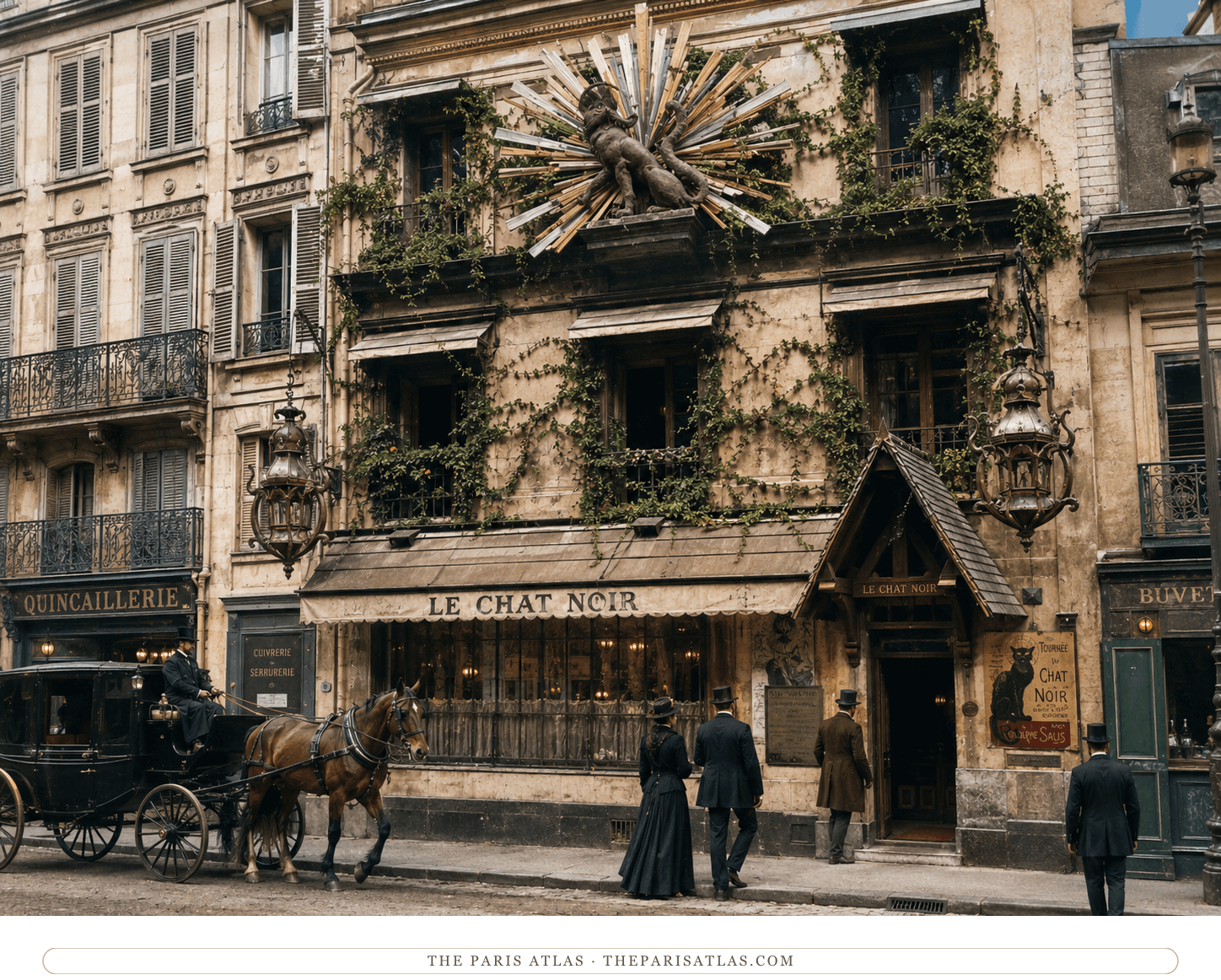
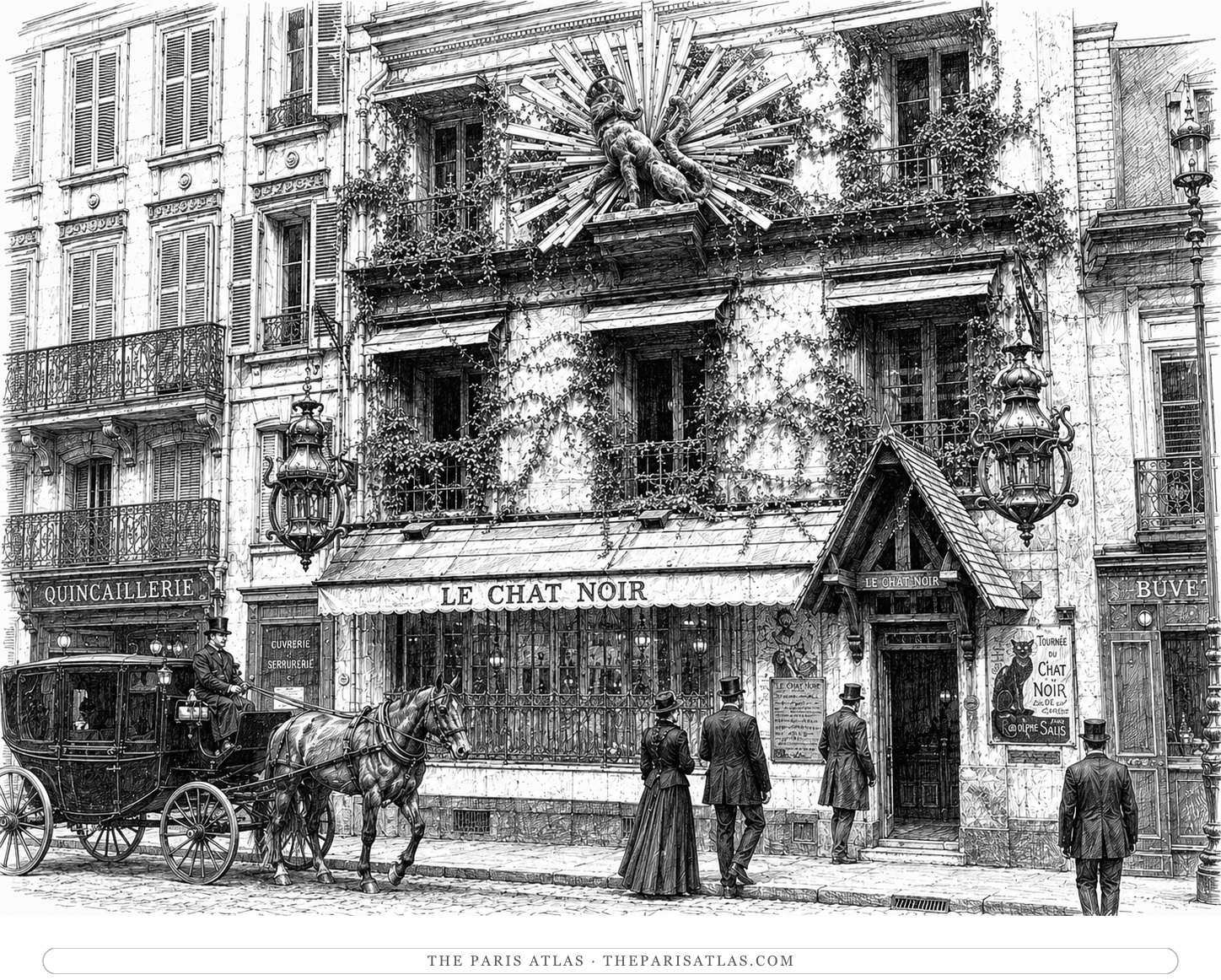
The legendary Montmartre cabaret where poets, singers, painters, cartoonists and musicians made the room itself an artistic creation — crowned by an extraordinary shadow theater.
Visit the placeThe sources below include histories, archival materials, scholarly research, and official records that informed this page. They document Salle d'Harcourt, 40 rue de Rochechouart, the people connected to it, and its place in Paris.


Web source consulted for documented facts and historical context presented on the Salle d'Harcourt, 40 rue de Rochechouart page.
Web source consulted for documented facts and historical context presented on the Salle d'Harcourt, 40 rue de Rochechouart page.
Web source consulted for documented facts and historical context presented on the Salle d'Harcourt, 40 rue de Rochechouart page.

Contemporary reporting or criticism used to document the historical reception and context of Salle d'Harcourt, 40 rue de Rochechouart.
These references provide the documented foundation for this page's history and context. Claim-level citations remain attached to the specific claims they support.
 Explore more resources
Newsletter
The cafés, studios, and walk-up flats where the work was made — one story from the map in every letter.