The Paris AtlasCharting the artists, works, and places worth returning to.

Apartment · Saint-Georges (9th) · 9e arrondissement

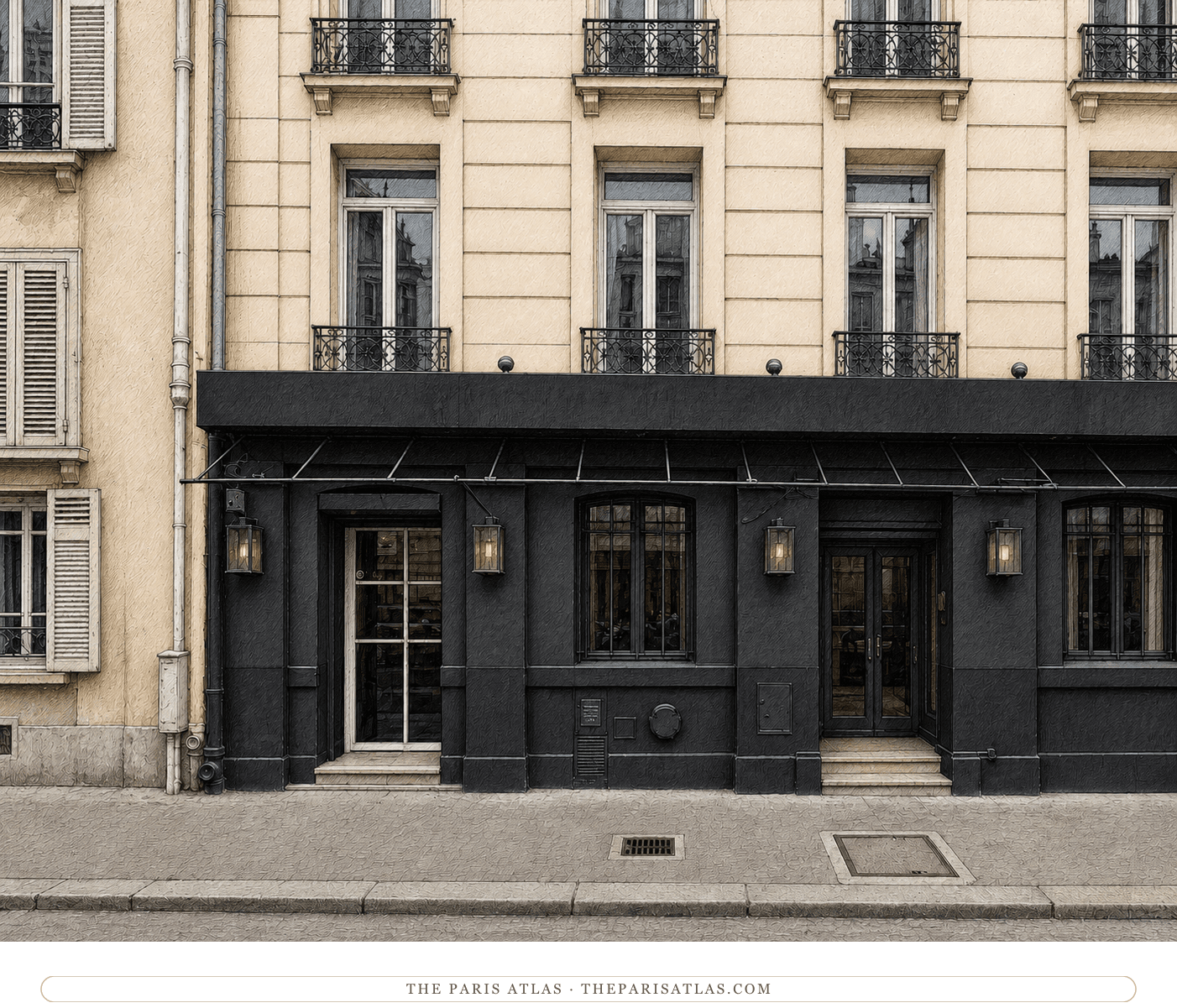
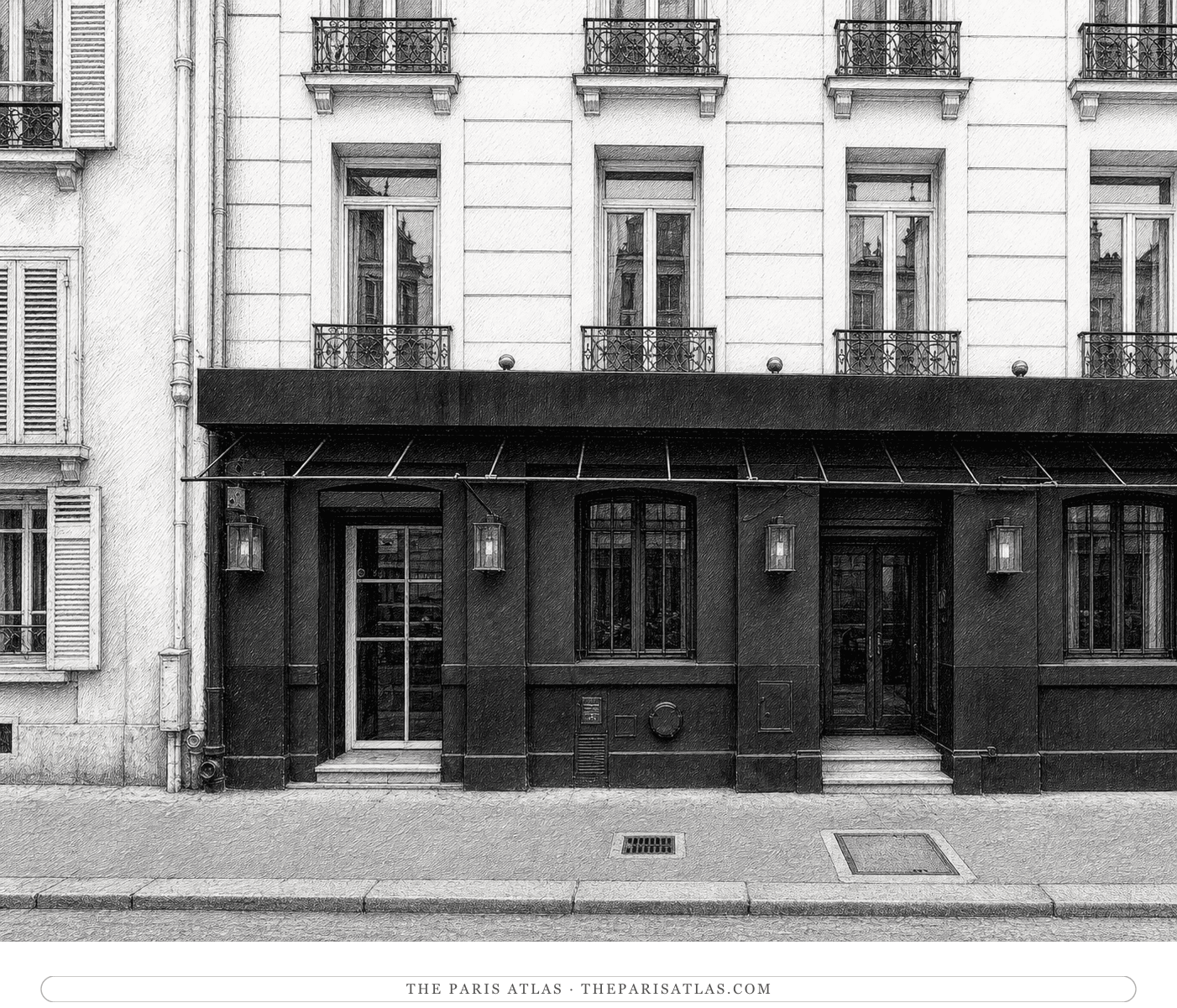
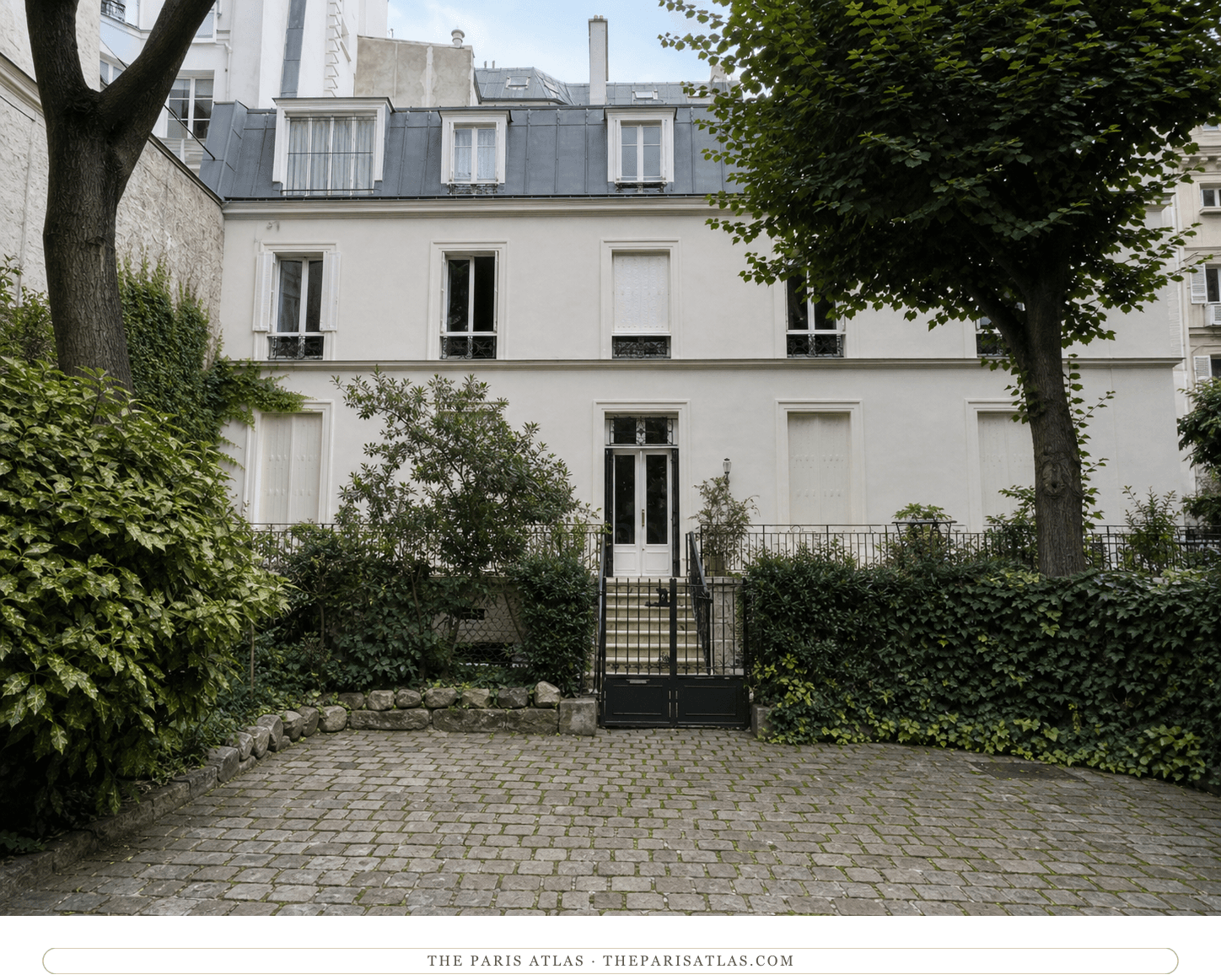
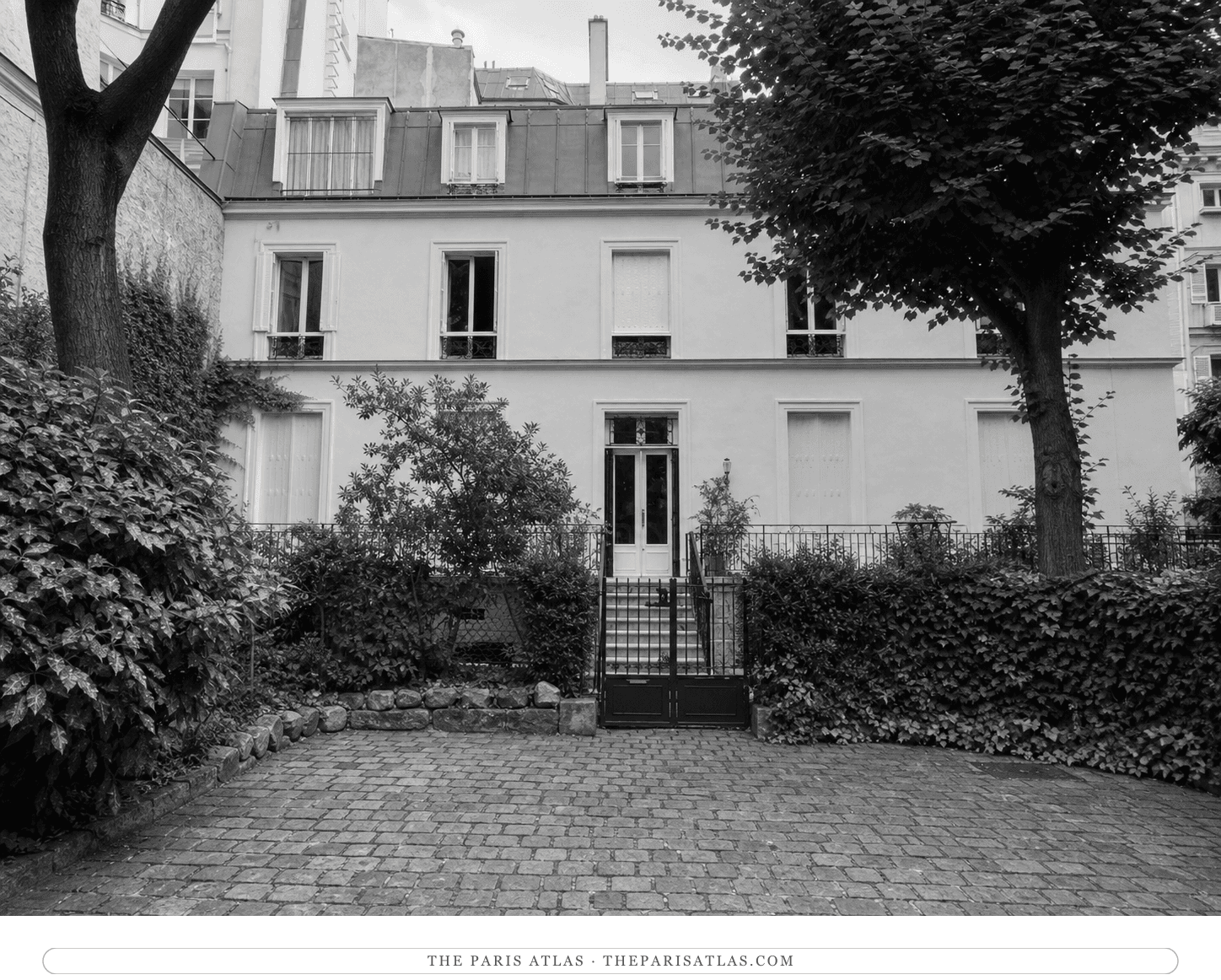
5 rue Victor-Massé

The buildingStill standing
Getting inOutside only
What's there nowSomeone else

Private. The street was the rue de Laval until it was renamed rue Victor-Massé, so period sources may give the older name.

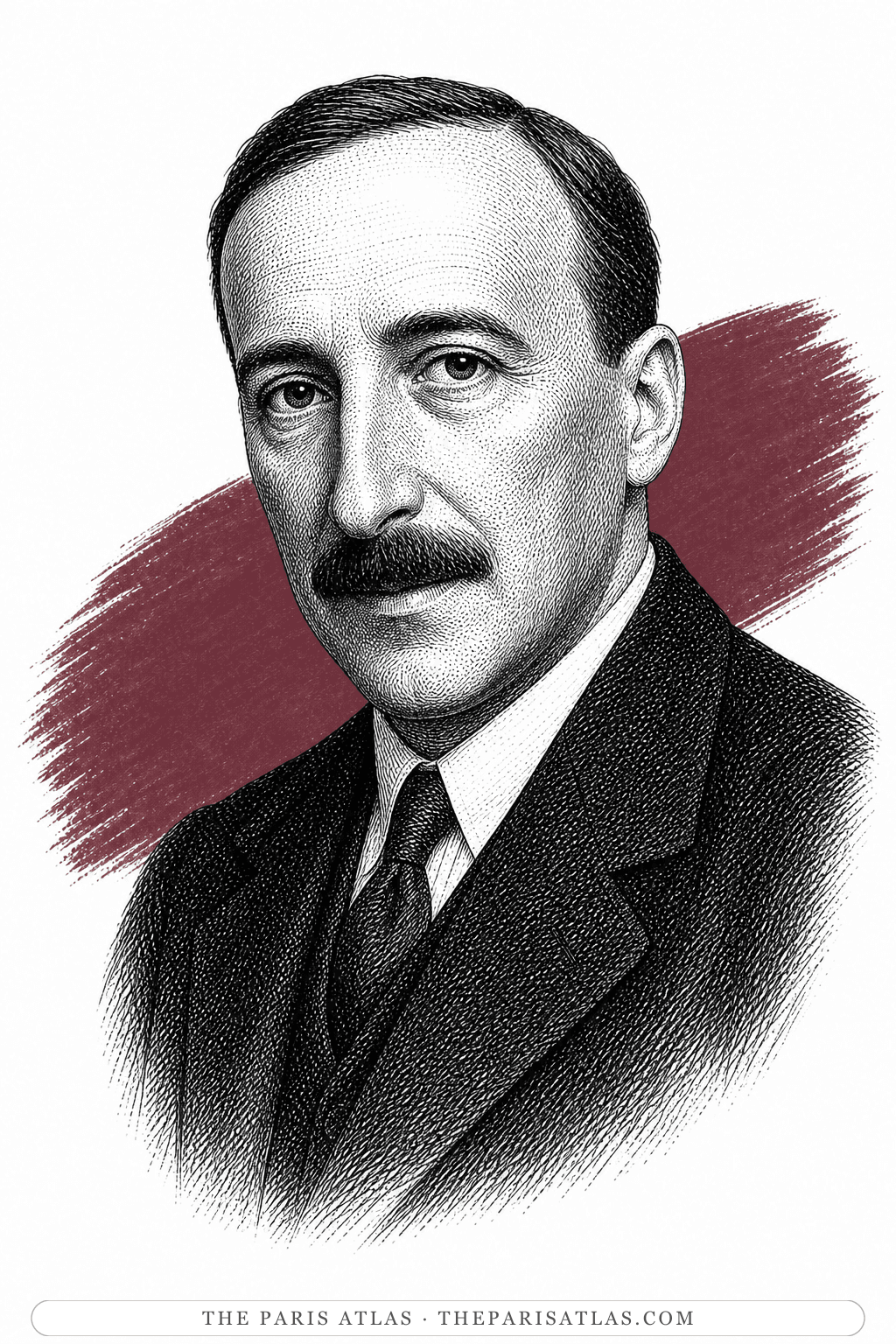
The apartment the young Stefan Zweig rented below Pigalle from November 1904 to June 1905 — the Paris year that runs through The World of Yesterday, on the same street where Degas kept his studio.

Address
5 rue Victor-Massé, 75009 Paris
Years
Stefan Zweig rented rooms here from November 1904 to June 1905

The place, briefly

Stefan Zweig had just finished a doctorate on the philosophy of Hippolyte Taine when he came to Paris and took rooms here in November 1904. He was twenty-three. He stayed until the following June.

It is the Paris year that matters in his writing. Zweig was not a resident of the city in any long sense — Vienna, and later exile, take up most of his life — but this stretch became one of the set-pieces of The World of Yesterday, the memoir he finished just before his death in 1942. What he describes is a young man's Paris: cheap, sociable, and open in a way he believed, wrongly, was permanent.

The lasting result was a friendship. Around this period Zweig met the Belgian poet Émile Verhaeren, whose work he translated into German and promoted for years afterwards. In 1914 he was back in Paris meeting his publisher Anton Kippenberg along with Rainer Maria Rilke, Romain Rolland and Léon Bazalgette to plan a collected edition of Verhaeren — a gathering of an Austrian, a Bohemian-Austrian, two Frenchmen and a German publisher, arranging the works of a Belgian, weeks before the war that ended that whole arrangement.

The street has a second literary tenant worth knowing about. Edgar Degas kept his principal studio at number 37, a few doors up, for around twenty-five years — though he was forced out in 1912, seven years after Zweig left. In Zweig's time both addresses were on the rue de Laval; the renaming came later.

Key facts

Zweig lived here
November 1904 to June 1905
His age
Twenty-three, just after finishing his doctorate
Historic street name
rue de Laval
Also on this street
Degas's studio at number 37
Where it appears
The Paris chapters of The World of Yesterday
Access
Private building — exterior only

Timeline

  1. 1904

    Zweig takes rooms at 5 rue Victor-Massé in November, after completing his doctorate.

  2. 1905

    He leaves Paris in June.

  3. 1914

    Returns to Paris to plan a collected Verhaeren with Kippenberg, Rilke, Rolland and Bazalgette.

On the map

Questions before you go

Where did Stefan Zweig live in Paris?

At 5 rue Victor-Massé in the 9th arrondissement, below Pigalle, from November 1904 to June 1905. The street was then called the rue de Laval.

How long was Zweig in Paris?

About eight months as a resident, in 1904–05. He returned repeatedly but never settled there; the year became a set-piece in his memoir The World of Yesterday.

Writers who knew this place

Stefan Zweig

Austrian · Austrian novelist, biographer and translator, and for a period between the wars one of the most widely translated writers alive. His Paris was the city of his youth — a year there around 1904, and the friendship with the Belgian poet Émile Verhaeren that came out of it — and it became one of the central settings of The World of Yesterday, his memoir of a European culture he watched destroyed.

Lived here · 1904–1905

Zweig rented rooms at 5 rue Victor-Masse, then the rue de Laval, from November 1904 to June 1905, shortly after completing his doctorate on Hippolyte Taine. The stay became one of the set-pieces of his memoir The World of Yesterday.
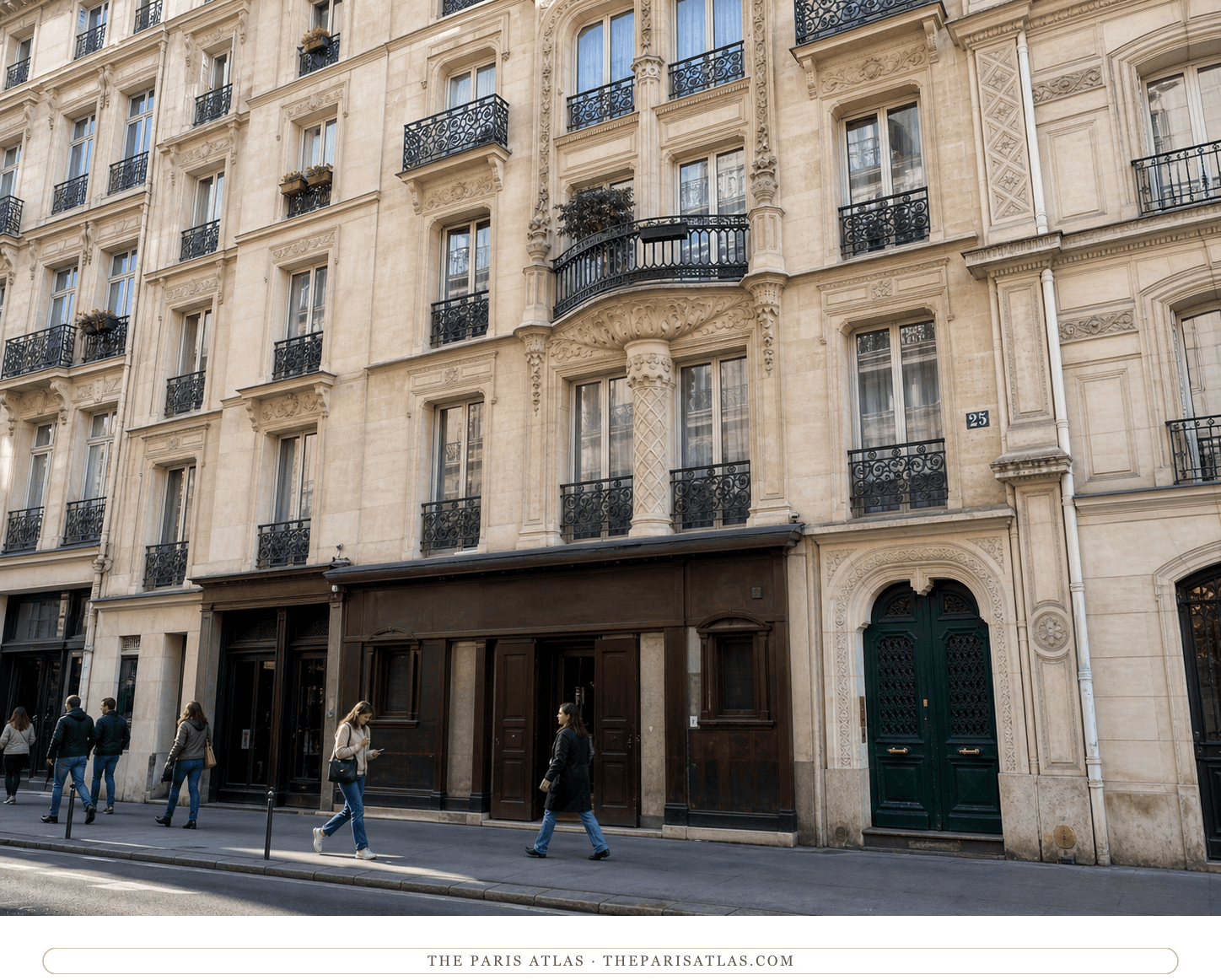
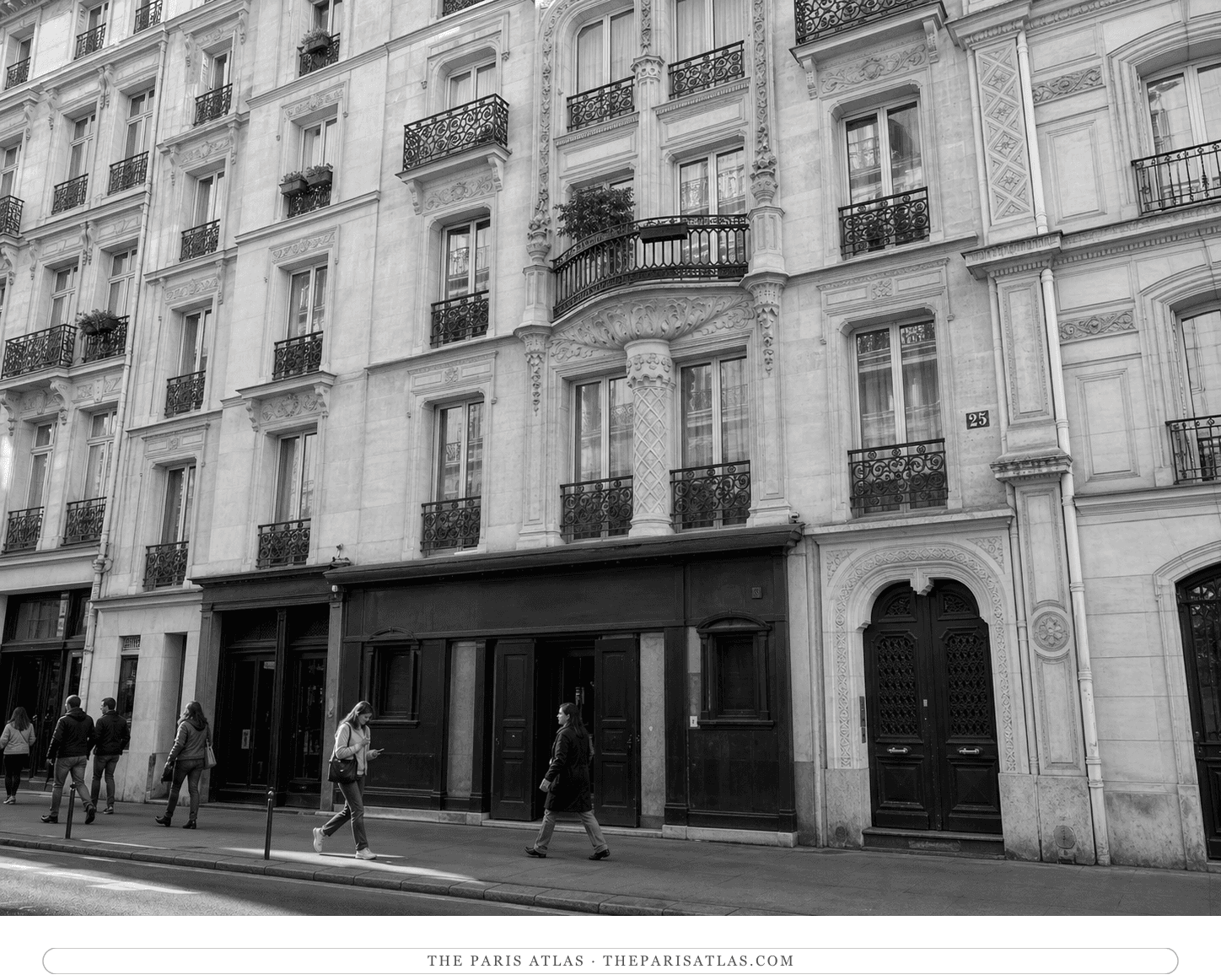
Stefan Zweig à Paris et ailleurs

Within walking distance

The Friday Letter

Paris, one address at a time.

The cafés, studios, and walk-up flats where the work was made — one story from the map in every letter.

One email a week. No spam, no selling your address. Unsubscribe anytime.