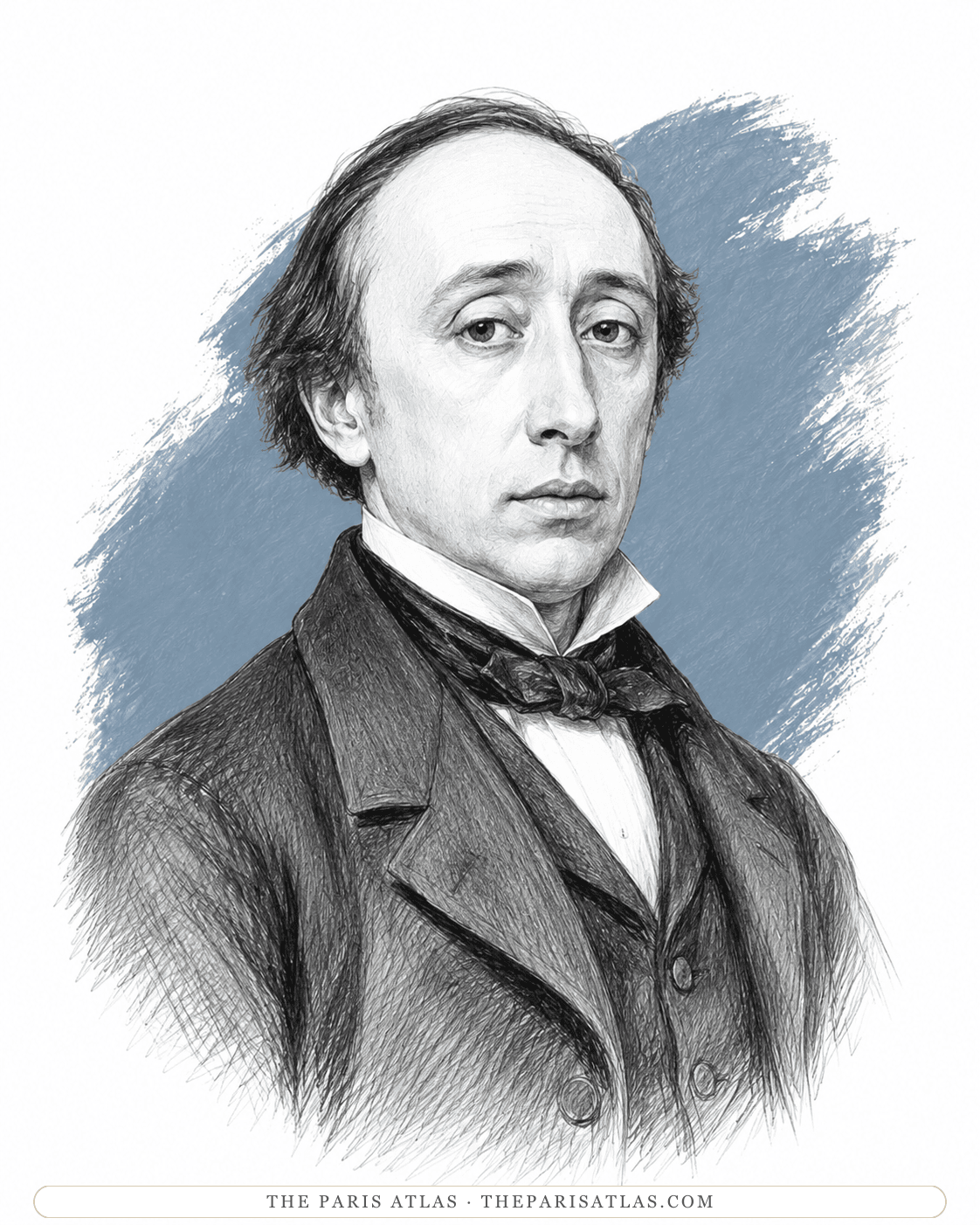
Edgar Degas
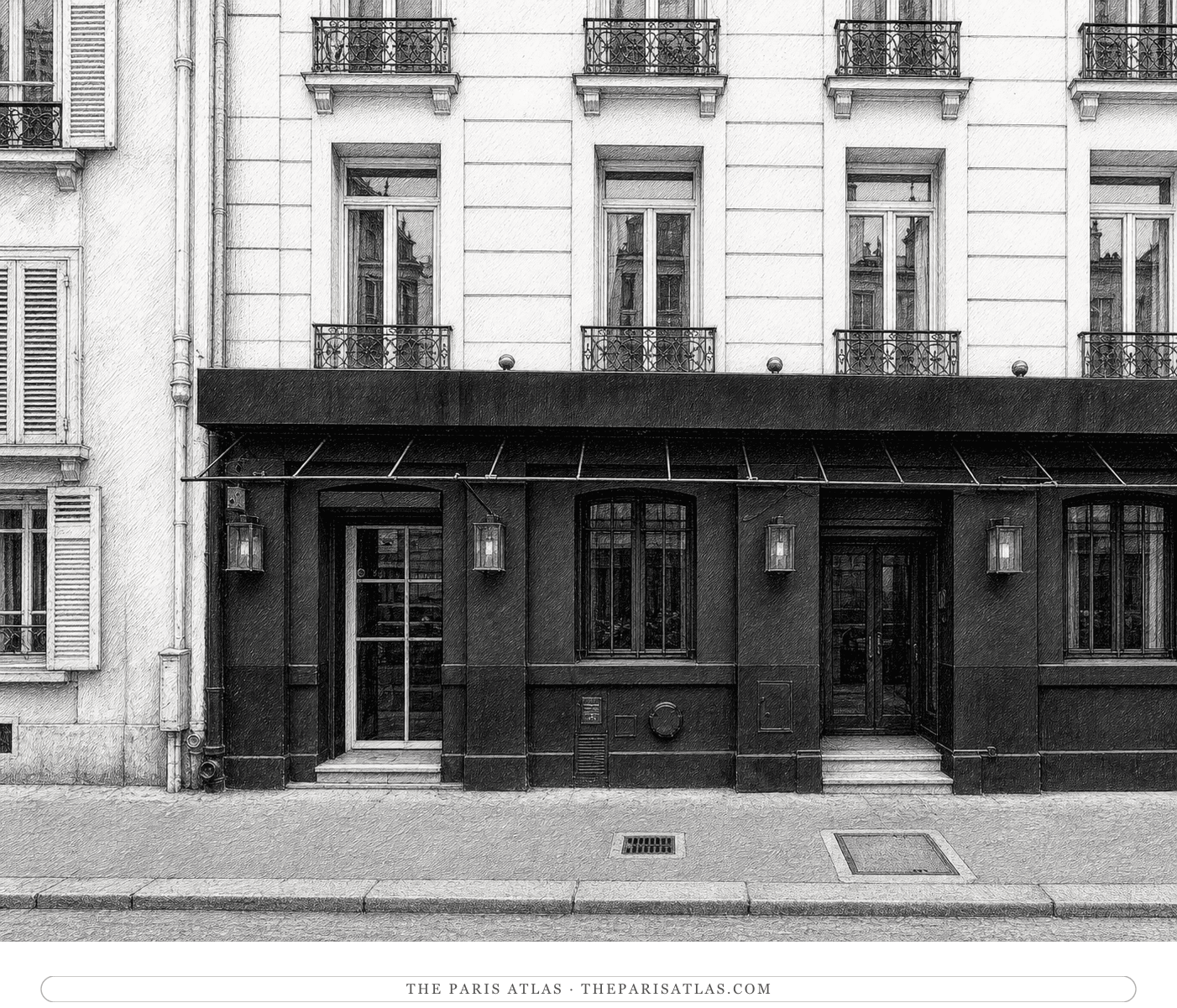
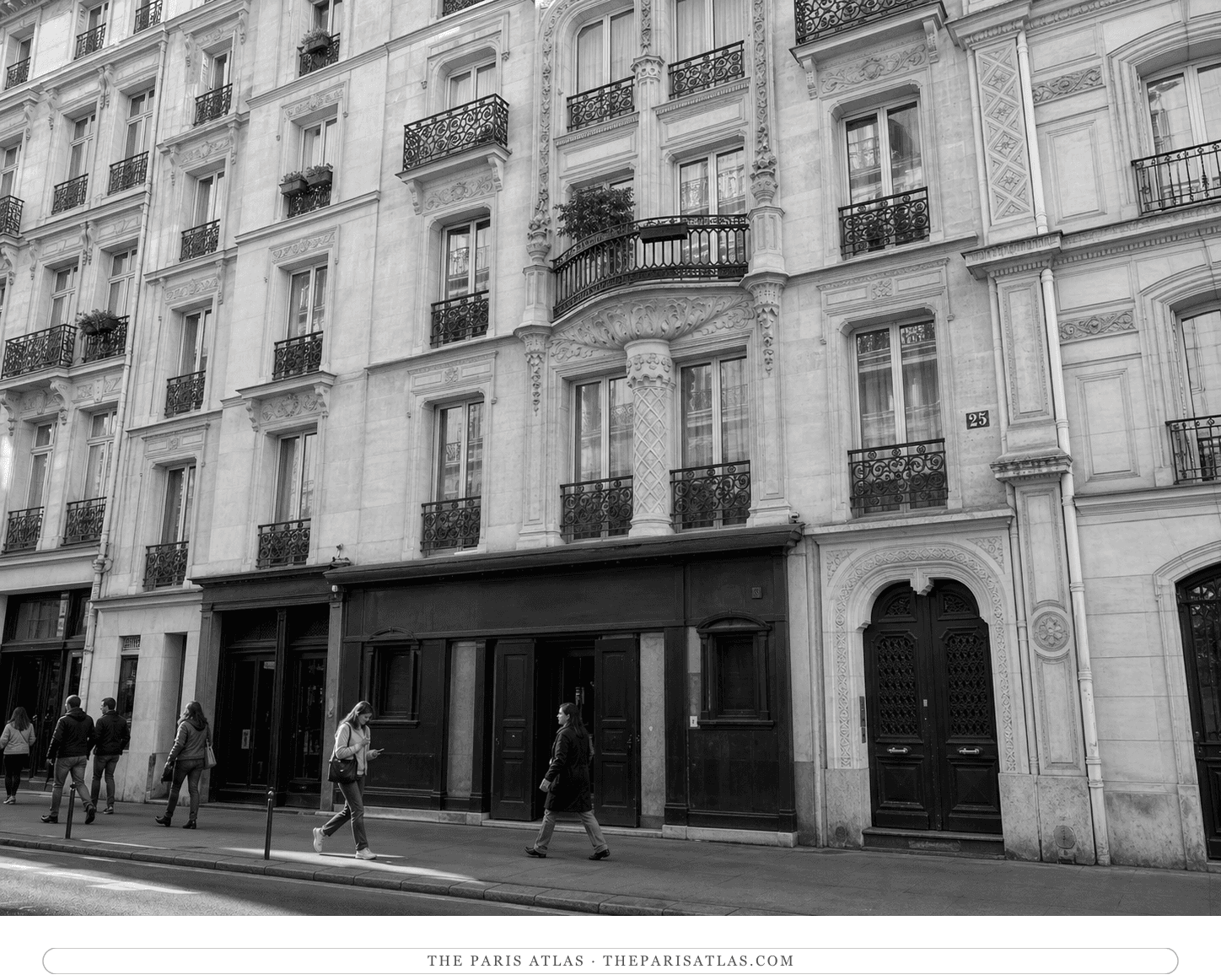
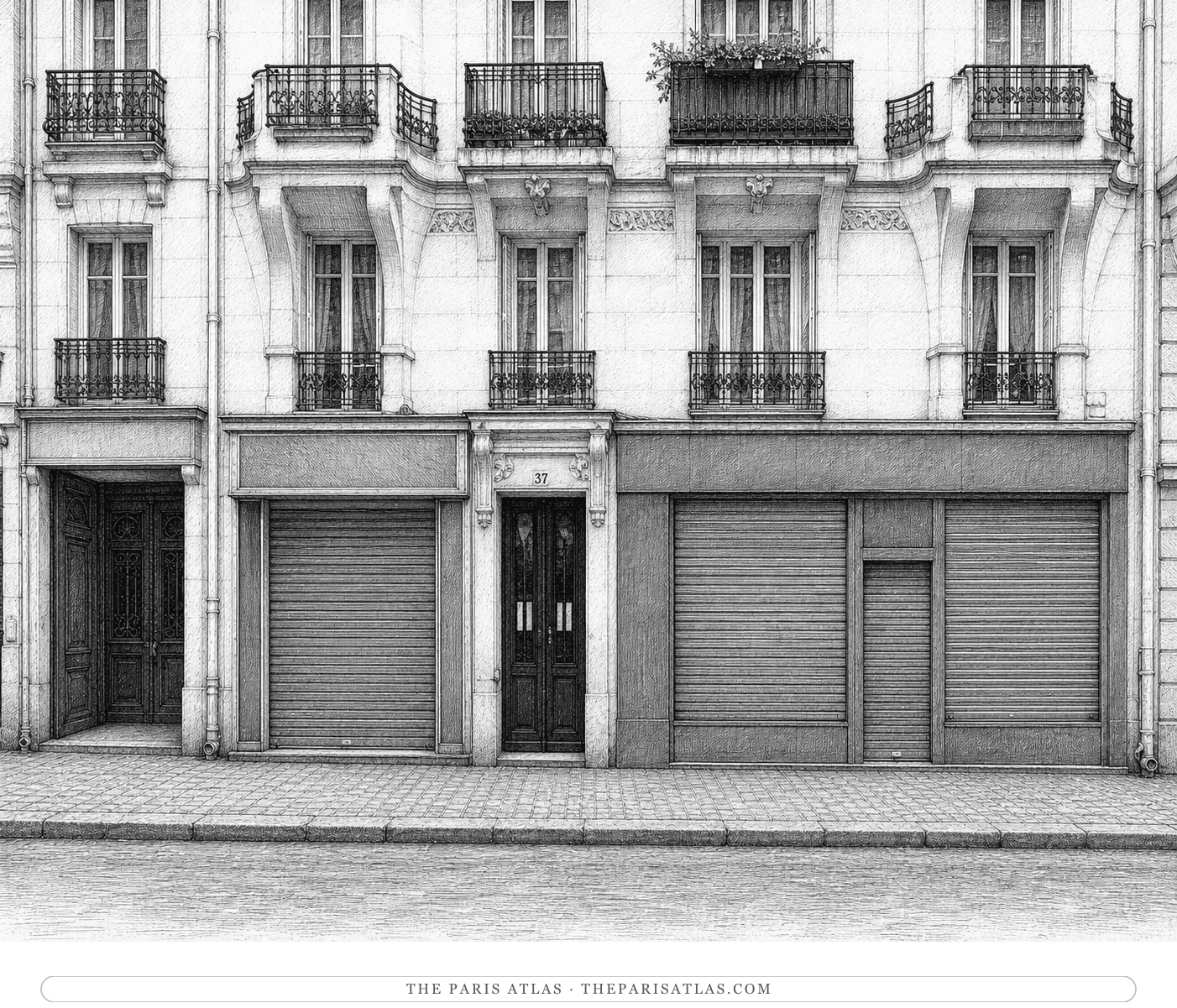
Degas's principal later studio and residence, on a street then called the rue de Laval. Paul Valery was introduced to him here in 1896. He was forced to leave in 1912, which effectively ended his working life.
The apartment and studio where Edgar Degas worked for the last quarter-century of his career, on a street then called the rue de Laval. Paul Valéry was brought here to meet him in 1896. Degas was evicted in 1912 and never really worked again.
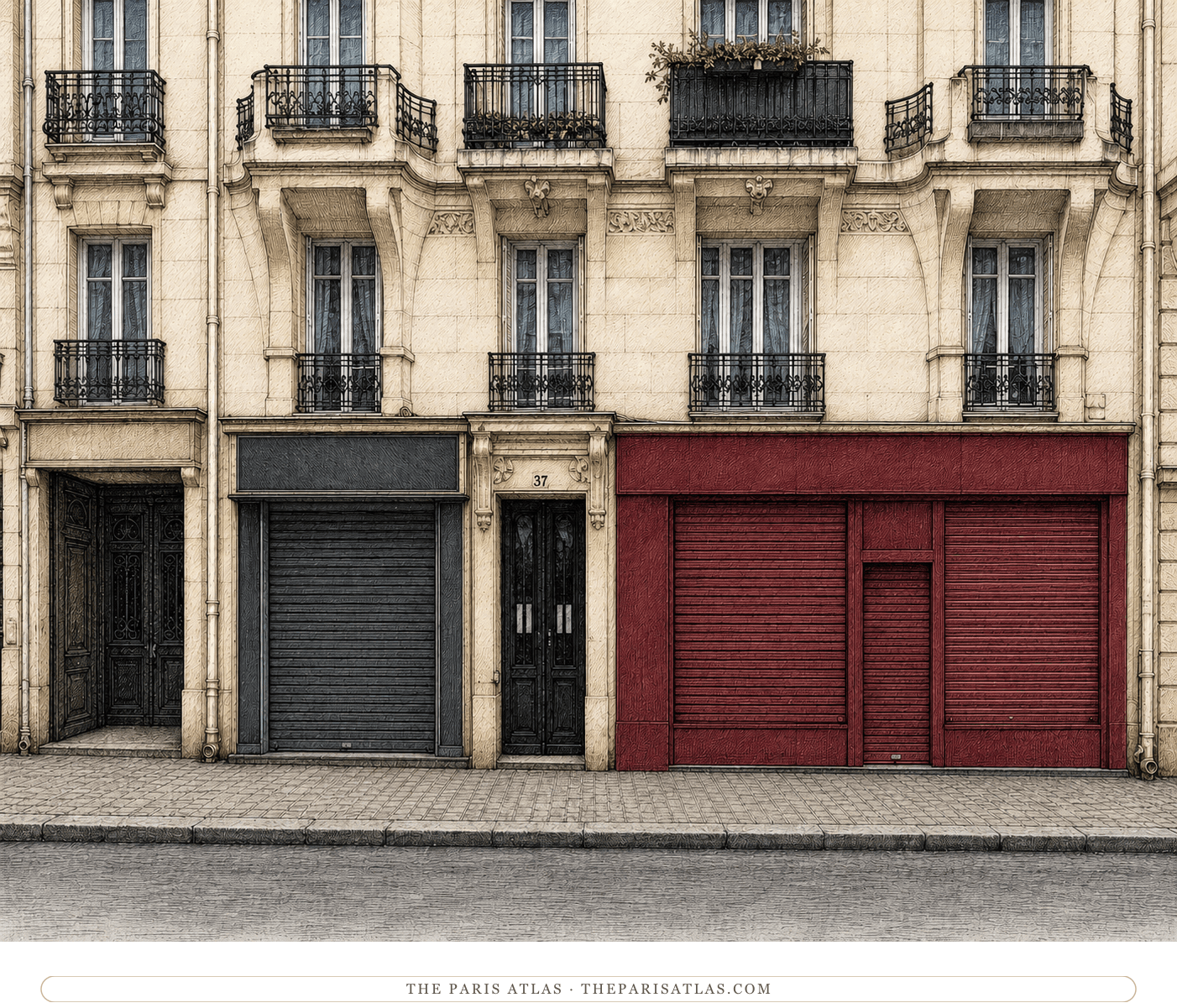
This was the address that mattered most in Edgar Degas's working life. He occupied it for around a quarter of a century, filling several floors with studio, living rooms and an enormous accumulation of his own unsold work and other people's — he was a serious and slightly compulsive collector, and the building eventually held Ingres, Delacroix, Manet, Gauguin and Van Gogh alongside his own wax figures and unfinished canvases.
In Degas's lifetime the street was called the rue de Laval. It was renamed rue Victor-Massé afterwards, which is why period accounts and modern maps disagree, and why the address is easy to lose track of.
The poet Paul Valéry was brought here to be introduced to Degas in 1896, and left one of the closest accounts anyone wrote of what the man was actually like in the room — the difficulty, the talk, the refusal to be agreeable. Valéry was in his twenties and Degas in his sixties, and the acquaintance lasted until Degas died.
In 1912 the building was slated for demolition work and Degas was made to leave. He was seventy-eight and his eyesight had been failing for years. The forced move broke his working life: he took an apartment on the boulevard de Clichy, did almost no new work, and spent his last years walking the streets of the quarter. He died in 1917.
Paul Valéry is introduced to Degas at the studio.
Degas is forced to leave; he moves to 6 boulevard de Clichy.
Degas dies. The vast contents of his studio are dispersed in a series of celebrated sales.
Because the street was renamed. In Degas's time it was the rue de Laval; it is now the rue Victor-Massé. Both names refer to the same address.
He was seventy-eight and nearly blind. The eviction effectively ended his working life — he produced almost nothing new afterwards and died five years later.
No. The building stands but is private, with shops at street level.
Degas's principal later studio and residence, on a street then called the rue de Laval. Paul Valery was introduced to him here in 1896. He was forced to leave in 1912, which effectively ended his working life.
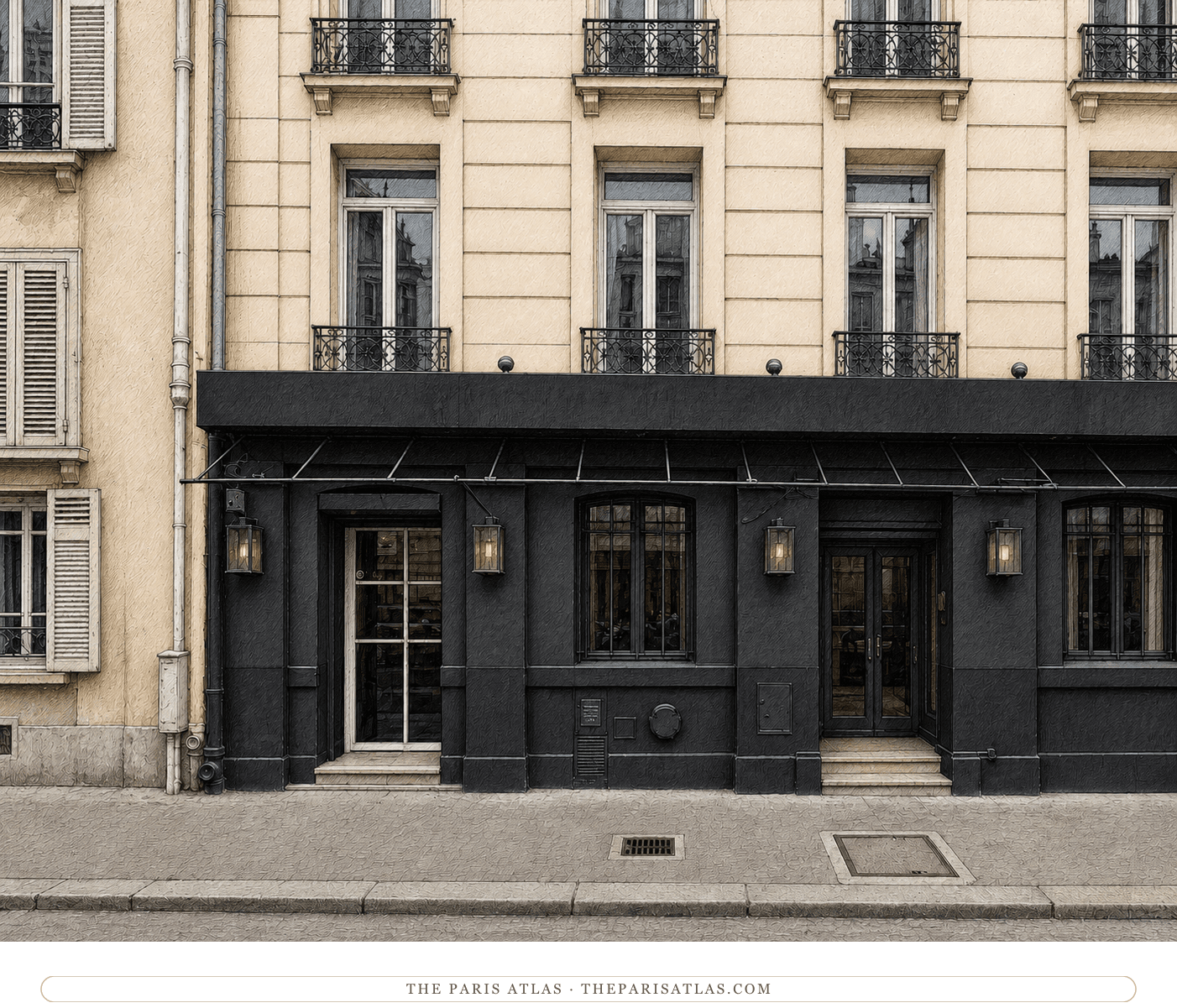
The studio and apartment Edgar Degas settled into in 1877 — the year he was showing the ballet and café pictures that made his name, a few steps from the place Pigalle.
Visit the place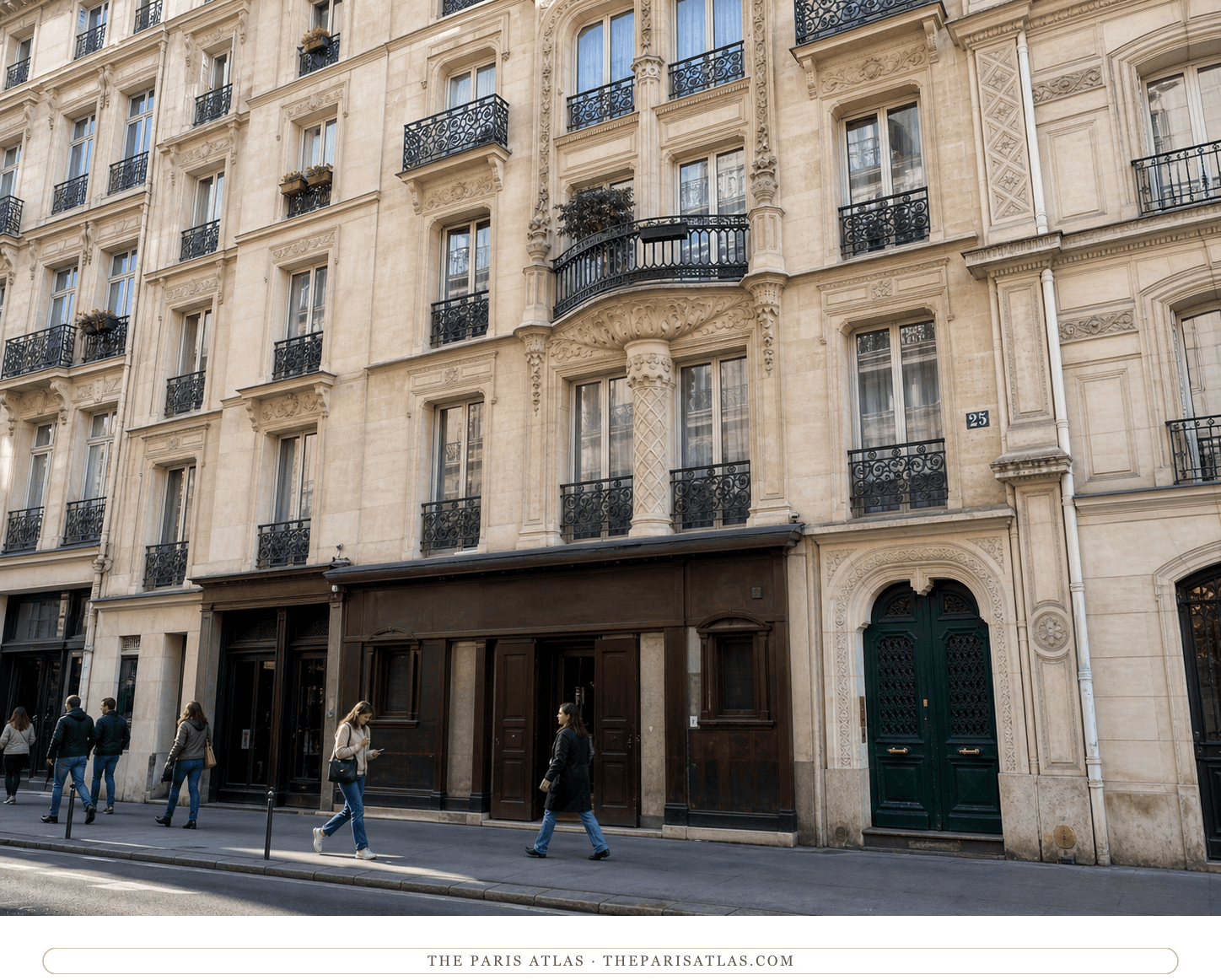
Theo van Gogh's small flat, where Vincent turned up unannounced from Antwerp in March 1886. It was too cramped to paint in, which is why the brothers moved to the rue Lepic three months later.
Visit the place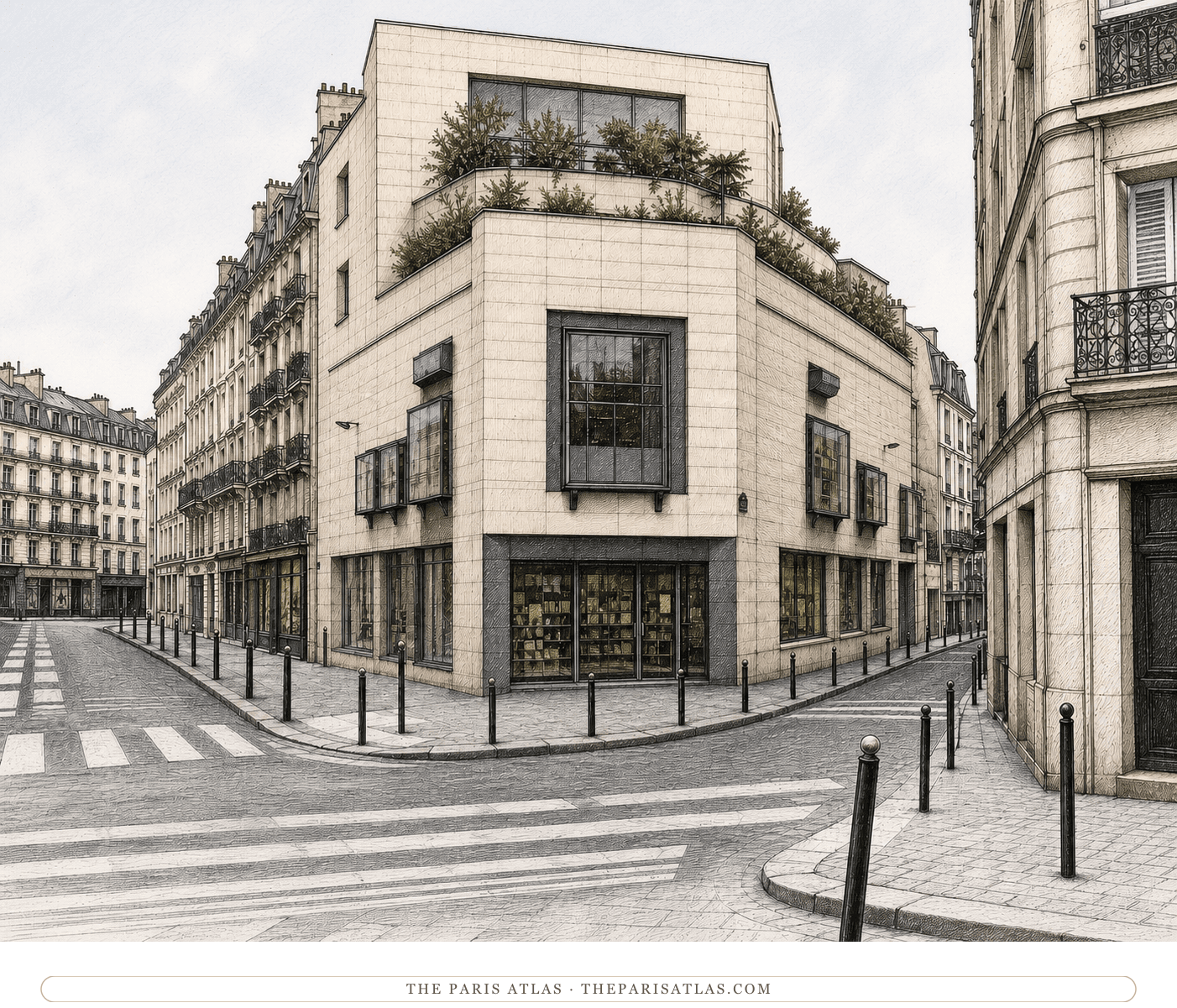
The café on the place Pigalle that took over from the Guerbois as the meeting place of Manet, Degas and their circle in the 1870s — and the room behind the painting usually called L'Absinthe.
Visit the place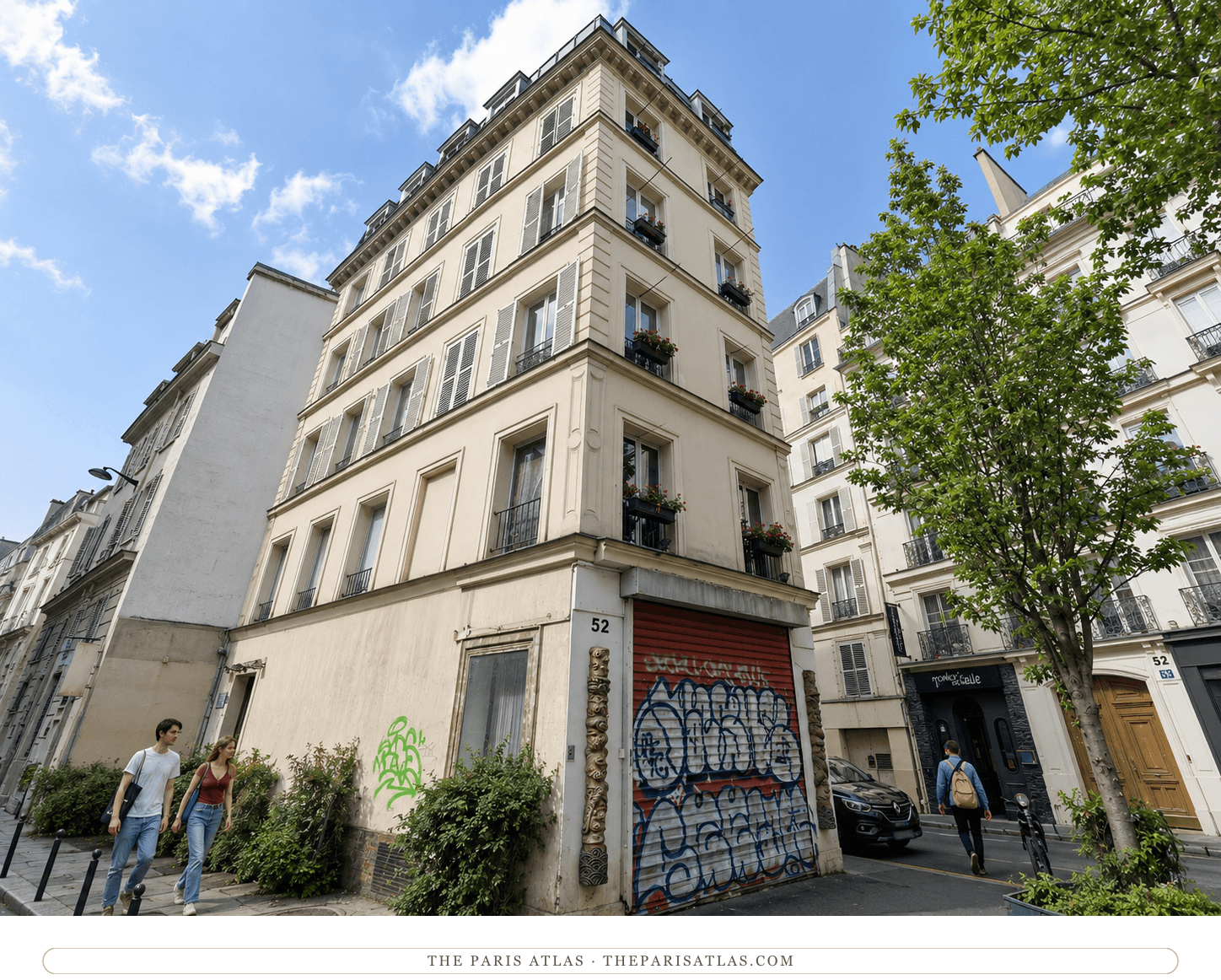
The tiny Montmartre nightclub where Langston Hughes washed dishes in 1924 and Bricktop began her Paris career — an eight-foot bar, a dance floor for a dozen couples, and the after-hours jam sessions that ended the quarter's nights.
Visit the placeThe sources below include histories, archival materials, scholarly research, and official records that informed this page. They document 37 rue Victor-Massé, the people connected to it, and its place in Paris.


Web source consulted for documented facts and historical context presented on the 37 rue Victor-Massé page.
Web source consulted for documented facts and historical context presented on the 37 rue Victor-Massé page.
Web source consulted for documented facts and historical context presented on the 37 rue Victor-Massé page.
Web source consulted for documented facts and historical context presented on the 37 rue Victor-Massé page.
These references provide the documented foundation for this page's history and context. Claim-level citations remain attached to the specific claims they support.
 Explore more resources
Newsletter
The cafés, studios, and walk-up flats where the work was made — one story from the map in every letter.