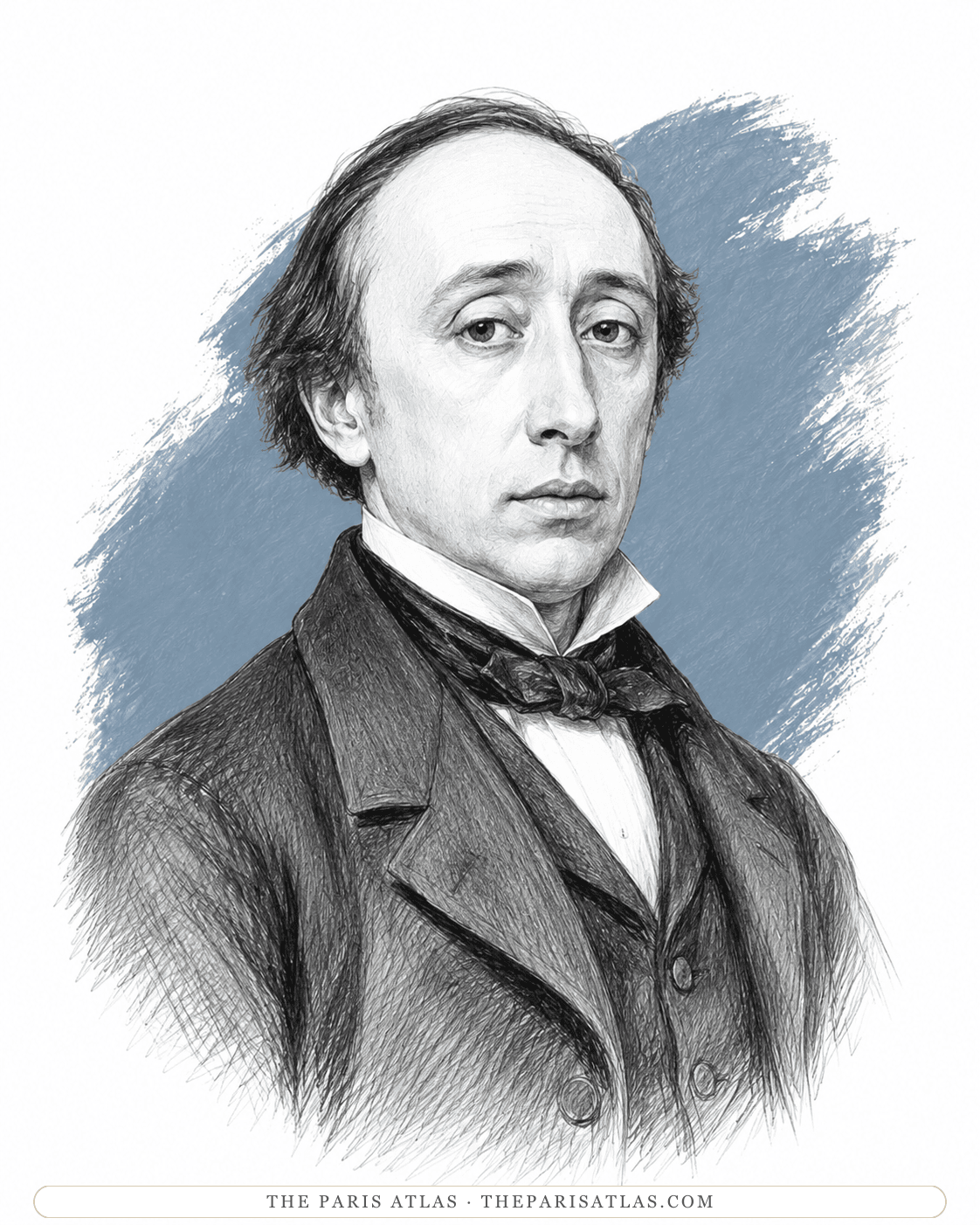
Edgar Degas
Degas was a regular at the Cafe de la Nouvelle Athenes on the place Pigalle, minutes from his studio. The cafe is the setting of his 1876 painting usually known as L'Absinthe.
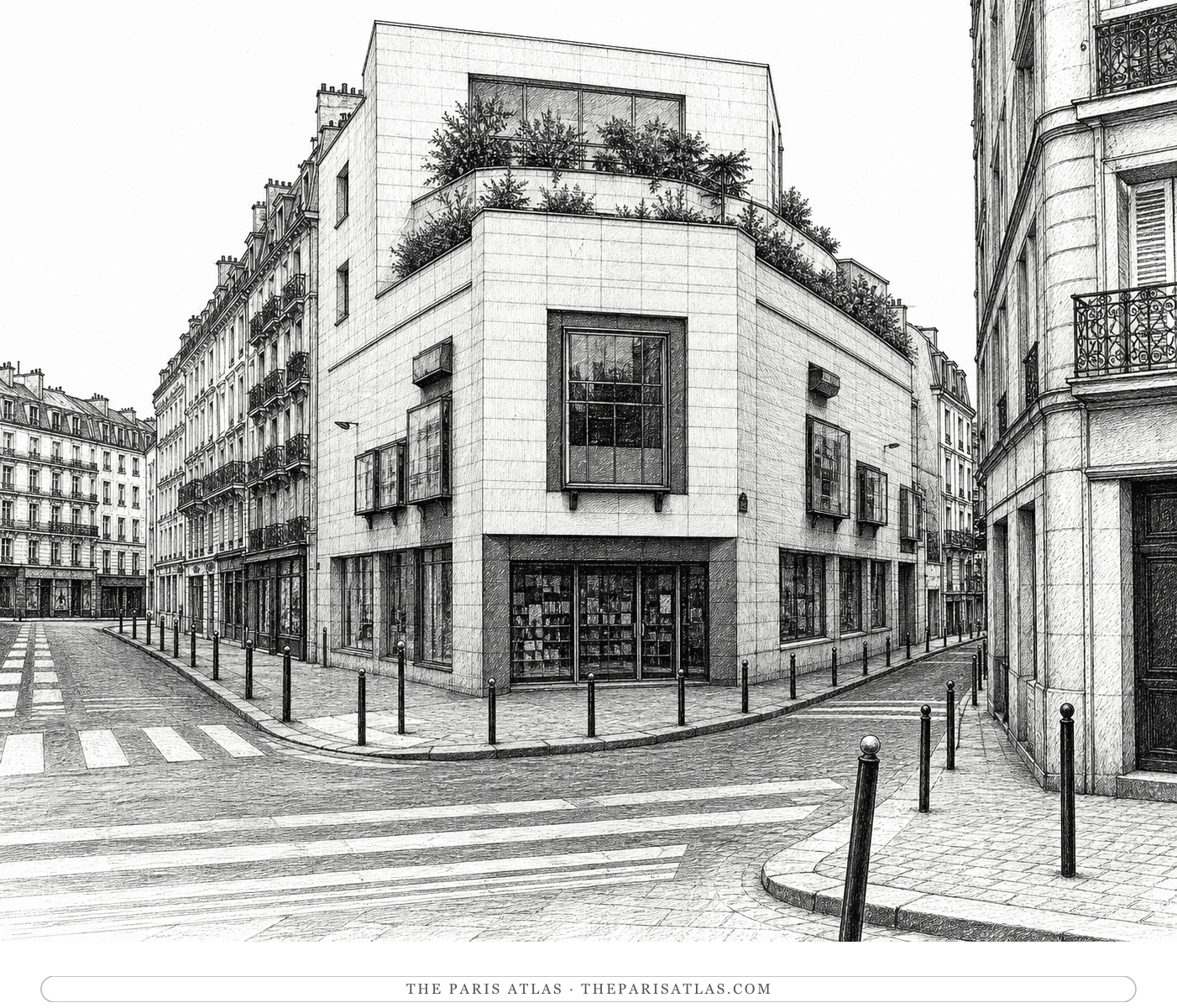
The café on the place Pigalle that took over from the Guerbois as the meeting place of Manet, Degas and their circle in the 1870s — and the room behind the painting usually called L'Absinthe.
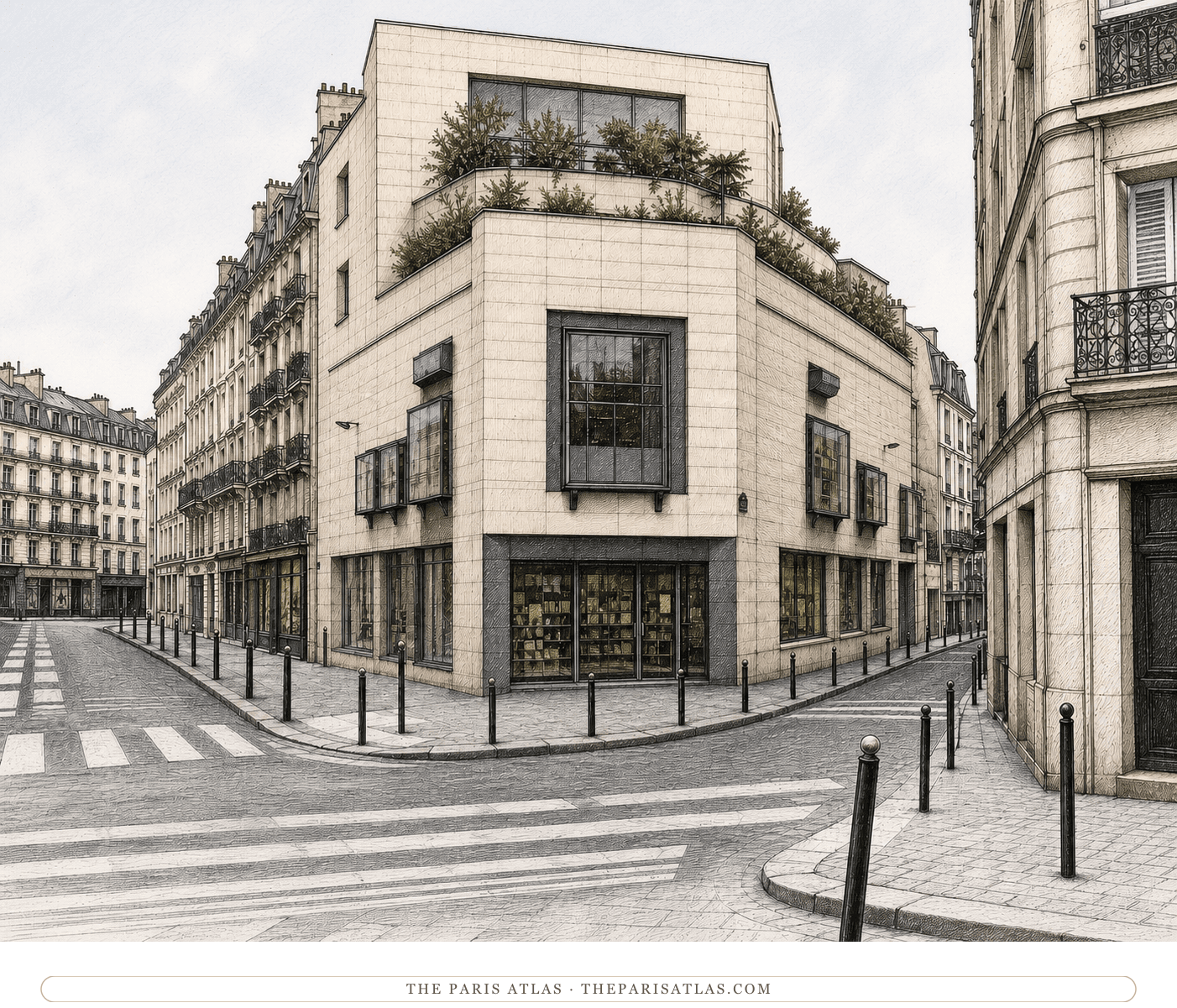
By the early 1870s the centre of gravity had shifted from the Café Guerbois in the Batignolles up to the place Pigalle, and the Nouvelle Athènes had become the café where the painters gathered. Édouard Manet and Edgar Degas were both regulars, and for Degas it was a few minutes' walk from home.
The café gave its name to the whole quarter's reputation. Pigalle in this period was where models were hired, where colourmen and framers had their shops, and where a painter could live cheaply among other painters — the Nouvelle Athènes was its front room.
It is also the setting of one of Degas's most argued-over pictures, the 1876 canvas usually called L'Absinthe, which shows a woman and a man at a café table, side by side, not speaking. The models were the actress Ellen Andrée and the printmaker Marcellin Desboutin, both of them part of the circle, posed in the café they actually drank in. When the painting was shown in London in the 1890s it caused a small scandal — critics took it as a statement about drink and degradation rather than a picture of two friends sitting for a portrait.
The café has gone and the square has been renamed. The coordinate here approximates the historic address.
The Nouvelle Athènes replaces the Café Guerbois as the painters' meeting place.
Degas paints the café scene now generally known as L'Absinthe.
At 9 place Pigalle in the 9th arrondissement. The square is now called place Jean-Baptiste-Pigalle, and the café no longer exists.
The café is the setting. Degas posed two people from his circle — the actress Ellen Andrée and the printmaker Marcellin Desboutin — at a table in the Nouvelle Athènes for the 1876 painting.
It succeeded it. The Manet circle met at the Guerbois in the Batignolles through the 1860s and moved up to the Nouvelle Athènes on the place Pigalle in the early 1870s.
Degas was a regular at the Cafe de la Nouvelle Athenes on the place Pigalle, minutes from his studio. The cafe is the setting of his 1876 painting usually known as L'Absinthe.
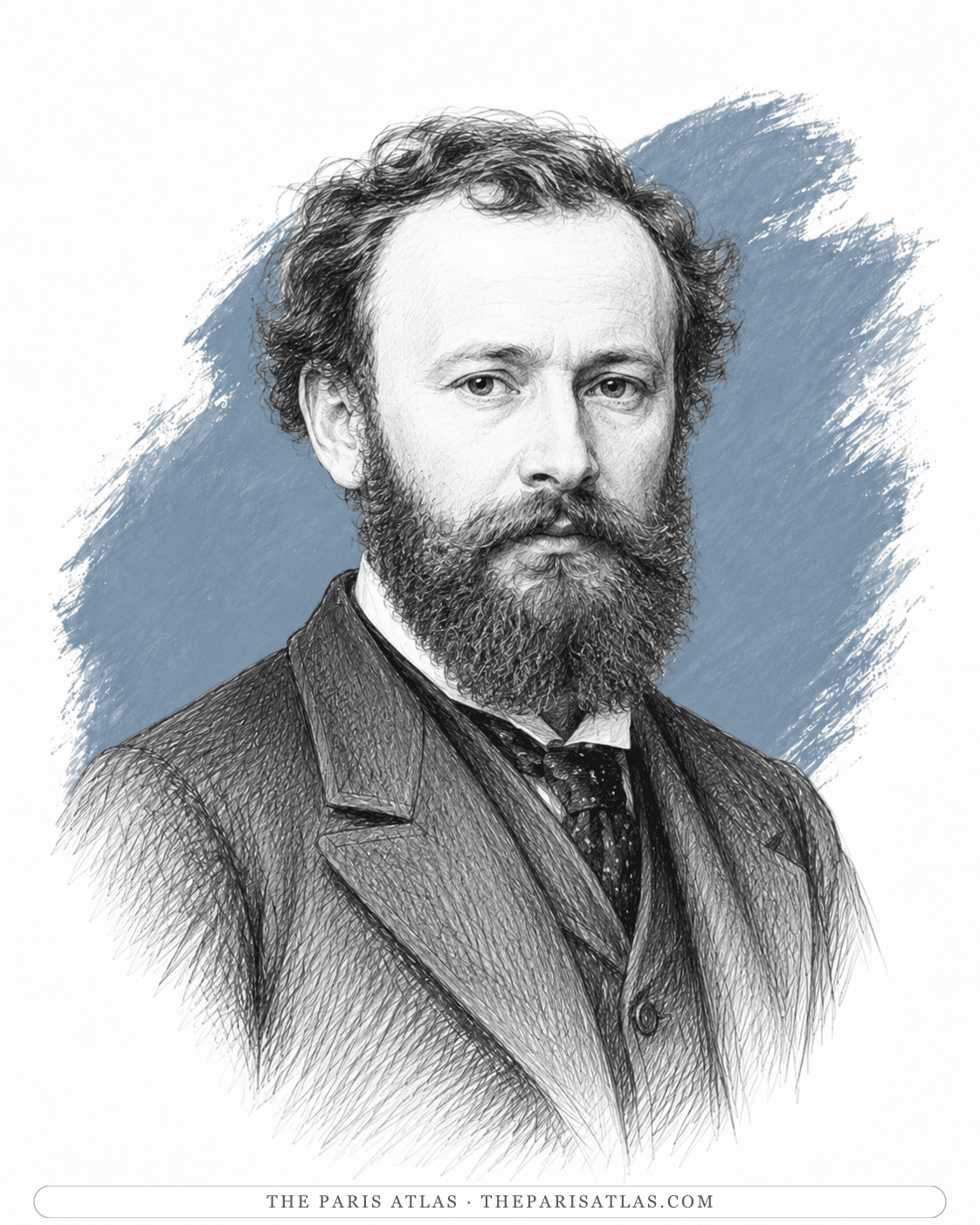
By the early 1870s the Nouvelle Athenes on the place Pigalle had become the meeting place for Manet, Degas and their circle, succeeding the Cafe Guerbois.
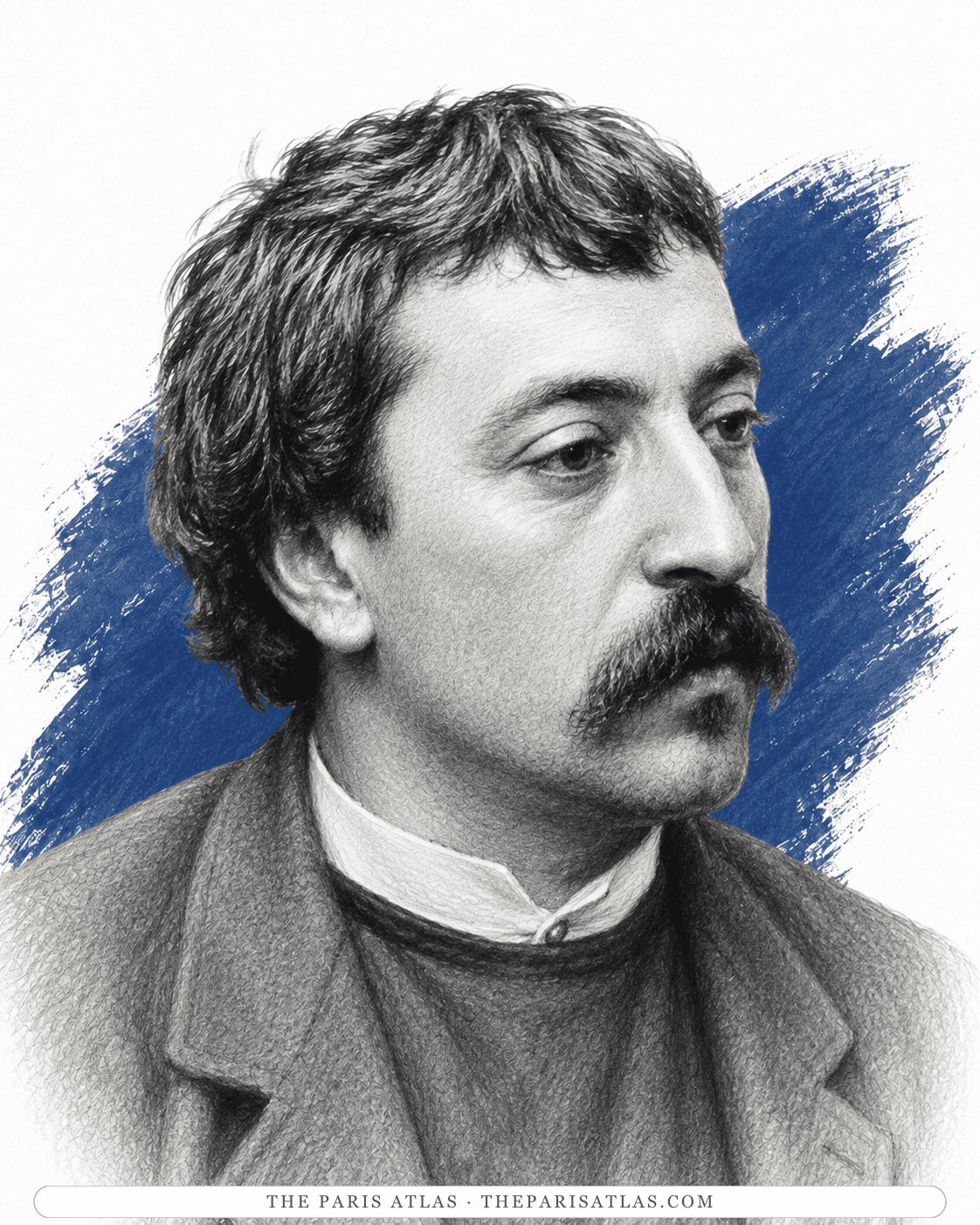
Paul Gauguin met Camille Pissarro, Edgar Degas and Edouard Manet at the Cafe de la Nouvelle Athenes on the place Pigalle during the years he was exhibiting with the Impressionists.
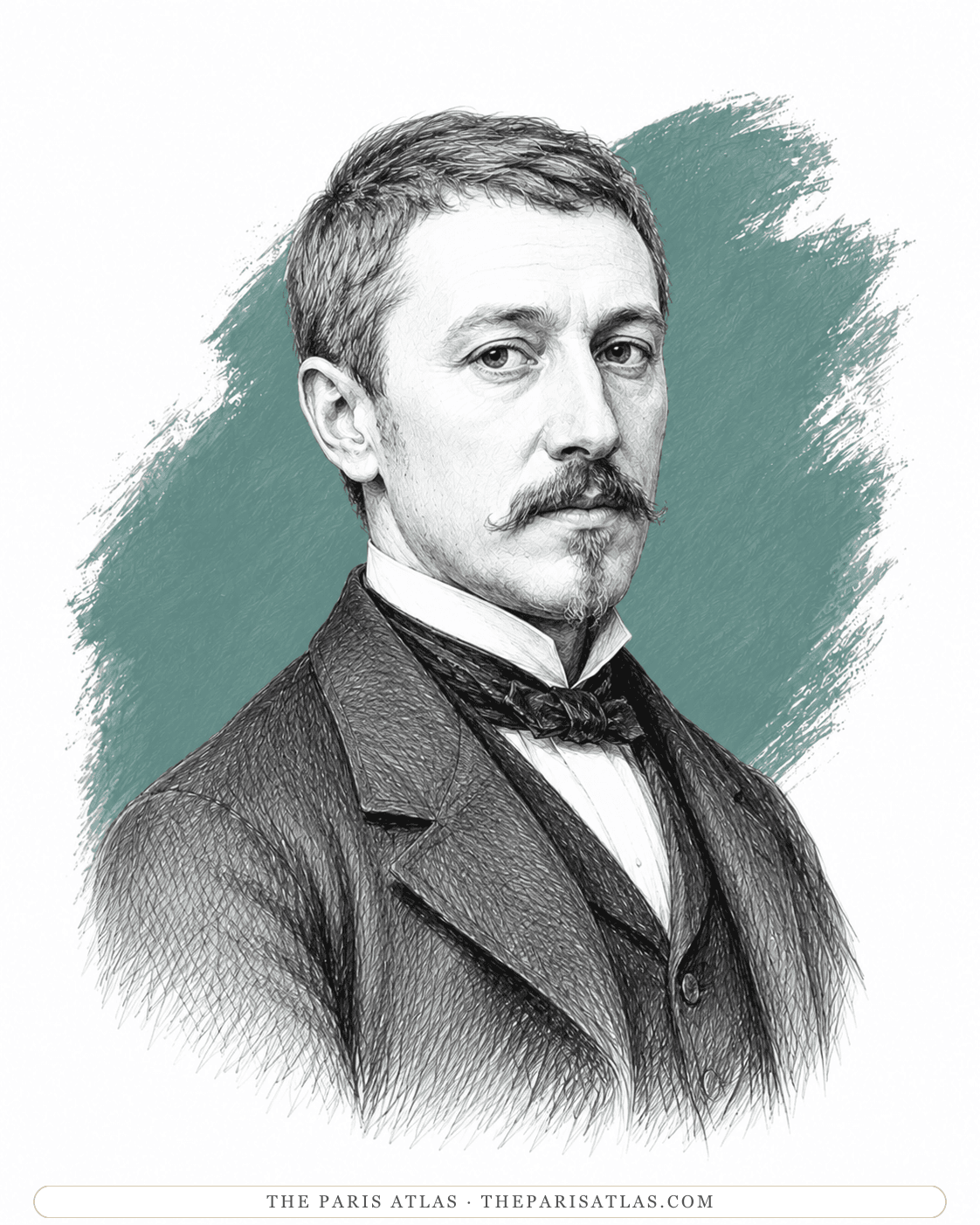
Caillebotte met Degas, Manet and Monet at the Cafe de la Nouvelle Athenes on the place Pigalle during the years of the independent exhibitions.
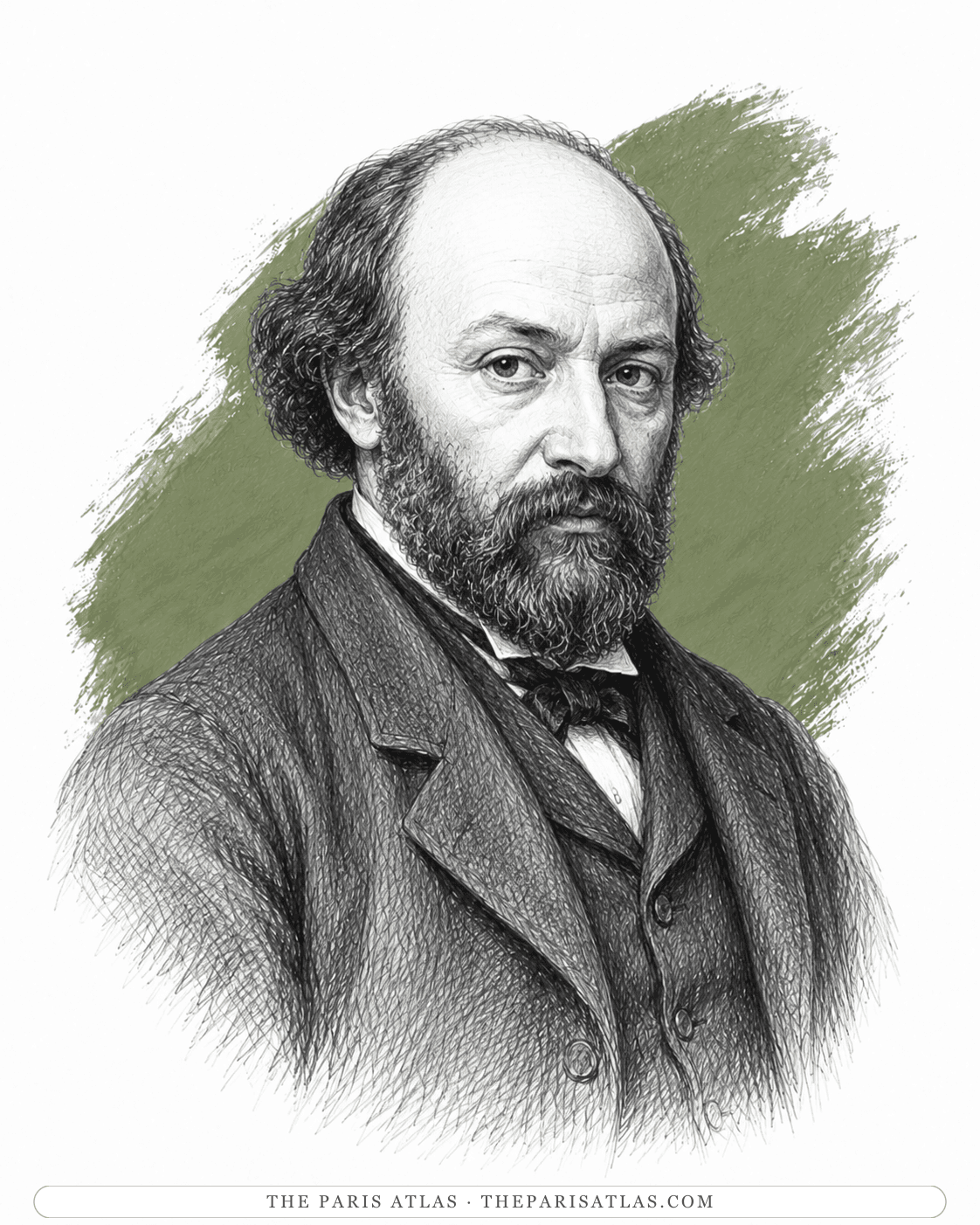
Cezanne was among the painters at the Cafe de la Nouvelle Athenes on the place Pigalle after the group's centre moved there in the 1870s.
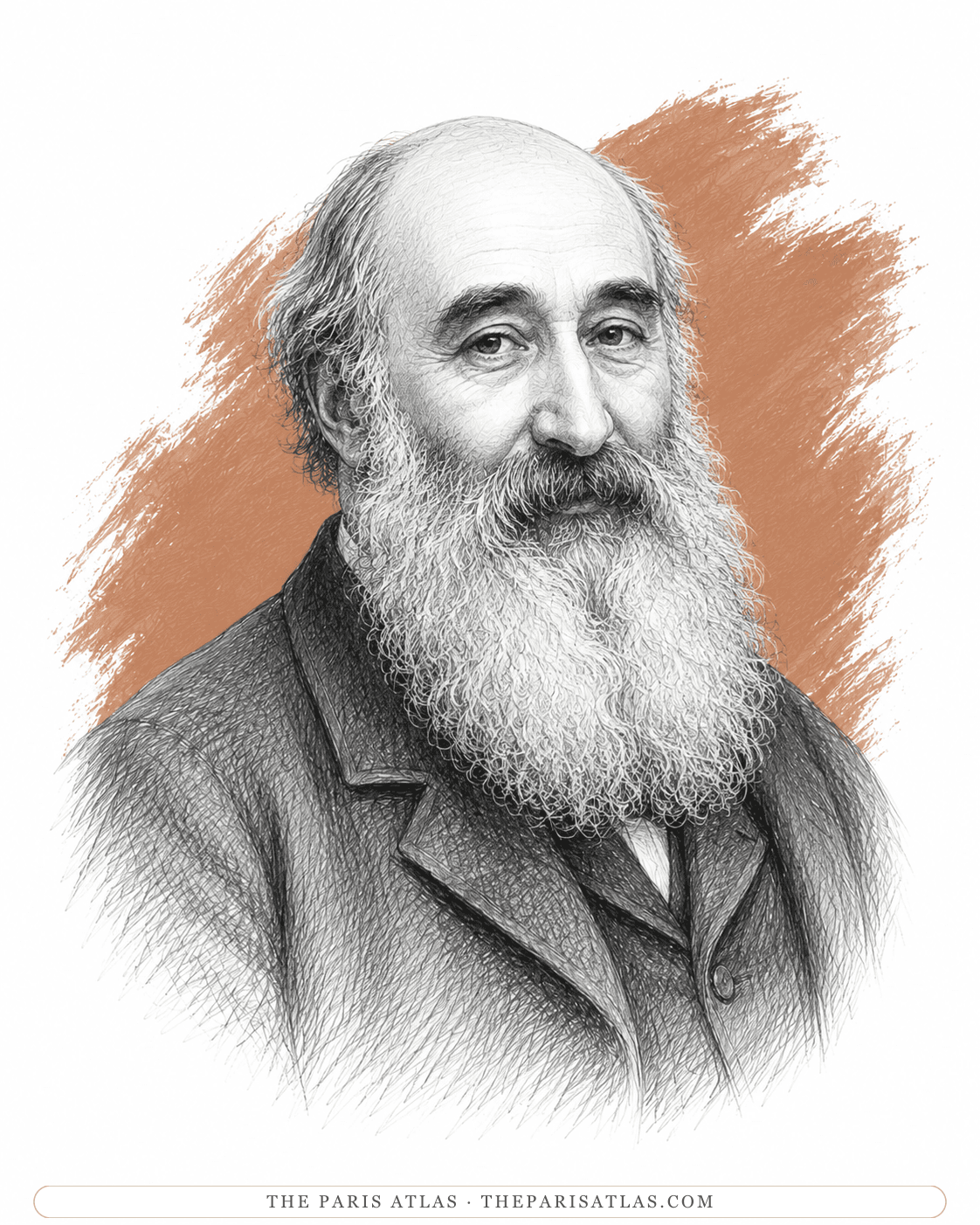
When the group's centre of gravity moved from the Guerbois to the place Pigalle, Pissarro was among the artists regularly at the Cafe de la Nouvelle Athenes.
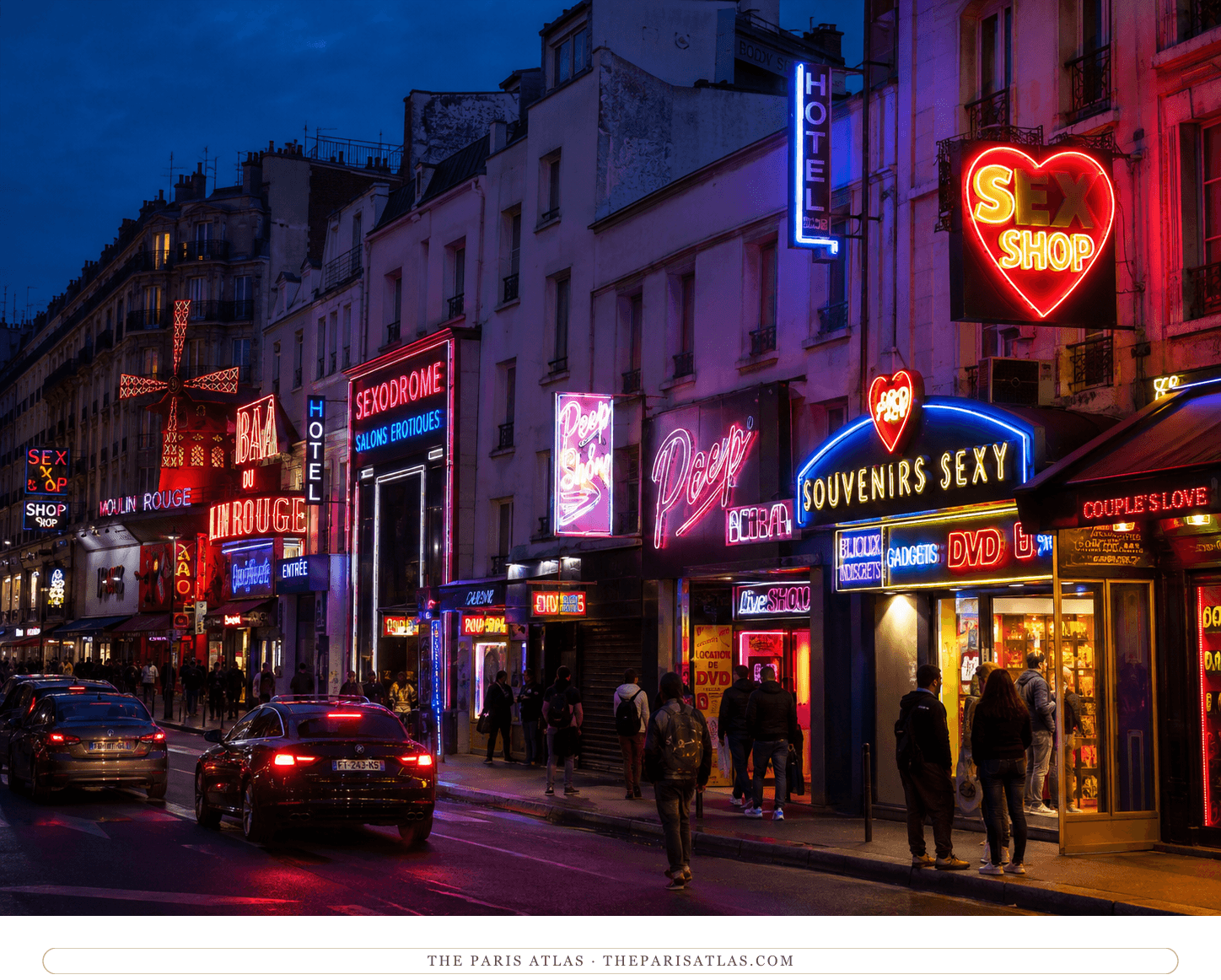
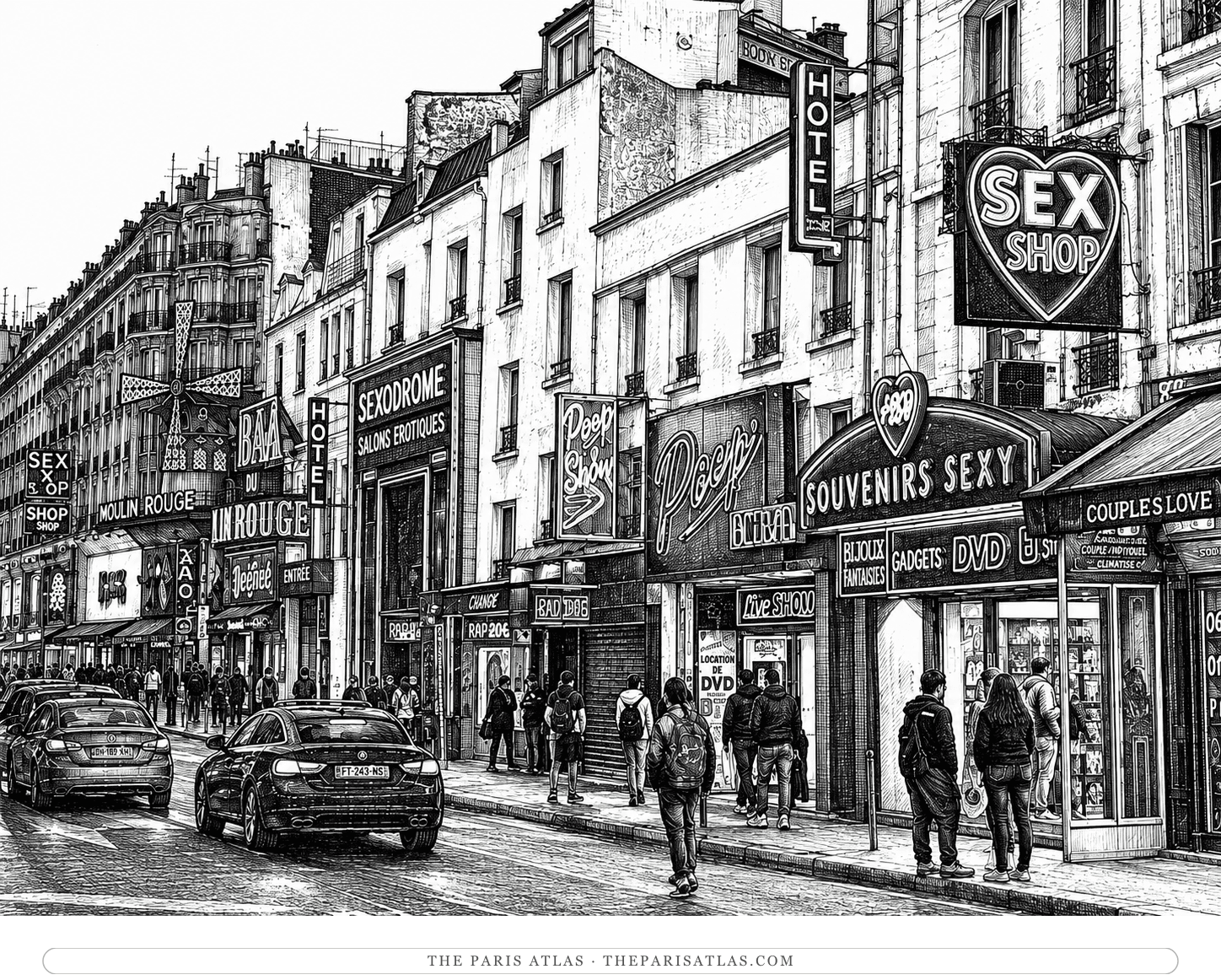
The strip along the boulevard de Clichy below Montmartre, where the studios and the cabarets shared a pavement until only the second kind was left.
Visit the place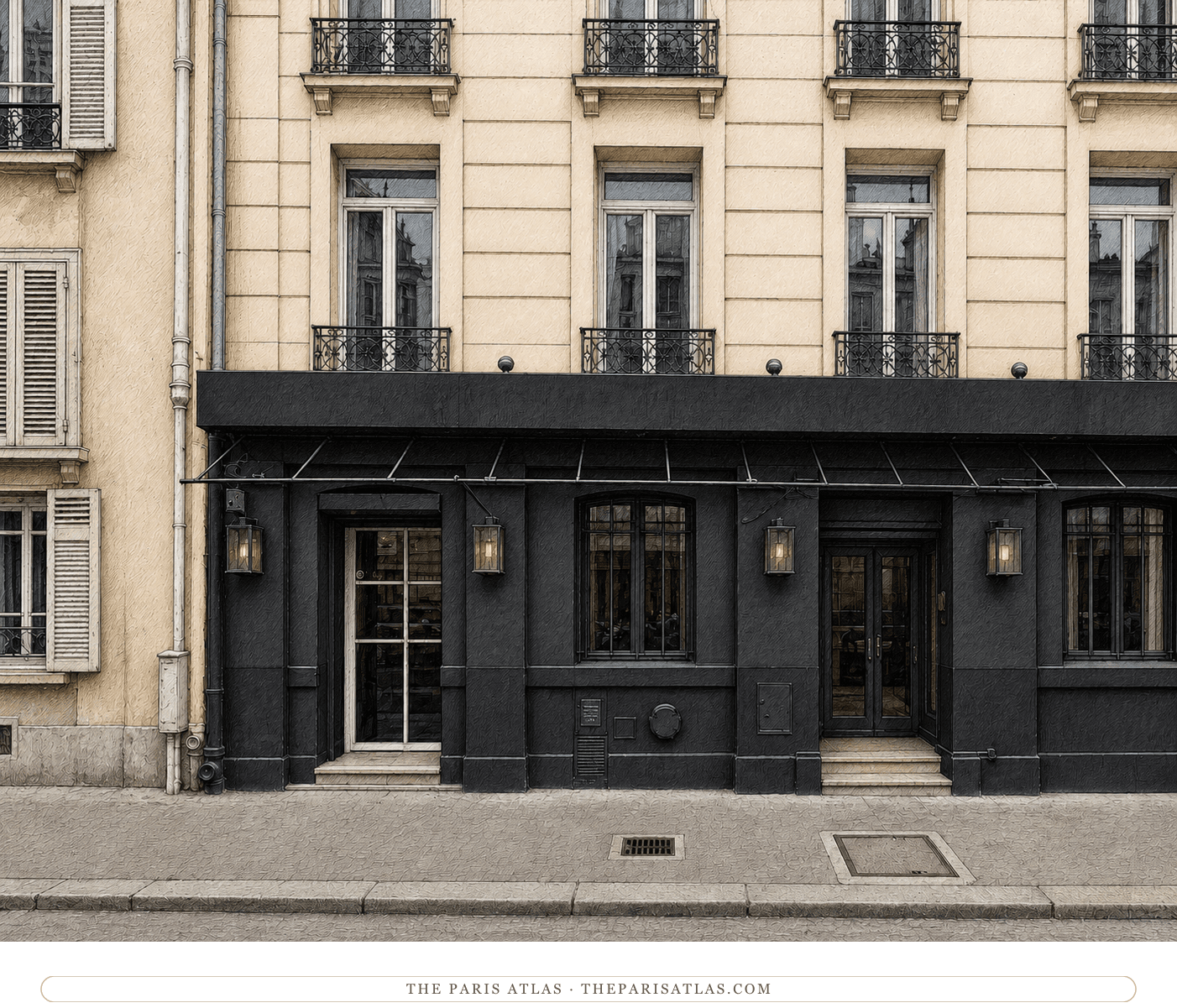
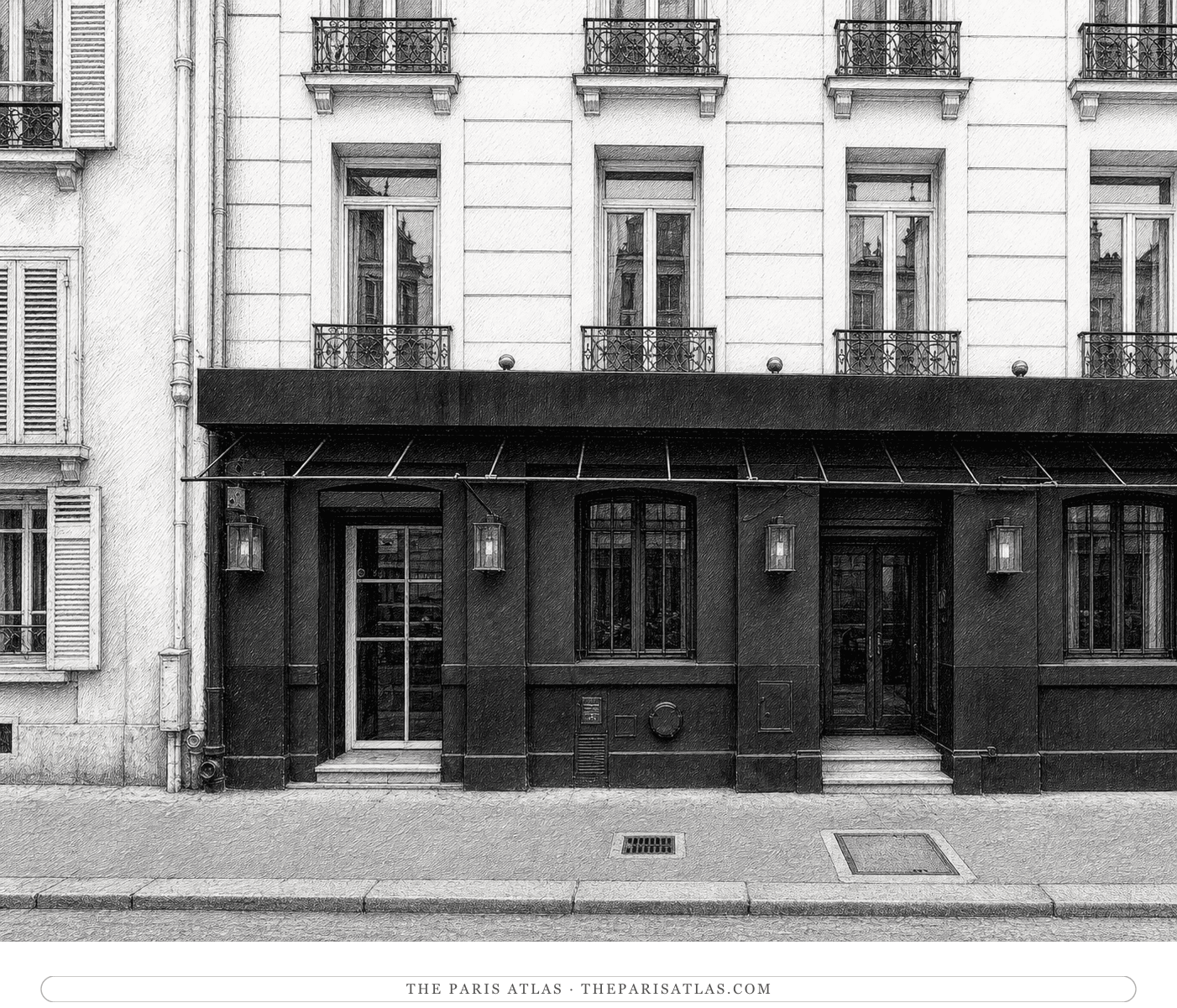
The studio and apartment Edgar Degas settled into in 1877 — the year he was showing the ballet and café pictures that made his name, a few steps from the place Pigalle.
Visit the place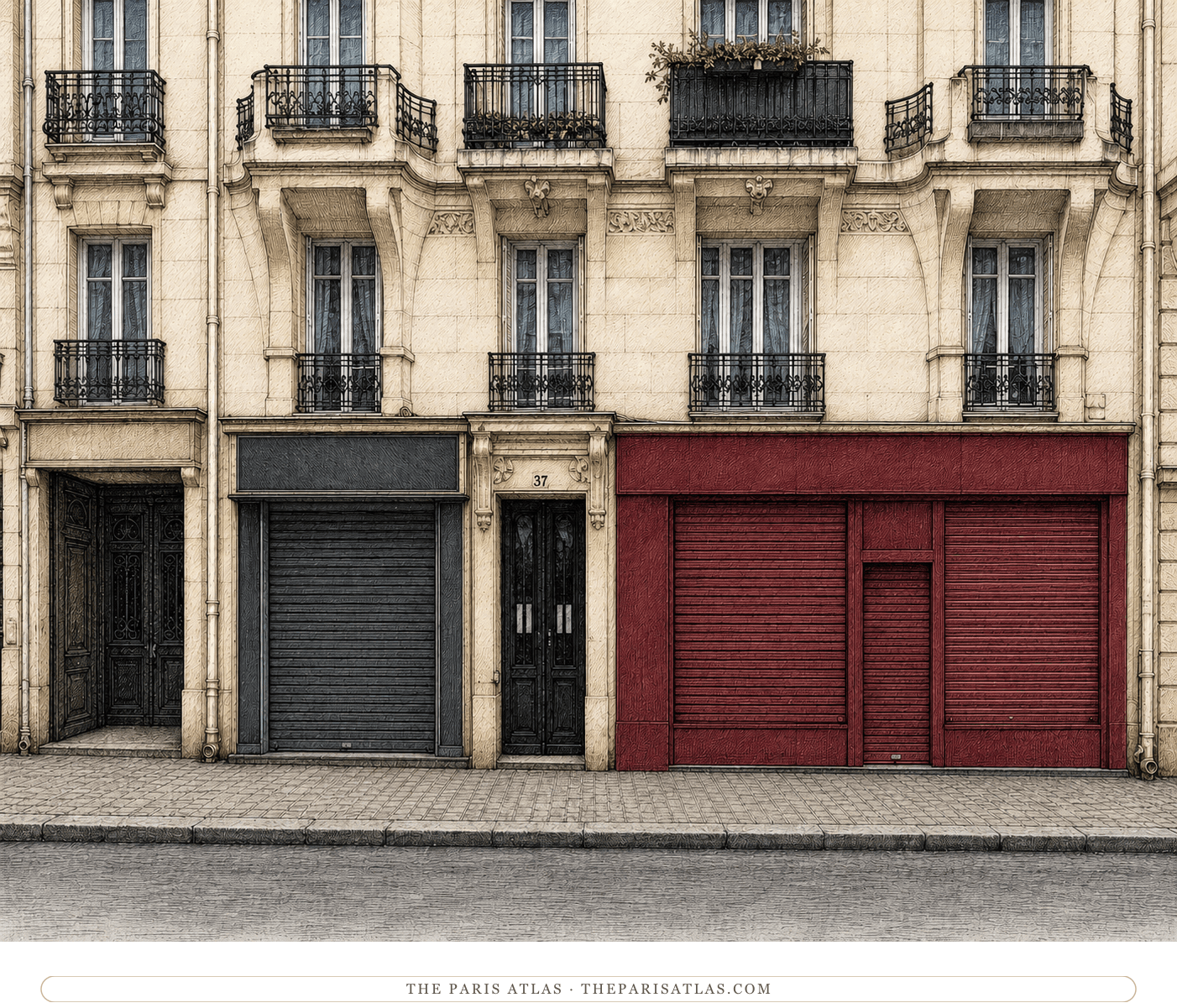
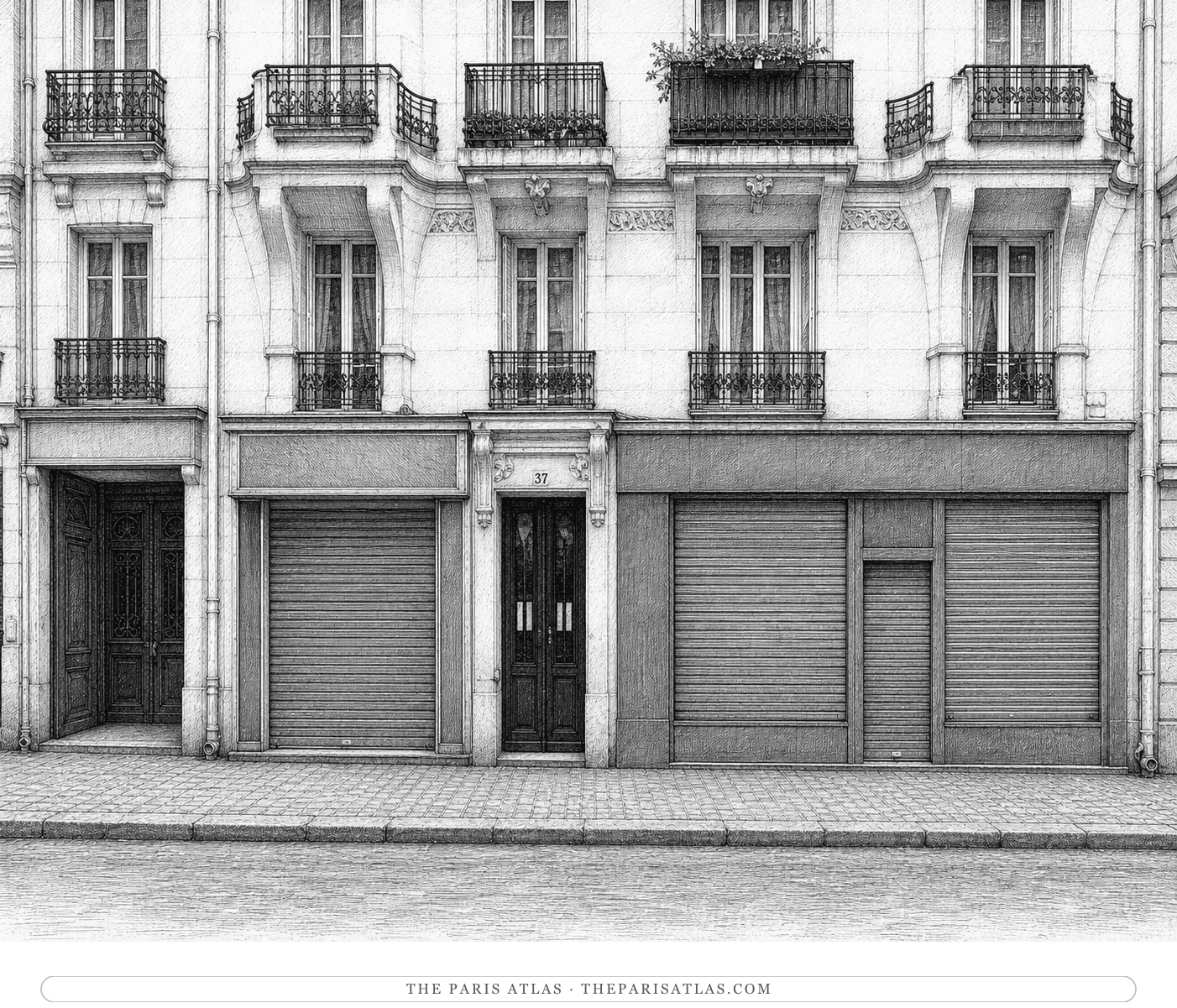
The apartment and studio where Edgar Degas worked for the last quarter-century of his career, on a street then called the rue de Laval. Paul Valéry was brought here to meet him in 1896. Degas was evicted in 1912 and never really worked again.
Visit the place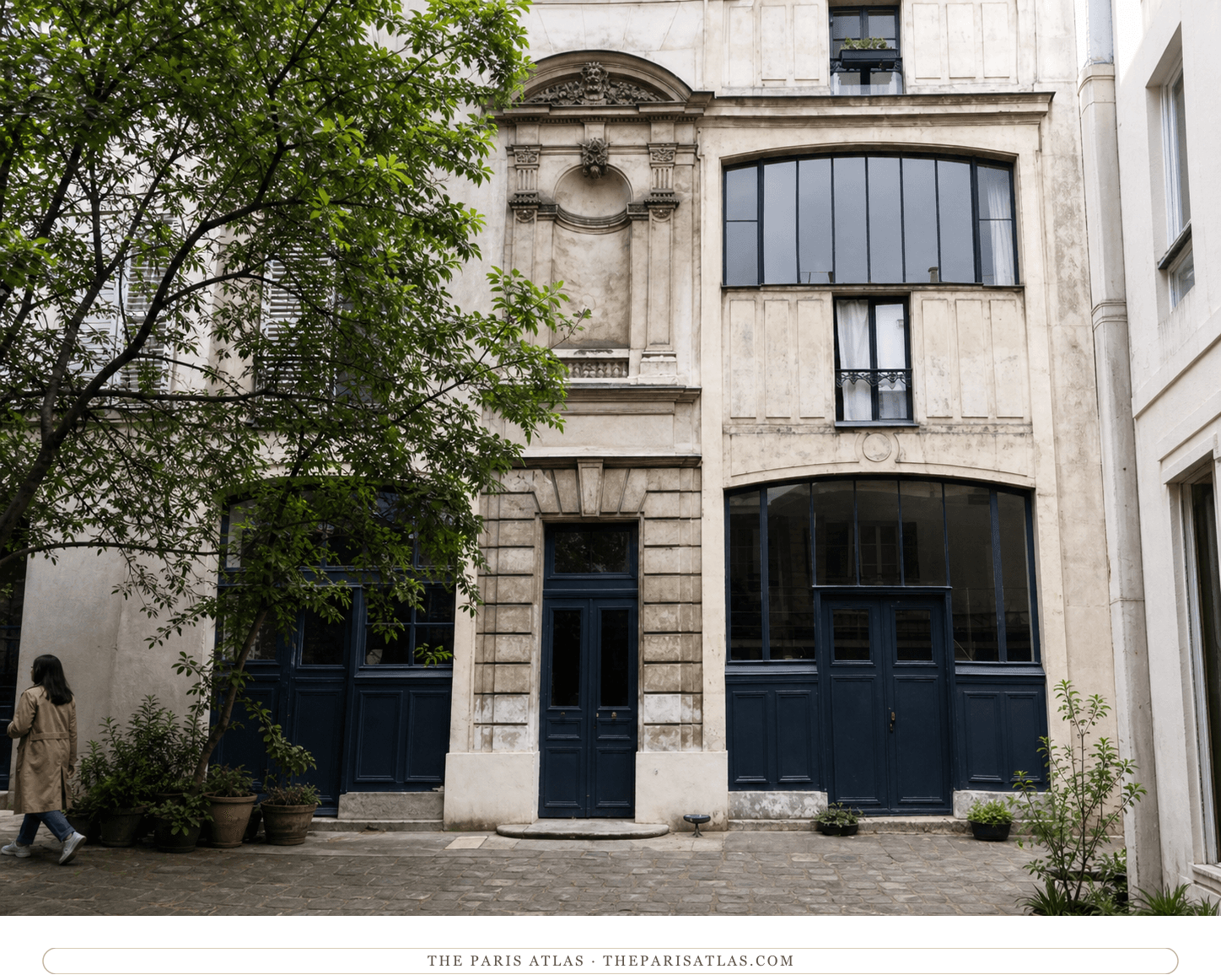
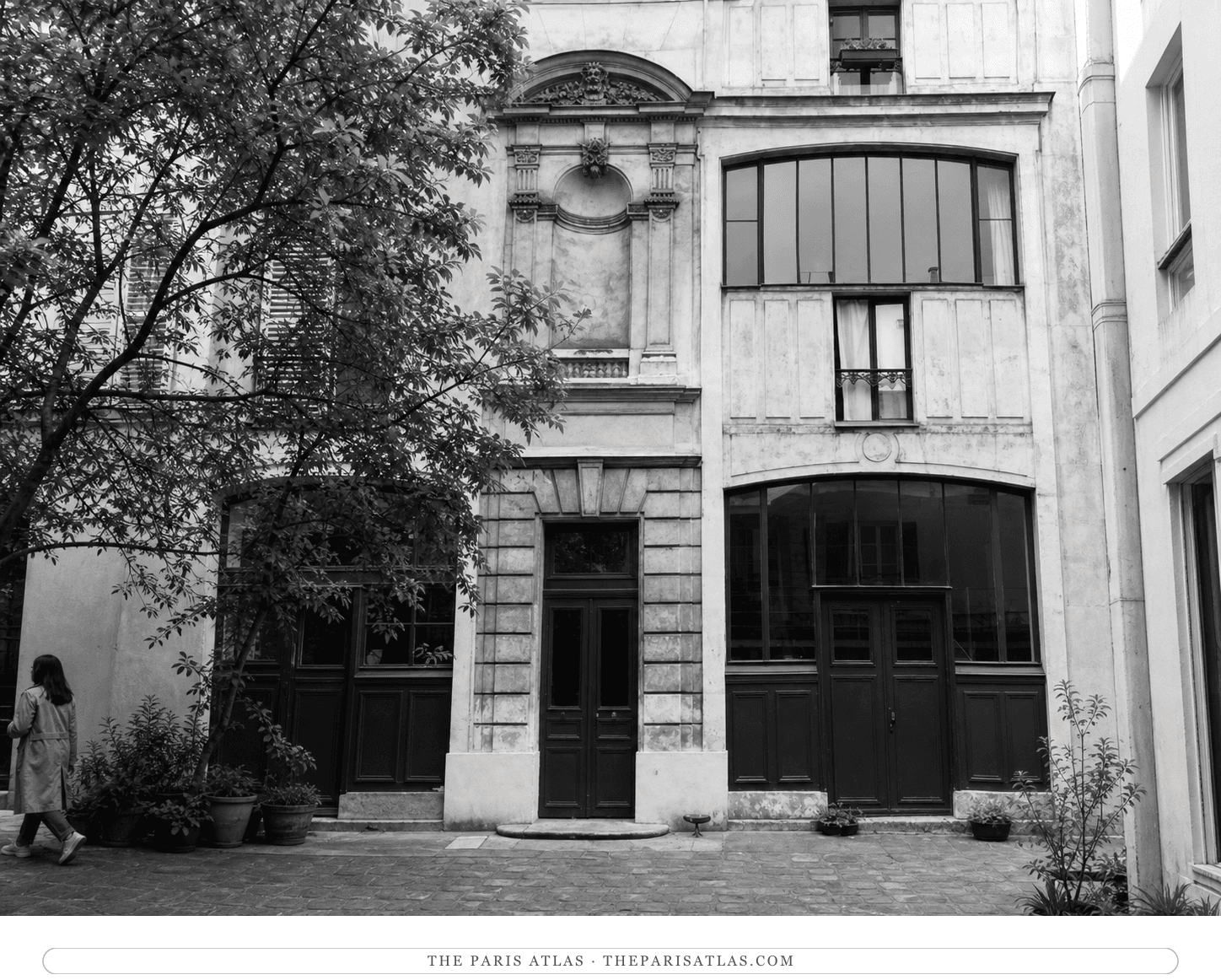
The building where Picasso took a studio and a comfortable apartment in 1909, looking over the avenue Frochot — the address that marks his move out of the squalor of the Bateau-Lavoir and into something like a bourgeois life.
Visit the placeThe sources below include histories, archival materials, scholarly research, and official records that informed this page. They document Café de la Nouvelle Athènes, the people connected to it, and its place in Paris.

Web source consulted for documented facts and historical context presented on the Café de la Nouvelle Athènes page.
Web source consulted for documented facts and historical context presented on the Café de la Nouvelle Athènes page.
Web source consulted for documented facts and historical context presented on the Café de la Nouvelle Athènes page.
Web source consulted for documented facts and historical context presented on the Café de la Nouvelle Athènes page.
These references provide the documented foundation for this page's history and context. Claim-level citations remain attached to the specific claims they support.
 Explore more resources
Newsletter
The cafés, studios, and walk-up flats where the work was made — one story from the map in every letter.