Claude Monet
- Painter
Met
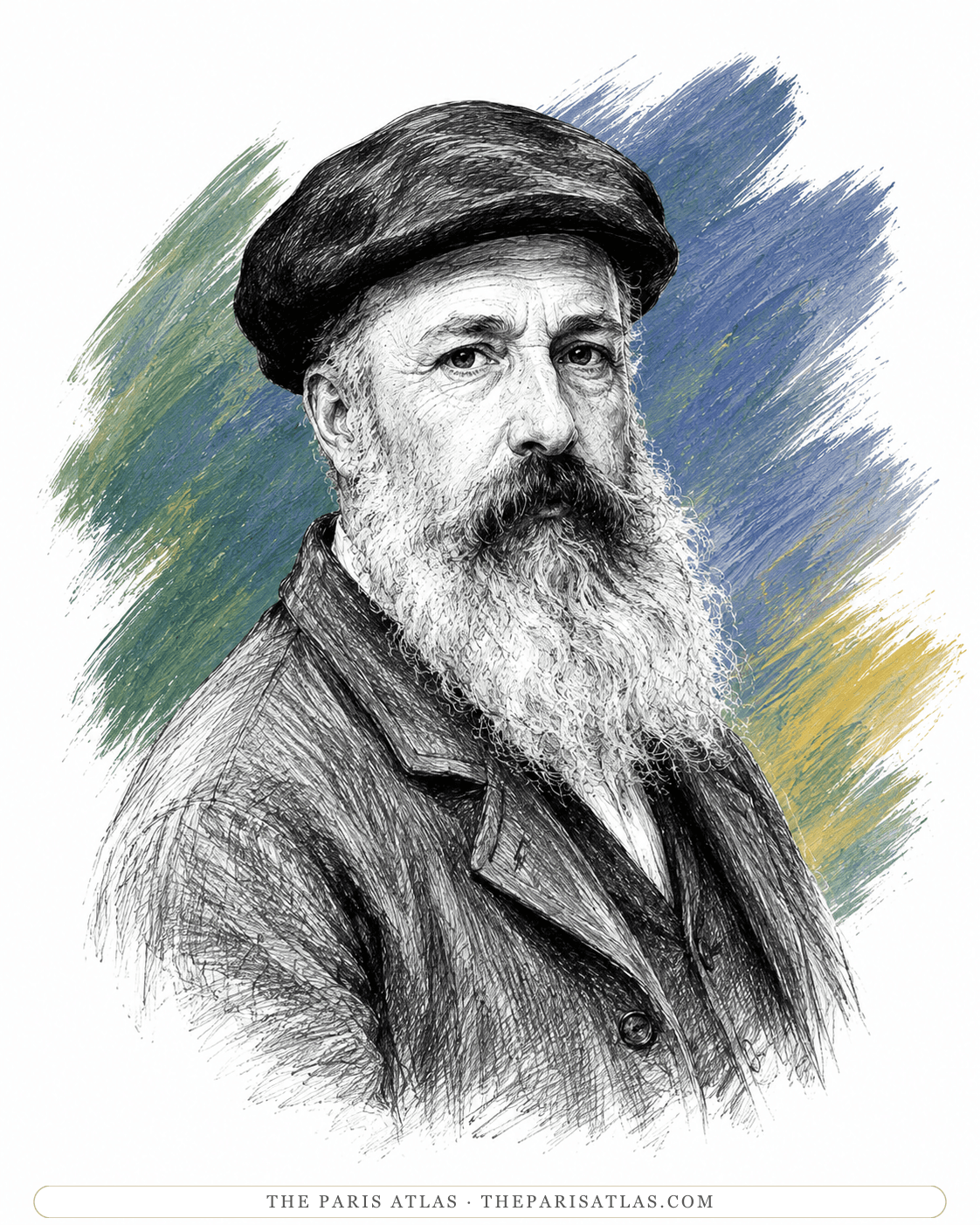
The Met places Manet among the friends who gathered at Monet's homes and gardens and often painted alongside their host.
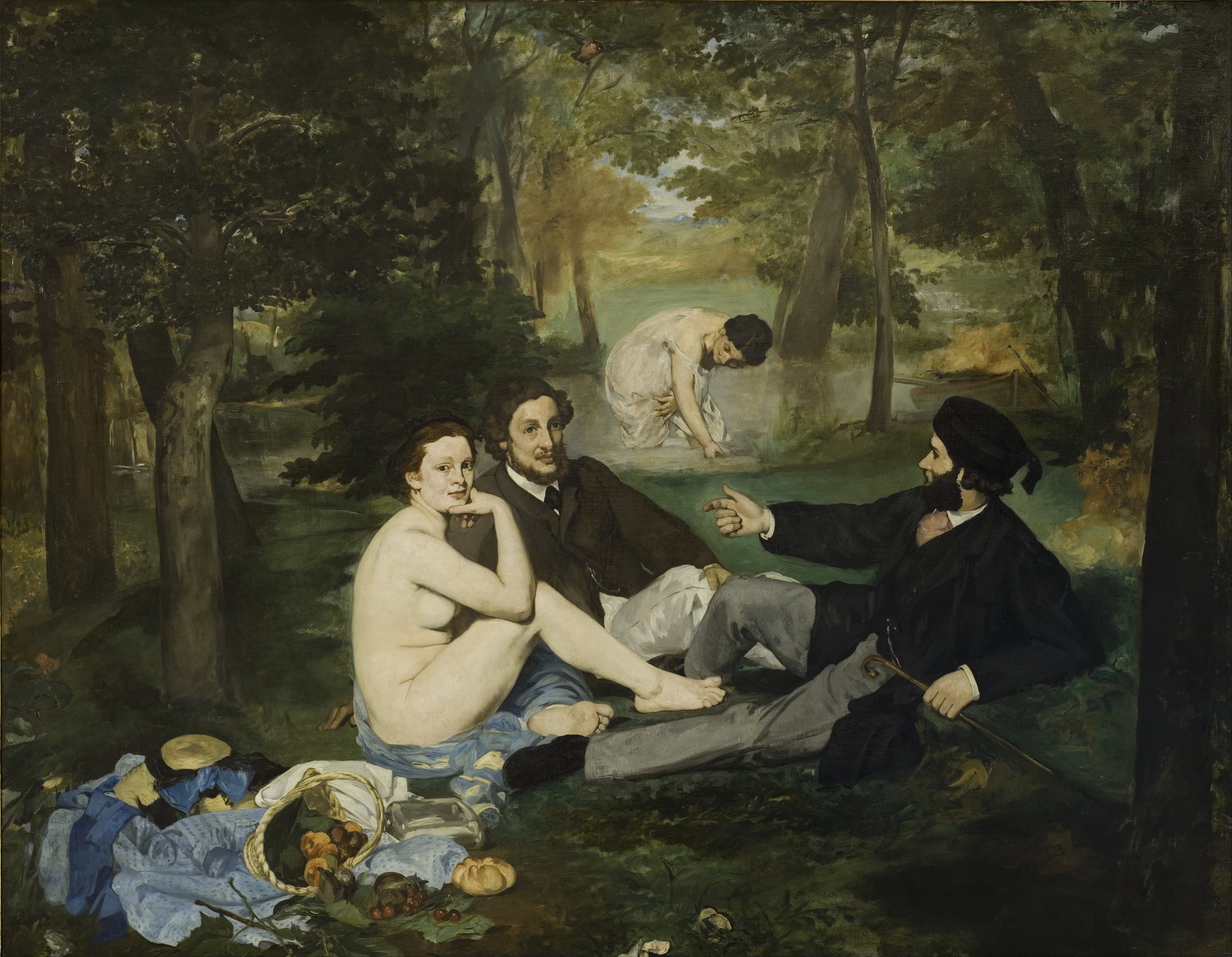
Édouard Manet stood at the head of the circle that became Impressionism and never once exhibited with it. His Le Déjeuner sur l'herbe (1863) and Olympia (1863) drew the loudest scandals in the Paris art world of their decade, and the younger painters who mounted the first independent exhibition in 1874 had spent years arguing at his café table. He declined that exhibition and the seven that followed, and submitted his work to the official Salon until the end of his life.
Manet was born in Paris on 23 January 1832, into a haut-bourgeois family. His father, Auguste Manet, was a judge; his mother, Eugénie-Désirée Fournier, was the daughter of a diplomat. The family had the law in mind for him, and painting was not part of the plan. He tried for the navy instead, failed the entrance examination twice, and in 1848–49 sailed on a training vessel to Rio de Janeiro.
In 1850 the family gave way, and he entered the studio of the academic painter Thomas Couture, where he trained until 1856.
The Salon jury rejected Le Déjeuner sur l'herbe in 1863, and Manet showed it instead at the Salon des Refusés, the exhibition of that year's refused paintings. The picture placed a nude woman at a picnic beside two fully dressed men, and the juxtaposition caused an uproar. The same year he married the piano teacher Suzanne Leenhoff and painted Olympia.
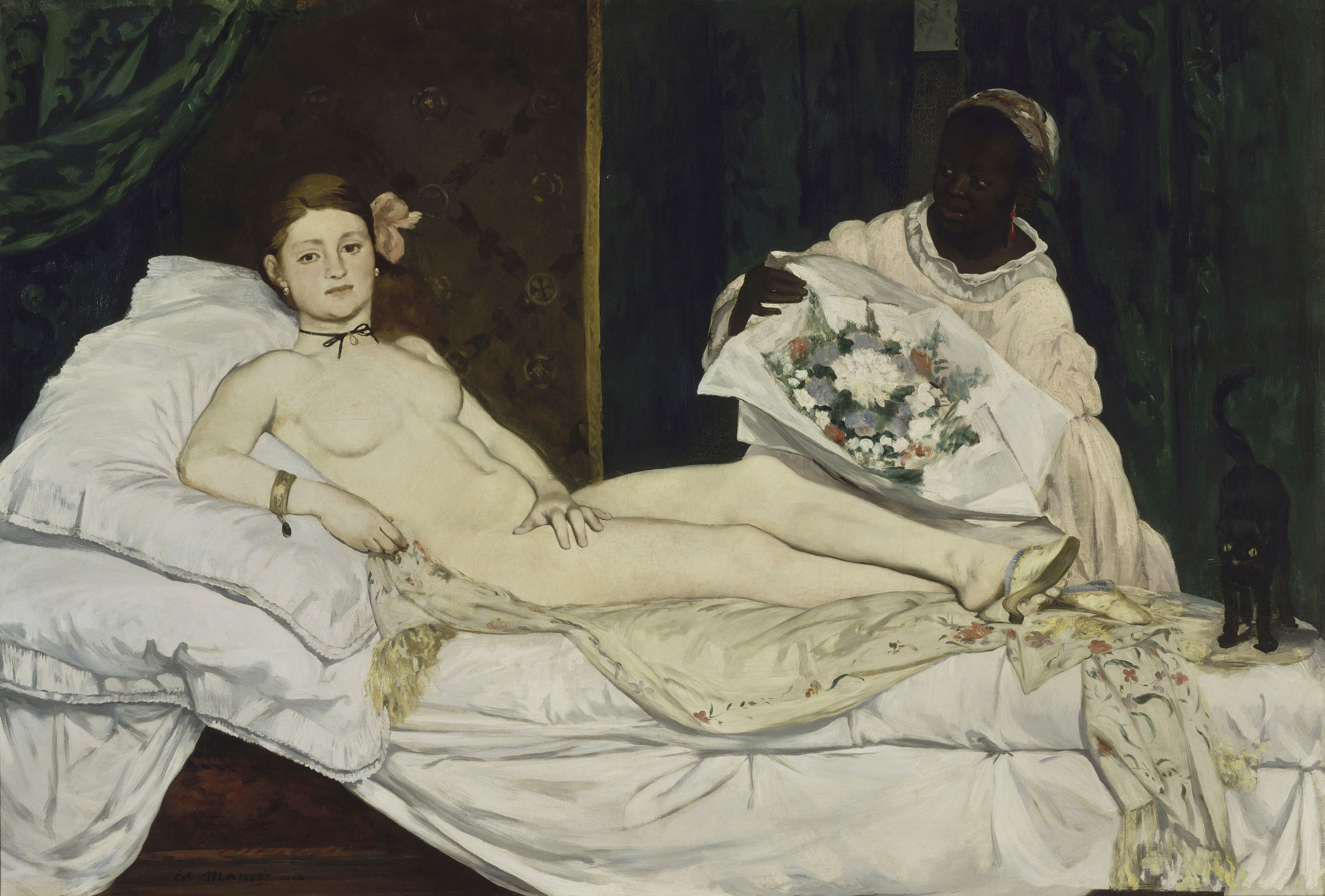
Olympia reworks Titian's Venus of Urbino (c. 1534) as a contemporary Parisian scene, posed by the nineteen-year-old model Victorine Meurent, who had also posed for Le Déjeuner sur l'herbe. Shown at the Salon of 1865, it was condemned by conservative critics as immoral and vulgar, and the administration took precautions to keep the canvas from being destroyed.
From the late 1860s the gatherings at the Café Guerbois, on the avenue de Clichy in the Batignolles quarter, centered on Manet. The circle is sometimes called the Batignolles group, and its regulars included:
When the group organized its own exhibition in 1874, Manet declined the invitation, and he kept declining through all eight of the independent exhibitions the Impressionists mounted. He continued to submit to the official Salon, and stayed close to the painters he would not hang beside. He was among the friends who gathered at Monet's homes and gardens and often painted alongside his host, and Renoir counted him among his friends.
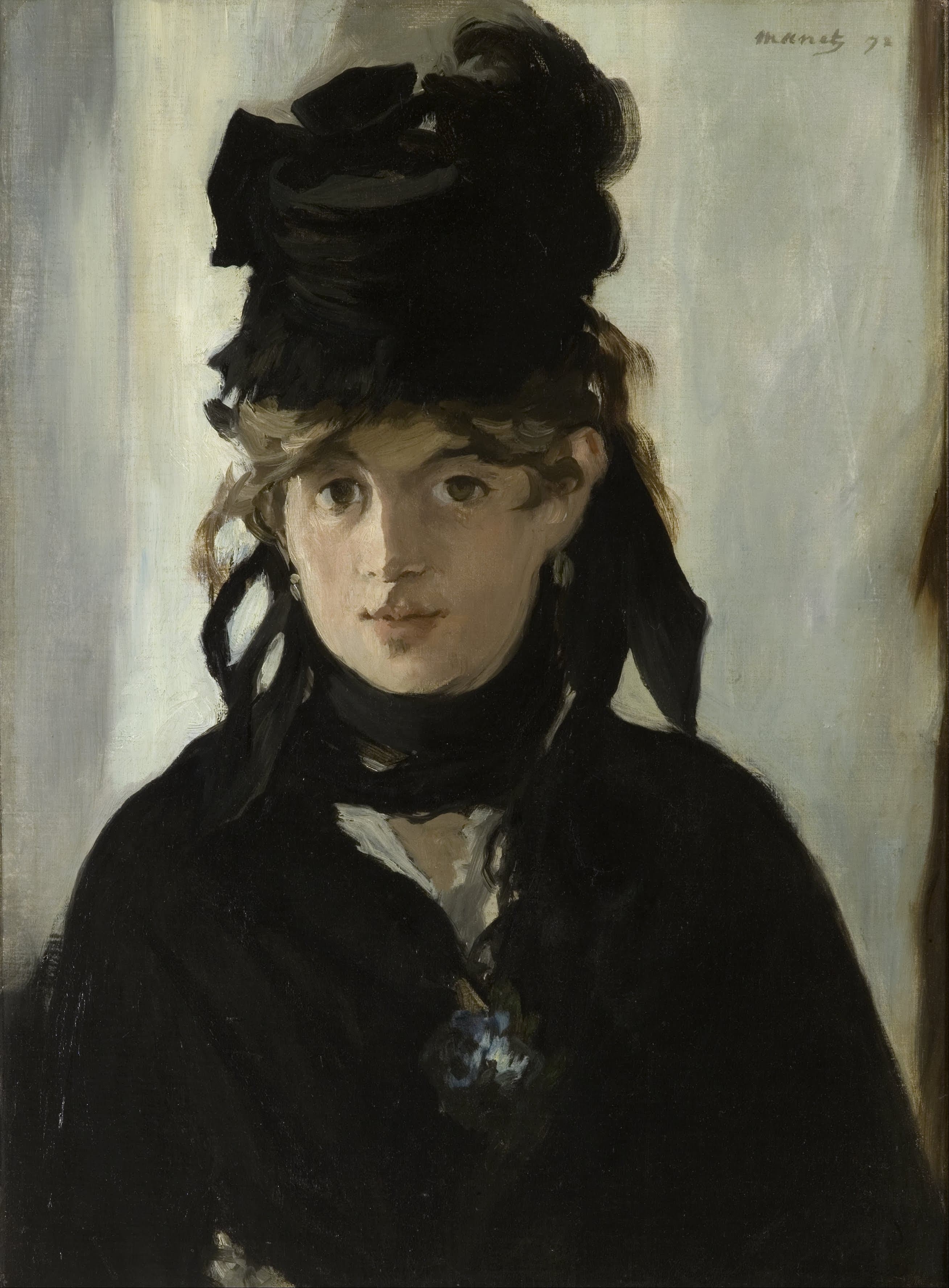
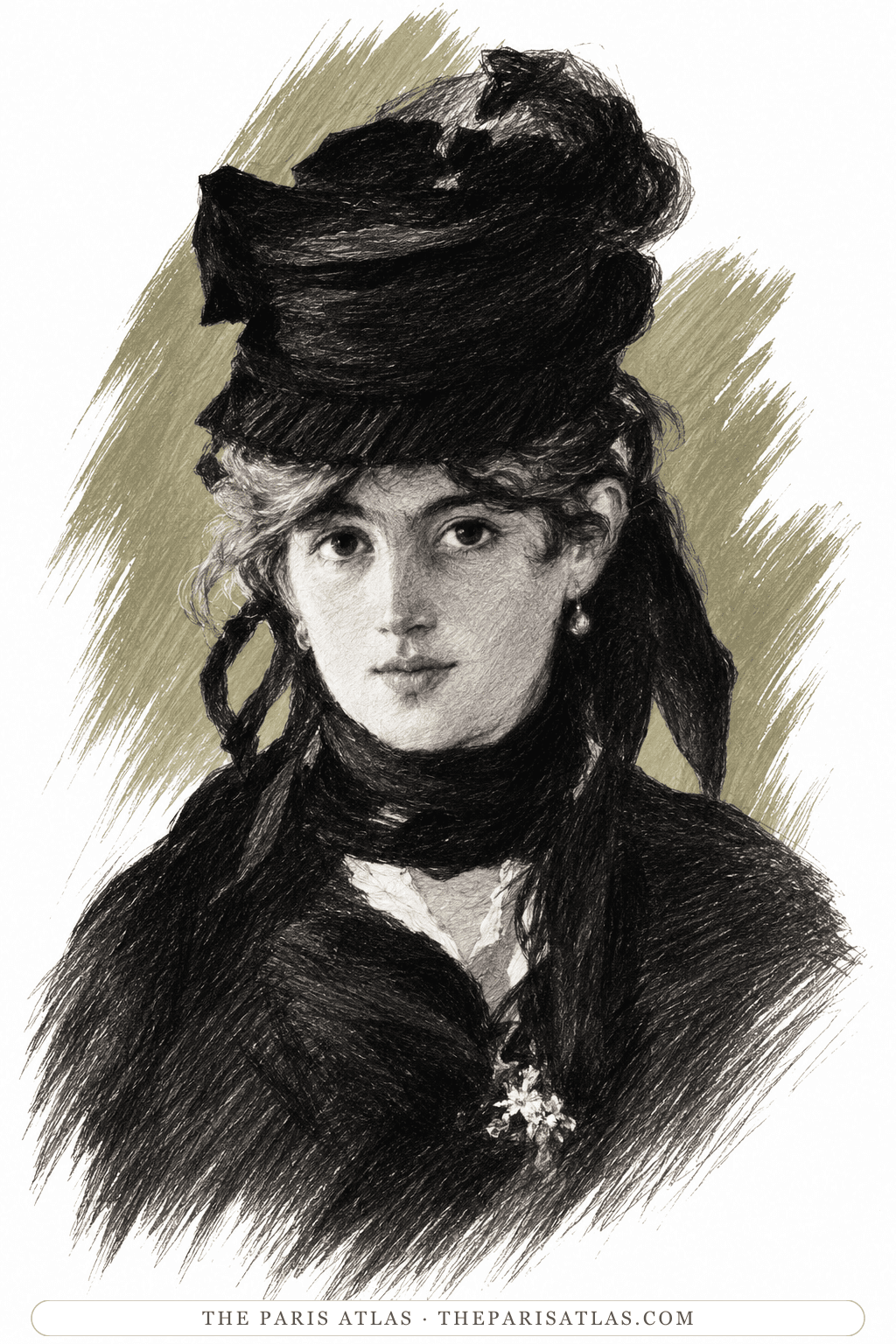
Manet met Berthe Morisot in 1868, and the friendship reshaped both careers. She posed for The Balcony (1868–69), seated at the left of the composition he showed at the Salon of 1869, and he painted her fourteen times in all. The portrait with a bouquet of violets, from 1872, hangs at the Musée d'Orsay. She was never his student, and the influence between the two painters ran in both directions.
Morisot showed in the first Impressionist exhibition and drew Manet into the group's orbit, though never onto its walls. In December 1874, the year of that first exhibition, she married his younger brother, Eugène Manet.
Official recognition arrived late. The French government awarded Manet the Légion d'honneur in 1881. By then he was ill with locomotor ataxia, a loss of muscular control that accounts of his life attribute to syphilis.
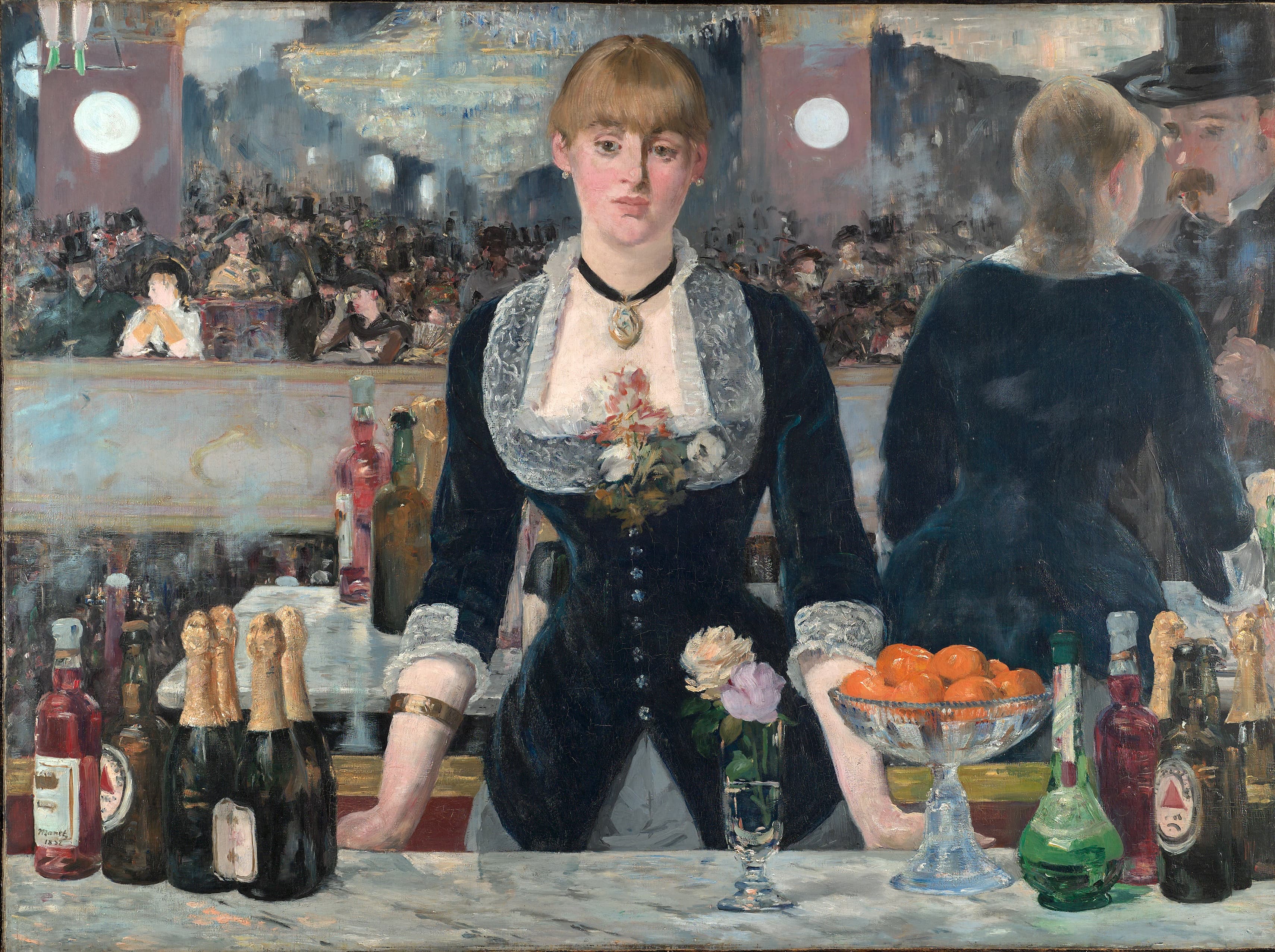
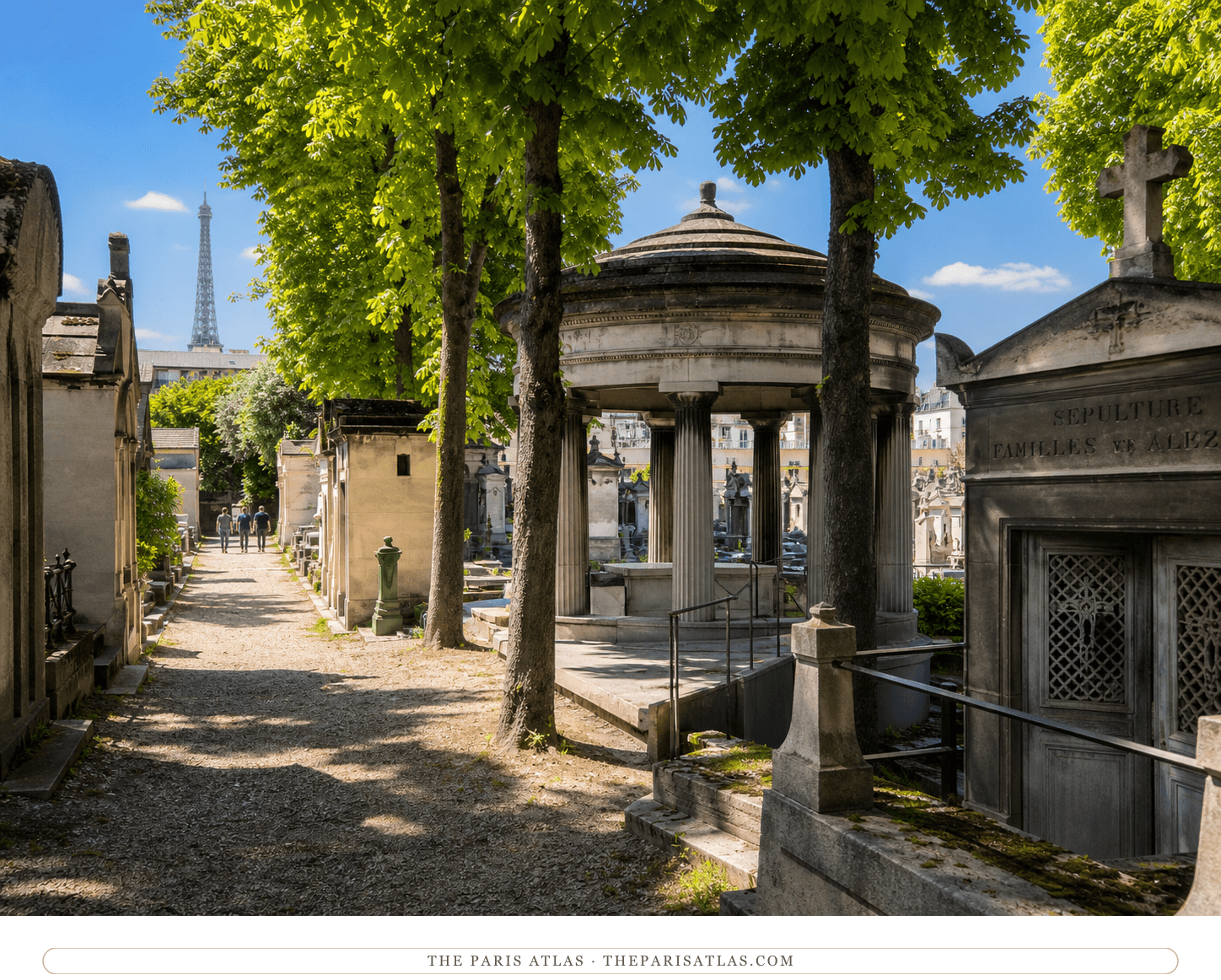
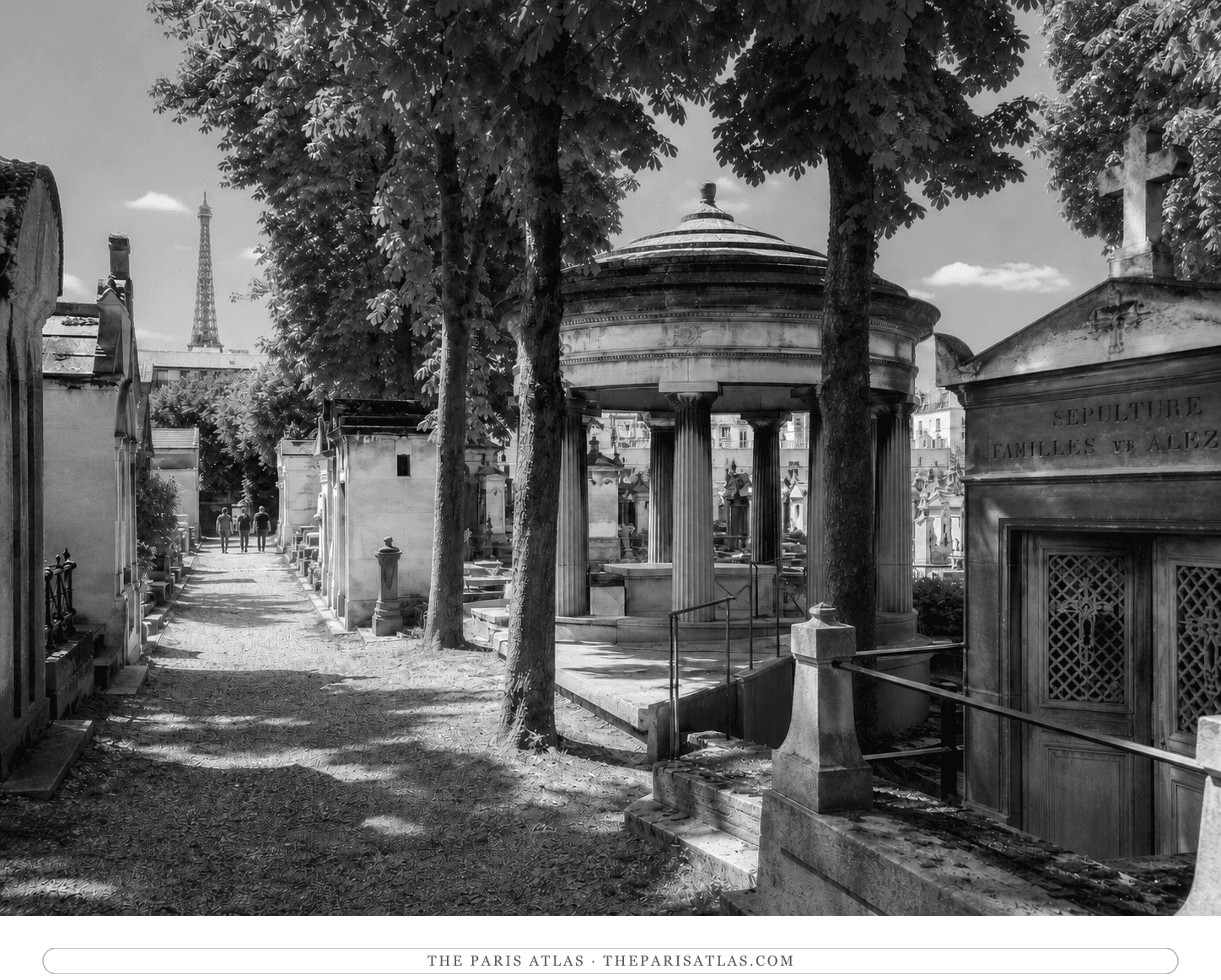
A Bar at the Folies-Bergère (1882), completed the year before his death and hung at that year's Salon, was his last major painting. In April 1883 gangrene forced the amputation of his left foot, and he died in Paris eleven days after the operation, on 30 April 1883, at fifty-one. He is buried in Passy Cemetery; Berthe Morisot, who died in 1895, was buried beside him and Eugène.
Olympia entered the national collections in 1890, when Claude Monet organized a public subscription to buy the painting from Manet's widow and present it to the French state. It hangs today in the Musée d'Orsay.
Born in Paris on 23 January, the son of a judge.
Sails on a training vessel to Rio de Janeiro after twice failing the navy's entrance examination.
Enters the studio of the academic painter Thomas Couture, where he trains until 1856.
Le Déjeuner sur l'herbe, rejected by the Salon jury, hangs at the Salon des Refusés. The same year he paints Olympia and marries Suzanne Leenhoff.
Olympia is shown at the Salon; critics condemn it as immoral, and the administration protects the canvas.
Meets Berthe Morisot and begins The Balcony, shown at the Salon of 1869 with her seated at its left.
Paints Berthe Morisot with a Bouquet of Violets, the best known of his fourteen portraits of her.
Declines to join the first Impressionist exhibition, as he will decline the seven that follow. In December, Berthe Morisot marries his brother Eugène Manet.
The French government awards him the Légion d'honneur.
A Bar at the Folies-Bergère, his last major painting, hangs at the Salon.
His left foot is amputated in April; he dies in Paris on 30 April, at fifty-one, and is buried in Passy Cemetery.
Claude Monet organizes a public subscription that buys Olympia from Manet's widow for the French state.
Met
The Met places Manet among the friends who gathered at Monet's homes and gardens and often painted alongside their host.
Met
The Met records the friendship plainly: Manet befriended Morisot, and she eventually married his younger brother Eugène. The Orsay catalogues her as 'Berthe Morisot (Madame Eugène Manet).'
Met
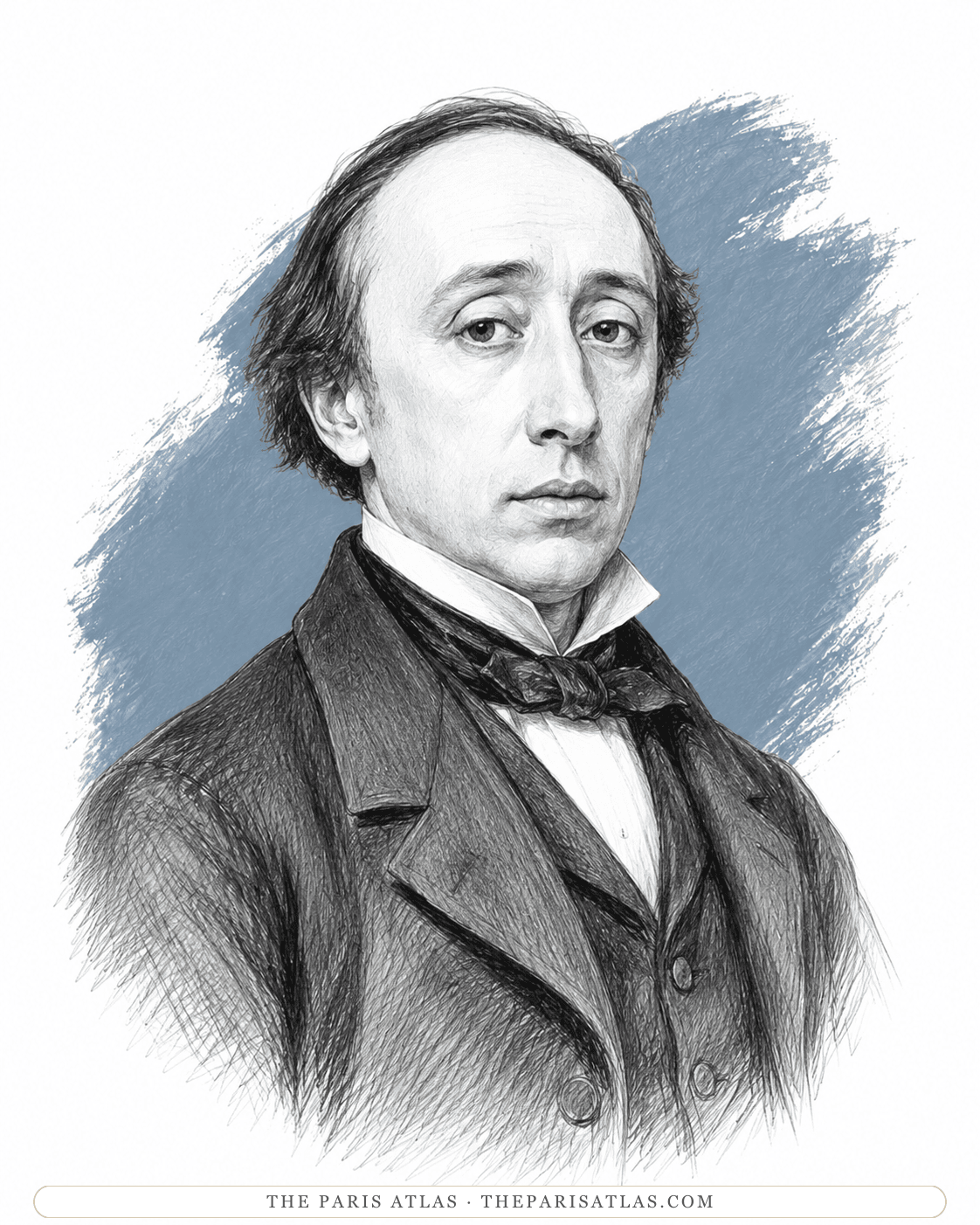
Manet's commitment to modern life shaped the circle Renoir painted in, and the Orsay names them together among the 'painters of modern life' alongside Degas, Caillebotte, and Monet; the BMJ account of Renoir's established years counts Manet among his friends.

Art movement · 1874–1886
As the admired elder who never joined: the Met records that Manet declined invitations to this and all seven subsequent independent exhibitions, while remaining central to the circle that mounted them.
Because it recast a revered old-master subject as a contemporary Parisian scene. Olympia (1863) takes its composition from Titian's Venus of Urbino (c. 1534) and replaces the goddess with a modern woman, posed by the nineteen-year-old model Victorine Meurent. When it was shown at the Paris Salon of 1865, conservative critics condemned it as immoral and vulgar, and the administration took precautions to keep the canvas from being destroyed. In 1890 Claude Monet organized the public subscription that bought it for France; it hangs in the Musée d'Orsay.
No. He declined to exhibit in any of the eight independent exhibitions the Impressionists mounted, preferring the official Salon, though he was the acknowledged elder of the circle and a friend of Claude Monet, Pierre-Auguste Renoir, Edgar Degas, and Berthe Morisot. His Le Déjeuner sur l'herbe (1863) and Olympia (1863) opened the road the younger painters took.
They were friends and colleagues from 1868, and she became his sister-in-law in December 1874, when she married his younger brother Eugène Manet. He painted Berthe Morisot fourteen times, including in The Balcony (1868–69) and Berthe Morisot with a Bouquet of Violets (1872). She was never his student, and the influence between the two painters ran in both directions.
Of complications of a long illness. Accounts of his life describe locomotor ataxia, a loss of muscular control associated with syphilis. Gangrene forced the amputation of his left foot in April 1883, and he died in Paris eleven days after the operation, on 30 April 1883, at fifty-one. He is buried in Passy Cemetery.
Le Déjeuner sur l'herbe (1863), Olympia (1863), and A Bar at the Folies-Bergère (1882), his last major painting. The Balcony (1868–69), with Berthe Morisot seated at its left, and Berthe Morisot with a Bouquet of Violets (1872) are among the best known of his portraits. Olympia and The Balcony both hang in the Musée d'Orsay.
Yes. Despite the similar names they were different painters and close friends. Manet was among the friends who gathered at Claude Monet's homes and gardens and often painted alongside his host, and in 1890, seven years after Manet's death, Monet organized the public subscription that bought Olympia for the French state.
Associated with
As the admired elder who never joined: the Met records that Manet declined invitations to this and all seven subsequent independent exhibitions, while remaining central to the circle that mounted them.
Met
The Met places Manet among the friends who gathered at Monet's homes and gardens and often painted alongside their host.
Met
The Met records the friendship plainly: Manet befriended Morisot, and she eventually married his younger brother Eugène. The Orsay catalogues her as 'Berthe Morisot (Madame Eugène Manet).'
Met
Manet's commitment to modern life shaped the circle Renoir painted in, and the Orsay names them together among the 'painters of modern life' alongside Degas, Caillebotte, and Monet; the BMJ account of Renoir's established years counts Manet among his friends.