The Paris AtlasCharting the artists, works, and places worth returning to.
  • Painter
· British · 1839–1899

Alfred Sisley

Landscape painter of the suburban Seine — one of the four who met in Gleyre's studio in 1862, and among the steadiest exhibitors of the independent shows.

In images

Details

Lived
1839–1899
Born
30 October 1839
Birthplace
Paris
Died
29 January 1899 · aged 59
Place of death
Moret-sur-Loing, France
Nationality
British
Profession
Landscape painter
Major works
Flood at Port-Marly, the Hampton Court series, Chemin de la Machine at Louveciennes, The Bridge at Moret-sur-Loing
Married
Eugénie Lescouezec · together from 1866, married 1897 until her death in 1898
Children
Pierre Sisley, Jeanne Sisley, Jacques Sisley
Roles
Painter

About Alfred Sisley

Impressionist landscape painter of the suburban Seine, its bridges and its floods

Alfred Sisley was an Impressionist landscape painter. He was born in Paris on 30 October 1839 to British parents, remained a British citizen all his life, and spent nearly all of it painting the country west and south of Paris. He produced over 900 oil paintings, almost all of them landscapes: the Seine and its bridges, the roads of Louveciennes and Marly, the floods, the snow, and the town of Moret-sur-Loing.

Among the painters who invented Impressionism, Sisley held the movement's line most steadily. He met Claude Monet, Pierre-Auguste Renoir and Frédéric Bazille in Charles Gleyre's teaching studio in 1862, went out with them to paint in the open air, and never afterward moved on to portraits, figures or any second manner. The art historian Robert Rosenblum described his work as a textbook idea of a perfect Impressionist painting.[1]

Recognition did not arrive while he could use it. His family money vanished in the Franco-Prussian War, the Salon rejected him, and he lived his last decades in poverty at Moret-sur-Loing, where he died of throat cancer on 29 January 1899, aged 59. Monet organised the auction that provided for his children, and the prices for his paintings rose almost immediately after his death.

Paris, London, and the family business refused, 1839–1861

Alfred Sisley was born in Paris on 30 October 1839, the youngest of four children of William Sisley, a prosperous British merchant of imported luxury goods, and Felicia Sell. The household was bilingual, and Alfred was the only child born in France. At eighteen he was sent to London to live with English relatives and prepare for the family import-export business. According to his friend and biographer Gustave Geffroy, what he actually studied there was painting, from J. M. W. Turner and John Constable, and literature, from Shakespeare. He showed no aptitude for commerce and returned to Paris in 1861.

That year he entered the studio of the Swiss teacher Charles Gleyre at the École des Beaux-Arts, where he met Frédéric Bazille, Claude Monet and Pierre-Auguste Renoir. Chafing at Gleyre's classical drills, the four began leaving Paris to paint landscape outdoors, in the forest of Fontainebleau and the villages around the city, before any of them had a name for what they were doing. Unlike Monet and Renoir, Sisley had an allowance from his family; Renoir became a close friend, shared a studio with him, and painted his father's portrait.[1][2]

Eugénie, the war, and the end of the money, 1866–1871

In 1866 Sisley met Eugénie Lescouezec, an artists' model and florist living in the Batignolles quarter of Paris. Their son Pierre was born in 1867 and their daughter Jeanne in 1869; a second son, Jacques, born in 1871, died in infancy. The couple did not marry until thirty-one years later, and the relationship estranged Sisley from his family.

The Franco-Prussian War of 1870 ended everything comfortable in his life at once. His father's business collapsed, the family remittances stopped, and his studio at Bougival, with his early work in it, was destroyed. From 1871 until his death Sisley painted under financial pressure, dependent on dealers and patrons: Paul Durand-Ruel, Georges Petit, the opera singer Jean-Baptiste Faure, and the Rouen industrialist François Depeaux.

The Impressionist decade, 1872–1880

Sisley's mature manner arrived with the 1870s: riverside towns, roads receding under big skies, water, snow and weather, painted on the spot in broken colour. He worked at Argenteuil, Villeneuve-la-Garenne, Louveciennes and Marly-le-Roi, and showed with the independent group from its first exhibition in 1874, the show that got the painters the name Impressionists. His paintings of the 1876 flood at Port-Marly, water standing in a village street, are among the movement's acknowledged masterpieces.[3]

Alfred Sisley in 1882. Only a handful of photographs of him survive. (Unknown photographer, via Wikimedia Commons · Public domain)

In 1874, after the first group exhibition, Faure took him to London, where he painted about twenty canvases of the Thames at East Molesey and Hampton Court. The art historian Kenneth Clark later called the series a perfect moment of Impressionism. The skies carry these pictures, as they carry most of his work: Sisley concentrated on landscape more consistently than any other painter of the movement.

Moret-sur-Loing and the long neglect, 1880–1897

Around 1880 Sisley moved his family to the region of Moret-sur-Loing, a small town at the edge of the Fontainebleau forest. He painted it for the rest of his life: the stone bridge, the church, the poplars, the canal of the Loing. The Salon went on refusing him, sales stayed thin, and he watched Monet's and Renoir's reputations pull away from his own while his prices barely moved. Painting trips grew rare; a planned 1881 visit to the Isle of Wight collapsed when his canvases were never delivered.

In 1897, with Eugénie already ill with throat cancer, the couple made a last trip to Britain, funded by Depeaux. At Cardiff Register Office on 5 August 1897 they finally married, legitimising Pierre and Jeanne and securing their inheritance, and honeymooned at Langland Bay on the Gower Peninsula, where Sisley painted the sea, his only marine subjects. They returned to Moret in October. In 1898 he applied twice for French citizenship; the first application was refused, and illness overtook the second. He died a British citizen.

Death at Moret, January 1899

Eugénie died of her cancer on 8 October 1898. Sisley, by then dying of the same disease, throat cancer, was too ill to attend her funeral. In his last days he sent for Monet and asked him to look after his children. He died at Moret-sur-Loing on 29 January 1899, aged 59, and was buried there on 1 February, with Monet, Renoir and other painter friends at the graveside.

Monet kept his promise with an auction. On 1 May 1899 the Galerie Georges Petit sold twenty-seven Sisley paintings and six pastels from the studio, along with works donated by friends across the movement, raising 145,000 francs for Pierre and Jeanne. The market Sisley never saw arrived at almost the same moment: his prices began climbing within a year of his death, and have never fallen back.

How Sisley painted

Sisley painted outdoors, in front of the subject, more consistently than any of his colleagues. His subject was nearly always the same: water, sky and the built edges of country towns, held in a composition steadied by a road, a bridge or a line of poplars. The early canvases are sombre, browns and greens in the manner of Corot and Courbet; from the early 1870s the palette lightens into broken touches of clear colour. His skies are the signature, taking up half of many canvases and setting the weather of the whole picture.[3]

He repeated motifs in series, the Hampton Court reaches of the Thames in 1874, the Port-Marly flood in 1876, the church at Moret in the 1890s, watching one subject change under different light. Beside Monet's, his effects are quieter, and that restraint is the ground of both the old neglect and the modern respect. He left over 900 oils and about 100 pastels.

Reputation, and the paintings that keep being stolen

In his lifetime Sisley was the least sold and least praised of the core Impressionist landscape painters. Since his death he has been steadily re-rated. Major retrospectives have run in London, Paris and Baltimore (1992–93), across Japan (2000), in Ferrara, Madrid and Lyon (2002–03), and in London and Cardiff (2008–09). The Musée d'Orsay holds The Bridge at Moret-sur-Loing; the Art Institute of Chicago holds Street in Moret and Sand Heaps.

His canvases have had an eventful afterlife. The Lane of Poplars at Moret has been stolen from the Musée des Beaux-Arts in Nice three times, in 1978, in 1998 when the museum's own curator was convicted of the theft, and in 2007, and recovered each time. During the Nazi years a number of Sisleys were looted from Jewish collectors; some, including Spring Sunshine on the Loing, have been restituted to the owners' heirs, and the German Lost Art Foundation still lists two dozen missing.

Life events

  1. 1839

    Born in Paris on 30 October to William Sisley, a British luxury-goods merchant, and Felicia Sell.

    — Alfred Sisley

  2. 1857

    Sent to London at eighteen for a career in the family business; studies Turner and Constable instead.

    — Alfred Sisley

  3. 1862

    Meets Monet, Renoir and Bazille in Charles Gleyre's studio, and begins painting outdoors with them.

    — Frédéric Bazille (1841–1870): The Youth of Impressionism — Musée d'Orsay

  4. 1866

    Meets Eugénie Lescouezec in the Batignolles quarter; their son Pierre is born the next year.

    — Alfred Sisley

  5. 1870

    The Franco-Prussian War destroys his father's business and his own Bougival studio; the family money ends.

    — Alfred Sisley

  6. 1874

    Shows in the first Impressionist exhibition, then paints the Thames at Hampton Court on a trip funded by the singer Jean-Baptiste Faure.

    — Alfred Sisley

  7. 1876

    Paints the flood at Port-Marly, the series that stands among the movement's masterpieces.

    — Alfred Sisley

  8. 1880

    Moves to the country around Moret-sur-Loing, his subject for the rest of his life.

    Alfred Sisley in 1882, photographer unknown. Only a handful of photographs of Sisley survive, and none in high resolution. (Unknown photographer, via Wikimedia Commons)

    — Alfred Sisley

  9. 1897

    Marries Eugénie at Cardiff Register Office on 5 August, thirty-one years into their life together, and paints his only seascapes at Langland Bay.

    — Alfred Sisley

  10. 1898

    France refuses his citizenship application; Eugénie dies of throat cancer on 8 October.

    — Alfred Sisley

  11. 1899

    Dies of throat cancer at Moret-sur-Loing on 29 January, aged 59; Monet organises the benefit auction for his children.

    — Alfred Sisley

Selected works

Cataloged from the holding institutions' records. Reproductions appear only where the rights are verified.

Paintings

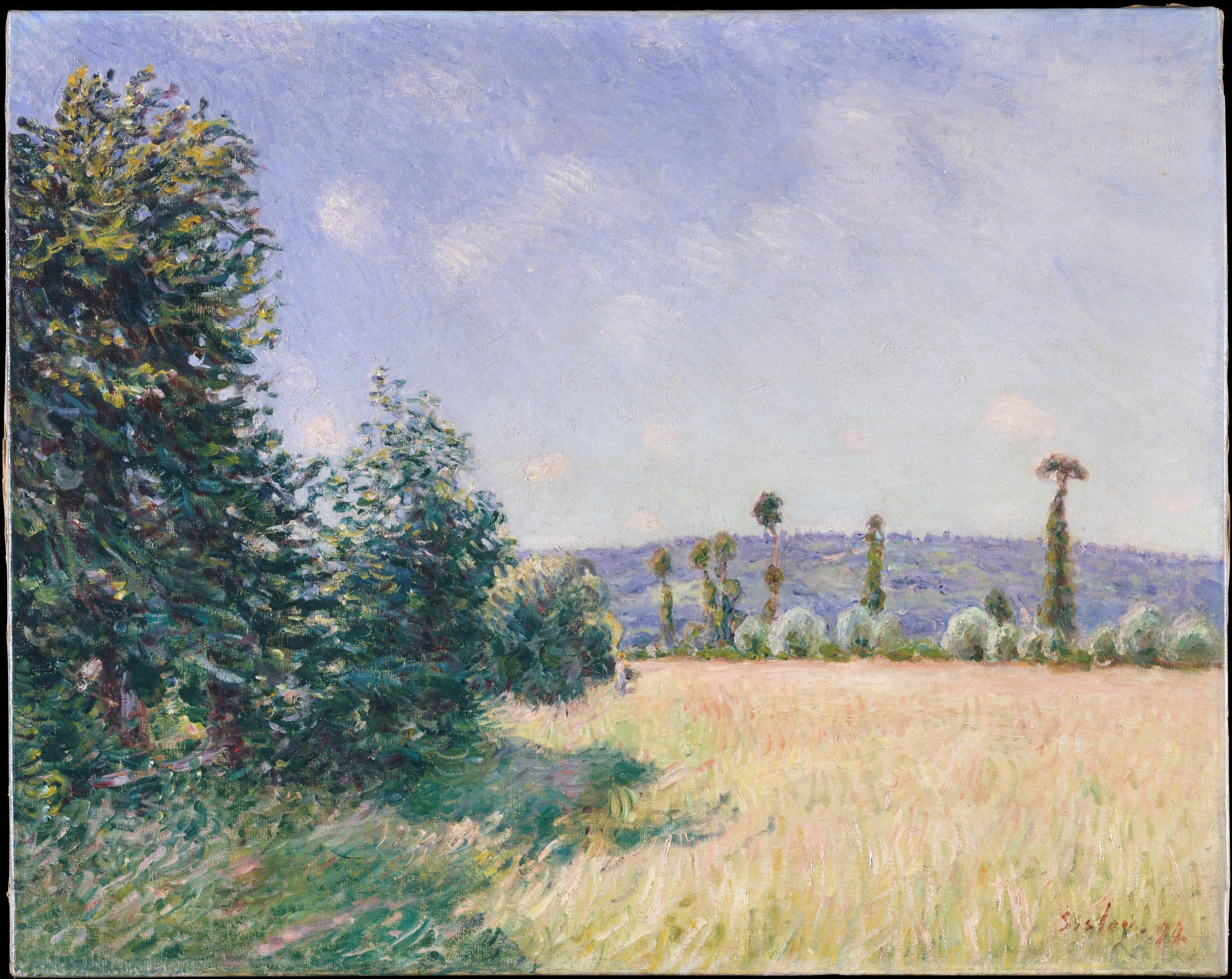
Sisley's Sahurs Meadows in Morning Sun: a dense mass of dark green trees filling the left of the canvas, an open meadow of cream and pink standing grass running away to the right, tall slender pollarded trees and low blue-violet hills across the background, under a pale lavender sky

Artwork reproduction

Painting

Sahurs Meadows in Morning Sun

1894 · Oil on canvas

Dark trees fill the left of the canvas and an open meadow of pale standing grass runs away to the right, with a line of tall pollarded trees and low blue hills behind it. Alfred Sisley painted it near Rouen in the summer of 1894, while staying with his patron François Depeaux. It is at the Metropolitan Museum of Art.
The Metropolitan Museum of Art

Alfred Sisley, Sahurs Meadows in Morning Sun, 1894. The Metropolitan Museum of Art. Image: CC0.

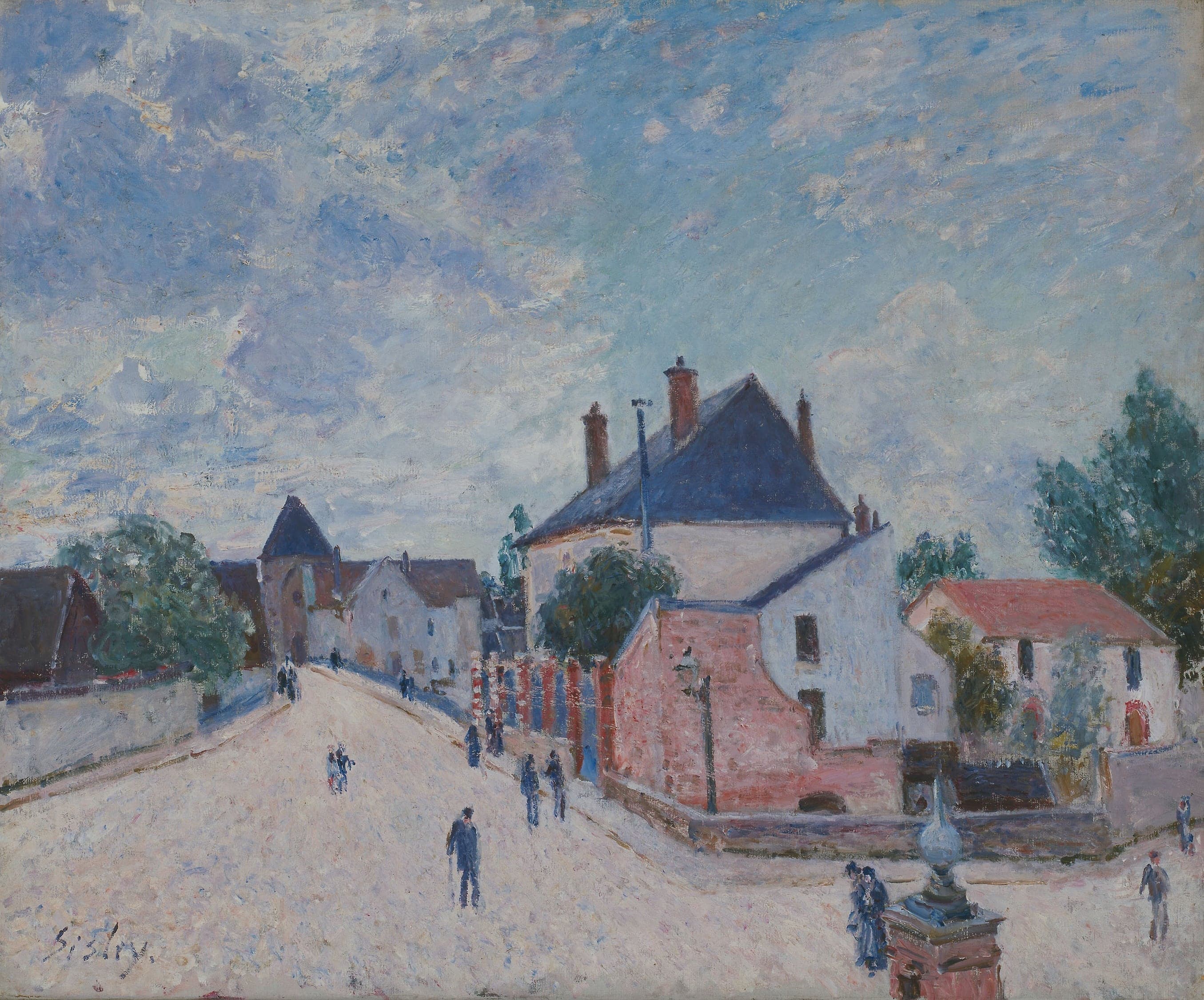
Sisley's Street in Moret: a wide pale street filling the bottom of the canvas with a dozen or more small figures crossing it, a large white house under a steep blue-grey roof with red brick chimneys at the right, a run of red, white and blue bands along its side, a squat stone tower closing the far end, and a stone monument base toward the lower right

Artwork reproduction

Painting

Street in Moret

c. 1890 · Oil on canvas

A broad pale street runs up through the middle of a small town, with a large house under a steep slate roof at its bend and townspeople crossing the open ground. Alfred Sisley painted it at Moret-sur-Loing about 1890, in the town where he spent his last decade. It is at the Art Institute of Chicago.

Art Institute of Chicago

Alfred Sisley, Street in Moret, c. 1890. Art Institute of Chicago. Image: public domain.

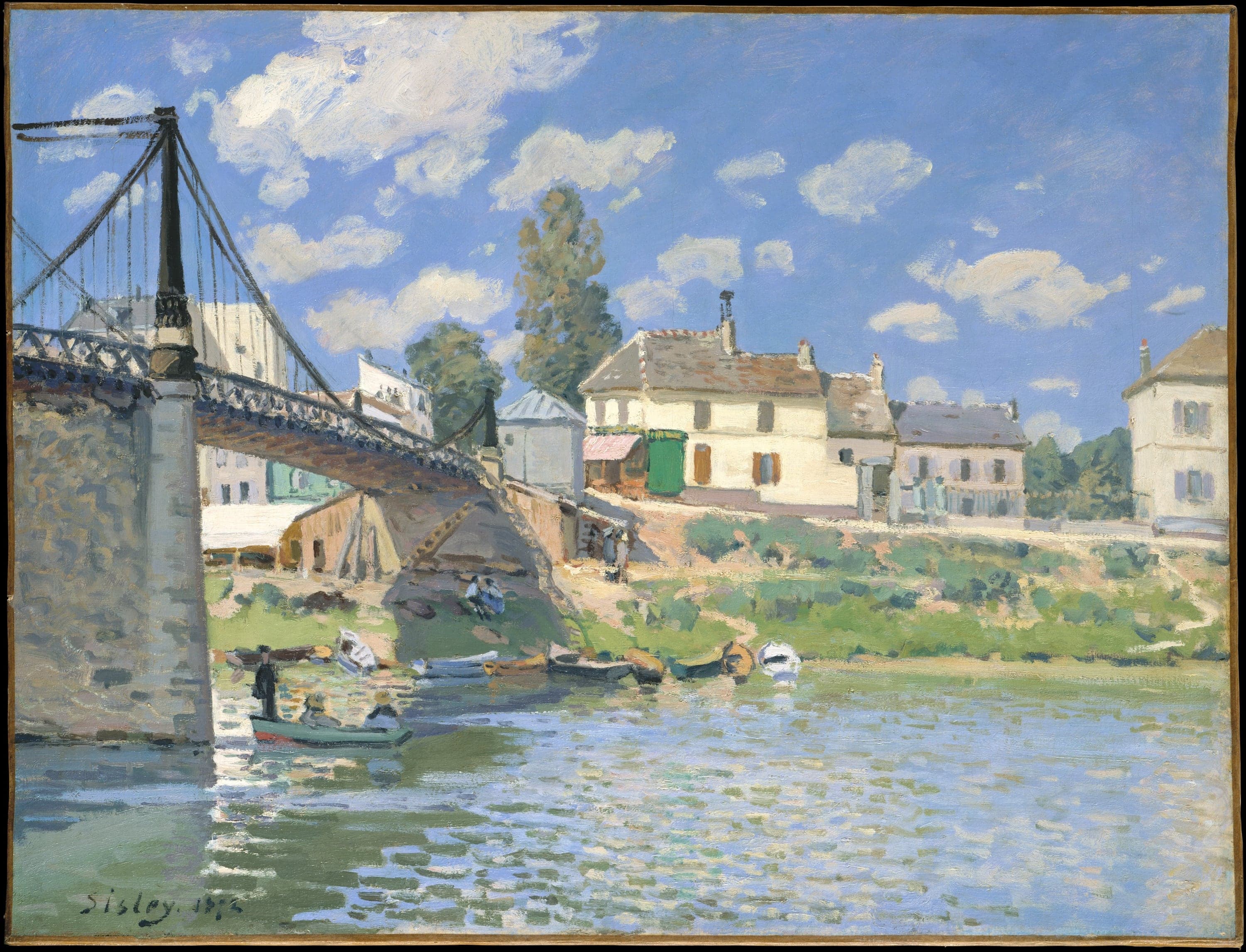
Sisley's The Bridge at Villeneuve-la-Garenne: a dark iron suspension bridge crossing the Seine from the left, its cables fanning from a tall pylon on a stone pier, a green rowing boat with three people passing beneath it, moored boats along the bank and a row of cream houses with tiled and slated roofs on the far side under a blue sky of white clouds

Artwork reproduction

Painting

The Bridge at Villeneuve-la-Garenne

1872 · Oil on canvas

A suspension bridge crosses the Seine at Villeneuve-la-Garenne, a village downstream of Paris, with a rowing boat passing beneath it and the village houses along the far bank. Alfred Sisley painted it in 1872, two years before the first Impressionist exhibition opened. The Metropolitan Museum of Art has held it since 1964.

The Metropolitan Museum of Art

Alfred Sisley, The Bridge at Villeneuve-la-Garenne, 1872. The Metropolitan Museum of Art. Image: CC0.

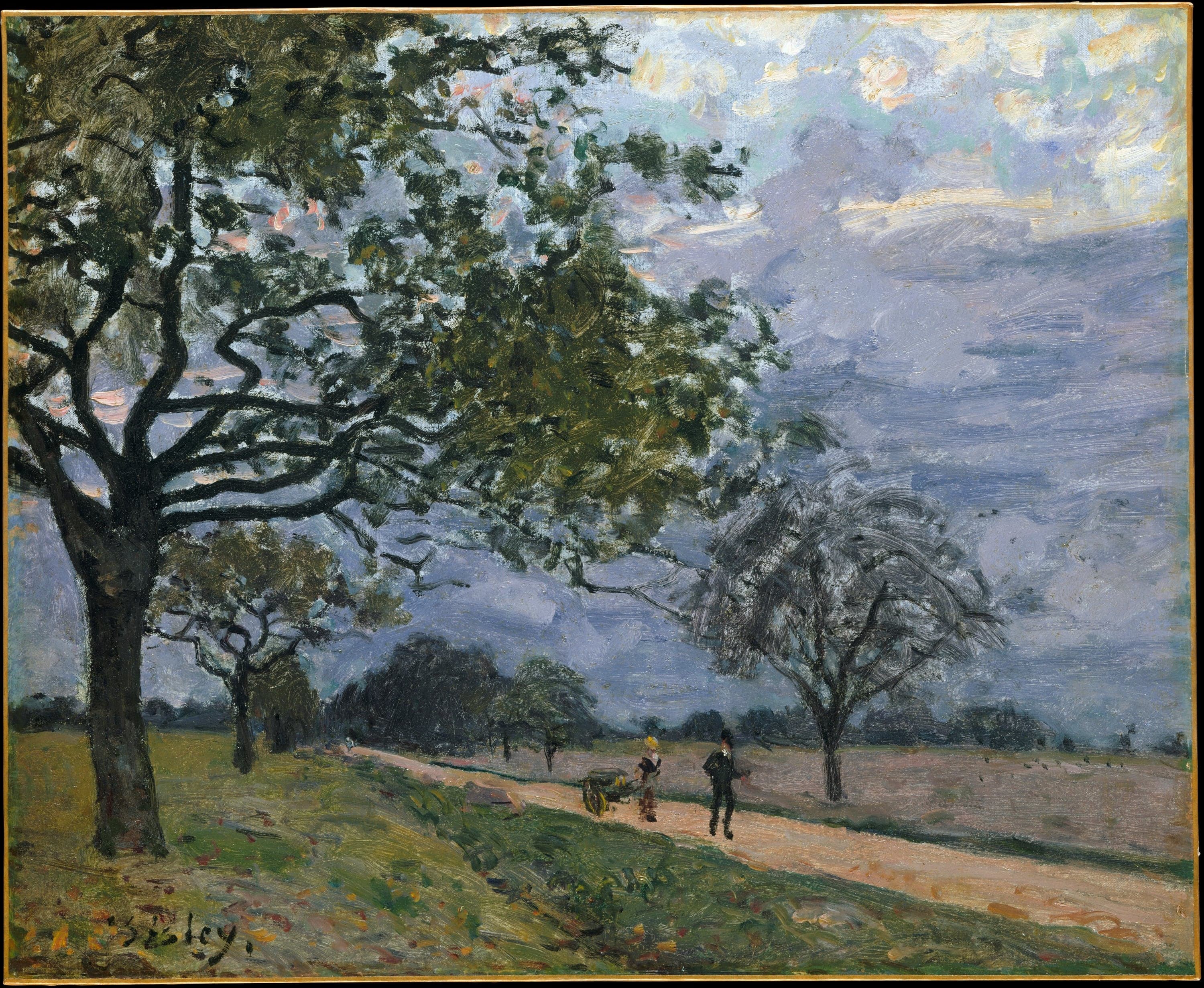
Sisley's The Road from Versailles to Louveciennes: a large dark-leaved tree filling the left of the canvas, a pale road running diagonally out of the lower right corner past a woman with a yellow-wheeled handcart and a man in a dark coat, a flat field of bare pinkish-mauve earth to the right and a lavender-grey sky streaked with cream above

Artwork reproduction

Painting

The Road from Versailles to Louveciennes

probably 1879 · Oil on canvas

A country road runs out of the lower right corner under a heavy grey sky, with a large tree filling the left of the canvas and two walkers and a handcart standing on the road itself. The Metropolitan Museum of Art dates it probably 1879, from the years Alfred Sisley worked in the villages west of Paris.

The Metropolitan Museum of Art

Alfred Sisley, The Road from Versailles to Louveciennes, probably 1879. The Metropolitan Museum of Art. Image: CC0.

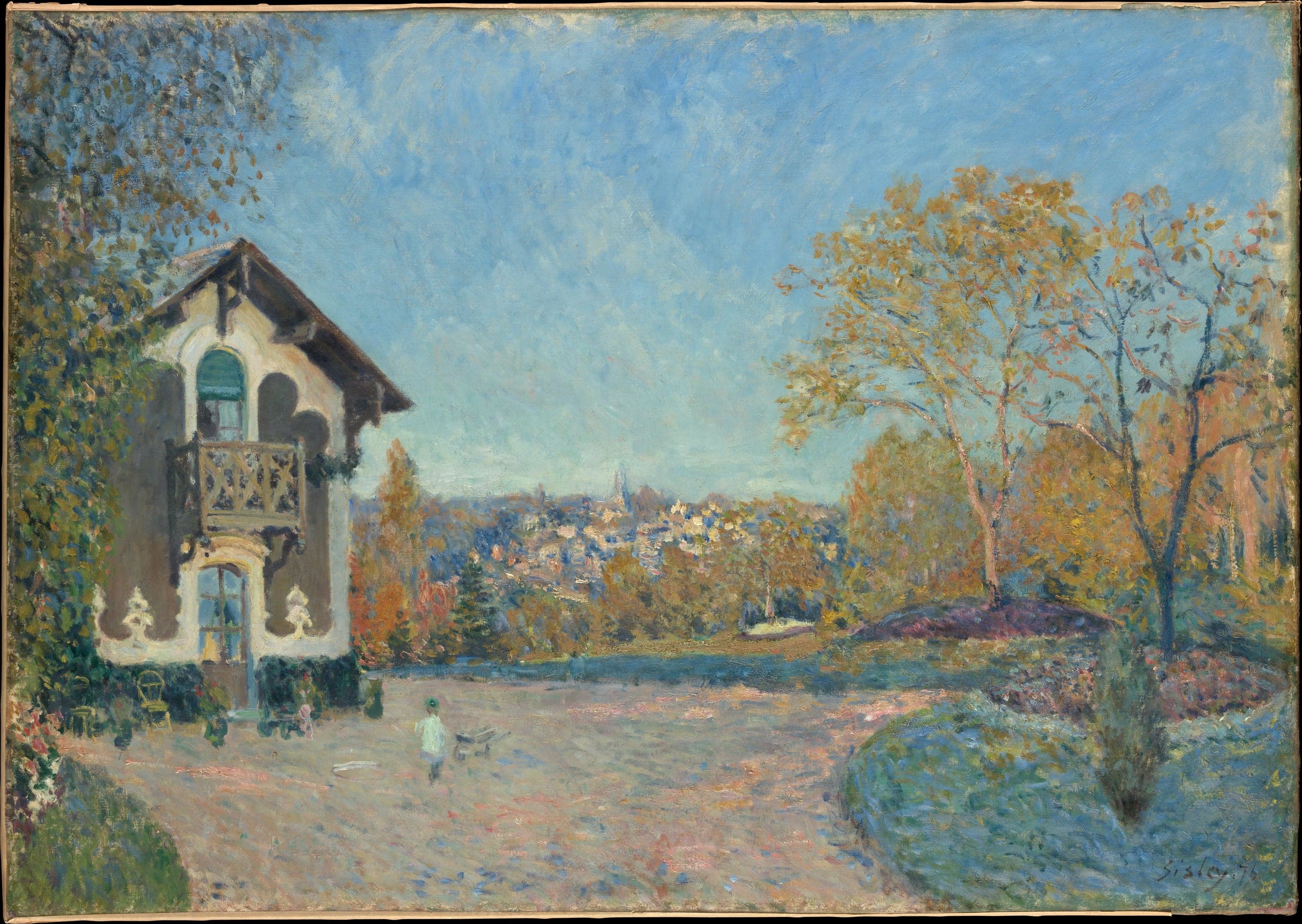
Sisley's View of Marly-le-Roi from Coeur-Volant: a chalet-style house with a wooden balcony at the left, a group of slender trees in orange and gold autumn foliage at the right, a wide stretch of bare pink and lavender ground between them with a small child in a green hat beside a wheelbarrow, and a village with a church spire on the hillside beyond

Artwork reproduction

Painting

View of Marly-le-Roi from Coeur-Volant

1876 · Oil on canvas

A chalet-style house stands at the left of a wide stretch of open ground, with a group of slender trees in gold autumn foliage at the right and the village of Marly-le-Roi on the hillside beyond. Alfred Sisley painted it in 1876, during the years he lived in the villages west of Paris. It is at the Metropolitan Museum of Art.
The Metropolitan Museum of Art

Alfred Sisley, View of Marly-le-Roi from Coeur-Volant, 1876. The Metropolitan Museum of Art. Image: CC0.

People Alfred Sisley Knew

Relationships with other people, with sources for each connection.

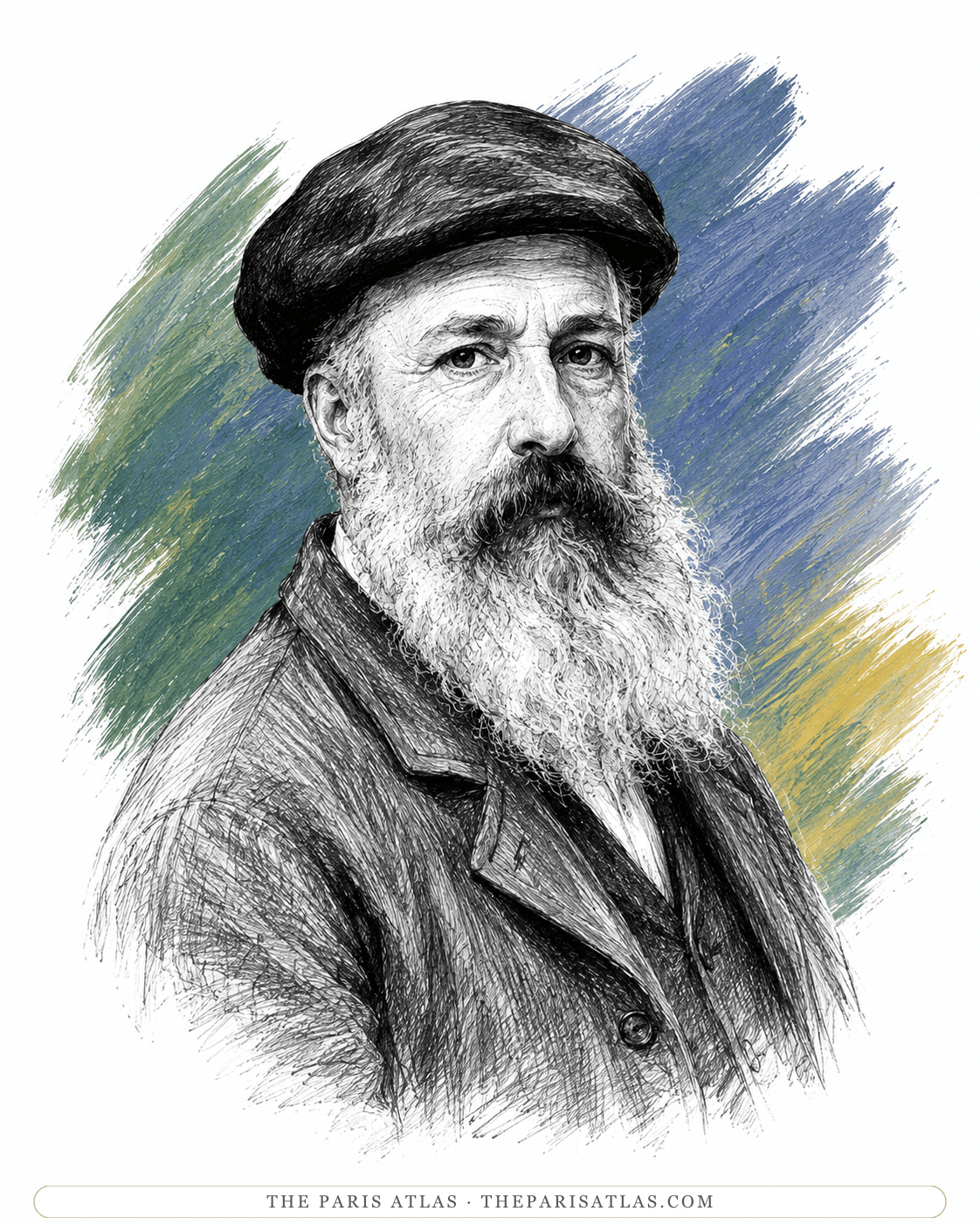
Illustrated portrait of Claude Monet

Claude Monet

  • Painter

Met · 1862

They met in Charles Gleyre's studio in 1862, alongside Renoir and Bazille — the Orsay's account of the movement's student generation.

— Frédéric Bazille (1841–1870): The Youth of Impressionism — Musée d'Orsay

Illustrated portrait of Pierre-Auguste Renoir

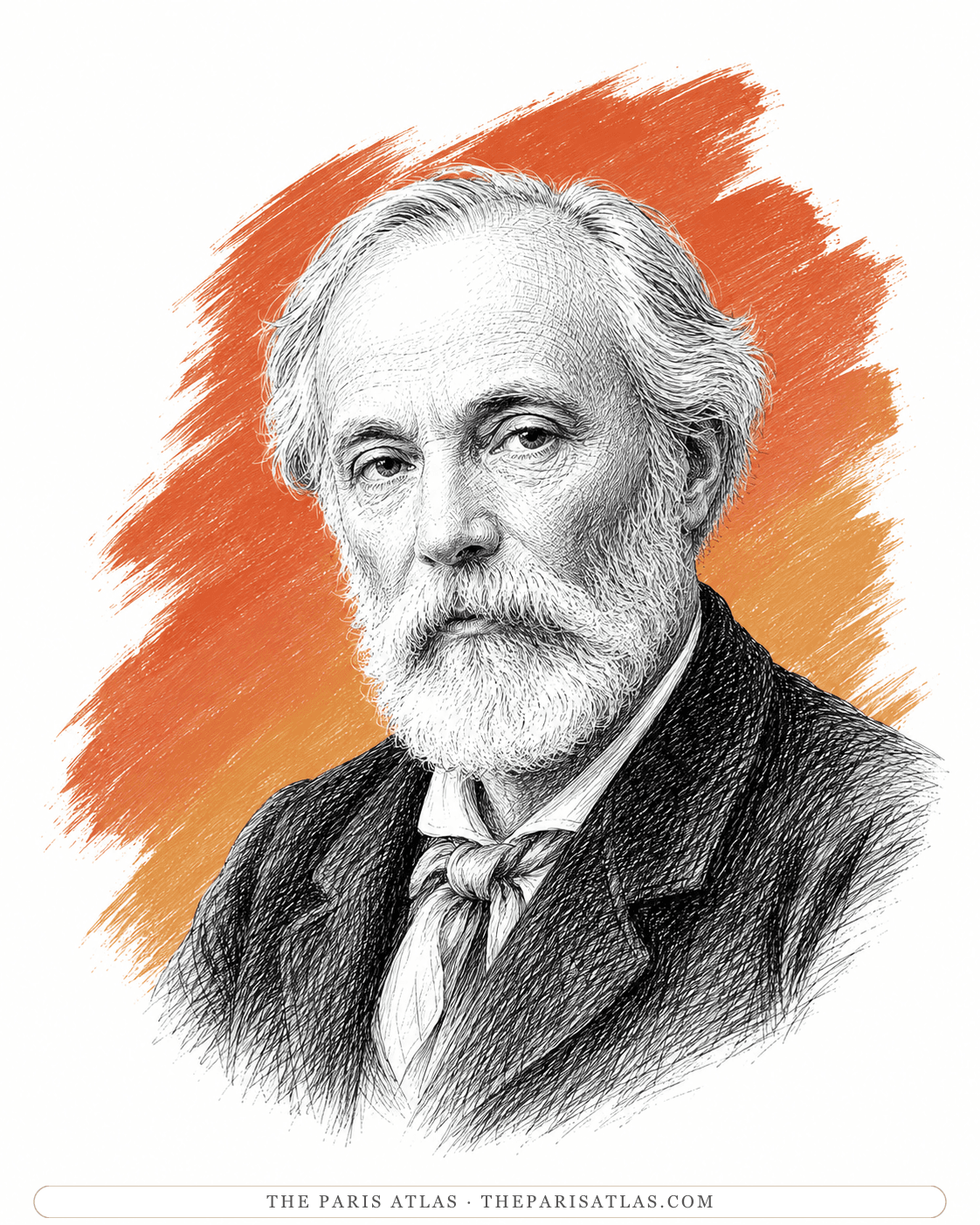
Pierre-Auguste Renoir

  • Painter
  • Sculptor

Met · 1862

Fellow students in Charles Gleyre's studio from 1861–62, where Renoir also met Monet and Bazille; the four painted together in the forest of Fontainebleau before any of them had a name for what they were doing.

— Auguste Renoir (1841–1919) — The Metropolitan Museum of Art; Pierre-Auguste Renoir (1841–1919) — National Gallery, London

Who Alfred Sisley Inspired

People who found inspiration in Alfred Sisley’s work.

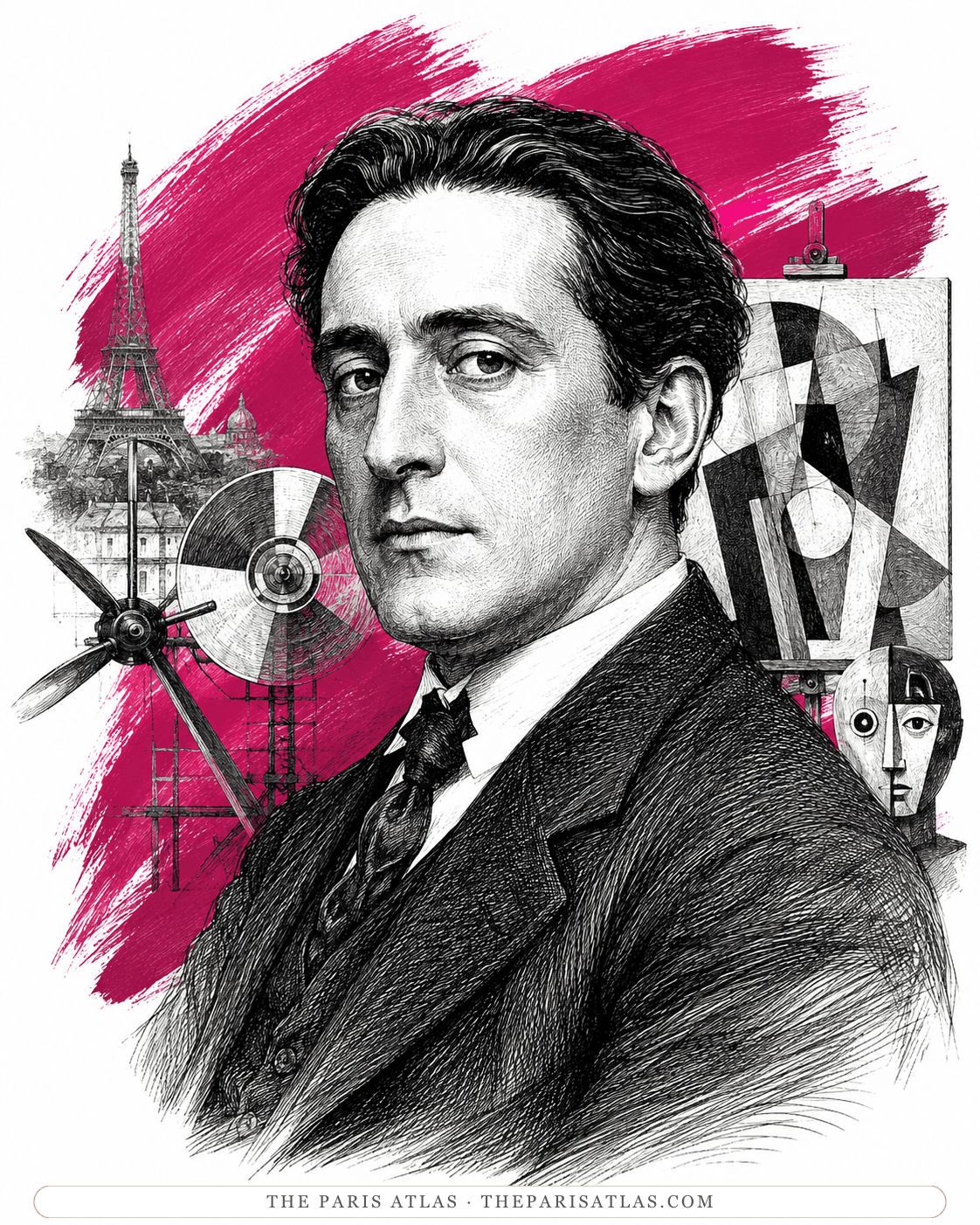
Illustrated portrait of Francis Picabia

Francis Picabia

Picabia's first successful manner, from 1903 to 1908, was Impressionist landscape taken straight from Alfred Sisley: small churches, lanes, riverbanks, wash houses and barges. Critics questioned his originality by naming the debt outright, and the discomfort of painting in a dead man's style helped push him toward Cubism and everything after.

— Francis Picabia

Movements

The artistic and literary currents this life ran through.

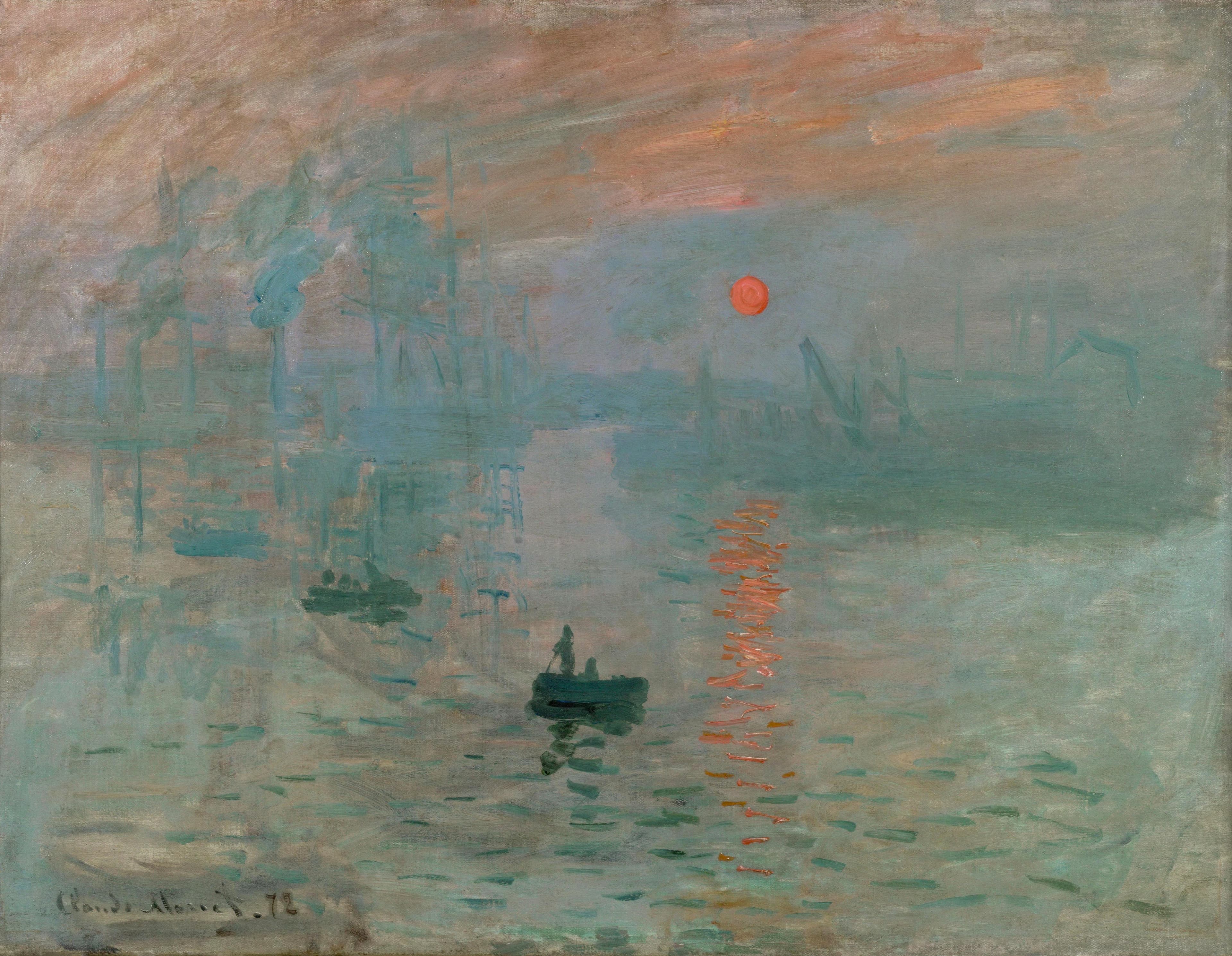
An orange sun over a hazy blue-grey harbor, small boats in the foreground, painted in loose broken strokes

Art movement · 1874–1886

Impressionism

Among the painters of the independent exhibitions from the Gleyre-studio generation; the Met counts him through the shifting roster of the eight shows.

— Impressionism: Art and Modernity — The Metropolitan Museum of Art; Frédéric Bazille (1841–1870): The Youth of Impressionism — Musée d'Orsay

Questions about Alfred Sisley

Who was Alfred Sisley?

Alfred Sisley (1839–1899) was an Impressionist landscape painter, born in Paris to British parents and a British citizen all his life. He met Claude Monet, Pierre-Auguste Renoir and Frédéric Bazille in Charles Gleyre's studio in 1862, and exhibited in the first Impressionist show of 1874. He painted more than 900 oils, nearly all landscapes of the country west and south of Paris: the Seine, the roads of Louveciennes, the floods at Port-Marly, and the town of Moret-sur-Loing.

Was Alfred Sisley French or English?

Legally English, in every other way French. Sisley was born in Paris to British parents, spoke both languages, and spent almost his whole life in France, but he remained a British citizen to the end. He applied for French citizenship in 1898 and was refused; a second application was overtaken by his final illness. His painting belongs entirely to the French landscape tradition, which is why he is routinely described as a French Impressionist.

What are Alfred Sisley's most famous paintings?

The flood pictures painted at Port-Marly in 1876, above all Flood at Port-Marly. Then the 1874 series of the Thames at Hampton Court and East Molesey, which Kenneth Clark called a perfect moment of Impressionism. Add Chemin de la Machine, Louveciennes (1873) and The Bridge at Moret-sur-Loing (1893), now in the Musée d'Orsay. The Art Institute of Chicago holds Street in Moret and Sand Heaps.

Why was Sisley less famous than Monet and Renoir?

Partly subject, partly temperament, partly luck. Sisley painted quiet suburban landscape his whole career, never moving to the figures, portraits and grand series that carried his friends to fame, and his effects are more subdued than Monet's, whose work his superficially resembles. He also lost his family money in 1870 and had no talent for self-promotion. The revaluation came after his death: within a year his prices had multiplied, and he is now counted among the movement's essential painters.

How did Alfred Sisley die?

Of throat cancer, at Moret-sur-Loing on 29 January 1899, at 59. His wife Eugénie had died of the same disease three months earlier, and he was too ill to attend her funeral. Days before his death he asked Claude Monet to look after his children, Pierre and Jeanne, who were left with little but the unsold paintings in the studio. Monet organised a benefit auction at the Galerie Georges Petit that May, which raised 145,000 francs for them.

Where can you see Sisley's paintings?

The Musée d'Orsay in Paris has a strong group, including The Bridge at Moret-sur-Loing, Fog at Voisins and the St. Martin Canal. The Art Institute of Chicago, the Metropolitan Museum of Art in New York, the National Gallery of Art in Washington and the Walters Art Museum in Baltimore all hold major canvases. The towns he painted, Moret-sur-Loing especially, still look strikingly like his pictures.

Connections and Sources

Alfred Sisley’s connections to people, places, and works, with the sources behind each one.

Associated with

Impressionism

Among the painters of the independent exhibitions from the Gleyre-studio generation; the Met counts him through the shifting roster of the eight shows.

— Impressionism: Art and Modernity — The Metropolitan Museum of Art; Frédéric Bazille (1841–1870): The Youth of Impressionism — Musée d'Orsay

Met · 1862

Claude Monet

They met in Charles Gleyre's studio in 1862, alongside Renoir and Bazille — the Orsay's account of the movement's student generation.

— Frédéric Bazille (1841–1870): The Youth of Impressionism — Musée d'Orsay

Influenced · 1903–1908

Francis Picabia

Picabia's first successful manner, from 1903 to 1908, was Impressionist landscape taken straight from Alfred Sisley: small churches, lanes, riverbanks, wash houses and barges. Critics questioned his originality by naming the debt outright, and the discomfort of painting in a dead man's style helped push him toward Cubism and everything after.

— Francis Picabia

Met · 1862

Pierre-Auguste Renoir

Fellow students in Charles Gleyre's studio from 1861–62, where Renoir also met Monet and Bazille; the four painted together in the forest of Fontainebleau before any of them had a name for what they were doing.

— Auguste Renoir (1841–1919) — The Metropolitan Museum of Art; Pierre-Auguste Renoir (1841–1919) — National Gallery, London

References

References

The sources below include biographies, scholarly essays, interviews, and primary materials that informed this page. They reflect both the historical record and ongoing critical conversations about Alfred Sisley and their work.

  1. 1abFrédéric Bazille (1841–1870): The Youth of Impressionism — Musée d'Orsay

    Website
    Musée d'Orsay
    Used for

    Web source consulted for documented facts and historical context presented on the Alfred Sisley page.

    View source
  2. 2↑Pierre-Auguste Renoir (1841–1919) — National Gallery, London

    Website
    The National Gallery, London
    Used for

    Web source consulted for documented facts and historical context presented on the Alfred Sisley page.

    View source
  3. 3abImpressionism: Art and Modernity — The Metropolitan Museum of Art

    Website
    The Metropolitan Museum of Art
    Used for

    Web source consulted for documented facts and historical context presented on the Alfred Sisley page.

    View source
  4. 4Sisley

    Biography
    G. Crès et Cie, 1927
    Used for

    Gustave Geffroy knew Sisley from the Impressionists' dinners at the Café Riche and visited him at Moret. His monograph gives the birth in Paris on 30 October 1839 to English parents, the father's plan of a commercial career, the years in England studying Turner, Constable and Shakespeare, the entry to Gleyre's studio in 1862 alongside Monet, Renoir and Bazille, the Welsh coast subjects at Penarth, Lady's Cove, Storr's Rock and Langland Bay, and Monet's letter of January 1899 announcing the death.

    View source
  5. 5Sisley in England and Wales | Press Release: August 2008

    Website
    National Gallery, London, 2008
    Used for

    The National Gallery's release for its 2008–09 exhibition with Amgueddfa Cymru. States that Sisley was born in Paris to English parents and always remained a British subject, that the United Kingdom was the only country he ever visited outside France, and that the 1897 journey was made in order to marry Eugénie Lescouzec in Wales.

    View source
  6. 6Sisley in England and Wales

    Exhibition catalogue
    National Gallery Company, 2008
    Used for

    The booklet by the exhibition's curator, on the 1874 Thames campaign at Hampton Court and East Molesey and the 1897 Welsh seascapes.

  7. 7Storr Rock, Lady's Cove, le soir

    Website
    Amgueddfa Cymru – Museum Wales
    Used for

    The Cardiff museum's record for one of the Langland Bay canvases: Sisley spent July to September 1897 at Penarth and Langland Bay, married Eugénie Lescouzec during the Penarth stay, honeymooned at Langland Bay while both were in declining health, and produced there his only seascapes.

    View source
  1. 8Alfred Sisley 1839–1899

    Website
    Tate
    Used for

    Tate's biography: the four years in London preparing for a commercial career, Gleyre's studio in 1862, the move outdoors with Monet, Renoir and Bazille, the Impressionist exhibitions of 1874, 1876, 1877 and 1882, and the settlement near Moret-sur-Loing in 1880.

    View source
  2. 9Catalogue de Tableaux, Etudes, Pastels de l'Atelier d'Alfred Sisley... Vente, Galerie Georges Petit, le 1er Mai 1899

    Official record
    Bibliothèque nationale de France, catalogue général, 1899
    Used for

    The BnF catalogue record for the studio sale catalogue: paintings, studies and pastels from Sisley's studio, sold at the Galerie Georges Petit on 1 May 1899.

    View source
  3. 101889 : Alfred Sisley s'installe à Moret-sur-Loing

    Archive
    Archives départementales de Seine-et-Marne
    Used for

    The departmental archives on Sisley at Moret-sur-Loing, where he lived from 1889 until his death, and on the monument raised to him there in 1911.

    View source
  4. 11Street in Moret

    Website
    The Art Institute of Chicago
    Used for

    The Art Institute of Chicago's record for Street in Moret, one of the two Sisleys the museum holds.

    View source
  5. 12Auguste Renoir (1841–1919) — The Metropolitan Museum of Art

    Website
    The Metropolitan Museum of Art
    Used for

    Web source consulted for documented facts and historical context presented on the Alfred Sisley page.

    View source
  6. 13Alfred Sisley

    Website
    Wikipedia
    Used for

    Reference article cross-checked for the biography, the Cardiff marriage, the citizenship refusals, the death, and the benefit auction.

    View source
i
Why these sources are here

These references anchor the page in the documented record and in the scholarly conversations around Alfred Sisley. Every claim on this page traces back to one or more of the works listed here.

Explore more resources