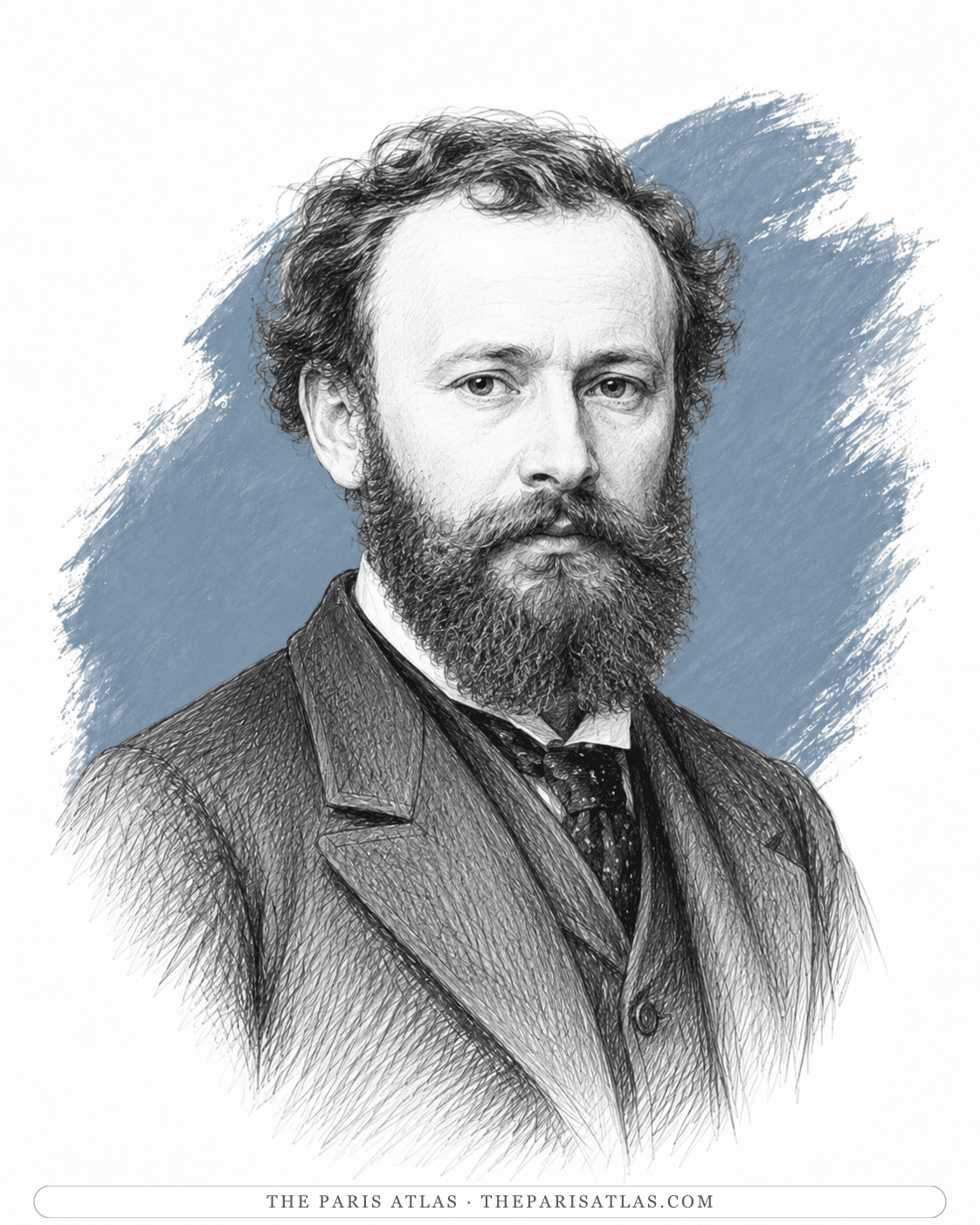
Édouard Manet
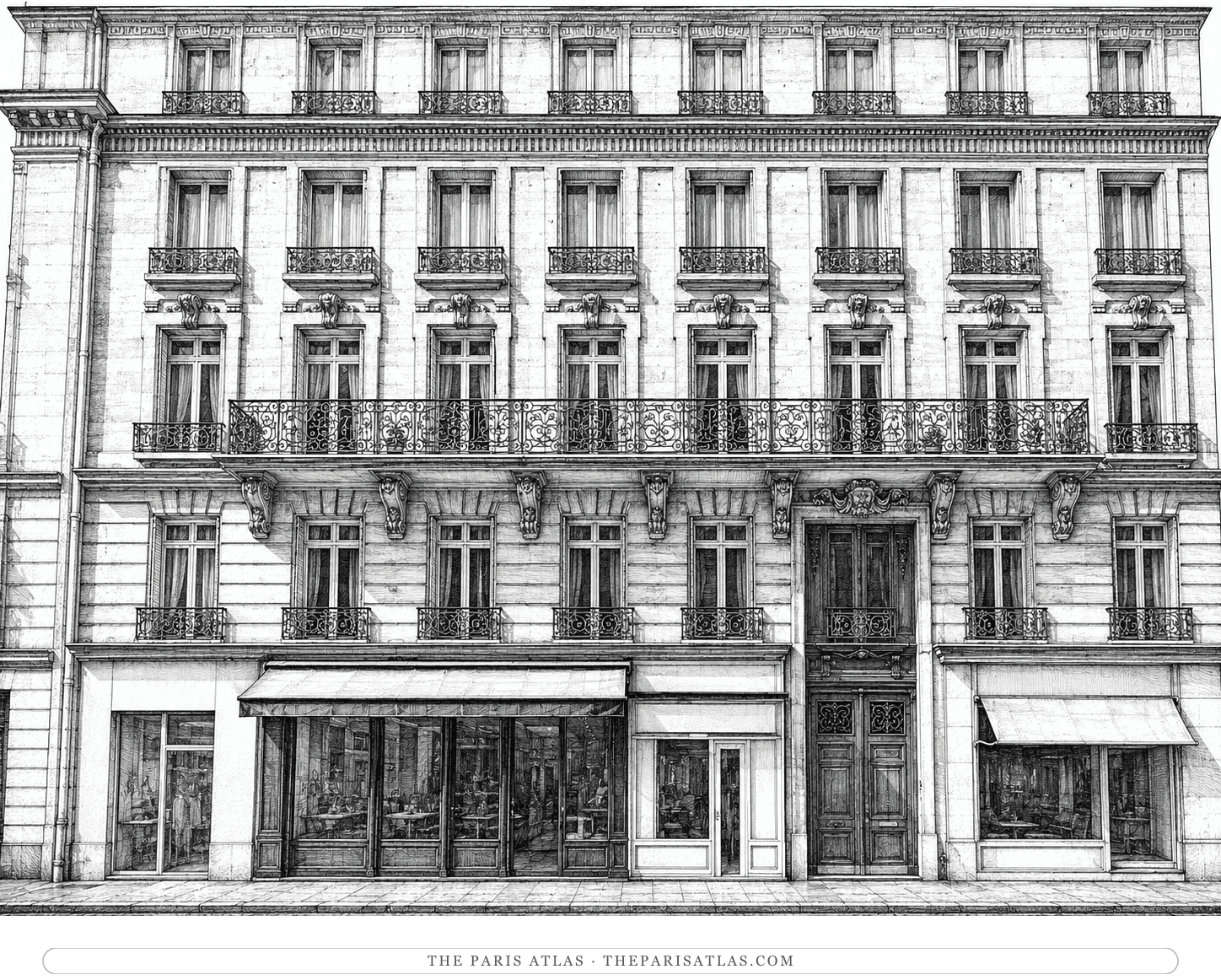
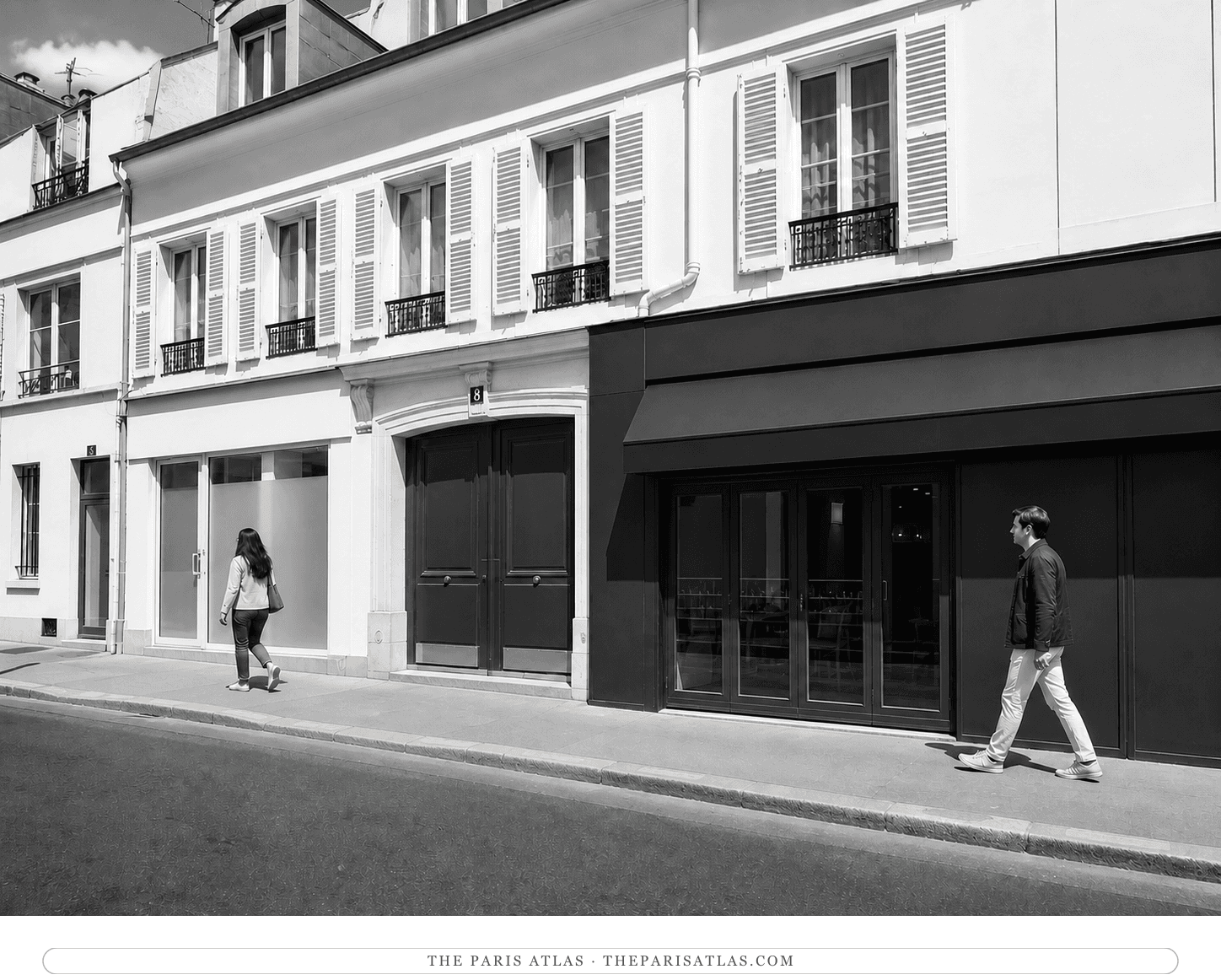
Manet's studio through the 1860s, where Emile Zola sat for his portrait in 1868. The street was later renamed rue Mederic and renumbered, so the modern address is a conversion rather than a verified identification.
The studio Édouard Manet worked in through the 1860s, where Émile Zola sat for his portrait. The street has since been renamed rue Médéric and renumbered, so the modern address is a conversion rather than a certainty.
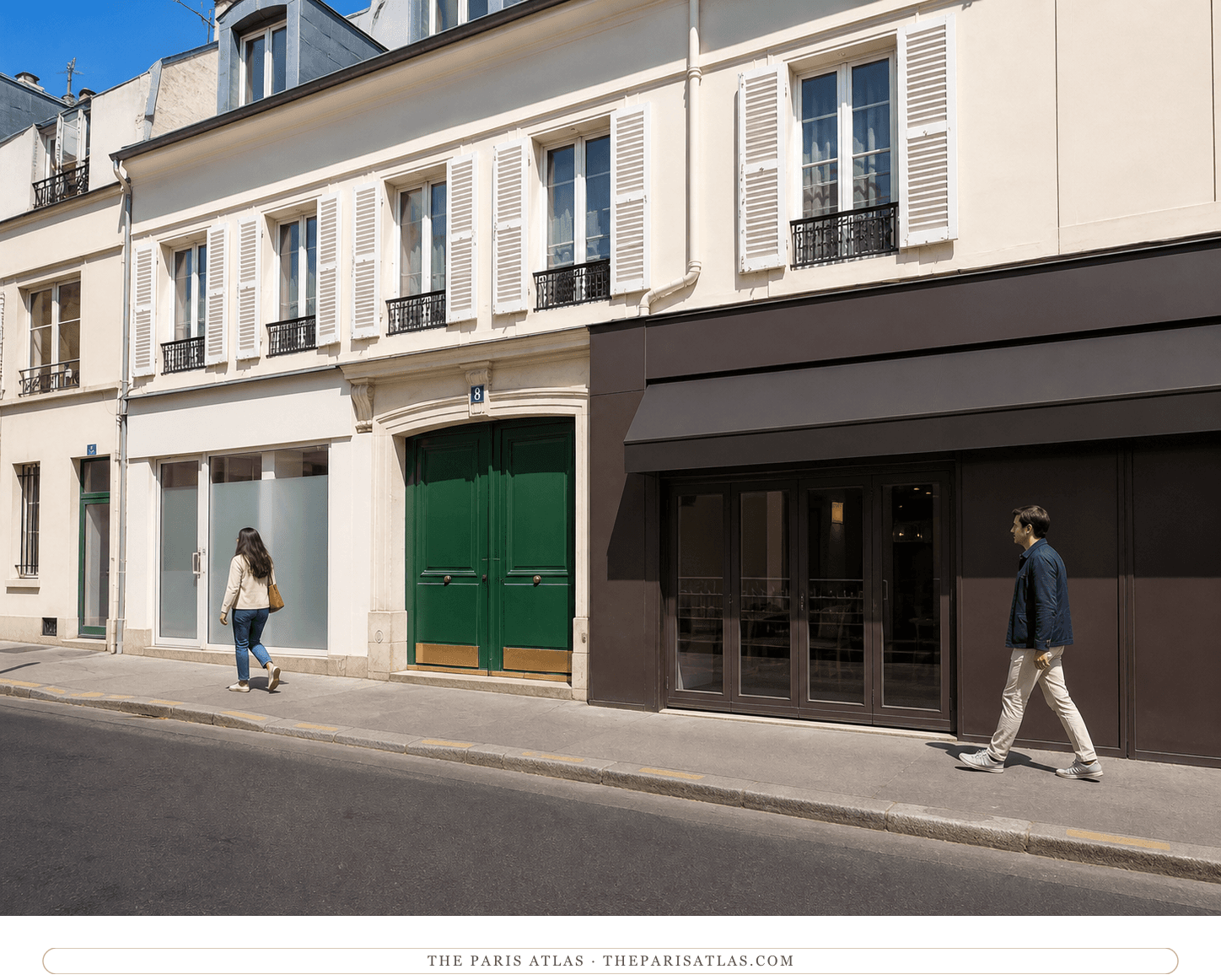
This was Édouard Manet's studio through the decade that made him famous and disliked in roughly equal measure. The Déjeuner sur l'herbe was rejected and shown at the Salon des Refusés in 1863; Olympia was accepted in 1865 and provoked something close to a riot of ridicule. Manet, who wanted official recognition and never stopped submitting to the Salon, spent the 1860s being told by the press that he could not paint.
Émile Zola was the significant exception. Zola defended Manet in print when very few people would, and Manet painted his portrait here in 1868 — the sitter surrounded by evidence of the argument, with a print of Olympia on the wall behind him. The picture is now in the Musée d'Orsay.
The address needs care. Manet's studio is recorded at 81 rue Guyot. The rue Guyot was afterwards renamed rue Médéric and its numbering changed, and the modern equivalent usually given is 8 rue Médéric. That correspondence is the standard reading but it is a reconstruction, so this record keeps the historic name and treats the coordinate as approximate.
Le Déjeuner sur l'herbe is rejected by the Salon and shown at the Salon des Refusés.
Olympia is shown at the Salon and attacked.
Zola sits for his portrait in the rue Guyot studio.
At 81 rue Guyot. The street is now the rue Médéric and was renumbered, and the modern equivalent usually cited is 8 rue Médéric — but that is a conversion rather than a confirmed identification, so it should be treated as approximate.
In this studio, in 1868. The painting is in the Musée d'Orsay and includes a print of Olympia on the wall behind the sitter.
He defended Manet in print through the years when the press was treating him as a joke, at a point when almost no established critic would.
Manet's studio through the 1860s, where Emile Zola sat for his portrait in 1868. The street was later renamed rue Mederic and renumbered, so the modern address is a conversion rather than a verified identification.
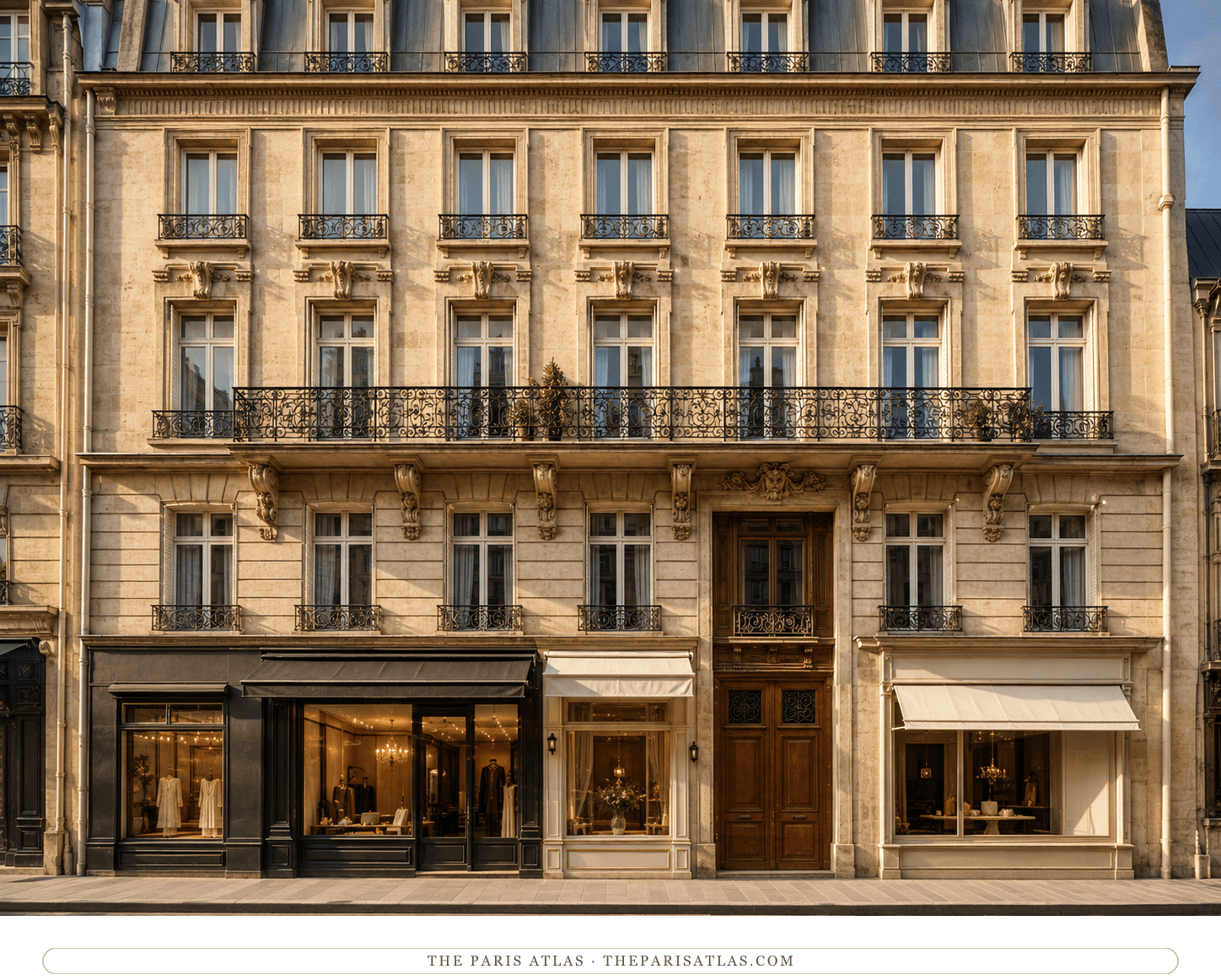
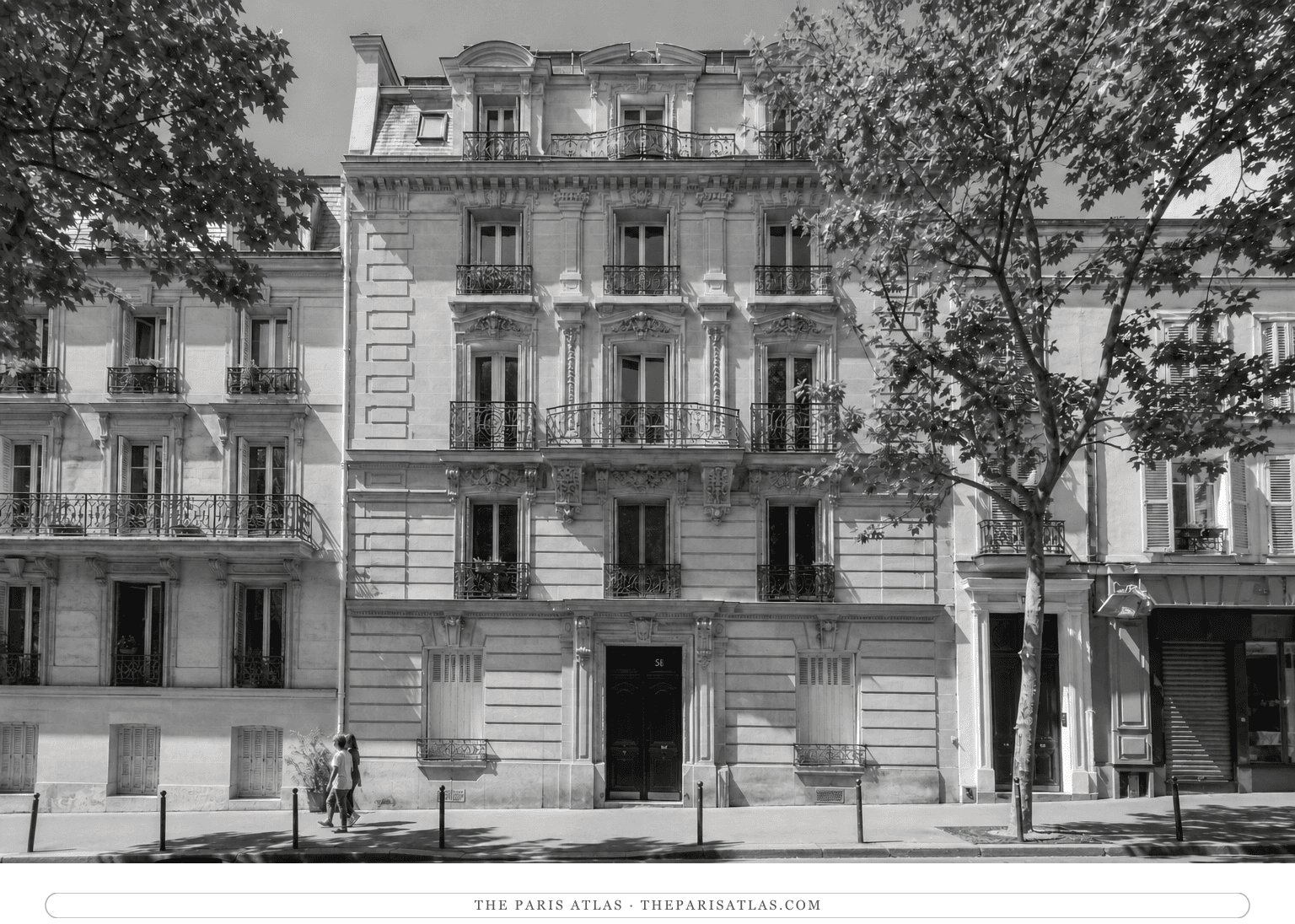
The sixth-floor former studio near Parc Monceau where Colette and Willy lived while the Claudine novels appeared under his name.
Visit the place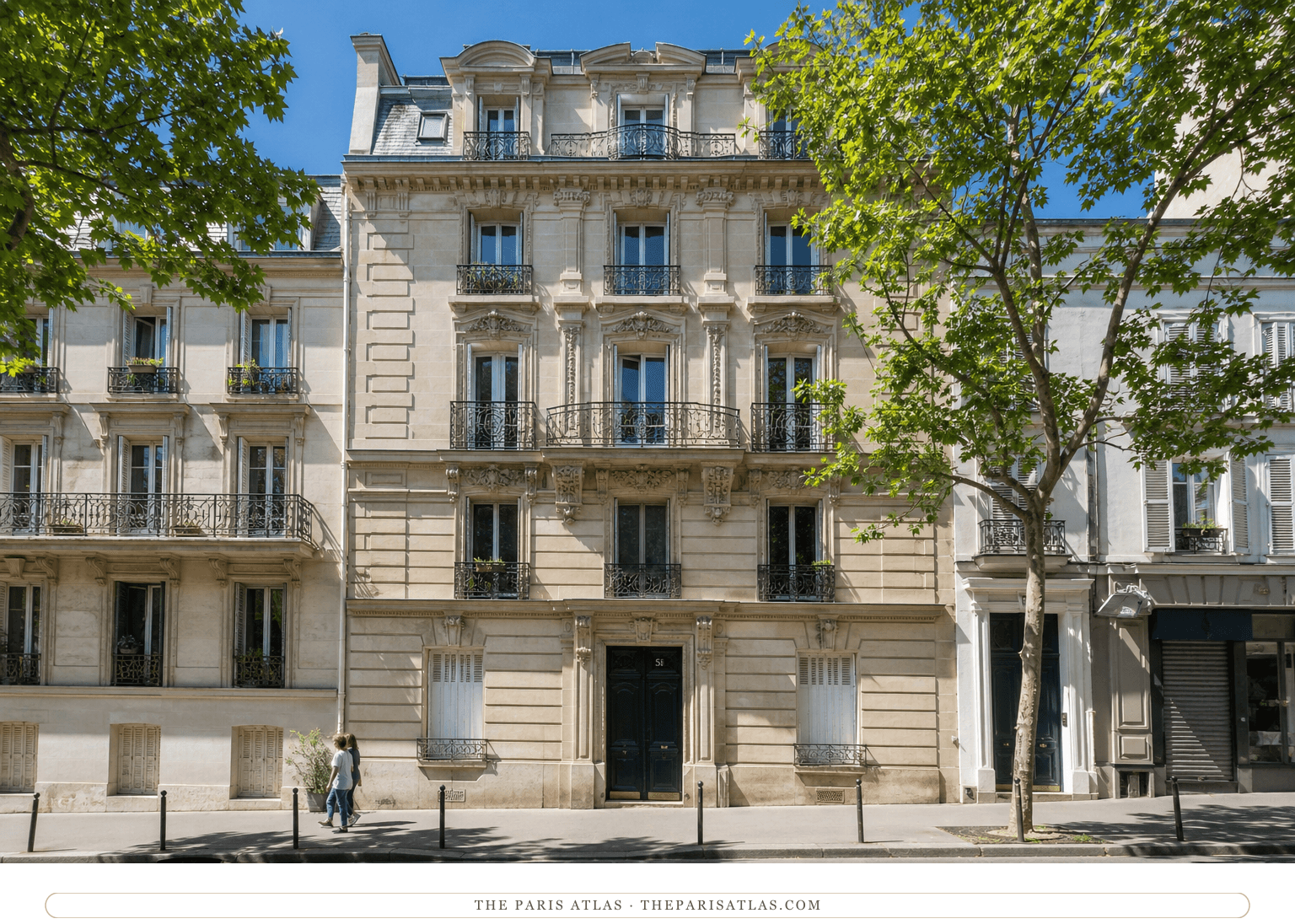
A documented Claude Debussy address in the 17th arrondissement, occupied before his move in 1905 to the avenue du Bois de Boulogne.
Visit the place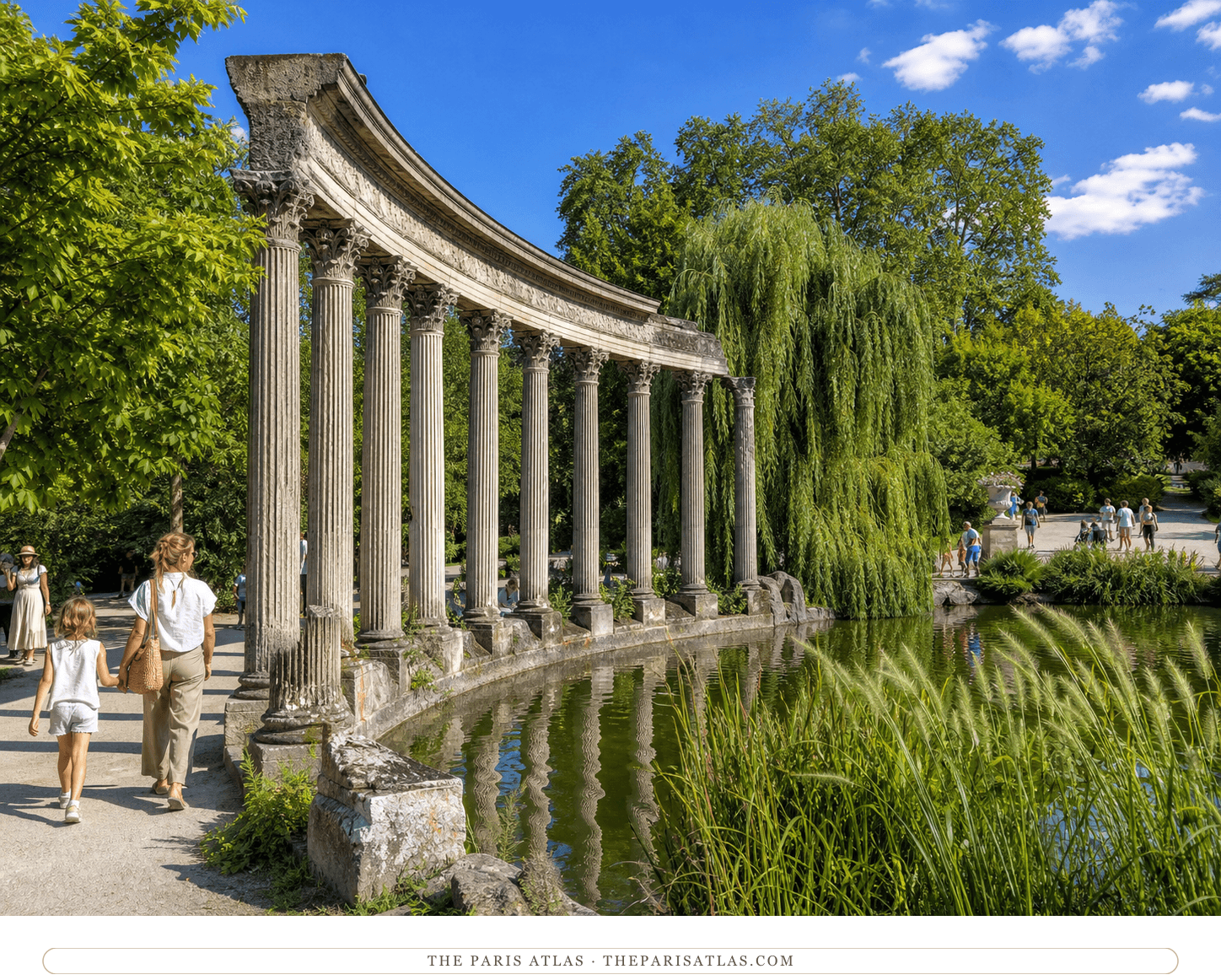
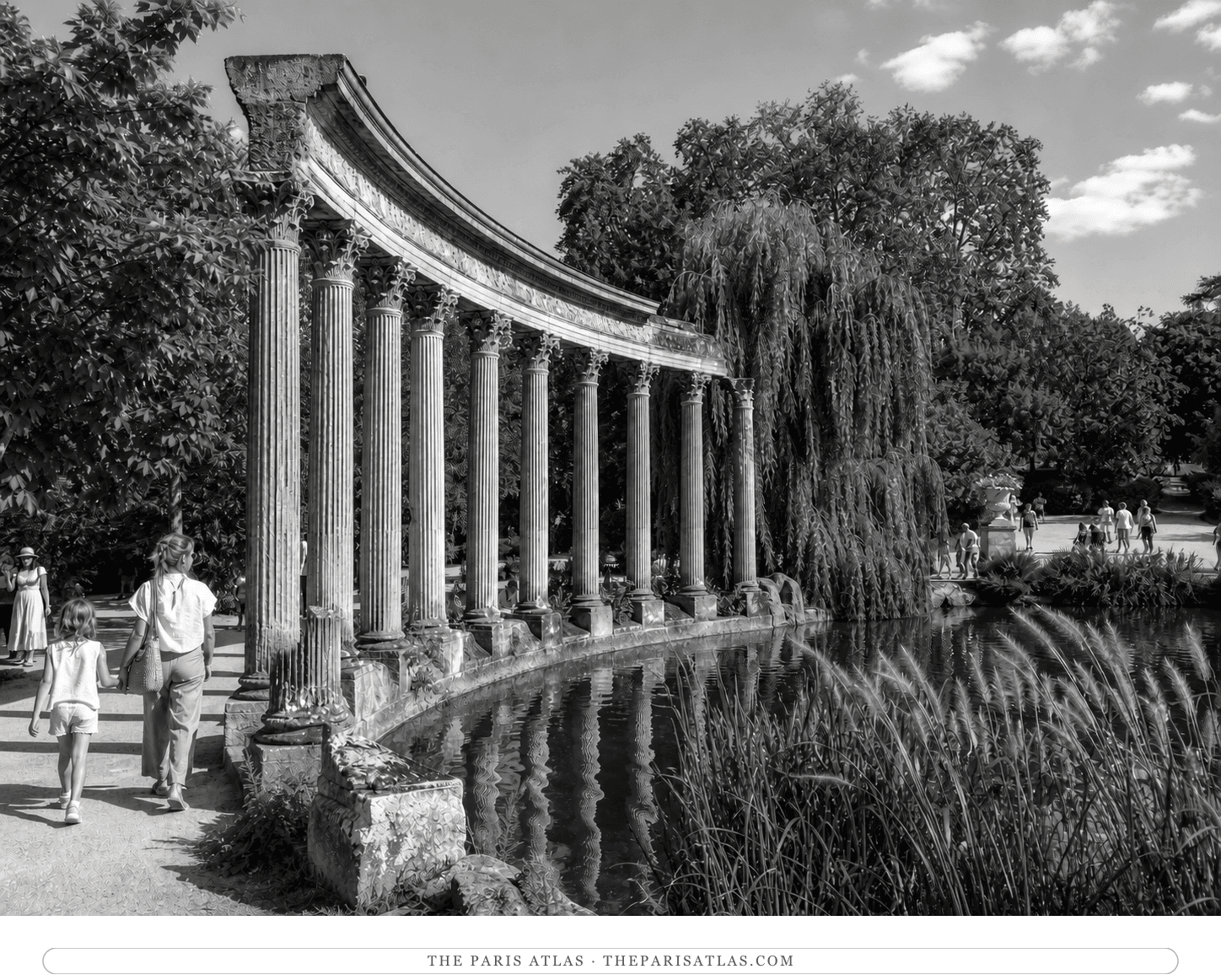
An unusually theatrical park in the 8th arrondissement, full of deliberate follies — a colonnade round a pond, a pyramid, fake ruins — laid out in the 1770s as a private garden and opened to the public in 1861. It is where the young Marcel Proust played, and where he met his first love in July 1886.
Visit the place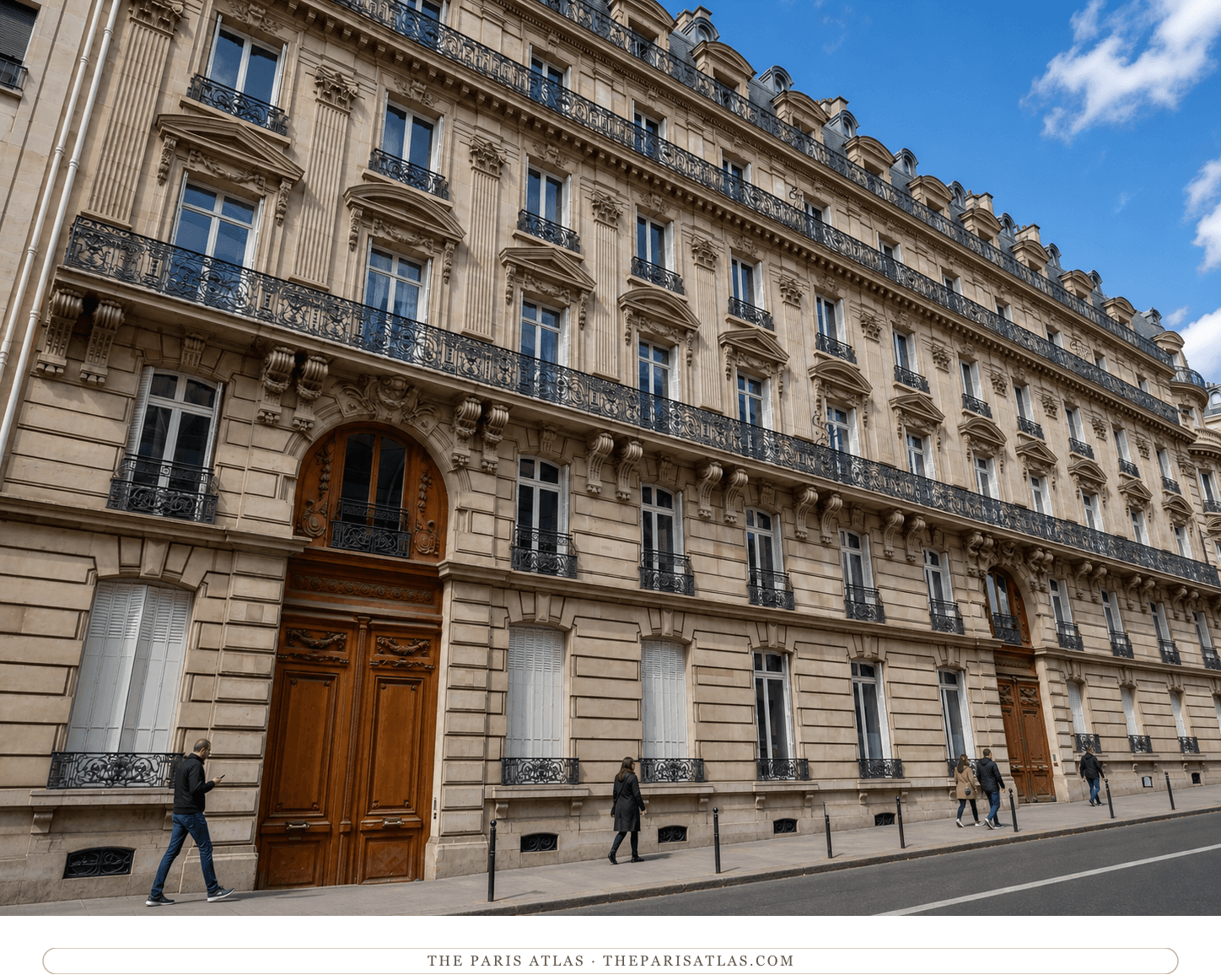
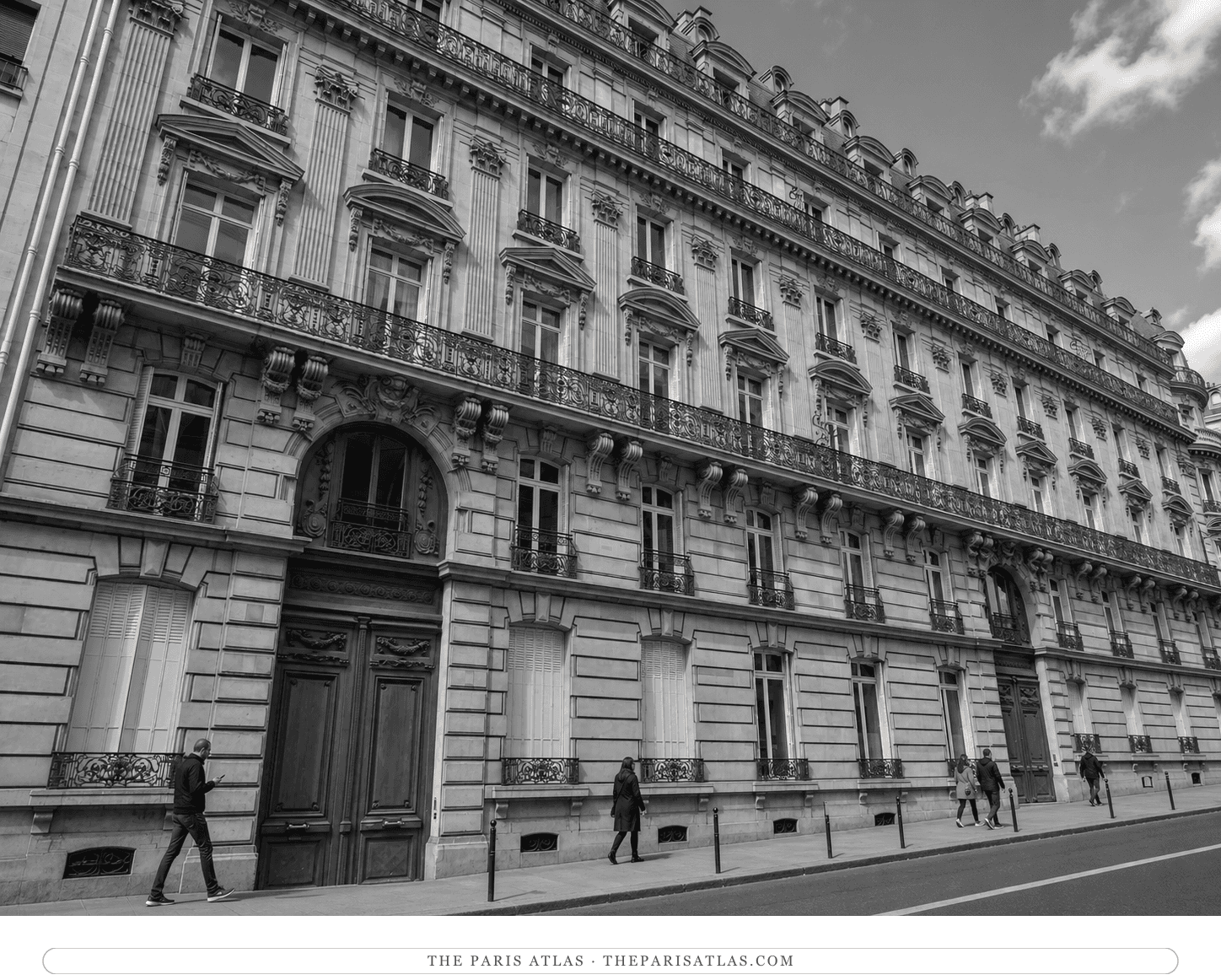
Where the Proust family moved in 1900, and where Marcel lived until 1906 — the most socially active stretch of his life, receiving writers, artists and journalists and giving dinners. A commemorative plaque was installed by the City of Paris in 2022.
Visit the placeThe sources below include histories, archival materials, scholarly research, and official records that informed this page. They document 81 rue Guyot (now rue Médéric), the people connected to it, and its place in Paris.


Web source consulted for documented facts and historical context presented on the 81 rue Guyot (now rue Médéric) page.
Web source consulted for documented facts and historical context presented on the 81 rue Guyot (now rue Médéric) page.
Web source consulted for documented facts and historical context presented on the 81 rue Guyot (now rue Médéric) page.
Web source consulted for documented facts and historical context presented on the 81 rue Guyot (now rue Médéric) page.
These references provide the documented foundation for this page's history and context. Claim-level citations remain attached to the specific claims they support.
 Explore more resources
Newsletter
The cafés, studios, and walk-up flats where the work was made — one story from the map in every letter.