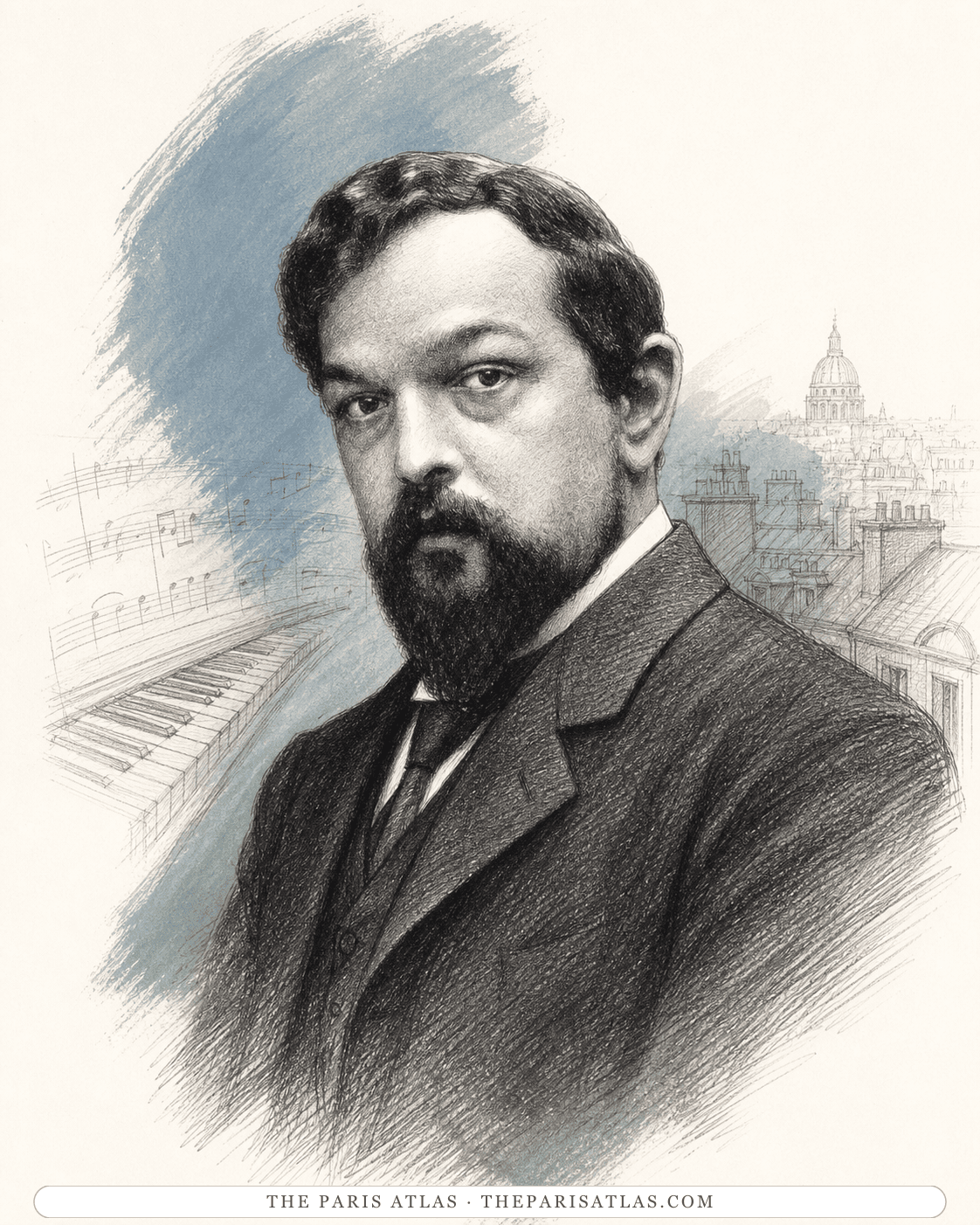
Claude Debussy
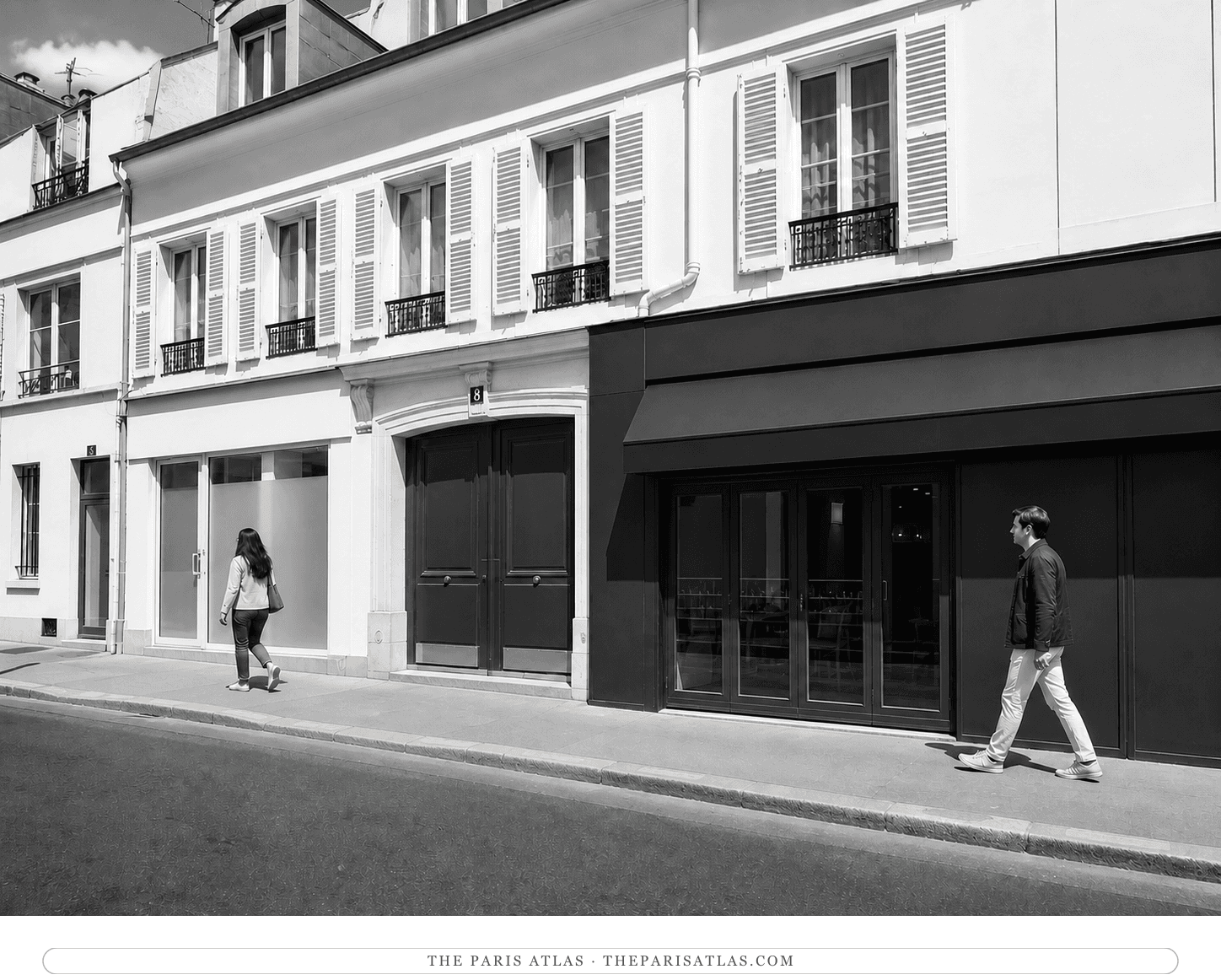
A documented Debussy residence before his move to the avenue du Bois de Boulogne in 1905.
A documented Claude Debussy address in the 17th arrondissement, occupied before his move in 1905 to the avenue du Bois de Boulogne.
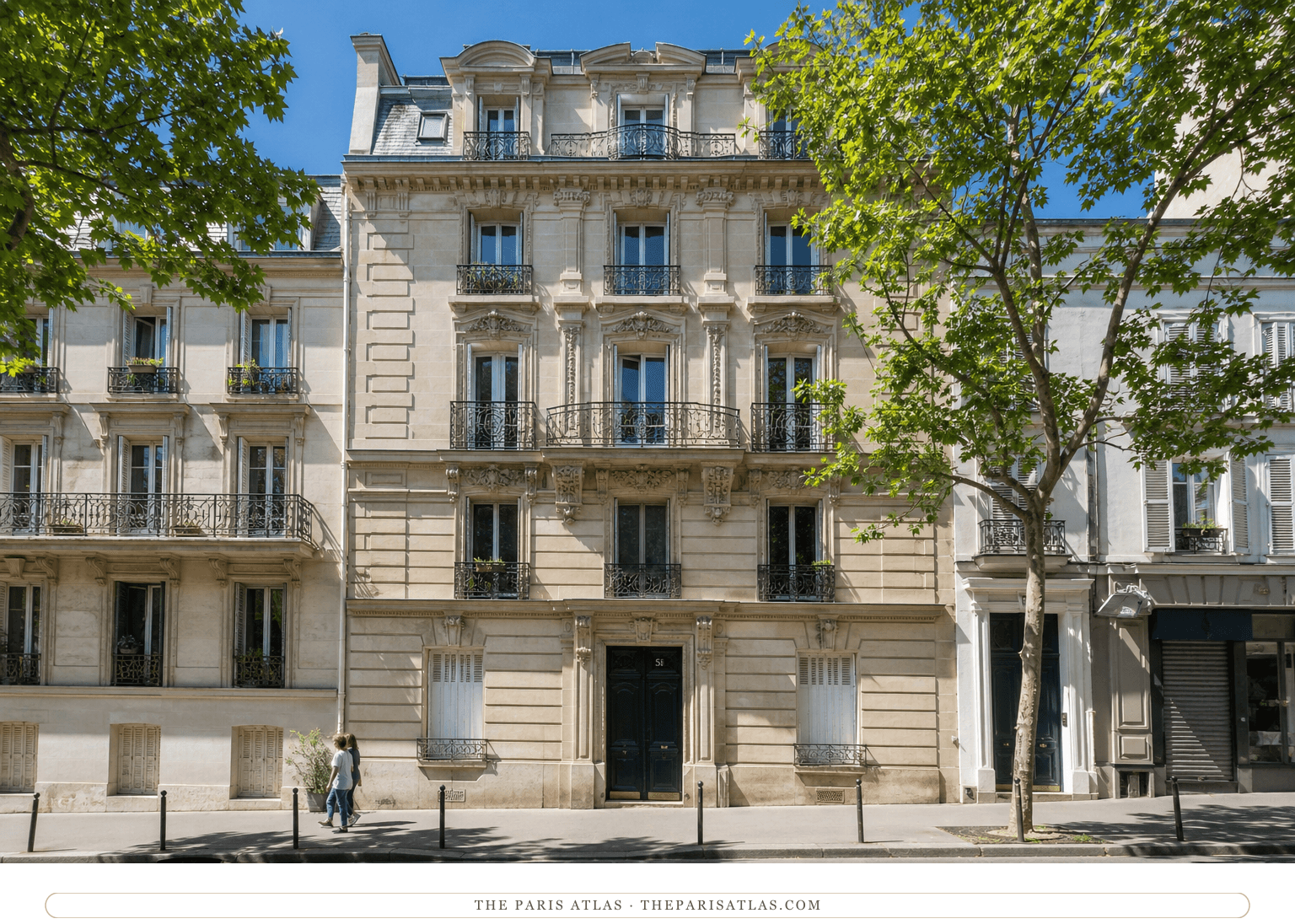
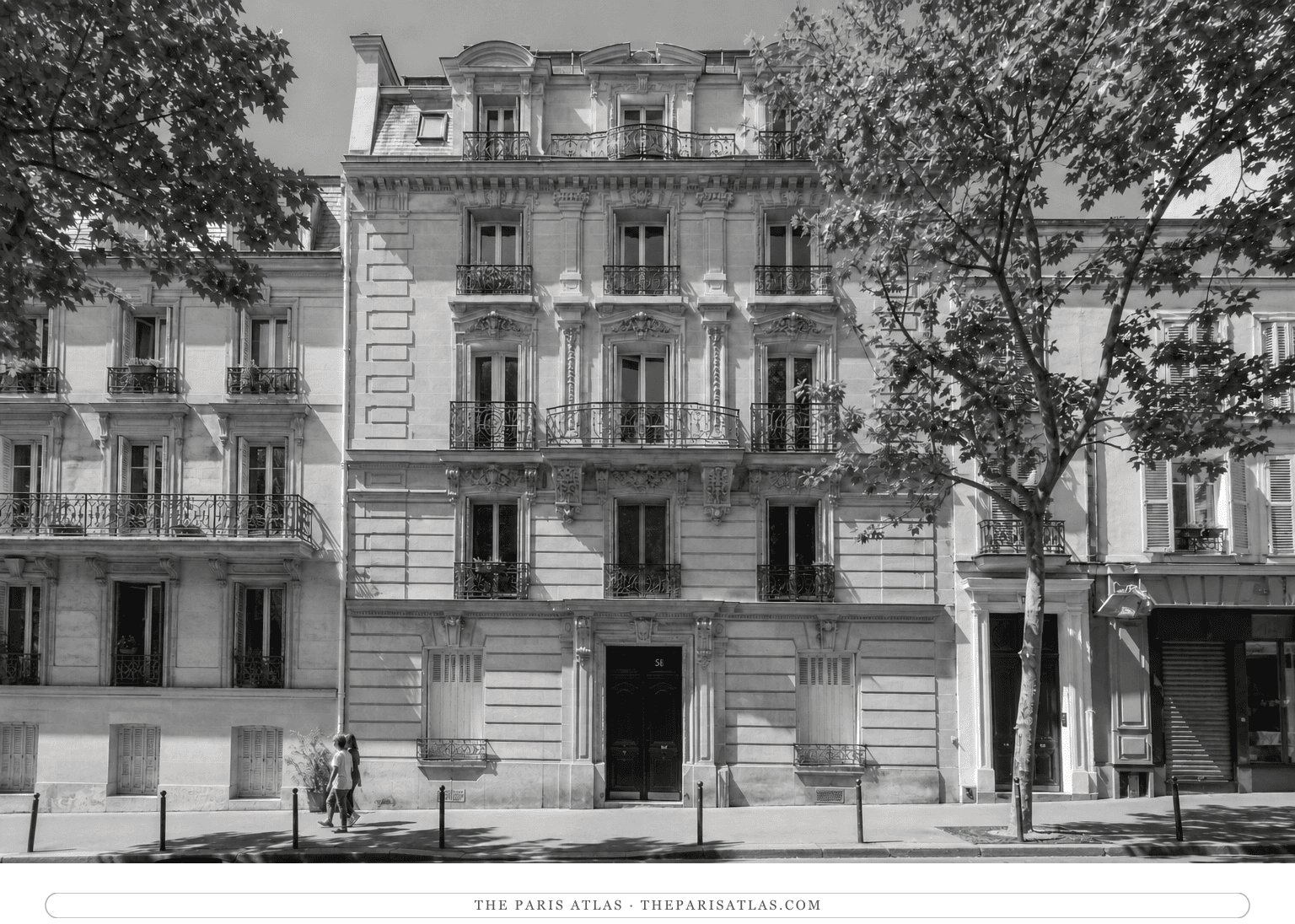
Claude Debussy lived at 58 rue Cardinet before the move that ended his years of moving. The rue Cardinet runs through the Plaine Monceau, a district of solid nineteenth-century apartment buildings north of the Parc Monceau.
The period covered by this address takes in the première of Pelléas et Mélisande in 1902 — the work that, after nearly a decade of labour, finally made Debussy famous — and the collapse of his first marriage, which caused a scandal that cost him a number of friendships.
In October 1905 he and Emma Bardac moved to the avenue du Bois de Boulogne, now the avenue Foch, where he stayed for the rest of his life. The rue Cardinet building is private.
Pelléas et Mélisande premières at the Opéra-Comique.
Debussy and Emma Bardac move to the avenue du Bois de Boulogne in October.
In October 1905, when he and Emma Bardac moved to the avenue du Bois de Boulogne, now the avenue Foch, in the 16th.
A documented Debussy residence before his move to the avenue du Bois de Boulogne in 1905.
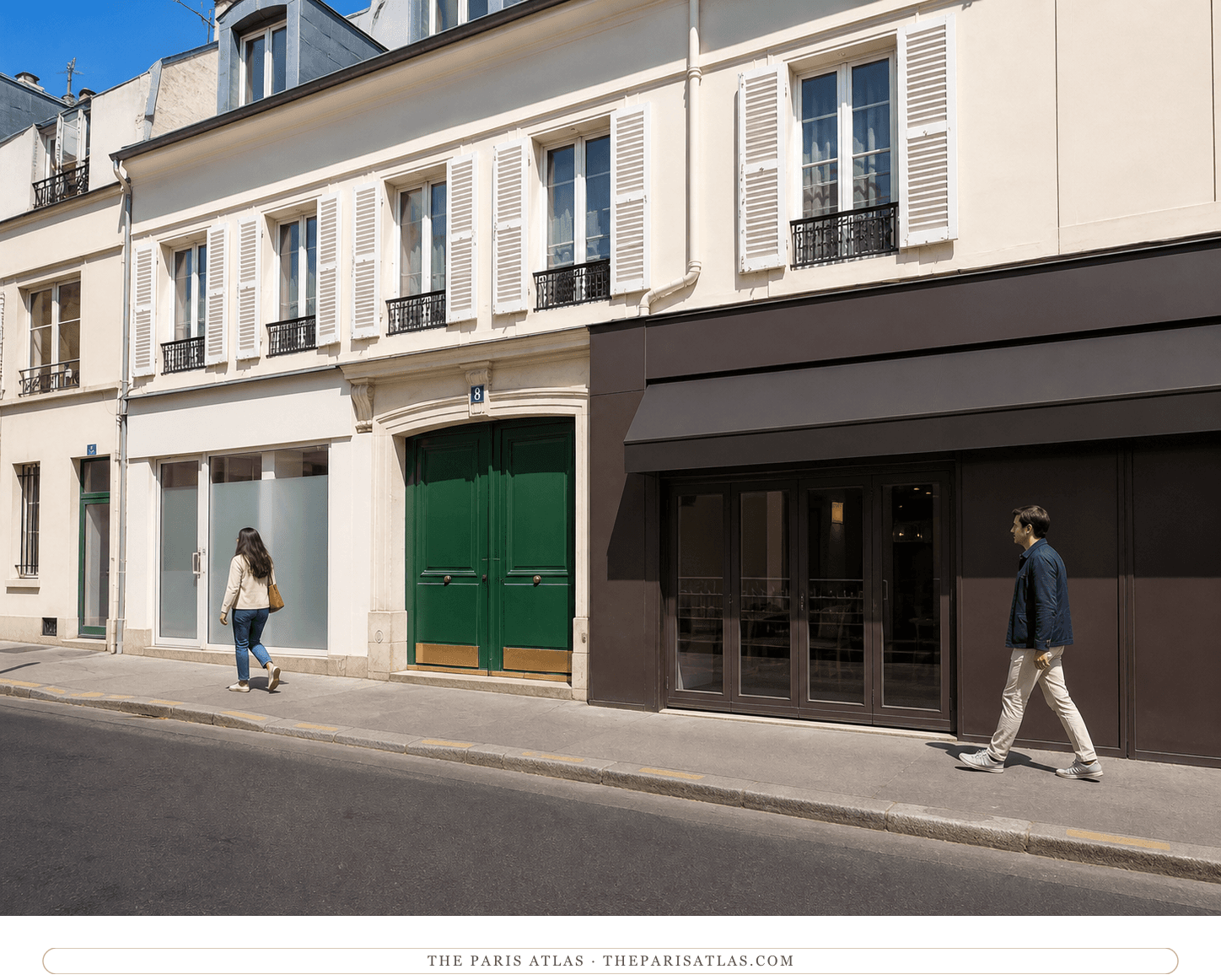
The studio Édouard Manet worked in through the 1860s, where Émile Zola sat for his portrait. The street has since been renamed rue Médéric and renumbered, so the modern address is a conversion rather than a certainty.
Visit the place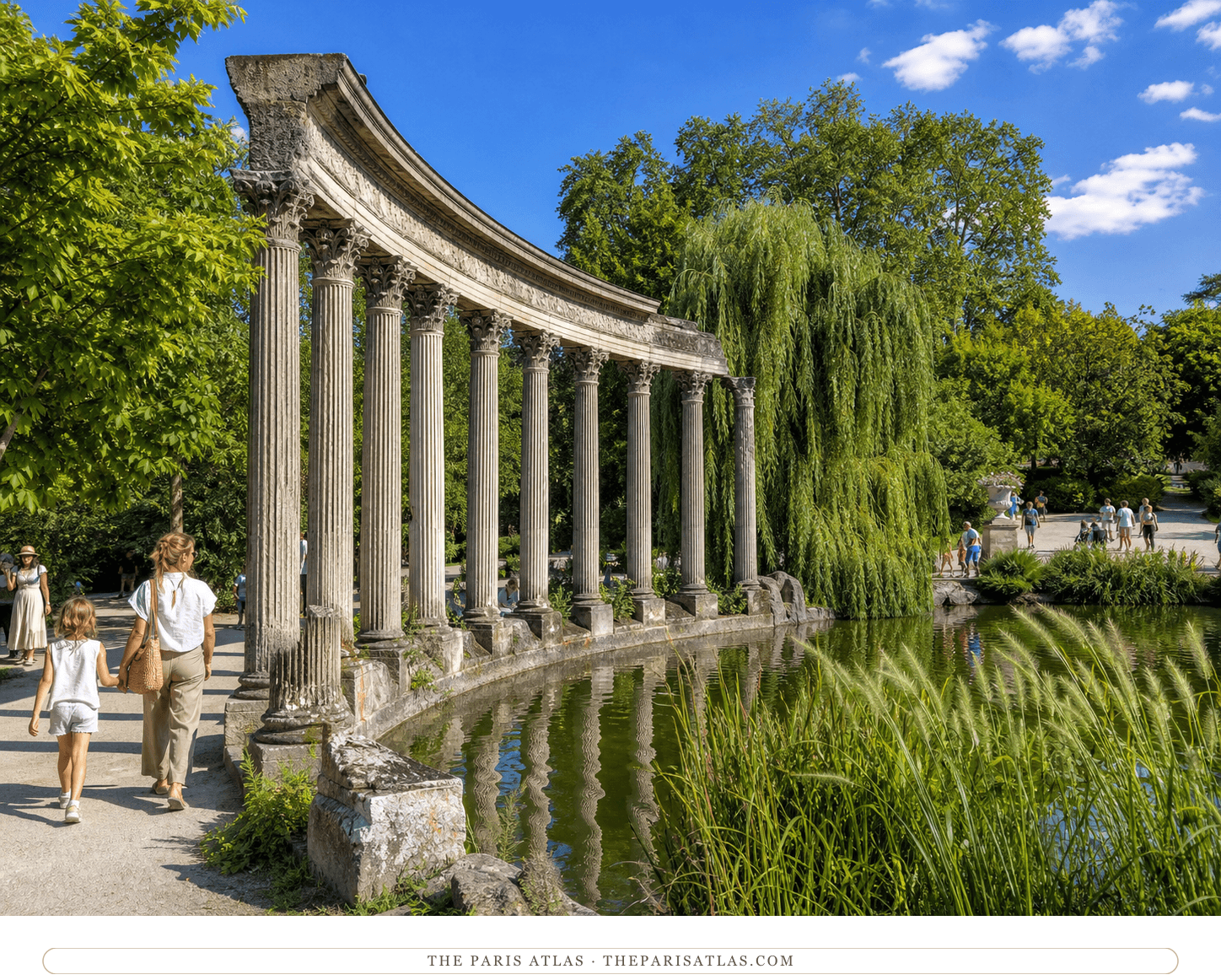
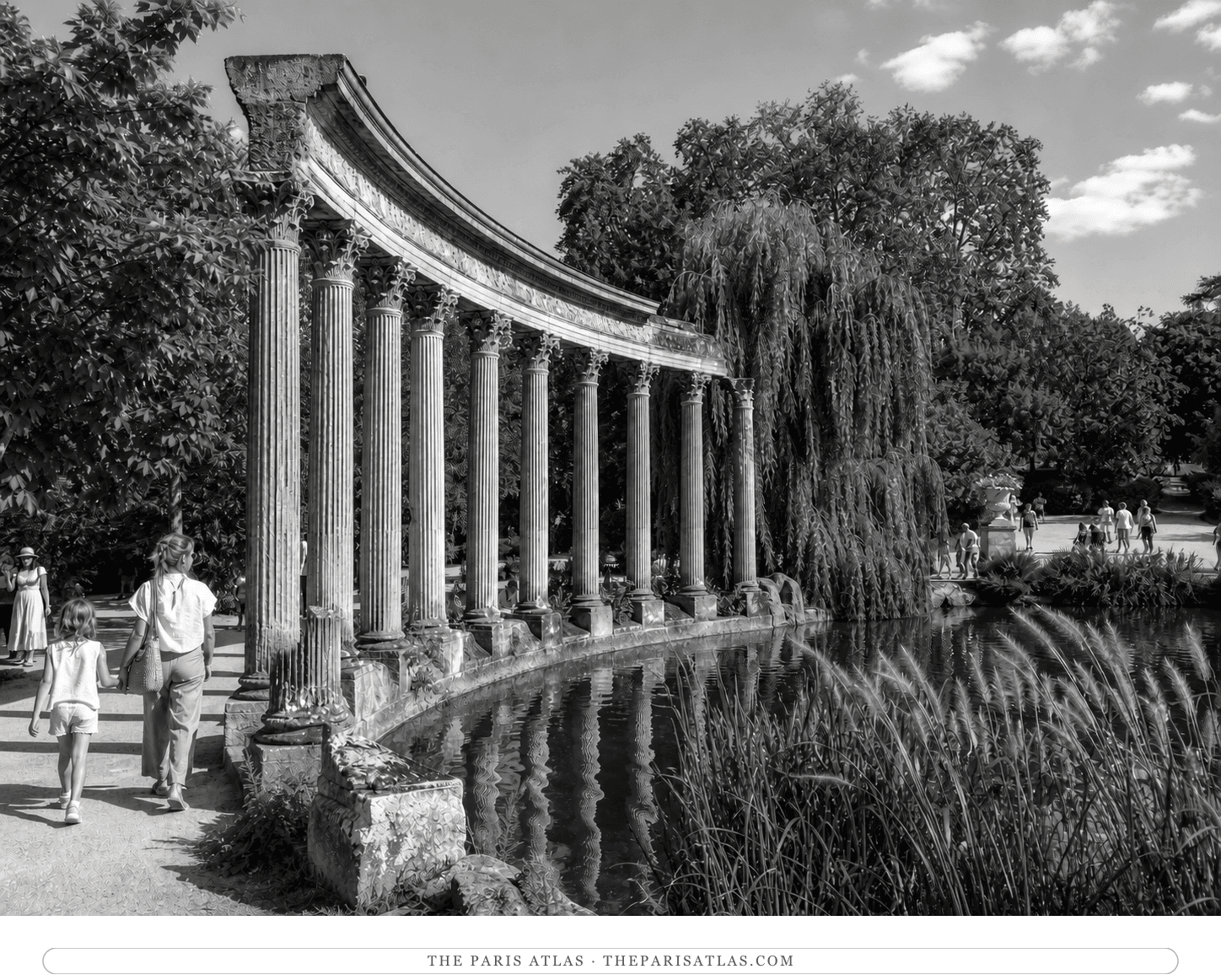
An unusually theatrical park in the 8th arrondissement, full of deliberate follies — a colonnade round a pond, a pyramid, fake ruins — laid out in the 1770s as a private garden and opened to the public in 1861. It is where the young Marcel Proust played, and where he met his first love in July 1886.
Visit the place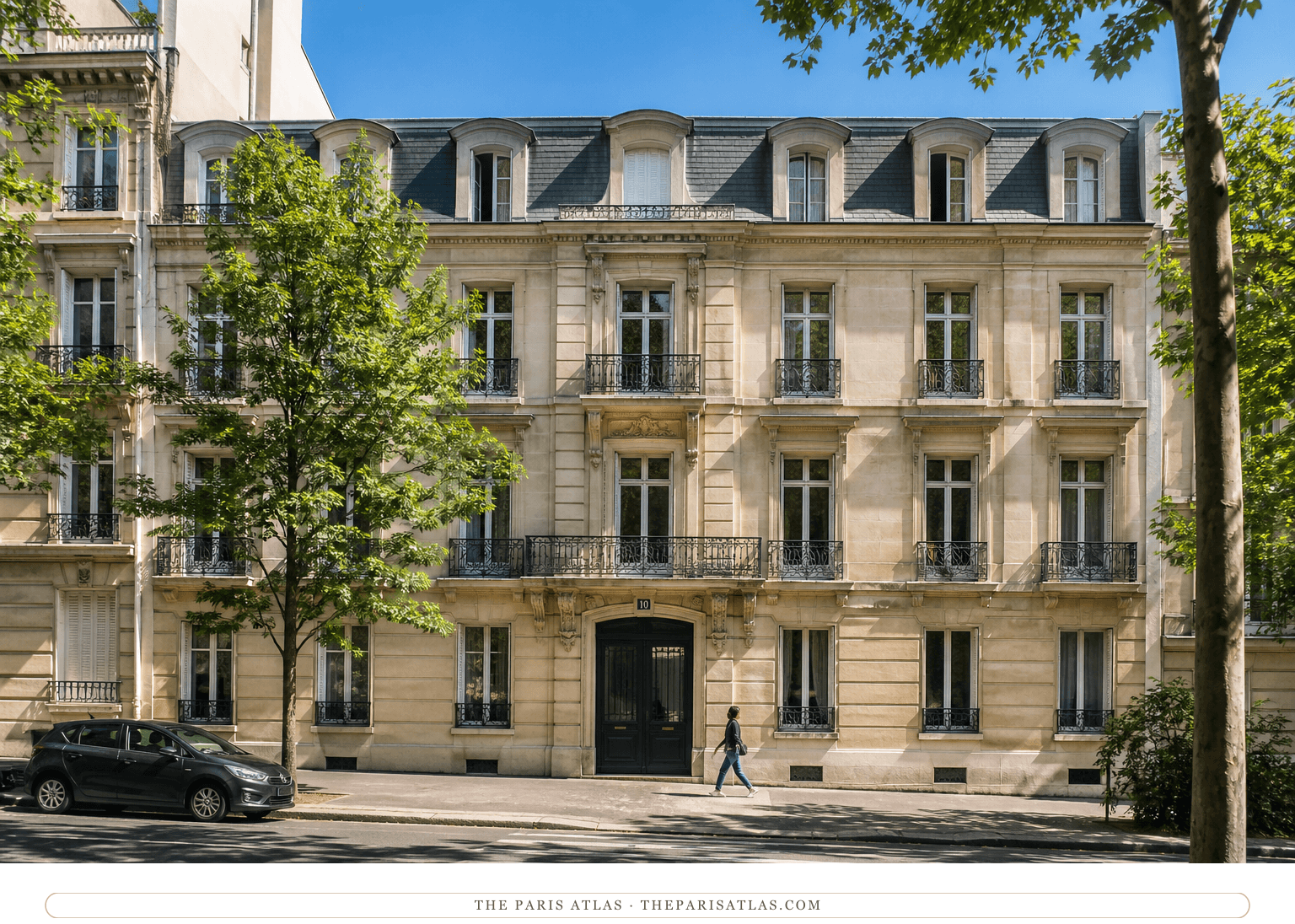
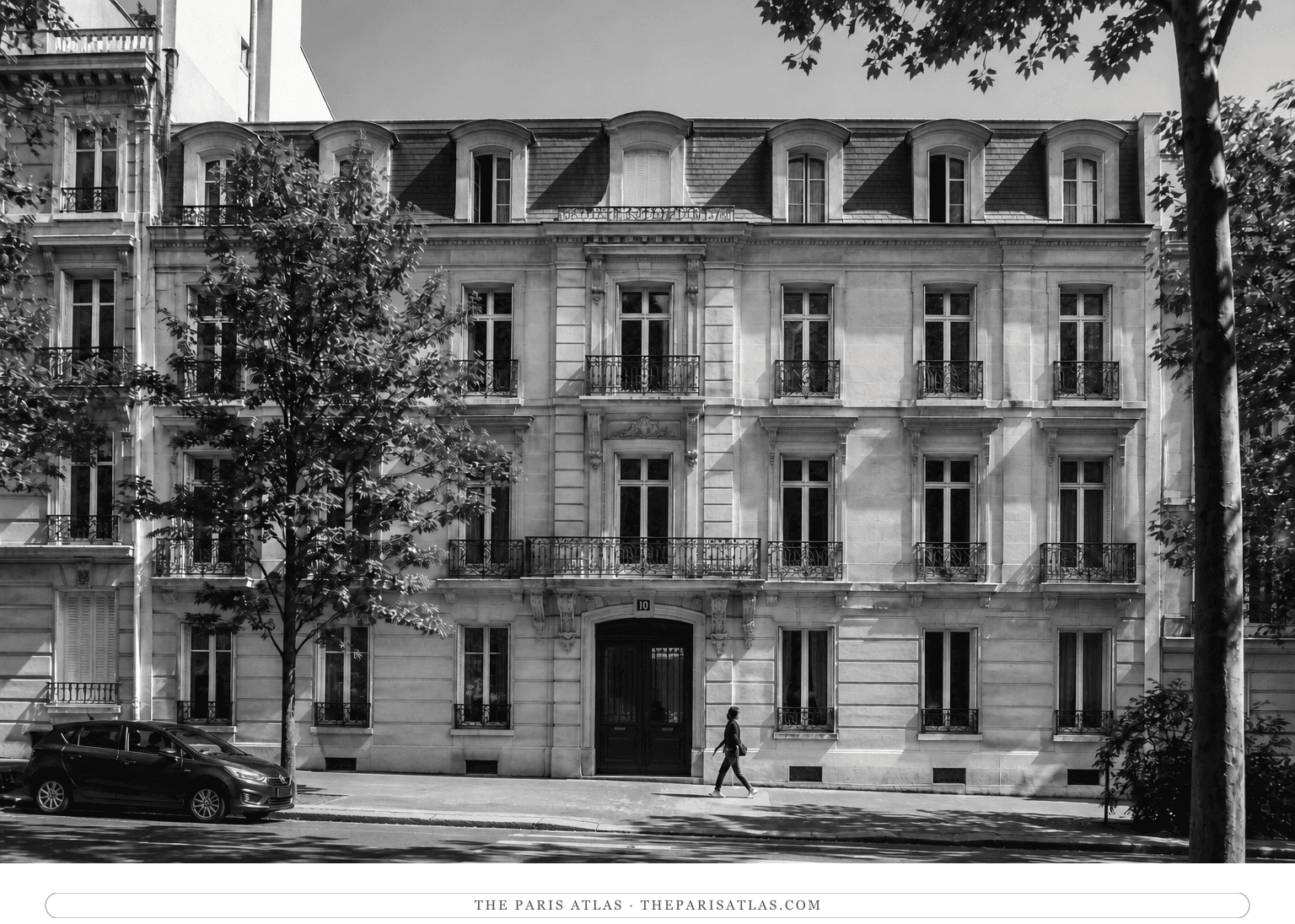
One of Claude Debussy's documented Paris addresses, in the quiet Plaine Monceau district of the 17th arrondissement.
Visit the place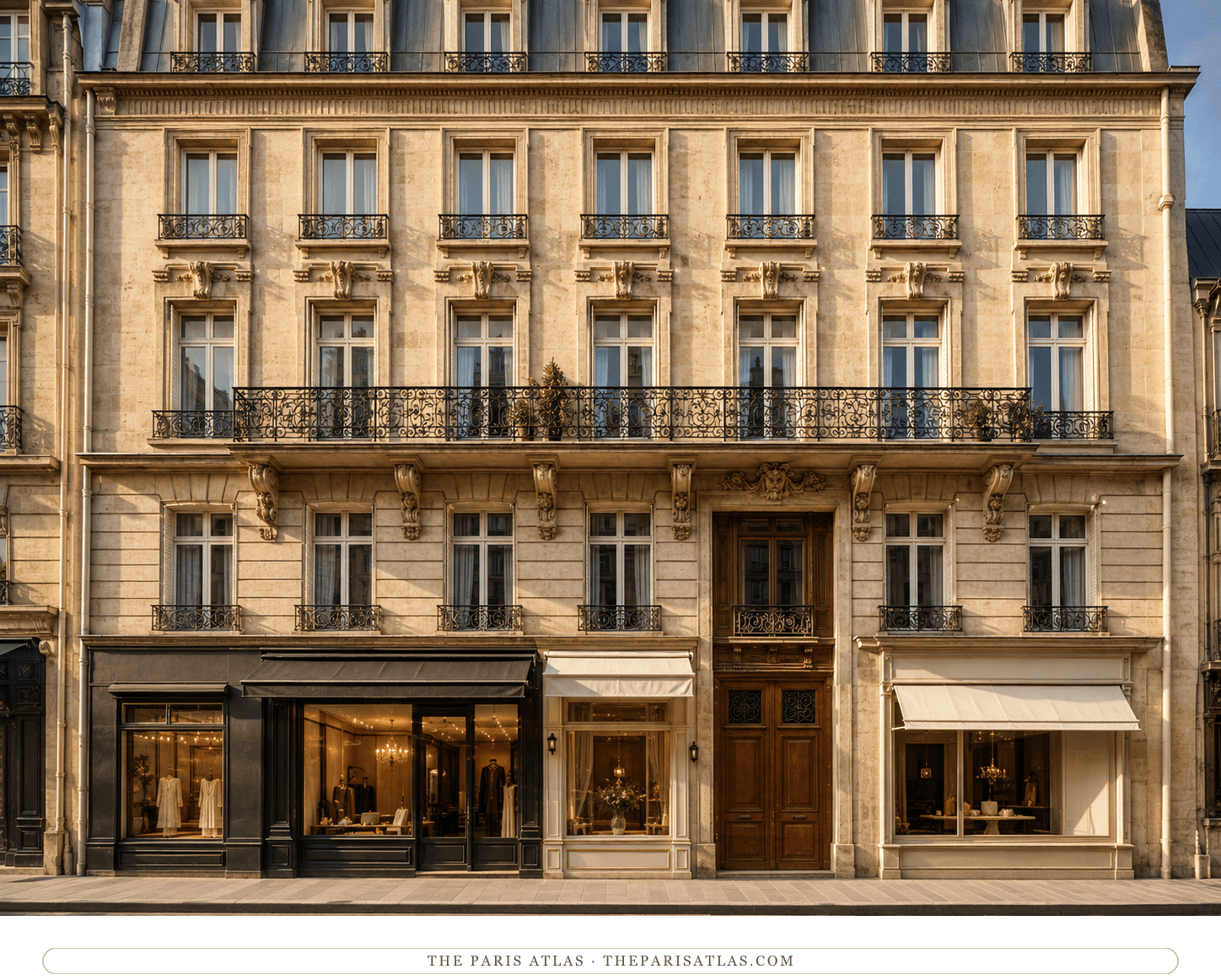
The sixth-floor former studio near Parc Monceau where Colette and Willy lived while the Claudine novels appeared under his name.
Visit the placeThe sources below include histories, archival materials, scholarly research, and official records that informed this page. They document 58 rue Cardinet, the people connected to it, and its place in Paris.

Web source consulted for documented facts and historical context presented on the 58 rue Cardinet page.
Web source consulted for documented facts and historical context presented on the 58 rue Cardinet page.
Web source consulted for documented facts and historical context presented on the 58 rue Cardinet page.

Contemporary reporting or criticism used to document the historical reception and context of 58 rue Cardinet.
These references provide the documented foundation for this page's history and context. Claim-level citations remain attached to the specific claims they support.
 Explore more resources
Newsletter
The cafés, studios, and walk-up flats where the work was made — one story from the map in every letter.