The Paris AtlasCharting the artists, works, and places worth returning to.
  • Author
  • Journalist
  • Critic
· French · 1840–1902

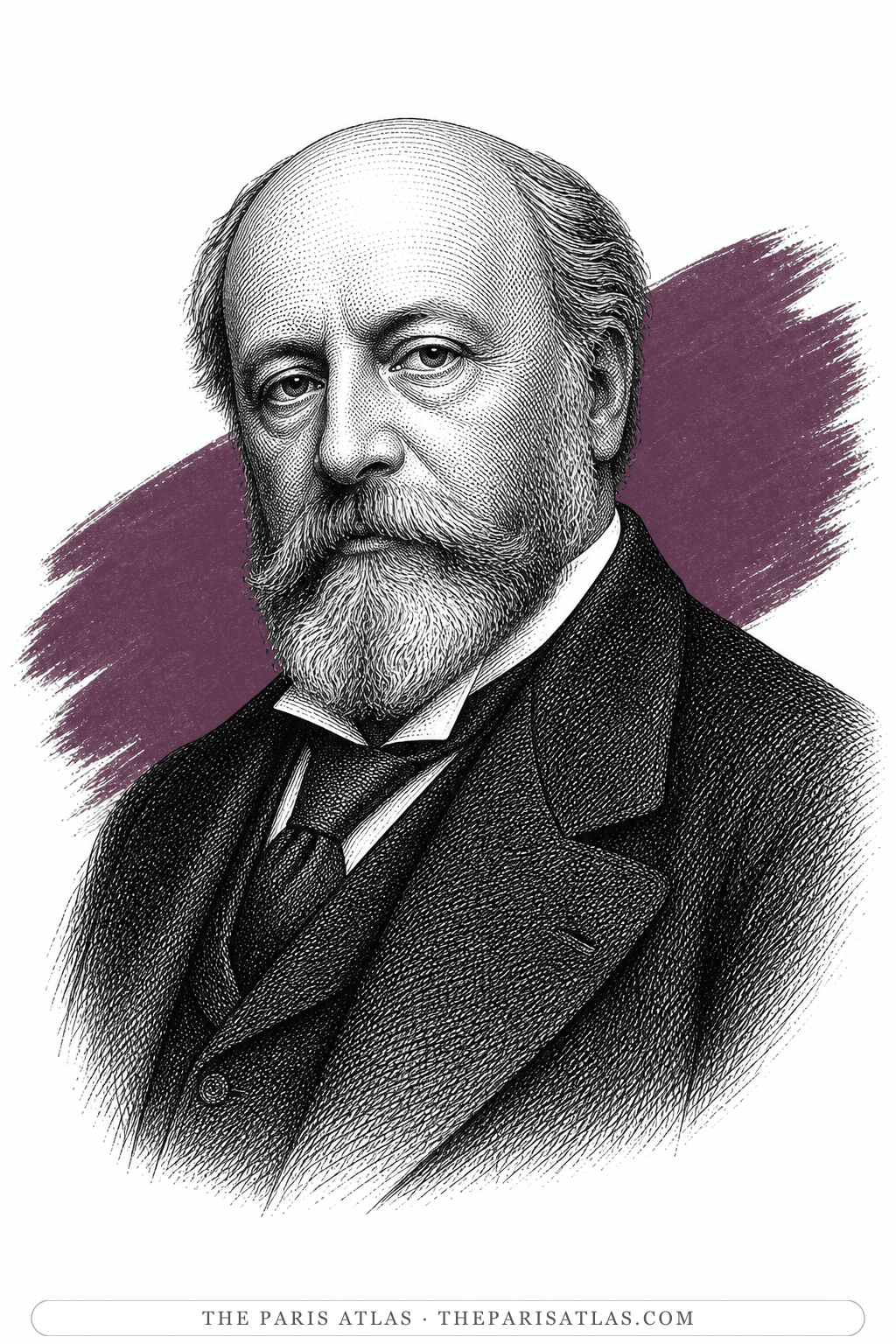
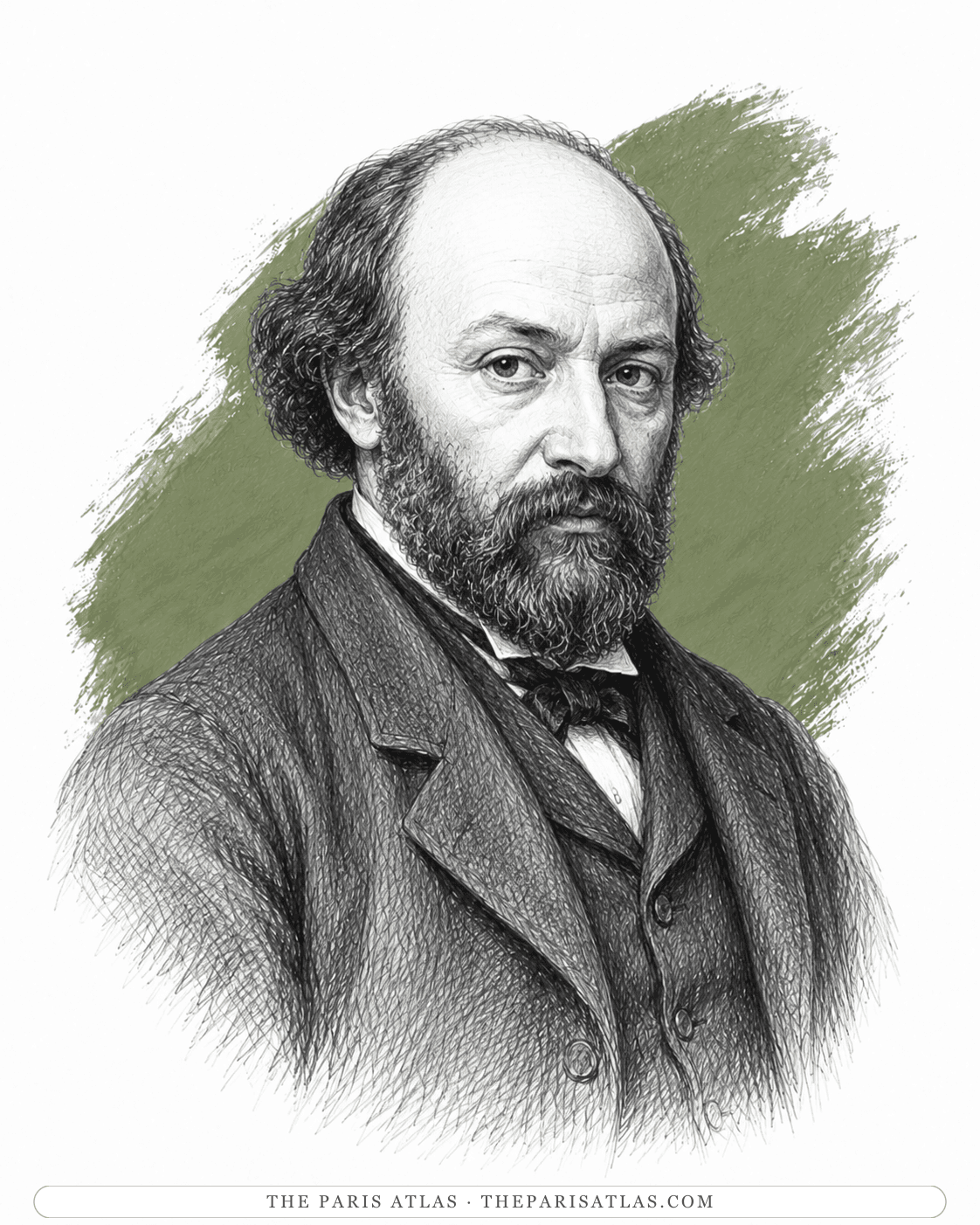
Émile Zola

French novelist, journalist and playwright, the founder of literary naturalism and author of the twenty-volume Rougon-Macquart cycle including L'Assommoir, Germinal, Nana and La Bête humaine. His 1898 open letter J'accuse…! reopened the Dreyfus affair and remains one of the defining acts of political writing in French letters. Céline's 1933 Médan speech, Hommage à Zola, is his clearest statement about the inheritance of naturalism.

Details

Lived
1840–1902
Born
1840
Birthplace
Paris, France
Died
1902
Place of death
Paris, France
Nationality
French
Roles
AuthorJournalistCritic
Also known as
Émile Édouard Charles Antoine Zola

People they knew

Documented connections — every one carries its source.

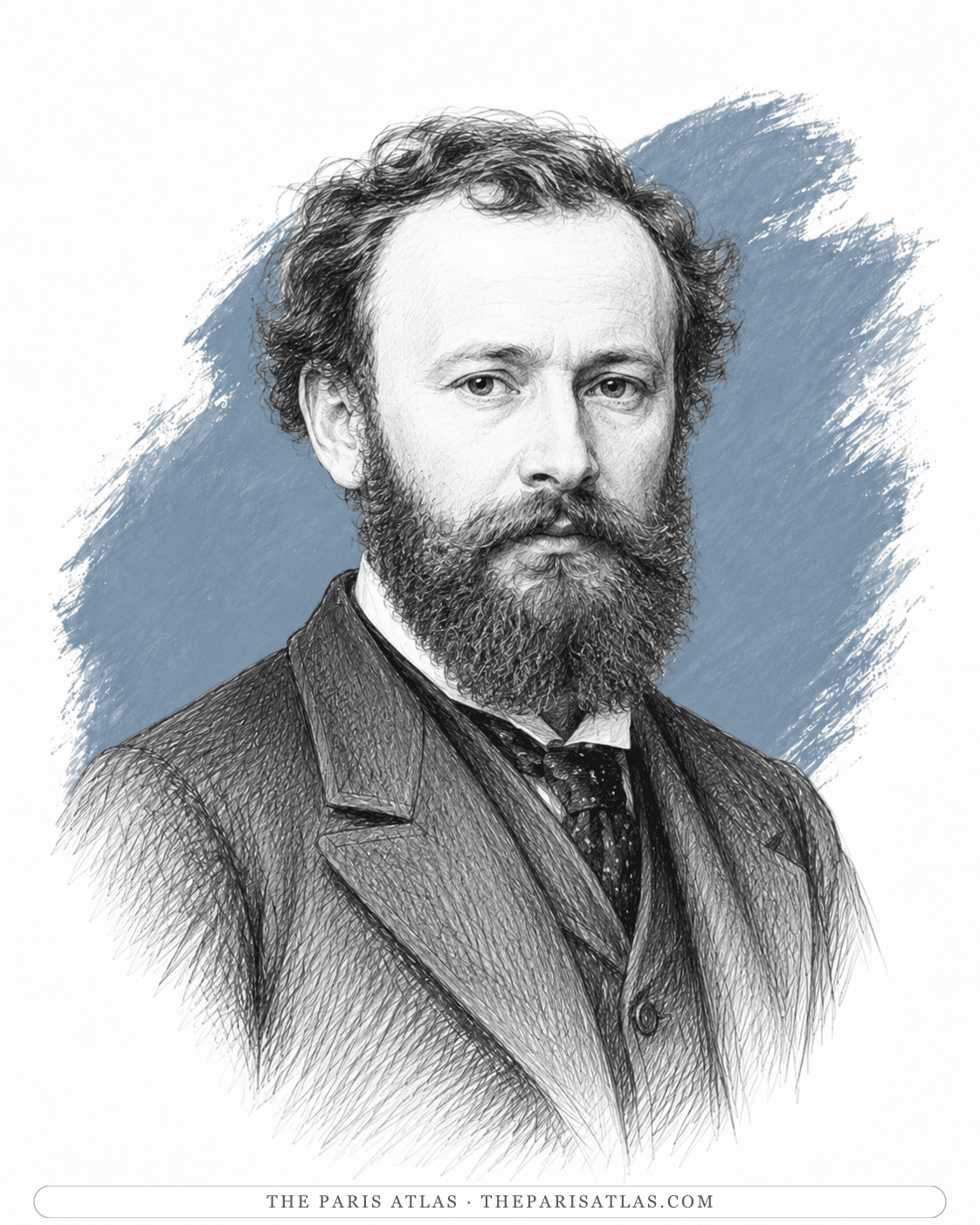
Henry James

  • Author
  • Critic

Met · 1876

James described the encounter in a letter of 1876: coming down the stairs from one of Flaubert's Sunday afternoons - where the talk had been of Zola's serialised novel being stopped mid-run after provincial subscribers complained of its indecency - he passed Zola climbing up, 'looking very pale and sombre', and saluted him as one contributor to another who has just been invited to make his novel last longer. James saw more of Zola on later visits to Paris and read him with a mixture of admiration and distaste.

Henry James, edited by Percy Lubbock, The Letters of Henry James, Volume I (1920)

Émile Zola’s Places

The cataloged places connected to Émile Zola — through the books, and through the documented record.

Places you can enter today appear first, followed by addresses to see from outside and sites that have vanished.

In works

Works in these pages connected to Émile through the claims of the graph.

Cover of Hommage à Zola by Louis-Ferdinand Céline

Inspired · Book

Hommage à Zola

Louis-Ferdinand Céline · 1933

Céline's Médan speech of 1 October 1933 uses Zola as the starting point for a discussion of how social reality and the writer's task have changed since the nineteenth century — the inheritance of naturalism confronted with industrial modernity, mechanised warfare, mass politics and propaganda.

Martine Léonard, Scholarly study of Céline's Hommage à Zola — publication history, the invitation from Lucien Descaves, the 1936 reprint in Robert Denoël's Apologie de Mort à crédit, later inclusion in Cahiers Céline no. 1, plus the complete text of the speech; Louis-Ferdinand Céline, Primary text of Louis-Ferdinand Céline's Hommage à Zola, delivered at Médan on 1 October 1933 (1933)

Sourced claims

Every connection the graph holds for Émile, with the evidence behind it.

Buried at · 1908

The Panthéon

Zola's ashes were transferred to the Panthéon in 1908, six years after his death and following his role in the Dreyfus affair.

Quelles sont les grandes figures du Panthéon ?, Read 24 August 2026

Inspired · 1933

Hommage à Zola

Céline's Médan speech of 1 October 1933 uses Zola as the starting point for a discussion of how social reality and the writer's task have changed since the nineteenth century — the inheritance of naturalism confronted with industrial modernity, mechanised warfare, mass politics and propaganda.

Martine Léonard, Scholarly study of Céline's Hommage à Zola — publication history, the invitation from Lucien Descaves, the 1936 reprint in Robert Denoël's Apologie de Mort à crédit, later inclusion in Cahiers Céline no. 1, plus the complete text of the speech; Louis-Ferdinand Céline, Primary text of Louis-Ferdinand Céline's Hommage à Zola, delivered at Médan on 1 October 1933 (1933)

Met · 1876

Henry James

James described the encounter in a letter of 1876: coming down the stairs from one of Flaubert's Sunday afternoons - where the talk had been of Zola's serialised novel being stopped mid-run after provincial subscribers complained of its indecency - he passed Zola climbing up, 'looking very pale and sombre', and saluted him as one contributor to another who has just been invited to make his novel last longer. James saw more of Zola on later visits to Paris and read him with a mixture of admiration and distaste.

Henry James, edited by Percy Lubbock, The Letters of Henry James, Volume I (1920)