The Paris AtlasCharting the artists, works, and places worth returning to.
  • Author
  • Critic
· American, later British · 1843–1916

Henry James

American novelist who moved to Paris in the autumn of 1875 meaning to stay for life, took rooms at 29 rue du Luxembourg, wrote The American there, got inside the Sunday circle around the French novelist Gustave Flaubert — and left for London in December 1876 having decided that a French literary world this closed would never let an American in.

Details

Lived
1843–1916
Born
15 April 1843
Birthplace
New York City
Died
28 February 1916 · aged 72
Place of death
London
Nationality
American, later British
Profession
Novelist and critic
Major works
The American, Daisy Miller, Washington Square, The Portrait of a Lady, The Turn of the Screw, The Wings of the Dove, The Ambassadors, The Golden Bowl
Roles
AuthorCritic

About Henry James

Henry James was born in New York in 1843 and spent his life deciding which country he belonged to. He is the novelist of Americans in Europe — The American, The Portrait of a Lady, The Ambassadors — and the writer who made the inner life of a character, rather than the plot around it, the substance of a novel. He died in London in 1916, a British subject of seven months' standing.

The decisive year of his life was the one he spent in Paris. He came in the autumn of 1875 with the settled intention of making the city his permanent home, took rooms at 29 rue du Luxembourg, began The American, and posted Parisian letters back to the New York Tribune newspaper to pay for it. Through the Russian novelist Ivan Turgenev he got inside the circle that gathered around Gustave Flaubert, the most admired French novelist of the day — the group included Guy de Maupassant, Émile Zola and the novelists Alphonse Daudet and Edmond de Goncourt — and that was the room every ambitious young writer of the moment was supposed to want to be let into. Within a winter he had concluded that being let in was not the same as being accepted: the group had no interest in anything written outside France, his own work included. He went to London in December 1876, and stayed for the rest of his life.

The year he chose Paris

James was born on 15 April 1843 at 2 Washington Place in New York, the second of five children; his elder brother by a year was William James, who became America's most famous philosopher and psychologist. After an itinerant, half-European education and a first novel at twenty-eight, he crossed to Europe again in 1875 with the clear intention of staying for good — and his first idea, the only one that occurred to him at the time, was to settle in Paris. It was where he thought the literary world he had the strongest affinity with actually lived.

He took rooms at 29 rue du Luxembourg — a Right Bank street running north from the Tuileries gardens, renamed rue Cambon a few years later — in the autumn of 1875, and set to work. He began The American — the novel about Christopher Newman, a rich, plain-spoken Californian businessman who comes to Paris to buy himself a wife and runs into the closed ranks of an old aristocratic family — and it started appearing in instalments in the Boston magazine The Atlantic Monthly in June 1876. To keep himself, he wrote regular Parisian letters for the New York Tribune, then one of the most widely read newspapers in America. He came to find the job humiliating: he told his editor at the Atlantic that the vulgarity of the Tribune, whenever he saw it, struck him so violently he was tempted to stop writing for it.

Turgenev's charades and Flaubert's Sundays

The friendship that mattered was with Ivan Turgenev, the Russian novelist then living in Paris — the author of Fathers and Sons, the 1862 novel of a generation quarrel in provincial Russia, and the writer James admired above every other man in the city. He saw Turgenev at his rooms and at the house of the singer Pauline Viardot, Turgenev's lifelong companion, who invited James to her Thursday musical evenings and her Sunday family afternoons. He found the Thursdays a trial: three hours on his feet in a suffocating room listening to interminable fiddling, with the illustrator Gustave Doré standing beside him looking every bit as bored. The Sundays produced one of the great images in his letters: Turgenev, 'at his age and with his glories', playing charades in old shawls and masks and going about on all fours, in perfect good faith, every Sunday evening.

Through Turgenev he was brought into the group around Gustave Flaubert — the author of Madame Bovary, the 1857 novel about a country doctor's wife ruined by her own romantic appetites, and the most exacting prose stylist in France — who received visitors in his Paris apartment on Sunday afternoons. The regulars were Edmond de Goncourt, the diarist whose journal is the fullest record of literary Paris in these years; Alphonse Daudet, the novelist of Provençal life; the young Guy de Maupassant, Flaubert's pupil and soon the most famous short-story writer in the language; and Émile Zola, then in the middle of Les Rougon-Macquart, the twenty-novel sequence following one family through the Second Empire that would make him the leader of French naturalism — the literary movement that treated a novel as a clinical study of heredity and environment. James liked Flaubert personally more each time he called — 'wonderfully simple, honest, kindly, and touchingly inarticulate', he told his father, after an hour alone with him in which Flaubert recited sonnets by the French poet Théophile Gautier in a way that made them seem the most beautiful things in the world.

He met Zola in the most novelistic way possible. Coming down the stairs from one of Flaubert's Sunday afternoons — where the talk had been of Zola's latest novel being cut off mid-serialisation because provincial subscribers of the paper printing it had complained of its indecency — James passed Zola climbing up, pale and sombre, and saluted him as one magazine contributor to another: James, whose own serial had just been asked to run a good deal longer, greeting a man whose serial had just been stopped.

A door that would not open

The trouble was that admission to the room was not the same as membership. James found the French literary world sealed against anything from outside it — it seemed to him to exclude every culture but its own — and the exclusion worked in a direction that touched him personally. He watched Turgenev and Flaubert gravely discussing Daudet's novel Jack, and reflected that not one of the three had read Daniel Deronda, George Eliot's new novel, or knew enough English to. His own verdict on the group, written in May 1876 to William Dean Howells — the American novelist who edited The Atlantic Monthly and was about to begin serialising The American in it — was blunt: he had seen almost nothing of the literary fraternity and had fifty reasons not to become intimate with them, because he did not like their wares and they did not like anyone else's, and because they were not accueillants — welcoming. Turgenev, he added, was worth the whole heap of them.

In the same letter he could still call himself an old and very contented Parisian who felt his roots going into Parisian soil. Two months later, writing from a summer stay at Etretat on the Normandy coast, he had reversed the verdict completely.

My last layers of resistance to a long-encroaching weariness and satiety with the French mind and its utterance has fallen from me like a garment. I have done with 'em, forever, and am turning English all over.

Henry James to his brother William, Etretat, 29 July 1876

He returned to Paris that autumn already pulled towards London; his brother William supplied the final push; and before the end of 1876 he had crossed the Channel and taken rooms at 3 Bolton Street, just off Piccadilly in the middle of fashionable London. At first he found the exchange of 'glittering, charming, civilised Paris' for London rather rude. Within weeks he was inside London society and had decided that this, not Paris, was the city he could take possession of. Daisy Miller, The Europeans, Washington Square and The Portrait of a Lady all came out of his first five London years.

The Paris he kept writing

Losing Paris as a home did not cost him Paris as a subject; it may have secured it. The American, finished in the rue du Luxembourg rooms and published as a book in 1877, is packed with the city — the expatriate American tourist world, and the shut door of an old family that will not let an outsider in, which was also the year James had just lived. He went on writing about the city for thirty years, from The American at the start of his career to The Ambassadors in 1903, the late novel in which a middle-aged New Englander sent to Paris to retrieve a young man discovers that the young man is right to stay.

He also came back. His closest friendship of the later years was with the American novelist Edith Wharton, author of The House of Mirth and nearly twenty years his junior, who kept an apartment on the rue de Varenne in the aristocratic Faubourg Saint-Germain quarter of the 7th arrondissement; his letters to her run through the whole second half of his published correspondence. In the spring of 1907 he allowed himself a real holiday for the first time in years, and began it with a stay with Wharton and her husband in Paris, followed by a long motor tour with them across western and southern France. He was sixty-four and had been writing about Paris since he was thirty-two, and it was, Percy Lubbock — the editor who published his letters after his death — noted, essentially a new city to him: the Faubourg Saint-Germain and the deep French countryside were both places he had written about far more than he had ever seen them.

The last act was English. When the First World War began he threw himself into relief work for Belgian refugees and wounded soldiers, and on 26 July 1915, after nearly forty years of living in England, he became a British subject — his sponsors included the Prime Minister, H. H. Asquith. He had a stroke on 2 December, and in the New Year honours was given the Order of Merit — the highest British civil honour, in the sovereign's personal gift and limited to twenty-four living holders — the insignia brought to his bedside. He died at 21 Carlyle Mansions, his flat on Cheyne Walk in Chelsea, on 28 February 1916, seven weeks short of his seventy-third birthday; the funeral was at Chelsea Old Church, a few yards from his door.

Life events

  1. 1843

    Born on 15 April at 2 Washington Place, New York, the second child; his brother William, the future philosopher, is a year older.

    Henry James, edited by Percy Lubbock, The Letters of Henry James, Volume I (1920)

  2. 1875

    Comes to Europe meaning to stay for good and settles in Paris in the autumn, taking rooms at 29 rue du Luxembourg.

    Henry James, edited by Percy Lubbock, The Letters of Henry James, Volume I (1920)

  3. 1875–1876

    Writes The American in the rue du Luxembourg rooms and sends Parisian letters to the New York Tribune to pay his way.

    Henry James, edited by Percy Lubbock, The Letters of Henry James, Volume I (1920); Henry James: Novels 1871–1880

  4. 1876

    Becomes a friend of Ivan Turgenev, and through him enters the circle around Gustave Flaubert — Edmond de Goncourt, Alphonse Daudet, Guy de Maupassant and Émile Zola.

    Henry James, edited by Percy Lubbock, The Letters of Henry James, Volume I (1920)

  5. 1876

    The American begins serial publication in The Atlantic Monthly in June; it appears as a book the following year.

    Henry James, edited by Percy Lubbock, The Letters of Henry James, Volume I (1920); Henry James: Novels 1871–1880

  6. 1876

    From Etretat on 29 July he writes to his brother that he has done with the French mind forever and is turning English all over.

    Henry James, edited by Percy Lubbock, The Letters of Henry James, Volume I (1920)

  7. 1876

    Leaves Paris for London before the end of the year and takes rooms at 3 Bolton Street, off Piccadilly.

    Henry James, edited by Percy Lubbock, The Letters of Henry James, Volume I (1920)

  8. 1881

    Finishes The Portrait of a Lady, the largest work of his first London years, and sees America again after six years away.

    Henry James, edited by Percy Lubbock, The Letters of Henry James, Volume I (1920)

  9. 1903

    Publishes The Ambassadors, the late Paris novel — the end of a line of Parisian writing that began with The American.

    Henry James: Novels 1903–1911; Henry James, edited by Percy Lubbock, The Letters of Henry James, Volume II (1920)

  10. 1907

    Takes his first real holiday in years: three months abroad, beginning with a stay with Edith Wharton and her husband in Paris and a long motor tour of western and southern France.

    Henry James, edited by Percy Lubbock, The Letters of Henry James, Volume II (1920)

  11. 1915

    Becomes a British subject on 26 July, after almost forty years in England; his sponsors include the Prime Minister, H. H. Asquith.

    Henry James, edited by Percy Lubbock, The Letters of Henry James, Volume II (1920)

  12. 1916

    Awarded the Order of Merit in the New Year honours, the insignia brought to his bedside; dies in London on 28 February and is buried after a service at Chelsea Old Church.

    Henry James, edited by Percy Lubbock, The Letters of Henry James, Volume II (1920)

People they knew

Documented connections — every one carries its source.

Edith Wharton

  • Author

Met

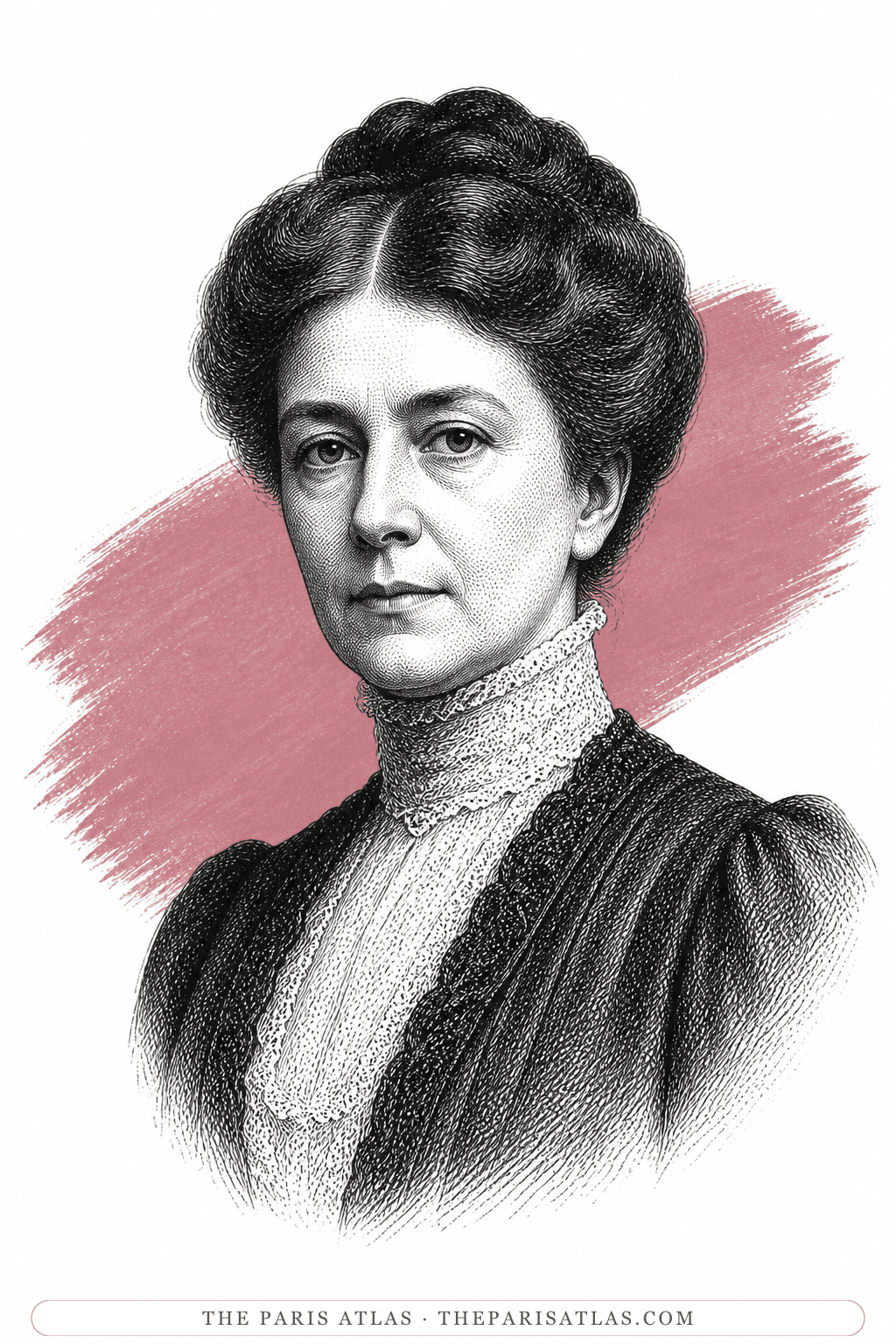
The closest friendship of James's last years, and much of it happened in Paris. Wharton kept an apartment on the rue de Varenne in the 7th arrondissement, and in the spring of 1907 James began his first real holiday in years with a stay there, followed by a long motor tour through western and southern France with Wharton and her husband. Letters to her run through the whole second half of his published correspondence, from formal 'Dear Mrs. Wharton' to 'Dearest Edith'.
Henry James, edited by Percy Lubbock, The Letters of Henry James, Volume II (1920)

Illustrated portrait of Émile Zola

Émile Zola

  • Author
  • Journalist
  • Critic

Met · 1876

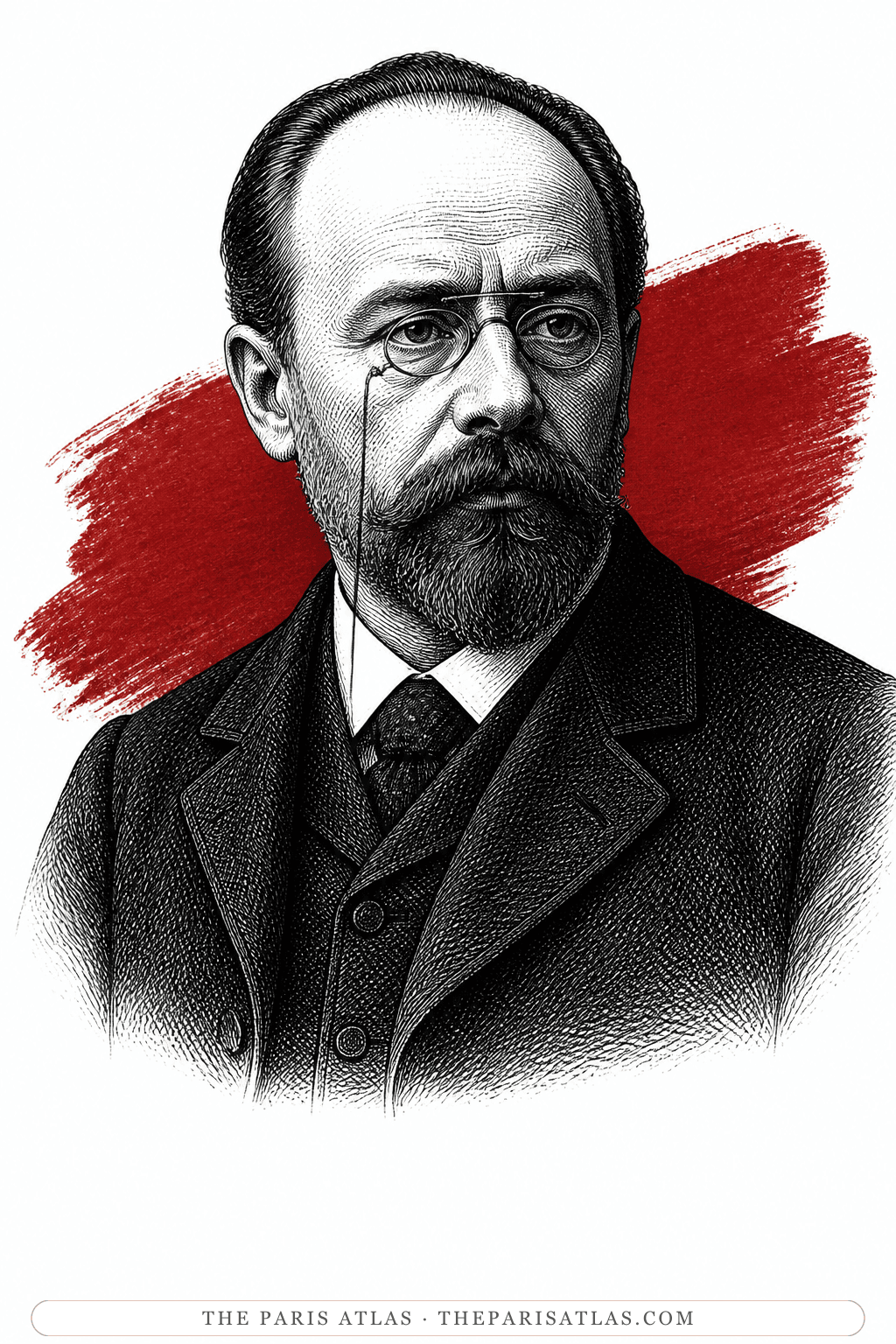
James described the encounter in a letter of 1876: coming down the stairs from one of Flaubert's Sunday afternoons - where the talk had been of Zola's serialised novel being stopped mid-run after provincial subscribers complained of its indecency - he passed Zola climbing up, 'looking very pale and sombre', and saluted him as one contributor to another who has just been invited to make his novel last longer. James saw more of Zola on later visits to Paris and read him with a mixture of admiration and distaste.

Henry James, edited by Percy Lubbock, The Letters of Henry James, Volume I (1920)

Gustave Flaubert

  • Author
  • Playwright

Met · 1876

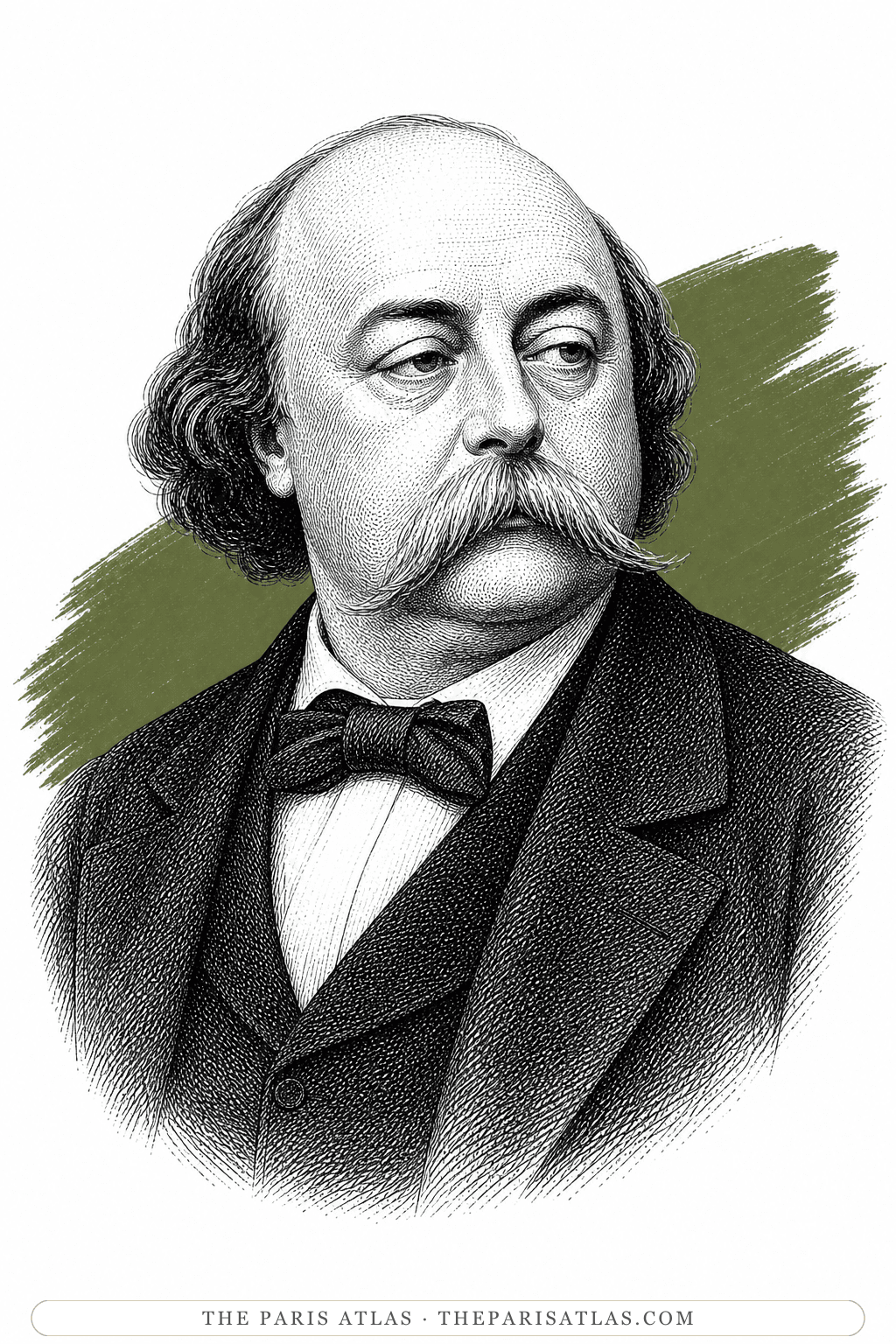
During his one Paris year James was a regular at Flaubert's Sunday receiving hours, brought there by the Russian novelist Ivan Turgenev. He wrote to his father in April 1876 that he had had Flaubert alone for an hour and liked him more each time he called - 'wonderfully simple, honest, kindly, and touchingly inarticulate' - and heard him recite Theophile Gautier's sonnets. It was the closest an American of his generation got to the inside of French letters, and James still concluded that the circle was shut.

Henry James, edited by Percy Lubbock, The Letters of Henry James, Volume I (1920)

Guy de Maupassant

  • Author
  • Journalist

Met · 1876

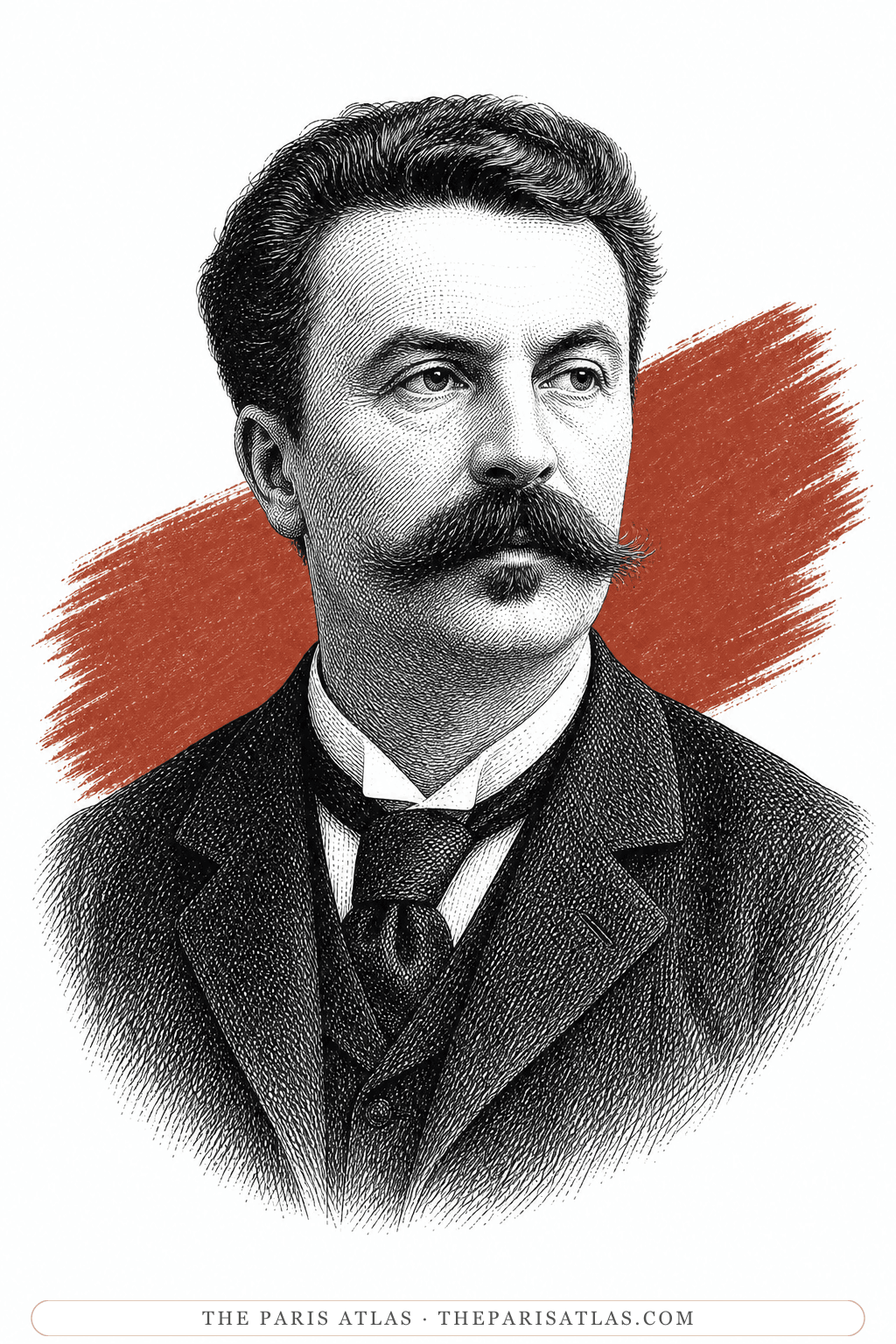
Maupassant was Flaubert's pupil and one of the fixtures of the Sunday gatherings in Flaubert's Paris apartment. Percy Lubbock's account of James's Paris year records that Turgenev's friendship brought James into that group - Edmond de Goncourt, Alphonse Daudet, Guy de Maupassant and Emile Zola. Maupassant was twenty-six and unpublished as a story writer; his breakthrough came four years later.

Henry James, edited by Percy Lubbock, The Letters of Henry James, Volume I (1920)

Questions about Henry James

Who was Henry James?

An American novelist and critic, born in New York in 1843 and dead in London in 1916, who spent his adult life in Europe and wrote the definitive fiction about Americans meeting the Old World — The American, The Portrait of a Lady, The Ambassadors, The Golden Bowl — as well as the ghost story The Turn of the Screw. He is the writer usually credited with shifting the novel's centre of gravity from what happens to what a character perceives and understands.

Did Henry James live in Paris?

Yes, for a little over a year, and he meant it to be permanent. He arrived in the autumn of 1875 with the settled intention of making Paris his European home, took rooms at 29 rue du Luxembourg, and lived and worked there through the winter and spring of 1876, with a summer break on the Normandy coast and a final autumn back in the city. He left for London in December 1876. It is the shortest of his long residences and arguably the one that decided his life.

Why did Henry James leave Paris for London?

Because he concluded the French literary world would never really admit him. He had got inside it — Turgenev introduced him to Flaubert's Sunday circle, which is where a young novelist was supposed to want to be — and found it closed to everything outside itself. He wrote to William Dean Howells in May 1876 that he had fifty reasons not to become intimate with the group, because he did not like their work, they did not like anyone else's, and they were not welcoming. In July he wrote to his brother William from Etretat that he had done with them forever and was 'turning English all over'. He was in London before the year ended and never moved again.

Which writers did Henry James meet in Paris?

Ivan Turgenev first — the Russian novelist, author of Fathers and Sons, then living in Paris, whom James admired more than anyone else in the city and who did the introducing. Through Turgenev he entered the group that met at Gustave Flaubert's apartment on Sunday afternoons: Edmond de Goncourt the diarist, the novelist Alphonse Daudet, the young Guy de Maupassant, and Émile Zola, whom James first saw climbing Flaubert's staircase while the room upstairs was discussing the censoring of Zola's latest serial for indecency.

Where did Henry James write The American?

In Paris, in his rooms at 29 rue du Luxembourg, through the winter and spring of 1875–76. It began appearing in instalments in The Atlantic Monthly in June 1876 and was published as a book in 1877. The novel is full of the city he was living in — the American tourist colony, and the sealed world of an old French family that refuses to let Christopher Newman marry into it, which is close enough to James's own year in Paris to read as a report from it.

Was Henry James British or American?

Both, though American for far longer: he was an American citizen for seventy-two years and a British one for seven months. He was born an American in New York in 1843 and lived in England from December 1876 until his death. On 26 July 1915, after nearly forty years there and out of loyalty to Britain in the First World War, he took British citizenship; his sponsors included the Prime Minister, H. H. Asquith. He was given the Order of Merit in the New Year honours weeks before he died on 28 February 1916.

Sourced claims

Every connection the graph holds for Henry, with the evidence behind it.

Met

Edith Wharton

The closest friendship of James's last years, and much of it happened in Paris. Wharton kept an apartment on the rue de Varenne in the 7th arrondissement, and in the spring of 1907 James began his first real holiday in years with a stay there, followed by a long motor tour through western and southern France with Wharton and her husband. Letters to her run through the whole second half of his published correspondence, from formal 'Dear Mrs. Wharton' to 'Dearest Edith'.
Henry James, edited by Percy Lubbock, The Letters of Henry James, Volume II (1920)

Met · 1876

Émile Zola

James described the encounter in a letter of 1876: coming down the stairs from one of Flaubert's Sunday afternoons - where the talk had been of Zola's serialised novel being stopped mid-run after provincial subscribers complained of its indecency - he passed Zola climbing up, 'looking very pale and sombre', and saluted him as one contributor to another who has just been invited to make his novel last longer. James saw more of Zola on later visits to Paris and read him with a mixture of admiration and distaste.

Henry James, edited by Percy Lubbock, The Letters of Henry James, Volume I (1920)

Met · 1876

Gustave Flaubert

During his one Paris year James was a regular at Flaubert's Sunday receiving hours, brought there by the Russian novelist Ivan Turgenev. He wrote to his father in April 1876 that he had had Flaubert alone for an hour and liked him more each time he called - 'wonderfully simple, honest, kindly, and touchingly inarticulate' - and heard him recite Theophile Gautier's sonnets. It was the closest an American of his generation got to the inside of French letters, and James still concluded that the circle was shut.

Henry James, edited by Percy Lubbock, The Letters of Henry James, Volume I (1920)

Met · 1876

Guy de Maupassant

Maupassant was Flaubert's pupil and one of the fixtures of the Sunday gatherings in Flaubert's Paris apartment. Percy Lubbock's account of James's Paris year records that Turgenev's friendship brought James into that group - Edmond de Goncourt, Alphonse Daudet, Guy de Maupassant and Emile Zola. Maupassant was twenty-six and unpublished as a story writer; his breakthrough came four years later.

Henry James, edited by Percy Lubbock, The Letters of Henry James, Volume I (1920)

References

References

The sources below include biographies, scholarly essays, interviews, and primary materials that informed this page. They reflect both the historical record and ongoing critical conversations about Henry James and their work.

  1. 1The Letters of Henry James, Volume I

    Charles Scribner's Sons, 1920

    James's own letters from 29 rue du Luxembourg, with Percy Lubbock's editorial account of the Paris year and the move to London.

    View source
  2. 2The Letters of Henry James, Volume II

    Charles Scribner's Sons, 1920

    The later correspondence — the Wharton letters, the 1907 Paris visit, the naturalisation, and the death.

    View source
  3. 3Henry James

    Library of America

    Library of America's author page: dates and the canon of major works.

    View source
  1. 4Henry James: Novels 1871–1880

    Library of America

    The volume note on The American — written in Paris, and full of Parisian life.

    View source
  2. 5Henry James: Novels 1903–1911

    Library of America

    The late-novels volume that dates The Ambassadors, his last full-length Paris book.

    View source
i
Why these sources are here

These references anchor the page in the documented record and in the scholarly conversations around Henry James. Every claim on this page traces back to one or more of the works listed here.

Explore more resources
Browse all authors


