Édouard Manet
Manet's studio in the years immediately after he left Thomas Couture's teaching, before the Salon scandals of the 1860s.
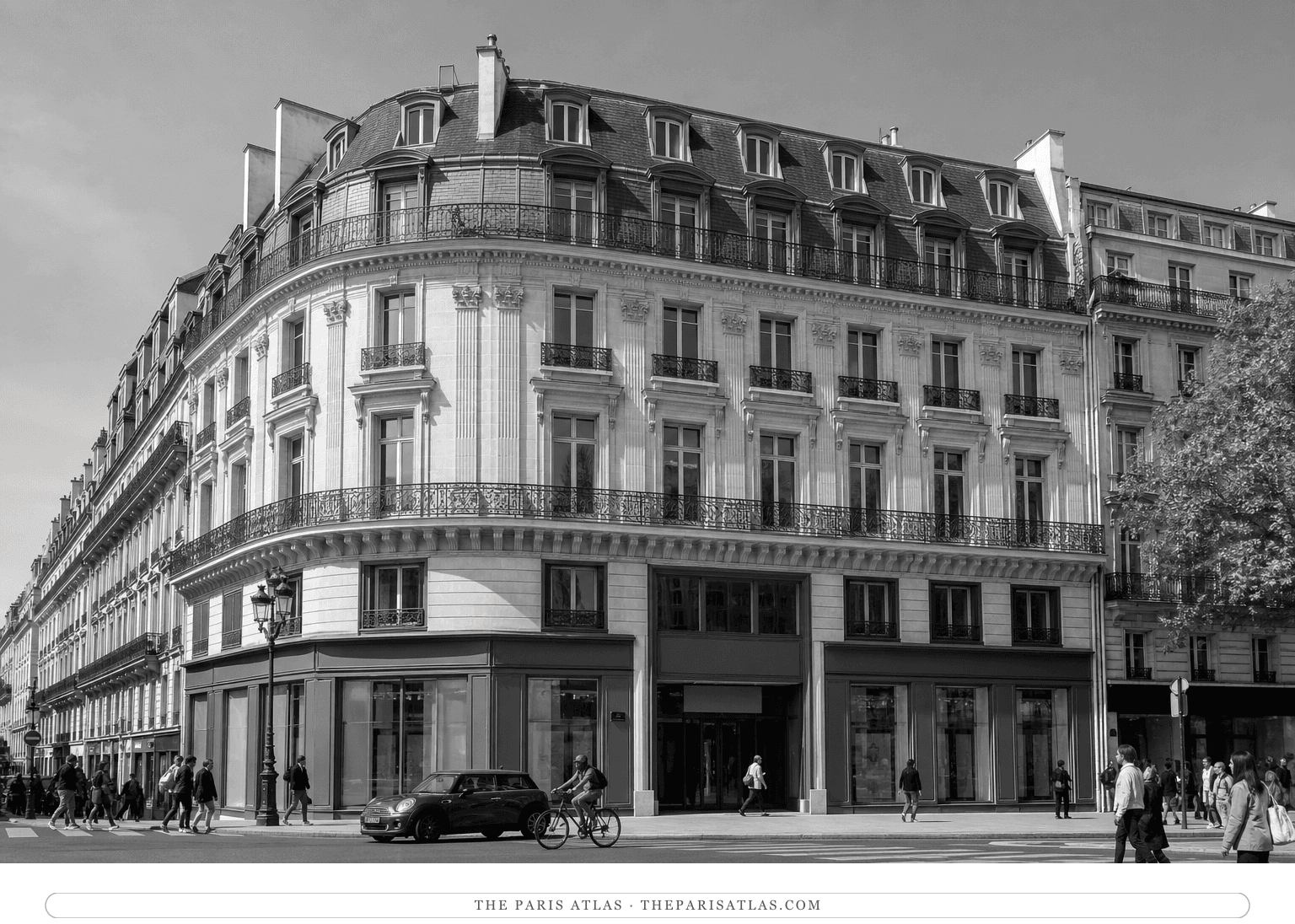
The studio Édouard Manet kept from around 1856 to 1859, in the first years after he left Thomas Couture's teaching and began working on his own.
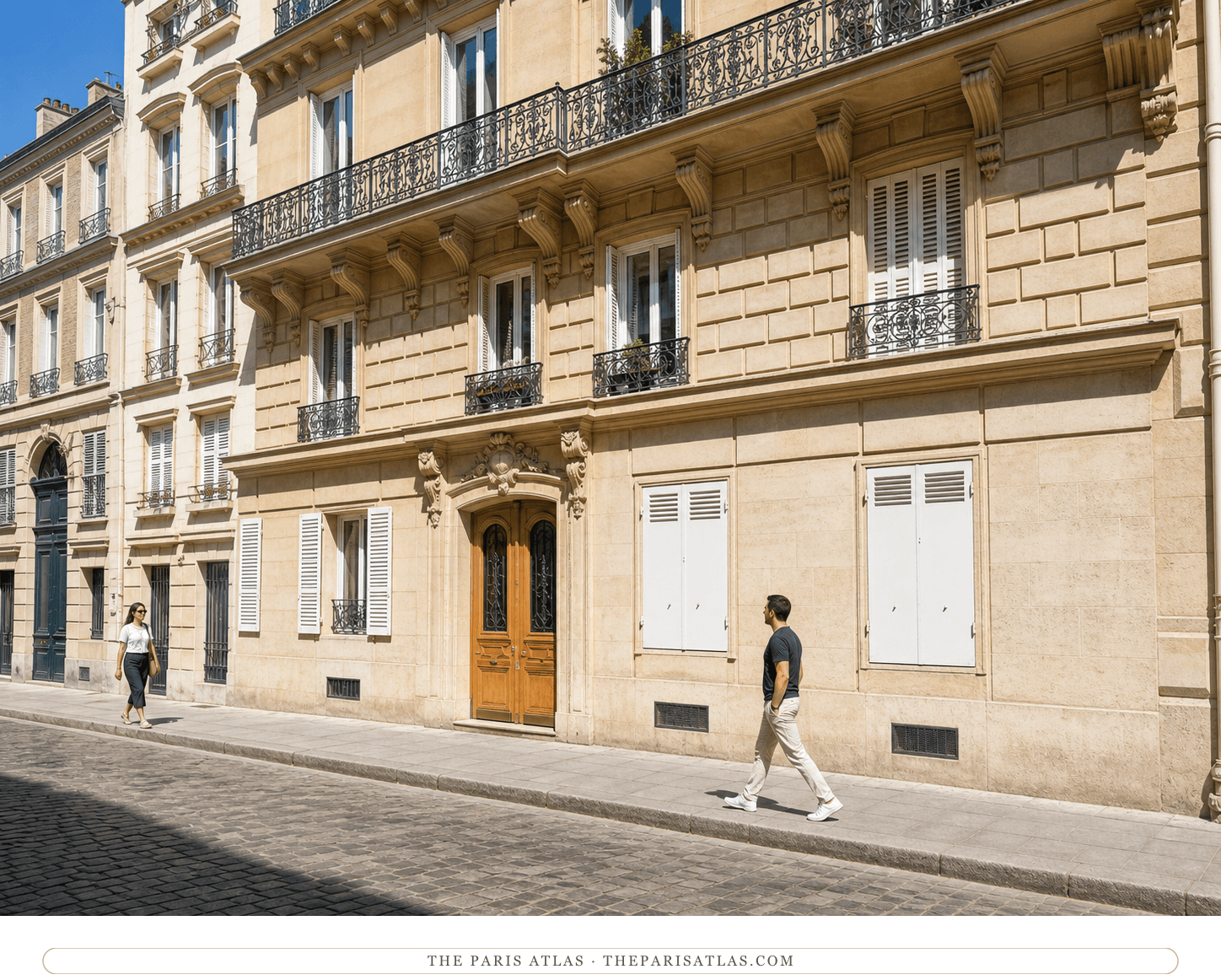
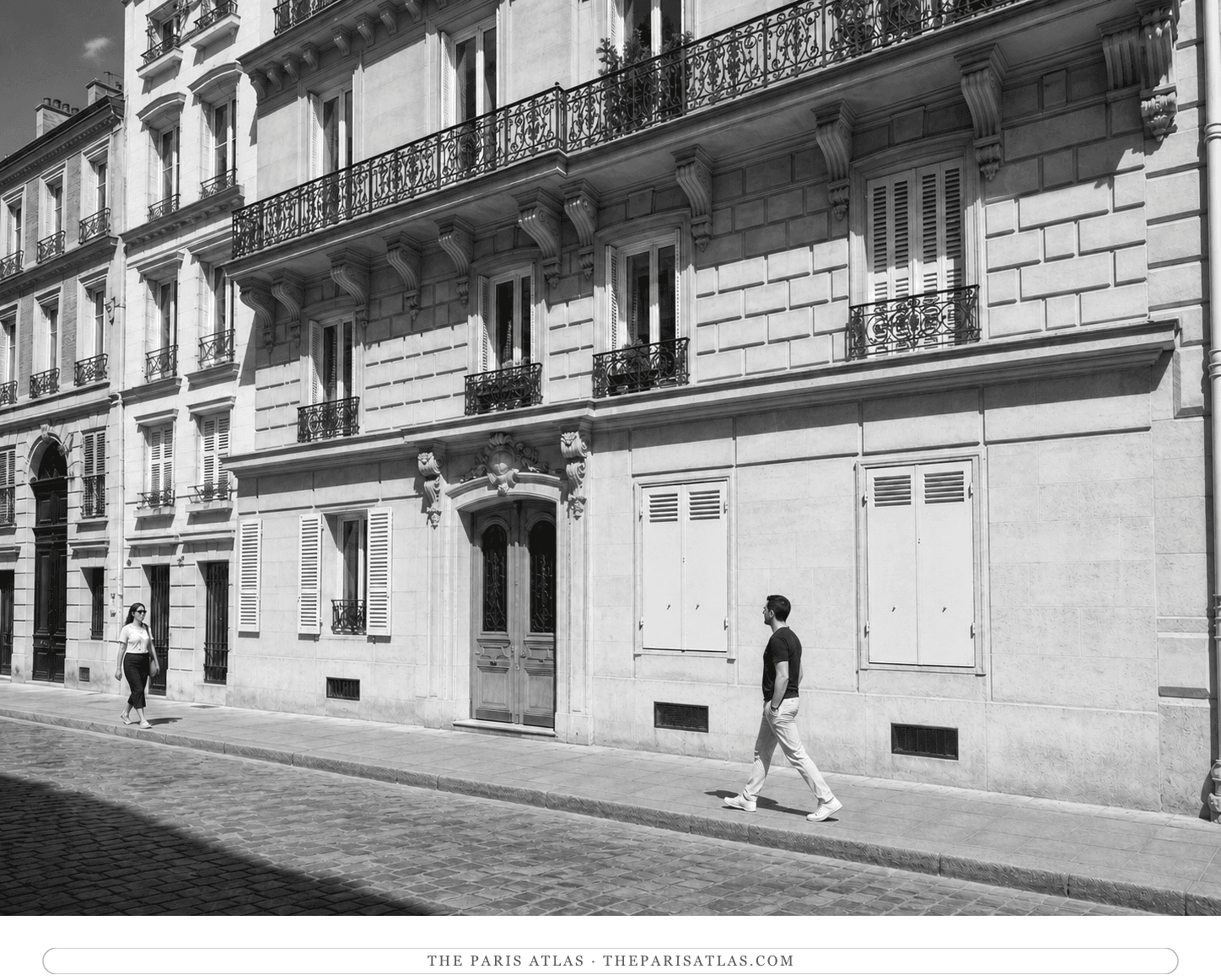
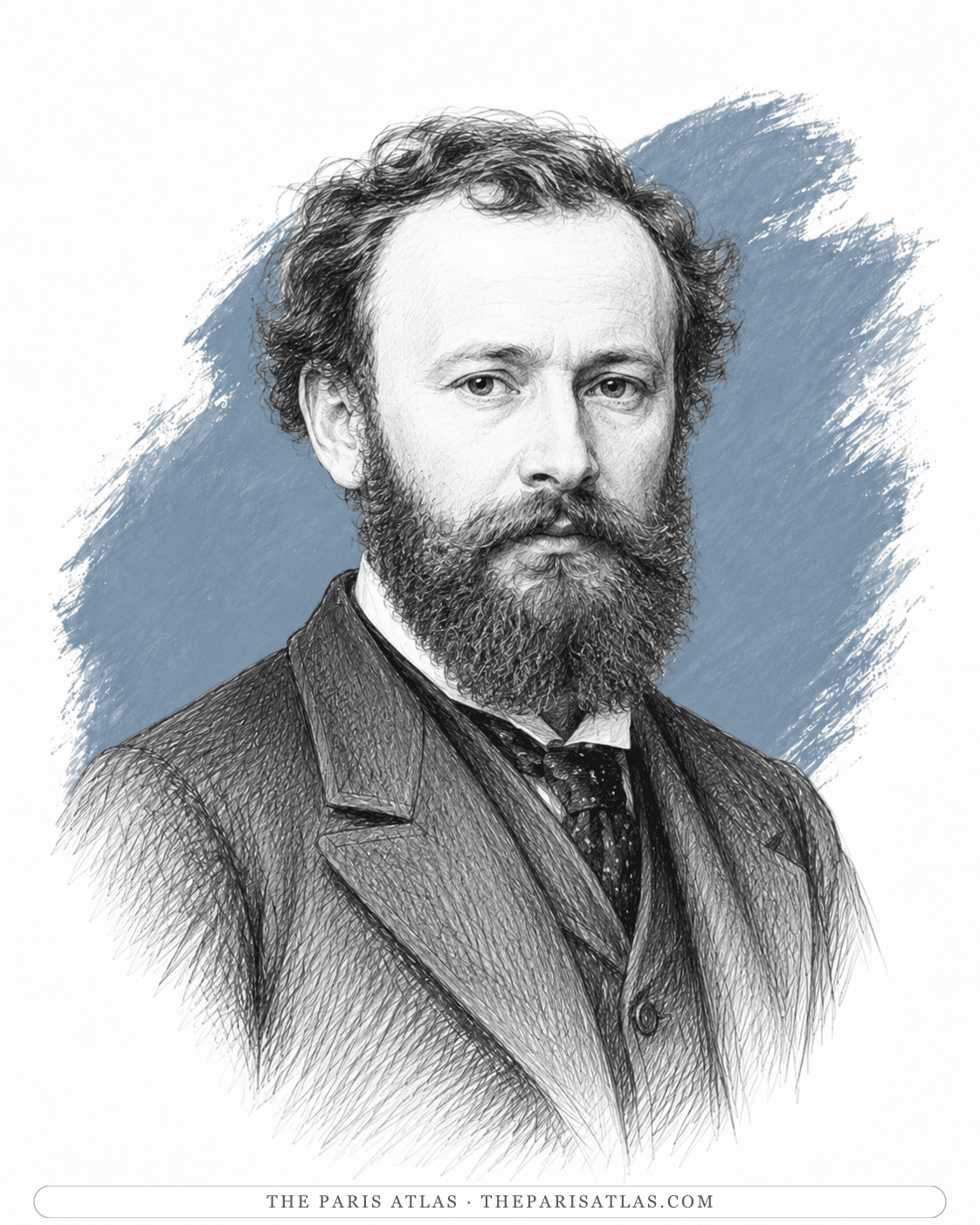
Édouard Manet maintained a studio at 4 rue Lavoisier for roughly three years from 1856. He was in his mid-twenties, had recently finished six years in the studio of the academic painter Thomas Couture, and was working out what to do without a teacher.
These are the years before anything famous. The pictures that made him notorious — the Déjeuner sur l'herbe of 1863, the Olympia shown in 1865 — were still ahead, and what he was doing here was closer to sorting out his relationship to Spanish painting and to the Louvre than to scandalising anybody.
The building stands, in a quiet corner of the 8th behind the Madeleine. It is private and unmarked.
Manet takes a studio at 4 rue Lavoisier after leaving Couture.
He moves on; a studio on the rue Guyot follows in the 1860s.
It was his working studio in the late 1850s, before the Salon scandals. The famous pictures came later, from the rue Guyot studio and after.
No. The building is private and carries no plaque.
Manet's studio in the years immediately after he left Thomas Couture's teaching, before the Salon scandals of the 1860s.
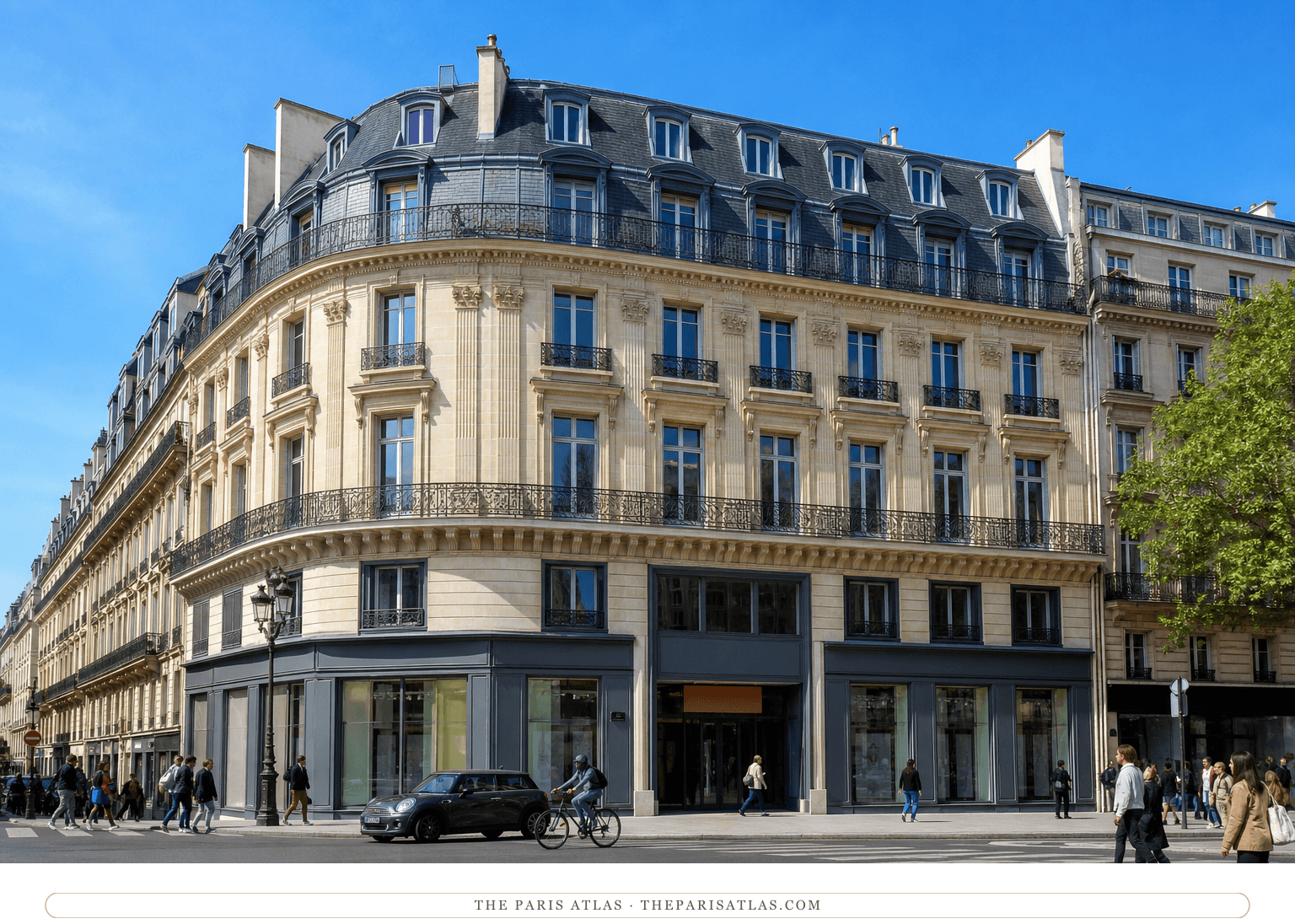
The flat where Marcel Proust wrote most of In Search of Lost Time, in a bedroom he had lined with cork to keep the noise of the boulevard out. He moved in on 27 December 1906, after his parents' deaths, and stayed thirteen years. The room itself is now reassembled at the Musée Carnavalet.
Visit the place
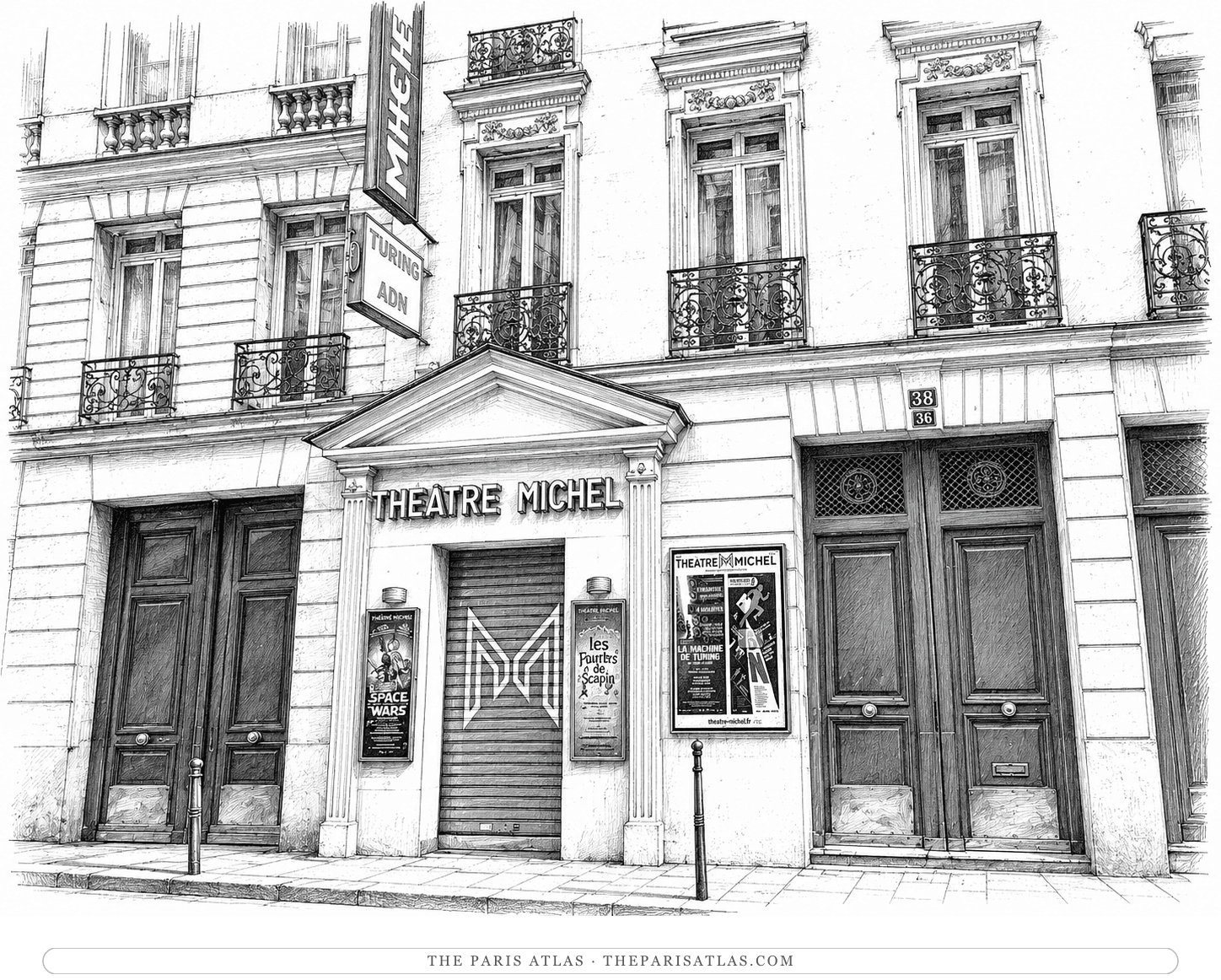
Where the stage version of Chéri premiered in 1921, and where Colette herself played Léa at its hundredth performance.
Visit the place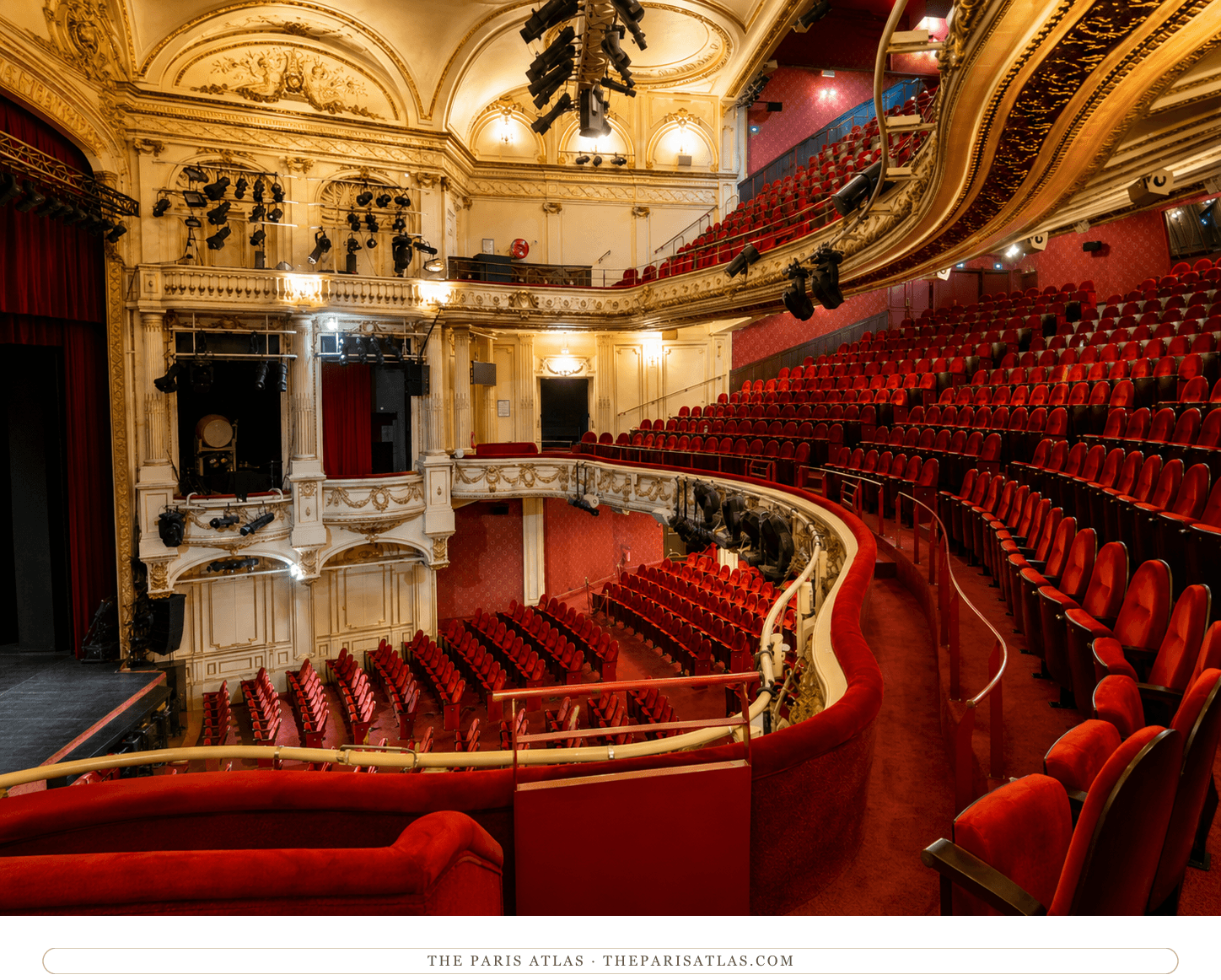
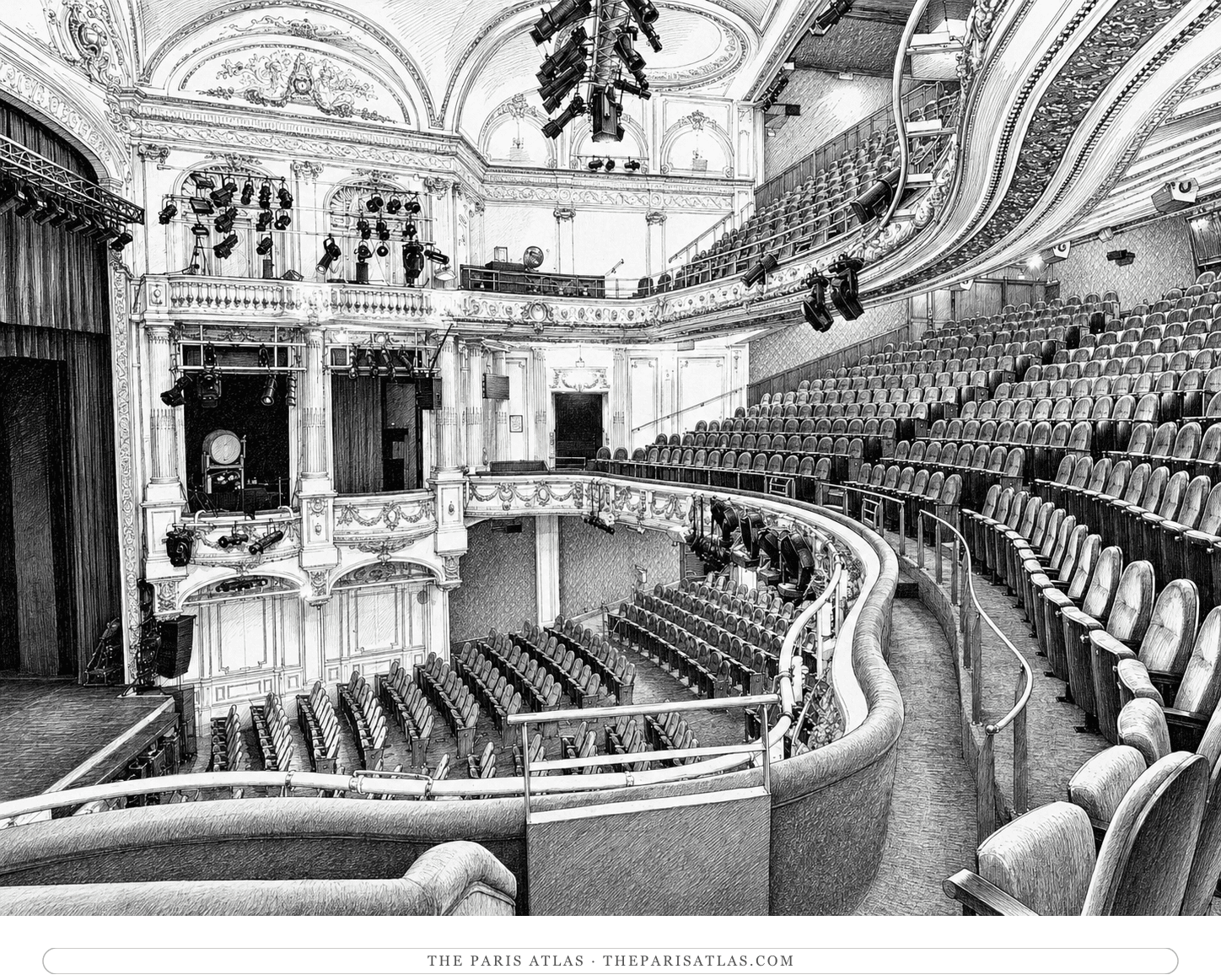
Where Colette made her public stage debut in 1906, the first step of the music-hall career that won her independence from Willy.
Visit the place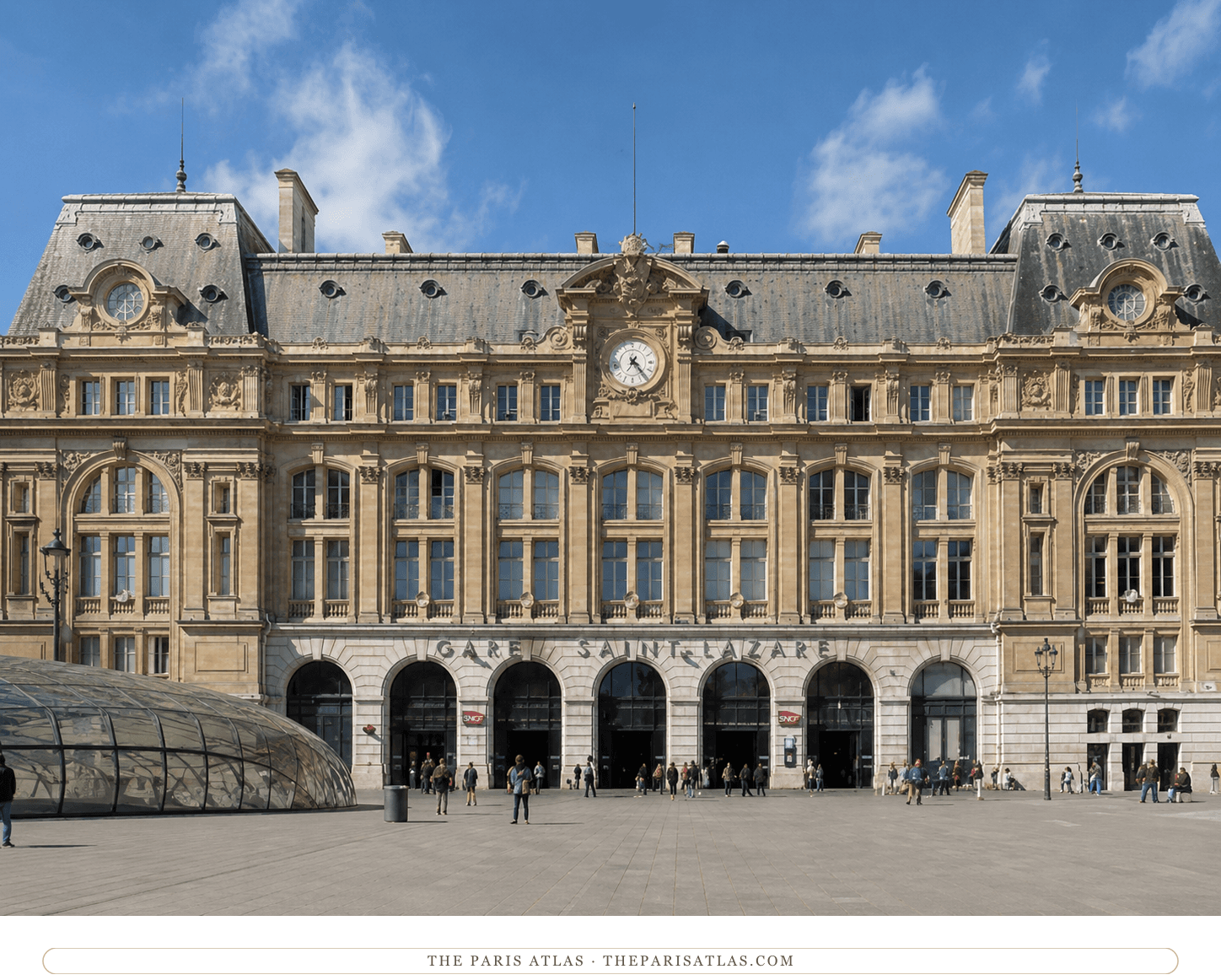
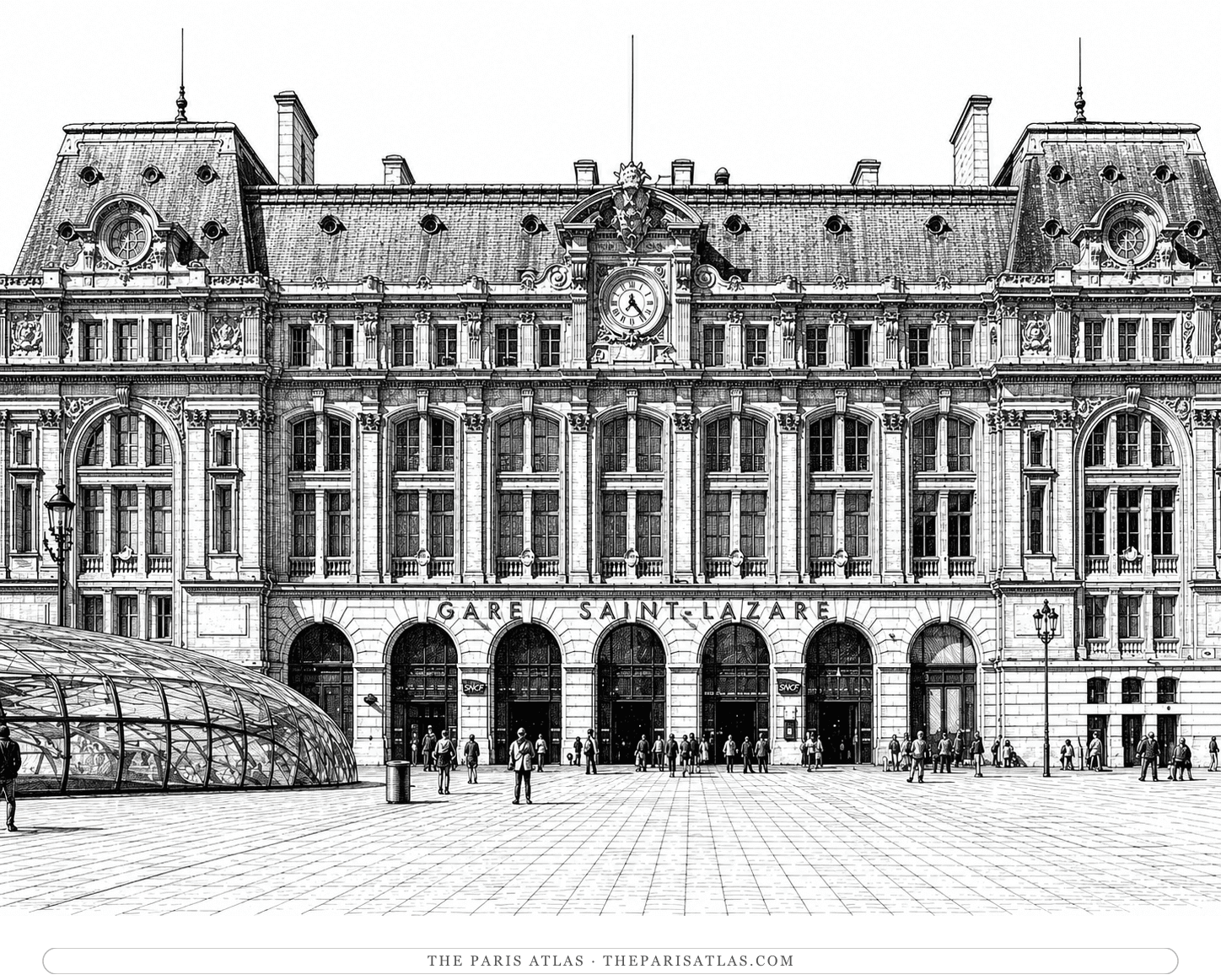
Paris's oldest terminus — Claude Monet's steam-filled train shed, the boat trains to the Atlantic liners, and the platform where the Paris chapters of F. Scott Fitzgerald's Tender Is the Night end in pistol shots.
Visit the placeThe sources below include histories, archival materials, scholarly research, and official records that informed this page. They document 4 rue Lavoisier, the people connected to it, and its place in Paris.


Web source consulted for documented facts and historical context presented on the 4 rue Lavoisier page.
Web source consulted for documented facts and historical context presented on the 4 rue Lavoisier page.
Web source consulted for documented facts and historical context presented on the 4 rue Lavoisier page.
Web source consulted for documented facts and historical context presented on the 4 rue Lavoisier page.
These references provide the documented foundation for this page's history and context. Claim-level citations remain attached to the specific claims they support.
 Explore more resources
Newsletter
The cafés, studios, and walk-up flats where the work was made — one story from the map in every letter.